
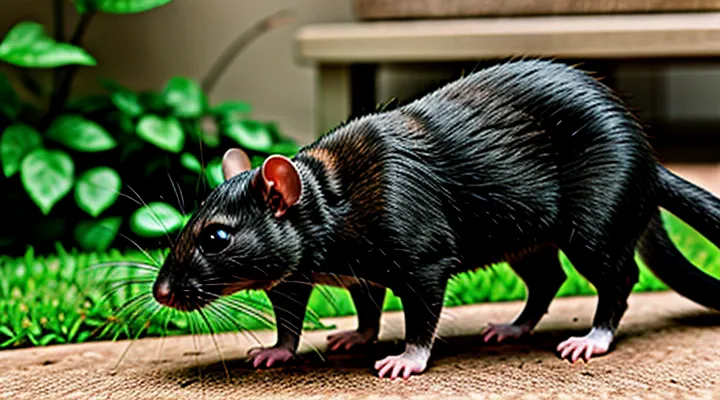
Why Choose a Decorative Rat?
Understanding Rat Characteristics
Temperament and Social Behavior
Decorative rats exhibit a calm, inquisitive temperament that adapts well to a domestic setting. They are naturally active during twilight hours, displaying bursts of exploration followed by periods of rest. Individual personalities vary; some rats readily accept handling, while others remain cautious until trust is established through consistent, gentle interaction.
Social dynamics are integral to their well‑being. Rats are obligate group animals; isolation often leads to anxiety, reduced appetite, and abnormal grooming. A minimum pair ensures the expression of natural behaviors such as mutual grooming, play chasing, and vocal communication. Within a group, a fluid hierarchy emerges, marked by subtle cues:
- Dominant individuals may initiate grooming and occupy preferred nesting spots.
- Subordinate rats typically yield space and display deference through lowered posture.
- Conflict is brief and resolved through body language rather than aggression.
Stress signals include excessive teeth chattering, rapid breathing, and avoidance of contact. Early detection allows prompt adjustment of cage enrichment, social composition, or routine. Providing multiple nesting materials, chewable objects, and varied climbing structures supports both individual curiosity and group interaction, reinforcing the species‑typical social structure while reducing tension.
Lifespan and Health Considerations
Decorative rats typically live two to three years, though optimal care can extend longevity to three and a half years. Lifespan is influenced by genetics, diet quality, environmental stability, and routine veterinary monitoring.
Key health considerations include:
- Balanced nutrition: high‑protein pellet base supplemented with fresh vegetables, limited fruit, and occasional protein treats; avoid sugary or fatty foods that accelerate metabolic disorders.
- Clean environment: daily cage spot‑cleaning, weekly full substrate change, and regular disinfection of food dishes and water bottles reduce bacterial and fungal load.
- Temperature and humidity control: maintain ambient temperature between 18‑24 °C and relative humidity around 40‑60 % to prevent respiratory irritation.
- Exercise and enrichment: multi‑level cages, chewable toys, and supervised floor time promote musculoskeletal health and mental stimulation, decreasing stress‑related illnesses.
- Preventive veterinary care: schedule annual health checks, vaccinate against common rodent pathogens when available, and promptly address signs of respiratory distress, skin lesions, or abnormal droppings.
Monitoring weight, coat condition, and activity levels provides early indicators of health decline. Prompt intervention, combined with the above measures, maximizes the functional lifespan of ornamental rats kept in a home setting.
Benefits of Rat Ownership
Companionship and Intelligence
Decorative rats form strong social bonds with their owners, responding to regular interaction with affection and trust. Their natural inclination to live in groups translates into a desire for companionship, making them suitable partners for individuals seeking a responsive pet.
Intelligence manifests through rapid learning, problem‑solving, and memory retention. Rats navigate mazes, manipulate objects to obtain food, and can be conditioned to perform simple commands. Their capacity for associative learning allows them to recognize owners, differentiate between individuals, and adapt behavior based on environmental cues.
Owners benefit from the reciprocal relationship. Consistent engagement reduces stress, encourages routine, and fosters a sense of responsibility. The presence of an attentive rat provides daily opportunities for positive reinforcement, reinforcing the caretaker’s commitment to proper husbandry.
Methods to enhance cognitive development
- Introduce varied puzzle feeders that require manipulation.
- Rotate maze configurations to prevent habituation.
- Teach basic commands using click‑train techniques.
- Provide enrichment items such as tunnels, chew sticks, and climbing structures.
- Schedule regular social sessions with compatible rat companions.
Sustained mental stimulation and consistent companionship strengthen the bond, ensuring a mutually rewarding experience for both pet and caretaker.
Low Maintenance Aspects
Keeping ornamental rats requires minimal daily effort when low‑maintenance practices are applied. Their natural behaviors and physiological traits reduce the need for extensive intervention.
- Diet: Commercial rodent pellets meet nutritional requirements; occasional fresh vegetables supplement without demanding precise measurements.
- Water: Automatic bottle dispensers maintain constant supply, eliminating multiple daily refills.
- Cage hygiene: Biodegradable bedding absorbs waste; spot cleaning removes soiled sections, while a full change every two weeks preserves cleanliness.
- Grooming: Self‑cleaning fur and innate chewing reduce external grooming demands; simply provide wooden blocks for dental wear.
- Health monitoring: Visual checks for lethargy, coat condition, and appetite detect issues early; no specialized equipment is necessary.
These elements streamline routine care, allowing owners to maintain a healthy environment with limited time investment. The result is a sustainable, aesthetically pleasing rodent display that integrates smoothly into typical household schedules.
Preparing for Your New Pet
Choosing Your Rat(s)
Reputable Breeders vs. Pet Stores
When acquiring decorative rats, the source influences health, temperament, and long‑term wellbeing. Reputable breeders maintain controlled breeding programs, provide detailed lineage records, and conduct regular health screenings. They typically offer guidance on diet, enclosure setup, and socialization, and they remain available for post‑sale consultation.
Pet stores often obtain animals from large distributors, resulting in limited information about ancestry and health history. Animals may experience higher stress levels due to overcrowded environments and frequent handling by multiple staff members. Veterinary oversight varies, and ongoing support is usually minimal.
Key considerations for prospective owners:
- Documentation: pedigree, health certificates, vaccination dates.
- Environment: breeding facility cleanliness, space per animal, enrichment.
- Genetic health: screening for common hereditary conditions.
- After‑sale support: availability of advice, return policies, and emergency guidance.
Choosing a breeder with transparent practices reduces the risk of disease, behavioral issues, and unexpected costs, thereby supporting responsible ownership of ornamental rats.
Selecting Healthy Individuals
When acquiring decorative rats, health assessment precedes any commitment to their care. Begin with reputable breeders or pet stores that provide health certificates and allow observation of the animals in their living environment. Verify that the source maintains strict sanitation protocols and separates litters to prevent disease transmission.
Key criteria for selecting a robust individual include:
- Clear, bright eyes without discharge
- Clean, unblemished fur; no bald patches or excessive shedding
- Alert, active behavior; avoidance of lethargy or excessive hiding
- Normal respiration; no wheezing, coughing, or audible labored breathing
- Firm, evenly sized body; absence of swelling or lumps
- Intact teeth; proper alignment without overgrowth
- No nasal or ocular secretions; absence of crusted debris
A physical examination by a qualified small‑animal veterinarian should follow purchase. The vet can confirm the absence of parasites, conduct a fecal exam, and assess dental health. Request a quarantine period of at least seven days before integrating the new rat with existing stock; monitor for signs of illness such as reduced appetite, weight loss, or abnormal stool. Documentation of vaccination (if applicable) and deworming history adds an extra layer of security.
Selecting individuals that meet these standards reduces the likelihood of future medical interventions and promotes a stable, thriving colony within the home environment.
Essential Supplies
Cage Requirements
A suitable enclosure is the foundation of successful home rat husbandry. The cage must provide ample space, secure construction, and proper ventilation to support the health and natural behavior of decorative rats.
- Minimum floor area: 2 sq ft per rat; larger groups require proportionally more space.
- Height: at least 12 inches to allow climbing and vertical enrichment.
- Material: stainless steel or powder‑coated metal; avoid zinc‑based alloys that can cause toxicity.
- Mesh size: no larger than ½ inch to prevent escape while ensuring airflow.
- Doors: lockable, latch‑free mechanisms to reduce stress during handling.
- Flooring: solid base with removable trays for easy cleaning; avoid wire flooring that can damage footpads.
- Accessories: chew‑proof toys, hideouts, and platforms mounted securely to prevent collapse.
Regular inspection of the cage structure identifies wear, rust, or loose fittings before they become hazards. Cleaning should involve full removal of bedding, disinfection with a rodent‑safe solution, and thorough drying to prevent moisture buildup. Replacement of worn components follows a schedule of six months for metal parts and three months for plastic accessories.
By adhering to these specifications, owners create a stable environment that minimizes disease risk, encourages natural activity, and simplifies routine maintenance.
Size and Bar Spacing
When housing ornamental rats, cage dimensions must allow unrestricted movement and prevent injury. Minimum floor area should be 2 sq ft per adult, with additional space for each extra rat; a 30‑inch‑wide by 18‑inch‑deep enclosure accommodates two individuals comfortably. Vertical space is beneficial for climbing, so a height of at least 18 inches is recommended.
Bar spacing directly affects safety. Gaps wider than ½ inch permit escape and risk of paw entrapment. Standard wire cages with ½‑inch openings meet this requirement, while ¼‑inch spacing offers extra protection for juveniles or very small breeds. Ensure bars are smooth and free of sharp edges to avoid skin abrasions.
Key measurements:
- Floor space: ≥2 sq ft per adult rat
- Height: ≥18 inches
- Horizontal bar spacing: ≤½ inch
- Vertical bar spacing: ≤½ inch (¼ inch for juveniles)
Regularly inspect the cage for deformation or wear that could enlarge openings. Replace compromised panels promptly to maintain the prescribed dimensions.
Ventilation and Location
Proper ventilation prevents respiratory problems and controls odor in a rat enclosure. Choose a cage with mesh sides or a ventilated top panel that allows fresh air to circulate without creating drafts. Position the cage away from direct airflow from vents, fans, or open windows, as strong currents can cause stress and chill the animals.
Select a location that balances quietness and accessibility. Place the enclosure in a room with stable temperature, away from heating elements, air conditioners, and direct sunlight. Ensure the area is free from loud noises, sudden movements, and other pets that might intimidate the rats. A low‑traffic zone facilitates routine cleaning and observation while minimizing disturbance.
Key considerations for placement:
- Ambient temperature between 18 °C and 24 °C (64 °F–75 °F).
- Humidity around 40 %–60 %.
- No exposure to chemicals, strong scents, or aerosol sprays.
- Easy access to a sturdy, level surface that supports the cage’s weight.
Maintain a schedule for checking airflow. Verify that mesh panels remain unobstructed, clean any dust buildup, and replace filters if the cage uses them. Regularly assess the room’s temperature and humidity with a reliable meter; adjust heating or humidification devices as needed. Proper ventilation and an appropriate location together create a stable environment that supports the health and wellbeing of decorative rats.
Bedding and Substrate
Bedding provides insulation, absorbs waste, and creates a comfortable environment for pet rats. Selecting a substrate that balances absorbency, low dust, and safety reduces respiratory irritation and keeps the enclosure hygienic.
- Paper‑based products (e.g., shredded paper, cellulose pellets) – high absorbency, minimal dust, biodegradable.
- Aspen shavings – low resin content, moderate absorbency, suitable for larger enclosures.
- Coconut fiber (coir) – excellent moisture control, natural scent, may require additional layering to prevent matting.
- Avoid pine or cedar shavings – contain aromatic oils that can damage respiratory tissues.
Maintain bedding depth at 2–3 cm to allow rats to burrow without excessive material buildup. Replace the entire substrate weekly, or more often if odor or moisture increases. Spot‑clean soiled sections daily by removing clumped waste and adding fresh material to maintain consistent depth.
Safety checks include confirming that bedding is free of chemicals, mold, and sharp fragments. Monitor for excessive dust; if particles become visible during handling, switch to a lower‑dust alternative. Ensure that any added enrichment (e.g., tunnels, hideaways) does not introduce loose fibers that rats could ingest.
Consistent bedding management supports healthy skin, normal grooming behavior, and stable enclosure conditions. Regular inspection, appropriate material choice, and scheduled replacement form the core protocol for effective rat habitat maintenance.
Food and Water Dishes
Choosing appropriate food and water containers is a fundamental aspect of maintaining healthy decorative rats. The dishes must accommodate the animals’ small size while preventing spillage and contamination.
- Material: stainless steel or glazed ceramic resist rust and bacterial growth; avoid plastic, which can be chewed and develop scratches that harbor microbes.
- Size: a shallow bowl with a diameter of 4–5 cm holds enough food for a single rat; a slightly larger dish (6–7 cm) suits a small group.
- Depth: water dishes should be no deeper than 2 cm to reduce the risk of drowning; food dishes may be slightly deeper to hold pellets and fresh produce.
Cleaning procedures should be performed daily. Rinse dishes with warm water, scrub with a brush, and sanitize with a dilute vinegar solution (1 part vinegar to 4 parts water) or an approved pet-safe disinfectant. Rinse thoroughly before refilling.
Placement influences consumption patterns. Position water dishes away from food to discourage contamination, but keep both within easy reach of the cage’s main activity zone. Secure dishes on a non‑slipping mat or attach them to the cage wall to prevent tipping.
A maintenance schedule ensures consistent hygiene:
- Daily: remove leftovers, rinse, refill with fresh water.
- Weekly: deep clean with disinfectant, inspect for cracks or wear.
- Monthly: replace dishes showing signs of damage or persistent odor.
Adhering to these guidelines supports optimal nutrition, reduces disease risk, and promotes a stable environment for decorative rats kept at home.
Toys and Enrichment
Providing a variety of toys and enrichment items is fundamental for the physical health and mental stimulation of pet rats kept in a domestic setting.
Select items that encourage natural behaviors such as chewing, climbing, and foraging. Safe options include untreated hardwood blocks, cardboard tunnels, and plastic chew toys without sharp edges. Rotate objects every one to two weeks to maintain interest and prevent habituation.
Implement foraging challenges by hiding small portions of food inside paper rolls, egg cartons, or commercially available puzzle feeders. This promotes problem‑solving skills and reduces boredom‑related behaviors.
Create vertical space with ladders, shelves, or stacked PVC pipes. Rats readily explore elevated platforms, which improve muscle tone and coordination. Ensure all structures are securely anchored to prevent collapse.
Incorporate social enrichment through regular, supervised interaction with humans and, when appropriate, with compatible cage‑mates. Hand‑taming sessions lasting five to ten minutes, several times per week, reinforce trust and reduce stress.
Maintain hygiene by cleaning toys with warm water and mild detergent after each rotation. Discard any item showing signs of wear, splintering, or contamination.
A concise checklist for enrichment planning:
- Chewing: untreated wood, safe plastic toys
- Climbing: ladders, shelves, PVC pipes
- Foraging: puzzle feeders, paper rolls, egg cartons
- Social: daily hand‑taming, compatible cage‑mates
- Maintenance: weekly cleaning, replace damaged items
Adhering to these guidelines supports robust health, encourages natural activity, and enhances the overall welfare of decorative rats living at home.
Setting Up the Environment
Initial Cage Setup
When introducing decorative rats to a new environment, the cage must meet specific standards for size, safety, and comfort. A minimum floor area of 2 sq ft per animal ensures adequate movement; larger enclosures reduce stress and promote natural behaviors. Choose a solid base rather than a wire floor to prevent foot injuries, and ensure all bars are spaced no more than ½ inch apart to eliminate escape risks.
Key components for the initial setup include:
- Bedding: Use absorbent, dust‑free material such as paper‑based or aspen shavings. Avoid pine or cedar, which release harmful oils.
- Hideaways: Provide at least one enclosed shelter and one open tunnel to satisfy nesting instincts.
- Climbing structures: Install wooden branches, ladders, or rope toys to encourage exercise.
- Food and water dispensers: Select chew‑proof containers with spill‑proof lids; position them away from bedding to keep the area dry.
- Chew objects: Place untreated wooden blocks or mineral chews to protect cage furnishings from gnawing damage.
- Cleaning tools: Keep a dedicated brush, scraper, and mild, rodent‑safe disinfectant on hand for routine maintenance.
Position the cage in a quiet, temperature‑stable area away from direct sunlight, drafts, and loud appliances. Maintain ambient temperature between 65 °F and 75 °F and relative humidity around 40‑60 %. Ensure the enclosure is placed on a stable surface that can support the total weight of the cage, bedding, and furnishings.
Before the rats arrive, inspect all components for sharp edges, loose fittings, or toxic residues. Assemble the cage according to the manufacturer’s instructions, then allow the bedding to settle for several hours to eliminate any remaining dust. Conduct a final safety check, then introduce the animals, monitoring their interaction with the environment for signs of stress or injury.
Rat-Proofing Your Home
Rat owners must eliminate access points that allow rodents to escape or unwanted pests to enter. Begin with a thorough inspection of walls, floors, and ceilings. Identify cracks larger than a quarter inch, gaps around pipes, and openings beneath doors. Apply steel wool combined with expanding foam to fill small fissures; use metal flashing or hardware cloth for larger voids. Install door sweeps on all entryways and ensure that windows close tightly, adding mesh screens where necessary.
Secure all electrical wiring and plumbing conduits. Wrap cables with protective tubing to prevent chewing, and seal pipe penetrations with silicone caulk. Store food, treats, and bedding in airtight containers made of glass or heavy‑wall plastic; avoid cardboard boxes that rodents can gnaw through. Keep litter boxes on sturdy trays with a lip, and place them on non‑slip mats to prevent displacement.
Maintain a clutter‑free environment. Remove stacks of newspapers, cardboard, and unused fabric that could serve as hiding places. Regularly vacuum beneath furniture and behind appliances to eliminate debris and droppings. Schedule weekly checks of the perimeter, focusing on the foundation and garage, and repair any damage immediately.
Key actions for a rat‑proof residence:
- Inspect and seal all structural gaps.
- Protect wiring and plumbing with metal barriers.
- Use sealed containers for food and bedding.
- Eliminate clutter and monitor the perimeter weekly.
Implementing these measures creates a safe habitat for decorative rats while preventing intrusion by wild rodents, ensuring both animal welfare and household hygiene.
Daily Care and Maintenance
Nutrition for Healthy Rats
Commercial Rat Food
Commercial rat food provides a balanced blend of protein, fiber, fat, vitamins, and minerals essential for the health of ornamental rodents. Formulated to meet the specific metabolic needs of small mammals, it eliminates the guesswork involved in creating homemade mixes and ensures consistent nutrient intake.
Key components of a high‑quality commercial diet include:
- Animal‑derived protein (10‑14 % of the mix) for tissue growth and repair.
- Whole‑grain or oat base supplying complex carbohydrates and dietary fiber to support digestion.
- Added fats (3‑5 %) for energy and coat condition.
- Vitamin and mineral premix delivering calcium, phosphorus, vitamin E, and B‑complex vitamins to prevent deficiencies.
- Minimal filler ingredients; the product should be free of artificial colors, excessive sugars, and unnecessary preservatives.
When selecting a brand, evaluate the ingredient list for identifiable sources, check the guaranteed analysis for nutrient percentages, and verify that the product complies with AAFCO or equivalent standards. Rotate the feed with occasional fresh vegetables or fruits, but limit treats to no more than 10 % of daily caloric intake to avoid obesity.
Storage practices affect feed quality. Keep the bag sealed in a cool, dry environment; discard any product that shows clumping, off‑odor, or mold. Regularly monitor the rats’ weight and coat condition; stable weight and a glossy, clean fur indicate that the commercial diet meets their nutritional requirements.
Safe Fruits and Vegetables
Fresh produce should complement the staple diet of pet rats, providing vitamins, minerals, and fiber essential for health. Choose items that are low in sugar, free of pesticides, and safe for rodent digestion.
-
Apple (core removed, no seeds)
-
Blueberries
-
Strawberries (halved)
-
Raspberries
-
Pear (seedless)
-
Banana (small slice)
-
Carrot (cooked or raw, thinly sliced)
-
Broccoli florets (blanched)
-
Spinach (fresh, limited amount)
-
Kale (chopped, moderate)
-
Bell pepper (any color, no seeds)
-
Cucumber (peeled if waxed)
Wash all fruit and vegetable pieces thoroughly, peel when skin may contain chemicals, and cut into bite‑size portions no larger than a rat’s head. Offer no more than 10 % of the total daily intake in fresh produce; the remaining diet should consist of high‑quality pellets and occasional protein sources. Remove uneaten produce after two hours to prevent spoilage.
Avoid grapes, citrus peels, avocado, onion, and raw potatoes; these contain compounds that can cause gastrointestinal distress or toxicity. Regularly rotate safe items to maintain nutritional balance and monitor for signs of digestive upset.
Prohibited Foods
Rats kept as decorative pets require a diet free of items that can cause toxicity, digestive upset, or nutritional imbalance. Certain foods must never be offered, regardless of their appeal to owners or the animal’s curiosity.
- Chocolate and cocoa products – contain theobromine, which rats cannot metabolize.
- Caffeine‑containing beverages and foods – stimulate the heart and nervous system, leading to tremors or seizures.
- Alcohol – depresses central nervous function and can be fatal even in small amounts.
- Raw or undercooked beans, especially kidney beans – contain lectins that damage intestinal lining.
- Avocado flesh and pit – high in persin, a toxin harmful to rodents.
- Citrus peels and excessive citrus juice – cause stomach irritation and potential ulceration.
- Processed meats with high salt or nitrate content – overload kidneys and can induce hypertension.
- Sugary candies, gum, and artificial sweeteners – promote dental disease and may cause metabolic disturbances.
- Dairy products in large quantities – many rats are lactose intolerant, leading to diarrhea and dehydration.
These items are excluded because they introduce compounds that rats lack the enzymatic pathways to break down safely. The resulting accumulation can disrupt organ function, alter gut flora, or trigger acute poisoning. Even seemingly harmless snacks, such as grapes or raisins, have been linked to kidney failure in small mammals and should be avoided.
Safe alternatives include commercial rodent pellets formulated for balanced nutrition, fresh vegetables like carrots, broccoli, and leafy greens, and limited portions of fruits such as apple slices (seedless) or berries. Protein sources may consist of cooked, unseasoned chicken, boiled egg, or small insects like mealworms, provided they are introduced gradually.
Regularly reviewing the rat’s diet and eliminating any prohibited items reduces health risks and supports long‑term vitality in a home environment.
Supplements and Treats
Supplements provide nutrients that regular rodent chow may lack, supporting coat health, bone strength, and immune function. Choose products formulated for small mammals, verify vitamin A, D, and E levels, and confirm absence of artificial colors or preservatives.
- Vitamin C powder (water‑soluble, administered in a few drops on water)
- Calcium carbonate tablets (half a tablet per 100 g body weight, offered twice weekly)
- Omega‑3 fish oil capsules (¼ capsule mixed into a treat, once weekly)
- Probiotic sachets (one dose mixed with fresh food, daily)
Safe treats reward training and enrich diet without compromising health. Offer fresh items in moderation; remove uneaten portions after two hours to prevent spoilage.
- Small pieces of carrot, cucumber, or bell pepper
- Apple slices (seed‑free, skin removed)
- Unsalted, unflavored pumpkin seeds (hand‑crushed, a few per day)
- Commercial rat treats labeled “low‑fat, high‑fiber”
Dosage must align with the rat’s weight and activity level; excessive supplementation can cause toxicity. Record daily intake, observe stool consistency, and adjust portions if weight fluctuates. Store supplements in airtight containers, away from heat and light, to preserve potency. Regular veterinary check‑ups confirm that nutritional regimens remain appropriate.
Hydration
Water Bottle vs. Bowl
When housing ornamental rats, the method of providing fresh water directly influences health and enclosure cleanliness. Two common options are sealed water bottles and open water bowls; each presents distinct operational characteristics.
Sealed water bottles attach to the cage wall, deliver water through a narrow nozzle, and protect the supply from bedding and droppings. The design minimizes spillage, reduces microbial growth, and limits access for chewing rodents. Regular cleaning involves disassembling the bottle, rinsing the nozzle, and refilling with filtered water. Bottles require periodic inspection for leaks and nozzle blockage.
Open water bowls sit within the cage floor, allowing unrestricted drinking. Bowls support natural drinking posture and facilitate observation of fluid consumption. However, they expose water to bedding, waste, and potential contamination. Frequent replacement of the water and thorough cleaning of the bowl are necessary to prevent bacterial proliferation. Bowls also present a chewing target, which can lead to damage if the material is not chew‑resistant.
Key comparison points:
- Hygiene – Bottles: low exposure; Bowls: high exposure.
- Ease of monitoring – Bottles: clear volume indicator; Bowls: visual inspection of water level.
- Rodent interaction – Bottles: limited tactile stimulation; Bowls: encourages natural drinking behavior.
- Maintenance frequency – Bottles: weekly nozzle cleaning; Bowls: daily water change and bowl sanitization.
- Risk of damage – Bottles: nozzle may become clogged; Bowls: prone to chewing damage.
Choosing the appropriate system depends on enclosure size, caretaker availability, and the rats’ chewing habits. Small cages with limited cleaning time benefit from sealed bottles, while larger habitats that accommodate natural drinking postures and allow frequent water turnover favor bowls. Combining both—using a bottle for primary hydration and a bowl for occasional drinking—provides redundancy and accommodates individual preferences.
Water Quality
Maintaining optimal water quality is essential for the health of decorative rats kept indoors. Fresh, clean water prevents dehydration, supports kidney function, and reduces the risk of bacterial infections.
Key aspects of water management include:
- Source cleanliness: Use filtered tap water or bottled spring water. Avoid untreated well water that may contain minerals or contaminants.
- Temperature control: Keep water at room temperature (18‑22 °C). Cold water can discourage drinking; excessively warm water promotes bacterial growth.
- Daily replacement: Change the water supply every 24 hours. Stagnant water quickly becomes a breeding ground for microbes.
- Container hygiene: Select a stainless‑steel or heavy‑glass bottle with a secure lid. Clean the container with mild detergent and rinse thoroughly before each refill.
- Filtration and conditioning: If tap water is hard, employ a carbon filter or add a water conditioner approved for small mammals to remove chlorine and heavy metals.
- Monitoring: Observe the water for cloudiness, odor, or debris. Any sign of contamination requires immediate replacement and container sanitation.
By adhering to these practices, owners ensure that decorative rats receive safe hydration, contributing to overall wellbeing and longevity.
Cage Cleaning and Hygiene
Daily Spot Cleaning
Daily spot cleaning maintains a healthy environment for ornamental rats and prevents the buildup of waste that can cause respiratory issues. Remove visible droppings, food crumbs, and spilled water from the cage floor each evening. Use a small, soft brush or a handheld vacuum set to low suction to dislodge debris without disturbing bedding layers.
- Replace any soiled wooden chew toys or hideouts with clean ones.
- Wipe plastic bars and cage corners with a damp cloth dampened with a diluted, rat‑safe disinfectant (e.g., a 1% hydrogen peroxide solution).
- Spot‑clean the water bottle nozzle and food dish to eliminate mold growth.
- Inspect the cage for torn mesh or sharp edges that could injure the rats; repair immediately.
Consistent spot cleaning reduces the need for full cage changes, limits odor, and supports the rats’ immune health. Perform the routine at the same time each day to establish a predictable schedule for both caretaker and pets.
Weekly Deep Cleaning
Weekly deep cleaning sustains a healthy environment for ornamental rats and protects the owner’s home from odors and parasites. The process combines thorough cage sanitation, equipment sterilization, and inspection of the animals’ living area.
- Remove all bedding, toys, and accessories. Discard used substrate; replace with fresh, absorbent material such as paper-based or kiln‑fired wood chips.
- Wash the cage interior with warm water and a mild, rodent‑safe detergent. Rinse until no suds remain, then apply a diluted white‑vinegar solution (1:4) to neutralize bacteria. Allow the cage to air‑dry completely before reassembly.
- Scrub food dishes, water bottles, and chew toys with a brush and the same detergent‑vinegar mix. Rinse thoroughly; sterilize metal items by boiling for three minutes or using a dishwasher on a high‑heat cycle.
- Wipe external surfaces, including the cage stand and surrounding floor, with a disinfectant approved for small mammals. Vacuum the area to remove stray fur and debris.
- Conduct a visual inspection of the rats for wounds, skin irritation, or abnormal behavior. Replace any damaged accessories immediately.
Perform the deep‑cleaning routine on a fixed day each week, preferably after a regular spot‑cleaning session. Consistency prevents buildup of ammonia, reduces the risk of respiratory issues, and extends the lifespan of cage components.
Odor Control
Effective odor management is a fundamental aspect of housing ornamental rats in a domestic environment. Persistent smells can indicate hygiene issues, affect household comfort, and compromise the animals’ health.
- Clean the cage daily: remove soiled bedding, uneaten food, and waste. Replace with fresh, absorbent substrate such as paper‑based or wood‑chip bedding designed for small mammals.
- Provide adequate ventilation: position the enclosure near a draft‑free window or use a small fan set on low speed to circulate air without creating drafts directly on the rats.
- Use odor‑neutralizing agents sparingly: apply pet‑safe charcoal filters or baking‑soda packets beneath the cage liner, replacing them every two weeks.
- Monitor diet: offer high‑quality pellets and limit fresh fruit or vegetable leftovers that decompose quickly. Remove any uneaten produce within a few hours.
- Conduct regular health checks: inspect for gastrointestinal issues or infections that can produce foul odors, and seek veterinary advice promptly if symptoms appear.
Consistent application of these practices maintains a neutral scent profile, promotes a pleasant living space, and supports the overall well‑being of decorative rats.
Socialization and Handling
Building Trust
Establishing trust with decorative rats is a prerequisite for safe handling, reliable health monitoring, and stable behavior. Trust reduces stress, improves appetite, and encourages cooperation during routine care tasks such as cage cleaning and veterinary examinations.
Key practices that foster confidence include consistent interaction, predictable routines, and respect for the animal’s boundaries. Each action should be gentle, deliberate, and free of sudden movements that could trigger fear responses.
- Approach the cage from the side, avoiding direct eye contact that may be perceived as threatening.
- Offer treats by hand, allowing the rat to approach voluntarily before attempting to pick it up.
- Use a two‑hand lift: one hand supports the chest, the other steadies the hindquarters, minimizing the risk of injury.
- Limit handling sessions to five minutes initially, extending duration only as the rat shows signs of comfort.
- Maintain a regular schedule for feeding, cleaning, and playtime; predictable timing reinforces reliability.
A calm environment reinforces the bond. Keep ambient noise low, provide hiding places, and ensure the cage is positioned away from high‑traffic areas. When the rat associates the owner’s presence with positive experiences, the trust relationship strengthens, facilitating long‑term health and well‑being.
Playtime and Exercise
Playtime provides essential stimulation and physical health for ornamental rats kept as household companions. Regular activity prevents obesity, supports cardiovascular function, and reduces stress‑induced behaviors.
Effective exercise routines include:
- Daily free‑range sessions in a secure, escape‑proof area for 30–45 minutes.
- Structured obstacle courses using tunnels, ladders, and climbing platforms.
- Interactive toys such as chew blocks, puzzle feeders, and rolling wheels sized appropriately for the animal.
- Social play with compatible rat companions, monitored to prevent aggression.
When designing play sessions, consider the following parameters:
- Temperature maintained between 18–24 °C to avoid overheating during activity.
- Lighting dimmed to mimic natural dusk, reducing overstimulation.
- Surfaces covered with non‑slip bedding to prevent injuries while climbing.
- Supervision throughout the session to intervene if a rat becomes trapped or displays signs of fatigue.
Consistency enhances muscle development and behavioral confidence. Rotate toys and rearrange obstacles weekly to sustain novelty and mental engagement. Record observations of each rat’s preferences and endurance levels to tailor future sessions.
Training Basics
Training decorative rats requires consistent, gentle methods that promote cooperation and reduce stress. Begin each session in a quiet area free of sudden noises, using a small, familiar enclosure to limit distractions. Offer a single, high‑value treat—such as a tiny piece of fruit or a pea—to create a clear incentive. Present the treat just out of reach, then reward the animal when it moves toward it voluntarily; repeat this pattern to teach the concept of “come when called.”
Progress to target training by introducing a distinct cue word or hand signal. Pair the cue with the treat, delivering the reward the moment the rat makes contact with the designated spot. Practice the cue in short, five‑minute intervals several times daily, gradually increasing distance and adding mild obstacles. Consistency in timing and tone reinforces the association and accelerates learning.
Maintain a record of each session, noting the rat’s response time, accuracy, and any signs of hesitation. Adjust the difficulty level only after the animal reliably meets the current criteria.
Key points for effective training:
- Use brief, regular sessions to prevent fatigue.
- Employ a single, consistent cue for each behavior.
- Reward immediately, ensuring the treat is visible and desirable.
- Keep the environment stable; avoid loud sounds or sudden movements.
- Monitor health and stress indicators; discontinue training if the rat shows signs of illness or anxiety.
By applying these fundamentals, owners can develop reliable behaviors, enhance interaction quality, and support the overall well‑being of ornamental rats kept at home.
Health and Wellness
Common Rat Ailments
Respiratory Issues
Respiratory health is a primary concern for ornamental rats kept in domestic environments. Common pathogens include Mycoplasma pulmonis, viral agents, and bacterial infections such as Streptococcus pneumoniae. These microorganisms thrive in damp bedding, poor ventilation, and overcrowded cages, creating conditions that predispose rats to bronchitis, pneumonia, and sinusitis.
Recognizable symptoms are:
- Nasal discharge, clear or purulent
- Audible wheezing or rapid breathing
- Lethargy and reduced activity
- Weight loss despite adequate feeding
Preventive measures focus on environmental control and routine monitoring:
- Maintain cage humidity below 60 % by using absorbent, dust‑free bedding and cleaning spills promptly.
- Ensure at least 15 cubic feet of fresh air per hour per cage, achieved with screened vents or occasional cage relocation to well‑ventilated rooms.
- Limit group size to no more than three rats per standard cage to reduce aerosol transmission.
- Conduct weekly health checks, recording respiratory rates and any abnormal sounds.
If signs appear, immediate veterinary assessment is required. Diagnostic steps include thoracic radiography, nasal swab culture, and complete blood count. Treatment protocols typically combine broad‑spectrum antibiotics, such as enrofloxacin, with supportive care like humidified chambers and fluid therapy. Post‑treatment, isolate the affected individual for a minimum of seven days to prevent spread.
Long‑term maintenance includes quarterly deep cleaning, replacement of all bedding material, and periodic health screenings to detect subclinical infections before they progress. Consistent application of these practices sustains optimal respiratory function and enhances overall welfare of decorative rats in the home setting.
Skin Conditions and Parasites
Skin health in decorative rats requires regular observation and prompt action. Common conditions include dry patches, alopecia, erythema, and ulcerations. Parasites such as fur mites (Myobia spp.), ear mites (Psoroptes), lice, and fleas frequently cause irritation, hair loss, and secondary infections.
Typical signs of skin trouble
- Excessive scratching or grooming
- Visible lesions, scabs, or crusts
- Hair thinning or bald spots
- Redness or swelling around ears, tail, or limbs
Preventive measures
- Keep cages clean; replace bedding weekly and wash all accessories with mild detergent.
- Provide a balanced diet rich in essential fatty acids to support epidermal integrity.
- Inspect rats daily; isolate any individual showing early symptoms.
- Use veterinarian‑approved parasite control products on a scheduled basis; avoid over‑the‑counter treatments lacking scientific validation.
Treatment protocol
- Identify the agent through veterinary examination; laboratory testing may be required for mites or fungal pathogens.
- Apply prescribed topical or systemic medication according to dosage instructions; complete the full course even if symptoms improve.
- Clean the environment thoroughly after treatment; disinfect surfaces, wash bedding, and sterilize feeding dishes.
- Monitor recovery for at least two weeks; re‑examine any persistent lesions and adjust therapy if necessary.
When to seek professional help
- Rapid spread of lesions across multiple rats
- Persistent itching despite environmental changes
- Presence of pus, foul odor, or hemorrhage
- Any systemic signs such as lethargy, weight loss, or fever
Maintaining optimal humidity (40‑60 %) and temperature (18‑24 °C) reduces skin drying and discourages parasite proliferation. Regular grooming with a soft brush removes debris and helps detect early abnormalities. Consistent veterinary check‑ups, combined with diligent husbandry, minimize the risk of skin disorders and ensure long‑term wellbeing for decorative rats.
Tumors and Abscesses
When caring for ornamental rats at home, tumors and abscesses represent serious health concerns that demand swift identification and appropriate intervention.
Tumors in rats appear as localized swellings, often firm or rubbery to touch. Common types include mammary adenomas, fibrosarcomas, and testicular neoplasms. Abscesses develop from bacterial infection, forming pus‑filled cavities beneath the skin or within internal organs. Both conditions can impair mobility, hinder feeding, and reduce lifespan if left untreated.
Visible indicators of tumors or abscesses:
- Enlargement or lump on any body part
- Redness, heat, or swelling around the area
- Discharge of fluid or pus
- Changes in behavior, such as reduced activity or grooming
- Loss of appetite or weight
Veterinary evaluation should include physical examination, fine‑needle aspiration or biopsy for tumors, and culture of abscess material to identify bacterial agents. Imaging techniques, such as radiography or ultrasound, assist in assessing depth and spread.
Treatment protocols:
- Surgical removal for accessible tumors, followed by histopathological analysis.
- Incision and drainage of abscesses, combined with targeted antibiotic therapy based on culture results.
- Pain management using appropriate analgesics.
- Post‑operative care that maintains a clean, stress‑free environment and monitors wound healing.
Preventive measures reduce incidence:
- Provide a balanced diet rich in protein and low in excess fats.
- Keep cages and accessories sanitized, replacing bedding regularly.
- Conduct routine health checks, palpating for abnormal masses weekly.
- Isolate new or sick rats to prevent cross‑infection.
Prompt response to tumors and abscesses safeguards the well‑being of decorative rats and supports successful long‑term home maintenance.
Recognizing Signs of Illness
Behavioral Changes
Behavioral changes in ornamental rats often signal health or environmental issues. Recognizing these shifts promptly prevents escalation and supports well‑being.
Common alterations include:
- Reduced activity or prolonged hiding
- Aggression toward cage mates or humans
- Excessive grooming or self‑injury
- Repetitive pacing or stereotypic movements
- Sudden appetite loss or selective feeding
Each pattern correlates with specific factors. Decreased mobility may arise from joint pain, respiratory infection, or inadequate temperature. Aggression frequently reflects territorial disputes, hormonal fluctuations, or insufficient enrichment. Over‑grooming often indicates skin irritation, parasites, or stress from overcrowding. Repetitive pacing suggests boredom, lack of climbing structures, or sensory deprivation. Appetite changes can result from dental problems, gastrointestinal upset, or dietary imbalance.
Effective response requires systematic assessment:
- Observe the rat for at least 24 hours to confirm persistence of the behavior.
- Verify cage conditions: temperature, humidity, bedding cleanliness, and space allocation.
- Examine physical health: check eyes, ears, teeth, and fur for signs of infection or injury.
- Adjust enrichment: add tunnels, chew toys, and vertical platforms to stimulate natural foraging and climbing.
- If symptoms continue, consult a veterinarian experienced with small rodents for diagnostic testing and treatment.
Monitoring behavior alongside routine health checks creates a proactive care regimen, ensuring decorative rats remain active, sociable, and healthy within the home environment.
Physical Symptoms
Physical symptoms are the primary indicators that a decorative rat’s health requires attention. Observable changes in coat condition, such as dullness, loss of sheen, or bald patches, often precede more serious issues. Sudden weight loss or gain, measurable with a calibrated scale, signals metabolic or dietary problems. Abnormal posture—hunched back, reluctance to move, or difficulty climbing—suggests musculoskeletal discomfort or internal pain.
Respiratory distress manifests as audible wheezing, rapid shallow breathing, or nasal discharge. Clear, watery secretions may be benign, while thick, yellow‑green mucus indicates infection. Ocular abnormalities include redness, swelling, or discharge; persistent tearing can reflect irritation or systemic disease. Dental irregularities—overgrown incisors, misaligned teeth, or visible cracks—lead to difficulty eating and subsequent weight fluctuation.
Skin and limb observations provide additional clues. Swelling, heat, or redness on paws or tail often points to injury or infection. Persistent licking or chewing of a specific area may reveal pain or parasites. Changes in stool consistency, from watery to hard pellets, accompany gastrointestinal disturbances and can be detected during routine cage cleaning.
Monitoring these symptoms requires regular, systematic checks:
- Daily visual inspection of coat, eyes, nose, and ears.
- Weekly weighing to track weight trends.
- Observation of breathing pattern and activity level during handling.
- Weekly examination of teeth and grooming behavior.
Prompt identification of physical signs enables timely veterinary intervention, reduces the risk of complications, and supports the long‑term well‑being of ornamental rats kept at home.
Veterinary Care
Finding an Exotic Vet
When a decorative rat requires specialized medical attention, locating a qualified exotic‑animal veterinarian is essential. Begin by verifying credentials: the practitioner must hold a DVM or VMD license and possess additional certification or documented experience in treating rodents and small mammals. Professional organizations such as the Association of Exotic Mammal Veterinarians (AEMV) maintain searchable member lists; these directories provide a reliable starting point.
Contact local veterinary clinics to inquire whether any staff member has recent continuing‑education credits in rodent health. Clinics that advertise “small‑animal” or “exotic‑pet” services often rotate specialists or maintain referral relationships. Request references from other rat owners, pet‑store managers, or breeders; word‑of‑mouth recommendations frequently reveal practitioners who excel in handling delicate patients.
Online resources can supplement local searches. Websites like VetFinder, the American Veterinary Medical Association’s “Find a Vet” tool, and regional exotic‑pet forums allow filtering by species expertise. When reviewing profiles, note the frequency of published articles, conference presentations, or participation in rodent‑health studies, as these indicate active engagement with the field.
Before scheduling an appointment, prepare a concise health summary: age, weight, diet, observed symptoms, and any recent environmental changes. This information enables the veterinarian to assess the case efficiently and reduces stress for the animal. Confirm that the clinic’s facilities include a quiet examination room and appropriate restraint equipment, both critical for minimizing anxiety in decorative rats.
After the initial visit, evaluate the practitioner’s communication style, willingness to answer questions, and clarity of treatment plans. Consistent follow‑up care, including vaccination schedules, dental checks, and parasite prevention, depends on a trustworthy veterinary partnership. Selecting a vetted exotic‑animal specialist ensures that decorative rats receive the precise medical support needed for long, healthy lives at home.
Regular Check-ups
Regular check-ups form the backbone of effective rat husbandry, ensuring early detection of health issues and sustaining optimal welfare.
A practical schedule includes daily visual scans, weekly weight measurements, and a comprehensive veterinary examination every three to six months, adjusted for age, breeding status, and any prior ailments.
Physical examination checklist
- Body weight compared to growth charts
- Dental condition: smooth, even incisors without overgrowth
- Fur quality: glossy, free of bald patches or parasites
- Skin integrity: absence of lesions, erythema, or scabs
- Eyes and ears: clear, discharge‑free, no signs of infection
- Respiratory sounds: unlabored breathing, no wheezing or sneezing
Behavioral monitoring
- Activity level: consistent exploration versus lethargy
- Grooming habits: regular self‑care without excessive scratching
- Appetite: steady consumption of balanced diet
- Social interaction: normal play with cage mates, no aggression or withdrawal
Veterinary visits should cover vaccination updates, parasite control, and diagnostic testing when symptoms arise. Preventive measures—such as regular cage sanitation, proper humidity, and balanced nutrition—reduce the likelihood of respiratory and gastrointestinal disorders common in ornamental rodents.
Maintain a health log documenting dates, weight readings, observed abnormalities, and treatment outcomes. This record facilitates trend analysis and informs timely adjustments to care protocols.
Emergency Protocols
Emergency protocols protect ornamental rats from rapid deterioration of health and from environmental hazards that can arise unexpectedly in a domestic setting. Prompt, organized action reduces stress on the animal and increases the likelihood of successful resolution.
Health crisis response
- Assess the rat’s condition within seconds; look for signs of bleeding, respiratory distress, seizures, or loss of consciousness.
- Isolate the animal in a quiet, temperature‑controlled area to prevent further injury.
- Contact a veterinarian experienced with small rodents immediately; have the clinic’s after‑hours number on hand.
- Administer any prescribed emergency medication or first‑aid measures (e.g., applying a sterile gauze to wounds) only if trained to do so.
- Record the incident details—time, symptoms, interventions—to provide accurate information to the veterinarian.
Environmental emergency response
- In case of fire, evacuate the rat in a secure carrier; close all doors to contain smoke and heat.
- During power outages, relocate the cage to a room with natural ventilation; monitor temperature to avoid hypothermia or overheating.
- For flooding or water damage, move the enclosure to a dry surface, dry bedding, and check for signs of water‑borne infection.
- If an earthquake or structural collapse occurs, keep the rat calm, cover the carrier with a breathable cloth, and wait for a safe environment before release.
Preventive preparation
- Maintain a compact first‑aid kit containing sterile gauze, antiseptic solution, tweezers, and a syringe for emergency medication.
- Keep a printed list of emergency contacts: local veterinary clinic, animal poison control, and a trusted neighbor who can assist.
- Conduct quarterly drills: simulate a health emergency and an environmental crisis to ensure all participants know the steps and can act without hesitation.
- Store the cage’s key and a spare carrier in an easily accessible location to reduce retrieval time during an emergency.
By integrating these procedures into routine care, owners ensure that decorative rats receive immediate, appropriate assistance when unforeseen events occur.
Preventing Illness
Proper Diet and Hygiene
A balanced diet supplies the nutrients decorative rats need for growth, coat health, and energy. Commercial rodent pellets should form the staple, providing consistent protein (18‑20 %), fiber, and vitamins. Fresh vegetables—such as carrots, broccoli, and leafy greens—add antioxidants and moisture; limit to 10 % of daily intake to avoid digestive upset. Small portions of fruit (apple, berries) are acceptable twice a week, but high‑sugar items must be rare. Uncooked lean meat or boiled egg can be offered weekly for additional protein, ensuring no seasoning or bone fragments. Fresh water must be available at all times, changed daily, and presented in a chew‑proof bottle to prevent contamination.
Hygiene practices prevent infections and maintain a pleasant environment. Clean the cage at least once a week: remove all bedding, wash surfaces with a mild, unscented detergent, rinse thoroughly, and dry before adding fresh substrate. Use absorbent, dust‑free bedding such as paper or aspen shavings; replace partially every two days to control odor and moisture. Spot‑clean droppings and food debris daily. Provide chew toys made of safe wood or untreated cotton to promote dental wear and reduce bedding nesting. Inspect the enclosure for sharp edges, loose wires, or toxic plants; repair or replace immediately. Hand‑washing before and after handling rats reduces pathogen transmission; soap and warm water are sufficient.
Regular monitoring supports dietary and hygienic adequacy. Observe stool consistency, coat condition, and activity level; deviations may indicate nutritional imbalance or unsanitary conditions. Adjust food portions or bedding type promptly, and consult a veterinarian with expertise in small mammals if health concerns arise.
Stress Reduction
Stress in ornamental rats manifests through changes in grooming, activity levels, and appetite. Recognizing these signs enables timely intervention and promotes a stable environment.
Effective stress reduction relies on three core practices:
- Consistent daily routine: feed, clean, and interact with the rats at the same times each day.
- Enriched habitat: provide tunnels, climbing structures, and chewable materials to satisfy natural exploratory behavior.
- Controlled sensory exposure: limit sudden noises, bright lights, and unfamiliar scents; introduce new elements gradually.
Environmental stability further supports calm behavior. Maintain temperature between 18‑24 °C, humidity near 50 %, and ensure adequate ventilation without drafts. Use soft bedding that is changed regularly to prevent odor buildup.
Social interaction reduces anxiety. House rats in compatible pairs or small groups, allowing mutual grooming and play. Schedule brief handling sessions multiple times per week, using gentle strokes and offering treats to reinforce positive association.
Monitoring health indicators completes the program. Regular veterinary checks detect pain or illness that may trigger stress. Record weight, coat condition, and activity patterns to identify deviations early.
Implementing these measures creates a predictable, stimulating, and safe setting, thereby minimizing stress and enhancing the well‑being of decorative rats kept at home.
Quarantine for New Rats
Quarantine protects the health of an established colony and prevents the spread of disease from newly acquired rats. A separate enclosure should be prepared before the animal arrives; it must be secure, well‑ventilated, and equipped with bedding, food, and water identical to the main habitat. Keep the quarantine area away from the primary cage to avoid accidental contact.
During the quarantine period, which should last a minimum of 30 days, monitor the newcomer for signs of illness such as respiratory distress, nasal discharge, diarrhea, or abnormal behavior. Record daily observations and maintain a clean environment by replacing bedding and disinfecting surfaces regularly.
Key steps for an effective quarantine:
- Isolate the new rat in a dedicated cage immediately upon arrival.
- Provide a balanced diet and fresh water, matching the colony’s regimen.
- Conduct a health check on day 1, day 7, day 14, and day 30, noting any abnormalities.
- Perform thorough cleaning of the cage and accessories at least twice weekly.
- After the quarantine concludes without incident, introduce the rat to the main group using a neutral, supervised environment.
Adhering to these procedures minimizes health risks and supports the long‑term well‑being of decorative rats kept at home.
Advanced Topics and Enrichment
Multi-Rat Households
Introducing New Rats
Introducing new decorative rats into an established household requires a systematic approach to prevent disease transmission, reduce stress, and ensure harmonious social integration.
Prepare a separate quarantine enclosure that mimics the main habitat in temperature, humidity, and bedding. Provide fresh water, a balanced diet, and enrichment items to encourage natural activity. Observe the newcomers for at least two weeks, watching for signs of respiratory issues, skin lesions, or abnormal behavior.
After quarantine, begin scent exchange by swapping bedding or gently rubbing a cloth on the resident rats and placing it in the new rats’ cage, and vice versa. This familiarizes each group with the other’s odor without direct contact.
Introduce the groups gradually in a neutral, escape‑proof space. Allow brief supervised interactions, extending the duration as confidence builds. Monitor hierarchy formation, noting any persistent aggression such as biting or excessive chasing.
Maintain consistent feeding schedules, offering identical food types to avoid competition. Provide multiple hiding spots and climbing structures to reduce territorial disputes.
If aggression escalates, separate the individuals, extend the acclimation period, and reassess health status before attempting another introduction.
Managing Group Dynamics
When several decorative rats share a habitat, social stability directly influences health, breeding success, and behavioral development. Each individual establishes a hierarchy through subtle cues such as scent marking, grooming patterns, and vocalizations. Recognizing these signals allows the caretaker to intervene before conflicts escalate.
Key practices for maintaining a harmonious group include:
- Gradual introductions: Place unfamiliar rats in a neutral enclosure for several days, observing interactions without direct competition for resources.
- Adequate space: Provide at least 0.5 square feet per animal, plus extra zones for nesting, foraging, and retreat, to reduce territorial pressure.
- Multiple enrichment stations: Install several chew toys, climbing structures, and feeding bowls to prevent monopolization by dominant individuals.
- Balanced nutrition: Offer identical portions simultaneously, ensuring that subordinate rats receive equal access.
- Regular health monitoring: Conduct weekly checks for injuries, weight loss, or stress‑related fur loss, which often signal social tension.
If aggression appears, isolate the aggressor temporarily, then re‑introduce using a staggered schedule that alternates short, supervised sessions. Document each interaction to identify recurring patterns and adjust the group composition as needed.
Consistent application of these measures sustains a stable hierarchy, minimizes stress, and promotes the overall well‑being of decorative rats living together in a home environment.
Breeding Considerations
Ethical Aspects
Ethical considerations are integral to the responsible ownership of ornamental rats. Owners must ensure that each animal experiences a life free from unnecessary suffering, which begins with sourcing. Only rats bred in reputable facilities that prioritize humane practices should be acquired; commercial breeding operations that employ overcrowding or neglect are unacceptable.
Adequate environmental enrichment supports natural behaviors and prevents stress. Provide a varied habitat that includes tunnels, climbing structures, and chewable materials. Regular interaction with the caretaker fosters social bonds, yet it should respect the animal’s autonomy and avoid forced handling that can cause anxiety.
Key responsibilities include:
- Providing a balanced diet that meets nutritional requirements without excessive supplementation.
- Conducting routine health checks and seeking veterinary care at the first sign of illness.
- Implementing a humane end‑of‑life plan, such as euthanasia performed by a qualified professional when quality of life deteriorates.
Legal compliance reinforces ethical practice. Familiarize yourself with local regulations regarding exotic pets, licensing, and disposal of deceased animals. Failure to adhere to these statutes can result in penalties and jeopardize animal welfare.
Genetic Health
Genetic health determines the long‑term viability of ornamental rats kept in a domestic environment. Breeders and owners must recognize that selective traits—such as coat color, ear size, or tail length—often involve recessive alleles that can increase the incidence of hereditary disorders.
Common hereditary conditions include:
- Mouth‑to‑Tail (M2T) syndrome – skeletal malformation causing spinal curvature.
- Hydrocephalus – fluid accumulation in the brain, linked to certain coat‑color genes.
- Wobbler syndrome – neurological deficit affecting coordination, frequently observed in dwarf varieties.
- Renal amyloidosis – progressive kidney disease with a genetic predisposition in some lines.
Genetic screening should begin with pedigree analysis. Verify the health history of both parents, noting any occurrence of the conditions listed above. When possible, perform DNA testing for known mutations associated with coat‑color–linked disorders. Record results in a centralized log to inform future breeding decisions.
Breeding practices that reduce genetic risk:
- Pair individuals with complementary health backgrounds to avoid homozygosity for deleterious alleles.
- Limit the use of a single champion sire to prevent bottleneck effects.
- Introduce unrelated lines periodically to increase heterozygosity and enhance overall vigor.
Regular health monitoring complements genetic management. Conduct monthly physical examinations, focusing on gait, spine alignment, and ocular clarity. Early detection of neurological or renal symptoms allows prompt veterinary intervention, mitigating disease progression.
By integrating pedigree scrutiny, DNA testing, and disciplined breeding, owners can sustain robust genetic health in decorative rats, ensuring stable populations and reducing the prevalence of inherited ailments.
Enrichment Ideas
DIY Toys
Providing rats with safe, stimulating toys reduces stress and encourages natural behaviors. Homemade items can be inexpensive, customizable, and easy to replace.
Materials such as untreated wood, cardboard, and natural fibers work well. Avoid painted or chemically treated surfaces that could harm the animal’s respiratory system. Clean all components with mild, unscented soap and rinse thoroughly before offering them to the rat.
Suggested DIY toys:
- Tunnel system – cut a series of cardboard tubes, connect with non‑adhesive tape, and secure with wooden dowels. Rats enjoy exploring enclosed passages.
- Chew blocks – shape untreated pine or apple wood into small blocks, drill shallow holes for added grip, and rotate them weekly to maintain novelty.
- Foraging puzzle – embed dry seed mix inside a hollowed wooden cube, seal with a removable lid, and encourage the rat to manipulate the lid to access food.
- Climbing ladder – assemble thin wooden rungs using small dowels; attach to the cage wall with zip ties, allowing vertical movement.
- Hanging hammock – stitch together natural cotton strips, create a loop, and suspend from the cage top using stainless‑steel hooks.
Safety checks are essential. Inspect toys daily for splinters, loose parts, or mold. Replace any damaged item immediately. Rotate toys every few days to prevent habituation and keep the environment engaging.
Integrating these handcrafted accessories supports physical health, mental stimulation, and overall well‑being for decorative rats kept at home.
Mazes and Obstacle Courses
Mazes and obstacle courses offer a practical method for enriching the environment of decorative rats kept at home. They encourage exploration, improve agility, and reduce boredom without requiring extensive space.
Construct the course from non‑toxic, chew‑resistant materials such as untreated wood, acrylic sheets, and stainless‑steel mesh. Ensure all connections are secure, edges are smooth, and openings are no larger than the animal’s head to prevent accidental entrapment. Include tunnels, ramps, and platforms that can be rearranged to create new challenges.
Introduce the rats gradually. Begin with a single, simple element placed near familiar bedding. Allow the animal to investigate at its own pace, then add another component once confidence is evident. Use a treat or a favorite food item to motivate movement through the course, but avoid over‑reliance on food as the sole incentive.
Maintain the structure regularly. Clean surfaces with a mild, rodent‑safe disinfectant weekly, and inspect joints for wear after each rearrangement. Replace damaged sections promptly to preserve safety. Rotate the layout every two to three weeks to sustain interest and prevent pattern learning.
Key advantages include:
- Enhanced cardiovascular activity through climbing and running.
- Strengthened forelimb and hindlimb muscles.
- Stimulation of problem‑solving abilities as rats navigate new configurations.
- Reduced stress levels associated with environmental monotony.
Supervised Free-Roaming
Supervised free‑roaming allows decorative rats to explore a designated area while remaining under direct observation. This approach satisfies the animals’ natural curiosity, encourages physical activity, and reduces stress associated with confinement.
Key considerations for implementing supervised free‑roaming:
- Designated zone – Choose a room or enclosed space free of hazards such as exposed wires, toxic plants, or small openings. Use pet‑safe barriers to prevent escape.
- Supervision duration – Limit sessions to 30–45 minutes initially, extending the time as the rats demonstrate confidence and reliability.
- Safety equipment – Keep a handheld net, small animal carrier, and a towel nearby for quick containment if a rat becomes startled or attempts to leave the area.
- Environmental enrichment – Provide climbing structures, tunnels, and chew‑safe toys to maintain engagement and reduce the urge to investigate unsafe zones.
- Cleaning protocol – After each session, inspect the floor and furnishings for droppings, urine spots, or chewed items. Sanitize surfaces with a mild, rodent‑compatible disinfectant.
Behavioral cues guide supervision effectiveness. Rats that pause, groom, or explore calmly indicate comfort, whereas frantic darting or vocalizations suggest anxiety and require immediate intervention. Consistent observation also enables early detection of health issues such as limping, hair loss, or abnormal eating patterns.
Integrating supervised free‑roaming into daily routines supports the physical and mental well‑being of ornamental rats while maintaining a safe household environment.
Resources and Community
Online Forums and Groups
Online forums and social groups dedicated to decorative rat husbandry serve as centralized hubs where owners exchange practical information, troubleshoot health concerns, and discuss enrichment strategies. Participants post detailed care routines, share photographs of cage setups, and provide updates on breeding or adoption experiences, creating a searchable archive of real‑world solutions.
Key advantages of these digital communities include:
- Immediate access to diverse perspectives from experienced keepers.
- Compilation of species‑specific guidelines, such as dietary recommendations and grooming techniques.
- Rapid identification of common ailments through collective symptom reporting.
- Opportunities for collaborative projects, like group‑sourced product reviews or coordinated rescue efforts.
Effective engagement requires careful selection of platforms and adherence to community standards. Prioritize forums with active moderation, verified expert contributors, and clear rules against misinformation. Evaluate advice by cross‑referencing with reputable veterinary sources before implementation. Contribute concise updates, cite references when possible, and respect privacy guidelines to maintain a trustworthy environment for all members.
Local Rat Rescues
Local rat rescue organizations provide a reliable source of healthy, temperament‑tested rodents for enthusiasts who keep decorative rats as household companions. These groups conduct initial health screenings, quarantine procedures, and behavioral assessments, reducing the risk of disease transmission and aggressive behavior in a home environment.
- Adopted rats arrive with documented veterinary checks and vaccination records.
- Rescues often supply starter kits that include a suitable cage, bedding, and enrichment items.
- Volunteers can offer guidance on diet, grooming, and social integration specific to rescued individuals.
When contacting a local rescue, follow these steps:
- Verify the organization’s licensing and affiliation with regional animal welfare agencies.
- Request a detailed health and temperament report for each available rat.
- Arrange a brief observation session to assess compatibility with existing pets and household routines.
- Complete adoption paperwork that outlines caretaker responsibilities and return policies.
After acquisition, maintain optimal conditions by providing:
- A cage size of at least 2 sq ft per rat, equipped with multiple levels and chew‑safe accessories.
- A balanced diet of high‑quality pellets, fresh vegetables, and occasional protein treats, adjusted for any health issues noted in the rescue report.
- Daily handling sessions of 10–15 minutes to reinforce trust and reduce stress.
- Regular cleaning of enclosure components, with a full deep clean every two weeks to prevent odor buildup and parasite proliferation.
Engaging with local rat rescues not only supports community animal welfare but also ensures that decorative rats entered into a home setting are prepared for a stable, healthy life under informed care.
Books and Articles
Literature on the care of ornamental rats provides essential guidance for owners seeking reliable information on husbandry, health, and enrichment. Authoritative texts combine scientific research with practical advice, allowing readers to implement evidence‑based practices.
Key criteria for evaluating sources include author credentials, publication date, peer‑review status, and the presence of documented case studies. Preference should be given to works that address nutrition, disease prevention, cage design, and behavioral enrichment in a systematic manner.
Recommended books:
- The Rat Handbook by Dr. Susan L. Smith – comprehensive coverage of anatomy, diet, and common ailments.
- Pet Rat Care: A Practical Guide by Michael J. Turner – focuses on cage setup, socialization, and preventive health.
- Enrichment Strategies for Small Mammals edited by Laura K. Patel – includes specific modules for decorative rat stimulation.
Notable peer‑reviewed articles:
- “Nutritional requirements of domesticated rats” – Journal of Small Mammal Nutrition, 2021.
- “Behavioral indicators of welfare in captive rats” – Animal Welfare Science, 2020.
- “Effective parasite control in home‑kept rats” – Veterinary Parasitology, 2019.
Online resources of high credibility:
- The American Rat Society’s digital library, which aggregates research summaries and care sheets.
- Veterinary university extensions that publish monthly updates on emerging health concerns.
By consulting these vetted publications, owners can construct a maintenance program that aligns with current scientific standards and promotes the long‑term well‑being of decorative rats in a household environment.