
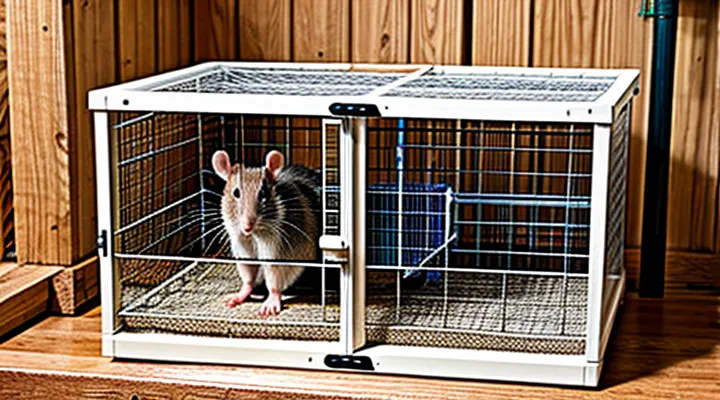
Choosing the Right Cage
Size Matters: Minimum Requirements
Space Per Rat
Each rat requires a dedicated floor area that prevents crowding, promotes natural foraging, and reduces stress. The minimum recommended space per adult rat is 2 sq ft (approximately 0.19 m²) of solid floor, with an additional 1 sq ft (0.09 m²) of climbing or enrichment surface. Height should allow vertical movement; a cage interior height of at least 12 in (30 cm) accommodates ladders, hammocks, and multi‑level platforms.
- Floor space: 2 sq ft per rat; larger if multiple rats share a cage.
- Vertical space: Minimum 12 in; higher cages enable more levels and exercise.
- Volume: Aim for at least 1 cu ft (28 L) of air per rat to ensure adequate ventilation.
- Enrichment area: Add 0.5 sq ft per rat for toys, tunnels, and hideouts.
- Group housing: Increase total floor area by 25 % when housing more than two rats to maintain personal zones.
Providing these dimensions yields a cage that supports healthy behavior, reduces aggression, and facilitates routine cleaning. Adjustments may be necessary for breeding pairs, juveniles, or particularly active individuals.
Multi-Level Cages
Multi‑level cages provide vertical space that matches rats’ natural climbing behavior while maximizing usable area within a limited footprint. By stacking platforms, tunnels, and ramps, the enclosure encourages exercise, reduces stress, and simplifies cleaning routines.
Key design criteria:
- Minimum cage height of 18 inches (45 cm) to accommodate at least two levels.
- Platform dimensions of 12 × 12 inches (30 × 30 cm) or larger for resting and nesting.
- Ramp slope not exceeding 30 degrees to prevent slipping.
- Secure, chew‑resistant connections; bolts or snap‑fit joints must be tightened after each cleaning.
- Openings no larger than ½ inch (12 mm) to prevent escape.
Material selection should prioritize non‑toxic, easily disinfected components. Powder‑coated steel frames resist rust and withstand repeated sterilization. Plastic platforms made from high‑density polyethylene avoid splintering and are dishwasher safe. Wire mesh used for side walls must have a gauge of 1 mm or finer to block teeth while allowing airflow.
Assembly steps:
- Attach the base frame to a stable surface; verify levelness with a spirit level.
- Secure the first platform using the provided brackets; tighten all fasteners.
- Install ramps between successive platforms, confirming proper slope.
- Add wire mesh walls, sealing edges with stainless‑steel clips to eliminate gaps.
- Fit a removable tray beneath each level for bedding and waste collection.
Enrichment items such as hammocks, hideaways, and chew sticks should be mounted on each platform to distribute activity evenly. Regular rotation of accessories prevents habituation and promotes mental stimulation. Clean each tray weekly with a dilute bleach solution (1 part bleach to 30 parts water), rinse thoroughly, and replace bedding before reassembly.
Following these specifications results in a durable, spacious enclosure that supports healthy rat behavior and simplifies routine care.
Material and Construction
Wire Spacing
Wire spacing determines whether a cage is safe, ventilated, and comfortable for rats. The distance between individual strands must be small enough to prevent escape and chewing injuries, yet large enough to allow adequate airflow and easy cleaning.
- Recommended gap: ¼ inch (6 mm) or less for domestic rats; larger species may tolerate up to ½ inch (12 mm).
- Gaps larger than ¼ inch increase the risk of paw entrapment and enable rats to gnaw through bars.
- Uniform spacing ensures consistent airflow, reducing humidity and odor buildup.
- Tight spacing simplifies spot cleaning; debris cannot fall between bars, and waste can be swept from the surface without reaching the floor.
Materials such as stainless steel or powder‑coated wire maintain shape and resist corrosion, preserving the intended spacing over time. When selecting a cage, verify the measurement with a ruler or caliper to confirm compliance with the specified gap. Adjustments, such as adding a secondary mesh panel, can compensate for cages with marginally larger gaps, providing an extra barrier without compromising ventilation.
Solid Bottom vs. Wire Grate
A solid bottom provides a stable surface that protects rats’ paws from pressure points and prevents injuries caused by uneven wire. It facilitates the placement of bedding, nesting material, and enrichment items without the risk of them falling through. Cleaning a solid floor requires removing the entire substrate, which can be time‑consuming, but it eliminates the need to check for escaped debris between bars.
A wire grate offers superior ventilation, reducing humidity and the buildup of ammonia from urine. The open design allows droppings to fall through, simplifying spot cleaning and decreasing the frequency of full‑cage changes. However, the spacing of the bars must be small enough (no more than ½ in) to prevent foot injuries, and the metal can become cold in low‑temperature environments, potentially causing discomfort.
Key considerations
- Ventilation vs. insulation – Wire grate excels in airflow; solid bottom retains warmth.
- Cleaning effort – Grate reduces substrate removal; solid floor requires full substrate change.
- Safety – Bar spacing must meet rat‑specific standards; solid floor eliminates bar‑related injuries.
- Enrichment compatibility – Solid surfaces support large toys and tunnels; grate limits weight and size of items.
Choosing between the two depends on the balance of hygiene, temperature control, and the specific enrichment plan for the rats. A hybrid approach—solid floor with a removable wire tray for waste—can combine the advantages of both designs while mitigating their drawbacks.
Durability and Safety
When choosing a cage for pet rats, durability and safety must be evaluated together. A sturdy frame prevents deformation under the animals’ constant chewing and climbing, while secure components protect against accidental escapes.
- Material selection – Opt for powder‑coated steel or heavy‑gauge aluminum; both resist rust and withstand bite marks. Avoid thin wire mesh, which can be bent or torn.
- Locking mechanisms – Use latch systems that require two‑hand operation; this reduces the chance of a rat triggering an accidental release. Check that hinges are reinforced and that no sharp edges remain exposed.
- Flooring – Solid plastic or stainless‑steel bases provide a clean, non‑porous surface that resists scratching. If a wire floor is preferred for waste drainage, ensure the spacing is no larger than ½ inch to prevent paws from slipping through.
- Ventilation – Incorporate slatted sides or a dedicated ventilation panel with reinforced bars. Proper airflow prevents humidity buildup, which can corrode metal parts over time.
- Ease of cleaning – Choose a design with removable trays or doors that open without forcing. Quick disassembly limits wear on hinges and maintains structural integrity.
Regular inspection is essential. Look for rust spots, loose screws, or worn latches weekly; replace compromised parts immediately. By integrating robust materials, reliable locking, and thoughtful design, the enclosure will remain both long‑lasting and secure for its occupants.
Cage Type Considerations
DCN (Double Critter Nation) and SCN (Single Critter Nation)
When planning a rat habitat, the choice between Double Critter Nation (DCN) and Single Critter Nation (SCN) determines cage dimensions, enrichment needs, and social arrangements.
DCN houses two rats together. The enclosure must provide:
- Minimum floor area of 2 sq ft per animal (total ≥ 4 sq ft) to accommodate movement and nesting.
- Multi‑level platforms or ramps to exploit vertical space.
- Separate sleeping zones to reduce territorial disputes.
- Durable chew‑resistant materials, as paired rats increase gnawing activity.
SCN accommodates a solitary rat. The enclosure can be smaller but must still meet welfare standards:
- Floor area of at least 2 sq ft.
- One spacious hideaway to satisfy the animal’s instinct for privacy.
- Enrichment items such as tunnels, chew toys, and foraging opportunities to prevent boredom.
- Secure ventilation to maintain air quality for a single occupant.
Both configurations require:
- Solid base to prevent sagging and to support bedding.
- Easy‑access doors for cleaning and health checks.
- Wire mesh with spacing no larger than ½ inch to prevent escape.
- Regular monitoring of temperature, humidity, and odor levels.
Selecting DCN promotes natural social interaction, reducing stress through companionship. SCN offers precise control over diet, health monitoring, and behavior observation. The decision should align with the keeper’s capacity for daily interaction, space availability, and the rats’ temperament.
Savic Royal Suite
The Savic Royal Suite is a modular cage system specifically engineered for laboratory and hobbyist rat housing. Constructed from high‑density polyethylene, the panels resist chewing, chemical exposure, and easy cleaning. The transparent front panel provides constant visual monitoring without disturbing the occupants.
Key specifications:
- Internal dimensions: 120 cm × 60 cm × 45 cm, offering ample floor space per animal.
- Integrated ventilation channels maintain airflow while preventing drafts.
- Removable, stainless‑steel trays simplify waste removal and disinfection.
- Adjustable shelving supports nesting material, enrichment toys, and food dispensers.
Installation steps:
- Assemble the base frame, securing corner brackets with the supplied hex bolts.
- Attach side panels using the quick‑lock hinges; ensure alignment of ventilation slots.
- Fit the front acrylic panel, sealing edges with silicone gasket to prevent gaps.
- Place the waste tray, level the floor, and verify that all locks click into place.
Maintenance recommendations:
- Clean trays with a diluted bleach solution (1 % concentration) weekly; rinse thoroughly.
- Inspect panel joints monthly for signs of wear; replace compromised sections immediately.
- Rotate enrichment items weekly to sustain exploratory behavior.
The Savic Royal Suite delivers a durable, hygienic environment that meets the spatial and behavioral requirements of rats while simplifying routine husbandry tasks.
DIY Options
When a rat owner chooses a do‑it‑yourself cage, the result can match or exceed commercial options while allowing precise control over size, ventilation, and enrichment. Building a custom enclosure eliminates unnecessary bulk, reduces cost, and ensures that every element meets the animal’s specific needs.
- Frame material: untreated pine, poplar, or plywood of at least ¾‑inch thickness; avoid pressure‑treated wood that releases chemicals.
- Wire mesh: stainless‑steel or coated galvanized ¼‑inch mesh with openings no larger than ¼ inch to prevent escape.
- Floor base: removable plastic trays or washable cement boards; include a layer of absorbent bedding that can be swapped without dismantling the cage.
- Access points: hinged doors secured with latch bolts; incorporate sliding panels for easy cleaning.
Construction guidelines:
- Cut frame pieces to achieve a minimum interior volume of 2 cubic feet per rat; larger groups require proportionally more space.
- Assemble the frame using corner brackets and wood screws, reinforcing joints with metal brackets for durability.
- Attach mesh to the frame with zip ties or metal clamps, ensuring tension eliminates sagging.
- Install a detachable floor system; seal seams with non‑toxic silicone to prevent leaks.
- Add a roof or clear acrylic panel for additional ventilation while protecting against drafts.
Final considerations focus on durability and hygiene. Apply a non‑toxic sealant to all wooden surfaces, schedule weekly cleaning of removable trays, and replace mesh sections showing signs of corrosion. By following these steps, a homemade enclosure provides a secure, spacious, and easily maintainable environment that supports the health and activity of pet rats.
Essential Cage Furnishings
Substrate Options
Paper-Based Bedding
Paper-based bedding offers a dry, absorbent substrate that reduces odor and limits ammonia buildup. Its low dust content protects respiratory health, while its softness prevents skin irritation. The material can be shredded or left in sheets, allowing easy adjustment of thickness to suit the cage size.
Key advantages include:
- High absorbency; typical usage of 2–3 inches of material absorbs up to 30 ml of urine per day.
- Rapid replacement; a full change every 7–10 days maintains hygiene.
- Biodegradability; used bedding can be composted or disposed of in organic waste streams.
- Cost efficiency; bulk paper products often cost less per square foot than specialized rodent litters.
Potential drawbacks:
- Limited nesting structure; rats may supplement with additional materials such as tissue or cotton.
- Possible ingestion; monitor for excessive chewing, which can lead to gastrointestinal blockage.
- Lower insulation compared with wood shavings; additional blankets may be required in colder environments.
Implementation steps:
- Measure the cage floor area and calculate the required volume (floor area × 2–3 inches).
- Cut the bedding to fit, ensuring an even layer without gaps.
- Place a thin absorbent mat beneath the paper layer to protect the cage bottom.
- Monitor moisture levels daily; replace wet sections promptly to prevent bacterial growth.
- Perform a complete bedding change weekly, cleaning the cage with mild, non‑toxic detergent before adding fresh paper substrate.
When combined with regular cleaning and adequate ventilation, paper-based bedding contributes to a stable, low‑maintenance environment for pet rats.
Aspen Shavings
Aspen shavings are a widely used substrate for rat habitats because they combine absorbency, softness, and low dust production. The fine, fluffy texture mimics natural bedding, allowing rats to nest comfortably without risking respiratory irritation.
Key characteristics:
- Absorbency: Quickly captures urine, helping maintain a dry environment and reducing the frequency of complete cage cleaning.
- Dust level: Minimal airborne particles, which lowers the risk of respiratory problems for both rats and owners.
- Comfort: Soft fibers provide a pleasant surface for nesting and for the animals to rest on.
- Biodegradability: Compostable material that can be disposed of in garden waste or used as mulch after a short aging period.
Considerations when using as bedding:
- Depth: A layer of 2–3 cm offers sufficient comfort while allowing easy removal of soiled sections.
- Replacement schedule: Spot‑clean daily; replace the entire substrate every 1–2 weeks depending on cage size and number of occupants.
- Storage: Keep in a sealed container to prevent moisture absorption, which can promote mold growth.
- Cost: Typically higher than pine or paper bedding; bulk purchasing can reduce expense.
Safety notes:
- Verify that the shavings are untreated and free of chemical additives.
- Monitor rats for any signs of irritation; discontinue use if excessive scratching or sneezing occurs.
- Avoid mixing with highly aromatic woods such as cedar, which can cause respiratory distress.
Overall, aspen shavings provide a balanced combination of hygiene, comfort, and environmental friendliness, making them a practical choice for constructing a well‑maintained rat enclosure.
Fleece Liners
Fleece liners provide a soft, absorbent surface that improves the living conditions of pet rats. The material’s texture mimics natural nesting substrates, encouraging healthy grooming and reducing the risk of skin irritation.
Key advantages of fleece liners include:
- High absorbency, which keeps the cage floor dry after water‑based enrichment or accidental spills.
- Easy removal and laundering; a standard washing cycle eliminates urine, feces, and odors without damaging the fabric.
- Durability; reinforced stitching and double‑layer construction withstand frequent cleaning and the constant activity of active rodents.
- Compatibility with various cage designs; the flexible sheet can be trimmed to fit wire, plastic, or modular enclosures.
When selecting a fleece liner, consider the following criteria:
- Thickness – 3‑4 mm offers balance between softness and structural integrity; thinner sheets may tear under stress.
- Fiber quality – 100 % polyester or a polyester‑cotton blend provides the best combination of softness and durability.
- Size – Measure the interior dimensions of the cage and add a 2‑inch margin to allow for secure placement and easy removal.
- Color – Light shades reveal soiling sooner, facilitating timely cleaning.
Installation steps:
- Lay the liner flat on the cage floor, ensuring no folds or wrinkles that could trap debris.
- Tuck the edges under the cage walls or secure them with clip‑on brackets if the enclosure includes a raised platform.
- Position enrichment items (toys, tunnels) on top of the liner, allowing rats to interact without compromising the fabric’s surface.
Maintenance protocol:
- Inspect the liner daily for damp spots or debris accumulation.
- Replace the liner weekly for multi‑rat setups; larger groups generate more waste, accelerating saturation.
- Wash at 40 °C with a mild detergent, avoiding fabric softeners that can leave residues harmful to rodents.
- Air‑dry completely before re‑installing to prevent mold growth.
Integrating fleece liners into a well‑designed rat habitat enhances comfort, hygiene, and overall health, supporting a stable environment that meets the species’ natural preferences.
Avoid Cedar and Pine
Cedar and pine should not be used in rat cages because their natural oils are harmful to rodents. The oils contain phenols and terpenes that irritate the respiratory system, cause skin inflammation, and can lead to chronic health problems.
- Phenolic compounds trigger sneezing, nasal discharge, and wheezing.
- Terpenes cause dermatitis and allergic reactions on the skin.
- Continuous exposure increases the risk of respiratory infections and reduced lifespan.
The toxicity persists even after the wood is painted or sealed, as the chemicals vaporize over time. Substituting cedar and pine with untreated hardwoods such as maple, birch, or beech eliminates these risks and provides a safe, durable environment. Ensure that any wood used is free of pressure-treated chemicals and is free of strong scents.
Food and Water
Food Bowls: Ceramic vs. Stainless Steel
Choosing the right feeding vessel contributes directly to hygiene, durability, and the overall well‑being of pet rats. Ceramic bowls and stainless‑steel dishes each present distinct characteristics that affect maintenance routines and animal health.
Ceramic bowls
- Non‑porous glaze prevents bacterial absorption.
- Heavy weight discourages tipping, reducing spillage.
- Available in colors that help monitor waste buildup.
- Susceptible to chipping if knocked against cage bars; cracked surfaces can harbor microbes.
- Typically more expensive than metal alternatives.
Stainless‑steel dishes
- Completely non‑porous surface eliminates hidden bacterial colonies.
- Light weight may be displaced by active rodents, potentially increasing mess.
- Resistant to impact; unlikely to break under normal cage conditions.
- Prone to visible scratches that can retain debris over time.
- Generally lower cost and widely available.
When configuring a rat habitat, prioritize bowls that combine stability with ease of cleaning. If the enclosure includes multiple levels or climbing structures, the heavier ceramic option may reduce accidental displacement. Conversely, environments where rats engage in vigorous activity might benefit from the impact resistance of stainless steel, provided the owner inspects and replaces scratched dishes regularly. Balancing these factors ensures a clean feeding area and supports long‑term animal health.
Water Bottles: Sipper Tubes vs. Bowls
When providing water for pet rats, two primary delivery systems dominate: sipper tubes attached to water bottles and open bowls placed on the cage floor. Each system influences hydration, hygiene, and cage ergonomics differently.
Sipper tubes deliver water through a narrow stainless‑steel or plastic straw that releases fluid only when the rat applies pressure with its teeth. The design prevents spillage, conserves water, and reduces the risk of contamination from bedding or droppings. Regular cleaning involves disassembling the bottle, rinsing the tube with warm water, and sanitizing with a mild bleach solution weekly. The tube’s small opening may discourage excessive drinking, which can be beneficial for rats prone to urinary issues.
Open bowls provide unrestricted access to water, mimicking natural drinking behavior. They are simple to fill and clean—just replace the dish and rinse with hot water. However, bowls are vulnerable to tipping, especially in cages with multiple levels or active rats, leading to wet bedding and increased bacterial growth. Bowls also attract droppings, requiring more frequent sanitization to maintain a healthy environment.
Key considerations
- Water conservation – Sipper tubes limit waste; bowls can spill up to 30 % of the daily volume.
- Contamination risk – Tubes isolate water from waste; bowls expose water to bedding and feces.
- Ease of inspection – Tubes reveal blockage through reduced flow; bowls show cloudiness instantly.
- Behavioral impact – Tubes encourage natural gnawing; bowls allow unrestricted drinking but may promote overconsumption.
- Installation – Tubes require a drilled hole and secure mounting; bowls need only a stable surface.
Choosing between the two depends on cage design, the number of rats, and the owner’s maintenance schedule. For multi‑level enclosures with active occupants, sipper tubes typically offer superior hygiene and water efficiency. In simpler setups where frequent cleaning is feasible, bowls provide a straightforward solution.
Placement and Maintenance
Placement of a rat cage must consider safety, environment, and accessibility. Choose a spot away from direct sunlight, drafts, and extreme temperatures. The area should be quiet, yet easily reachable for daily care. Provide solid, stable flooring to prevent tipping. Ensure adequate ventilation without exposing the enclosure to strong breezes. Position the cage at a height that allows observation without causing stress to the animals.
Maintain the enclosure through a consistent schedule. Remove soiled bedding and replace it with fresh substrate at least twice weekly; increase frequency if odor or moisture accumulates. Clean food dishes and water bottles daily; inspect for wear and replace when necessary. Perform a thorough wipe‑down of the cage interior with a pet‑safe disinfectant once a month, rinsing thoroughly to avoid residue. Check structural components—bars, locks, and wheels—for signs of damage and repair promptly. Rotate enrichment items regularly to sustain interest and prevent stagnation.
Hiding Spots and Shelters
Hammocks and Cuddle Cups
Hammocks and cuddle cups are essential accessories for creating a comfortable rat habitat. They provide elevated resting spots and enclosed sleeping areas that mimic natural environments, encouraging normal behavior and reducing stress.
A hammock should be made from chew‑safe, breathable fabric such as cotton or fleece. Choose a size that allows the rat to stretch fully without touching the cage bars. Secure the hammock to the cage top using stainless‑steel hooks or nylon strings, ensuring the attachment points can support the animal’s weight. Position the hammock away from feeding stations to prevent contamination. Cleanability is critical; select a material that can be machine‑washed or easily hand‑laundered without losing structural integrity.
Cuddle cups serve as private nests. Opt for a cup with smooth interior walls, a wide opening, and a sturdy base to prevent tipping. Materials such as untreated wood, acrylic, or heavy‑weight fabric provide durability and easy cleaning. Place the cup in a quiet corner of the cage, preferably near a hiding place, to give the rat a sense of security. Ensure the cup’s dimensions accommodate the rat’s full body length while allowing free movement inside.
Integrating both accessories requires careful layout:
- Attach the hammock at a height that does not obstruct ventilation.
- Position the cuddle cup beneath the hammock to create a layered resting area.
- Maintain at least two inches of clearance between accessories and cage walls for unobstructed movement.
- Rotate the hammock and cup periodically to evenly distribute wear and prevent localized debris buildup.
When selected and arranged correctly, hammocks and cuddle cups enhance the overall comfort of the enclosure, supporting the rat’s physical health and natural behaviors.
Plastic Igloos and Cardboard Boxes
Plastic igloos provide a secure, insulated retreat that mimics a natural burrow. Their smooth interior prevents injuries, while the dome shape encourages nesting behavior. When selecting an igloo, choose a model with a removable lid for easy cleaning and a size that allows the rat to turn comfortably inside.
Cardboard boxes serve as versatile enrichment items. Their texture invites chewing, which promotes dental health, and their collapsible structure can be rearranged to create tunnels or hideouts. Opt for boxes made from untreated, non‑bleached cardboard to avoid chemical exposure. Reinforce corners with tape if the rats tend to tear them apart.
Implementation guidelines
- Place the plastic igloo in a quiet corner of the cage, away from food and water stations, to reduce stress.
- Position a cardboard box adjacent to the igloo, aligning the opening with the igloo’s entrance to form a continuous shelter system.
- Secure both items to the cage floor using zip ties or small clips to prevent displacement during active play.
- Rotate cardboard boxes weekly; replace them when they become overly worn to maintain structural integrity and hygiene.
- Clean the igloo weekly with warm water and mild, unscented soap; rinse thoroughly and dry before returning it to the cage.
Combining a durable plastic igloo with regularly refreshed cardboard boxes creates a layered environment that satisfies nesting, chewing, and hiding instincts while supporting overall health.
Tunnels and Tubes
Tunnels and tubes provide essential vertical and horizontal pathways that mimic a rat’s natural burrowing behavior. They expand the usable space of a cage, encourage exploration, and offer privacy without compromising visibility.
Materials such as clear polycarbonate, sturdy PVC, and untreated hardwood each have distinct advantages. Polycarbonate allows observation of activity, PVC resists chewing, and hardwood supplies a natural texture. Choose a material that balances durability with safety; avoid painted or chemically treated surfaces that could release toxins.
Dimensions must accommodate an adult rat’s body length plus a margin for comfortable movement. A minimum internal diameter of 2 inches (5 cm) prevents constriction, while a length of 12–18 inches (30–45 cm) creates a meaningful route. Larger tubes encourage group interaction and reduce congestion.
Placement strategies enhance functionality:
- Position tunnels near feeding stations to create a clear route between food and shelter.
- Align tubes with cage corners to utilize otherwise wasted space.
- Install multiple entry points to prevent bottlenecks and allow escape routes during play.
Maintenance considerations include regular cleaning and inspection. Remove debris weekly, and replace sections showing wear or chew damage. Secure connections with non‑toxic snap‑fit joints to avoid loose parts.
Safety guidelines:
- Ensure all edges are smooth; sand any rough cuts.
- Verify that tubes are long enough to prevent rats from slipping out.
- Avoid excessive stacking that could collapse under the weight of several rats.
By integrating appropriately sized, well‑materialed tunnels and tubes, a rat enclosure becomes a dynamic environment that supports natural behavior while remaining easy to monitor and maintain.
Enrichment and Play
Chew Toys: Wood and Cardboard
Chew toys satisfy rats’ instinct to gnaw, preventing overgrowth of incisors and reducing stress. Selecting safe, durable materials is critical for maintaining a healthy enclosure.
Suitable woods include untreated hardwoods such as maple, birch, and oak. These species are dense enough to resist rapid splintering while offering a satisfying texture. Avoid soft woods like pine or cedar, which contain resins that can irritate respiratory passages. Before offering, inspect each piece for cracks, splinters, or mold; trim sharp edges to a smooth finish.
Cardboard provides a lightweight, inexpensive alternative that encourages exploratory chewing. Corrugated sheets, rolled tubes, and plain boxes are effective when free of ink, glue, or chemical coatings. Replace cardboard items weekly, or sooner if they become soggy or heavily shredded, to prevent bacterial growth.
Maintenance guidelines:
- Clean wooden toys with a damp cloth; disinfect monthly with a dilute vinegar solution.
- Store cardboard in a dry area; discard any damp or soiled pieces immediately.
- Rotate toys every 2–3 days to sustain interest and promote varied chewing patterns.
Providing a mix of hardwood and cardboard chew items supports dental health, mental stimulation, and overall well‑being within a comfortable rat habitat.
Wheels: Solid Surface Only
A solid‑surface exercise wheel is the only safe option for a rat cage. Wire‑mesh wheels allow paws to slip through, causing injuries that can lead to infection or loss of a limb. A continuous, smooth surface eliminates this risk and provides a reliable stimulus for natural running behavior.
Key specifications for a solid wheel:
- Diameter: 12–14 in (30–35 cm) to accommodate adult rats without forcing a cramped stride.
- Width: at least 2 in (5 cm) to support both front and hind paws simultaneously.
- Material: high‑density plastic, acrylic, or polycarbonate; must be non‑toxic, UV‑stable, and free of sharp edges.
- Mounting: securely attached to the cage frame with reinforced brackets; bolts should be tightened to prevent wobble.
- Maintenance: removable for cleaning; surface can be washed with mild soap and water, then rinsed thoroughly.
Installation steps:
- Align the wheel’s axle with the cage’s pre‑drilled holes or attach a custom bracket according to the manufacturer’s diagram.
- Insert the axle, secure with lock nuts, and verify that the wheel rotates freely without resistance.
- Test the wheel with a rat for at least five minutes, observing for any signs of slipping or hesitation. Adjust the mounting if irregular motion is detected.
A solid‑surface wheel improves overall welfare by encouraging exercise while eliminating the hazards associated with perforated designs. Regular inspection for cracks or wear ensures continued safety and functionality.
Ladders and Ramps
Ladders and ramps provide vertical and inclined access between cage levels, enabling rats to explore the full environment without strain.
Select sturdy, chew‑resistant material such as untreated wood, metal, or high‑grade plastic. Ensure each component can support at least twice the animal’s body weight to prevent collapse under active use.
Dimensions affect safety and usability:
- Rung spacing of 1–1.5 cm allows secure footing while preventing paw entrapment.
- Ladder width of 5–7 cm accommodates two rats side by side, reducing traffic bottlenecks.
- Ramp incline should not exceed 30°, with a surface texture that offers grip without shredding fur.
Installation guidelines:
- Attach ladders to the cage frame with stainless‑steel screws, avoiding exposed ends that could cause injury.
- Position ramps at a gentle angle, securing both ends to prevent wobble.
- Provide a clear landing platform at each transition point; platform size of at least 10 × 10 cm reduces the risk of falls.
Maintenance considerations:
- Clean ladders and ramps weekly with mild, non‑toxic detergent; rinse thoroughly to remove residue.
- Inspect joints and surfaces for signs of wear or chewing; replace compromised parts promptly.
Integrating well‑designed ladders and ramps enhances locomotor health, encourages natural climbing behavior, and maximizes the usable space within a rat habitat.
Foraging Toys
Foraging toys stimulate natural searching behavior, reduce boredom, and promote dental health in pet rats. Incorporating them into a comfortable cage environment improves overall welfare.
Select toys that mimic items rats would encounter in the wild:
- Wooden blocks with drilled holes for seed placement
- Cardboard tubes filled with shredded paper and treats
- Plastic puzzle balls containing small food pellets
Distribute toys throughout the enclosure to encourage movement. Place at least one foraging item on each level of a multi‑tier cage, ensuring the bottom tier holds heavier objects to prevent tipping.
Safety considerations are critical. Use untreated, non‑toxic wood and avoid glossy plastics that can splinter. Inspect toys weekly for wear; replace any component that shows cracks or sharp edges.
Maintain hygiene by rotating toys every two weeks and cleaning reusable items with warm water and mild detergent. Allow toys to dry completely before returning them to the cage to prevent mold growth.
A balanced foraging setup provides mental stimulation, supports natural chewing habits, and contributes to a healthier, more content rat population.
Digging Boxes
Digging boxes provide a dedicated area for rats to exhibit natural burrowing behavior, which reduces stress and encourages physical activity. Incorporating a well‑designed box into the cage structure enhances overall welfare without requiring extensive modifications.
When choosing a digging box, consider the following factors:
- Size: at least 12 × 12 × 6 inches, allowing multiple rats to dig simultaneously.
- Material: untreated, chew‑safe wood, reinforced plastic, or stainless steel with a textured interior.
- Accessibility: open top or low side walls that rats can enter without assistance.
- Cleaning: smooth surfaces or removable inserts that simplify waste removal.
Placement should allow easy access from the main enclosure while keeping the substrate away from food and water dishes. Position the box against a cage wall or on a sturdy platform to prevent tipping. Ensure the surrounding area remains dry; moisture can degrade substrate and promote mold growth.
Maintain the digging box by refreshing the substrate weekly. Use a blend of shredded paper, aspen shavings, or coconut fiber, avoiding cedar or pine due to aromatic oils. Remove clumped waste and inspect for signs of wear on the box’s interior surfaces. Replace damaged components promptly to preserve safety.
Optional enhancements include adding tunnels that connect the box to other cage sections, providing additional routes for exploration, and layering the substrate to create varied depths for digging. These adjustments further stimulate natural behavior and contribute to a comfortable living environment for pet rats.
Cage Placement and Environment
Ideal Location
Temperature and Humidity
Maintaining stable temperature and humidity is essential for rat health and comfort. Extreme fluctuations can cause stress, respiratory problems, and reduced immunity.
Ideal ambient temperature for adult rats ranges from 18 °C to 24 °C (64 °F–75 °F). Temperatures below 15 °C (59 °F) increase the risk of hypothermia, while sustained heat above 27 °C (81 °F) can lead to overheating. Use a calibrated thermometer placed at cage level, away from direct sunlight or drafts, to verify conditions.
Relative humidity should stay between 40 % and 60 %. Levels under 30 % dry mucous membranes and promote skin irritation; above 70 % encourage mold growth and bacterial proliferation. A digital hygrometer provides continuous readings; choose a model with alarm thresholds.
Equipment and practices
- Ceramic heat lamp with a thermostatic controller for supplemental warmth during colder months.
- Small fan or vent for air circulation when ambient temperature exceeds 24 °C.
- Humidifier with adjustable output to raise humidity during dry seasons.
- Dehumidifier or silica gel packets for damp environments.
- Weekly inspection of bedding, food, and water containers for signs of moisture accumulation or condensation.
Adjustments should be made gradually; a 2 °C shift over 24 hours prevents abrupt stress. Record temperature and humidity readings daily to identify trends and intervene before conditions become detrimental.
Noise Levels
Rats possess acute hearing; excessive sound can trigger heightened stress responses, reduced activity, and impaired immune function.
Common noise origins include ventilation systems, household appliances, adjacent animal enclosures, and foot traffic. Vibrations transmitted through cage legs or wire mesh amplify ambient sounds, further increasing exposure.
Maintain ambient levels below 50 dB measured at cage height. Values above this threshold correlate with observable agitation and cortisol elevation in laboratory studies.
Mitigation measures:
- Position the cage away from doors, windows, and heavy foot‑traffic zones.
- Use solid‑bottom cages or add a rubber mat beneath wire cages to dampen vibrations.
- Install acoustic panels or heavy curtains on walls adjacent to the enclosure.
- Select bedding with sound‑absorbing properties, such as compressed wood shavings.
- Schedule noisy activities (e.g., cleaning, vacuuming) during periods when rats are less active.
Regularly monitor sound levels with a decibel meter to verify that conditions remain within the recommended range.
Drafts and Sunlight
A comfortable rat habitat requires stable temperature and consistent lighting. Uncontrolled drafts lower ambient temperature, increase stress, and may cause respiratory irritation. Sunlight that reaches the cage directly raises surface temperature, creates glare, and can disrupt circadian rhythms.
To eliminate drafts, place the cage away from doors, windows, and ventilation ducts that generate moving air. Use solid barriers such as a wooden back panel or a thick fabric cover on the side facing the airflow. Ensure the room’s heating system provides gentle, uniform warmth rather than localized blasts.
Sunlight should be indirect. Position the enclosure near a window with a sheer curtain that diffuses light, or use a north‑facing wall where sunlight is minimal. If natural light is insufficient, install a low‑intensity LED source on a timer that mimics dawn‑dusk cycles, keeping illumination at 10–12 lux during the day and darkness at night.
Practical steps
- Locate the cage at least 30 cm from any opening that produces wind.
- Add a solid back wall or cardboard shield on the side facing the draft.
- Cover windows with light‑filtering fabric to prevent direct rays.
- Use a timer‑controlled LED lamp set to a 12‑hour light cycle.
- Monitor cage temperature with a digital thermometer; maintain 20–24 °C.
Cleaning and Maintenance Schedule
Daily Spot Cleaning
Daily spot cleaning removes waste, food debris, and damp bedding that can quickly become breeding grounds for bacteria and parasites. Performing this task each day maintains air quality, prevents odor buildup, and protects rats from respiratory and skin infections.
The routine includes three focus areas:
- Food and water stations: Empty leftover food, rinse the bowl with warm water, and refill with fresh portions. Scrub the water bottle interior to eliminate biofilm.
- High‑traffic zones: Wipe the floor and cage corners where rats nest and chew. Use a paper towel dampened with a mild, unscented disinfectant; avoid ammonia‑based products that can irritate sensitive nasal passages.
- Visible droppings and urine stains: Collect solid waste with a small scooping spoon or tweezers, then spot‑clean the affected area. For urine, apply a cloth soaked in diluted white vinegar, let it sit briefly, then blot dry.
Select tools that are easy to sanitize: stainless‑steel scoops, disposable gloves, and reusable microfiber cloths. Dispose of collected waste in a sealed bag before placing it in an outdoor trash container. After each cleaning session, inspect the cage for damaged accessories and replace them promptly to avoid injury.
Consistent daily spot cleaning, combined with a weekly deep clean, creates a stable environment that supports the health and wellbeing of pet rats.
Weekly Full Cage Clean
A weekly full‑cage clean is a cornerstone of maintaining a healthy and comfortable environment for pet rats. The process eliminates accumulated waste, reduces odor, and prevents the buildup of pathogens that can compromise rodent health.
- Remove all rats and place them in a secure, ventilated carrier.
- Disassemble accessories (shelters, tunnels, food dishes) and set them aside.
- Empty the bedding and discard it in a sealed bag.
- Wash the cage, bars, and accessories with hot water (≥ 60 °C) and a pet‑safe detergent. Rinse thoroughly to remove any residue.
- Sanitize using a diluted white‑vinegar solution (1 part vinegar to 4 parts water) or a commercial cage disinfectant approved for rodents. Allow a contact time of 5‑10 minutes.
- Rinse again with clean water and dry completely with a lint‑free cloth or paper towels.
- Re‑line the cage with fresh, absorbent bedding suitable for rats (e.g., paper‑based or kiln‑treated wood shavings).
- Replace accessories, ensuring they are positioned to provide hiding spots and climbing opportunities.
- Return the rats to the cleaned enclosure, monitor for any signs of stress, and replenish food and water.
Conducting this routine each week sustains optimal air quality, minimizes disease risk, and preserves the structural integrity of the enclosure. Consistency in timing and thoroughness yields a stable habitat that supports the well‑being and natural behaviors of the animals.
Deep Cleaning Frequency
Regular deep cleaning of a rat habitat prevents odor buildup, bacterial colonies, and material degradation. A thorough sanitation cycle removes waste embedded in bedding, chewable accessories, and cage corners that routine spot cleaning cannot reach.
- Weekly: Remove all bedding, wipe surfaces with a mild, non‑toxic disinfectant, and replace with fresh substrate.
- Monthly: Disassemble removable items (toys, ramps, water bottles), soak in warm soapy water, scrub, rinse, and dry before reinserting.
- Quarterly: Perform a full cage disassembly; clean the interior frame, inspect for rust or cracks, and apply a safe, pet‑approved sanitizer to all surfaces.
- Annually: Replace any worn or damaged components, such as wire mesh or plastic panels, and conduct a comprehensive inspection of the enclosure’s structural integrity.
Adhering to this schedule maintains a hygienic environment, supports rodent health, and extends the lifespan of the cage.
Safety Considerations
Escape Prevention
When constructing a rat habitat, the foremost priority is to eliminate any possibility of escape. Secure barriers, reliable closures, and vigilant maintenance form the foundation of a safe enclosure.
A solid cage frame should be built from metal or reinforced plastic. All joints must be welded or bolted, leaving no gaps larger than ½ inch, as rats can squeeze through openings of this size. The side panels should consist of stainless‑steel mesh with a ¼‑inch aperture, preventing the animals from gnawing through or slipping between wires.
Locking mechanisms require special attention. Use latches that engage on both sides of the door, such as spring‑loaded or cam locks, and test them daily for smooth operation. Avoid simple snap‑on lids that can be lifted with a single paw. If a sliding door is preferred, incorporate a secondary latch that secures the track when closed.
Flooring must also deter escape. Solid plastic or metal bases are preferable to wire floors, which can allow rats to lift and maneuver their bodies to reach the cage walls. If a wire floor is used for ventilation, cover it with a thick, chew‑resistant mat that fits tightly and does not shift.
Regular inspection prevents unnoticed breaches. Follow a checklist each week:
- Verify that all latches close fully and show no signs of wear.
- Examine mesh for rust, corrosion, or displaced wires.
- Check corners and seams for gaps or loose screws.
- Ensure enrichment items (toys, tunnels) are securely attached and cannot be used as levers.
Enrichment should enhance comfort without compromising security. Provide chew‑proof tubes, solid platforms, and sturdy hideouts that attach directly to the cage walls. Avoid loose bedding piles that could be used to climb or prop open doors.
By integrating robust construction, dependable closures, and systematic monitoring, a rat enclosure can remain escape‑proof while offering a comfortable environment for its occupants.
Pest Control
When constructing a rat habitat, controlling pests prevents health problems, material damage, and stress for the animals. Effective pest management begins with the selection of cage components that resist infestation.
Common nuisances include dust mites, flea larvae, cockroaches, and stray rodents. These organisms thrive in moist bedding, uncovered food, and gaps in the cage structure. Their presence can lead to skin irritation, disease transmission, and degradation of cage materials.
Practical steps for pest control:
- Choose a cage made of solid, non‑porous plastic or coated metal; avoid untreated wood that absorbs moisture.
- Line the floor with a thin, replaceable layer of paper bedding; discard and replace weekly to eliminate eggs and larvae.
- Store food in sealed containers; provide only the amount required for daily feeding to reduce leftovers.
- Seal all joints with silicone or metal brackets; inspect for cracks before assembly.
- Place the cage on a raised platform or stand with a removable tray to catch spills and simplify cleaning.
- Apply a low‑toxicity, pet‑safe insect deterrent (e.g., diatomaceous earth) around the cage base, avoiding direct contact with the rats.
- Conduct a weekly visual inspection for signs of pests; remove any debris promptly.
Ongoing maintenance reinforces these measures. Clean the cage thoroughly every two weeks, replace bedding, and rotate food supplies. Regularly check the surrounding environment for standing water or debris that could attract insects. By integrating these protocols, the rat enclosure remains hygienic, durable, and comfortable for its occupants.
Ventilation
Proper airflow prevents respiratory illness, controls humidity, and eliminates odors in a rat habitat. Fresh air must reach every corner of the cage without creating drafts that could chill the animals.
Key elements of an effective ventilation system:
- Mesh panels or slatted sides: Use stainless‑steel or powder‑coated wire with openings no larger than 1 mm to block escape while allowing constant air exchange.
- Adjustable vents: Install hinged or sliding panels on the top of the enclosure; they can be opened wider during warm months and narrowed when temperatures drop.
- Passive airflow: Position the cage near a mild cross‑draft, such as a low‑speed fan or an open window, ensuring the breeze does not blow directly onto the rats.
- Air filtration: Incorporate a small HEPA filter in the vent line if the cage is placed in a dusty environment; replace the filter according to the manufacturer’s schedule.
Maintain a minimum of six air changes per hour. Measure humidity with a digital hygrometer; keep levels between 40 % and 60 % to deter mold growth. Clean ventilation openings weekly to remove droppings and bedding debris that can obstruct airflow.