
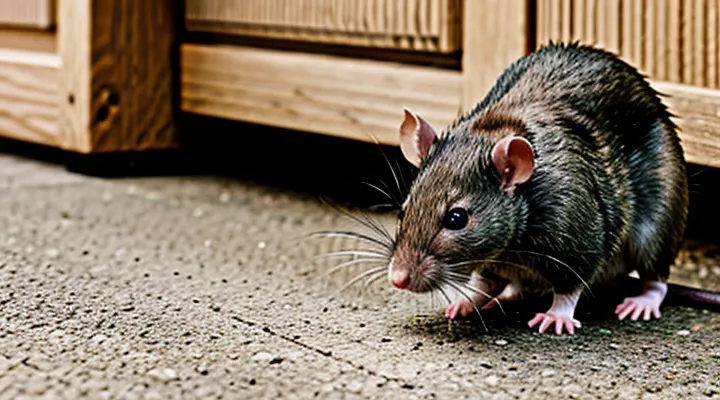
Understanding Rat Infestations
Identifying Rat Activity
«Signs of Rats»
Recognizing rat activity is essential for effective control measures. Early detection allows prompt intervention, reducing damage and health risks.
- Dark, pellet‑shaped droppings, typically 0.5 cm long, found near food sources, walls, or along runways.
- Gnaw marks on wood, plastic, electrical wiring, or insulation, displaying clean, crescent‑shaped bites.
- Visible tracks or tail‑impressions in dusty areas, mud, or powder, showing four‑toed footprints with a distinct hind foot pattern.
- Nests constructed from shredded paper, fabric, insulation, or plant material, often located in concealed corners, wall voids, or under appliances.
- Scratching or scurrying noises, especially at night, heard within walls, ceilings, or attic spaces.
- Strong, musky odor emanating from urine or secretions, noticeable in enclosed areas.
- Chewed or contaminated food containers, packaging, or stored grains, indicating direct access.
- Burrows or tunnels in soil, mulch, or compost piles, revealing entry points and foraging routes.
Each sign provides concrete evidence of infestation and guides targeted elimination strategies.
«Common Entry Points»
Rats gain access to structures through gaps that accommodate their size and agility. Identifying and sealing these pathways is essential for any effective control program.
- Openings around utility penetrations, such as pipes, cables, and vent shafts, often exceed the minimum clearance required for rodent entry. Install metal flashing or stainless‑steel mesh to create a barrier.
- Cracks in foundation walls, floor joists, and masonry joints provide direct routes from the ground to interior spaces. Apply high‑quality concrete sealant or cement mortar to close these fissures.
- Unscreened or damaged windows, doors, and garage doors allow direct ingress. Fit tight-fitting weatherstripping, replace broken screens, and ensure that door sweeps contact the threshold fully.
- Gaps beneath or around exterior staircases, decks, and porches create hidden channels. Use flashing and caulking to eliminate the space between structural elements and the ground.
- Openings around drainage systems, including sewer connections and storm‑water inlets, serve as conduits for rats traveling from underground networks. Fit rat‑proof covers and maintain regular inspection for wear.
Securing each of these points reduces the likelihood of infestation and supports the overall success of rat management strategies.
«Health Risks and Damage Caused by Rats»
«Disease Transmission»
Rats transmit pathogens through direct contact, contaminated food and water, and aerosolized particles from urine or feces. Commonly associated diseases include leptospirosis, hantavirus pulmonary syndrome, plague, salmonellosis, and rat‑bite fever. Each pathogen exploits specific transmission routes, but all rely on the presence of rodent populations in close proximity to humans or livestock.
Eliminating rats interrupts these pathways. Effective population control reduces the number of hosts, limits environmental contamination, and lowers the probability of human exposure. The following points illustrate the impact of control measures:
- Removal of nesting sites eliminates breeding grounds, decreasing overall rodent density.
- Trapping and baiting directly reduce the number of infected individuals, shortening the chain of transmission.
- Habitat modification—sealing entry points, managing waste, and maintaining sanitation—prevents reinfestation and curtails indirect spread.
- Integrated pest‑management programs combine chemical, mechanical, and biological tactics, providing sustained reduction in disease vectors.
Monitoring disease incidence before and after implementation of control strategies quantifies effectiveness. Data consistently show declines in reported cases of leptospirosis and hantavirus in regions with comprehensive rat‑reduction programs, confirming that targeted elimination directly mitigates public‑health risks.
«Structural Damage»
Rats compromise building integrity through several mechanisms. Their incisors gnaw wood, plastic, metal, and insulation, creating openings that weaken load‑bearing elements and facilitate water intrusion. Burrowing activity displaces masonry, distorts concrete foundations, and destabilizes floor joists. Excreta corrode metal fasteners and accelerate corrosion of electrical wiring, increasing fire risk and costly repairs. Nesting materials introduce moisture, encouraging mold growth that degrades drywall and structural supports.
Typical structural impairments include:
- Chewed support beams and joists
- Fractured plaster and drywall around entry holes
- Displaced concrete slabs or brickwork near burrow entrances
- Corroded HVAC ducts and conduit exposed to urine and feces
Early detection relies on visual inspection of gnaw marks, audible sounds of chewing, and presence of droppings near structural joints. Infrared scanning can reveal hidden voids created by burrowing. Once damage is identified, immediate sealing of entry points prevents further expansion, while targeted rodent control measures reduce the population responsible for the deterioration.
Effective rodent management integrates habitat modification, exclusion techniques, and population reduction. Exclusion involves installing steel mesh or cement‑based barriers at known gnawing sites. Habitat modification removes food sources and shelter, limiting the incentive for rats to establish colonies within structures. Population reduction, achieved through bait stations or traps, lowers the pressure on building components, allowing repairs to remain effective over time.
«DIY Rat Elimination Methods»
«Trapping Strategies»
«Snap Traps: Usage and Placement»
Snap traps provide rapid, humane control of rodent populations when applied correctly. The mechanism relies on a spring‑loaded bar that delivers a lethal force to the animal’s neck or spine, ensuring immediate incapacitation. Proper operation requires regular inspection, secure mounting, and prompt disposal of captured rodents to prevent disease transmission.
Effective placement follows a few practical principles:
- Position traps along established travel routes, such as walls, baseboards, and behind appliances.
- Target areas with visible gnaw marks, droppings, or nesting material.
- Place traps perpendicular to the wall, with the trigger side facing the expected direction of approach.
- Keep traps out of reach of children and non‑target wildlife by using protective covers or elevated locations.
Maintenance includes resetting the trigger after each capture, checking bait integrity, and replacing worn springs. Using appropriate bait—peanut butter, dried fruit, or meat scraps—enhances attraction, but avoid overly fragrant substances that may deter rats. Consistent deployment and monitoring reduce infestation levels within weeks.
«Live Traps: Pros and Cons»
Live traps capture rats without killing them, allowing relocation or release after assessment. The method complies with humane‑treatment guidelines and reduces exposure to toxic substances. Implementation requires regular monitoring, secure containment, and knowledge of local wildlife regulations.
Advantages
- Immediate visual confirmation of capture
- No chemical residues in the environment
- Compatibility with indoor and outdoor settings
- Ability to target specific individuals or small populations
- Reduced risk of secondary poisoning for non‑target species
Disadvantages
- Labor‑intensive handling and frequent trap checks
- Potential stress or injury to captured animals
- Legal restrictions on relocation in many jurisdictions
- Limited effectiveness against large, established infestations
- Necessity for secure transport and appropriate release sites
Effective use of live traps depends on consistent trap placement, bait selection, and adherence to local wildlife laws. Integration with complementary control measures, such as exclusion techniques and sanitation improvements, enhances overall rat management outcomes.
«Glue Traps: Ethical Considerations»
Glue traps are widely marketed as a quick solution for rodent infestations, yet their use raises several ethical issues that demand careful evaluation.
First, the mechanism of adhesion causes prolonged suffering. Rats become immobilized and are unable to free themselves, leading to dehydration, starvation, and exposure to predators. The absence of an immediate lethal outcome distinguishes glue traps from snap devices that deliver instant death.
Second, non‑target capture is common. Small mammals, birds, and reptiles may inadvertently encounter the traps, resulting in unintended cruelty. The indiscriminate nature of adhesive surfaces complicates compliance with humane pest‑control standards.
Third, disposal practices contribute to the ethical burden. Once an animal is trapped, humane euthanasia requires professional intervention. Improper handling—such as leaving the trap in place or discarding it without addressing the captured animal—exacerbates distress and may violate animal‑welfare regulations.
Regulatory frameworks in many jurisdictions reflect these concerns. Several regions have restricted or banned glue traps for vertebrate pest control, citing evidence of unnecessary suffering and lack of specificity. Compliance with such regulations often necessitates alternative methods that ensure rapid, humane outcomes.
Ethical assessment of glue traps can be summarized as follows:
- Animal welfare impact – prolonged pain and inability to escape.
- Non‑target risk – high probability of capturing protected species.
- Regulatory compliance – increasing legal restrictions.
- Professional responsibility – requirement for trained personnel to manage captured rodents.
Decision‑makers should weigh these factors against the perceived convenience of adhesive devices. Selecting methods that minimize suffering, target only the intended species, and align with legal standards upholds both ethical integrity and effective rodent management.
«Baits and Repellents»
«Poison Baits: Types and Safety»
Poison baits remain a primary tool for controlling rodent populations. Formulations differ in active ingredients, mode of action, and regulatory status, allowing practitioners to select the most appropriate product for a given environment.
- Anticoagulants: warfarin, brodifacoum, bromadiolone; inhibit blood clotting, cause fatal hemorrhage after several days of ingestion.
- Metal phosphides: zinc phosphide; release phosphine gas in the stomach, leading to rapid respiratory failure.
- Vitamin D analogues: cholecalciferol; induce hypercalcemia, resulting in cardiac and renal failure.
- Acute toxins: strychnine, diphacinone; produce swift neurological or metabolic collapse.
Safety protocols govern bait deployment to protect non‑target species and humans.
- Position baits within tamper‑resistant stations, out of reach of children and pets.
- Use personal protective equipment—gloves, goggles, respirators—when handling and applying products.
- Follow label‑specified dosage and application rates; avoid over‑concentration that increases secondary poisoning risk.
- Record bait locations, quantities, and dates to facilitate monitoring and compliance with local pest‑control regulations.
- Conduct regular inspections to remove uneaten bait and replace expired material.
Adhering to these guidelines maximizes efficacy while minimizing health hazards and environmental impact.
«Natural Repellents: Effectiveness»
Natural repellents form a component of integrated rat control strategies, offering a non‑chemical alternative for deterring rodent activity. Their efficacy depends on species‑specific sensory responses, concentration of active compounds, and environmental conditions such as humidity and ventilation.
Common natural agents and reported effectiveness:
- Peppermint oil – volatile menthol compounds disrupt olfactory cues; field observations indicate reduced foraging activity within 2–3 m of treated zones.
- Eucalyptus oil – high cineole content produces irritation; laboratory tests show a 30‑40 % decline in rodent presence after 24 h exposure.
- Clove oil – eugenol exhibits repellent properties; efficacy limited to short‑term applications, with noticeable avoidance for up to 48 h.
- Ammonia vapors – strong alkaline odor creates an inhospitable environment; results vary, with some studies reporting up to 60 % reduction in activity near sealed containers.
- Cedarwood chips – natural sesquiterpenes repel by masking food scents; effectiveness sustained for several weeks when replenished regularly.
Effectiveness is maximized when repellents are applied in a layered approach: direct placement near entry points, periodic reapplication to maintain volatile concentration, and combination with physical barriers. Evidence suggests that natural repellents alone rarely achieve complete eradication but can lower population pressure, delay infestation, and reduce reliance on toxic rodenticides.
«Exclusion Techniques»
«Sealing Entry Points»
Sealing entry points prevents rodents from accessing buildings by eliminating gaps, cracks, and openings that serve as pathways. Effective exclusion reduces the need for chemical or trap‑based interventions and limits population growth within structures.
Key actions for successful exclusion:
- Conduct a thorough exterior and interior inspection to locate all potential ingress sites, including foundation seams, utility penetrations, vent openings, and door thresholds.
- Prioritize larger openings that accommodate rat dimensions; typical rats require gaps of ¼ inch (6 mm) or more.
- Apply durable materials such as steel wool, copper mesh, concrete, metal flashing, or high‑grade sealants to close identified gaps.
- Use expandable foam with a metal mesh core for irregular cavities, ensuring the foam cures fully before exposure to weather.
- Install self‑closing doors or brush strips on high‑traffic entryways to maintain airflow while denying rodent passage.
- Verify the integrity of sealed areas after installation and schedule periodic re‑inspection to address wear, settlement, or new construction activity.
Maintaining a sealed envelope requires prompt repair of damage caused by weather, structural movement, or utility work. Documentation of sealed locations and materials used facilitates ongoing management and supports compliance with pest‑control regulations.
«Maintaining a Clean Environment»
Effective rodent control relies on rigorous sanitation. Eliminating food residues, water sources, and shelter reduces the attractiveness of a site to rats and diminishes the likelihood of infestation.
Food waste must be confined, sealed, and removed promptly. Regular removal of garbage prevents accumulation and eliminates a primary nutrient supply. Storage areas should employ airtight containers and be positioned away from walls and floor level to deny rodents easy access.
Structural upkeep further restricts habitat availability. Seal cracks, gaps, and openings larger than a quarter inch; repair broken screens; and install door sweeps. Maintain clear zones around building exteriors, removing debris, vegetation, and stored items that could serve as nesting material.
Routine monitoring supports early detection. Conduct visual inspections weekly, document signs such as droppings or gnaw marks, and adjust sanitation practices accordingly. Consistent application of these measures sustains a hygienic environment that actively suppresses rat populations.
«Professional Pest Control Services»
«When to Call an Exterminator»
«Severe Infestations»
Severe rat infestations manifest as extensive gnaw damage, numerous droppings, and frequent sightings across multiple rooms or building sections. Population density often exceeds ten individuals per 100 square feet, creating heightened disease transmission risk and structural compromise. Standard control measures may lose effectiveness when rodents develop bait aversion or establish multiple nesting sites.
Effective response to heavy infestations requires a coordinated approach:
- Conduct a thorough inspection to locate all entry points, food sources, and nesting areas.
- Seal structural gaps larger than ¼ inch using steel wool, cement, or metal flashing.
- Deploy a combination of high‑capacity snap traps and multi‑catch live traps in identified activity zones.
- Install bait stations with anticoagulant rodenticides, ensuring compliance with local regulations and placement out of reach of non‑target species.
- Apply rodenticide gel or dust in concealed spaces where traps cannot reach.
- Implement a sanitation program that removes accessible food, water, and waste, reducing attractants.
- Schedule regular monitoring visits to assess trap returns, bait consumption, and population decline, adjusting tactics as needed.
When infestation severity persists despite these actions, enlist a licensed pest‑management professional to perform advanced measures such as fumigation, rodenticide baiting with secondary control agents, and long‑term exclusion planning. Continuous documentation of activity levels supports verification of eradication and informs future preventive strategies.
«Persistent Problems»
Persistent issues undermine the effectiveness of rat control strategies despite advances in technology and regulation. Populations quickly develop resistance to anticoagulant baits, rendering standard dosages ineffective. Bait aversion emerges when rats associate toxic food with illness, prompting avoidance of future offerings. Reinvasion from adjacent habitats restores infestations after localized eradication, especially in urban environments with abundant shelter.
- Limited efficacy of snap traps against wary individuals.
- High non‑target mortality caused by poison exposure to pets and wildlife.
- Regulatory constraints that restrict the use of potent rodenticides.
- Inadequate monitoring tools for early detection of low‑level activity.
- Elevated costs of integrated pest‑management programs for small enterprises.
These challenges demand continuous adaptation of tactics, investment in resistance‑management research, and coordination among property owners, public health agencies, and pest‑control professionals. Failure to address the identified problems perpetuates rodent presence, increases disease risk, and escalates economic losses.
«What to Expect from Professional Treatment»
«Inspection Process»
The inspection process establishes the foundation for effective rat control by identifying infestation levels, entry points, and environmental conditions that support rodent activity. Inspectors conduct a systematic survey of interior and exterior spaces, focusing on food sources, water availability, shelter, and structural vulnerabilities.
Key actions include:
- Reviewing building plans or layout diagrams to locate potential access routes.
- Conducting visual examinations of walls, ceilings, floors, and utility penetrations.
- Setting up monitoring devices such as snap traps, glue boards, or motion‑activated cameras to verify activity.
- Collecting samples of droppings, gnaw marks, and urine for species confirmation and disease risk assessment.
- Documenting findings with photographs, sketches, and written notes linked to specific locations.
Data gathered during the survey are entered into a standardized report that quantifies infestation severity, categorizes entry points, and prioritizes intervention zones. The report also outlines immediate mitigation steps—sealing gaps, removing attractants, and improving sanitation—and recommends long‑term control measures, including bait station placement and regular monitoring schedules.
Follow‑up inspections verify the effectiveness of implemented actions, adjust treatment plans as needed, and ensure compliance with health and safety regulations. Continuous documentation supports trend analysis and informs future rat management strategies.
«Treatment Plans»
Effective rat control requires a structured treatment plan that translates strategic objectives into actionable steps. The plan begins with a site assessment to identify infestation levels, entry points, and environmental conditions that favor rodent activity. Data collected during this phase guide the selection of control tactics, ensuring that each method aligns with the specific risk profile of the property.
The core components of a treatment plan include:
- Method selection – Choose between baiting, trapping, exclusion, or a combination, based on species behavior, target area, and regulatory constraints.
- Implementation schedule – Define start dates, frequency of bait placement, trap checks, and exclusion work to maintain continuous pressure on the population.
- Safety protocols – Outline personal protective equipment, signage, and public communication to mitigate exposure to toxicants and prevent accidental ingestion.
- Monitoring and verification – Establish baseline activity indicators, conduct regular inspections, and record captures or bait consumption to assess efficacy.
- Documentation – Maintain detailed logs of product types, locations, quantities, and dates of service, supporting compliance audits and future decision‑making.
Cost analysis integrates material expenses, labor hours, and anticipated reductions in damage or health risks, allowing stakeholders to evaluate return on investment. Adjustments to the plan are made when monitoring data reveal suboptimal performance, such as low bait uptake or trap saturation, prompting method refinement or increased coverage.
A comprehensive treatment plan thus provides a repeatable framework that translates strategic rat management goals into measurable outcomes, ensuring consistent control while adhering to safety and regulatory standards.
«Follow-Up Services»
Follow‑up services constitute the final phase of a comprehensive rat control program. After initial treatment, technicians return to verify that the infestation has been eradicated, adjust tactics if residual activity is detected, and ensure that preventive measures remain effective.
Typical components of follow‑up work include:
- Site inspection to confirm absence of rodent signs
- Trap and bait station checks, with replacement of depleted devices
- Re‑application of rodenticides or traps where necessary
- Recommendations for sanitation improvements and structural repairs
- Documentation of findings and a final report outlining outcomes and future monitoring schedule
These actions close the loop on eradication efforts, reduce the likelihood of recurrence, and provide property owners with clear evidence of successful control.
«Integrated Pest Management (IPM) for Rats»
«Principles of IPM»
«Prevention»
Effective rat control begins with preventing infestations before they develop. Secure all potential entry points by sealing cracks, gaps around pipes, and openings around doors and windows. Install metal flashing or concrete around foundation walls to block burrowing. Maintain a clean environment: store food in airtight containers, remove spilled grain or waste promptly, and keep garbage bins tightly covered. Eliminate standing water and excess moisture, as rodents are attracted to humid conditions.
Implement structural barriers to deter climbing. Fit smooth, metal or plastic guards on utility poles, fence posts, and tree trunks. Trim vegetation that contacts buildings, reducing pathways for rats to access roofs and attics. Regularly inspect and repair roof tiles, soffits, and eaves to remove shelter opportunities.
Adopt rigorous waste management practices. Schedule frequent trash collection, use sealed dumpsters, and avoid compost piles that contain food scraps. Position waste containers away from building walls and elevate them on platforms to prevent rodents from reaching them.
Maintain a disciplined sanitation routine in commercial and residential settings. Sweep floors daily, vacuum debris from corners, and disinfect surfaces after food preparation. Dispose of dead rodents promptly and disinfect affected areas to prevent disease spread.
Consider environmental modifications that reduce habitat suitability:
- Remove dense ground cover, debris piles, and discarded building materials.
- Store firewood off the ground and away from structures.
- Keep pet food in sealed containers and feed animals only at designated times.
By integrating these preventive measures, property owners create conditions that are inhospitable to rats, reducing reliance on reactive control methods and minimizing health and property risks.
«Monitoring»
Monitoring provides the factual basis for any rat control program. It establishes population size, activity patterns, and the effectiveness of interventions, allowing adjustments before infestations spread.
Typical monitoring techniques include:
- Visual inspections of pathways, gnaw marks, and droppings.
- Snap‑traps or live‑capture devices equipped with numbered tags for capture‑release records.
- Bait stations fitted with consumption meters that log the amount of poison removed.
- Motion‑activated cameras positioned near suspected runways.
- Infrared sensors detecting heat signatures along walls and ceilings.
- Environmental DNA sampling from soil or dust to confirm species presence.
Data gathered from these sources must be entered into a centralized log, noting location, date, and count. Regular analysis of trends identifies hotspots, peak activity periods, and any decline following treatment. Statistical thresholds guide decisions such as increasing bait density or repositioning traps.
When monitoring indicates a reduction in captures or bait uptake, the control team can scale back chemical applications, thereby minimizing non‑target exposure. Conversely, rising detection rates trigger intensified measures, including habitat modification and targeted poisoning. Continuous feedback loops ensure that rat management remains both efficient and accountable.
«Intervention»
Intervention refers to any active measure taken to reduce or eradicate rat populations. It encompasses actions that directly affect rodents, their environment, or the factors that support their survival.
- Chemical control: use of rodenticides applied in bait stations or bulk formulations, selected for potency, resistance profile, and safety constraints.
- Mechanical control: traps, snap devices, and electronic units positioned to maximize capture rates while minimizing by‑catch.
- Biological control: deployment of natural predators, pathogens, or fertility‑reducing agents that suppress reproduction without chemical residues.
- Habitat modification: removal of food sources, sealing of entry points, and alteration of shelter sites to deny rats access to essential resources.
- Integrated approaches: combination of two or more methods to achieve synergistic effects and reduce reliance on any single technique.
Effective intervention planning requires evaluation of efficacy, regulatory compliance, cost, and impact on non‑target species. Selection criteria prioritize methods that deliver measurable population decline while adhering to safety standards.
Implementation proceeds through five stages: (1) site assessment to identify infestation level and environmental variables; (2) strategy design aligning chosen measures with objectives; (3) deployment of tools and substances according to best‑practice protocols; (4) systematic monitoring to record captures, bait consumption, and signs of activity; (5) analysis of outcomes to adjust tactics and confirm long‑term suppression.
«Long-Term Rat Control Strategies»
«Habitat Modification»
Effective habitat modification reduces the attractiveness of an environment to rats by eliminating shelter, food, and water sources. The approach targets the conditions that support rodent populations rather than relying solely on lethal control.
Key actions include:
- Sealing entry points such as gaps around pipes, doors, and foundation walls.
- Storing food in rodent‑proof containers and maintaining regular cleaning schedules to remove spills and crumbs.
- Managing waste with tightly closed bins and frequent removal of garbage.
- Trimming vegetation and removing debris that provide cover near building perimeters.
- Ensuring proper drainage to eliminate standing water that can serve as a drinking source.
Implementation begins with a thorough inspection to identify structural vulnerabilities and sources of attractants. Repairs should use durable materials—steel wool, metal flashing, concrete—to prevent re‑entry. Landscaping modifications prioritize low‑height ground cover and the removal of dense shrubs within a three‑meter radius of structures.
Benefits of habitat modification are measurable: reduced rodent sightings, lower infestation rates, and diminished reliance on chemical or mechanical eradication methods. The strategy also aligns with integrated pest management principles, enhancing long‑term control while minimizing environmental impact.
When combined with monitoring and, if necessary, targeted trapping, habitat modification forms a comprehensive framework for sustainable rat population suppression.
«Community-Wide Approaches»
Community-wide strategies integrate multiple sectors to achieve consistent reductions in rat populations across neighborhoods, cities, or regions. By aligning actions of local government, public health agencies, waste managers, and residents, these programs create the conditions necessary for sustained control.
Effective community programs typically include:
- Centralized coordination of baiting, trapping, and exclusion efforts, ensuring coverage gaps are minimized.
- Mandatory standards for waste storage, collection frequency, and disposal methods to eliminate food sources.
- Public education campaigns that provide clear instructions on sanitation practices, reporting signs of infestation, and safe handling of control devices.
- Environmental modifications such as sealing building entry points, removing debris, and landscaping adjustments that reduce shelter opportunities.
- Systematic monitoring using trap indices, sighting reports, and GIS mapping to identify hotspots and assess progress.
- Enforcement of local ordinances that require property owners to maintain rat‑proof conditions and impose penalties for non‑compliance.
- Partnerships with private pest‑management firms to supplement municipal resources during peak activity periods.
When these elements operate in concert, the collective impact exceeds the sum of isolated interventions, leading to measurable declines in rat activity and associated health risks. Continuous evaluation and adaptive management ensure that community-wide efforts remain effective despite changes in urban density, climate, or rodent behavior.
«Safety and Ethical Considerations»
«Protecting Children and Pets»
«Secure Bait Stations»
Secure bait stations provide a contained delivery system for rodenticides, minimizing exposure to non‑target species and reducing environmental contamination. The units are constructed of durable, tamper‑resistant materials and feature a sealed chamber that allows only small rodents to enter through a narrow entry slot. Inside, a calibrated amount of bait attracts rats while preventing accidental ingestion by pets, children, or wildlife.
Key design attributes include:
- Heavy‑duty polymer or metal housing resistant to weather and vandalism.
- One‑way entry mechanism engineered to admit rodents up to a specific body size.
- Internal bait compartment sealed with a latch that releases only when a rodent pushes against the entry slot.
- Integrated lockable mounting brackets for placement on walls, poles, or ground‑level surfaces.
Operational guidelines emphasize strategic placement and monitoring:
- Locate stations along established runways, near food sources, or in concealed corners where rat activity is documented.
- Position units 2–4 feet above ground to deter ground‑dwelling non‑target animals while remaining accessible to rats.
- Install a minimum of three stations per 1,000 sq ft in high‑density infestations, spacing units 10–15 feet apart to ensure coverage of overlapping territories.
- Inspect stations weekly for bait depletion, damage, or signs of tampering; replenish bait according to manufacturer dosage recommendations.
Safety considerations mandate compliance with local pesticide regulations and the use of personal protective equipment during installation and servicing. Labels must be visible, and stations should be locked or secured when not in active use. Record‑keeping of bait type, concentration, and application dates supports traceability and facilitates regulatory audits.
Effectiveness metrics typically show a 70–90 % reduction in rat sightings within four weeks of deployment when stations are used as part of an integrated pest‑management program. Consistent monitoring and timely bait replenishment sustain population suppression and prevent resurgence.
«Non-Toxic Alternatives»
Non‑toxic rat control relies on methods that avoid chemical poisons while still reducing populations effectively. These approaches focus on preventing entry, deterring activity, and removing individuals without harming humans, pets, or the environment.
Common non‑toxic alternatives include:
- Live‑capture traps – cages that immobilize rats for release at a distant location; require regular monitoring and humane handling.
- Ultrasonic repellents – devices emitting high‑frequency sound waves that rats find uncomfortable; effectiveness varies with placement and obstacle density.
- Natural repellents – substances such as peppermint oil, cayenne pepper, or predator urine applied around entry points; act as scent barriers that discourage nesting.
- Exclusion techniques – sealing cracks, gaps, and vent openings with steel wool, metal flashing, or concrete; eliminates access routes and limits re‑infestation.
- Sanitation and habitat modification – removing food sources, controlling clutter, and maintaining clean waste storage; reduces attractants and supports other control measures.
Implementation begins with a thorough inspection to identify entry sites and activity hotspots. After sealing openings, deploy live‑capture traps along established runways, checking them at least twice daily. Complement traps with ultrasonic units placed near larger openings, and apply natural repellents at perimeter gaps. Maintain sanitation by securing garbage, cleaning spills, and trimming vegetation that provides cover.
Regular evaluation of trap counts, signs of activity, and the condition of exclusion work determines success. Adjust placement of devices, reinforce sealed areas, and rotate natural repellents to prevent habituation. Consistent application of these non‑toxic strategies yields sustained reduction in rat presence without reliance on toxic substances.
«Humane Rat Removal»
«Relocation Practices»
Relocation practices constitute a specific subset of rodent management strategies aimed at removing rats from infested sites without immediate extermination. The approach is employed when preservation of animal life is mandated by law, when public sentiment favors humane treatment, or when environmental concerns restrict lethal methods.
Implementation begins with thorough site assessment. Professionals identify entry points, population density, and habitat characteristics to determine feasibility. Live traps—such as multi‑catch cage traps, single‑catch snap‑freezers, or electronic capture devices—are positioned along established runways. Traps are inspected at regular intervals to reduce stress and prevent injury.
Key relocation techniques include:
- Capture‑and‑release: Rats are captured, placed in secure containers, and transported to a predetermined release zone located at least several miles from the original site, complying with local wildlife regulations.
- Translocation to controlled habitats: Captured individuals are introduced into managed enclosures where they contribute to research or educational programs, ensuring containment and monitoring.
- Temporary holding for sterilization: Captured rats are held in veterinary facilities for surgical sterilization before release, reducing future reproductive potential.
Regulatory compliance demands that release locations be free from human habitation, food sources, and suitable shelter to prevent re‑infestation. Documentation of transport routes, release coordinates, and post‑release monitoring data is required for audit purposes.
Best practices emphasize:
- Use of bait that matches the target population’s dietary preferences while minimizing non‑target capture.
- Regular trap maintenance to avoid trap shyness and ensure animal welfare.
- Immediate health assessment of captured rats to identify disease vectors before relocation.
- Post‑relocation surveillance, including motion‑activated cameras and tracking devices, to verify successful establishment away from the original site.
Risks associated with relocation include unintended spread of disease, disruption of local ecosystems, and potential for the relocated rats to return if release conditions are inadequate. Mitigation relies on strict adherence to distance guidelines, thorough habitat evaluation, and ongoing observation after release.
Overall, relocation practices provide a controlled, humane alternative within comprehensive rat control programs, balancing ethical considerations with the objective of reducing pest presence in targeted environments.
«Ethical Trapping Methods»
Ethical trapping methods aim to reduce rat populations while minimizing animal suffering and complying with legal standards.
Live‑capture devices, such as cage traps, confine rodents without injury. Proper sizing prevents escape and reduces stress. Traps should be checked at least twice daily; captured animals are relocated to environments where they cannot re‑enter human habitats, following local wildlife regulations.
Humane kill traps employ rapid, precise mechanisms—often spring‑loaded or CO₂‑based—that cause immediate unconsciousness. Certified models meet standards for lethality and are designed to prevent prolonged pain. Regular maintenance ensures consistent performance.
Bait selection influences both effectiveness and ethical considerations. Non‑toxic attractants, such as grain or peanut butter, avoid secondary poisoning risks. Placement strategies target known runways and nesting sites, limiting non‑target captures.
Monitoring protocols include documenting capture rates, assessing trap condition, and adjusting placement based on activity patterns. Data collection supports adaptive management, ensuring that interventions remain proportionate and humane.
Compliance with municipal ordinances and animal welfare legislation is mandatory. Operators must retain records of trap types, locations, and outcomes for inspection. Training programs certify personnel in humane handling, trap setting, and safe release procedures.
Collectively, these practices provide a responsible framework for rat control, balancing public health objectives with ethical obligations.