
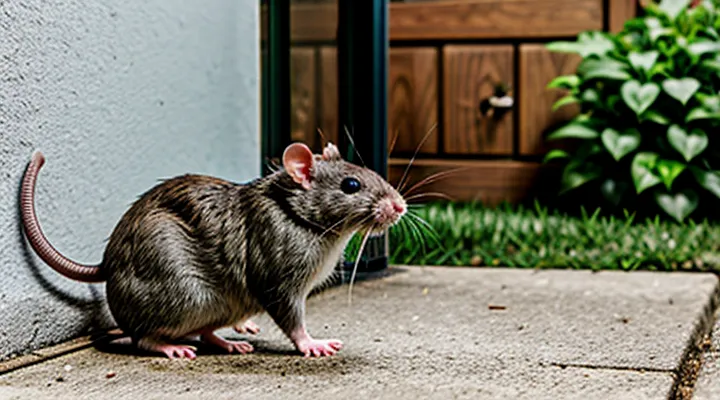
Understanding the Threat of Rats in Your Home
Signs of a Rat Infestation
Droppings and Urine Stains
Rat droppings and urine stains are primary indicators of a rodent presence inside a dwelling. Fresh droppings appear as dark, cylindrical pellets ¼‑½ inch long, while older deposits darken and become brittle. Urine stains are often invisible but can be detected by a faint, ammonia‑like odor or by using a UV flashlight, which makes fresh stains glow. Both waste types harbor pathogens such as Hantavirus, leptospirosis, and salmonella, posing serious health risks to occupants.
Effective removal requires protective equipment and thorough sanitation. Recommended procedure:
- Wear disposable gloves, a N‑95 respirator, and eye protection.
- Ventilate the area for at least 15 minutes, closing doors and windows afterward.
- Moisten droppings with a disinfectant solution (e.g., 1 % bleach) to prevent aerosolization.
- Scrape and collect waste into a sealable plastic bag; discard according to local hazardous‑waste guidelines.
- Apply the same disinfectant to the contaminated surface, allowing a minimum contact time of 10 minutes.
- Rinse with clean water, then dry the area completely.
- Dispose of cleaning materials in sealed bags; wash hands and any reusable equipment thoroughly.
Prevention relies on eliminating sources that attract rats. Seal gaps larger than ¼ inch, store food in airtight containers, and keep garbage cans covered. Regularly inspect hidden locations—behind appliances, under sinks, and in attics—for fresh droppings or stains, and address any findings immediately to interrupt infestation cycles.
Gnaw Marks and Damage
Rats leave distinctive gnaw marks that reveal the extent of their intrusion. Their incisors create clean, V‑shaped cuts about ¼‑inch deep, often found on wood, plastic, and electrical wiring. Fresh gnaws appear lighter in color, while older damage darkens with exposure.
Typical materials affected include:
- Baseboards and crown molding: parallel rows of bite marks indicate repeated feeding paths.
- Furniture legs and upholstered frames: irregular holes compromise structural integrity.
- Plastic containers and pipe insulation: gnawing exposes the interior, increasing the risk of leaks.
- Electrical cords: exposed wires create fire hazards and can cause appliance failure.
Damage patterns help locate activity zones. Concentrated gnawing near walls suggests nesting sites, while scattered marks along cabinets point to foraging routes. Identifying these signs early allows targeted intervention, prevents further structural deterioration, and reduces the likelihood of secondary problems such as disease transmission or electrical malfunctions.
Strange Noises
Strange noises are often the first indication of a rat presence in a residence. Identifying the source, timing, and characteristics of these sounds helps determine the severity of an infestation and guides appropriate control actions.
Typical rat-generated sounds include:
- Scratching on walls, ceilings, or stored items, most audible during nighttime.
- High‑pitched squeaks or chirps, produced when juveniles communicate or when adults are startled.
- Soft thumping or pattering as rats move through insulation, ducts, or crawl spaces.
- Gnawing noises on wood, plastic, or wiring, indicating active feeding or nesting activity.
When a homeowner hears any of these sounds, the following steps are recommended:
- Locate the area of greatest acoustic activity by listening from multiple positions in the house.
- Inspect adjacent structures such as baseboards, cabinets, and vents for droppings, gnaw marks, or nesting material.
- Seal entry points identified near the noise source using steel wool, caulk, or metal flashing to prevent further ingress.
- Deploy targeted traps or bait stations in the vicinity, ensuring placement follows safety guidelines for occupants and pets.
- Monitor the area for a reduction in noise over several days; persistent sounds suggest hidden activity that may require professional assessment.
Prompt attention to abnormal sounds reduces the risk of structural damage, electrical hazards, and disease transmission associated with rodent activity. Continuous vigilance and swift remediation form the core of effective rat management in a private dwelling.
Unusual Pet Behavior
Pets often reveal the presence of rodents before visual confirmation. Their sensory acuity allows detection of subtle movements, odors, and sounds that escape human notice. Recognizing these cues enables targeted intervention within a household environment.
- Sudden, unexplained agitation near walls or ceilings
- Repeated barking, hissing, or meowing directed at a specific location
- Uncharacteristic pacing along baseboards or behind appliances
- Unusual digging or scratching in concealed areas such as closets or under furniture
When such behaviors appear, owners should verify potential entry points and adjust mitigation tactics accordingly. Inspect the indicated zones for gnaw marks, droppings, or nesting material. Deploy traps or bait stations precisely where the animal concentrates its activity, rather than scattering devices indiscriminately. Reinforce gaps around pipes, vents, and door frames to eliminate access routes identified by the pet’s focus.
Implementing these observations reduces the need for extensive chemical treatment and improves the efficiency of physical control measures. Continuous monitoring of pet responses provides ongoing feedback, allowing rapid modification of placement and type of devices until rodent activity ceases.
Health Risks Associated with Rats
Disease Transmission
Rats living inside a house can spread a variety of pathogens that affect human health. Transmission occurs through direct contact with rodent urine, feces, saliva, or bite wounds, and indirectly via contaminated food, water, surfaces, and vectors such as fleas and mites.
Common diseases linked to residential rats include:
- Leptospirosis – bacteria transmitted when contaminated urine contacts skin or mucous membranes.
- Hantavirus pulmonary syndrome – inhalation of aerosolized particles from dried droppings or urine.
- Salmonellosis – ingestion of food or water tainted with fecal material.
- Rat‑bite fever (streptobacillosis) – bacterial infection following a bite or scratch.
- Lymphocytic choriomeningitis – virus spread through exposure to infected rodent secretions.
Key factors that increase transmission risk are:
- Presence of food sources that attract rodents.
- Clutter or structural gaps that provide shelter.
- Inadequate sanitation that allows accumulation of waste.
- Lack of regular inspection for signs of infestation.
Effective residential rodent management reduces disease exposure by:
- Sealing entry points: install metal flashing, steel wool, and weather‑stripping around doors, windows, vents, and utility openings.
- Eliminating food access: store dry goods in airtight containers, clean crumbs promptly, and use sealed trash cans.
- Reducing harborage: remove piles of cardboard, fabric, and debris; maintain a tidy environment.
- Implementing traps or bait stations: place snap traps or enclosed bait boxes in concealed locations, following safety guidelines to avoid accidental poisoning.
- Conducting routine monitoring: inspect for droppings, gnaw marks, and urine stains weekly; replace traps and replenish bait as needed.
- Disinfecting contaminated areas: use a bleach solution (1 part sodium hypochlorite to 9 parts water) to clean surfaces where droppings or urine are found; allow a minimum of 10 minutes of contact time before wiping.
By integrating these control actions, homeowners limit rodent populations, interrupt pathogen pathways, and protect occupants from the health hazards associated with rat‑borne diseases.
Allergic Reactions and Asthma
Rats produce allergens that trigger IgE‑mediated reactions and can exacerbate bronchial hyper‑responsiveness. Exposure to dried urine, feces, and hair releases proteins that settle on surfaces, become airborne during cleaning, and enter the respiratory tract. Sensitive occupants may develop sneezing, nasal congestion, skin rash, or wheezing. Inhalation of these particles can precipitate an asthma attack, especially when combined with irritants from rodent‑control products such as anticoagulant baits, snap‑trap spring mechanisms, or ultrasonic devices that emit high‑frequency sound.
Effective mitigation requires a coordinated approach:
- Wear disposable gloves, N‑95 respirators, and protective clothing while handling droppings or setting traps.
- Seal entry points before initiating control measures to limit rodent movement and dust generation.
- Use bait stations that contain poison within locked compartments, reducing direct contact and aerosol formation.
- Prefer mechanical traps placed in low‑traffic areas; avoid crushing devices that disperse body fluids.
- After removal, employ a HEPA‑filtered vacuum to capture residual particles, then mop surfaces with a diluted enzymatic cleaner that degrades protein allergens.
- Maintain adequate ventilation during and after treatment; run exhaust fans for at least 30 minutes to clear airborne contaminants.
- Schedule medical review for individuals with known asthma or severe allergies; adjust inhaler dosage or prescribe short‑course oral corticosteroids if exposure is unavoidable.
Monitoring indoor air quality after eradication confirms that allergen concentrations have returned to baseline levels. Repeating cleaning cycles every two weeks during the initial month prevents re‑accumulation and supports long‑term respiratory health.
Non-Lethal Rat Control Strategies
Preventing Entry Points
Sealing Cracks and Holes
Sealing cracks and holes eliminates entry points that rats exploit to infiltrate a residence. By creating a continuous barrier, the likelihood of infestation drops dramatically, reducing reliance on traps or poisons.
Key actions for effective sealing include:
- Inspect the exterior and interior for openings larger than a quarter‑inch; rats can squeeze through very small gaps.
- Prioritize entry points near utility lines, vents, and foundation joints, as these areas provide easy access to food and shelter.
- Use appropriate filler materials: steel wool for narrow gaps, expanding foam for larger voids, and cement or masonry sealant for structural cracks.
- Apply a durable, weather‑resistant caulk over all repairs to protect against moisture and future deterioration.
- Re‑evaluate the sealed areas after a few weeks to confirm that no new openings have formed.
Selecting the right material depends on location and exposure. Steel wool resists chewing but must be covered with caulk to prevent rust. Expanding foam offers rapid expansion but can shrink over time; a subsequent layer of sealant restores integrity. Cement‑based products provide the strongest defense for foundation cracks but require proper curing.
Regular maintenance, such as clearing debris from the foundation and inspecting door sweeps, sustains the barrier’s effectiveness. Promptly addressing any new damage preserves the home’s protection against rodent intrusion.
Securing Doors and Windows
Securing doors and windows prevents rats from entering a residence through common access points. Proper sealing eliminates gaps that rodents exploit for shelter and food.
- Install tight-fitting door sweeps made of metal or durable rubber; adjust them so the gap between floor and sweep does not exceed ¼ inch.
- Fit screens on all exterior doors; choose mesh with openings no larger than ¼ inch and reinforce edges with weather‑strip tape.
- Apply continuous silicone or polyurethane caulk around door frames, hinges, and locksets; replace deteriorated caulk promptly.
- Use metal flashing or hardware cloth (¼‑inch mesh) to cover any ventilation openings or louvers adjacent to doors.
- Fit double‑pane or laminated glass windows; ensure the sash closes flush with the frame and that the weather‑seal remains intact.
- Install latch bolts or deadbolts on all exterior doors; verify that the strike plate is securely fastened to a stud.
- Add a removable, fine‑mesh window screen with a sturdy frame; verify that the screen remains taut and free of tears.
Regular inspection sustains effectiveness. Check for signs of wear, such as cracked caulk, displaced sweeps, or torn screens, at least quarterly. Replace compromised components immediately to maintain a continuous barrier against rodent intrusion.
Inspecting Pipes and Vents
Inspecting pipes and vents is a critical step in preventing rodent intrusion in residential properties. Rats use these concealed pathways to travel between the exterior and interior, exploiting gaps, cracks, and unsealed joints.
Begin by locating all accessible plumbing runs, including water supply lines, drainage stacks, and vent pipes. Use a flashlight and a mirror to examine interior surfaces for gnaw marks, droppings, or urine stains. Pay particular attention to joint connections, pipe sleeves, and any penetrations through walls or floors. Record any evidence of activity and the exact location for targeted treatment.
Next, assess ventilation openings such as dryer exhausts, bathroom fans, and attic vents. Verify that each opening is covered with a metal mesh or screen of no larger than 1/4 inch. Replace deteriorated screens and secure loose fittings with stainless‑steel wire or silicone sealant. Ensure that vent caps are intact and properly fitted to prevent gaps.
When gaps are identified, seal them promptly. Recommended materials include steel wool combined with expanding foam for larger voids, and copper mesh for areas requiring durability. Avoid using soft, compressible fillers that rats can gnaw through.
Maintain a regular inspection schedule. Conduct a visual check of all pipes and vents at least quarterly, and after any major weather event that could dislodge seals. Document findings in a log to track recurring problem areas and to verify that repairs remain effective over time.
Finally, integrate pipe and vent inspection with other control measures, such as trapping and sanitation, to create a comprehensive barrier against rodent infestation.
Eliminating Food Sources
Proper Food Storage
Proper food storage is a fundamental element of rodent prevention in a residence. Food left exposed or improperly sealed provides a reliable food source, encouraging rats to enter and remain in the dwelling.
Key practices for securing food:
- Store dry goods (cereals, grains, pet food) in containers with lock‑tight lids made of metal or heavy‑wall plastic.
- Keep perishable items refrigerated or frozen; discard leftovers within 24 hours.
- Place bulk purchases in sealed bins; avoid using cardboard boxes that can be chewed.
- Position containers away from walls, cabinets, and floor level to eliminate easy access points.
Additional measures reinforce storage effectiveness:
- Clean countertops and floors immediately after meals; remove crumbs and spills.
- Inspect pantry shelves regularly for signs of gnawing or droppings; replace compromised containers.
- Use a dedicated waste bin with a tight‑fitting lid; empty it daily to eliminate odor cues.
Consistent implementation of these steps removes the primary attractant for rats, reducing the likelihood of infestation and supporting broader rodent‑deterrent strategies within the home.
Waste Management
Effective waste handling eliminates the primary attractant for rodents in residential settings. Food residues, spilled liquids, and decomposing organic matter provide sustenance and breeding sites; removing these eliminates the incentive for rats to enter a dwelling.
Implement the following practices:
- Store garbage in containers with tight‑fitting lids; verify that seals remain intact after each use.
- Transfer waste to an external collection point no later than 24 hours after accumulation.
- Keep recycling bins clean and free of food scraps; rinse items before disposal.
- Position compost bins away from the house, use metal or heavy‑duty plastic units, and cover them with a secure lid.
- Inspect and clean under appliances, behind cabinets, and in pantry corners weekly to remove crumbs and droppings.
Maintain a schedule that includes daily removal of kitchen waste, weekly cleaning of storage areas, and monthly inspection of outdoor bins for damage. Replace compromised containers promptly to prevent leaks. Consistent execution of these steps reduces available food sources, curtails population growth, and supports broader rodent‑prevention strategies within a private residence.
Cleaning Spills and Crumbs
Cleaning spills and crumbs eliminates food sources that attract rodents, directly reducing the likelihood of an infestation. Food residues left on countertops, floors, or appliances provide the energy rats need to survive and reproduce. Removing these sources creates an environment where rats are less inclined to establish a nest.
Effective cleaning requires:
- Immediate wiping of liquid spills with absorbent cloths; use a disinfectant solution to prevent odor buildup.
- Sweeping or vacuuming crumbs from surfaces after each meal; focus on edges of tables, under appliances, and behind furniture.
- Washing dishes promptly; avoid leaving dishes in the sink overnight.
- Emptying trash bins daily; use containers with tight‑fitting lids.
- Cleaning pet feeding areas after each feeding; rinse bowls and remove dropped food.
Routine maintenance reinforces these practices. Schedule a nightly inspection of kitchen and dining areas to verify that no food particles remain. Use a mop with a detergent formulated for grease removal on floors where food splatters are common. Replace worn or damaged floor mats that trap debris.
By consistently eliminating edible debris, the home becomes inhospitable to rats, supporting broader pest‑prevention strategies.
Habitat Modification
Decluttering and Organization
Keeping living spaces tidy reduces the likelihood of rodent infestations. When food, waste, and clutter accumulate, they create shelters and foraging opportunities that attract rats. Removing these resources eliminates the conditions that support their presence.
A systematic approach to organization includes:
- Storing food in sealed containers made of glass, metal, or heavy‑walled plastic.
- Disposing of garbage daily and using bins with tight‑fitting lids.
- Clearing under‑furniture, behind appliances, and in corners of closets.
- Maintaining a regular schedule for sweeping, vacuuming, and wiping surfaces.
- Sorting and discarding items no longer needed, especially those made of cardboard or fabric that can serve as nesting material.
Implementing these practices creates an environment where rats find little to hide or feed, thereby enhancing the effectiveness of any additional control measures. Consistent decluttering also simplifies inspection for signs of activity, enabling early detection and prompt response.
Landscaping and Yard Maintenance
Effective yard management directly reduces the likelihood of rodent entry into a residence. Maintaining clear boundaries between the house foundation and surrounding vegetation eliminates shelter and travel routes that rats exploit.
- Trim trees, shrubs, and vines to keep foliage at least 12 inches away from exterior walls.
- Grade soil away from the foundation to prevent water accumulation and create a slope that discourages burrowing.
- Remove leaf piles, grass clippings, and other organic debris weekly; such material provides food and nesting sites.
- Store firewood on a raised platform and keep it at a minimum distance of three feet from the building.
- Use sealed compost containers and avoid over‑filling them with kitchen scraps.
Regular inspection of the perimeter for signs of gnawing, burrows, or droppings enables prompt remediation. Scheduling seasonal clean‑ups and promptly repairing cracks in sidewalks, driveways, and foundation walls maintains a hostile environment for rats, supporting broader pest‑management strategies inside the home.
Lethal Rat Control Methods
Trapping Techniques
Snap Traps
Snap traps constitute a direct, mechanical option for reducing rat populations inside a dwelling. Their rapid killing action eliminates pests without reliance on chemicals, making them suitable for households concerned about residue.
The device consists of a spring‑loaded bar that snaps shut when a rat triggers a pressure plate or trip lever. When properly calibrated, the force applied is sufficient to break the spinal cord, delivering an instantaneous kill and preventing escape.
Choosing an effective model involves three criteria. First, the trap must accommodate the size of adult rats, typically requiring a cage at least 7 × 4 × 4 inches. Second, the trigger mechanism should respond to forces between 5 and 20 grams, ensuring activation by a rat but not by debris. Third, construction material—stainless steel or heavy‑gauge plastic—affects durability and ease of cleaning.
Placement determines capture success. Recommended positions include:
- Along walls where rats travel, within 2 inches of the baseboard.
- Behind appliances, in pantry corners, and near garbage containers.
- In concealed pathways such as under sinks or inside closets.
- At least 12 inches apart to avoid competition between traps.
Bait selection influences attraction. Effective options are:
- Peanut butter mixed with a small amount of cornmeal.
- Dried fruit pieces or bits of cooked meat.
- Commercial rodent attractants formulated for snap traps.
Apply a pea‑sized amount to the trigger platform, avoiding excess that may cause premature release.
Safety measures protect occupants. Wear thick gloves when handling traps, inspect the spring for fatigue before each use, and keep traps out of reach of children and non‑target animals. If a trap fails to reset, replace the spring assembly promptly.
Disposal protocol requires immediate containment of captured rats. Transfer the sealed trap into a rigid, labeled container, then place it in an outdoor garbage bin. Clean the trap with a diluted bleach solution (1 part bleach to 9 parts water) and allow it to air dry before reuse. Regular sanitation of the surrounding area prevents disease transmission.
Glue Traps
Glue traps consist of a flat surface coated with a non‑drying adhesive that immobilizes rodents upon contact. The adhesive remains tacky for weeks, allowing a single trap to capture multiple rats without replacement.
Effectiveness depends on strategic placement. Ideal locations include:
- Along walls where rats travel, typically within 30 cm of the baseboard.
- Near known entry points such as gaps around pipes, vents, or doors.
- In concealed areas like behind appliances, under furniture, and inside cabinets.
Successful deployment requires the following steps:
- Clean the target area to remove dust and food residue that could reduce adhesion.
- Position the trap with the adhesive side facing the expected direction of movement.
- Secure the trap to the floor or wall using tape or the provided adhesive backing to prevent displacement.
- Inspect daily; remove captured rodents promptly to avoid decay and secondary odor problems.
Safety considerations are mandatory. Glue traps can unintentionally capture non‑target species, including pets and beneficial wildlife. To mitigate risk:
- Use trap covers that restrict access to the adhesive surface.
- Place traps out of reach of children and domesticated animals.
- Employ bait that attracts only rats, such as peanut butter or dried fruit, to reduce accidental captures.
Disposal protocol: wear disposable gloves, place the entire trap in a sealed plastic bag, and discard according to local hazardous waste regulations. Do not reuse traps after a capture, as residual bodily fluids compromise adhesion and may spread disease.
Legal context varies by jurisdiction. Some regions classify glue traps as inhumane devices and restrict their sale or use. Verify local ordinances before purchase.
When evaluating glue traps against alternative methods—such as snap traps, electronic devices, or exclusion techniques—consider factors like:
- Immediate kill versus prolonged immobilization.
- Cost per unit versus long‑term maintenance.
- Potential for secondary pest issues caused by decomposing carcasses.
In a residential setting, glue traps can be a viable component of an integrated rat management plan when applied with precise placement, diligent monitoring, and adherence to safety and regulatory standards.
Live Traps and Ethical Considerations
Live traps provide a non‑lethal option for managing rats in a residential environment. The devices consist of a cage with a trigger mechanism that closes the door when the animal enters, preventing escape. Proper use requires selection of a trap size that accommodates adult rats, placement along established runways, and regular monitoring to reduce stress and prevent dehydration.
Key practices for effective and humane deployment:
- Position traps near walls, behind appliances, or in concealed corners where rodent activity is evident.
- Bait each trap with high‑fat, protein‑rich foods such as peanut butter, dried fruit, or small pieces of meat.
- Check traps at least twice daily; release captured rats within 24 hours to avoid prolonged confinement.
- Release sites must be at least 2 miles from the residence or in a location where the animal cannot re‑enter the property, complying with local wildlife regulations.
- Wear disposable gloves when handling traps to minimize disease transmission and avoid imprinting human scent on the device.
Ethical considerations extend beyond capture. Release locations should offer shelter, water, and food sources to increase survival chances. If release is impractical due to legal restrictions, humane euthanasia performed by a licensed professional is the responsible alternative. Documentation of each capture, including date, location, and release site, supports accountability and helps identify infestation hotspots for targeted preventive measures.
Integrating live trapping with exclusion techniques—sealing entry points, maintaining sanitation, and removing attractants—creates a comprehensive, humane strategy for rodent control in private dwellings.
Baits and Poisons
Types of Rodenticides
Rodenticides constitute a primary component of residential rat management. Their effectiveness depends on active ingredients, mode of action, and regulatory status. Selecting an appropriate product requires understanding the chemical class and associated safety considerations.
- Anticoagulants – inhibit blood clotting, leading to internal hemorrhage. First‑generation compounds (e.g., warfarin, chlorophacinone) require multiple feedings; second‑generation agents (e.g., brodifacoum, difethialone) act after a single dose.
- Bromethalin – disrupts neuronal energy metabolism, causing rapid paralysis and death after a single ingestion.
- Zinc phosphide – reacts with stomach acid to release phosphine gas, resulting in acute respiratory failure.
- Cholecalciferol (Vitamin D₃) – induces hypercalcemia, leading to kidney failure and cardiac arrest after a few feedings.
- Phosphorus – generates toxic phosphoric acid within the gastrointestinal tract, producing fatal systemic effects.
Each class presents distinct hazards to humans and non‑target animals. Proper placement, limited access, and adherence to label instructions mitigate risks while ensuring reliable rat elimination in a private dwelling.
Safe Application and Placement
When deploying rodent control tools inside a dwelling, prioritize methods that minimize health risks to occupants and pets. Select products certified for indoor use, verify expiration dates, and read label warnings before handling.
- Snap traps: position on walls, behind appliances, and in dark corners where rats travel. Secure to prevent dislodgement.
- Live‑catch traps: place on flat surfaces near known activity zones. Check daily; release captured rodents far from the property.
- Bait stations: use tamper‑resistant containers. Install at least 2 feet above floor level, away from food preparation areas, and out of reach of children and animals.
- Glue boards: apply in concealed locations such as under cabinets. Dispose of according to manufacturer instructions after capture.
Chemical repellents and rodenticides demand additional precautions. Apply only in sealed bait stations, avoid spraying on surfaces that contact food or utensils, and ensure adequate ventilation during and after application. Store all compounds in original packaging, locked away from non‑target individuals.
Before installation, inspect the environment for gaps, cracks, and openings. Seal entry points with steel wool, caulk, or metal mesh to prevent re‑infestation. Maintain a clean interior: eliminate food scraps, store dry goods in airtight containers, and regularly empty trash bins.
After placement, monitor devices at consistent intervals. Record capture dates and locations to identify activity patterns. Replace ineffective or damaged equipment promptly to sustain control efficacy while preserving safety standards.
Risks to Pets and Children
Controlling rats inside a residence can expose pets and children to hazards that outweigh the benefits of eradication if not managed carefully.
- Toxic baits contain anticoagulants, metal phosphides, or neurotoxins; ingestion by dogs, cats, or toddlers can cause internal bleeding, organ failure, or seizures.
- Snap traps and glue boards pose physical injury risks; accidental activation may result in lacerations, amputations, or severe skin trauma.
- Rodent carcasses left unattended become sources of bacterial contamination, leading to gastroenteritis or leptospirosis when pets or children contact them.
- Residual odors from poisoned bait or dead rodents may provoke allergic reactions or respiratory irritation, especially in young children with developing lungs.
- Improper placement of traps near food preparation areas increases the likelihood of accidental contact during routine household activities.
Effective mitigation requires selecting pet‑ and child‑safe control options, such as sealed bait stations placed out of reach, mechanical exclusion methods (e.g., sealing entry points), and professional pest‑management services that follow integrated pest‑management protocols. Regular monitoring, prompt removal of dead rodents, and clear communication of trap locations further reduce accidental exposure.
Adhering to these precautions protects vulnerable household members while maintaining a rat‑free environment.
Professional Rat Extermination Services
When to Call a Professional
Signs that a homeowner should seek professional assistance include extensive damage, rapid population growth, and health hazards. Structural damage to walls, wiring, or insulation indicates rats have established nesting sites that DIY methods cannot eradicate safely. A sudden increase in droppings, gnaw marks, or sightings across multiple rooms signals a breeding colony beyond the reach of traps or baits. Presence of rat‑borne pathogens, such as leptospirosis or hantavirus, requires immediate containment by trained personnel equipped with protective gear and proper disposal procedures.
Professional intervention becomes essential when:
- DIY attempts have failed after several weeks of consistent effort.
- The infestation involves more than a few individuals, suggesting a hidden population.
- Rats have accessed hard‑to‑reach areas like crawl spaces, attics, or behind appliances.
- Local regulations mandate licensed exterminators for pesticide application.
- The homeowner lacks the knowledge or equipment to safely set up exclusion barriers and sanitation measures.
Contacting a certified pest‑control service provides access to comprehensive inspection, targeted baiting, and long‑term exclusion strategies that comply with health and safety standards. Prompt professional action reduces the risk of further property damage and limits exposure to disease‑carrying rodents.
What to Expect from a Professional Service
A professional rat management service begins with a thorough on‑site inspection. Technicians identify entry points, assess the severity of infestation, and document conditions that support rodent activity. The inspection report forms the basis for a targeted control plan.
The service typically includes:
- Detailed assessment of structural vulnerabilities and food sources.
- Selection of appropriate control measures, such as bait stations, traps, or exclusion techniques, based on local regulations and safety considerations.
- Implementation of the chosen methods by certified personnel, ensuring correct placement and secure installation.
- Immediate removal of captured rodents and proper disposal in accordance with health standards.
- Provision of a written action plan outlining timelines, expected outcomes, and any required homeowner actions (e.g., sealing gaps, improving sanitation).
- Follow‑up visits to verify efficacy, adjust tactics if necessary, and confirm that the infestation is eliminated.
- Warranty or guarantee terms that specify the duration of coverage and conditions for re‑treatment.
- Transparent pricing breakdown, including labor, materials, and any ancillary costs.
- Clear communication channels for reporting concerns or scheduling additional service.
Homeowners should anticipate professional conduct, adherence to safety protocols, and documentation that can be presented to insurers or regulatory bodies if required. The overall goal is to achieve a sustainable, rodent‑free environment with minimal disruption to daily life.
Ongoing Prevention and Monitoring
Effective rat management does not end with a single extermination effort. Continuous prevention and systematic monitoring protect a residence from re‑infestation and reduce the likelihood of damage or disease transmission.
Routine inspections should occur at least monthly. Inspectors focus on potential entry points, signs of gnawing, droppings, and grease marks. Pay particular attention to basements, crawl spaces, attic vents, and areas behind appliances where rodents can hide unnoticed.
Key preventive actions include:
- Sealing cracks, gaps around pipes, and utility openings with steel wool, cement, or metal flashing.
- Storing food in airtight containers and promptly cleaning crumbs or spills from countertops and floors.
- Removing standing water sources, fixing leaky faucets, and ensuring proper drainage around the foundation.
- Maintaining vegetation at least 12 inches from the building to eliminate cover for climbing rodents.
- Using metal or reinforced concrete barriers on garbage bins and compost piles.
Monitoring tools complement physical barriers:
- Snap or electronic traps placed along established runways, checked daily, and reset or replaced as needed.
- Bait stations equipped with tamper‑proof containers, inspected weekly for activity and bait depletion.
- Non‑toxic tracking powders applied at suspected entry points, examined after 24 hours for footprints.
- Motion‑activated cameras positioned in concealed locations to capture nocturnal movement and verify species identification.
Document each inspection, trap check, and bait replacement in a logbook or digital record. Note dates, locations, observed signs, and corrective actions taken. Review the log quarterly to identify patterns, adjust preventive measures, and schedule professional pest‑control consultations when activity exceeds predefined thresholds.
By integrating disciplined inspection, robust exclusion, and reliable monitoring, homeowners maintain long‑term control over rodent populations and safeguard property health.