
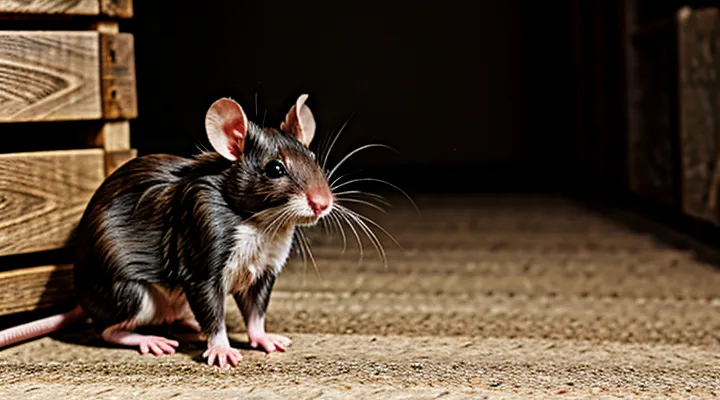
Understanding Rat Breeds
Why Rat Breeds Matter
Understanding the distinctions among rat varieties is essential for accurate identification, responsible breeding, and effective care. Precise classification enables owners and professionals to match animals with appropriate environments, dietary regimes, and health protocols.
Key reasons why rat breed differentiation matters:
- Genetic variation influences susceptibility to specific diseases; targeted health monitoring reduces morbidity.
- Physical characteristics such as coat type, size, and coloration affect grooming requirements and habitat design.
- Established breed standards guide ethical breeding practices, preventing the propagation of deleterious traits.
- Distinct breeds serve as model organisms in scientific research, allowing controlled studies of genetics, behavior, and pharmacology.
- Consumer preferences for particular appearances drive market demand; clear breed definitions support informed purchasing decisions.
Accurate documentation, including high‑quality visual records of common rat types, reinforces these objectives by providing reliable reference material for identification and education.
Key Characteristics of Pet Rats
Pet rats are small rodents commonly kept as companions. Visual collections of prevalent varieties illustrate the diversity of coat colors, ear shapes, and body proportions that owners encounter.
- Size: Adult males typically measure 20‑25 cm from nose to tail tip; females are slightly smaller.
- Coat: Fur may be smooth, satin‑like, or wiry; common patterns include solid, hooded, and pied.
- Temperament: Most exhibit curiosity, quick learning, and a willingness to interact with humans.
- Lifespan: Healthy individuals live 2‑3 years, with some reaching four years under optimal care.
- Health indicators: Bright eyes, clean ears, and a steady weight gain pattern signal good condition; respiratory sounds or nasal discharge warrant veterinary attention.
- Diet: Balanced feed consists of a commercial pellet base supplemented with fresh vegetables, occasional fruit, and limited protein treats.
- Social needs: Rats thrive in groups of two or more; isolation can lead to stress‑related behaviors.
- Intelligence: Ability to navigate mazes, solve simple puzzles, and respond to click‑training demonstrates advanced cognition.
Variations among breeds affect the prominence of certain traits. For example, hairless lines display reduced grooming requirements but increased sensitivity to temperature, while larger breeds may require sturdier cage structures. Recognizing these distinctions enables prospective owners to match a rat’s profile with their living environment and caregiving capacity.
Popular Rat Breeds
The Fancy Rat
Top Eared Varieties
Among domesticated rats, ear morphology distinguishes several popular varieties. Breeders and photographers often highlight those with exceptionally large or uniquely shaped ears because they create striking visual contrast against the body coat.
- Dumbo Rat – ears extend well beyond the head, covering a substantial portion of the cheek region; skin appears thin, allowing clear visibility of the ear cartilage.
- English Fancy (Standard) – ears proportionally large but retain a rounded contour; fur density around the pinna is moderate, providing a balanced appearance in portrait shots.
- Hairless Rat – lack of fur exposes the entire ear surface, revealing detailed vein patterns and skin texture; ear size is comparable to the English Fancy but appears more pronounced due to the absence of hair.
- Rex Rat – ears are medium‑large with a plush, velvety coat covering the pinna; the unique fur texture adds depth to photographic lighting.
- Satin Rat – ears display a glossy sheen that reflects light, emphasizing their size and shape; the sleek coat surrounding the ears enhances overall visual impact.
These varieties dominate visual collections of rat breeds, offering diverse ear presentations that attract both hobbyists and professional photographers.
Dumbo Eared Varieties
Dumbo‑eared rats are distinguished by their large, low‑set ears that fold forward, creating a characteristic “elephant” silhouette. The ear placement results from a specific genetic mutation that affects cartilage development, giving the breed a gentle, rounded head shape and a calm demeanor. Their coat colors match those of standard rats, ranging from albino and black to agouti and brindle, while the ear structure remains the defining feature.
Popular dumbo‑eared varieties include:
- Standard Dumbo – the most common form, available in all recognized coat patterns.
- Satin Dumbo – exhibits a glossy, satin‑like fur texture; coloration mirrors that of standard strains.
- Hairless Dumbo – lacks fur, exposing the skin; requires humidity control and regular skin care.
- Rex Dumbo – possesses a curly, plush coat that adds volume to the already prominent ears.
- Blaze Dumbo – features a distinct dorsal stripe of contrasting color, enhancing visual appeal.
Health considerations are straightforward. The ear cartilage is robust, but regular inspection prevents debris buildup and infection. Clean the ear folds with a damp cotton swab, avoiding deep insertion. Dental health follows the same protocols as other pet rats: provide chew toys and a high‑fiber diet to promote natural tooth wear.
Breeding practices demand careful selection. Pairing two dumbo‑eared individuals increases the likelihood of offspring inheriting the trait, but excessive inbreeding can amplify recessive health issues. Maintaining a diverse genetic pool—by introducing non‑dumbo partners periodically—supports overall vigor while preserving the ear phenotype in subsequent generations.
In photographic collections of popular rat breeds, dumbo‑eared specimens attract attention for their unique silhouette and expressive eyes. Proper lighting highlights the ear curvature and fur texture, making them standout subjects in visual documentation of pet rodents.
Specific Fancy Rat Varieties
Black Rat («Rattus Rattus»)
The Black Rat, scientific name Rattus rattus, belongs to the Muridae family and is one of the most widely recognized rodent species worldwide.
Physical characteristics include:
- Length: 16–24 cm body, tail equal to or slightly longer than the body.
- Weight: 75–250 g.
- Coat: glossy, uniformly dark brown to black fur, occasional lighter patches.
- Ears: relatively large, hairless, positioned forward.
- Tail: slender, covered with sparse hair, prehensile.
The species originates from Southeast Asia but now inhabits every continent except Antarctica. It thrives in coastal ports, tropical islands, and urban settlements, exploiting human structures for shelter and food sources.
Reproduction is rapid: females reach sexual maturity at 2–3 months, produce 5–10 litters per year, each containing 5–12 offspring. Average lifespan in the wild ranges from 1.5 to 2 years, extending up to 4 years under captive conditions.
Human interactions are frequent; the Black Rat is a common subject for wildlife photography due to its distinctive silhouette and nocturnal activity. Photographers often capture individuals on rooftops, in alleys, or perched on elevated debris, highlighting the species’ adaptability and presence in built environments.
Norwegian Rat («Rattus Norvegicus»)
The Norwegian rat (Rattus norvegicus) stands out among the most frequently photographed domesticated rodent varieties. It exhibits a robust body, short dense fur, and a broad head with small, rounded ears. Coat colors range from standard brown or black to albino and various patterned forms, each presenting distinct visual appeal for photographic documentation.
Physical characteristics commonly captured include:
- Length of head‑body segment: 20–25 cm.
- Tail length: 18–22 cm, typically shorter than the body.
- Weight: 250–500 g for adults, with laboratory strains often lighter.
- Fur texture: coarse, glossy, with a pronounced dorsal stripe in many strains.
Geographically, the species originates from Southeast Asia but now inhabits urban and rural environments worldwide. Its adaptability to diverse habitats makes it a frequent subject in both pet‑owner galleries and scientific image archives. The species’ prevalence in research facilities contributes to a substantial visual record, highlighting variations in coat color, age, and health status.
Behavioral traits relevant to photography include a calm demeanor when handled, rapid acclimation to enclosure lighting, and a tendency to pose when gently restrained. These attributes facilitate high‑resolution imaging of anatomical details such as whisker arrangement, dental structure, and skeletal outline.
In summary, the Norwegian rat offers a combination of visual diversity, global distribution, and manageable temperament, rendering it a central figure in any visual compendium of popular rat breeds.
Rex Rat
The Rex Rat stands out among commonly photographed pet rat varieties for its distinctive coat and temperament. Its fur is short, dense, and velvety, resembling the texture of a rabbit’s pelt. The coat’s softness results from a genetic mutation that reduces hair length and eliminates the typical guard hairs found in other breeds. Color patterns include solid shades such as black, white, and chocolate, as well as brindle and sable variations, each displaying the characteristic matte finish of the Rex coat.
Physical traits include a compact body, a rounded head, and a short, sturdy tail. The breed’s ears are proportionally small, and the eyes are large and dark, contributing to an expressive appearance that photographs well. Skeletal structure remains consistent with other domestic rats, ensuring comparable health profiles and lifespan.
Key care considerations for Rex Rats are:
- Grooming – The soft coat requires regular brushing to prevent matting and to remove loose hair.
- Temperature – The reduced hair length makes the breed more sensitive to cold; ambient temperature should be maintained between 68–74 °F (20–23 °C).
- Nutrition – A balanced diet of high‑quality rat pellets, fresh vegetables, and occasional protein treats supports healthy growth.
- Social needs – Like most pet rats, Rex individuals thrive in small groups; isolation can lead to stress and reduced wellbeing.
Photographic representation benefits from bright, even lighting that highlights the coat’s texture without creating harsh shadows. Macro lenses capture the fine details of whiskers and fur, while a shallow depth of field emphasizes the rat’s face and eyes, producing images that convey both the breed’s uniqueness and its suitability as a companion animal.
Hairless Rat
Hairless rats belong to the Rattus norvegicus species and are distinguished by a genetic mutation that eliminates most of the coat, leaving a smooth, delicate skin. Breeders first reported the trait in the early 1990s, and the variety has since become a recognizable option among specialty rodent enthusiasts.
The animals measure 20–25 cm from nose to tail tip and weigh 150–250 g. Skin coloration ranges from pink to light beige, often with faint patterns of pigment on the ears, nose, and tail. Absence of fur reveals vascular networks that give the skin a glossy appearance, especially under proper lighting.
Temperament is calm and inquisitive; hairless rats readily accept handling and respond well to enrichment such as tunnels, chew toys, and puzzle feeders. Social interaction with conspecifics reduces stress, making group housing the standard recommendation.
Care requirements focus on skin health and environmental stability:
- Maintain ambient temperature between 20 °C and 24 °C; lower temperatures risk hypothermia.
- Keep relative humidity at 40–60 % to prevent skin drying.
- Provide a balanced diet of high‑quality rodent pellets, fresh vegetables, and occasional protein treats.
- Apply a thin layer of pet‑safe moisturizer to exposed areas two to three times weekly, especially during shedding cycles.
- Clean cage bedding daily; use dust‑free substrates such as paper pellets to avoid irritation.
Photographic presentation benefits from soft, diffused lighting that minimizes glare on the wet skin surface. A neutral background enhances contrast, allowing the subtle pigmentation and texture to be captured accurately. Macro lenses with a focal length of 50–100 mm provide detail without distortion, while a shallow depth of field isolates the subject and highlights facial features.
Overall, the hairless rat combines distinctive visual traits with manageable husbandry, making it a compelling subject for both pet owners and visual documentation of rat diversity.
Satin Rat
The Satin Rat stands out among domesticated rats for its sleek, glossy coat that reflects light like satin fabric. Originating from selective breeding in the United States during the late 1990s, this variety combines the standard body shape of a fancy rat with a unique fur texture that lacks the typical wiry feel of other breeds.
Physical traits include:
- Short, dense hair that lies flat against the skin, producing a smooth, reflective surface.
- Color patterns ranging from solid black and white to agouti, with occasional roan and sable variations.
- Medium‑sized ears and a compact, muscular build typical of pet rats.
Temperament mirrors that of common fancy rats: inquisitive, social, and capable of forming strong bonds with human caretakers. Satin Rats respond well to gentle handling and thrive in enriched environments that provide climbing structures, chew toys, and regular interaction.
Health considerations focus on coat maintenance. The smooth fur can accumulate oils more quickly than other varieties, requiring weekly grooming to prevent matting and skin irritation. Routine health checks should monitor for respiratory issues, which may be exacerbated by excessive dust in bedding.
Photographic appeal derives from the breed’s reflective coat, which captures light dramatically under proper illumination. Effective imaging tips:
- Use soft, diffused lighting to highlight the sheen without creating harsh glare.
- Position the rat against a neutral background to emphasize contrast.
- Employ a shallow depth of field to isolate the subject and accentuate texture.
In collections showcasing popular rat varieties, the Satin Rat contributes visual diversity through its distinctive luster and wide color palette, making it a frequent choice for enthusiasts seeking both aesthetic and behavioral qualities.
Manx Rat
The Manx Rat is a distinct variety noted for its shortened tail and smooth, glossy coat. Originating from the Isle of Man, the breed emerged through selective breeding that emphasized tail reduction while preserving typical brown or black coloration.
- Tail length: 1–2 cm, often appearing as a stub
- Coat: short, dense, uniformly colored
- Body size: 200–300 g, comparable to standard laboratory rats
- Ear shape: rounded, proportionate to head
- Eye color: dark brown, providing clear contrast against fur
Temperament combines curiosity with calmness, making the Manx Rat well‑suited for handling and observation. Activity peaks during twilight hours, yet the breed adapts readily to daytime interaction. Social compatibility is high; individuals thrive in small groups when provided with enrichment.
High‑resolution photographs capture the breed’s unique silhouette, emphasizing the tail reduction and coat sheen. Visual documentation aids identification, supports breeding programs, and serves as reference material for enthusiasts and researchers alike.
Dwarf Rat
The dwarf rat is a miniature variant of the common laboratory and pet rat, typically weighing 150–250 g and measuring 4–5 inches from nose to base of the tail. Breeders achieve its reduced size through selective pairing of the smallest offspring over several generations, resulting in a stable line that retains the species’ anatomy while displaying a compact frame.
Key physical traits include:
- Short, dense fur that may appear in solid, agouti, or roan patterns;
- Proportionally large ears and eyes, giving an alert appearance;
- A short tail that is often less than half the body length.
Behaviorally, dwarf rats exhibit high activity levels, frequent grooming, and a strong propensity for social interaction with conspecifics and humans. Their small stature makes them suitable for limited living spaces, yet they require regular enrichment, a balanced diet of high‑protein pellets, fresh vegetables, and opportunities for climbing and foraging. Common health concerns involve respiratory infections and dental overgrowth, which can be mitigated by routine veterinary checks and provision of chewable objects.
Photographic collections of this breed often emphasize the contrast between their diminutive size and the vivid coloration of their coats, providing clear visual references for identification and comparison with larger rat varieties.
Caring for Different Rat Breeds
Housing Considerations
Rats require enclosures that accommodate their activity level and social nature. Choose a cage with a minimum floor area of 2 sq ft per animal; larger spaces reduce stress and prevent territorial aggression. Wire cages with a solid base prevent foot injuries and allow easy inspection, while glass terrariums provide visibility but demand careful ventilation.
Key elements of a suitable habitat include:
- Bedding: Use dust‑free, absorbent material such as paper strips or aspen shavings. Avoid pine or cedar, which contain aromatic oils that irritate the respiratory system. Replace bedding weekly to control odor and parasites.
- Enrichment: Provide tunnels, chew toys, and climbing platforms. Rotate items regularly to maintain curiosity and prevent stereotypic behavior.
- Temperature and humidity: Maintain ambient temperature between 65–75 °F (18–24 °C) and relative humidity around 40–60 %. Sudden fluctuations can compromise immune function.
- Location: Position the cage away from direct sunlight, drafts, and household appliances that generate heat. A quiet corner reduces stress from loud noises and frequent foot traffic.
- Cleaning protocol: Perform a full cage clean every two weeks, sanitizing with a mild, rodent‑safe disinfectant. Spot‑clean soiled areas daily to prevent ammonia buildup.
Ventilation must allow fresh air exchange without creating strong drafts. Secure all bars and latches to prevent escape, as most varieties are adept climbers and chewers. Providing a consistent environment supports healthy growth and showcases the distinct characteristics of each popular rat variety.
Dietary Needs
Rats require a diet that supplies adequate protein, fiber, vitamins, and minerals while maintaining low sugar and fat levels. Protein sources such as cooked eggs, lean meat, or commercial rat pellets should constitute roughly 15‑20 % of daily intake. Fiber, supplied by high‑quality hay or shredded vegetables, supports digestive health and prevents hairball formation. Fresh water must be available at all times; a bottle with a stainless‑steel tip reduces contamination risk.
Essential items for a balanced regimen include:
- Commercially formulated rat pellets (nutrient‑dense, minimal filler)
- Fresh leafy greens (e.g., romaine, kale) for vitamins A, C, K
- Small portions of fruits (apple, berries) for antioxidants, limited to 10 % of diet
- Protein treats (hard‑boiled egg, cooked chicken) no more than two teaspoons per week
- Unlimited access to timothy or oat hay for fiber and chewing enrichment
Breed variations influence dietary adjustments. Dwarf varieties, with higher metabolic rates, may need slightly increased protein, whereas larger fancy breeds benefit from additional calcium sources to support skeletal growth. Overfeeding treats leads to obesity, a common health issue across all varieties.
Monitoring weight, coat condition, and fecal consistency provides immediate feedback on nutritional adequacy. Adjust portions promptly if signs of under‑ or over‑nutrition appear. Regular veterinary check‑ups confirm that dietary plans meet the specific metabolic demands of each rat type.
Health and Lifespan
The health profile of each common rat variety influences its expected lifespan and required care. Genetic predispositions, coat type, and breeding practices determine susceptibility to respiratory infections, dental disease, and skin conditions. Regular veterinary examinations, a balanced diet rich in fiber, and environmental enrichment reduce morbidity across all breeds.
Typical lifespan ranges for the most photographed rat types are:
- Standard Fancy Rat: 2 – 3 years, occasional respiratory issues.
- Dumbo Rat (large ears): 2 – 3 years, prone to ear infections if hygiene lapses.
- Rex Rat (curly coat): 2 – 3 years, higher risk of skin irritation.
- Hairless Rat: 2 – 3 years, increased sensitivity to temperature extremes and skin lesions.
- Himalayan Rat (color-point): 2 – 3 years, similar health profile to standard varieties.
Optimal longevity requires consistent cage cleaning, humidity control to prevent respiratory problems, and monitoring of teeth wear to avoid malocclusion. Early detection of symptoms such as sneezing, nasal discharge, or weight loss enables prompt treatment, extending the animal’s productive life span.
Choosing the Right Rat Breed
Temperament and Personality
Rats exhibit distinct temperaments that vary by breed, influencing suitability for companionship, research, or exhibition. Understanding these behavioral patterns helps owners match a rat’s personality to their expectations.
- Standard Fancy – outgoing, highly social, quick to bond with humans; thrives on daily interaction.
- Dumbo – gentle, inquisitive, tolerant of handling; often preferred by beginners for calm demeanor.
- Hairless (Sphynx) – confident, adaptable, eager for exploration; tolerates temperature fluctuations with proper care.
- Rex – playful, energetic, responsive to training; displays strong curiosity and frequent grooming rituals.
- Satin – sleek, alert, moderately assertive; forms strong attachments but may exhibit brief periods of independence.
- Mongolian – shy, cautious, slower to trust; benefits from gradual exposure and consistent routine.
Temperament traits correlate with activity levels, social needs, and stress tolerance. High‑energy breeds such as Rex and Satin require enrichment objects and regular play sessions to prevent boredom. Low‑stress breeds like Dumbo and Hairless respond well to gentle handling and quiet environments. Consistent daily interaction, appropriate cage enrichment, and balanced nutrition reinforce positive behavior across all varieties.
Maintenance Levels
Maintenance requirements vary significantly among the most commonly kept rat varieties. Understanding these differences ensures proper care, health, and longevity.
-
Low‑maintenance breeds – Typically short‑haired strains such as the Standard Sprinter and the Classic Dutch. They thrive on basic cage enrichment, a balanced pellet diet, and weekly spot cleaning. Grooming needs are minimal, and they tolerate modest handling schedules.
-
Moderate‑maintenance breeds – Includes the Rex and the Dumbo. Their coat texture demands bi‑weekly brushing to prevent matting. Enrichment should involve rotating toys and tunnels every few days. Daily spot cleaning combined with a full cage change weekly maintains optimal hygiene.
-
High‑maintenance breeds – Primarily the long‑haired varieties like the Satin and the Angora. Daily grooming is essential to avoid tangles and skin issues. Cage bedding must be changed every two days, and a richer environmental setup—multiple levels, chew‑safe structures, and regular social interaction—is required to prevent stress‑related conditions.
Effective maintenance also depends on consistent health monitoring: weight checks, dental inspections, and observation of behavior patterns. Adjusting care routines to match the specific maintenance level of each breed prevents common problems such as respiratory infections, fur loss, and aggression.