
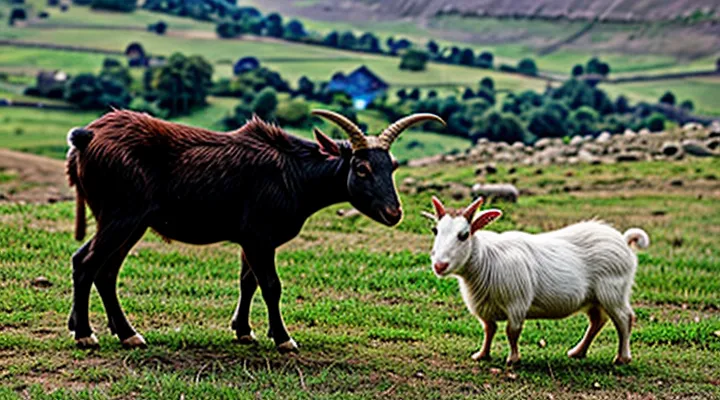
Overview of Rural Ecosystems
Defining «Rural Areas»
Rural areas refer to geographic zones characterized by low population density, limited built‑up infrastructure, and a predominance of agricultural or natural land use. These zones typically exhibit dispersed settlements, extensive open fields, and limited access to urban services.
Key criteria used by statistical agencies to delineate rural regions include:
- Population count below a defined threshold (often fewer than 2,500 inhabitants per locality).
- Distance from the nearest urban center exceeding a specified radius (commonly 15–30 km).
- Economic reliance on primary sectors such as farming, livestock rearing, forestry, or fishing.
- Land cover dominated by cropland, pasture, forest, or undeveloped terrain.
In the context of rodent‑livestock interaction, these characteristics create environments where rats and goats frequently share resources. Agricultural fields provide food for both species, while the scarcity of predators and abundant shelter in barns or outbuildings facilitate coexistence. Understanding the precise definition of rural zones therefore underpins any analysis of interspecies dynamics in non‑urban settings.
Common Wildlife in Rural Settings
Rural landscapes host a predictable assemblage of mammals, birds, reptiles, and insects that shape ecosystem processes. Small mammals such as field mice, voles, and hamsters occupy seed stores and burrow networks, providing prey for raptors and foxes. Domestic herbivores, including goats, share pastures with wild ungulates like hares and deer, competing for forage while influencing vegetation structure.
Avian residents consist of ground‑nesting species—lapwings, skylarks, and quails—and perching birds such as magpies and sparrows that exploit insects and grain residues. Reptilian presence includes common lizards and snakes that regulate rodent populations, while amphibians like frogs occupy wet margins, contributing to insect control.
Key functional groups can be summarized:
- Herbivores: goats, hares, deer, field mice – affect plant composition.
- Predators: foxes, hawks, snakes – limit herbivore and rodent numbers.
- Scavengers: crows, magpies – recycle carrion.
- Pollinators and decomposers: bees, beetles, earthworms – sustain soil fertility.
Interactions among these groups create a dynamic balance that supports agricultural productivity while permitting the coexistence of species often perceived as incongruent, such as rodents and grazing livestock. Understanding these patterns informs management strategies that preserve biodiversity and maintain farm viability.
Rats: Nature, Behavior, and Impact
Species of Rats Found in Rural Environments
Rural landscapes host several rat species that have adapted to open fields, storage facilities, and livestock enclosures. Each species exhibits distinct habitat preferences, reproductive cycles, and foraging behaviors that influence its presence on farms where goats are raised.
- Norway rat (Rattus norvegicus) – prefers burrows near water sources, feed on grain stores, and often occupies barn foundations.
- Black rat (Rattus rattus) – climbs trees and structures, exploits fruit trees and elevated feed bins.
- Roof rat (Rattus rattus frugivorus) – similar to the black rat but more common in tropical and subtropical farmsteads, uses roof spaces and sheds.
- Rice field rat (Rattus argentiventer) – thrives in flooded paddies and adjacent crop fields, consumes seedlings and aquatic vegetation.
- Bush rat (Rattus fuscipes) – inhabits hedgerows and grass margins, feeds on insects and fallen produce.
These species coexist with goat herds by exploiting overlapping food resources and shelter opportunities. Their activity can increase the risk of pathogen transmission to livestock, contaminate feed, and cause structural damage to storage buildings. Effective management requires species‑specific monitoring, secure feed storage, and exclusion of rodents from animal housing.
Rat Diet and Habitat Preferences
Rats inhabiting rural farmsteads adapt their diet to the resources available alongside livestock such as goats. Their feeding habits include:
- Grains and stored cereals that are left in barns or silos.
- Fresh vegetation from pasture margins, especially young shoots and weeds.
- Animal by‑products, including goat milk spillage, feed leftovers, and manure‑derived insects.
- Invertebrates found in soil and compost piles, providing protein during breeding periods.
Habitat selection reflects the need for shelter, proximity to food, and protection from predators. Preferred sites comprise:
- Burrows or crevices beneath stone walls, root systems, and manure heaps.
- Structures offering thermal stability, such as barns, sheds, and goat pens.
- Areas with dense ground cover that conceal movement and nest construction.
- Zones near water sources, including troughs and natural puddles, to sustain hydration and support invertebrate prey.
Seasonal variations influence both diet and habitat use. In harvest months, rats concentrate around grain stores, while during dry periods they shift toward moisture‑rich vegetation and manure‑rich environments. Nesting density rises in colder seasons, prompting occupation of insulated structures and deeper burrows.
The coexistence of rats and goats creates a feedback loop: goat grazing alters vegetation structure, generating new foraging opportunities for rodents; simultaneously, rat activity can affect feed loss and disease dynamics within goat herds. Understanding rat dietary flexibility and habitat preferences enables targeted management strategies that minimize crop damage and reduce health risks for livestock.
Potential Risks Posed by Rats to Livestock
Rats frequently inhabit the same pastures and barns where small ruminants are kept, creating direct pathways for disease transmission and resource competition. Their presence threatens livestock health and productivity through several mechanisms.
- Pathogen vectoring: Rats carry bacteria (Salmonella, Leptospira), viruses (Hantavirus), and parasites (cestodes, nematodes) that can infect cattle, sheep, and goats via contaminated feed, water, or bedding.
- Feed contamination: Gnawed grain, hay, and stored feeds become contaminated with rat urine, feces, and hair, reducing nutritional value and introducing toxins that may cause digestive disturbances or reduced weight gain.
- Physical injury: Rats may bite or gnaw at wounds, creating secondary infections, especially in animals with compromised immunity.
- Stress induction: Persistent rodent activity elevates cortisol levels in herd animals, impairing immune response and reproductive performance.
- Indirect predation pressure: Presence of rats attracts larger predators (feral cats, raptors) that may also threaten livestock, particularly young or weak individuals.
Effective control measures—environmental sanitation, secure feed storage, and targeted rodent management—reduce these risks and support stable livestock production in mixed‑species farming systems.
Goats: Husbandry, Behavior, and Vulnerabilities
Common Goat Breeds in Rural Settings
Goat husbandry in rural environments relies on breeds that combine hardiness, productivity, and adaptability to varied climates. Selection of appropriate breeds determines herd health, milk yield, and meat quality, influencing farm sustainability and the interaction between livestock and surrounding wildlife.
Common goat breeds found in countryside settings include:
- Alpine: High milk production, tolerant of cold and mountainous terrain, white or light‑colored coat.
- Saanen: Largest milk yield among dairy goats, white fleece, thrives in temperate regions with adequate shelter.
- Nubian: Long ears, high butterfat content in milk, performs well in warm climates and on pasture.
- Boer: Fast‑growing meat breed, muscular build, resistant to parasites, suited for extensive grazing.
- Toggenburg: Moderate milk output, brown and white markings, adaptable to both lowland and upland farms.
- LaMancha: Distinctive short ears, good milk volume, calm temperament, suitable for small‑scale operations.
- Angora: Produces mohair fiber, requires regular shearing, tolerant of dry conditions.
- Kiko: New Zealand meat breed, low maintenance, efficient feed conversion, thrives on rough pasture.
Choosing breeds that match local resources and climate enhances herd resilience, supports efficient production, and reduces competition for feed between goats and other rural species.
Goat Housing and Management Practices
Goat housing in rural environments where rodents and caprines share space must address shelter integrity, hygiene, and predator mitigation. A sturdy structure protects goats from weather, reduces entry points for rats, and facilitates routine care.
Key design elements include:
- Solid walls and roof with weather‑resistant materials; gaps no larger than 2 cm prevent rodent infiltration.
- Elevated flooring or slatted platforms to improve drainage, limit manure accumulation, and discourage burrowing.
- Secure doors and latches that can be locked at night, reducing nocturnal disturbances.
- Ventilation openings fitted with fine mesh to maintain airflow while blocking pests.
Management practices that complement housing design focus on cleanliness, health monitoring, and integrated pest control:
- Daily removal of wet bedding and manure; weekly deep cleaning with disinfectant reduces food sources for rats.
- Regular inspection of structural joints, vents, and feeding areas for signs of gnawing or nesting; immediate repair prevents larger infestations.
- Placement of feed and water containers on raised platforms or within sealed containers eliminates spillage that attracts rodents.
- Use of non‑chemical traps and bait stations near entry points; rotate locations to avoid habituation.
- Introduction of barn cats or trained feral dogs in controlled numbers provides biological pressure on rat populations without endangering goats.
- Rotational grazing that moves goats to fresh paddocks weekly limits manure buildup and disrupts rat habitats.
Record‑keeping of cleaning schedules, trap counts, and health assessments enables owners to identify trends, adjust practices, and maintain a stable coexistence between goats and surrounding rodent communities.
Goats' Natural Defenses and Susceptibility to Pests
Goats possess several innate protective mechanisms that reduce the impact of common pests. Their coarse hair creates a physical barrier against many ectoparasites, while the constant movement of the herd facilitates mutual grooming, which removes loose debris and some insects. Saliva contains antimicrobial compounds that limit bacterial growth on wounds, and the gastrointestinal tract hosts a diverse microbiota that competes with pathogenic organisms.
Key natural defenses include:
- Thick, weather‑resistant coat
- Frequent self‑ and herd‑grooming
- Salivary enzymes with antimicrobial activity
- Robust gut microbiome
- Strong innate immune response
Despite these advantages, goats remain vulnerable to specific pest groups. External parasites such as lice, ticks, and biting flies can penetrate the coat, causing irritation, blood loss, and disease transmission. Internal parasites, particularly gastrointestinal nematodes, thrive in warm, moist pastures and can impair nutrient absorption. Rodent activity near feed stores introduces additional risks, including contamination with rodent‑borne pathogens and the spread of flea infestations.
Primary susceptibility factors are:
- Dense, low‑lying vegetation that shelters ticks and flies
- Overcrowded housing that facilitates lice and mite propagation
- Seasonal rain that increases nematode larval survival in soil
- Poor feed storage attracting rats, which can carry fleas and tapeworm eggs
Effective management combines the goats’ inherent defenses with targeted interventions—regular shearing, strategic deworming, fly traps, and secure feed facilities—to minimize pest pressure while preserving the animals’ natural resilience.
Exploring the Coexistence: Mechanisms and Dynamics
Shared Resources and Competition
Rats and goats frequently share the same agricultural plots, water troughs, and storage facilities. Both species depend on grain, vegetation, and occasional scraps, creating a direct overlap in dietary needs. When food supplies are abundant, the two can coexist without noticeable tension; however, scarcity triggers competition that may alter feeding patterns and territorial behavior.
Key aspects of their interaction include:
- Resource partitioning: Goats typically graze on higher vegetation, while rats focus on stored grains and spilled feed.
- Temporal avoidance: Rats are nocturnal, reducing direct encounters with diurnally active goats.
- Behavioral displacement: In low‑food scenarios, goats may increase browsing pressure, forcing rats to seek alternative sources such as compost piles or human waste.
- Health implications: Competition for contaminated feed can raise disease transmission risk for both animals, prompting farmers to implement stricter sanitation measures.
Indirect Interactions: Food Scraps and Fecal Matter
Rats and goats often share the same rural environment, yet their relationship extends beyond direct competition for pasture. Indirect interactions arise when both species exploit common resources such as discarded food and shared waste, shaping their spatial distribution and health status.
Food scraps deposited near farmyards provide a reliable caloric source for rats, reducing their need to forage across larger territories. This concentration of rodents near goat pens increases the likelihood of rats encountering goat feed stores, where they may contaminate feed with saliva and urine. Consequently, goats may ingest contaminated material while grazing, exposing them to pathogens carried by rats.
Fecal matter functions as another conduit for indirect effects. Rat droppings contain parasites and bacteria that can survive in the environment for extended periods. When goats step on or ingest contaminated soil, they acquire infections that would otherwise be absent from a strictly herbivorous diet. Conversely, goat feces enrich the soil with nutrients, attracting insects that serve as intermediate hosts for rat-borne parasites, thereby completing a feedback loop.
Key outcomes of these indirect pathways include:
- Elevated disease risk for goats due to bacterial and parasitic agents originating from rats.
- Increased rat population density around feeding zones because of abundant food waste.
- Enhanced nutrient cycling that supports insect vectors, indirectly sustaining rat populations.
Understanding these mechanisms clarifies how waste management and feed storage practices influence the coexistence of rats and goats in agricultural settings. Mitigating food scrap exposure and controlling rodent fecal contamination can disrupt the indirect pathways that link the two species.
Predator-Prey Dynamics in the Broader Ecosystem
Rats and goats share agricultural landscapes where their interaction alters traditional predator‑prey relationships. The presence of a sizable goat population reduces ground cover, exposing rats to visual predators while simultaneously providing a steady source of waste that sustains rat numbers. This dual effect reshapes energy flow across the ecosystem.
Predator communities respond to the altered prey distribution in several ways:
- Raptors such as hawks and owls increase hunting frequency on exposed rats, leading to higher turnover rates in the small‑mammal cohort.
- Domestic cats, often kept near goat pens, supplement wild predation, contributing to a measurable decline in rat burrow density.
- Snakes and feral dogs exploit the reduced vegetation, targeting both rats and juvenile goats when opportunities arise.
These dynamics generate feedback loops that influence crop protection and disease transmission. Elevated predation pressure can suppress rat‑borne pathogens, yet persistent goat waste may sustain rat populations despite predator activity. Understanding these interlinked processes informs management strategies that balance livestock productivity with ecological stability.
Practical Implications and Management Strategies
Mitigating Rat Infestations in Goat Enclosures
Rats are attracted to goat pens by feed spillage, bedding material, and shelter opportunities. Their presence threatens animal health, contaminates feed, and damages infrastructure. Effective control requires an integrated approach that eliminates attractants, blocks entry, and manages existing populations.
- Secure feed storage: keep grain and concentrate in sealed containers; distribute only the amount needed for each feeding.
- Maintain clean bedding: remove droppings and soiled material daily; replace straw or shavings regularly.
- Install physical barriers: seal gaps in walls, doors, and ventilation openings with metal mesh of 1 mm or smaller aperture.
- Elevate feed troughs: position feeders at least 30 cm above ground to reduce access.
- Apply rodent‑proof flooring: use concrete or tightly woven wire mesh under bedding areas.
- Deploy traps strategically: place snap or live traps along wall edges and near known runways; check and service traps every 24 hours.
- Use targeted bait stations: locate stations away from goats, secure with tamper‑proof covers, and rotate active stations weekly.
Monitoring should include weekly inspections for gnaw marks, droppings, and burrows. Record findings in a log to identify hotspots and assess the impact of interventions. Adjust measures promptly when activity persists.
Training farm personnel on proper waste handling, equipment maintenance, and trap placement reinforces prevention. Consistent application of these practices minimizes rat populations and safeguards goat health and productivity.
Biosecurity Measures for Goat Health
Effective biosecurity protects goat herds from disease agents that rats commonly carry in agricultural environments. Secure housing eliminates unauthorized entry points; sturdy fences, sealed doors, and mesh-covered ventilation reduce rodent infiltration. Feed and water containers must be stored in sealed, elevated structures to prevent contamination.
- Install snap traps or electronic devices along perimeter walls, regularly inspect and replace them.
- Maintain clean bedding, removing droppings and soiled material daily.
- Apply rodent‑resistant feed bags, rotate stock to avoid prolonged exposure.
- Conduct weekly visual surveys for signs of rodent activity, documenting locations and density.
Vaccination schedules target pathogens such as leptospirosis and salmonellosis, both transmissible by rats. Record vaccination dates, batch numbers, and adverse reactions in a centralized log. Implement a quarantine protocol for newly acquired goats: isolate for at least 21 days, monitor temperature, appetite, and fecal consistency, and test for common infections before integration.
Sanitation procedures include disinfecting equipment with approved agents after each use, especially milking apparatus and transport crates. Drainage systems must be kept clear to avoid standing water that attracts rodents. Waste management requires sealed compost bins, regular removal, and distance from animal housing.
Regular veterinary examinations, combined with systematic rodent control and strict sanitation, create a resilient barrier that safeguards goat health while cohabiting with rodent populations in rural settings.
Integrated Pest Management Approaches
Rural farms where small livestock and rodents share the same environment face continuous pressure from pest populations that can damage crops, spread disease, and compete for feed. Managing these pressures requires a systematic approach that integrates multiple tactics while preserving the balance between goat husbandry and rodent activity.
Integrated pest management (IPM) provides a framework that combines observation, prevention, and targeted intervention. Core components include:
- Monitoring: Regular inspection of feed stores, grazing areas, and burrow sites using traps, visual counts, and motion‑activated cameras to establish population baselines.
- Cultural controls: Adjusting grazing rotation to limit vegetation that shelters rodents, maintaining clean feed bins, and removing debris that offers nesting material.
- Mechanical controls: Deploying snap traps, live‑capture cages, and sturdy fencing to restrict rodent movement and protect feed supplies.
- Biological controls: Encouraging natural predators such as barn owls, feral cats, and predatory insects; introducing nematodes that target rodent larvae; and using goats to graze low‑lying vegetation that serves as rodent cover.
- Chemical controls: Applying rodenticides only after non‑chemical methods have proven insufficient, selecting products with low secondary toxicity, and following strict dosage guidelines.
Each tactic functions within a decision‑making cycle: assess, act, evaluate, and adjust. For example, if monitoring reveals a rise in nocturnal activity near feed troughs, mechanical traps are positioned at entry points, while cultural measures reduce nearby shelter. Should trap catch rates decline, biological agents are introduced to sustain pressure on the rodent population.
Effective IPM reduces reliance on broad‑spectrum poisons, lowers the risk of residue in goat products, and supports long‑term ecological stability. By aligning pest suppression with livestock management, farms achieve consistent feed availability, healthier herds, and minimized environmental impact.
Case Studies and Observations of Rat-Goat Coexistence
Documented Instances of Unusual Interactions
In several agricultural regions, field observations have recorded direct, atypical contacts between rodents and caprine livestock. Researchers have compiled the following notable cases:
- A herd of dairy goats in a high‑altitude valley allowed a colony of Norway rats to occupy the same shelter. Video evidence shows the goats periodically nudging the rodents, after which the rats approached the goats’ ears and performed brief grooming strokes. The behavior persisted for several weeks without aggression.
- In a Mediterranean pasture, a group of goats displayed protective actions toward a family of black rats nesting beneath a stone wall. When a predator approached, the goats formed a perimeter, stamping the ground and emitting low‑frequency vocalizations that deterred the threat, after which the rats emerged unharmed.
- A study in a Southeast Asian village documented rats sharing a feeding trough with goats during the early morning. The rodents collected spilled grain from the trough’s edges, while the goats consumed the bulk. Analysis of fecal samples indicated simultaneous ingestion of similar plant material, suggesting overlapping dietary niches.
- In a temperate farm, a single goat was observed leading a rat through a narrow barn gate, effectively granting the rodent access to an otherwise restricted area. Subsequent monitoring recorded increased rat activity in the barn, coinciding with a reduction in stored feed loss, implying indirect pest‑management benefits.
- A longitudinal survey of high‑land farms recorded instances where rats used goat bedding for nesting, benefiting from the warmth and protection offered by the animals’ presence. Goat health assessments showed no adverse effects, and the rats’ burrows remained clean, reducing the risk of pathogen buildup.
These documented interactions demonstrate that, under specific environmental conditions, rats and goats can engage in mutually tolerable behaviors that deviate from typical predator‑prey expectations. The evidence challenges conventional assumptions about interspecies dynamics in rural ecosystems.
Anecdotal Evidence from Farmers and Researchers
Farmers across several villages report that goats routinely share feeding areas with local rats, allowing both species to coexist without apparent conflict. Observations indicate that goats tolerate the presence of rats while foraging, and rats appear to benefit from the protection offered by the herd.
- A dairy farmer in northern England notes that his herd grazes on a pasture where rats nest beneath the goat shelter; he records no loss of feed or disease transmission over five years.
- A goat keeper in a Mediterranean hillside describes how rats clean spilled grain, reducing waste and preventing mold growth.
- An organic producer in the Midwestern United States reports that rats deter insects that would otherwise stress the goats, noting a lower incidence of parasitic infestations.
Researchers documenting these interactions corroborate farmer testimonies with field notes and controlled observations.
- A veterinary ecologist cites a longitudinal study showing stable weight gain in goats that share space with rats, compared with control groups kept rat‑free.
- A behavioral biologist records mutual tolerance behaviors: goats ignore rat movements, while rats avoid aggressive goat actions, establishing a predictable pattern.
- An epidemiologist highlights that pathogen screening of both species in shared environments reveals no increase in zoonotic risk, contradicting common assumptions about rodent‑livestock proximity.
The combined anecdotal evidence suggests a functional relationship in which goats provide shelter and food remnants, while rats contribute waste reduction and indirect pest control, creating a resilient micro‑ecosystem within rural farms.
Ecological Factors Influencing Specific Cases
Rats and goats frequently share the same agricultural fields, pastures, and storage structures in many countryside environments. Their coexistence results from a set of ecological conditions that shape the frequency and intensity of interactions.
- Overlapping habitat: both species thrive in low‑lying, moist soils that support grasses for goats and burrowing opportunities for rats. The proximity of grazing areas to grain stores creates a continuous corridor for movement.
- Food resource distribution: goats consume a broad range of vegetation, while rats exploit residual grains, fruits, and insect larvae left after grazing. Seasonal spikes in crop residues increase the overlap of available nutrients.
- Predator pressure: natural predators such as hawks and foxes preferentially target rats, reducing rat density and indirectly lowering competition for goats. Conversely, the presence of large herbivores can deter some predators, allowing rat populations to persist.
- Disease vectors: rats serve as reservoirs for pathogens that can affect goat health, especially in humid conditions that favor parasite survival. Vector abundance is directly linked to moisture levels and temperature.
- Climate variability: warm, wet periods accelerate plant growth, expanding grazing space for goats and enhancing rodent breeding cycles. Drought conditions compress habitats, forcing both species into tighter quarters.
- Human agricultural practices: storage methods that leave grain spillage, the use of mixed‑species fencing, and limited pest‑control measures create environments where rats and goats regularly encounter each other.
These factors operate together, producing specific cases where rat and goat populations coexist in a stable yet dynamic equilibrium. Understanding each element enables targeted management strategies that maintain livestock productivity while controlling rodent impacts.
Future Research Directions and Perspectives
Studying Long-Term Impacts on Animal Health
The atypical cohabitation of rats and goats in rural environments creates a unique ecological niche that influences animal health over extended periods. Longitudinal monitoring of both species reveals patterns of disease transmission, nutritional competition, and stress-related disorders that differ from conventional livestock‑rodent interactions.
Key health parameters measured in multi‑year studies include:
- Parasite load (internal and external) in each species and cross‑species infestations.
- Incidence of respiratory and gastrointestinal infections linked to shared bedding or feed.
- Hormonal markers of chronic stress, such as cortisol levels, recorded seasonally.
- Growth rates and reproductive success, correlated with density of rat populations near goat pastures.
Data analysis demonstrates that persistent proximity elevates the risk of zoonotic pathogens, notably Leptospira spp. and certain hantaviruses, which can circulate between rodents and goats without immediate clinical signs. Simultaneously, goats exhibit altered gut microbiota composition, reflecting exposure to rodent‑derived microbial communities, which may affect feed efficiency and immune resilience.
Mitigation strategies derived from these findings emphasize targeted biosecurity measures, regular health screenings, and habitat modifications that reduce direct contact zones. Implementation of such protocols has been shown to lower pathogen prevalence by up to 40 % and improve overall herd productivity in affected regions.
Behavioral Ecology of Cross-Species Interactions
Rats and goats are frequently observed sharing limited pasture and storage areas in low‑intensity farming landscapes. Field reports document regular spatial overlap, simultaneous foraging, and occasional direct contacts without overt aggression. Such patterns challenge traditional expectations of interspecific competition among small mammals and large herbivores.
Behavioral ecology examines the mechanisms that sustain this association. Core processes include resource partitioning, risk dilution, and indirect mutual benefits. The rat’s opportunistic foraging on residual grain complements the goat’s grazing on fibrous vegetation, reducing direct competition for identical food sources. Simultaneously, goat movement disturbs soil and litter, creating microhabitats that favor rat shelter and foraging. Predation pressure on rats diminishes in the presence of goats, as larger hosts deter small carnivores, while goats experience reduced ectoparasite loads due to rat removal of insects from the environment.
Key interaction mechanisms:
- Temporal segregation of peak feeding times, limiting overlap in high‑resource demand periods.
- Spatial structuring of burrow networks beneath goat resting sites, providing stable microclimates.
- Chemical signaling where goat scent marks suppress rat aggression, fostering tolerance.
- Shared vigilance, where goat alarm calls alert rats to aerial predators, enhancing rat survival.
Understanding these dynamics informs management strategies that minimize crop loss while preserving ecological balance. Adjusting feed storage practices and maintaining mixed‑species grazing zones can exploit the stabilizing effects of the rat‑goat partnership, supporting sustainable rural production systems.
Conservation Implications for Rural Biodiversity
Rats and goats are frequently observed sharing foraging areas, water sources, and shelter structures in low‑intensity farming systems. This pattern contradicts the assumption that rodent populations are confined to urban waste environments and that caprine husbandry occurs in isolation from wildlife.
The coexistence influences species interactions, disease dynamics, and habitat heterogeneity, thereby affecting overall rural biodiversity. Predator–prey relationships adjust as goats graze vegetation that provides cover for rats, while rat activity can alter soil composition and seed dispersal.
Key conservation implications include:
- Enhanced habitat complexity: mixed grazing and rodent activity create microhabitats that support invertebrates, ground‑nesting birds, and pollinators.
- Modified disease risk: close proximity of domestic and wild rodents raises the probability of zoonotic pathogen transmission to livestock and humans, requiring integrated health monitoring.
- Altered nutrient cycling: rat burrowing accelerates organic matter incorporation, while goat manure contributes to soil fertility; together they influence plant community composition.
- Shifted predator distribution: predators such as foxes and raptors may concentrate in areas where both species are abundant, affecting trophic cascades.
Effective management should combine livestock husbandry guidelines with rodent control strategies that preserve beneficial ecological functions. Practices such as rotational grazing, maintenance of hedgerows, and targeted sanitation reduce conflict while sustaining the ecological niches created by the rat‑goat assemblage. Monitoring programs that track population trends, disease prevalence, and habitat changes will provide data for adaptive conservation policies.