
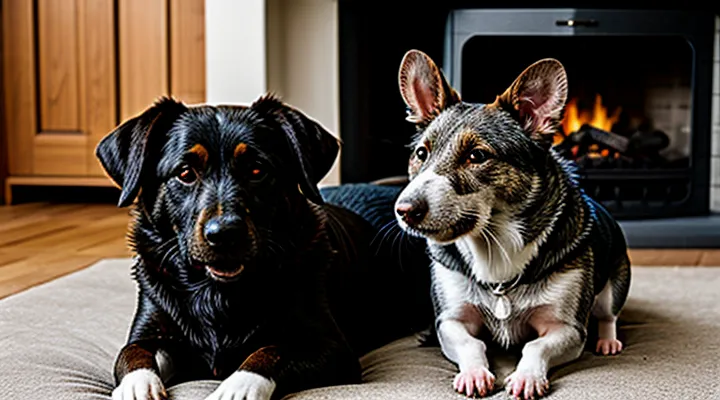
Understanding Rats and Dogs
Rat Characteristics
Social Behavior
Rats and dogs can share a household when their social behaviors are managed deliberately. Both species rely on scent, body posture, and vocalizations to convey intent; recognizing these cues prevents misinterpretation and reduces stress.
Rats communicate primarily through high‑frequency chirps, whisker movements, and scent marking. Dogs interpret these signals as novel stimuli and may respond with curiosity, alertness, or predatory focus. Introducing a calm dog that is accustomed to small animals helps the rat perceive the canine as non‑threatening.
Territorial instincts differ. Dogs defend defined zones such as feeding areas or sleeping spots, while rats establish burrow‑like hideouts and prefer elevated routes. Overlapping territories creates conflict; separating resource zones and providing multiple escape pathways for the rat maintains stability.
Practical measures for harmonious cohabitation:
- Supervise all initial interactions; keep the dog on a leash and the rat in a secure carrier.
- Offer the rat elevated platforms, tunnels, and hideouts unreachable by the dog.
- Feed each animal in separate locations to avoid competition.
- Gradually increase exposure time, monitoring body language for signs of agitation.
- Reinforce calm canine behavior with positive rewards; discourage chase instincts promptly.
Environmental Needs
Rats and dogs share a household only when the environment meets the specific requirements of both species. Adequate space is essential; rats need a multi‑level cage with solid flooring, while dogs require a defined area for movement and rest. Separate zones prevent territorial disputes and allow each animal to retreat safely.
Key environmental factors include:
- Temperature: maintain a stable range of 65‑75 °F (18‑24 °C); avoid drafts that can chill rats or overheat dogs.
- Ventilation: provide fresh air without exposing rats to strong currents; use filtered ventilation to reduce allergens for the dog.
- Hygiene: clean rat cages daily and sanitize dog bedding weekly; use pet‑safe disinfectants to prevent cross‑contamination.
- Enrichment: supply rats with tunnels, chew toys, and nesting material; offer dogs interactive toys and regular exercise to reduce stress.
- Noise: keep ambient sound levels moderate; sudden loud noises may startle rats and cause anxiety in dogs.
Feeding areas must be distinct to prevent resource guarding. Place rat food in a secure, elevated tray that dogs cannot reach, and locate the dog’s bowl on the floor away from the cage. Consistent routine and clear boundaries create a stable environment where both animals can thrive together.
Lifespan and Health
Rats typically live 2–3 years, while most domestic dogs reach 10–15 years, depending on breed and size. The disparity in longevity influences long‑term planning for a mixed‑species household; owners must anticipate the rat’s shorter lifespan and prepare for its eventual loss while maintaining the dog’s health throughout a longer period.
Health considerations for cohabiting rats and dogs focus on disease transmission, dietary needs, and environmental safety. Key points include:
- Vaccination and parasite control: Ensure the dog is up‑to‑date on rabies, distemper, and heartworm preventatives; rats are vulnerable to infections such as salmonella, which can be passed to dogs through contaminated bedding or droppings.
- Dietary restrictions: Rats require a high‑fiber, low‑fat diet rich in fresh vegetables; dogs need balanced protein‑based meals. Do not allow the dog to consume rat food, as it lacks essential nutrients for canines.
- Housing design: Provide a secure, escape‑proof cage placed out of the dog’s reach. Use sturdy barriers to prevent the dog from chewing cage bars, which could injure the rat.
- Supervised interaction: Limit direct contact to brief, monitored sessions. Dogs may exhibit predatory instincts; even a well‑behaved dog can unintentionally harm a small rodent.
- Veterinary monitoring: Schedule regular check‑ups for both species. For rats, focus on respiratory health and dental wear; for dogs, assess joint health and weight, especially if the dog is older and the rat’s activity level declines.
By aligning lifespan expectations with proactive health management, owners can sustain a harmonious environment where both animals thrive within their respective life stages.
Dog Characteristics
Breed Variations
Different breeds of pet rats and dogs exhibit distinct physical and behavioral traits that influence how well they share a household. Understanding these variations helps owners create environments where both species can coexist safely.
Pet rats fall into two primary categories: standard laboratory‑derived strains such as Sprague‑Dawley and Long‑Evans, and fancy varieties bred for specific coat colors or patterns. Standard strains tend to be more uniform in size, temperament, and activity level, making their responses to canine presence more predictable. Fancy rats often display heightened curiosity and variable energy levels; some individuals may approach a dog out of curiosity, while others may retreat quickly.
Dog breeds range from small, low‑energy companions to large, high‑prey‑drive working dogs. Breeds commonly recommended for rat cohabitation include:
- Small, non‑retrieving breeds (e.g., Cavalier King Charles Spaniel, Bichon Frise) – low prey drive, gentle mouth.
- Medium‑sized, scent‑focused breeds with calm temperaments (e.g., Labrador Retriever, Golden Retriever) – adaptable, often trained to tolerate small animals.
- Large, high‑energy breeds with strong chase instincts (e.g., Border Collie, German Shepherd) – require rigorous training and constant supervision.
Matching a rat’s temperament with a dog’s prey drive, size, and energy level reduces risk of stress or injury. A calm, social rat pairs best with a dog that has been socialized to small mammals and exhibits a low predatory response. Conversely, a highly active rat may thrive alongside a dog that enjoys play and can be taught gentle interaction.
Practical steps for successful cohabitation:
- Conduct initial introductions in a neutral, controlled space.
- Keep the rat in a secure enclosure while the dog observes, then gradually allow supervised free‑range interaction.
- Monitor body language continuously; any signs of tension require immediate separation.
- Reinforce positive canine behavior with treats and commands; reward calm proximity to the rat.
- Provide the rat with multiple escape routes and hiding spots to maintain a sense of security.
By aligning breed-specific traits with deliberate training and environmental safeguards, owners can achieve harmonious living conditions for both pet rats and dogs.
Temperament
Rats exhibit alert, inquisitive temperaments. They respond quickly to changes in environment, display strong social bonds with conspecifics, and often seek interaction with human caretakers. Their energetic nature drives frequent exploration, which can lead to curiosity about nearby animals, including dogs.
Dogs show a wide range of temperaments, from calm, docile dispositions to high‑energy, assertive personalities. Their innate pack instincts create a hierarchy that influences how they perceive smaller companions. A dog’s prey drive, tolerance for noise, and willingness to share space directly affect its relationship with a rat.
Key temperament factors that determine successful cohabitation:
- Energy level – Matching a low‑energy dog with an active rat reduces risk of chase behavior; a high‑energy dog may overwhelm a timid rat.
- Social tolerance – Dogs accustomed to gentle, non‑aggressive interactions are more likely to accept a rat as a household member.
- Prey instinct – Breeds with minimal prey drive present fewer threats to a rat; training can mitigate moderate drives.
- Curiosity – Rats’ investigative nature complements dogs that tolerate close proximity without aggression.
- Stress response – Both species benefit from environments that minimize sudden noises and abrupt movements, which can trigger defensive reactions.
When temperaments align, rats and dogs can coexist peacefully under supervised conditions. Proper introduction protocols, consistent boundaries, and ongoing monitoring reinforce harmonious interactions and prevent conflicts.
Training and Socialization
Training and socialization are critical for a harmonious household where a rat and a dog share space. Properly guided interactions reduce stress for both animals and prevent accidental injuries.
- Begin with scent exchange: place a rat’s bedding in the dog’s area and vice versa for several days. This acclimates each animal to the other's odor without direct contact.
- Conduct controlled visual introductions: use a sturdy cage or crate to allow the dog to see the rat while remaining physically separated. Observe the dog’s body language for signs of predatory focus, such as intense stare or stiff posture.
- Implement short, supervised meetings: keep the dog on a leash and the rat in a secure carrier. Reward the dog for calm behavior with a treat; gently redirect attention if excitement rises.
- Teach the dog a “leave it” command: reinforce the cue whenever the dog approaches the rat’s enclosure. Consistent reinforcement builds reliable inhibition.
- Encourage the rat to explore safe zones near the dog’s resting area: provide tunnels and hideouts that allow the rat to retreat quickly if needed. Positive reinforcement for calm exploration reinforces confidence.
Consistent repetition of these steps builds a predictable routine. Over weeks, the dog learns to tolerate the rat’s presence, while the rat becomes accustomed to the dog’s movements. The resulting dynamic reduces the likelihood of aggressive outbursts and supports a stable cohabitation environment.
Potential Challenges and Risks
Prey Drive in Dogs
Instincual Behavior
Rats rely on nocturnal foraging, rapid escape responses, and scent marking to secure food and avoid threats. Dogs exhibit pack‑oriented hunting drives, territorial patrolling, and olfactory investigation to maintain hierarchy and protect resources.
Predatory instincts create a potential conflict: a dog’s chase reflex can be triggered by a rat’s sudden movements, while a rat’s flight response is activated by canine proximity. Both species interpret body language differently; a dog’s wagging tail may signal friendliness to humans but can be perceived by a rat as a looming threat.
Territorial behavior influences coexistence. Rats establish burrow boundaries marked by urine and feces; dogs defend a defined indoor space through scent deposition and vocal warnings. Overlap of these zones often results in heightened alertness, stress‑related vocalizations, and defensive posturing.
Effective management focuses on recognizing and moderating instinctual triggers:
- Separate sleeping areas to reduce scent overlap.
- Provide elevated escape routes for rats, such as climbing structures unreachable by dogs.
- Use controlled exposure sessions to desensitize dogs to rat movement, employing leashed supervision.
- Maintain consistent feeding schedules to prevent competition over food scents.
Observing these instinctual patterns enables a stable domestic arrangement, minimizing aggression and promoting mutual tolerance.
Training to Mitigate
Rats and dogs possess instinctual differences that can lead to tension when sharing a household. Structured training reduces risk of aggression, protects the smaller animal, and fosters a predictable environment.
Effective preparation relies on three principles. First, establish reliable recall for the dog so that commands are obeyed instantly. Second, teach the dog to tolerate the presence of a moving, high‑energy prey animal without chasing. Third, condition the rat to recognize the dog’s signals and retreat to a secure enclosure when needed.
Training protocol
- Begin with visual separation: use a baby gate or sturdy fence to allow the dog to see the rat without direct contact. Reward the dog for calm behavior observed through the barrier.
- Introduce scent exchange: swap bedding between enclosures for several days. Offer treats to the dog when it investigates the new scent without reacting.
- Conduct short, leashed meetings in a neutral room. Keep the rat in a portable carrier; reward the dog for maintaining a relaxed posture and for looking away when the carrier is opened.
- Gradually increase exposure time while decreasing distance. Maintain a high‑value treat schedule for the dog to reinforce focus on the handler rather than the rat.
- Implement “leave it” and “stay” commands during any interaction. Practice these commands daily, extending duration and adding mild distractions.
- Secure the rat’s habitat with a lockable lid and a solid floor. Ensure the dog cannot access the enclosure when unsupervised.
Continual reinforcement preserves the learned behavior. Schedule brief refresher sessions weekly, monitor body language for signs of stress, and adjust the training intensity if either animal shows heightened arousal. Consistent application of these methods minimizes conflict and supports a harmonious cohabitation.
Breed-Specific Tendencies
Rats exhibit distinct behavioral patterns that influence their interaction with canine housemates. Typical traits include strong curiosity, rapid movement, and a propensity for nocturnal activity. Their small size makes them susceptible to stress from sudden noises or aggressive play. Rats also display a hierarchy within their own groups, which can affect how they respond to external social cues.
- High exploratory drive; frequent investigation of new objects and scents.
- Preference for secure, enclosed spaces such as tunnels, nests, and cages.
- Sensitivity to loud sounds and abrupt motions.
- Strong social bonds with conspecifics; limited tolerance for solitary confinement.
Dogs display breed-dependent tendencies that shape their compatibility with rodents. Working and herding breeds often possess high energy levels, strong prey instincts, and a need for structured exercise. Companion breeds may be more tolerant of small animals but still retain varying degrees of curiosity and protective behavior. Size, training history, and innate drive dictate a dog's likelihood to coexist peacefully with a rat.
- Elevated prey drive in terriers, hounds, and some sporting breeds.
- Calm disposition in many toy and companion breeds, facilitating supervised interaction.
- Requirement for regular physical and mental stimulation to reduce compulsive chasing.
- Variable tolerance for confined spaces; larger breeds may unintentionally intimidate small pets.
Alignment of these tendencies determines household harmony. Providing rats with secure, noise-dampened habitats reduces stress, while ensuring dogs receive adequate exercise and training curtails predatory impulses. Supervised introductions, controlled environments, and consistent routines enable both species to coexist without compromising safety or well‑being.
Safety Concerns for Rats
Physical Harm
Rats and dogs cohabiting can cause direct physical injuries. Dogs may view rats as prey, leading to bites, claw wounds, or crushing injuries. Conversely, rats can bite or scratch dogs during defensive encounters, potentially resulting in puncture wounds and secondary infections.
Typical physical harms include:
- Dental punctures from dog bites
- Tail or limb fractures caused by dog pressure
- Rat bite wounds, often located on the muzzle or forelimbs
- Skin abrasions from rat claws
- Secondary infections such as cellulitis or tetanus if wounds are untreated
Preventive measures focus on environmental control and supervision. Secure rat enclosures with reinforced mesh to resist canine contact. Provide dogs with training that discourages predatory behavior toward small mammals. Regular veterinary examinations for both species detect early signs of injury and infection. Immediate wound cleaning and professional medical assessment reduce the risk of complications.
Stress and Anxiety
Living with both a rat and a dog creates a unique dynamic that can generate stress and anxiety for both animals and their owners. The presence of a predator‑prey pair in the same space often triggers heightened vigilance, territorial disputes, and unpredictable reactions, all of which elevate physiological stress markers such as cortisol levels.
Key stressors include:
- Scent overlap: Dogs detect rat odors, which may provoke chase instincts; rats perceive canine scent as a threat.
- Visual exposure: Direct sight of the other species can cause fear responses, especially in confined areas.
- Resource competition: Food bowls, bedding, and safe zones may be contested, leading to defensive behavior.
- Human interaction patterns: Inconsistent handling or sudden changes in routine exacerbate anxiety in both pets.
Observable signs of stress and anxiety:
- Rats: excessive grooming, reduced activity, trembling, or aggressive biting.
- Dogs: pacing, whining, panting without heat, or destructive chewing.
Effective mitigation strategies:
- Physical separation: Use secure cages for the rat and a designated dog zone; ensure barriers are escape‑proof.
- Controlled visual contact: Install clear partitions that allow sight without direct interaction, reducing surprise encounters.
- Scent management: Regularly clean both habitats; apply neutral, pet‑safe deodorizers to minimize cross‑species odor cues.
- Predictable routines: Feed, exercise, and cleaning schedules should remain consistent to lower uncertainty.
- Positive reinforcement: Reward calm behavior in both animals with treats and praise; avoid punishment, which can intensify fear.
- Environmental enrichment: Provide rats with tunnels and wheels, and dogs with chew toys and puzzle feeders to divert attention from each other.
Monitoring stress levels is essential. Regular veterinary checks, behavioral observations, and, when necessary, consultation with an animal behavior specialist help maintain a stable, low‑anxiety environment for the rat‑dog partnership.
Disease Transmission
When rats and dogs occupy the same household, the risk of pathogen exchange is measurable. Veterinary research identifies several agents that move between these species and can affect human occupants as well.
Pathogens commonly transferred from rats to dogs
- Leptospira spp. – bacteria causing leptospirosis, transmitted through contaminated urine.
- Salmonella enterica – bacterial infection acquired from ingesting rat feces or tainted food.
- Streptobacillus moniliformis – agent of rat‑bite fever, spread by bite wounds or contaminated surfaces.
- Hantavirus – rare in dogs but possible through inhalation of aerosolized rodent droppings.
Pathogens that may move from dogs to rats
- Giardia duodenalis – intestinal protozoan spread via dog feces in shared environments.
- Ancylostoma caninum (dog hookworm) – larvae can infect rats that contact contaminated soil.
- Canine parvovirus – highly stable virus, capable of surviving in environments frequented by rats.
Transmission mechanisms include:
- Direct physical contact such as bites or scratches.
- Indirect exposure via contaminated food, water, bedding, or surfaces.
- Vector‑borne routes, notably fleas and mites that feed on both hosts.
Preventive measures
- Maintain strict separation of feeding stations and sleeping areas.
- Implement routine rodent control using traps or professional extermination.
- Ensure dogs receive up‑to‑date vaccinations and deworming treatments.
- Perform daily cleaning of floors, countertops, and waste containers to eliminate fecal residues.
- Store food in sealed containers, discard leftovers promptly, and avoid leaving pet food unattended.
Monitoring and response
- Observe dogs for signs of fever, vomiting, diarrhea, or lethargy; seek veterinary assessment immediately.
- Inspect rats for respiratory distress, nasal discharge, or abnormal behavior; consult a wildlife‑health specialist if illness is suspected.
- Record any cross‑species incidents and report them to a veterinarian to guide diagnostic testing and treatment.
Adhering to these guidelines reduces the likelihood of disease spread, protecting both animal companions and household members.
Strategies for Harmonious Coexistence
Introduction Protocols
Gradual Exposure
Gradual exposure introduces a rat and a dog to each other in a controlled, step‑by‑step manner that reduces stress and prevents aggression. The method relies on repeated, short sessions that progressively lengthen as both animals demonstrate calm behavior.
- Begin with visual contact only: place the rat’s cage across the room from the dog, keep the dog on a leash, and observe reactions for five minutes.
- Add scent exchange: swap a small piece of bedding between the cages, allowing each animal to become familiar with the other’s odor.
- Introduce auditory cues: play recordings of the opposite species’ vocalizations at a low volume while the animals remain separated.
- Allow limited physical proximity: open the rat’s cage door while the dog remains leashed, keeping the rat inside a secure enclosure; monitor for signs of tension.
- Conduct supervised, brief face‑to‑face meetings: use a sturdy, escape‑proof barrier (e.g., a plexiglass panel) and let the dog sniff the barrier while the rat stays on a high perch.
Safety measures include securing the rat’s habitat, using a sturdy leash, and keeping the dog’s attention with commands or treats. Any sign of heightened alertness, vocalization, or attempts to breach barriers requires immediate cessation of the session and a return to the previous step.
Progress should be recorded after each interaction, noting duration, body language, and any incidents. Adjust the schedule based on the animals’ responses, extending successful phases before advancing to the next. Consistent documentation ensures the exposure plan remains tailored to the specific pair, fostering a stable coexistence within the household.
Supervised Interactions
When a rat and a dog share a home, direct contact must be managed to prevent injury and stress. Supervised sessions provide a controlled environment where both species can become accustomed to each other’s presence while owners retain immediate control.
- Begin with short intervals of five to ten minutes, placing the rat in a secure enclosure (e.g., a clear plastic cage) within the dog’s sight. Observe the dog’s reaction; calm curiosity is acceptable, while barking, lunging, or intense focus indicates the need for a longer adjustment period.
- Keep the dog on a leash or within a fenced area to restrict movement. Release the leash only after the dog demonstrates consistent, gentle behavior toward the cage.
- Use a calm voice and steady posture to convey stability. Avoid sudden gestures that could startle either animal.
- Reward the dog with a treat whenever it remains calm near the rat’s enclosure. Positive reinforcement reinforces the desired behavior without encouraging predatory instincts.
- After several successful sessions, introduce a double‑door system: a solid barrier on one side and a mesh barrier on the other. This arrangement allows visual and olfactory exchange while preventing physical contact.
Key indicators of progress include the dog’s relaxed posture, steady breathing, and lack of aggressive signals; the rat’s continued activity and absence of frantic escape attempts. If either animal displays signs of fear—such as raised fur, growling, or frantic running—terminate the session immediately and reassess the setup.
Gradual extension of interaction time, combined with consistent reinforcement, builds a predictable pattern that reduces the likelihood of accidental harm. Maintaining vigilance throughout each encounter ensures that the household environment remains safe for both the rodent and the canine.
Neutral Territory
Neutral territory serves as a shared space where a rat and a dog can coexist without competition for resources or dominance. Establishing such an area reduces stress and prevents territorial disputes, fostering a stable environment for both species.
Key characteristics of effective neutral zones include:
- Separate feeding stations – place food bowls at opposite ends of the room to avoid direct competition.
- Equal access to shelter – provide identical hiding spots, such as crates or tunnels, positioned equidistant from the entry points.
- Consistent scent masking – use unscented cleaning agents and regularly rotate bedding to prevent either animal from detecting a strong odor advantage.
- Supervised interaction zones – designate a short, monitored stretch of floor where the dog remains leashed while the rat explores under direct observation.
Implementation steps:
- Choose a room with neutral lighting and minimal furniture, reducing visual cues that could trigger territorial behavior.
- Install a low barrier, such as a pet gate, that allows the rat to move freely while restricting the dog’s direct contact.
- Distribute toys and enrichment items evenly across the space, ensuring both animals receive comparable stimulation.
- Monitor body language for signs of anxiety—raised fur, stiff posture, or prolonged staring—and adjust the layout accordingly.
Routine assessment of the neutral territory’s effectiveness is essential. Record any incidents of aggression, changes in feeding patterns, or alterations in sleep locations. Adjust placement of resources and barriers based on observed behavior to maintain equilibrium.
Creating Safe Spaces
Rat-Proofing Areas
When a dog and a pet rat occupy the same residence, protecting the dog’s living spaces from rodent incursions reduces stress and prevents injury.
Identify zones where rats can enter or hide:
- Food storage cabinets and pantry shelves
- Under‑floor cavities and crawl spaces
- Wall voids and utility chases
- Outdoor kennels, sheds, and garden structures
Apply barriers that resist gnawing and squeezing:
- Install steel‑mesh or hardware‑cloth screens over vents, gaps, and openings larger than ¼ inch.
- Seal baseboards, floor seams, and pipe penetrations with stainless‑steel caulk or metal flashing.
- Fit latch‑type doors on pet‑food containers; avoid plastic lids that rodents can chew.
- Elevate dog beds and crates at least six inches above the floor; place a metal sheet beneath to block burrowing.
Maintain a routine inspection schedule. Examine all seals weekly, replace damaged sections immediately, and keep the environment free of debris that could conceal entry points. Consistent implementation of these measures creates a secure habitat for both companion animals.
Designated Dog Zones
Designated dog zones create a defined area where the dog can rest, eat, and play without encroaching on the rat’s habitat. The zones reduce stress for both animals by limiting unexpected encounters and establishing predictable boundaries.
Key elements of an effective dog zone include:
- A sturdy, chew‑resistant crate or pen placed on a non‑slippery surface.
- A comfortable bedding material that can be washed regularly.
- Separate feeding bowls positioned away from the rat’s cage to prevent scent contamination.
- Toys that encourage chewing and mental stimulation, placed inside the enclosure to keep the dog occupied.
Placement of the zone should consider the household layout. Locate it in a low‑traffic area where the dog can observe the rat’s cage without direct access. Ensure the zone is visible to the rat to promote familiarity while maintaining physical separation.
Routine maintenance supports harmony. Clean the bedding and toys weekly, replenish fresh water daily, and inspect the enclosure for wear. Consistent upkeep reinforces the zone’s purpose and sustains a calm environment for both pets.
Secure Habitats for Rats
Secure habitats protect rats from predators, disease, and stress while allowing them to thrive alongside dogs in the same household. A well‑constructed enclosure isolates the rodent from canine curiosity, eliminates accidental escapes, and supports proper hygiene.
- Minimum floor area: 2 sq ft per rat; larger space reduces territorial aggression.
- Bar spacing: no more than ½ in (12 mm) to prevent bites or escapes.
- Material: stainless‑steel or powder‑coated metal resists chewing and sanitizing agents.
- Locking mechanism: double‑latch or padlock system that a dog cannot unlatch.
- Location: elevated or wall‑mounted unit away from dog’s primary activity zones; avoid direct line of sight to reduce stress.
- Ventilation: mesh panels providing airflow without compromising security.
- Enrichment: chew‑proof tunnels, climbing platforms, and hideaways placed inside the cage; all items must be securely anchored.
- Cleaning protocol: removable trays and washable components facilitate weekly disinfection without exposing rats to harmful chemicals.
Placement near a quiet corner, with a solid barrier between the cage and dog’s reach, minimizes accidental contact. Regular inspection of latch integrity and bar condition prevents failures that could endanger the rats. By adhering to these specifications, owners create a safe environment that supports rat health and maintains harmonious cohabitation with dogs.
Training and Management
Dog Obedience Training
Effective dog obedience training directly influences how a dog interacts with other household pets, including small rodents. Consistent commands, clear boundaries, and predictable responses reduce the likelihood of predatory behavior toward a rat, fostering a stable cohabitation environment.
Training should address the following core elements:
- Recall: Immediate response to a “come” cue prevents unwanted pursuits.
- Leave it: Instills the ability to disengage from a moving target, essential when a rat is visible.
- Focus: Encourages the dog to maintain eye contact with the handler, diverting attention from potential prey.
- Impulse control: Uses “wait” and “stay” to teach delayed actions, limiting sudden lunges.
Implementation steps:
- Establish a baseline: Conduct a short session in a distraction‑free area, confirming the dog obeys sit, down, and stay for at least ten seconds.
- Introduce the “leave it” cue: Present a low‑value treat, issue the command, and reward only when the dog refrains from taking it. Gradually increase the temptation’s appeal.
- Integrate the rat’s presence: Place the rat’s enclosure at a safe distance, observe the dog’s reaction, and apply “leave it” or “come” as needed. Maintain a barrier until the dog reliably obeys.
- Progress to proximity: Reduce the distance incrementally, reinforcing calm behavior with treats and praise. Ensure the dog never receives positive reinforcement for chasing.
- Routine reinforcement: Conduct brief, daily refresher drills to sustain the learned responses, especially after any change in the household routine.
Monitoring and adjustment are crucial. If the dog shows signs of heightened arousal, pause training, increase the difficulty of impulse‑control exercises, and reassess the environment for potential stressors. Consistent, structured obedience training creates a predictable behavioral framework that supports harmonious living between dogs and rats under the same roof.
Desensitization Techniques
When rats and dogs share a living space, instinctual prey‑predator dynamics can trigger stress for both animals. Controlled exposure reduces fear responses and builds tolerance, allowing peaceful coexistence.
Desensitization relies on gradual, positive association. The dog learns that the rat’s presence does not require a chase, while the rat perceives the dog as a non‑threatening element. Consistency, low‑intensity stimuli, and immediate reinforcement are essential components.
- Begin with visual contact only: place the rat’s cage at a distance where the dog remains calm. Reward the dog with a treat for each 10‑second interval of relaxed behavior.
- Decrease distance incrementally: move the cage a few centimeters closer each session, maintaining the reward schedule.
- Introduce scent exposure: swap a cloth from the rat’s enclosure with the dog’s bedding, allowing both animals to sniff the neutralized material while receiving treats.
- Practice brief, supervised face‑to‑face meetings: hold the rat in a secure carrier, keep the dog on a leash, and give the dog a cue (“stay”) followed by a reward for calm posture.
- Extend duration gradually: increase the length of each interaction by 30‑second increments until both animals tolerate ten minutes together without signs of agitation.
Monitor body language continuously. Signs such as raised hackles, rapid breathing, or frantic movement indicate the need to revert to a previous step. End each session with a calm activity for the dog, such as a short walk, to prevent residual arousal.
By adhering to progressive exposure, immediate positive reinforcement, and vigilant observation, owners can reliably diminish instinctual tension and establish a stable, shared environment for both species.
Positive Reinforcement
Positive reinforcement provides a reliable framework for shaping cooperative behavior between a pet rat and a household dog. By delivering a desirable consequence immediately after a target action, both animals learn to associate specific cues with rewarding outcomes, which reduces uncertainty and promotes predictable interactions.
Rats respond quickly to edible treats, gentle petting, or brief pauses in activity, while dogs react strongly to food rewards, praise, or brief play sessions. The shared reliance on immediate, tangible incentives creates a common language that both species can interpret without confusion.
Effective implementation follows several precise steps:
- Identify a distinct cue (verbal command or hand signal) that signals the desired behavior.
- Deliver the reward within one to two seconds of the cue’s execution, ensuring the animal links the two events.
- Use high‑value treats appropriate for each species; small, palatable pieces for rats and larger, aromatic morsels for dogs.
- Repeat the pairing consistently across multiple short sessions, gradually extending the time between cue and reward as the behavior stabilizes.
- Introduce controlled proximity exercises, rewarding the rat for remaining calm while the dog stays nearby, then reversing the focus to the dog’s composure.
Avoid punitive measures such as scolding or physical correction, which generate fear and can damage the trust required for interspecies coexistence. Inconsistent timing or variable reward quality often leads to ambiguity, diminishing the learning curve for both animals.
When applied rigorously, positive reinforcement lowers stress indicators, encourages voluntary engagement, and establishes a harmonious environment where the rat feels safe and the dog learns appropriate boundaries. The result is a stable household dynamic supported by clear, reward‑driven communication.
Success Stories and Considerations
Case Studies of Successful Coexistence
Anecdotal Evidence
Pet owners frequently share personal stories that illustrate how rats and dogs can coexist in a household. One homeowner reported that a small terrier, initially wary of a newly adopted rat, gradually began to sit beside the cage during feeding times, showing calm curiosity rather than predatory behavior. Another anecdote describes a Labrador Retriever that learned to wait patiently while a rat explored a supervised playpen, responding only when called by its owner. A third account details a family with a border collie that was taught to retrieve a soft toy placed inside the rat’s enclosure, reinforcing a gentle interaction pattern.
Common elements across these narratives include:
- Supervised introductions lasting several minutes, gradually extended as trust builds.
- Positive reinforcement for the dog, such as treats when it remains calm near the rat.
- Secure housing for the rat, ensuring escape routes are blocked and the cage is sturdy.
- Consistent routine, allowing both animals to anticipate each other’s presence without surprise.
These observations suggest that, when managed with careful planning and consistent training, rats and dogs can develop a mutually tolerant relationship within the same living space.
Factors Contributing to Success
Successful cohabitation of rats and dogs relies on several measurable factors.
- Temperament compatibility: select a dog with a low prey drive and a rat that is confident yet tolerant of larger animals.
- Early socialization: introduce the animals gradually, using controlled environments and positive reinforcement to build familiarity.
- Physical separation: provide secure cages for rats and designated safe zones for dogs to prevent accidental encounters.
- Supervised interaction: maintain constant oversight during any direct contact, intervening at the first sign of stress or aggression.
- Health monitoring: conduct regular veterinary checks for both species, ensuring vaccinations and parasite control are up to date.
- Nutritional management: keep food and water sources separate to avoid competition and contamination.
- Environmental enrichment: supply rats with tunnels, chew toys, and climbing structures, while offering dogs mental stimulation through training and play.
Each factor contributes directly to a stable household dynamic. Temperament alignment reduces instinctual tension; early socialization creates predictable behavior patterns. Physical barriers and supervision prevent injuries, while health protocols minimize disease transmission. Distinct feeding stations eliminate resource guarding, and enrichment satisfies species‑specific needs, lowering stress levels. Consistent application of these elements produces a reliable framework for harmonious living between rats and dogs.
Factors Influencing Compatibility
Individual Pet Personalities
Rats display a range of temperaments that influence how they interact with canine companions. Individuals may be curious, cautious, dominant, or submissive. A rat that is naturally inquisitive often explores new environments, including a dog’s space, and can tolerate gentle handling. Conversely, a timid rat may retreat when a dog approaches, requiring a secure enclosure and gradual introductions. Dominant rats may challenge a dog’s authority, especially if the dog is small or inexperienced, leading to potential stress for both animals.
Dogs exhibit personality dimensions such as prey drive, sociability, and confidence. Breeds with low prey drive are more likely to coexist peacefully with small mammals, whereas high‑energy, high‑prey‑drive dogs may instinctively chase or bite a rat. A confident dog accustomed to other pets typically monitors the rat’s behavior without aggressive responses. Dogs that are overly protective of their territory may perceive a rat’s presence as an intrusion, prompting defensive actions.
Effective cohabitation depends on matching complementary traits:
- Low‑prey‑drive dog + confident, non‑aggressive rat – stable interaction, minimal supervision.
- High‑energy dog + timid rat – requires strict barriers, limited unsupervised contact.
- Social dog + curious rat – can develop mutual play, provided boundaries are respected.
- Dominant rat + submissive dog – risk of intimidation, necessitate separate safe zones.
Assessment of each animal’s individual personality should precede any shared living arrangement. Observe reactions during controlled introductions, record signs of stress such as vocalization, pacing, or avoidance, and adjust the environment accordingly. Consistent monitoring ensures that both species maintain welfare while sharing a household.
Owner Commitment
Owner commitment determines whether a rat and a dog can share a home safely and peacefully. Consistent supervision, clear boundaries, and routine maintenance create an environment where both species thrive.
Effective commitment includes:
- Daily inspection of the rat’s enclosure for signs of stress or damage caused by the dog’s presence.
- Structured interaction periods supervised by the owner, allowing gradual acclimation while preventing accidental harm.
- Regular training of the dog to recognize the rat’s space as off‑limits, reinforced with commands and positive rewards.
- Monitoring of health indicators for both animals, ensuring vaccinations, parasite control, and diet meet species‑specific requirements.
Failure to allocate sufficient time for these tasks often results in heightened anxiety for the rat and increased predatory instincts in the dog. By dedicating resources to routine checks, behavioral conditioning, and environmental enrichment, owners reduce conflict and promote harmonious coexistence.
Long‑term success relies on the owner’s willingness to adapt practices as the animals mature, adjusting enclosure placement, exercise schedules, and training intensity to reflect evolving needs.
Environment and Resources
When a rat and a dog share a residence, the living environment must accommodate the distinct needs of both species while preventing conflict.
A rat’s cage should be placed on a stable surface away from direct foot traffic and dog access. Elevating the enclosure on a sturdy table or shelf reduces the risk of accidental knocks. The cage must offer ventilation without drafts that could chill the rat, and it should be positioned in a quiet corner to minimize stress from barking or sudden movements.
Food and water stations require separate locations. The rat’s supplies belong inside the cage, with chew‑safe bowls that prevent spillage. The dog’s feeding area should be on the floor, using non‑slip mats to keep dishes steady. Avoid placing the dog’s bowls directly beneath the rat’s cage, as droppings may contaminate the dog’s food.
Hygiene and enrichment considerations:
- Provide the rat with nesting material, tunnels, and chew toys that are free of toxic chemicals.
- Offer the dog regular exercise outside the rat’s space, using toys that do not attract the rat’s attention.
- Clean the rat’s cage weekly, removing waste and replacing bedding to prevent odor buildup that could provoke the dog.
- Install a secure lid on the rat’s enclosure; a latch that the dog cannot open is essential.
Temperature control should remain within the rat’s optimal range of 18‑24 °C (64‑75 °F). Maintain ambient room temperature for the dog at a comfortable level, using separate heating pads or blankets for the rat if needed, but never place them where the dog can reach them.
Monitoring the shared environment daily ensures that both animals remain healthy and that resources are allocated without overlap. Prompt adjustment of placement, feeding schedules, or cleaning routines prevents escalation of tension and supports a stable cohabitation.