
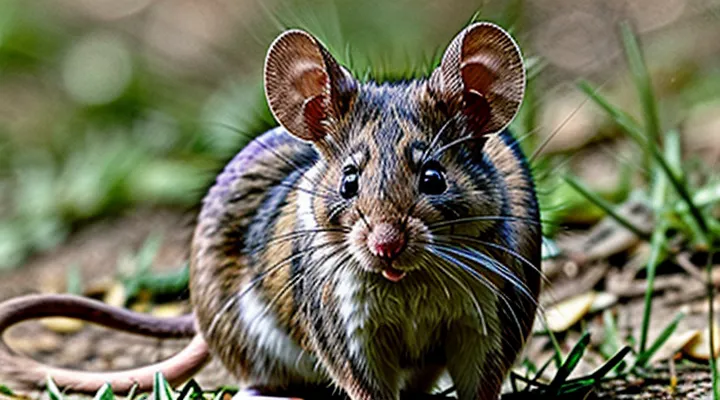
Understanding Rabies
What is Rabies?
Rabies is an acute, fatal encephalitis caused by viruses of the genus Lyssavirus. The pathogen infects mammals, replicates in nerve tissue, and spreads to the central nervous system after peripheral entry, typically via saliva introduced through bites or scratches.
After inoculation, the virus travels within axons toward the spinal cord and brain. The incubation interval varies from weeks to months, influenced by viral load and distance from the entry site. Clinical progression includes prodromal signs (fever, malaise), followed by neurological manifestations such as agitation, hypersalivation, paralysis, and eventual coma.
Globally, rabies persists in wildlife reservoirs—principally canids and chiropterans—and in domestic dogs in many regions. Rodent involvement is rare; laboratory studies and field surveillance rarely document natural infections in mice, suggesting a low natural susceptibility.
Diagnosis relies on laboratory confirmation of viral antigen or nucleic acid. Standard methods include:
- Direct fluorescent antibody test on brain tissue
- Reverse‑transcription polymerase chain reaction
- Virus isolation in cell culture
Prevention focuses on interruption of transmission chains. Strategies comprise:
- Routine vaccination of domestic animals and high‑risk wildlife
- Post‑exposure prophylaxis with wound cleansing, rabies immunoglobulin, and a series of vaccine doses
- Public education on avoiding contact with potentially infected mammals
Understanding the virology, clinical course, and epidemiology of rabies provides the factual basis for evaluating claims about its relevance to mouse populations.
Rabies Virus Transmission
How Rabies Spreads
Rabies spreads primarily through the salivary secretions of infected mammals. When an animal bites, scratches, or licks an open wound, viral particles are introduced directly into the bloodstream of the new host. The virus then travels along peripheral nerves toward the central nervous system, bypassing the immune response until it reaches the brain, where replication intensifies.
In rodents, including mice, transmission follows the same biological pathway, but documented cases of natural infection are exceedingly rare. Laboratory studies have shown that experimental inoculation can produce infection, yet field observations reveal minimal involvement of mice in the rabies cycle. The low prevalence is attributed to several factors:
- Short lifespan limits the window for exposure and disease development.
- Limited aggressive behavior reduces opportunities for bite transmission.
- High mortality from other causes often precedes potential rabies infection.
Vector species that sustain rabies in wildlife—such as raccoons, foxes, and bats—serve as primary reservoirs. Spillover to mice occurs only when these animals interact directly, for example, when a bat contaminates a nest or a predator leaves infected tissue accessible to scavenging rodents. Even in such scenarios, the virus rarely establishes a productive infection within the mouse population.
Understanding the transmission mechanics clarifies why mice are not significant contributors to rabies epidemiology. Control measures therefore focus on reservoir species and human exposure prevention rather than rodent management.
Animals Susceptible to Rabies
Rabies is a viral encephalitis transmitted through the saliva of infected mammals. The virus circulates primarily among carnivorous and omnivorous species, each serving as a reservoir or occasional host.
Domestic dogs remain the leading source of human exposure worldwide, accounting for the majority of reported cases. Cats, particularly free‑roaming individuals, also contract and spread the virus. Livestock such as cattle, horses, and goats can become infected after bites from wildlife, though they rarely transmit the disease further.
Wildlife reservoirs vary by geographic region. In North America, raccoons, skunks, foxes, and bats constitute the principal sylvatic cycle. In Europe, red foxes and European badgers dominate transmission, while in Asia, ferret‑badgers, mongoose, and certain bat species play significant roles. Rodents, including mice, are generally resistant to infection and are not considered competent hosts; documented cases are sporadic and typically involve experimental exposure rather than natural transmission.
Key points on susceptibility:
- Canidae: domestic dogs, gray wolves, red foxes – high susceptibility, efficient transmission.
- Felidae: domestic cats, wild felids – moderate susceptibility, occasional spillover.
- Mustelidae: skunks, martens – notable reservoirs in North America.
- Chiroptera: diverse bat species – primary vectors in many regions, capable of asymptomatic shedding.
- Bovidae and Equidae: cattle, horses – susceptible after exposure, limited onward spread.
- Procyonidae: raccoons – major reservoir in eastern United States and Canada.
- Herpestidae: mongoose – significant in parts of Africa and the Caribbean.
Understanding the host range clarifies that while mice can be experimentally infected, they do not represent a natural threat in rabies epidemiology. Control measures focus on vaccination of domestic dogs and cats, wildlife oral vaccine programs, and public education to limit contact with high‑risk species.
Rabies in Rodents: General Overview
Historical Context of Rabies and Rodents
The relationship between rabies and rodents has been documented for centuries, yet early accounts often conflated observation with superstition. Classical sources such as Aristotle and Pliny the Elder mention “mad dogs” and “wild beasts” as carriers of a lethal madness, but they rarely specify small mammals. Medieval bestiaries list rats and mice among “poisonous creatures,” reflecting a pervasive fear that any vermin could transmit the disease.
During the Renaissance, scholars began to differentiate between true rabies and other zoonoses. Conrad Gessner’s 1551 compendium describes “rabies‑like symptoms” in dogs and notes occasional “strange behavior” in captured mice, though he provides no empirical proof of transmission. The first systematic investigation appears in the late 18th century, when French physician Pierre Marie‑Augustin Dumont performed inoculation experiments on laboratory rodents, observing that mice survived exposure to infected saliva without developing clinical signs.
The 19th‑century rise of experimental pathology clarified the species barrier. Louis Pasteur’s 1885 rabies vaccine trials used rabbits and dogs exclusively, explicitly stating that “rodents do not serve as natural vectors.” Concurrently, naturalists such as Charles Darwin recorded observations of wild mice avoiding rabid carnivores, suggesting behavioral resistance rather than susceptibility.
Modern historiography emphasizes three pivotal developments:
- Early mythic attribution of rabies to all vermin, rooted in limited diagnostic tools.
- Transition from anecdotal reports to controlled experiments that excluded rodents as primary hosts.
- Consolidation of veterinary science establishing dogs and bats as the principal reservoirs, with rodents relegated to incidental exposure.
These milestones illustrate a gradual shift from fear‑driven narratives to evidence‑based conclusions, positioning rodents as peripheral rather than central actors in the historical spread of rabies.
Prevalence of Rabies in Rodent Populations
Global Statistics
Global surveillance data indicate that documented cases of rabies transmission involving mice are exceedingly rare. The World Health Organization reports fewer than 10 confirmed mouse‑related incidents among millions of rabies diagnoses worldwide in the past two decades. National health agencies in the United States, United Kingdom, and Canada each record zero to one sporadic case per ten‑year interval, reflecting a negligible contribution of murine hosts to overall human exposure.
Key quantitative findings:
- Total confirmed rabies infections in rodents (including mice) worldwide from 2000‑2023: ≤ 15 cases.
- Percentage of all rabies cases attributable to mice: < 0.001 %.
- Laboratory‑based experimental infections demonstrate a 5–10 % mortality rate in mice, yet natural infection rates remain below detection thresholds in field studies.
- Serological surveys of wild mouse populations in Europe and Asia consistently show < 0.05 % seroprevalence for rabies antibodies.
These statistics confirm that, on a global scale, mice represent an insignificant reservoir for the virus and pose minimal public‑health risk compared with established wildlife vectors such as bats, raccoons, and foxes.
Regional Variations
Regional differences shape the epidemiology of rabies in murine hosts. In North America, surveillance reports rarely identify mice as rabid carriers; most cases involve raccoons, skunks, and bats, and laboratory testing of rodent specimens yields a prevalence below 0.1 %. European datasets show a similar pattern, with isolated incidents linked to spill‑over from infected carnivores rather than sustained mouse transmission cycles. In contrast, parts of Southeast Asia present higher rodent–rabies interaction rates, where dense human‑wildlife interfaces and abundant stray canine populations increase exposure risk; field studies in Thailand and Vietnam record occasional rabid mouse detections, often associated with outbreaks in domestic dogs. Sub‑Saharan Africa exhibits the greatest variability: regions with extensive wildlife rabies reservoirs (e.g., bat‑associated lyssaviruses) report occasional murine infection, while arid zones with limited carnivore activity show negligible mouse involvement.
Key factors driving these variations include:
- Presence and density of primary rabies reservoirs (canids, bats, mustelids) in each ecosystem.
- Human‑mediated rodent control practices that affect mouse population dynamics.
- Diagnostic capacity and reporting standards, which influence detection rates.
- Climatic conditions that affect virus stability and host behavior.
Understanding these regional patterns is essential for risk assessment and for allocating resources toward targeted surveillance rather than blanket assumptions about mouse involvement in rabies transmission.
Mice and Rabies: The Scientific Perspective
Susceptibility of Mice to Rabies Virus
Laboratory Studies and Findings
Laboratory investigations have repeatedly examined the susceptibility of Mus musculus to rabies virus under controlled conditions. Intracerebral inoculation of laboratory strains produces uniformly fatal encephalitis, confirming that the central nervous system can support viral replication when the barrier of the blood‑brain interface is bypassed. Peripheral routes, such as intramuscular injection, yield markedly lower infection rates; only a minority of mice develop clinical disease, and the incubation period is extended compared with direct brain exposure.
Key observations from experimental series include:
- Intracerebral challenge: 100 % mortality within 7–10 days, high viral loads in brain tissue, consistent histopathological lesions.
- Intramuscular challenge: infection incidence 5–15 % at standard viral doses, incubation periods 15–30 days, seroconversion detected in surviving animals.
- Subcutaneous exposure: infection incidence below 5 %, occasional seropositivity without overt disease.
- Dose‑response relationship: increasing inoculum size raises peripheral infection probability, yet even high doses rarely achieve the lethality observed with direct brain inoculation.
Molecular analyses reveal that the virus replicates efficiently in neuronal cells but encounters restricted replication in peripheral tissues. Immune profiling shows robust interferon‑γ and neutralizing antibody responses in mice that survive peripheral inoculation, suggesting effective peripheral clearance mechanisms.
Collectively, experimental data demonstrate that mouse models can develop rabies under artificial conditions, yet natural exposure routes result in low susceptibility. The findings imply that, while mice are capable of supporting rabies virus replication, their role as a reservoir or significant vector in natural settings remains unsupported by laboratory evidence.
Natural Infection Rates in Wild Mice
Rabies virus detection in wild mouse populations remains sporadic. Surveillance programs across North America and Europe report prevalence well below one percent, often limited to isolated clusters near endemic carnivore reservoirs. Molecular screening of rodent tissue samples confirms that natural infection occurs, but the incidence does not exceed incidental spill‑over from foxes, raccoons, or bats.
Key observations from field studies:
- Serological surveys identify antibodies in fewer than 0.5 % of captured mice, indicating past exposure rather than active disease.
- PCR assays of brain tissue reveal viral RNA in 0.1–0.3 % of specimens, with positive cases concentrated in habitats overlapping with high‑density predator activity.
- Longitudinal monitoring shows transient infection; infected mice rarely develop clinical rabies, and mortality is usually attributed to predation or other pathogens.
These data suggest that wild mice serve as occasional, low‑frequency hosts rather than primary vectors. The limited infection rate reflects ecological constraints: small body size, short lifespan, and limited contact with typical rabies carriers. Consequently, the public health risk posed by natural rabies infection in mouse populations remains marginal.
Mechanisms of Infection in Mice
Routes of Entry
Rabies virus reaches mice primarily through direct or indirect exposure to infectious material. Natural transmission relies on contact with a carrier animal, whereas laboratory studies often employ controlled inoculation methods to assess pathogenicity.
- Bite or scratch from a rabid rodent, carnivore, or bat introduces virus into muscle tissue, the most common natural entry point.
- Mucosal exposure occurs when saliva containing virus contacts the eyes, nose, or oral cavity; the virus can traverse epithelial barriers and enter peripheral nerves.
- Aerosol inhalation of virus-laden droplets has been documented in confined environments, allowing the pathogen to infect respiratory mucosa and subsequently spread to the nervous system.
- Percutaneous injury from contaminated needles, wounds, or contaminated bedding provides a direct route to subdermal tissue, bypassing mucosal defenses.
- Oral ingestion of infected tissue or secretions can lead to gastrointestinal absorption, though this pathway is less efficient than neural routes.
Experimental protocols frequently use the following routes to evaluate disease progression:
- Intramuscular injection into the hind limb, mimicking natural bite transmission and yielding consistent peripheral nerve invasion.
- Intracerebral inoculation, bypassing peripheral barriers to assess central nervous system susceptibility.
- Subcutaneous administration, representing superficial skin exposure.
- Intranasal instillation, modeling aerosol exposure and upper respiratory tract infection.
Understanding these pathways clarifies how the virus can establish infection in mice, informing both risk assessment and experimental design.
Viral Replication and Spread
Rabies virus enters a mouse through a peripheral wound, where it initially infects fibroblasts and macrophages at the site of inoculation. Within these cells, the negative‑sense RNA genome is transcribed by the viral RNA‑dependent RNA polymerase into messenger RNA, which directs synthesis of viral proteins. Assembly of nucleocapsids occurs in the cytoplasm, followed by budding from the plasma membrane to produce mature virions.
After replication, the virus exploits the host’s peripheral nervous system. Virions travel retrograde along axons by hijacking dynein motor complexes, reaching the dorsal root ganglia and spinal cord within hours. In neuronal cell bodies, the virus replicates again, amplifying the infectious load before moving centripetally toward the brain stem and cerebral cortex.
Key stages of spread include:
- Peripheral replication: Localized production in skin and muscle cells.
- Axonal transport: Retrograde movement to the central nervous system.
- CNS amplification: Replication in neurons of the brainstem, thalamus, and hippocampus.
- Salivary gland colonization: Infection of secretory epithelium, enabling transmission via saliva.
The virus induces minimal cytopathic damage in early stages, allowing unhindered transport. Once in the brain, widespread neuronal infection triggers inflammation, leading to the characteristic clinical syndrome. Understanding these mechanisms clarifies why mice can serve as efficient laboratory models for studying rabies pathogenesis despite their limited role in natural transmission.
Clinical Manifestations in Mice
Symptom Onset and Progression
Rabies infection in laboratory mice typically produces a measurable incubation period before clinical signs emerge. Experimental data indicate that the interval between viral inoculation and first observable symptoms ranges from 5 to 12 days, depending on the inoculation route, viral strain, and mouse strain. Intracerebral inoculation shortens the incubation to 4–6 days, whereas peripheral routes (e.g., subcutaneous) extend it to 7–12 days.
Initial manifestations are subtle and often confined to the central nervous system. Early signs include:
- Reduced spontaneous activity
- Slight tremor of the forelimbs
- Decreased response to tactile stimuli
These symptoms progress rapidly. Within 24–48 hours after onset, mice display overt neurological disturbances:
- Pronounced hyperactivity or agitation
- Frequent, uncoordinated running (paradoxical locomotion)
- Excessive salivation and difficulty swallowing
- Seizure-like convulsions
The terminal phase culminates in paralysis of the hind limbs, loss of respiratory drive, and death, typically occurring 2–4 days after the first overt signs. The progression follows a predictable pattern: incubation → subtle CNS depression → overt hyperexcitability → paralysis and fatal outcome. Understanding this timeline assists researchers in designing humane endpoints and interpreting pathophysiological studies of lyssavirus infection in murine models.
Behavioral Changes
Rabies infection in mice generates a distinct set of behavioral alterations that serve as reliable indicators of neurotropic virus activity. These changes appear early in the incubation period and intensify as the disease advances, providing a practical metric for experimental and diagnostic purposes.
- Heightened aggression toward conspecifics and humans, often expressed as sudden bites or lunges.
- Decreased grooming and self‑care, leading to a roughened coat and accumulation of debris.
- Disrupted circadian locomotion, with increased activity during the dark phase and lethargy during the light phase.
- Impaired coordination, manifested as stumbling, loss of balance, and difficulty navigating confined spaces.
- Vocalization changes, including frequent squeaking or prolonged distress calls.
The observed behaviors correlate with viral spread in the limbic system and brainstem, confirming that rabies exerts a measurable impact on mouse conduct. Monitoring these signs enables researchers to stage infection, evaluate therapeutic interventions, and assess the zoonotic risk posed by infected rodents.
The Myth vs. The Reality
Common Misconceptions About Rabies in Mice
Media Portrayals
Media outlets frequently present mouse‑related rabies incidents as sensational headlines, often emphasizing rarity and dramatic outcomes without contextual data. News articles typically cite isolated laboratory cases or anecdotal reports, creating a perception that mice are common vectors of the disease. Such coverage rarely distinguishes between experimental infection models and natural transmission cycles, leading readers to overestimate public health risk.
Film and television portrayals reinforce the myth by featuring rodents as aggressive carriers in horror or thriller narratives. Scenes depict mice biting humans and instantly transmitting rabies, ignoring the biological improbability of such events. The visual dramatization prioritizes shock value over scientific accuracy, reinforcing misconceptions among audiences unfamiliar with veterinary literature.
Social‑media platforms amplify these narratives through viral posts, memes, and unverified claims. Influencers often share sensational headlines without citing peer‑reviewed sources, and algorithmic amplification spreads misinformation rapidly. The cumulative effect of these media forms shapes public understanding, prompting unnecessary fear and potentially diverting attention from genuine rabies reservoirs such as wild carnivores and bats.
Common patterns in media representation:
- Emphasis on rarity as a threat, lacking statistical context.
- Use of dramatic language and imagery to attract attention.
- Absence of expert commentary or citation of epidemiological data.
- Repetition of the “mouse‑rabies” trope across unrelated storylines.
Accurate communication requires integrating veterinary expertise, clarifying the low natural transmission risk, and correcting the exaggerated narratives that dominate popular media.
Public Perception
Public concern about rabies transmission from mice often exceeds scientific evidence. Surveys in urban and rural areas show that many respondents believe a bite from a mouse carries a high probability of infection, despite epidemiological data indicating that rodents are rarely competent hosts for the rabies virus.
The perception stems from several sources:
- Media reports that highlight isolated cases of rabid rodents, creating a dramatic narrative.
- Veterinary advice that treats all mammalian bites with caution, reinforcing the idea of universal risk.
- Lack of clear public health messaging distinguishing species that sustain rabies from those that do not.
Consequences of inflated fear include unnecessary medical treatments, increased demand for post‑exposure prophylaxis, and heightened anxiety among pet owners. Health agencies respond by issuing guidelines that specify the low likelihood of rabies transmission from mice, emphasizing observation of the animal and assessment of regional rabies prevalence.
Educational campaigns that present comparative data on rabies reservoirs—such as raccoons, bats, and foxes—versus non‑reservoir species help align public understanding with scientific consensus. Accurate risk communication reduces misuse of resources and supports informed decision‑making when mouse bites occur.
Actual Risk to Humans from Rabid Mice
Probability of Transmission
The probability that a mouse infected with rabies virus transmits the pathogen to another host is extremely low. Field surveys consistently report rabies prevalence in wild rodent populations below 0.1 %. Experimental inoculation studies demonstrate that mice develop subclinical infection and shed virus only for a brief period, usually 24–48 hours after the onset of clinical signs. During this window, virus is detectable in saliva and brain tissue, but the amount is insufficient to cause infection in most predator species.
Key factors influencing transmission probability:
- Viral load – Measured concentrations in mouse saliva rarely exceed 10³ TCID₅₀ ml⁻¹, far below the dose required to infect a typical carnivore.
- Contact duration – Predatory or scavenging encounters with mice last seconds to minutes; the brief shedding period limits exposure.
- Species susceptibility – Laboratory mice are relatively resistant to rabies; larger mammals such as dogs, cats, and humans require higher inoculum doses for successful infection.
- Environmental stability – Rabies virus loses infectivity rapidly outside the host; desiccation and temperature fluctuations reduce viable particles within hours.
Overall risk assessment:
- Intraspecific transmission (mouse‑to‑mouse) – Negligible; studies report no secondary cases among co‑housed laboratory mice.
- Inter‑species transmission (mouse‑to‑predator) – Estimated probability <0.001 % per encounter, based on combined field prevalence and experimental shedding data.
- Human exposure – Practically zero; documented cases of rabies acquired directly from rodents are absent from global surveillance records.
Consequently, while mice can be experimentally infected, their role as a vector for rabies transmission to other animals or humans is statistically insignificant.
Severity of Bites
Mice inflict puncture wounds that are typically shallow, measuring 1–3 mm in depth and rarely exceeding 5 mm in length. The limited musculature and small mandible size restrict the force applied during a bite, resulting in minimal tissue disruption and low incidence of hemorrhage.
Rabies transmission through mouse bites is exceptionally rare. Laboratory studies have demonstrated that mice can harbor the virus only after experimental inoculation, and natural infection rates in wild populations remain below 0.1 %. Documented cases of human rabies linked to mouse exposure are absent from surveillance records worldwide.
Risk assessment of bite severity should consider:
- Bite location: facial or mucosal sites increase infection probability compared to peripheral skin.
- Host health: immunocompromised individuals exhibit heightened susceptibility to secondary bacterial infection.
- Environmental exposure: recent contact with known rabid wildlife raises the probability of viral presence in the mouse.
Overall, mouse bites pose negligible danger regarding rabies, and their physical severity is limited by anatomical constraints.
Prevention and Public Health Implications
Preventing Exposure to Wild Rodents
Home and Garden Precautions
Mice are not common carriers of rabies, yet the virus can be transmitted through a bite or scratch from any infected mammal. Homeowners and gardeners should therefore treat mouse encounters as a potential health risk and implement preventive measures.
- Seal cracks, gaps, and openings in walls, foundations, and roof eaves to block entry points.
- Store food in airtight containers; remove spilled grain, seeds, and pet food promptly.
- Keep compost piles covered and turn them regularly to discourage rodent habitation.
- Trim vegetation away from the house, especially low shrubs and vines that provide shelter.
- Install sturdy, metal or concrete barriers around garden beds and raised planters.
- Use snap traps or live‑catch traps positioned along walls and near suspected activity zones; handle captured mice with thick gloves and dispose of them according to local regulations.
- Maintain regular yard sanitation: mow lawns, remove debris, and clear fallen fruit or nuts that attract rodents.
If a mouse bite or scratch occurs, wash the wound thoroughly with soap and water, apply an antiseptic, and seek medical evaluation without delay. Health professionals may recommend post‑exposure prophylaxis based on local rabies prevalence and the circumstances of the incident. Vaccination of domestic pets and wildlife control programs further reduce the overall risk of rabies exposure in residential settings.
Handling Wild Animals
Handling wild rodents demands a clear understanding of rabies transmission potential, appropriate protective measures, and proper post‑exposure procedures. Scientific evidence indicates that mice rarely serve as rabies reservoirs; the virus is predominantly maintained in carnivorous mammals such as foxes, raccoons, and bats. Nevertheless, occasional spill‑over events have been documented, especially when mice are preyed upon by infected predators or when they scavenge from rabid carcasses. Consequently, handlers must treat each encounter with caution, regardless of the species’ typical epidemiology.
Key considerations for safe handling:
- Risk assessment – Verify the animal’s origin, recent exposure to known rabid wildlife, and clinical signs (e.g., abnormal behavior, excessive salivation). Absence of these indicators reduces, but does not eliminate, risk.
- Personal protective equipment – Wear puncture‑resistant gloves, eye protection, and long sleeves. Disposable gloves should be changed between animals.
- Capture technique – Use humane traps that minimize stress and prevent bites. Avoid direct hand capture whenever possible.
- Decontamination – Immediately wash any exposed skin with soap and water. Disinfect surfaces with a 10 % bleach solution or a commercial virucidal agent.
- Post‑exposure protocol – If a bite or scratch occurs, cleanse the wound thoroughly, report the incident to a qualified veterinarian, and initiate rabies prophylaxis according to local health authority guidelines.
Training programs for wildlife technicians should incorporate these steps, emphasize the low but non‑zero rabies prevalence in mice, and reinforce documentation of each handling event. By adhering to established safety standards, the probability of rabies transmission from wild rodents remains negligible while ensuring occupational health protection.
What to Do if Bitten by a Mouse
First Aid Procedures
When a mouse bite or scratch raises concern for rabies transmission, immediate response must follow a defined protocol to reduce infection risk and support medical evaluation.
- Wash the wound thoroughly with running water and mild soap for at least 30 seconds.
- Apply a clean, sterile dressing to control bleeding.
- Seek professional medical care without delay; inform the provider about possible rabies exposure.
- If a rabies vaccine series is indicated, begin the post‑exposure prophylaxis schedule as prescribed.
- Document the incident, including date, time, location, and details of the animal’s condition, to assist health authorities.
Prompt decontamination, proper wound care, and rapid medical assessment constitute the essential first‑aid measures for suspected rabies exposure from mice.
When to Seek Medical Attention
If you have been bitten, scratched, or have any direct contact with saliva from a mouse that may have been exposed to rabies, seek medical care immediately. Prompt evaluation is critical because rabies progresses rapidly once symptoms appear.
Key situations that require urgent attention include:
- A bite or puncture wound, even if minor.
- Scratches that break the skin, especially if the mouse was wild or its health status is unknown.
- Contact of mouse saliva with mucous membranes (eyes, nose, mouth) or an open wound.
- Exposure to a mouse that displayed abnormal behavior, such as aggression, paralysis, or excessive drooling, before the incident.
- Uncertainty about the animal’s vaccination or rabies status, particularly in regions where rabies is endemic in wildlife.
When you present to a healthcare provider, expect the following steps:
- Thorough wound cleaning and debridement to reduce viral load.
- Administration of rabies post‑exposure prophylaxis (PEP) if the risk assessment is positive, consisting of rabies immune globulin and a series of rabies vaccine injections.
- Documentation of the incident, including details about the mouse, location, and circumstances, to aid public‑health reporting.
Delay beyond 24 hours after exposure increases the likelihood that the virus will reach the peripheral nervous system, reducing the effectiveness of PEP. If any of the listed conditions apply, do not postpone evaluation.
Vaccination and Post-Exposure Prophylaxis
Human Rabies Vaccine
Human rabies vaccine consists of inactivated rabies virus cultivated in cell culture, formulated to induce protective antibodies without causing disease. Two principal applications exist: pre‑exposure prophylaxis for individuals at occupational risk and post‑exposure prophylaxis (PEP) after potential contact with rabid animals.
Pre‑exposure regimens typically involve three intramuscular doses administered on days 0, 7, and 21 or 28. The schedule produces seroconversion in >95 % of recipients and establishes a baseline immune memory that simplifies later booster requirements.
PEP combines the vaccine with a single dose of rabies immune globulin (RIG) for most unvaccinated adults. The vaccine is given on days 0, 3, 7, and 14, with a fifth dose on day 28 for immunocompromised patients. This protocol yields seroconversion rates exceeding 99 % within two weeks, providing rapid protection against viral invasion of the nervous system.
Mice are rarely identified as natural rabies reservoirs, and documented transmission to humans is exceptionally uncommon. Nevertheless, bites or scratches from a mouse that may have encountered the virus in a laboratory or wildlife setting warrant immediate medical evaluation. In such cases, PEP is recommended regardless of the animal species, because the vaccine’s efficacy does not depend on the source of exposure.
Key points for handling mouse‑related incidents:
- Wash the wound thoroughly with soap and water.
- Seek medical assessment promptly.
- Initiate PEP with the standard four‑dose schedule (plus RIG if no prior vaccination).
- Observe for local infection; report any unusual symptoms to healthcare providers.
The human rabies vaccine remains the definitive preventive measure against rabies, delivering reliable immunity after exposure to any potentially infected animal, including rodents. Its proven safety profile and high efficacy make it the central tool for managing the minimal but real risk posed by mouse encounters.
Animal Control Measures
Effective management of rodent‑related rabies concerns requires a coordinated set of actions that limit exposure, detect infection, and reduce vector populations. Primary objectives include preventing spill‑over to domestic animals and humans, and maintaining surveillance data for timely response.
Control measures fall into three categories: population reduction, environmental mitigation, and health monitoring.
- Live‑capture traps placed along rodent pathways; humane euthanasia or relocation following local regulations.
- Rodenticide application in sealed bait stations, targeting high‑density zones while protecting non‑target species.
- Removal of food sources, debris, and shelter that attract mice; regular cleaning of warehouses, labs, and residential areas.
- Installation of physical barriers such as sealed entry points, mesh screens, and concrete floors to prevent ingress.
- Routine testing of captured specimens for rabies virus using direct fluorescent antibody (DFA) assay or PCR to inform risk assessments.
- Mandatory vaccination of companion animals in areas with documented rodent rabies activity; boosters administered according to veterinary guidelines.
- Quarantine protocols for facilities handling wild rodents, including personal protective equipment (PPE) and disinfection procedures.
- Reporting system for suspected rabid rodents to public health authorities, enabling rapid epidemiological investigation.
Implementation demands collaboration among pest‑control professionals, veterinarians, and municipal health departments. Documentation of interventions and outcomes supports evidence‑based adjustments and ensures compliance with regulatory standards.
Ecological Factors and Disease Dynamics
Role of Mice in the Rabies Ecosystem
Mice are occasionally infected with rabies virus, but field reports document a very low incidence compared with carnivorous reservoirs such as raccoons, foxes, and bats. Laboratory investigations demonstrate that the virus can replicate in mouse neural tissue, yet clinical disease manifests in only a small fraction of experimentally inoculated animals.
Natural transmission to mice generally occurs through bites from infected predators or scavengers. Infected mice rarely develop sufficient viral load in saliva to transmit the virus to other mammals, and documented cases of mouse‑to‑human or mouse‑to‑dog transmission are absent from surveillance databases.
Epidemiological surveys across multiple continents identify rodents as incidental hosts rather than maintenance hosts. The absence of sustained transmission cycles in wild mouse populations excludes them from official rabies reservoir classifications.
Despite limited ecological relevance, mice serve as a primary experimental model. Their well‑characterized genetics and reproducible disease course enable:
- Evaluation of viral pathogenic mechanisms.
- Assessment of vaccine efficacy and post‑exposure prophylaxis.
- Testing of antiviral compounds under controlled conditions.
Consequently, mice contribute valuable data for understanding rabies pathobiology, while their role in natural disease propagation remains negligible.
Environmental Influences on Rabies Transmission
Habitat and Population Density
Mice occupy a wide range of environments, from rural grain stores and orchards to urban basements and sewer systems. They prefer areas offering shelter, food access, and moderate humidity, which together create microhabitats conducive to breeding and survival. The presence of structural gaps, cluttered debris, and abundant refuse directly increases the likelihood of colony establishment.
Population density in mouse communities varies with resource availability, predator pressure, and seasonal temperature shifts. Typical indoor infestations can reach 10–30 individuals per 100 m², while outdoor fields may support lower densities of 2–5 per 100 m². High density accelerates contact rates, facilitating the spread of pathogens that rely on direct or aerosol transmission.
Key factors influencing habitat suitability and density:
- Availability of concealed nesting sites (e.g., wall voids, insulation)
- Continuous food sources (stored grain, waste, pet food)
- Ambient temperature stability (warmth promotes reproduction)
- Reduced predation (limited access for cats, birds of prey)
- Moisture levels that prevent desiccation of nests
Elevated density amplifies the probability that a rabies‑infected vector, such as a predatory mammal, will encounter multiple mice within a short period. Consequently, habitats that support dense mouse populations create conditions where viral transmission, if introduced, could be more efficient.
Climate Change Impacts
Climate change alters temperature and precipitation patterns, creating environments that favor larger mouse populations. Warmer winters reduce seasonal mortality, while increased moisture supports vegetation growth, providing abundant food sources. Consequently, mouse densities rise in regions previously limited by harsh climate conditions.
Higher mouse numbers intensify interactions with rabies‑carrying carnivores such as foxes and raccoons. Expanded overlap between rodent habitats and predator ranges elevates the probability of virus spillover. Additionally, climate‑driven shifts in predator distribution bring rabies reservoirs into new geographic zones, exposing mouse populations that have not previously encountered the pathogen.
Key climate‑related mechanisms influencing rabies risk in mice:
- Extended breeding seasons prolong reproductive cycles, boosting population turnover.
- Altered migration routes of wildlife carriers increase contact frequency with rodents.
- Stress from heat waves suppresses immune function in mice, reducing resistance to infection.
- Changes in land use driven by climate adaptation (e.g., irrigation, urban expansion) create novel habitats where rodents and carnivores co‑occur.
These factors collectively modify the epidemiological landscape, suggesting that climate change can transform a historically low‑risk scenario into a more pressing public‑health concern.