
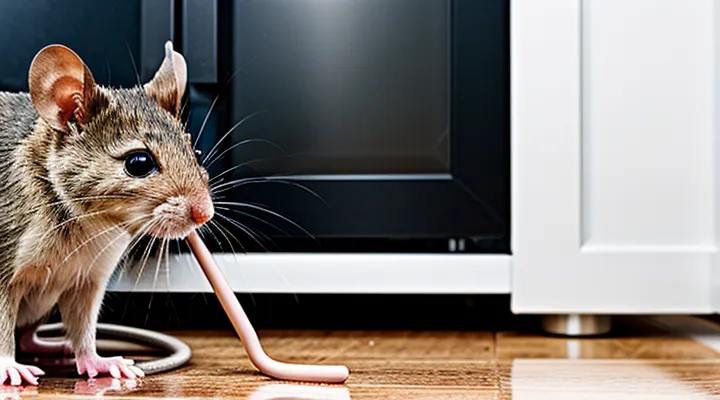
Understanding the Mouse Problem
Signs of a Mouse Infestation
Droppings and Urine Smells
Mice leave feces and urine that signal infestation and create health hazards. Droppings appear as small, dark, rice‑shaped pellets; urine stains surface areas with a faint, ammonia‑like odor. Both substances can contaminate food, surfaces, and air, increasing the risk of disease transmission.
Exposure to rodent waste may cause salmonellosis, hantavirus pulmonary syndrome, and allergic reactions. Inhalation of aerosolized particles from dried droppings or urine vapors can irritate the respiratory tract. Immediate removal of these contaminants reduces the likelihood of illness and discourages further rodent activity.
Cleaning protocol
- Wear disposable gloves and a mask; seal used protective gear in a plastic bag before disposal.
- Ventilate the room for at least 15 minutes; use a fan to direct airflow outward.
- Dampen droppings with a disinfectant solution (e.g., 1 % bleach) to prevent dust release, then scoop them into a disposable container.
- Apply the same disinfectant to all urine‑stained areas; let it sit for 10 minutes.
- Scrub surfaces with a stiff brush, rinse with clean water, and dry thoroughly.
- Dispose of all waste in a sealed trash bag; clean gloves and tools with bleach before storage.
Odor neutralization
- Place activated charcoal bags or baking‑soda trays near affected zones to absorb lingering smells.
- Use an enzymatic cleaner specifically formulated for rodent waste; follow manufacturer’s contact time.
- Apply a dilute vinegar solution (1 part vinegar to 4 parts water) to non‑porous surfaces; vinegar neutralizes ammonia residues.
Prevent re‑infestation by sealing entry points, storing food in airtight containers, and maintaining low humidity. Regular inspection for fresh droppings or urine stains allows prompt intervention before the problem escalates.
Gnaw Marks and Damage
Gnaw marks appear as shallow, crescent‑shaped bites on wood, plastic, wiring, and food packaging. The edges are smooth, the interior shows a clean cut, and the damage often follows the natural curvature of a mouse’s incisors.
Typical damage includes chewed electrical cords, compromised structural timber, perforated insulation, and contaminated food containers. Each breach creates a pathway for additional rodents, increases fire risk, and can lead to costly repairs.
Identifying these signs directs immediate action: seal entry points, replace vulnerable materials, and apply rapid deterrents before the infestation expands.
- Smooth, V‑shaped bite marks on surfaces
- Exposed wire strands or frayed cords
- Holes in drywall or baseboards near walls
- Damaged packaging with shredded contents
- Accumulation of urine or droppings near gnawed areas
Prompt repair of affected items and elimination of chew sites accelerates the removal process and prevents further structural loss.
Squeaking and Scratching Sounds
Squeaking and scratching noises are reliable indicators of mouse activity in a residential unit. Recognizing these sounds allows immediate intervention before infestation spreads.
- Identify the source: listen for high‑pitched squeaks from walls, ceilings, or floorboards; detect rhythmic scratching behind cabinets, under sinks, or near stored food.
- Verify entry points: inspect gaps around pipes, vents, and door frames where sounds are strongest; seal openings with steel wool and caulk.
- Set traps: place snap or electronic traps directly adjacent to the detected noise zone; use bait that matches the mouse’s preference, such as peanut butter or dried fruit.
- Apply repellents: spray ultrasonic devices or natural deterrents (peppermint oil, dried cloves) near the sound origin to discourage movement.
- Monitor continuously: revisit the area every few hours; replace or reposition traps if no capture occurs, and listen for any change in acoustic patterns.
Rapid response to squeaking and scratching eliminates the need for extensive extermination measures, preserving the apartment’s integrity and preventing health risks associated with rodent presence.
Why Mice Are a Threat
Health Risks and Diseases
Mice infestations create direct exposure to pathogens that can compromise indoor health. Their urine, feces, and saliva contaminate surfaces, food supplies, and air, providing vectors for several serious illnesses.
- Hantavirus pulmonary syndrome – transmitted through inhalation of aerosolized droppings; causes fever, muscle aches, and respiratory failure.
- Leptospirosis – spread by contact with urine; produces high fever, jaundice, and kidney damage.
- Salmonellosis – results from ingestion of contaminated food; leads to severe gastrointestinal distress.
- Lymphocytic choriomeningitis virus (LCMV) – carried in rodent secretions; may cause meningitis, encephalitis, and flu‑like symptoms.
- Rat‑bite fever (streptobacillary infection) – possible from bites or scratches; manifests as fever, rash, and joint pain.
Prompt elimination of rodents reduces pathogen load and prevents disease transmission. Effective rapid control strategies include sealing entry points, deploying snap or electronic traps, applying targeted bait stations, and engaging licensed exterminators for comprehensive treatment. Immediate action limits exposure duration, protecting residents from the outlined health threats.
Property Damage and Contamination
Mice infestations create immediate threats to the structural integrity and hygiene of an apartment. Their gnawing behavior compromises wiring, insulation, and plumbing, while their excrement and urine introduce health hazards.
- Chewed electrical cords can cause short circuits or fire hazards.
- Damaged insulation reduces thermal efficiency and may foster mold growth.
- Burrowed holes in walls and floors weaken structural components.
- Contaminated food supplies attract additional pests and spread disease.
Mice urine and droppings carry pathogens such as Hantavirus, Salmonella, and Leptospira. These contaminants survive on surfaces for weeks, contaminating countertops, cabinets, and personal items. Persistent exposure increases the risk of respiratory and gastrointestinal infections.
Rapid removal techniques—snap traps, electronic kill devices, sealed bait stations, and thorough sealing of entry points—limit the duration of contact between rodents and the living environment. Immediate deployment reduces the window for gnawing damage and curtails the spread of pathogens, preserving both property value and occupant health.
Immediate Action: Fast Elimination Methods
Trapping Strategies
Snap Traps: Placement and Baiting
Snap traps remain one of the quickest, most reliable tools for eliminating mice in a flat. Their immediate kill mechanism prevents population growth and eliminates health risks associated with rodent activity.
- Position traps along walls, where mice travel; place them perpendicular to the wall with the trigger end facing the baseboard.
- Target known pathways: behind appliances, under sinks, near garbage containers, and inside closets.
- Deploy at least one trap per 10 ft of wall in high‑traffic zones; increase density in severe infestations.
- Avoid open floor areas; mice prefer concealed routes.
Effective bait maximizes capture rates.
- Use a small amount of high‑fat food such as peanut butter, cheese, or cooked bacon; a pea‑sized dab suffices.
- Secure bait to the trigger mechanism with a thin layer of wax or petroleum jelly to prevent early removal.
- Rotate bait types every few days to maintain curiosity and prevent habituation.
Check traps daily, dispose of caught mice in sealed bags, and reset with fresh bait. Wear gloves, handle traps with care, and keep them out of reach of children and pets. Regular monitoring and strategic placement ensure rapid reduction of the mouse population.
Glue Traps: Considerations and Efficacy
Glue traps consist of a sticky surface mounted on a cardboard or plastic base. When a mouse contacts the adhesive, it becomes immobilized, allowing for immediate removal. The design requires no electricity or bait, making it suitable for small apartments where space and power outlets are limited.
Key considerations include:
- Placement near walls, behind appliances, and in concealed pathways where rodent activity is observed.
- Securing the trap to prevent accidental contact with children, pets, or non‑target wildlife.
- Monitoring at least once daily; prolonged confinement can cause suffering and degrade the adhesive.
- Disposing of captured rodents in sealed containers to avoid contamination.
- Selecting traps with a strong, non‑drying adhesive that remains effective in varying humidity levels.
Efficacy depends on accurate positioning and prompt inspection. Studies show capture rates of 70‑90 % when traps are placed along established runways and checked within 24 hours. However, glue traps do not address underlying attractants such as food residue or structural entry points, so their success is limited without concurrent sanitation and exclusion measures. Compared with snap traps, glue traps provide a quieter operation but may be slower to eliminate an infestation if multiple individuals are present.
Live Traps: Catch and Release Protocols
Live traps provide a rapid, humane way to remove mice from a residential unit without chemicals. The devices capture rodents alive, allowing immediate relocation to a suitable outdoor environment.
Choose traps made of sturdy wire mesh with a smooth interior to prevent injury. Models featuring a spring‑loaded door or a collapsible platform deliver consistent closure when the animal takes the bait.
Bait selection influences capture rates. Peanut butter, sunflower seeds, or a small piece of dried fruit placed on a flat surface inside the trap creates a strong attractant. Apply a thin layer to avoid spillage that could alert the mouse to the presence of food.
Position traps along established runways: behind appliances, near wall junctions, and in concealed corners. Place each trap perpendicular to the wall, with the entry side facing the suspected path. Keep traps at least 12 inches away from each other to cover a broader area without causing competition.
Catch‑and‑release protocol
- Inspect traps every 2–4 hours; remove any captured mouse promptly.
- Wear disposable gloves to minimize scent transfer.
- Transport the trap to a location at least 0.5 mile from the building, preferably a wooded or field area.
- Release the mouse on the ground, facing away from structures, and step back to allow escape.
- Return the empty trap to its original position, re‑bait, and repeat monitoring.
After each release, clean the trap with mild detergent and a rinse of hot water. Seal entry points discovered during inspection, store food in airtight containers, and maintain low clutter to reduce future infestations.
Baits and Poisons
Commercial Baits: Types and Safety Concerns
Commercial rodent baits provide a rapid, apartment‑wide approach to mouse control. They are formulated to attract mice, deliver a lethal dose, and reduce infestations within days.
Common bait categories include:
- Anticoagulant pellets (warfarin‑type, second‑generation) that disrupt blood clotting.
- Non‑anticoagulant blocks containing bromethalin, zinc phosphide, or diphacinone, which cause neurological failure or metabolic disruption.
- Low‑dose formulations designed for continuous exposure, allowing mice to feed repeatedly before death.
- High‑dose concentrates intended for single‑meal lethality, reducing bait consumption time.
Safety considerations are mandatory:
- Store baits in locked containers; keep them out of reach of children and pets.
- Place bait stations in concealed locations—behind appliances, under cabinets, or within wall voids—to prevent accidental ingestion.
- Follow label instructions regarding dosage, placement density, and disposal of dead rodents.
- Use personal protective equipment (gloves, mask) when handling concentrated baits.
- Observe local regulations governing anticoagulant use and reporting of rodent control activities.
Proper selection, precise placement, and strict adherence to safety protocols ensure effective mouse eradication while minimizing risk to non‑target occupants.
Natural Repellents and Deterrents
Natural repellents provide rapid, chemical‑free options for removing mice from an apartment. These substances create an environment that mice find hostile, prompting them to leave without the need for traps or poisons.
- Peppermint oil: Soak cotton balls in pure oil, place them in corners, behind appliances, and near entry points; the strong scent interferes with rodents’ scent trails.
- Cloves or cayenne pepper: Sprinkle ground spices along baseboards and in hidden spaces; the pungent aroma discourages activity.
- Steel wool: Pack tightly into cracks and holes; mice cannot chew through the dense fibers, preventing access.
- Ultrasonic emitters: Install devices that emit high‑frequency sound inaudible to humans; continuous operation disrupts rodent communication.
- Vinegar solution: Mix equal parts white vinegar and water, spray on surfaces where droppings are found; the acidic odor deters further foraging.
Apply each repellent directly to the targeted area, replace cotton balls every few days to maintain potency, and combine multiple methods for maximum effect. Ensure that oil‑based products are kept away from pets and children, and verify that ultrasonic units cover all rooms without creating dead zones. Consistent use forces mice to abandon the habitat, achieving swift removal without hazardous chemicals.
Professional Pest Control
When to Call an Expert
If mice damage persists despite immediate actions, professional assistance becomes necessary. Indicators that self‑treatment is insufficient include:
- Repeated sightings after traps and bait have been deployed.
- Evidence of gnawed wiring, insulation, or structural components.
- Presence of mouse droppings in multiple rooms, suggesting a large infestation.
- Inability to locate entry points despite thorough inspection.
- Health concerns such as allergic reactions or disease exposure.
When any of these conditions are met, contact a licensed pest‑control specialist. Experts can perform comprehensive assessments, seal hidden access, and apply regulated extermination techniques that are safe for residents and pets. Prompt professional intervention prevents escalation, protects property, and reduces the risk of secondary problems such as fire hazards from chewed electrical cables.
What to Expect from a Service
Professional pest‑control providers deliver a defined sequence of actions when tackling rodent problems in an apartment. The process begins with a thorough inspection, continues with a targeted treatment plan, and ends with verification that the infestation is eliminated.
Clients can expect the following from a reputable service:
- Detailed assessment of entry points, nesting sites, and activity signs.
- Identification of the species and estimation of population size.
- Recommendation of fast‑acting control methods, such as bait stations, traps, or ultrasonic devices, calibrated to the specific layout of the unit.
- Execution of the chosen tactics by certified technicians, adhering to safety standards for occupants and pets.
- Immediate removal of captured rodents and proper disposal in compliance with local regulations.
- Documentation of all actions taken, including locations of devices and dates of service.
- A post‑treatment monitoring period, typically 7‑14 days, during which technicians verify that activity has ceased.
- Guarantee of results, often expressed as a free re‑visit if mouse activity reappears within the warranty window.
- Advice on preventative measures, such as sealing gaps, proper food storage, and routine inspections.
The service concludes with a final report summarizing findings, actions performed, and recommendations to maintain a mouse‑free environment.
Long-Term Prevention and Maintenance
Sealing Entry Points
Identifying Gaps and Cracks
Identifying gaps and cracks is the first decisive step in any rapid mouse‑elimination strategy for an apartment. Small openings, often invisible without close inspection, provide the only entry points for rodents. Locate these vulnerabilities before implementing traps or repellents, because sealing them removes the source of reinfestation.
- Examine the building’s exterior: check around windows, doors, and utility penetrations for gaps larger than ¼ inch.
- Inspect the interior walls, especially near baseboards, for hairline cracks or holes left by previous repairs.
- Look under sinks, behind appliances, and within the kitchen cabinet backs for openings around plumbing and wiring.
- Use a flashlight and a thin piece of paper or a smoke test to detect airflow through suspected fissures.
After detection, apply a durable sealant such as steel‑wool combined with caulk, expanding foam, or metal flashing, depending on the material surrounding the opening. Prioritize high‑traffic zones—kitchen, bathroom, and entryways—because they attract mice seeking food and water. Promptly sealing these points cuts off access, allowing traps and baits to work efficiently and preventing new infestations.
Materials for Exclusion
Effective rodent control in a flat relies on sealing every potential entry point. The most reliable exclusion materials are those that resist gnawing and withstand indoor conditions.
- Steel wool – tightly packed, fits irregular gaps, deters chewing.
- Copper mesh – flexible, suitable for vents and pipe sleeves, resists corrosion.
- Hardware cloth (¼‑inch galvanized) – durable, can cover larger openings such as crawl‑space vents or utility holes.
- Silicone or acrylic caulk – fills cracks around windows, baseboards, and pipe penetrations; remains flexible after curing.
- Expanding polyurethane foam – expands to fill irregular cavities, creates an airtight barrier.
- Door sweeps with brush or rubber seal – block gaps beneath entry doors.
- PVC or metal flashing – redirects water away from foundation cracks, preventing moisture‑induced gap widening.
Apply these materials directly to identified gaps, using a systematic inspection: examine exterior walls, foundation, roof eaves, utility penetrations, and interior baseboards. Replace damaged sections promptly; even a ¼‑inch opening permits entry. Combining multiple exclusion products maximizes protection and accelerates mouse eradication.
Sanitation and Food Storage
Proper Food Storage Techniques
Storing food correctly eliminates the primary attraction that draws rodents into a living space. Sealed containers prevent scent leakage, deny access to crumbs, and remove the nutritional incentive for mice.
- Use airtight, hard‑shelled containers made of glass, metal, or heavy‑wall plastic for all dry goods, pet food, and bulk items.
- Keep pantry shelves free of open packages; transfer contents to sealed containers immediately after purchase.
- Store perishable items in the refrigerator or freezer, and clean spills within minutes.
- Position containers on elevated shelves, away from walls and floor level where rodents can gnaw.
- Label containers with purchase dates and rotate stock to avoid stale food accumulation.
Regularly inspect storage areas for torn seals, cracks, or signs of gnawing. Replace compromised containers promptly. Maintain a routine of wiping down pantry surfaces with a mild detergent to remove residue. Implementing these practices removes the food source that sustains mouse populations, thereby accelerating eradication efforts.
Regular Cleaning and Decluttering
Regular cleaning removes food residues that attract rodents. Sweeping, mopping, and wiping surfaces after each meal eliminates crumbs and spills that serve as a constant supply. Vacuuming behind appliances and under furniture dislodges hidden debris and disrupts nesting material.
Decluttering reduces shelter opportunities. Storing boxes, bags, and unused items in sealed containers prevents mice from establishing nests. Removing piles of newspapers, clothing, and paper reduces insulation that rodents exploit for warmth and protection.
A systematic routine enhances effectiveness:
- Clean kitchen counters, stovetops, and sink edges after every use.
- Empty trash daily; use bins with tight‑fitting lids.
- Store pantry items in glass or heavy‑plastic containers with airtight seals.
- Keep closets and storage areas organized; place items on shelves rather than on the floor.
- Conduct weekly deep cleaning: move furniture, vacuum upholstery, and wash washable fabrics.
Implementing these practices deprives mice of food and concealment, accelerating their removal from the apartment.
Ongoing Monitoring
Routine Inspections
Routine inspections are a cornerstone of any rapid rodent‑removal strategy in a dwelling. By systematically checking vulnerable areas, you identify entry points, harborage sites, and signs of activity before infestations spread.
Key inspection actions:
- Examine baseboards, window frames, and door thresholds for gaps larger than ¼ inch; seal with steel wool and caulk.
- Inspect kitchen cabinets, pantry shelves, and behind appliances for droppings, gnaw marks, or nesting material.
- Probe utility closets, laundry rooms, and crawl spaces for concealed pathways, especially around pipes and vents.
- Use a flashlight to scan wall voids, ceiling joists, and underfloor spaces for fresh droppings or urine stains.
- Record findings in a log, noting location, type of evidence, and any repairs performed.
Conduct the walkthrough weekly during the first month of treatment, then reduce to bi‑weekly intervals once activity ceases. Promptly address each detected breach; the speed of sealing and removal directly determines the overall effectiveness of the eradication effort.
Maintaining a Mouse-Free Environment
Maintaining a mouse‑free environment in an apartment requires consistent prevention, immediate response, and regular monitoring. Eliminate all sources of food, water, and shelter that attract rodents. Store dry goods in airtight containers, clean crumbs and spills promptly, and seal trash cans with tight‑fitting lids.
Inspect the interior and exterior for entry points. Use steel wool, copper mesh, or expanding foam to fill gaps around pipes, vents, and utility lines. Install door sweeps and weather stripping on all exterior doors. Repair cracks in walls, floors, and foundations promptly.
Implement rapid control measures when sightings occur. Deploy snap traps or electronic traps in high‑activity zones such as kitchens, basements, and behind appliances. Place bait stations in concealed locations, following label instructions to avoid accidental exposure. Replace traps or baits after each capture to maintain effectiveness.
Schedule monthly checks of traps, seals, and sanitation practices. Document findings and adjust barriers as needed. Continuous diligence prevents re‑infestation and sustains a rodent‑free living space.