
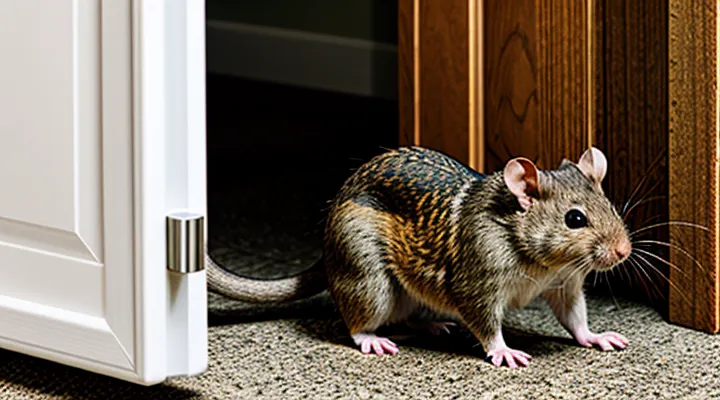
Understanding Rodent Infestations
Identifying Rodent Activity
Common Signs of Rodents
Rodent presence often becomes evident through distinct physical evidence. Fresh droppings, typically dark, pellet‑shaped, and found along walls, behind appliances, or in pantry corners, indicate active foraging. Gnawed materials—wires, wood, plastic, or food containers—show characteristic chew marks with clean, parallel cuts, suggesting persistent chewing activity. Audible evidence includes scratching or scurrying sounds, especially at night, emanating from concealed spaces such as wall voids, attics, or crawl spaces.
Visible signs appear as nests constructed from shredded paper, fabric, or insulation, frequently located in hidden corners, under furniture, or within ceiling cavities. Tracks left in dusty areas, on smooth surfaces, or within soft substrates form elongated footprints with visible toe marks, confirming movement paths. Unexplained damage to stored food, such as torn packaging, chewed edges, or contaminated contents, points to direct feeding behavior. A persistent, musky odor, often described as stale, may accompany heavy infestations, resulting from urine and fecal deposits.
Collecting and evaluating these indicators enables homeowners to confirm rodent activity promptly, facilitating targeted deployment of control products while minimizing unnecessary exposure.
Types of Rodents in Homes
Rodents that regularly invade private residences fall into a limited number of species, each with distinct habits that influence control strategies.
The house mouse (Mus musculus) prefers indoor environments, exploiting gaps around doors, windows, and utility lines. It reproduces quickly, producing litters of 5‑8 young every three weeks. Evidence of activity includes fine droppings, gnaw marks on soft materials, and faint, musky odor.
The Norway rat (Rattus norvegicus) thrives in basements, crawl spaces, and sewer connections. It favors ground‑level burrows and feeds on garbage, pet food, and stored grains. Indicators are larger, dark droppings, greasy footprints, and extensive gnawing on wood, wiring, and pipes.
The roof rat (Rattus rattus) occupies attics, upper stories, and eaves. Its agility allows movement along rafters and cables. Signs include reddish‑brown droppings, nests made of shredded paper or insulation, and damage to exposed food sources in upper levels.
The deer mouse (Peromyscus maniculatus) appears in rural homes and cabins, often entering through open doors or vents. It leaves small, dark droppings and may carry hantavirus, making prompt identification critical.
Effective product selection depends on species identification. Bait formulations differ in palatability for mice versus rats, while placement must correspond to typical travel pathways: wall voids for mice, ground‑level routes for Norway rats, and ceiling junctions for roof rats. Understanding these distinctions ensures targeted application, reduces non‑target exposure, and maximizes eradication outcomes.
Risks Associated with Rodents
Health Hazards
Using rodent control agents inside a residence creates several health risks that must be recognized and managed. Direct exposure to active ingredients can cause acute toxicity, presenting symptoms such as nausea, dizziness, respiratory irritation, or seizures. Chronic exposure, even at low levels, may lead to organ damage, hormonal disruption, or carcinogenic effects, depending on the chemical class involved.
Common health hazards include:
- Inhalation of dust or aerosolized particles – irritates lungs, may trigger asthma attacks.
- Dermal contact with powders, gels, or sprays – causes skin redness, itching, or chemical burns.
- Ingestion of residues – accidental swallowing by children, pets, or adults results in gastrointestinal distress or systemic poisoning.
- Secondary contamination of food and water – contaminates stored goods, creating long‑term ingestion pathways.
- Allergic sensitization – repeated low‑dose exposure can provoke hypersensitivity reactions.
Mitigation requires strict adherence to product labels: wear gloves and protective eyewear, ventilate rooms during and after application, keep all treated areas inaccessible to non‑target occupants until the specified waiting period expires, and store unused product in a locked, clearly labeled container. Immediate decontamination—washing skin with soap and water, rinsing eyes with saline, and seeking medical attention for suspected poisoning—reduces the severity of exposure outcomes.
Property Damage
Improper handling of rodent control agents can compromise structural integrity, finishes, and personal belongings. Chemical residues may corrode metal fixtures, discolor wood, and stain fabrics when applied excessively or without proper ventilation. Gel baits left on surfaces can attract insects, leading to secondary infestations that further degrade materials. Misplaced traps often damage flooring, baseboards, and cabinetry during removal.
Correct application of rodent management solutions minimizes these risks. Follow product instructions regarding dosage, placement, and exposure time. Seal entry points before deploying devices to limit contact with interior surfaces. Use bait stations designed to contain spills and prevent accidental contact with furniture or appliances.
Typical property damage associated with negligent use includes:
- Corrosion of metal pipes and hardware
- Discoloration or warping of wooden components
- Staining of carpets, curtains, and upholstery
- Physical harm to flooring and trim from trap placement
- Secondary pest infestations caused by bait leakage
Preventive actions:
- Read and adhere to label directions for each product.
- Position baits and traps away from high‑traffic and decorative areas.
- Employ tamper‑resistant stations to contain chemicals.
- Conduct a post‑treatment inspection to identify and remediate any residue.
- Maintain a clean environment to reduce attractants that could interfere with control measures.
Choosing the Right Rodent Control Products
Types of Rodent Control Products
Baits
Bait products are a core element of residential rodent management, providing a consumable vector for delivering toxicants directly to target animals.
- Anticoagulant baits (e.g., warfarin, bromadiolone) disrupt blood clotting.
- Acute‑acting baits (e.g., zinc phosphide) cause rapid physiological failure.
- Non‑anticoagulant formulations (e.g., cholecalciferol) interfere with calcium metabolism.
Selection depends on species, indoor versus outdoor use, known resistance patterns, and toxicity thresholds for non‑target occupants. Choose a formulation that matches the identified rodent problem and complies with label specifications for household environments.
Placement must follow strict safety protocols: locate stations along walls, behind appliances, and in concealed pathways; maintain a minimum distance of 3 feet from food preparation surfaces; secure baits in tamper‑resistant containers; and limit each station to a single bait block to prevent over‑exposure.
Safety measures include wearing disposable gloves when handling baits, storing unused product in its original sealed packaging, and restricting access for children and pets by using locked bait stations or placing them in inaccessible areas.
Monitoring requires weekly inspection of each station, recording signs of consumption or rodent activity, and replacing depleted or expired bait promptly. Documentation supports evaluation of control efficacy and informs adjustments to station density.
Disposal must adhere to label directions: place spent bait and contaminated containers in a sealed, labeled bag and submit to a licensed hazardous‑waste facility or municipal collection service as mandated by local regulations.
Compliance with federal and state pesticide statutes is mandatory; ensure the product is EPA‑registered for residential use, retain the label for reference, and observe any required posting of warning statements in the home.
Traps
Rodent traps provide a direct, non‑chemical method for reducing infestations inside residences. Selecting the appropriate device, positioning it correctly, and maintaining it according to manufacturer instructions are essential for effectiveness and safety.
Common trap categories include:
- Snap traps: metal frames with a spring‑loaded bar that delivers instant lethal force. Ideal for quick kills in high‑traffic areas such as kitchens and basements.
- Electronic traps: battery‑powered chambers that electrocute rodents upon entry. Suitable for indoor use where noise and mess must be minimized.
- Live‑catch traps: enclosed cages with a trigger mechanism that captures without killing. Recommended when removal of the animal is required by local regulations.
- Glue boards: adhesive surfaces that immobilize rodents. Best applied in concealed locations to avoid accidental contact with pets or children.
Placement guidelines:
- Identify rodent pathways by observing droppings, gnaw marks, or grease trails.
- Position traps perpendicular to walls, with the trigger end facing the expected travel direction.
- Space multiple devices 1–2 feet apart along a single wall line; increase density in heavily infested zones.
- Secure traps to prevent displacement by pets or household traffic.
- Check traps daily; dispose of captured rodents according to local health codes and reset or replace the device promptly.
Safety considerations:
- Wear disposable gloves when handling traps and captured rodents.
- Keep bait, such as peanut butter or dried fruit, out of reach of children and non‑target animals.
- Store unused traps in sealed containers to maintain potency and avoid accidental activation.
- Follow local regulations regarding disposal of dead rodents and used trap components.
Proper integration of traps with complementary measures—sealing entry points, maintaining cleanliness, and monitoring activity—creates a comprehensive control program that minimizes rodent populations while protecting occupants and property.
Repellents
Rodent repellents are a non‑lethal component of a comprehensive pest‑management plan for a household. They reduce the likelihood of infestation by creating an environment that rodents find unattractive, thereby lessening reliance on traps or poisons.
- Chemical repellents: contain compounds such as naphthalene, peppermint oil, or capsaicin; applied as sprays, pads, or granules.
- Ultrasonic devices: emit high‑frequency sound waves; intended for indoor use in confined spaces.
- Natural deterrents: include dried herbs, essential‑oil diffusers, or cotton balls soaked in menthol solutions.
- Physical barriers: steel wool or copper mesh placed in entry points to prevent access.
Choosing an appropriate repellent requires matching the product to the target species, the location of use, and household safety constraints. Verify that the formulation holds registration with relevant regulatory agencies, and confirm that the label lists rodents as the intended pest. Preference should be given to products with documented efficacy studies.
Correct application involves positioning the repellent where activity is observed, such as along baseboards, behind appliances, and near potential entry points. Follow label‑specified dosage; excessive amounts do not improve performance and may increase health risks. Apply during periods of low ventilation, then allow the area to air out before re‑occupying the space.
Safety measures include wearing gloves and eye protection when handling chemicals, storing unused product in a locked container, and keeping devices out of reach of children and pets. For ultrasonic units, ensure that the sound level does not exceed manufacturer limits to avoid auditory discomfort for occupants.
Routine monitoring confirms effectiveness. Inspect treated zones weekly for signs of rodent presence; reapply or replace repellents according to manufacturer intervals, typically every 30–60 days for chemical formats. Integrate repellents with exclusion techniques and sanitation practices to sustain a low‑risk environment.
Factors to Consider When Selecting Products
Rodent Species
Understanding which rodent species inhabit a residence determines the choice, placement, and safety measures for control products. Different species exhibit distinct behaviors, nesting preferences, and susceptibility to baits or traps, making accurate identification essential for effective management.
- House mouse (Mus musculus) – Small, agile, prefers indoor cavities, feeds on grains and crumbs; requires low‑dose anticoagulant baits and snap traps placed along walls.
- Norwegian rat (Rattus norvegicus) – Larger, burrows in foundations and sewers, active at night; benefits from larger bait stations and multi‑catch traps positioned near water sources.
- Roof rat (Rattus rattus) – Excellent climber, occupies attics and high rafters; needs hanging bait stations and adhesive traps placed at elevated entry points.
- Deermouse (Peromyscus maniculatus) – Often found in rural homes, forages outdoors and may enter through gaps; requires outdoor bait stations with weather‑resistant formulations.
- Wood mouse (Apodemus sylvaticus) – Similar to house mouse but prefers wooded areas adjacent to the house; control focuses on sealing exterior openings and using perimeter baiting.
Selecting products that match these biological traits minimizes non‑target exposure and maximizes eradication speed. Anticoagulant baits should be calibrated to the species’ average weight to avoid sub‑lethal dosing. Traps must be sized appropriately: snap traps for mice, larger cage or kill traps for rats. Placement follows the rodents’ travel routes—along walls, behind appliances, in attics, or near entry points. Proper labeling, child‑proofing, and adherence to manufacturer safety guidelines protect household members while delivering targeted control.
Severity of Infestation
Assessing infestation severity determines the choice and dosage of rodent control solutions in a residence. Light activity—evidenced by occasional droppings or occasional gnaw marks—requires minimal, targeted bait placement and monitoring. Moderate activity—characterized by frequent droppings, visible nests, or repeated sightings—demands increased bait density, strategic placement along travel routes, and regular inspection. Severe infestation—marked by extensive gnaw damage, multiple active nests, and constant rodent presence—necessitates comprehensive bait distribution, possible use of multiple product classes (e.g., baits, traps, repellents), and immediate removal of food sources.
- Light: 1–2 bait stations per 100 sq ft, weekly checks.
- Moderate: 3–4 bait stations per 100 sq ft, bi‑weekly checks, supplemental traps.
- Severe: 5+ bait stations per 100 sq ft, weekly checks, sealed entry points, professional assistance if required.
Accurate classification prevents under‑treatment, reduces product waste, and minimizes health risks associated with rodent‑borne pathogens.
Household Safety Concerns
Proper rodent control within a residence demands strict attention to household safety. Chemical agents, if mishandled, pose inhalation and dermal risks. Store all products in locked cabinets, away from food preparation areas, and keep them out of reach of children and pets. Label information must be read before each application; active ingredients, concentration, and required protective equipment are listed on the label.
Key safety actions include:
- Wear gloves, goggles, and respiratory protection as specified by the product label.
- Apply only in well‑ventilated spaces; open windows and use fans to disperse vapors.
- Avoid spraying near food, dishes, or surfaces that will later contact food.
- Seal entry points after treatment to prevent re‑infestation and reduce exposure.
- Dispose of empty containers according to local hazardous‑waste regulations; do not recycle with ordinary plastics.
Electrical devices and heating systems should be turned off before applying aerosols or powders to prevent ignition. If a spill occurs, isolate the area, ventilate, and clean using absorbent material before disposal. Record the date, location, and product used for each treatment; this log assists in monitoring exposure and planning future interventions.
Regular inspection of the home for signs of rodent activity reduces reliance on chemicals. Physical barriers, traps, and sanitation practices complement chemical measures while limiting health hazards. Maintaining these protocols ensures effective pest management without compromising the safety of occupants.
Safe and Effective Application of Products
Placement Strategies
Strategic Placement of Baits and Traps
Effective rodent management in a residence depends on locating baits and traps where rodents are most likely to encounter them while minimizing exposure to non‑target occupants. Place products along established travel routes such as wall skirtings, behind appliances, under sinks, and within concealed openings. Avoid open floor areas where pets or children may access the devices.
Key considerations for placement:
- Proximity to signs of activity (droppings, gnaw marks, burrow entrances).
- Distance of at least 1 meter from food preparation surfaces and stored pantry items.
- Alignment with the rodent’s natural tendency to run close to walls; position devices perpendicular to the wall edge.
- Use of tamper‑resistant stations in homes with children or pets, securing the bait inside a locked compartment.
When deploying multiple traps, arrange them in a linear pattern that follows the suspected pathway, spacing devices 3–6 feet apart. This spacing creates a continuous barrier and reduces the chance of rodents bypassing a single lure.
Safety protocols require regular inspection. Remove and replace any device that shows signs of damage, contamination, or non‑target interference. Dispose of captured rodents according to local health regulations, and clean surrounding surfaces with a disinfectant after removal.
By adhering to these placement strategies, homeowners achieve higher control efficacy while maintaining a safe environment for all occupants.
Areas to Avoid for Product Placement
When applying rodent control agents inside a residence, placement must exclude zones where humans or pets are likely to encounter the product directly. Do not position bait stations or traps on kitchen countertops, dining tables, or any surface used for food preparation. These areas present a high risk of accidental ingestion.
Avoid installing devices near children’s play spaces, such as play mats, toys, or low‑lying furniture. Young children may pick up or touch bait containers, leading to unintended exposure. Likewise, keep products away from pet sleeping quarters, feeding stations, and litter boxes to prevent accidental consumption by dogs, cats, or other household animals.
Do not locate rodent control items in proximity to ventilation openings, air ducts, or windows that remain open. Airflow can transport chemicals into living spaces, reducing effectiveness and increasing inhalation hazards. Seal any gaps before placement.
Exclude areas with high moisture, including bathrooms, basements, and under sinks. Moist environments can degrade bait integrity, cause premature disintegration, and promote mold growth that interferes with product performance.
Prevent placement near electrical panels, outlets, or wiring. Some rodent control formulations contain corrosive agents that may damage insulation or create fire hazards if contact occurs.
Specific zones to avoid:
- Food preparation surfaces (countertops, cutting boards, stovetops)
- Child‑accessible areas (toy bins, low shelves)
- Pet zones (feeding bowls, beds, litter boxes)
- Ventilation pathways (air returns, open windows, ceiling fans)
- High‑humidity locations (bathrooms, basements, under sinks)
- Electrical installations (outlets, circuit breakers, wiring conduits)
By restricting rodent control products to concealed, inaccessible locations—such as wall voids, attic corners, or sealed exterior entry points—residents minimize health risks while maintaining effective pest management.
Safety Precautions
Protecting Children and Pets
When rodent control products are used inside a residence, the safety of children and pets must be the primary consideration. Store all chemicals in a locked cabinet or a high shelf that is inaccessible to anyone under 12 years of age and to animals. Keep original containers sealed, and attach a label that includes the product name, active ingredient, and hazard warnings.
Apply products only in locations that are out of reach. Use bait stations that are tamper‑resistant and designed to prevent accidental ingestion. Place stations along walls, behind appliances, and in attic corners, ensuring that the distance to the nearest child‑occupied area or pet pathway exceeds the manufacturer’s recommended safety zone, typically at least three feet.
Select formulations that pose the lowest toxicity risk to non‑target species. Options include:
- Low‑toxicity baits approved for residential use.
- Gel or foam traps that require direct contact for activation.
- Electronic or mechanical traps that contain no poison.
During application, wear disposable gloves and a mask to avoid direct contact and inhalation. Do not spray aerosols in open rooms; confine treatment to sealed spaces and ventilate thoroughly before re‑entry.
If a child or pet is suspected of contacting a rodent control product, follow these steps immediately:
- Remove the individual from the area and wash the exposed skin with plenty of water and mild soap.
- If ingestion is suspected, do not induce vomiting; contact a poison control center or emergency medical services.
- Preserve the product container and any remaining material for identification by health professionals.
- Document the incident, including time, location, and product details, to prevent future occurrences.
Regularly inspect bait stations for damage or tampering. Replace depleted stations promptly, and discard any containers that show signs of leakage or corrosion. By adhering to these practices, the household can achieve effective rodent management while maintaining a safe environment for its most vulnerable members.
Handling and Storage Guidelines
Safe handling and proper storage of rodent control agents protect occupants, pets, and the environment while maintaining product efficacy.
Handling guidelines
- Wear disposable gloves and, when recommended, eye protection before contacting any formulation.
- Open containers only in well‑ventilated areas; avoid inhalation of dust, mist, or vapors.
- Apply the product strictly according to label directions; use calibrated applicators to prevent over‑application.
- Keep children and pets away from the work zone until the treated surface is dry or the area is cleared.
- Clean spills immediately with absorbent material, then dispose of waste following local hazardous‑waste regulations.
Storage guidelines
- Store all rodent control items in a locked cabinet or a high, inaccessible shelf.
- Maintain temperatures within the range specified on the label; extreme heat or cold can degrade active ingredients.
- Keep containers sealed tightly; replace damaged caps or lids before returning items to storage.
- Separate rodent control products from food, cleaning agents, and other chemicals to avoid cross‑contamination.
- Label each container with the product name, concentration, and expiration date; discard any product past its usable life.
Disposal and emergency measures
- Return unused or partially used containers to a licensed disposal facility; do not pour liquids down drains.
- If accidental exposure occurs, rinse the affected area with water for at least 15 minutes and seek medical attention.
- Keep the product’s safety data sheet readily available for reference during emergencies.
Personal Protective Equipment
When applying rodent control chemicals inside a residence, the operator must wear equipment that prevents skin contact, inhalation, and eye exposure. Direct contact with rodenticides can cause acute toxicity; inhalation of dust or aerosols may lead to respiratory irritation or systemic effects. Protective barriers eliminate these pathways and preserve household safety.
Recommended personal protective equipment includes:
- Nitrile or neoprene gloves, double‑gloved when handling liquid concentrates.
- Safety goggles or full‑face shield meeting ANSI Z87.1 standards.
- N95 or P100 respirator with appropriate cartridges for organic vapors.
- Disposable coveralls or long‑sleeved, chemical‑resistant clothing.
- Closed‑toe, chemical‑resistant shoes or boots with slip‑resistant soles.
Before each use, inspect PPE for tears, punctures, or compromised seals. Don the equipment in the order: coveralls, gloves, goggles, respirator. After treatment, remove items without contaminating clothing or skin: gloves first, then coveralls, followed by goggles and respirator. Perform hand hygiene and wash exposed skin with soap and water.
Maintain PPE by cleaning reusable items according to manufacturer instructions, storing them in a dry, contaminant‑free area, and discarding single‑use components after each application. Record inspection results and replacement dates to ensure continuous protection.
Monitoring and Follow-Up
Checking and Replenishing Products
Regular inspection of rodent‑control devices guarantees continued efficacy and prevents gaps in protection. Conduct visual checks at least once a month, noting placement, physical condition, and any signs of product depletion.
- Verify that bait stations are intact, sealed, and free of debris.
- Confirm that electronic traps display active power indicators and error codes are absent.
- Examine glue boards for saturation; replace when the adhesive surface is no longer tacky.
- Record the date of each inspection, the product’s batch number, and observed performance metrics in a logbook.
Replenishment should follow documented thresholds. Replace any bait that has been consumed beyond 75 % of its original volume, refill electronic units with fresh batteries when voltage drops below 80 % of nominal, and swap glue boards once the adhesive loses its grip. Store replacement items in a cool, dry area, away from food preparation surfaces, and keep them in their original, child‑resistant packaging. Dispose of expired or used products according to local hazardous‑waste regulations; never discard them in regular trash.
Maintain a stock of commonly used formulations—rodenticide blocks, ultrasonic emitters, and snap traps—to ensure immediate availability. Rotate inventory on a first‑in‑first‑out basis, preventing long‑term storage of any single product. Consistent monitoring and timely replenishment preserve a reliable barrier against rodent intrusion in a residential setting.
Disposal of Rodents and Products
Safe disposal of dead rodents and leftover control materials protects household occupants, pets, and the environment. Mishandling can spread disease, contaminate surfaces, and create fire hazards.
When a rodent is found dead, follow these steps:
- Wear disposable gloves and, if available, a face mask.
- Place the carcass in a sealable plastic bag, removing excess air before sealing.
- Dispose of the sealed bag in an outdoor trash container that is regularly emptied by municipal services.
- Clean and disinfect any surfaces that contacted the animal with an EPA‑registered disinfectant, allowing the required contact time before wiping dry.
For unused or empty rodent control products, observe the following protocol:
- Keep pesticide containers closed until disposal.
- Rinse empty containers with water, then puncture them to prevent reuse.
- Place punctured containers in a sturdy, sealed bag separate from regular waste.
- Submit the bag to a local hazardous‑waste collection point or follow the municipality’s instructions for chemical waste disposal.
- Store any remaining product in its original container, away from food, children, and pets, and label it clearly with the contents and expiration date.
Document the date, method, and location of each disposal event in a household log. This record assists in compliance with local regulations and enables quick reference during future pest‑management activities.
Integrated Pest Management for Rodents
Non-Chemical Control Methods
Sealing Entry Points
Sealing gaps, cracks, and openings eliminates the pathways rodents use to enter a dwelling, thereby enhancing the effectiveness of any bait or trap deployed inside the home. When entry points are blocked, the need for repeated chemical applications diminishes, reducing exposure risk for occupants and pets.
Typical access sites include:
- Gaps around doors and windows, especially where weather‑stripping is missing or damaged.
- Openings around utility penetrations such as pipes, cables, and vent flues.
- Cracks in foundation walls, basement floors, and crawl‑space walls.
- Holes in siding, soffits, and eaves where roof debris accumulates.
- Unsealed openings around garage doors, pet doors, and air‑conditioning units.
Effective sealing strategies involve:
- Inspecting the exterior envelope systematically, starting at the ground level and moving upward.
- Using steel wool or copper mesh to fill larger holes before applying a permanent sealant.
- Applying high‑quality silicone, polyurethane caulk, or expanding foam to close smaller gaps.
- Installing metal flashing or hardware cloth over vents and utility penetrations to prevent chewing.
- Replacing worn weather‑stripping on doors and windows with durable, compressible material.
Materials should be rodent‑resistant; soft substances like regular caulk can be gnawed, while steel‑based products resist damage. After sealing, conduct a visual verification to confirm no residual openings remain. Periodic re‑inspection, especially after seasonal weather changes or home renovations, maintains the barrier and supports long‑term rodent management.
Sanitation Practices
Effective rodent management begins with rigorous sanitation. Eliminating food sources, water, and shelter deprives rodents of the conditions they need to thrive, thereby enhancing the impact of any control agents deployed in the residence.
- Store dry goods in sealed, rodent‑proof containers; discard packaging that shows signs of damage.
- Clean countertops, floors, and appliances daily; sweep crumbs and spills promptly.
- Keep garbage cans covered and empty them regularly; use liners that seal tightly.
- Repair leaks, dry standing water, and ensure proper drainage in kitchens, bathrooms, and basements.
- Remove clutter, especially cardboard boxes and paper piles, which provide nesting material.
- Trim vegetation and eliminate debris around the building’s perimeter to reduce entry points.
Maintaining these practices creates an environment where bait stations, traps, or other control products function with maximum efficacy, reducing the likelihood of reinfestation and minimizing the need for repeated applications.
Habitat Modification
Habitat modification reduces the attractiveness of a residence to rodents by eliminating shelter, food, and water sources. Removing these factors forces pests to seek alternative locations, lowers population density, and enhances the efficacy of any applied control agents.
- Seal entry points: install steel wool or mesh in gaps around pipes, vents, and foundation cracks; use silicone caulk for smaller openings.
- Declutter storage areas: keep boxes, clothing, and other items off the floor; store items in sealed plastic containers rather than cardboard.
- Manage waste: use tightly fitting lids on trash cans; empty compost bins regularly and keep them away from the building.
- Control indoor humidity: fix leaks, use dehumidifiers in damp rooms, and ensure proper ventilation in basements and crawl spaces.
- Maintain landscaping: trim vegetation away from the house, remove debris piles, and keep firewood stored off the ground.
Integrating habitat modification with targeted rodent control products creates a comprehensive strategy. Physical barriers prevent re‑entry after bait placement, while reduced food availability limits bait avoidance. Regular inspection of the modified environment ensures that new entry points or sanitation lapses are addressed promptly, sustaining long‑term pest suppression.
When to Seek Professional Help
Persistent Infestations
Persistent rodent infestations often indicate flaws in the overall control strategy rather than isolated product failures. Repeated sightings suggest that rodents have access to food, water, or shelter despite ongoing treatment, and that the applied measures lack the necessary integration of sanitation, exclusion, and proper product deployment.
Effective control in a private residence requires a systematic approach:
- Identify entry points and seal openings larger than ¼ inch with steel wool, cement, or metal flashing.
- Eliminate food sources by storing pantry items in airtight containers and promptly cleaning spills.
- Reduce water availability by fixing leaks and limiting standing water.
- Deploy bait stations or traps according to the label’s placement guidelines, ensuring they are positioned along walls, behind appliances, and in concealed paths.
- Rotate active ingredients when using bait to prevent rodent tolerance; follow label recommendations for product rotation intervals.
- Monitor stations daily for activity, replace depleted baits, and document findings to track progress.
When infestations persist after these steps, consider the following corrective actions:
- Conduct a thorough inspection to locate hidden nests or secondary food sources missed during initial assessment.
- Verify that bait stations are positioned at appropriate heights and distances from non‑target areas, complying with safety instructions.
- Evaluate product efficacy; expired or improperly stored formulations lose potency and must be replaced.
- Increase the density of stations in high‑traffic zones, maintaining the maximum number allowed by the product label.
Persistent problems may also stem from resistance development. In such cases, switch to a bait containing a different active ingredient and adhere strictly to the rotation schedule. Combining chemical control with physical barriers and rigorous housekeeping creates a hostile environment that discourages re‑infestation and supports long‑term rodent management.
Large-Scale Problems
Large‑scale problems arise when rodent control agents are applied without systematic planning in a residence. Uncontrolled distribution can generate resistance, create health hazards, and produce environmental contamination that extends beyond the intended treatment area.
- Resistance development: repeated use of the same toxicant selects for tolerant rodent populations, reducing future efficacy.
- Cross‑contamination: powders, baits, or sprays that migrate to food preparation surfaces introduce toxins into the household diet.
- Non‑target exposure: pets, children, and beneficial wildlife may encounter hazardous residues, leading to acute or chronic poisoning.
- Legal non‑compliance: improper labeling, dosage, or disposal can violate local health regulations and result in fines or liability.
- Structural damage: excessive application may corrode wiring, sealants, or insulation, compromising the building’s integrity.
- Waste accumulation: discarded containers and excess product contribute to landfill load and potential leaching of active ingredients.
Mitigation requires a documented protocol that defines target zones, selects rotation of active ingredients, limits application quantities, and enforces secure storage. Monitoring for signs of resistance and regular inspection of treated areas help maintain efficacy while protecting occupants and the surrounding environment.