
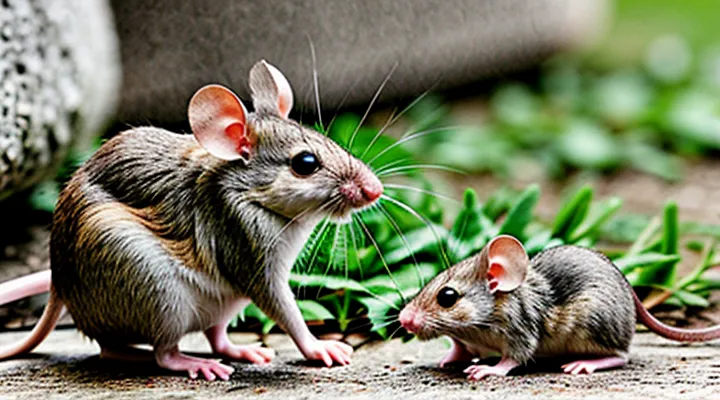
Understanding the Pocket Mouse
What is a Pocket Mouse?
Identifying Characteristics
Pocket mice are small, nocturnal rodents that often appear in residential yards, gardens, and outbuildings. Accurate identification prevents unnecessary concern and guides appropriate control measures.
- Body length: 2–4 inches (5–10 cm), measured from nose to base of tail.
- Weight: 10–30 grams, comparable to a light coin.
- Fur: Soft, gray‑brown to light tan on the back, paler cream on the belly; occasional speckling along the sides.
- Tail: Short, hairless, approximately half the body length, ending in a faint tuft of hair.
- Ears: Large relative to head size, visible even when fur lies flat; rounded shape with no external folds.
- Eyes: Prominent, dark, adapted for low‑light activity.
- Feet: Four toes on each hind foot, five on forefeet; pads are hair‑free, leaving distinct footprints in soft soil.
- Cheek pouches: Expansible, extending to the shoulders; visible when the animal is foraging, allowing transport of seeds without using the mouth.
Tracks reveal a four‑toed hind imprint followed by a five‑toed foreprint, spaced closely together, with no visible claw marks. Droppings are small, cylindrical, about 4 mm long, dark brown, often found near burrow entrances.
These physical and behavioral markers distinguish pocket mice from similar species such as deer mice, voles, and chipmunks, facilitating targeted management on private property.
Habitat and Behavior
Pocket mice (Chaetodipus spp.) are small, nocturnal rodents native to arid and semi‑arid regions of North America. Their range includes deserts, grasslands, and scrublands where loose, well‑drained soils dominate.
Typical habitats on private land consist of:
- Sandy or loamy soils that allow easy excavation of burrows.
- Sparse vegetation such as sagebrush, creosote, or tumbleweed that provides cover and foraging material.
- Areas with abundant seed sources, including grasses, wildflowers, and cultivated crops.
Behavioral traits that influence property damage include:
- Nighttime activity; individuals emerge after dusk to forage, reducing daytime visibility.
- Seed and grain consumption; they harvest and store seeds in underground caches, often resulting in loss of stored feed or garden produce.
- Extensive burrowing; tunnels can undermine irrigation lines, fence posts, and foundation footings.
- Territoriality; each adult maintains a network of burrows that can expand rapidly when food is plentiful.
Detection signs are concentrated around burrow entrances, fresh soil mounds, and gnawed seed heads. Understanding these habitat preferences and behavioral patterns enables targeted control measures, such as habitat modification, exclusion barriers, and timely removal actions.
Why Pocket Mice are a Problem
Damage to Property
Pocket mice can gnaw wiring, insulation, and wooden structures, creating short circuits, fire hazards, and compromised structural integrity. Their burrowing activity undermines foundations, irrigation lines, and garden beds, leading to uneven surfaces, water infiltration, and costly repairs.
Typical damage includes:
- Severed electrical cables that trigger outages or sparks
- Chewed PVC or metal pipes that cause leaks and mold growth
- Flattened or collapsed soil around foundations, reducing load‑bearing capacity
- Destroyed seed stores and cultivated plants, resulting in reduced yields
Identifying damage requires a systematic inspection. Begin with visual checks of exposed wiring, pipe junctions, and foundation walls for bite marks or fresh soil mounds. Follow with a tactile examination of soil consistency near structures; loose, loose‑looking earth often signals active burrowing. Document all findings to prioritize remediation.
Preventive actions focus on habitat exclusion. Seal cracks larger than ¼ inch, install metal flashing around utility penetrations, and use concrete or hardware cloth to line foundation perimeters. Remove vegetation that offers cover, and keep mulch depths shallow to discourage nesting.
When removal becomes necessary, employ traps baited with seeds or grain, positioning them along established runways. For extensive infestations, consider professional fumigation combined with habitat modification to ensure long‑term protection. After eradication, re‑inspect vulnerable areas and reinforce barriers to prevent re‑colonization.
Potential Health Risks
Pocket mice are small rodents that frequently enter residential and commercial yards, where they can create direct and indirect health hazards. Their presence increases the likelihood of exposure to pathogens, contaminates food supplies, and provokes allergic reactions.
- Hantavirus: transmitted through inhalation of aerosolized droppings, urine, or saliva; can cause severe respiratory illness.
- Leptospirosis: spread by contact with contaminated urine; may result in fever, kidney damage, or liver failure.
- Salmonella and other bacterial infections: carried on fur and in feces; can contaminate stored grains, pet food, and kitchen surfaces.
- Parasites such as fleas, mites, and ticks: hitch rides on the mouse’s body; can bite humans and domestic animals, transmitting additional diseases.
Contact with mouse droppings or urine can trigger asthma attacks, rhinitis, and skin irritation. Accumulated waste creates an environment conducive to mold growth, further aggravating respiratory conditions. Bites, though uncommon, may introduce secondary bacterial infections that require medical treatment.
Effective control measures—seal entry points, eliminate food sources, and employ humane trapping—reduce the population density and consequently lower the risk of disease transmission and allergen exposure. Prompt removal of carcasses and thorough disinfection of contaminated areas are essential steps to protect occupants’ health.
Initial Steps for Pocket Mouse Control
Inspection and Identification
Signs of Infestation
Pocket mice are tiny desert rodents that can establish colonies in residential yards, gardens, and outbuildings. Their activity leaves distinct evidence that signals an infestation and warrants prompt action.
- Small, dark droppings about 2‑3 mm long, often found near food sources or along runways.
- Fresh burrow entrances, typically 2‑3 cm wide, with loose soil and a clean, tapered tunnel opening.
- Chewed seeds, grains, and tender plant stems, showing characteristic bite marks.
- Gnaw marks on wiring, insulation, or wooden structures, indicating rodents are using them for nesting or travel.
- Visible footprints or tail marks in dusty or sandy areas, especially near entry points.
- Scratching or scurrying sounds at dusk or during the night, heard from within walls, crawl spaces, or under decks.
Locating Entry Points
Identify where pocket mice gain access before attempting any control measures. Begin at ground level and examine the perimeter for openings no larger than a quarter‑inch. Pay particular attention to:
- Cracks in foundation walls, especially where brick or stone meets mortar.
- Gaps around utility penetrations, such as water, gas, and electrical lines.
- Openings beneath doors, windows, and garage doors; inspect weather‑stripping and thresholds.
- Spaces around vent pipes, chimney flues, and crawl‑space entries.
- Holes in siding, siding seams, and damaged trim.
Inspect the soil adjacent to structures for burrow entrances. Pocket mice create shallow, funnel‑shaped holes about 2‑3 inches wide, often lined with grass or leaves. Follow any visible runways to locate additional entry points.
Use a flashlight and a mirror to view concealed cracks. For hard‑to‑reach areas, employ a flexible inspection camera. Record each opening’s location, size, and surrounding conditions to prioritize sealing efforts.
Seal identified gaps with appropriate materials: steel wool, copper mesh, or heavy‑duty caulk for small cracks; concrete patching or metal flashing for larger breaches. Ensure all repairs are weather‑proof to prevent re‑entry.
Regularly re‑examine the perimeter after sealing, as mice may exploit new weaknesses created by settling or weather damage. Continuous monitoring maintains a barrier that limits future infestations.
Sanitation Practices
Eliminating Food Sources
Eliminating food sources deprives pocket mice of the incentive to occupy your yard or garden, making the area unattractive for foraging and nesting.
Identify and remove attractants:
- Store grains, seeds, pet food, and birdseed in sealed, metal containers.
- Clean up fallen fruit, nuts, and vegetable scraps promptly.
- Keep compost piles covered with tight‑fitting lids.
- Eliminate standing water that can support insects, which serve as secondary food.
Modify the landscape to reduce incidental nourishment:
- Trim low vegetation and dense ground cover that shelter insects and seedlings.
- Use mulch that does not decompose quickly, such as gravel or rock, instead of organic mulches.
- Plant low‑maintenance, drought‑tolerant species that produce minimal seed drop.
Maintain sanitation practices:
- Sweep patios, decks, and walkways after meals or outdoor gatherings.
- Dispose of waste in bins with secure lids and empty them regularly.
- Inspect and repair any cracks or gaps in building foundations that could allow mice to enter storage spaces.
By systematically eliminating readily available nutrition, pocket mice lose the primary motivation to remain on the property, leading to a significant decline in activity and population.
Reducing Shelter Opportunities
Reducing the availability of shelter directly limits pocket mouse populations on a property. The animals rely on dense vegetation, debris piles, and structural gaps for nesting and protection from predators. Removing or modifying these features forces the rodents to seek less suitable habitats, decreasing their presence.
- Clear all leaf litter, grass clippings, and fallen branches from lawns and garden beds.
- Eliminate woodpiles, compost heaps, and stacked stones that provide concealed nesting sites.
- Trim shrubs, low-hanging branches, and ornamental grasses to a height that prevents dense cover.
- Seal cracks, gaps, and openings in foundations, walls, and utility structures with steel wool, cement, or metal flashing.
- Install tight-fitting screens on vents, chimneys, and crawl spaces to block entry points.
Regular inspection and maintenance sustain the reduced shelter environment. Schedule seasonal checks to identify new debris accumulations, vegetation growth, or structural wear. Promptly address any emerging shelter sources to maintain effective control over pocket mouse activity.
Effective Methods for Removal
Trapping Strategies
Types of Traps
Pocket mice are small, nocturnal rodents that can cause damage to gardens, stored grain, and wiring. Effective removal relies on selecting traps that match the mouse’s size, behavior, and the property’s layout.
Snap traps provide immediate mortality. They consist of a spring‑loaded bar that closes on the mouse’s neck when triggered by a pressure plate. Steel construction resists chewing, and bait such as peanut butter or sunflower seed enhances capture rates. Placement should be along walls, behind objects, and near known activity zones.
Live‑catch traps capture the animal without killing it. These cage‑style devices feature a hinged door that shuts when the mouse steps on a trigger plate. Bait is placed inside the chamber; once captured, the mouse can be released at least five miles from the property to prevent return. Regular monitoring prevents stress and overheating.
Electric traps deliver a lethal shock through a high‑voltage plate. The mouse completes an electrical circuit when it contacts the plate, resulting in rapid death. Models often include a transparent lid for easy inspection and a built‑in timer to reduce accidental activation.
Glue boards consist of a sticky surface that immobilizes the mouse upon contact. They are useful for detecting activity and confirming presence in hard‑to‑reach areas. Because the method is inhumane, glue boards are typically employed only as a diagnostic tool rather than a primary control measure.
Bait stations combine a poisoned bait with a protected compartment that limits access to non‑target species. Rodenticides such as bromadiolone or diphacinone are commonly used. Proper labeling, placement, and compliance with local regulations are mandatory to avoid accidental poisoning of pets or wildlife.
When deploying any trap, ensure the device is stable, positioned at the mouse’s height (approximately 2–4 inches off the ground), and checked at least once daily. Rotate trap locations to cover the entire perimeter, and replace bait or reset mechanisms as needed to maintain effectiveness.
Proper Trap Placement
Effective control of pocket mice hinges on accurate trap placement.
Mice travel along established runways, favoring low vegetation, stone piles, and the edges of irrigation lines. Position traps directly on these pathways, preferably within 2–3 inches of the ground where the animals move.
- Place each trap low to the surface, aligning its entrance with the direction of the runway.
- Set traps perpendicular to the path to intercept forward motion.
- Space traps 10–15 feet apart to cover a broader area without overlap.
- Locate traps in shaded or partially covered spots; direct sunlight reduces activity and trap success.
- Inspect traps every 24 hours, resetting or relocating as needed.
Bait selection influences capture rates. Use high‑protein seeds such as sunflower or millet, placing a small amount on the trigger mechanism rather than on the trap lid to ensure the mouse contacts the release bar.
Continual monitoring identifies ineffective zones. If a trap records few or no captures after several days, move it a short distance along the same runway or relocate to an adjacent pathway. Adjusting placement based on observed activity maximizes removal efficiency.
Baiting Techniques
Effective baiting requires precise selection, placement, and monitoring to suppress pocket mouse activity on residential or agricultural land.
Choose attractants that match the species’ dietary preferences. High‑protein formulations such as peanut butter or canned tuna blended with a palatable carrier increase uptake. Grain‑based baits, especially millet or cracked corn, work well when combined with a small amount of oil or molasses to enhance scent dispersion.
Place bait stations strategically. Position them along established runways, near burrow entrances, and at the perimeters of cultivated fields. Space stations 10–15 feet apart to create overlapping coverage without overcrowding, which can lead to bait avoidance.
Secure stations to prevent non‑target exposure. Use tamper‑resistant containers with entry holes sized for pocket mice but too small for larger mammals and birds. Elevate stations on low platforms or stake them into the ground to reduce scavenger access.
Maintain bait freshness. Replace or replenish stations every 2–3 days, especially in hot or humid conditions, to preserve potency and prevent mold growth. Record inspection dates to track bait longevity and effectiveness.
Integrate baiting with complementary tactics. Combine with habitat modification—removing excess debris, trimming vegetation, and sealing entry points—to limit shelter and food sources, thereby increasing bait consumption rates.
Monitor results. Conduct weekly counts of live captures, visual sightings, and gnaw marks. Adjust bait type, concentration, or station density based on observed activity trends to optimize control outcomes.
Exclusion Methods
Sealing Entry Points
Sealing entry points blocks the pathways pocket mice use to infiltrate structures and surrounding vegetation. By eliminating these routes, you reduce the likelihood of nesting, foraging, and repeated incursions.
- Conduct a thorough inspection of foundations, walls, and utility openings. Look for cracks larger than ¼ inch, gaps around pipes, and damaged vent screens.
- Apply a high‑quality, weather‑resistant caulk to all seams and cracks. Silicone‑based products offer flexibility and long‑term adhesion.
- Install metal flashing or steel wool in larger voids where caulk alone cannot provide a seal. Secure the material with screws or construction adhesive.
- Replace or repair damaged screens on vents, chimneys, and crawl spaces. Use fine‑mesh hardware cloth (¼‑inch openings) to prevent rodent passage while maintaining airflow.
- Fit door sweeps and weatherstripping on exterior doors. Ensure the sweep contacts the floor evenly to leave no clearance for entry.
Regularly revisit previously sealed areas, especially after heavy rain or seasonal temperature shifts, to confirm that seals remain intact. Promptly repair any new damage to maintain an effective barrier against pocket mouse intrusion.
Protecting Vulnerable Areas
Protecting vulnerable areas is essential when preventing pocket mouse activity on residential or agricultural land. Identify locations where the rodents can gain shelter, such as low‑lying vegetation, garden edging, compost piles, and gaps around foundations. Eliminate these habitats to reduce the likelihood of colonization.
Maintain a clear perimeter around structures. Trim grass and weeds within a two‑foot radius of buildings, removing dense cover that offers concealment. Install metal flashing or concrete sealants around foundation cracks, utility penetrations, and door thresholds to block entry points.
Manage food sources that attract pocket mice. Store seed, grain, and pet food in airtight containers. Keep bird feeders away from building walls and clean spillage promptly. Cover compost bins with tight‑fitting lids and avoid adding fresh kitchen waste that provides a temporary food supply.
Apply physical barriers where feasible. Use hardware cloth with a mesh size of ¼ inch or smaller to line garden beds, raised planters, and livestock enclosures. Secure the material firmly to the ground to prevent burrowing underneath.
Monitor vulnerable zones regularly. Conduct weekly inspections for fresh burrows, gnaw marks, or droppings. Record observations and respond immediately with targeted control measures, such as trapping or exclusion, before populations expand.
By systematically removing shelter, sealing access points, controlling attractants, and installing robust barriers, property owners can protect susceptible areas and limit pocket mouse incursions effectively.
Repellents and Deterrents
Natural Repellents
Natural repellents provide a practical alternative to chemicals when discouraging pocket mice from residential or agricultural land. Their effectiveness stems from strong odors, irritating sensations, or the simulation of predator presence, which triggers avoidance behavior in these rodents.
Commonly used natural agents include:
- Peppermint oil, applied to cotton balls or diluted in water and sprayed around entry points and perimeters.
- Cayenne pepper or crushed red pepper, scattered along trails and around structures to create a burning sensation upon contact.
- Garlic cloves or garlic-infused spray, positioned near burrows to emit a pungent scent that mice find repellent.
- Predator urine (fox, coyote, or owl), spread on the ground or mixed with water for broad coverage, mimicking the presence of natural enemies.
- Strongly scented herbs such as rosemary, lavender, or thyme, planted along fence lines or used as dried bundles near vulnerable areas.
Application guidelines:
- Refresh repellents every 3–5 days, especially after rain, to maintain potency.
- Combine multiple agents in overlapping zones to increase deterrence and reduce the chance of habituation.
- Place repellents at ground level, focusing on known runways, nesting sites, and points of entry.
- Monitor activity weekly; adjust placement or concentration if mice persist.
Natural repellents work best when integrated with habitat modification—removing food sources, sealing gaps, and keeping vegetation trimmed. This integrated approach limits attraction and sustains the deterrent effect without relying on synthetic poisons.
Commercial Products
Effective control of pocket mice on residential or commercial land relies on products designed for rapid action, safety, and compliance with local regulations.
Traps provide immediate reduction of activity. Snap traps equipped with a steel spring and a bait chamber deliver lethal force within milliseconds. Live‑capture cages, constructed from reinforced wire mesh, allow relocation after a short holding period. Both trap types should be positioned along runways, near burrow entrances, and beneath vegetation where mice forage.
Rodenticides offer systemic elimination but demand strict adherence to label instructions. Anticoagulant blocks (e.g., bromadiolone, difenacoum) interfere with blood clotting, leading to death after several days. Acute toxins such as zinc phosphide release lethal gas when ingested. Formulations are available in pellets, blocks, and bait stations that limit non‑target exposure through tamper‑resistant design.
Repellents function as a preventive layer. Commercial granules containing capsaicin or predator urine mimic natural deterrents, reducing entry into treated zones for weeks. Spray emulsions based on essential oils (e.g., peppermint, clove) create a volatile barrier on building foundations and fence lines.
Integrated use of these products maximizes efficacy. A typical protocol includes:
- Deploy snap or live traps along identified pathways for a 48‑hour monitoring period.
- Apply a perimeter band of repellent granules to discourage re‑entry.
- Install bait stations with anticoagulant pellets in concealed locations, checking weekly for consumption and non‑target interference.
- Reassess activity after two weeks; repeat trapping and baiting cycles until sightings cease.
All commercial solutions must be registered with the appropriate agricultural or wildlife authority. Operators should wear protective gloves, store products in locked containers, and maintain records of application dates and locations. Proper implementation reduces pocket mouse populations while protecting pets, livestock, and the environment.
Post-Extermination Measures
Preventing Future Infestations
Ongoing Maintenance
Effective control of pocket mice on your land requires a disciplined maintenance program that prevents re‑infestation. The program should begin with regular inspection of the property. Walk the perimeter and interior areas at least once a month, looking for fresh burrows, droppings, and gnawed vegetation. Record locations to identify hotspots and track changes over time.
Maintain a clean environment that eliminates food sources. Remove fallen fruit, seeds, and grain spillage promptly. Store feed in sealed containers and keep compost piles covered. Trim grass, weeds, and low‑lying shrubs to a height of 6–8 inches, reducing cover that rodents use for shelter. Replace dense ground cover with coarse mulch or gravel in zones where mice are most active.
Implement physical barriers to deny access to structures. Install metal flashing or concrete lintels around foundation walls, vents, and utility openings. Use hardware cloth with mesh no larger than ¼ inch to seal gaps under doors, windows, and crawl spaces. Inspect barriers quarterly and repair any damage immediately.
Apply habitat‑altering measures consistently. Scatter diatomaceous earth along fence lines and near burrow entrances after each rain event, as moisture diminishes its effectiveness. Rotate the placement of repellents—such as predator urine or botanical oils—every two weeks to prevent habituation.
Schedule seasonal actions aligned with mouse breeding cycles. In spring, increase monitoring frequency to bi‑weekly, as populations expand rapidly. During summer, focus on water source management, sealing leaky irrigation lines and removing standing water. In fall, conduct a thorough cleanup of debris and dead vegetation that could provide winter shelter.
Maintain documentation of all interventions, including dates, materials used, and observed outcomes. Review the record each year to refine strategies, allocate resources efficiently, and ensure long‑term suppression of pocket mice on the property.
Long-Term Solutions
Effective, lasting control of pocket mice requires altering the environment, preventing entry, and maintaining regular oversight.
Reduce available food and shelter by clearing debris, trimming low vegetation, and storing grain in sealed containers. Removing compost piles, bird feeders, and fallen fruit eliminates attractants that sustain populations.
Seal all potential entry points. Install metal or concrete flashing around foundation walls, vents, and utility openings. Use hardware cloth with a ¼‑inch mesh to cover gaps beneath doors and windows. Ensure that irrigation runoff does not create moist soil banks that facilitate burrowing.
Implement habitat modification. Adopt a landscaping plan that favors dense, low‑growth plants resistant to gnawing, and replace soft soils with compacted or rocky substrates near structures. Install raised garden beds with a barrier of hardware cloth extending 12 inches below the surface to deter tunneling.
Apply population management measures. Deploy live traps positioned along active runways, checking them daily and releasing captured mice at a distance of at least five miles. If trapping proves insufficient, consider a targeted, low‑toxicity rodenticide applied by a licensed professional, following all safety regulations.
Establish a monitoring routine. Conduct quarterly inspections for fresh burrows, droppings, and gnaw marks. Document findings in a log to identify patterns and adjust preventive actions promptly. Consistent observation enables early detection of re‑infestation and supports timely intervention.
By integrating these practices—environmental sanitation, structural exclusion, habitat alteration, controlled removal, and systematic monitoring—property owners can achieve sustainable suppression of pocket mouse activity.
Cleaning and Disinfection
Addressing Contaminated Areas
Pocket mice often leave behind droppings, gnawed vegetation, and abandoned burrows that create health hazards and attract predators. Recognizing these contaminated zones is the first step in effective property management.
Typical indicators include dark, pellet‑shaped feces near food sources, visible chew marks on plants or structures, and fresh soil piles marking recent burrow activity. Inspect high‑traffic areas such as gardens, storage sheds, and building foundations weekly to locate new deposits.
To remediate contaminated zones:
- Collect all droppings with disposable gloves and place them in sealed bags for proper disposal.
- Remove plant matter and debris that show chew damage; discard or burn if feasible.
- Scrape soil from the immediate burrow entrance, then treat the exposed surface with a registered rodent disinfectant according to label instructions.
- Apply a non‑toxic deterrent, such as a concentrated peppermint oil solution, to the treated area to discourage re‑entry.
- Seal any gaps or cracks within a 12‑inch radius of the site using steel wool and caulk to block future access.
Long‑term control relies on habitat alteration. Reduce ground cover and eliminate food residues that attract pocket mice. Install rodent‑proof fencing around vulnerable plots and maintain a clean perimeter free of mulch or leaf litter. Conduct quarterly inspections to verify that previously contaminated spots remain clear and that no new activity has emerged.
Odor Removal
Pocket mice leave urine and droppings that emit a strong, musky odor. The smell can attract predators, deter guests, and indicate bacterial growth. Eliminating the odor reduces health risks and restores the property's appearance.
Immediate actions focus on removal of contaminated material.
- Collect all visible droppings, nests, and bedding with disposable gloves.
- Dispose of waste in sealed bags placed in an outdoor trash container.
- Wash the affected area with hot water and a detergent that cuts grease.
After physical removal, treat the surface to neutralize lingering smells. Apply an EPA‑registered disinfectant that contains enzymatic agents; these break down organic compounds responsible for odor. Follow the product label for contact time, usually 10–15 minutes, then rinse and dry thoroughly.
Natural absorbers provide supplemental odor control. Sprinkle food‑grade diatomaceous earth or activated charcoal over the cleaned zone, leave for several hours, then vacuum. Both materials bind volatile compounds without introducing chemicals.
Ventilation accelerates odor dissipation. Position portable fans to draw fresh air across the treated area for at least 30 minutes. In enclosed spaces, install a dehumidifier to lower humidity, which slows bacterial activity and odor production.
Prevent future problems by sealing entry points, removing food sources, and maintaining regular inspections. A clean environment eliminates the conditions that allow mouse scent to accumulate, keeping the property odor‑free.