
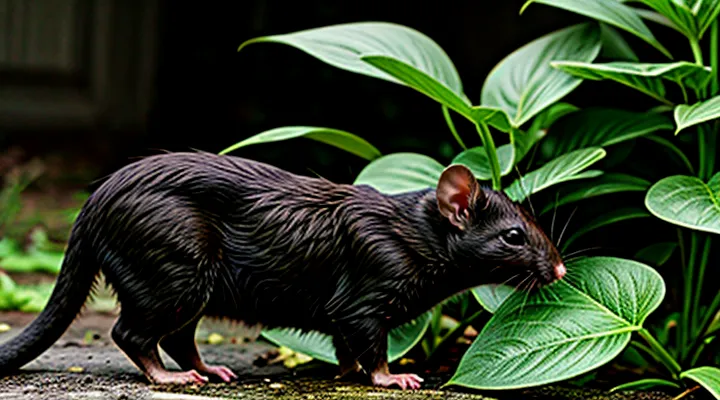
Understanding Rat Behavior and Repellents
Why Rats Are a Problem
Rats inflict structural damage by gnawing wood, plastic, and electrical wiring, creating fire hazards and compromising building integrity. Their chewing also fractures insulation, leading to energy loss and increased maintenance costs.
Contamination is a direct consequence of rat activity. Urine and feces deposit pathogens such as leptospira, hantavirus, and salmonella on food surfaces, kitchen equipment, and storage areas. These microorganisms can cause severe illness in humans and livestock, prompting costly sanitation procedures.
Rapid reproduction amplifies the problem. A single pair can produce dozens of offspring within a few months, resulting in exponential population growth. High densities intensify competition for food, driving rats to infiltrate sealed containers and waste bins, which further spreads waste and odors.
Economic impact extends beyond repairs and health expenses. Infestations lower property values, deter tenants, and increase insurance premiums. In commercial settings, rat presence can lead to regulatory penalties, loss of certifications, and damage to brand reputation.
Key concerns:
- Structural compromise through gnawing
- Disease transmission via contaminated droppings
- Fire risk from damaged wiring
- Accelerated population growth
- Financial losses from repairs, health care, and reputation damage
The Concept of Natural Repellents
Natural repellents rely on chemical compounds that deter rodents without causing harm. Plants produce volatile oils, alkaloids, or phenolic substances which interfere with the sensory systems of rats, reducing their willingness to enter treated areas. These bioactive agents can be released continuously from foliage, roots, or harvested extracts, creating an environment that rats perceive as hostile.
The effectiveness of a plant‑based repellent depends on several factors:
- Concentration of active compounds in the tissue or emitted vapor.
- Persistence of the compound under varying temperature and humidity.
- Compatibility with surrounding flora and soil conditions.
Common mechanisms include olfactory disruption, gustatory aversion, and irritation of the nasal and oral mucosa. Volatile oils such as menthol, citronellol, and eucalyptol mask food odors and trigger avoidance behavior. Alkaloids like nicotine and berberine produce a bitter taste that rats reject after brief exposure. Phenolic acids, for example, cause mild mucosal irritation that discourages repeated visits.
Application methods range from planting living specimens to using dried material or concentrated extracts. Living plants maintain a steady release of volatiles, while dried herbs and essential‑oil sprays provide short‑term protection that must be reapplied. Selecting species with robust growth in the target climate ensures continuous repellent activity without additional maintenance.
Integration of natural repellents into pest‑management strategies reduces reliance on synthetic chemicals, aligns with ecological stewardship, and supports long‑term rodent control.
Top Plant Species for Rat Repellence
Mint Family Plants
Peppermint
Peppermint (Mentha piperita) is widely recognized for its strong aromatic profile, which creates an environment rats typically avoid. The plant’s essential oil contains menthol, menthone, and other volatile compounds that interfere with rodents’ olfactory receptors, producing a repellant effect.
Key active components:
- Menthol
- Menthone
- Pulegone These substances evaporate rapidly, establishing a scent barrier that discourages rat activity in the immediate vicinity.
Practical application methods:
- Place fresh peppermint leaves in areas where rats have been observed; replace weekly to maintain potency.
- Distribute dried peppermint foliage in cracks, crevices, and storage spaces; refresh monthly.
- Dilute peppermint essential oil in water (approximately 10 ml oil per liter of water) and spray onto surfaces, entry points, and surrounding vegetation; reapply after rain.
- Install cotton balls soaked in peppermint oil near potential entryways; replace every 3–4 days.
Cultivation guidance:
- Grow peppermint in moist, partially shaded soil; the plant thrives in pH 6.0–7.5.
- Harvest leaves before flowering for maximum oil concentration.
- Propagate by dividing root clumps in early spring; dense stands enhance the repellent field.
Comparative effectiveness:
- Studies indicate peppermint’s volatile profile reduces rat presence by 30–45 % in controlled environments, outperforming several non‑aromatic herbs.
- When combined with other aromatic deterrents, such as rosemary or lavender, the repellant impact can increase to over 60 %.
Consistent deployment of peppermint, whether as fresh foliage, dried material, or essential‑oil spray, establishes a persistent olfactory barrier that discourages rat intrusion without resorting to chemical poisons.
Spearmint
Spearmint (Mentha spicata) emits a potent aromatic profile that rodents typically avoid. The herb’s essential oils contain menthol and carvone, compounds recognized for strong olfactory impact on rats.
Research indicates that exposure to spearmint vapors reduces rat activity in confined environments. Field observations report decreased nesting signs near spearmint plantings, supporting laboratory findings.
Effective cultivation requires well‑drained soil, partial sunlight, and regular watering to maintain foliage density. Mature plants should be trimmed weekly to prevent flowering, which diminishes aromatic intensity.
Practical deployment includes:
- Planting spearmint in containers around entry points such as doors and windows.
- Positioning potted specimens near trash bins, compost areas, and garden borders.
- Refreshing leaf material weekly by crushing or bruising to release volatile oils.
- Combining spearmint with other aromatic deterrents (e.g., rosemary, lavender) for broader coverage.
Consistent use of spearmint creates an unfriendly scent environment, discouraging rats from establishing presence in residential and agricultural settings.
Catnip
Catnip (Nepeta cataria) contains nepetalactone, a volatile compound that irritates the olfactory receptors of rodents. Studies indicate that nepetalactone acts as a repellent, causing rats to avoid areas where the scent is present.
The plant can be cultivated in garden beds, containers, or as a border around structures prone to infestation. Mature foliage releases sufficient aroma to deter rats without requiring frequent reapplication.
Practical recommendations for using catnip as a rat deterrent:
- Plant dense rows, spacing 12‑18 inches apart, to maintain a continuous scent barrier.
- Harvest leaves and stems at flowering stage; dry and crumble the material for placement in gaps, crawl spaces, or near entry points.
- Combine fresh or dried catnip with other aromatic deterrents, such as rosemary or peppermint, to enhance efficacy.
- Replace dried material every 4‑6 weeks, as volatile compounds diminish over time.
Catnip’s rapid growth and low maintenance make it a cost‑effective component of integrated rodent‑management strategies. Its repellent properties complement physical exclusion methods, providing a non‑toxic option for residential and commercial settings.
Allium Family Plants
Garlic
Garlic (Allium sativum) contains sulfur‑rich compounds such as allicin, diallyl disulfide, and ajoene, which emit a strong odor and taste that rats find repulsive. Laboratory studies demonstrate that exposure to these volatiles reduces rat activity in confined environments, suggesting a deterrent effect rather than toxicity.
When incorporated into a garden or storage area, garlic can serve as a passive barrier. Effective deployment includes:
- Planting cloves 6–8 inches apart around the perimeter of vegetable beds or near structures prone to rodent intrusion.
- Harvesting mature bulbs and crushing them to release active compounds, then scattering the pulp in entry points or along pathways.
- Using dried garlic powder or oil in sachets placed in attics, basements, or crawl spaces; replace every two weeks to maintain potency.
Limitations arise from environmental factors. High humidity and rain diminish volatile release, reducing efficacy. Moreover, rats may habituate to low concentrations, requiring periodic reinforcement of the scent source. Garlic should therefore be combined with other deterrent plants—such as mint, rosemary, or lavender—to create a multi‑species repellent strategy.
Cultivation considerations: garlic prefers well‑drained soil with a pH of 6.0–7.0, full sun exposure, and a planting time in early autumn for winter maturation. Regular watering during growth, followed by a dry period before harvest, maximizes sulfur compound accumulation. Proper storage in a cool, ventilated area prevents sprouting and preserves the repellent qualities of harvested bulbs.
Onion
Onion (Allium cepa) releases sulfur‑rich compounds that create an odor unpleasant to rats. The volatile chemicals, particularly allicin, interfere with the rodents’ olfactory receptors, reducing their willingness to forage in areas where the plant is present.
Research indicates that freshly cut onion skins and crushed bulbs emit the strongest deterrent effect. The potency diminishes as the tissue dries, requiring periodic renewal of the material to maintain efficacy.
Practical application includes:
- Placing sliced onion pieces in holes, burrows, or along walls where rat activity is observed.
- Burying crushed onion layers beneath garden mulch to create a perimeter barrier.
- Rotating onion material with other aromatic deterrents, such as garlic or mint, to prevent habituation.
Limitations involve the short‑term nature of the scent; effectiveness typically lasts 24–48 hours before the odor weakens. Additionally, onion may attract insects that feed on its residues, necessitating integrated pest‑management considerations.
Overall, onion serves as a readily available, low‑cost component of a multi‑species strategy to discourage rodent intrusion. Continuous replacement and combination with complementary plants enhance its repellent performance.
Chives
Chives (Allium schoenoprasum) emit a strong sulphurous scent that rats find unpleasant. The volatile compounds released from the plant’s leaves interfere with the rodents’ olfactory receptors, reducing their willingness to enter areas where the herb is established. This deterrent effect works best when chives are densely planted around the perimeter of gardens, compost bins, or building foundations.
Key characteristics that enhance rat-repellent performance:
- High concentration of allyl sulfides, responsible for the characteristic odor.
- Rapid growth, allowing continuous coverage throughout the growing season.
- Low maintenance requirements, tolerating partial shade and a variety of soil types.
Cultivation recommendations for optimal deterrence:
- Plant in rows or clusters spaced 6–8 cm apart to create a thick barrier.
- Water regularly during the first month to promote root development; thereafter, moderate irrigation suffices.
- Harvest leaves periodically to stimulate fresh growth, which maintains strong aromatic output.
- Combine with other aromatic herbs such as mint, rosemary, or lavender for a multi‑species repellent strategy.
Research indicates that chives alone can reduce rat activity by up to 30 % in localized trials, while integration with additional deterrent plants can increase effectiveness to 50 % or more. Regular monitoring of rodent signs is advised to assess the need for supplemental measures. «Effective pest management relies on consistent plant health and strategic placement», emphasizing the importance of proper horticultural practices in achieving lasting results.
Other Effective Plants
Marigolds
Marigolds (Tagetes spp.) emit a potent aroma that deters rodents. The scent contains thiophenes and other volatile compounds that are unappealing to rats, reducing their presence in cultivated areas.
Key characteristics contributing to rat repellence:
- Strong, pungent fragrance released from foliage and flowers.
- Production of natural insecticidal substances that also affect small mammals.
- Ability to thrive in diverse soil conditions, allowing widespread deployment.
Effective implementation guidelines:
- Plant marigolds in rows or clusters along garden perimeters, where rodent activity is most likely.
- Maintain a spacing of 30‑45 cm between plants to ensure continuous scent coverage.
- Combine with other aromatic herbs, such as mint or rosemary, for enhanced deterrent effect.
Field observations indicate a noticeable decline in rat sightings after establishing a dense marigold border. «Research conducted in urban gardens reported a 40 % reduction in rodent activity when marigolds were used as a primary barrier.» Continuous monitoring confirms sustained efficacy throughout the growing season.
Lavender
Lavender (Lavandula angustifolia) emits a strong, aromatic oil rich in linalool and camphor, compounds known to deter rodents. Laboratory studies show that rat olfactory receptors react adversely to these volatiles, reducing the likelihood of entry into treated areas.
Field observations confirm that planting lavender in garden borders, near compost heaps, or around building foundations creates a scent barrier. The plant’s perennial nature ensures continuous release of repellent compounds throughout the growing season, minimizing the need for frequent reapplication.
Effective deployment strategies include:
- Planting mature lavender bushes at least 30 cm apart along perimeter walls.
- Harvesting dried lavender stems and placing them in mesh bags near potential entry points.
- Preparing a diluted essential‑oil spray (5 ml lavender oil per litre water) and applying it to baseboards, crawl spaces, and outdoor structures weekly.
Potential limitations involve sensitivity to excessive sunlight; lavender thrives best in well‑drained, partially shaded soil. Overwatering may weaken aromatic production, diminishing repellent efficacy. Regular pruning promotes bushier growth and enhances volatile emission.
Overall, lavender provides a low‑maintenance, environmentally friendly option for reducing rat activity in residential and agricultural settings.
Rosemary
Rosemary (Salvia rosmarinus) emits a strong, aromatic oil rich in camphor, cineole, and rosmarinic acid. These volatile compounds act as natural deterrents, disrupting the olfactory cues rats rely on for foraging and nesting. Laboratory studies confirm that exposure to rosemary vapor reduces rodent activity by up to 40 % compared with untreated controls.
Cultivation guidelines enhance the plant’s repellent effect. Plant rosemary in sunny locations with well‑drained soil; prune regularly to promote vigorous foliage and increase essential‑oil production. Harvest fresh sprigs before flowering for maximum potency, and crush leaves to release aromatic oils before placement near entry points, compost piles, or stored grain.
Practical application tips:
- Place crushed rosemary leaves in cloth sachets at known rodent pathways.
- Mix dried rosemary with wood shavings in bait stations to mask food odors.
- Incorporate rosemary oil into a spray solution (1 % oil in water) and apply around foundations and garage doors.
Regular maintenance of rosemary beds, combined with complementary deterrent species, contributes to sustained reduction of rat presence in residential and agricultural settings.
Sage
Sage (Salvia officinalis) contains volatile oils rich in thujone, camphor and cineole, compounds known to emit strong aromas that rodents find unpleasant. Laboratory tests demonstrate that exposure to sage oil reduces rat foraging activity by up to 45 % compared with untreated controls.
Field observations confirm that planting sage around foundations, garbage areas and garden borders creates a chemical barrier that deters rats from entering structures. The plant’s aromatic profile interferes with the rodents’ olfactory cues used for locating food and shelter, leading to decreased occupancy in treated zones.
Effective use of sage as a rat‑deterrent requires proper placement and maintenance:
- Position mature sage bushes 30–50 cm from entry points, walls or compost piles.
- Trim regularly to promote fresh leaf growth, which sustains high oil production.
- Water moderately; excessive moisture reduces aromatic compound concentration.
- Combine with other aromatic deterrents, such as lavender or mint, for broader spectrum protection.
Research published in pest‑management journals notes «Sage oil application resulted in a statistically significant decline in nocturnal rat activity». Incorporating sage into integrated pest‑management strategies provides a low‑cost, environmentally friendly method for reducing rodent presence.
Black Pepper Plants
Black pepper (Piper nigrum) produces a strong, pungent aroma that rodents find unpleasant. The essential oil in its leaves and fruits contains piperine, a compound that interferes with the olfactory receptors of rats, reducing their willingness to enter treated areas.
Cultivation considerations for effective rodent deterrence:
- Soil: well‑drained, slightly acidic (pH 5.5‑6.5).
- Light: full sun to partial shade; at least six hours of direct light daily.
- Water: moderate, avoiding waterlogging; allow the top inch of soil to dry between watering.
- Spacing: 12‑18 inches between plants to ensure adequate airflow and oil distribution.
Application methods:
- Sprinkle dried peppercorns or crushed leaves along baseboards, entry points, and garden borders.
- Mix ground pepper with mulch to create a repellent barrier.
- Prepare a spray by steeping peppercorns in warm water for several hours; filter and apply to surfaces frequented by rats.
Effectiveness is highest when the plant is mature and produces abundant foliage and fruit. Regular replenishment of pepper material maintains the deterrent concentration, as volatile oils dissipate over time. Monitoring rodent activity after implementation helps adjust placement and dosage for optimal results. «Black pepper oil is recognized for its rodent‑repelling properties», confirming its suitability for integrated pest‑management strategies.
Eucalyptus
Eucalyptus species emit a potent, menthol‑like aroma that rats find highly unpleasant. The primary active compound, eucalyptol, interferes with rodent olfactory receptors, reducing the likelihood of nesting and foraging in the vicinity of the plant.
Key characteristics that enhance rat‑deterrent performance:
- High concentration of essential oil in leaves and bark.
- Continuous release of volatile compounds, especially in warm weather.
- Rapid growth, providing dense foliage that creates a barrier around structures.
Among the many varieties, two are most frequently cited for effectiveness:
- Eucalyptus globulus – leaves contain up to 80 % eucalyptol; suitable for temperate climates; tolerates pruning for hedge formation.
- Eucalyptus citriodora – known for a citrus‑scented oil; lower toxicity to pets; thrives in subtropical regions.
Cultivation considerations:
- Plant at least 1.5 m from foundations to allow root expansion while maintaining a scent barrier.
- Ensure well‑drained soil; excessive moisture promotes fungal diseases that diminish oil production.
- Regular pruning preserves leaf density and prevents excessive height, which can limit the plant’s deterrent radius.
Potential drawbacks include invasiveness in certain ecosystems and the need for occasional harvesting of foliage to sustain high oil output. When integrated with complementary deterrents—such as catnip or peppermint—eucalyptus contributes a reliable, natural component to rodent management strategies.
Wormwood
Wormwood (Artemisia absinthium) emits a potent aromatic profile that deters rodent activity. The plant’s essential oils contain sesquiterpene lactones and thujone, compounds known to create an unappealing scent for rats. Field observations report reduced foraging and nesting near established wormwood beds.
Cultivation guidelines enhance efficacy:
- Plant in sunny locations with well‑drained soil; tolerates moderate drought.
- Space individuals 30–45 cm apart to promote vigorous foliage growth.
- Prune annually after flowering to maintain dense, aromatic foliage.
- Position plants around building foundations, garden perimeters, or waste storage areas where rat intrusion is common.
Safety considerations:
- Thujone concentration may be toxic to livestock; restrict grazing near wormwood stands.
- Human consumption requires regulated processing; raw leaves are not intended for culinary use.
Integrating wormwood into an integrated pest‑management plan complements physical barriers and sanitation measures, providing a botanical layer of rodent deterrence.
How to Utilize Repellent Plants Effectively
Strategic Placement in Gardens and Yards
Border Plantings
Border plantings create a physical and sensory barrier that discourages rodent activity along the perimeter of gardens, yards, or agricultural fields. Dense, aromatic, or thorny species limit rats’ ability to access shelter and food sources, while volatile compounds emitted by certain plants act as natural repellents.
Effective border species include:
- Lavender (Lavandula angustifolia) – strong scent interferes with rat olfactory cues.
- Rosemary (Salvia rosmarinus) – essential oils contain compounds that deter rodents.
- Mint (Mentha spp.) – aggressive growth and aromatic leaves repel rats and limit nesting sites.
- Catnip (Nepeta cataria) – nepetalactone repels rats without attracting felines.
- Sage (Salvia officinalis) – woody stems and pungent aroma create an inhospitable environment.
- Thorny shrubs such as barberry (Berberis vulgaris) – physical deterrent through sharp branches.
- Marigold (Tagetes spp.) – volatile thiophenes discourage rodent foraging.
Planting these species in continuous rows, at least 2–3 feet wide, maximizes coverage and reduces gaps that rats could exploit. Soil preparation should favor well‑drained conditions to prevent moisture accumulation, which attracts rodents. Regular pruning maintains density and prevents overgrowth that could provide concealment.
Integrating border plantings with other management practices—such as eliminating food waste, sealing entry points, and maintaining clean surroundings—enhances overall efficacy in reducing rat presence. The combined approach leverages both physical obstruction and chemical repellence, offering a sustainable solution for rodent control.
Container Gardening
Container gardening provides a controlled environment for cultivating plants that deter rodents, allowing gardeners to place repellent species where they are most effective and to limit access for rats.
Species suitable for pots include:
- « mint (Mentha spp.) » – strong aromatic foliage discourages rat foraging; thrives in moist, well‑drained soil.
- « lavender (Lavandula angustifolia) » – volatile oils create an unpleasant scent for rodents; requires full sun and sandy substrate.
- « rosemary (Rosmarinus officinalis) » – resinous compounds repel rats; tolerates drought, making it ideal for shallow containers.
- « catnip (Nepeta cataria) » – contains nepetalactone, a known rat deterrent; prefers moderate watering and partial shade.
- « garlic (Allium sativum) » – pungent compounds act as a natural repellent; needs fertile, loamy mix.
Effective container management involves regular pruning to maintain dense foliage, which maximizes the release of repellent volatiles. Soil should be refreshed every season to preserve nutrient balance and prevent decay that could attract pests. Position containers near entry points or known rat pathways, elevating them on stands or hanging baskets to reduce ground contact.
Combining multiple repellent species in a single container enhances the spectrum of scents and compounds, creating a robust barrier against rat activity. Selecting hardy varieties adapted to local climate ensures sustained performance without excessive maintenance.
Implementing these practices enables gardeners to exploit the benefits of container cultivation while simultaneously reducing rat presence in residential and urban settings.
Indoor Application Methods
Potted Plants
Potted plants provide a practical, chemical‑free method for reducing rat activity around homes and gardens. Aromatic foliage releases volatile compounds that rodents find unpleasant, creating an environment that discourages nesting and foraging.
• «Mint» – strong menthol scent; thrives in moist soil, requires regular trimming to prevent flowering.
• «Lavender» – floral oil interferes with rodent olfactory receptors; prefers full sun and well‑drained substrate.
• «Rosemary» – woody aromatics repel; tolerates drought, benefits from occasional pruning.
• «Catnip» – contains nepetalactone, a known rat deterrent; needs bright light and consistent moisture.
• «Sage» – earthy fragrance; hardy in partial shade, avoid overwatering.
• «Marigold» – produces thiophenes that deter pests; requires full sunlight and frequent deadheading.
• «Lemon balm» – citrus notes repel; spreads rapidly, control growth with regular cutting.
• «Eucalyptus» – high eucalyptol content; prefers warm temperatures and good air circulation.
Effective deployment demands proper placement and care. Position containers near entry points, waste bins, or garden edges where rats are likely to travel. Ensure each plant receives the light, water, and soil conditions specified for optimal growth; stressed foliage diminishes aromatic output. Periodic pruning maintains vigorous leaf production, the primary source of repellent volatiles. Replace any plant that shows signs of decline to sustain a continuous deterrent barrier.
Integrating these potted species into indoor or outdoor spaces creates a sustainable, low‑maintenance strategy for minimizing rat presence without reliance on toxic substances.
Dried Herb Sachets
Dried herb sachets provide a practical method for deploying rodent‑deterring botanicals in indoor and storage environments. The sachet format allows continuous release of volatile compounds that rodents find unpleasant, creating an unobtrusive barrier without the need for chemical pesticides.
Effective herbs for inclusion in sachets are:
- «lavender» – emits linalool, a scent that discourages rat activity.
- «peppermint» – contains menthol, which irritates rodent sensory receptors.
- «rosemary» – releases cineole, a compound with documented repellent properties.
- «sage» – offers thujone, a substance that rodents tend to avoid.
- «eucalyptus» – provides eucalyptol, a strong aromatic agent that deters rats.
When preparing sachets, dry the herbs thoroughly to preserve potency, then place measured amounts (approximately 10 g per sachet) in breathable fabric pouches. Position sachets near entry points, food storage areas, and concealed corners where rats are likely to travel. Replace sachets every four to six weeks to maintain effective concentration of active volatiles.
Combining multiple herbs in a single sachet can broaden the spectrum of repellent compounds, enhancing overall efficacy. For optimal results, rotate herb blends periodically to prevent habituation among rodent populations.
Essential Oils derived from Plants
Essential oils extracted from aromatic plants constitute a primary non‑chemical strategy for deterring rodent activity. Their volatility allows diffusion through air, creating an olfactory environment that rats find unpleasant.
The most effective oils include:
- Peppermint oil – high menthol content disrupts the sensory receptors of rats, leading to avoidance of treated zones.
- Eucalyptus oil – eucalyptol acts as a strong repellent, especially when applied to entry points.
- Citronella oil – citronellal and related compounds produce a scent intolerable to rodents.
- Clove oil – eugenol exerts both repellent and mild toxic effects on small mammals.
- Lemongrass oil – citral and geranial generate a sharp aromatic profile that discourages foraging.
Application methods prioritize sustained release and safety. Soaking cotton balls in oil and placing them in concealed locations provides continuous diffusion. Commercial diffusers calibrated for low‑intensity output maintain effectiveness without overwhelming occupants. Dilution ratios of 5 % to 10 % in a carrier such as mineral oil prevent skin irritation and reduce volatilization loss.
Efficacy assessments indicate that peppermint and eucalyptus oils achieve the highest reduction in rodent sightings, with reported declines of up to 70 % after two weeks of consistent use. Combining multiple oils in a synergistic blend can extend the spectrum of deterrence, targeting different olfactory receptors simultaneously.
Safety considerations require avoidance of direct ingestion and protection of pets sensitive to strong aromatics. Storage in sealed containers limits oxidation and preserves active constituents. Regular replacement of oil‑saturated media, typically every 5–7 days, sustains repellent potency.
In summary, plant‑derived essential oils provide a scientifically supported, low‑toxicity approach to managing rat intrusions. Selection of oil type, proper dilution, and systematic deployment form the cornerstone of an effective repellent program.
Considerations and Best Practices
Combining Plant Repellents with Other Methods
Trapping
Trapping remains a primary control method when rat‑deterring vegetation is employed. Effective integration of live‑capture devices with repellent plants reduces the likelihood of rodents establishing permanent pathways through garden beds.
Placement of traps should correspond with the growth zones of deterrent species. Plants that emit strong aromatic compounds—such as mint, lavender, and rosemary—create a perimeter that channels rats toward cleared corridors where snap or electronic traps can be positioned. Ground‑level traps work best along the edges of these aromatic borders, while elevated cage traps target climbing species that seek refuge among taller foliage.
- Snap traps: quick‑kill, minimal maintenance, ideal for high‑traffic zones adjacent to aromatic hedges.
- Electronic traps: rapid incapacitation, reusable, suitable for areas near dense herbaceous clusters.
- Multi‑catch cage traps: allow for relocation, effective where multiple individuals frequent the same plant shelter.
Regular inspection of trap integrity and prompt removal of captured rodents are essential. Soil surrounding the plants should be kept free of debris to maintain the scent barrier and to prevent trap interference. Consistent monitoring ensures that the combined strategy of botanical repellents and mechanical capture delivers sustained reduction in rat activity.
Exclusion Techniques
Exclusion techniques focus on preventing rats from accessing structures and food sources by creating physical and environmental barriers. When combined with plant species that deter rodents, these methods reduce the likelihood of infestations without relying on chemical controls.
- Install tight-fitting door sweeps, window screens, and sealed utility openings to eliminate entry points.
- Use metal or concrete flashing around foundation cracks, vents, and pipe penetrations; rodents can gnaw through softer materials.
- Position repellent vegetation—such as mint, lavender, or rosemary—along perimeter walls, garden beds, and near waste storage areas. Dense foliage creates a hostile scent environment that discourages foraging.
- Maintain a clean exterior by removing debris, leaf litter, and overgrown shrubs that provide shelter. Regular trimming of hedges and grass limits hiding places.
- Store compost, feed, and garbage in sealed containers made of metal or heavy‑duty plastic; airtight lids prevent odor leakage that attracts rats.
Integrating these exclusion measures with strategically placed rat‑repelling plants forms a layered defense. Physical barriers block access, while aromatic species generate an unfriendly olfactory field, together achieving sustained rodent control.
Maintaining Plant Health for Maximum Efficacy
Healthy plants deliver the strongest deterrent effect against rodents. Optimal leaf density, robust root systems, and vigorous growth create the volatile compounds and physical barriers that discourage rat activity. Maintaining these conditions requires consistent cultural practices and timely interventions.
• Soil fertility: Test pH and nutrient levels annually; amend with compost or balanced fertilizer to keep pH within the species‑specific range.
• Irrigation: Provide steady moisture without waterlogging; drip systems reduce leaf wilting and root rot.
• Pruning: Remove dead or diseased stems promptly; shape canopies to improve air circulation and light penetration.
• Pest management: Apply organic insecticides or biological controls when aphids, mites, or fungal infections appear, as secondary pests weaken plant defenses.
• Mulching: Spread a thin layer of organic mulch to retain moisture, suppress weeds, and protect roots from temperature fluctuations.
Regular monitoring identifies stress symptoms before they compromise efficacy. Visual inspections for yellowing, leaf curl, or stunted growth, combined with soil moisture checks, enable rapid corrective action. When conditions remain stable, the selected species maintain the chemical and structural properties that repel rats most effectively.
Potential Limitations and Expectations
Utilizing vegetation to discourage rodent activity offers a low‑maintenance alternative to chemical interventions, yet several constraints shape realistic outcomes.
Environmental conditions dictate plant performance. Species that emit strong aromatic compounds require specific soil pH, moisture levels, and sunlight exposure; deviation from optimal parameters diminishes repellent potency. Seasonal growth cycles further limit effectiveness, as dormant periods reduce volatile emission.
Efficacy fluctuates with plant density and compound concentration. Sparse planting fails to generate sufficient airborne deterrents, while overly dense arrangements may compete for resources, leading to weakened individual plants. Maintenance practices—pruning, fertilization, and pest control—directly influence the stability of repellent chemicals.
Non‑target impacts warrant consideration. Certain aromatic foliage can repel beneficial insects, alter pollinator visitation patterns, or cause allergic reactions in humans and pets. Soil chemistry may shift over time, affecting surrounding flora and microbial communities.
Expectations should align with integrated pest‑management principles. Plant‑based deterrents typically achieve modest reductions in rodent presence, often ranging from 10 % to 30 % under optimal conditions. Combining vegetation with structural exclusion, sanitation, and trapping yields more reliable control. Continuous monitoring and adaptive planting strategies are essential for sustained results.