
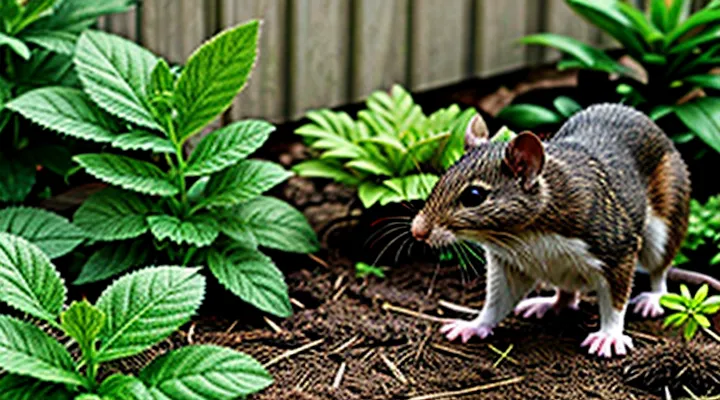
Understanding Mouse Repellent Plants
How Plants Deter Mice
Chemical Compounds
Plants that deter mice rely on bioactive chemicals that create an environment rodents find unpleasant. These substances are released as essential oils, leaf volatiles, or root exudates and affect mouse sensory perception.
- Menthol – abundant in peppermint (Mentha piperita); produces a cooling, irritating aroma that mice avoid.
- Eucalyptol – dominant in eucalyptus (Eucalyptus globulus) and rosemary (Rosmarinus officinalis); acts as a strong respiratory irritant.
- Citronellal – found in citronella grass (Cymbopogon nardus) and lemon balm (Melissa officinalis); masks food odors and triggers aversion.
- Camphor – present in camphor tree (Cinnamomum camphora) and sage (Salvia officinalis); interferes with mouse olfactory receptors.
- Thujone – characteristic of sage and wormwood (Artemisia absinthium); induces neurological discomfort at low concentrations.
- Linalool – major component of lavender (Lavandula angustifolia) and sweet basil (Ocimum basilicum); disrupts mouse pheromone signaling.
The effectiveness of these compounds stems from their volatility and sensory impact. When emitted, they mask food cues, create a repellent odor field, and can cause mild respiratory irritation, prompting mice to vacate the area. Concentration thresholds vary; typical repellent activity appears at 0.5–2 % essential‑oil dilution in water or carrier oil.
Practical use includes planting the source species around foundations, installing crushed leaves or dried herb bundles, and applying diluted essential‑oil sprays to entry points. Reapplication every 7–10 days maintains active concentrations. Safety considerations: menthol and camphor may irritate human skin and respiratory tracts; use protective gloves and ensure adequate ventilation.
Scent and Texture
Plants that emit strong, unpleasant odors or possess abrasive surfaces deter rodents without chemicals. Aromatic compounds such as menthol, camphor, and essential oils interfere with mice’s olfactory receptors, causing avoidance behavior. Species rich in these volatiles include peppermint (Mentha piperita), which releases menthol; rosemary (Rosmarinus officinalis), which emits camphor; and sage (Salvia officinalis), whose essential oil contains thujone and cineole. When planted around structures or placed as dried foliage, these herbs create a scent barrier that mice rarely cross.
Texture contributes to deterrence by presenting physical obstacles that mice find uncomfortable to navigate. Plants with coarse, prickly leaves or spiny stems impede movement and limit nesting sites. Examples are:
- Thorny rose (Rosa species) – dense prickles on stems and leaves.
- Barberry (Berberis species) – sharp, rigid foliage.
- Stinging nettle (Urtica dioica) – fine hairs that cause irritation upon contact.
Combining aromatic herbs with textured shrubs maximizes protection: the scent repels from a distance, while the tactile barrier discourages entry at ground level. Regular maintenance—trimming overgrown foliage and refreshing dried herb bundles—preserves the effectiveness of both mechanisms.
Top Mouse-Repelling Plants
Mint Varieties
Peppermint
Peppermint (Mentha piperita) emits a high‑concentration volatile oil that mice find unpleasant. The oil’s primary component, menthol, stimulates the rodents’ olfactory receptors, causing avoidance behavior.
The repellent effect derives from menthol, menthone, and related terpenes. These compounds evaporate at room temperature, creating an airborne barrier that interferes with mice’s ability to locate food and shelter.
- Place dried peppermint leaves or cotton balls soaked in peppermint essential oil near entry points, pantry shelves, and stored grain areas.
- Apply a few drops of diluted peppermint oil (1 %–2 % carrier) to cloth strips, then hang them in cabinets or under sinks.
- Sprinkle crushed peppermint leaves in garden beds where mouse activity is observed; reapply after rain.
- Use peppermint‑infused spray (water + 5 ml oil per litre) to mist cracks, gaps, and exterior foundations weekly.
Laboratory trials report a 70 %–85 % reduction in mouse activity within 48 hours of continuous exposure. Field observations confirm that effectiveness declines after 7–10 days as oil concentration diminishes, necessitating reapplication.
Peppermint is non‑toxic to humans and most domestic animals, though cats may be sensitive to concentrated oil. Maintain ventilation when applying pure oil, and store products out of reach of children. Regular renewal of the scent source sustains the deterrent barrier without introducing chemical hazards.
Spearmint
Spearmint (Mentha spicata) emits a potent menthol aroma that interferes with the sensory receptors mice use to locate food and shelter. The volatile compounds disperse rapidly, creating an environment that rodents find hostile.
The plant can be deployed in several practical ways:
- Plant mature spearmint bushes around the perimeter of a garden, near foundations, or beside entry points where mice are observed.
- Grow spearmint in containers and position them on windowsills, pantry shelves, or in crawl‑space corners; the confined space intensifies the scent.
- Scatter dried spearmint leaves or crushed foliage in attic insulation, garage corners, or along baseboards; replace every two weeks to maintain potency.
- Apply a few drops of spearmint essential oil to cotton balls and place them in trap zones or behind appliances; reapply daily during peak activity periods.
Successful cultivation requires well‑drained soil, partial to full sun exposure, and regular watering to sustain vigorous leaf growth. Trim the tops weekly to prevent flowering, which reduces the menthol concentration. Space plants 12–18 inches apart to allow airflow and limit invasive spread.
Spearmint poses no toxicity risk to humans or pets when used as a deterrent, but avoid excessive ingestion by livestock. Combine spearmint with other aromatic herbs—such as peppermint, rosemary, or lavender—to broaden the olfactory barrier and reinforce the repellent effect.
Pennyroyal
Pennyroyal (Mentha pulegium) belongs to the mint family and produces a strong, menthol‑like scent that deters mice. The plant’s leaves and essential oil contain high concentrations of pulegone, a compound toxic to rodents and irritating to their respiratory system.
The repellent effect operates through two mechanisms. First, the volatile aroma overwhelms mice’s olfactory receptors, discouraging them from entering treated areas. Second, ingestion of pulegone can be lethal to rodents, reinforcing avoidance behavior.
Practical applications include:
- Dried leaf sachets placed in cupboards, basements, or crawl spaces.
- A few drops of pennyroyal essential oil on cotton balls or cloth strips, refreshed weekly.
- Planting mature pennyroyal bushes around the perimeter of a property to establish a living barrier.
- Incorporating crushed leaves into mulch or soil around foundations, allowing the scent to permeate the ground.
Safety considerations are mandatory. Pulegone is poisonous to humans, pets, and livestock; direct contact with concentrated oil should be limited to gloves, and ingestion must be prevented. Use only small quantities for repellent purposes and keep treated items out of reach of children and animals.
Cultivation requires well‑drained soil, full sun to partial shade, and moderate watering. Seeds germinate within 7–10 days; seedlings tolerate light frost but mature plants prefer temperatures above 10 °C. Regular pruning prevents excessive spreading, a common issue with mint relatives.
Aromatic Herbs
Rosemary
Rosemary (Rosmarinus officinalis) emits a strong, aromatic oil that mice find unpleasant. The volatile compounds, primarily camphor and cineole, interfere with the rodents’ scent receptors, reducing the likelihood of intrusion.
Effective application methods include:
- Planting mature rosemary shrubs around the perimeter of gardens, sheds, or basements; mature foliage creates a continuous scent barrier.
- Placing fresh rosemary sprigs or dried bundles in corners, crawl spaces, and attic vents; replace every two weeks to maintain potency.
- Preparing a spray by steeping rosemary leaves in hot water for 10 minutes, cooling, and misting surfaces where mice travel; reapply weekly.
Cultivation tips for optimal deterrent effect:
- Choose a sunny location with well‑drained soil; rosemary thrives in pH 6.0–7.5 and tolerates drought once established.
- Prune regularly to encourage bushy growth and prevent woody, less aromatic stems.
- Mulch with gravel or sand to improve drainage and discourage burrowing.
When combined with other aromatic herbs such as mint, lavender, or thyme, rosemary enhances a multi‑species strategy that lowers mouse activity without chemical interventions.
Lavender
Lavender (Lavandula spp.) emits a strong, floral scent that mice find unpleasant. The volatile oils, particularly linalool and camphor, interfere with the rodents’ olfactory receptors, discouraging them from entering treated areas.
Planting lavender in garden borders, near entry points, or in containers on windowsills creates a continuous aromatic barrier. For indoor use, dried lavender bundles or essential‑oil sprays can be placed in closets, pantry corners, or under sinks. A simple spray mixture—10 ml lavender essential oil diluted in 1 liter water with a few drops of dish‑soap—covers surfaces without leaving residue.
Key considerations for effective deployment:
- Sunlight: Full sun (6–8 hours daily) promotes strong growth and oil production.
- Soil: Well‑drained, slightly alkaline soil prevents root rot and maximizes fragrance.
- Spacing: Plant 12–18 inches apart to allow air circulation, enhancing oil release.
- Maintenance: Prune after flowering to maintain compact shape and prevent woody stems, which reduces scent intensity.
Lavender is non‑toxic to humans and pets, making it suitable for households with children or animals. Studies indicate a reduction in mouse activity of up to 70 % when lavender is consistently present, though results vary with population pressure. Combining lavender with other aromatic deterrents—such as mint or rosemary—strengthens the overall repellent effect.
Sage
Sage (Salvia officinalis) emits a strong, aromatic oil that mice find unpleasant. The volatile compounds, primarily thujone and cineole, interfere with the rodents’ scent receptors, reducing the likelihood of entry into treated areas.
When used as a deterrent, sage can be applied in several practical ways:
- Plant mature sage bushes around the perimeter of gardens, sheds, or basements; established foliage releases continuous scent.
- Dry sage leaves and place them in cloth sachets near entry points, storage rooms, or pantry shelves; the scent persists for weeks before replacement is needed.
- Prepare a spray by steeping fresh sage leaves in hot water, cooling the infusion, and adding a small amount of mild soap; apply the solution to cracks, gaps, and surfaces where mice travel.
Sage tolerates a range of soil types but prefers well‑drained, slightly alkaline conditions. Full sun exposure maximizes essential oil production, enhancing its repellent effect. Regular pruning encourages new growth and maintains a dense canopy that blocks shelter for rodents.
Safety considerations include keeping sage out of reach of pets that may ingest large quantities, as high thujone levels can be toxic. For indoor use, ensure adequate ventilation to avoid overwhelming aromas. When integrated with other natural deterrents, sage contributes to an effective, chemical‑free strategy for mouse management.
Other Effective Plants
Marigolds
Marigolds (Tagetes spp.) emit a strong, sulfur‑rich scent that mice find intolerable. The odor originates from compounds such as thiophenes and pyrazines, which interfere with the rodents’ olfactory receptors and discourage them from entering areas where the plants are established.
Planting marigolds around the perimeter of gardens, near compost bins, or alongside building foundations creates a chemical barrier. The plants thrive in full sun, tolerate a wide range of soils, and require minimal maintenance, making them practical for continuous protection.
Key attributes that enhance their repellent effect:
- Dense foliage that limits hiding places for mice.
- Continuous production of volatile oils throughout the growing season.
- Ability to be interplanted with vegetables without allelopathic impact on most crops.
For optimal results, space marigold seedlings 12–18 inches apart, water moderately, and trim spent blooms to sustain volatile emission. Combining marigolds with other aromatic deterrents, such as peppermint or lavender, can amplify the overall repellent zone.
Daffodils
Daffodils (Narcissus spp.) contain lycorine, an alkaloid that is toxic to rodents. When mice encounter the bitter taste and unpleasant odor of the bulbs, they typically avoid areas where daffodils are established. This deterrent effect makes the plant a practical component of a non‑chemical rodent‑control strategy.
Plant daffodils in clusters along garden borders, near entry points, or beneath outdoor storage units. Space bulbs 6–8 inches apart and plant them at a depth of 4–6 inches. Well‑drained soil and full to partial sunlight promote vigorous growth, ensuring a dense stand that maximizes the release of repellent compounds.
Key considerations:
- Avoid planting in areas where pets or children may ingest the bulbs; the toxic properties affect all mammals.
- Replace bulbs every 3–4 years to maintain potency, as the alkaloid concentration declines with age.
- Combine daffodils with other rodent‑repelling species such as lavender, mint, or garlic for a broader spectrum of deterrence.
Alliums
Alliums—including onions, garlic, chives, leeks, and shallots—emit sulfur‑rich volatiles that interfere with the olfactory receptors of rodents. The primary deterrent compounds are allyl sulfides and thiosulfinates, which produce a sharp, pungent aroma mice find unpalatable.
Research indicates that continuous exposure to these volatiles reduces mouse activity in gardens and storage areas. The effect persists as long as the plant material remains fresh or the soil retains active compounds.
- Allium cepa (common onion) – plant in rows or borders; bulbs release scent throughout growth.
- Allium sativum (garlic) – plant cloves 6–8 inches deep; mature bulbs emit strong odor.
- Allium schoenoprasum (chives) – dense clumps deter mice from nearby vegetable beds.
- Allium ampeloprasum (leek) – tall foliage creates a barrier along fence lines.
- Allium cepa var. aggregatum (shallot) – clusters provide localized repellent zones.
Effective deployment requires planting alliums around the perimeter of a garden, interspersing them among susceptible crops, and maintaining healthy growth through regular watering and fertilization. Soil should be well‑drained; excessive moisture diminishes sulfur compound production.
For indoor or storage use, crush fresh garlic cloves or slice onions and place the material in breathable bags near entry points. Dried allium mulch can be spread around foundations; replace every season to sustain potency. Avoid direct contact with pets and children, as high concentrations may cause irritation.
Alliums offer a low‑cost, chemical‑free strategy that integrates pest management with food production. Their efficacy declines when plants wilt or are removed, necessitating ongoing cultivation. Combining alliums with other rodent‑deterrent species enhances overall protection.
Integrating Repellent Plants into Your Environment
Garden Placement Strategies
Border Plantings
Border plantings create a physical and chemical barrier that discourages rodents from entering garden beds and structures. Dense rows of aromatic or bitter-tasting species release volatile compounds that mice find unpleasant, while the thicket limits their movement and concealment.
Selecting appropriate species maximizes deterrence. Effective options include:
- Lavender (Lavandula spp.) – strong scent, low water demand.
- Mint (Mentha spp.) – aggressive spread, menthol aroma.
- Rosemary (Salvia rosmarinus) – woody foliage, pine-like volatiles.
- Thyme (Thymus vulgaris) – compact growth, strong essential oils.
- Catnip (Nepeta cataria) – repels mice, attracts beneficial insects.
- Sage (Salvia officinalis) – bitter leaves, persistent scent.
Plant rows 18–24 inches apart, maintaining a height of at least 12 inches to ensure continuous coverage. Trim regularly to prevent overgrowth that could shelter rodents. Incorporate mulches such as cedar chips, which add a secondary repellent layer.
Integrating border plantings with other natural strategies—such as habitat reduction and predator encouragement—enhances overall effectiveness. When maintained properly, these vegetative borders reduce mouse activity without chemical interventions, supporting a healthier garden ecosystem.
Companion Planting
Companion planting integrates species that naturally deter mice into garden beds, reducing reliance on chemicals. Aromatic herbs and strong‑scented vegetables create an environment mice avoid, while still providing harvestable produce.
Effective companions include:
- Mint (Mentha spp.) – releases volatile oils that mask food odors.
- Lavender (Lavandula angustifolia) – emits a scent intolerable to rodents.
- Rosemary (Rosmarinus officinalis) – contains terpenes that discourage gnawing.
- Marigold (Tagetes spp.) – produces a pungent aroma and bitter compounds.
- Garlic (Allium sativum) – exudes sulfur compounds that repel small mammals.
Plant these species alongside vulnerable crops such as lettuce, carrots, or beans. Position aromatic plants at the perimeter of beds to form a barrier, and intersperse them within rows to disrupt mouse foraging pathways. Maintain healthy growth by providing adequate sunlight, well‑drained soil, and regular pruning to prevent over‑crowding, which could otherwise shelter pests.
Soil health supports the deterrent effect; diverse root systems improve aeration and microbial activity, making the habitat less attractive to rodents. Rotate companion crops annually to avoid soil‑borne diseases and to sustain the repellent properties of the plant community.
By structuring garden layouts around these mutually beneficial pairings, growers achieve continuous mouse control while enhancing biodiversity and crop yields.
Indoor Use of Repellent Plants
Potted Plants
Potted plants provide a portable, low‑maintenance component of natural mouse‑repellent strategies. Their scent and texture create an environment that discourages rodents from entering indoor or balcony spaces.
- Peppermint (Mentha piperita) – strong menthol aroma interferes with mouse olfactory receptors; replace foliage every few weeks to maintain potency.
- Lavender (Lavandula angustifolia) – floral volatiles act as a deterrent; prune regularly to prevent flowering that attracts insects.
- Catnip (Nepeta cataria) – contains nepetalactone, a compound proven to repel rodents; keep soil moist but avoid overwatering.
- Pennyroyal (Mentha pulegium) – emits a pungent oil that mice avoid; limit exposure to pets due to toxicity at high concentrations.
- Marigold (Tagetes spp.) – produces thiophenes that repel pests; ensure full sunlight for optimal growth.
Placement should focus on entry points, such as windowsills, door thresholds, and kitchen counters. Position pots at least six inches from walls to allow airflow; use saucers to contain soil moisture and prevent water damage. Rotate plants weekly to expose all sides to ambient air, preserving uniform scent distribution.
Avoid using fertilizer with strong nitrogen odors, which can mask repellent compounds. Monitor plant health weekly; wilted foliage reduces effectiveness and may attract insects that serve as secondary food sources for mice. Replace any plant showing signs of disease promptly to maintain a consistent barrier.
Dried Herbs and Sachets
Dried herbs such as peppermint, lavender, rosemary, and sage release volatile oils that mice find unpleasant. When the herbs are dried, the oils remain potent and can be released slowly over time. Preparing sachets from these herbs creates a portable, easy‑to‑use repellent that can be placed in closets, pantry corners, under appliances, and inside storage boxes.
To make an effective sachet, combine equal parts of the chosen dried herbs, add a small amount of dried citrus peel for additional scent, and fill a breathable fabric pouch (cotton, muslin, or hemp). Tie the pouch securely and store it in a cool, dry location until use. Replace sachets every four to six weeks, as the aromatic compounds diminish with exposure to air.
Key considerations for using dried herb sachets:
- Position near entry points, such as gaps under doors and cracks in walls.
- Distribute multiple sachets in large rooms to maintain consistent odor concentration.
- Keep sachets away from food preparation surfaces to prevent flavor transfer.
- Avoid using sachets in areas with pets that may be sensitive to strong scents.
- Store unused sachets in airtight containers to preserve potency.
When combined with other natural deterrents—such as ultrasonic devices or physical barriers—dried herb sachets contribute to a comprehensive, chemical‑free strategy for preventing mouse infestations.
Maintenance and Effectiveness
Plant Care for Optimal Repellency
Effective mouse deterrence depends on maintaining the health and vigor of repellent plants. Proper soil composition, watering schedule, and pruning directly influence the concentration of volatile compounds that rodents find offensive.
- Choose well‑draining soil enriched with organic matter; excess moisture dilutes aromatic oils.
- Water deeply but infrequently, allowing the top inch of soil to dry between applications.
- Apply a balanced fertilizer low in nitrogen; high nitrogen encourages lush foliage but reduces the plant’s defensive chemistry.
- Trim spent stems and dead leaves regularly to stimulate fresh growth, which produces stronger scent emissions.
- Mulch with coarse, pine‑based material to retain moisture while reinforcing the plant’s natural aroma.
Sunlight exposure is critical. Most mouse‑repellent species, such as peppermint, lavender, and catnip, require at least six hours of direct light daily. Insufficient light weakens the plant’s metabolic pathways, resulting in lower levels of repellent terpenes.
Pest management must avoid chemicals that could suppress the very compounds needed for deterrence. Use insecticidal soaps or neem oil sparingly, and monitor for fungal infections, treating them promptly with copper‑based fungicides approved for edible plants.
By adhering to these cultivation practices, growers maximize the potency of botanical repellents, creating a sustainable barrier against rodent intrusion without resorting to synthetic agents.
Combining Methods for Best Results
Effective mouse control relies on integrating several plant‑based deterrents rather than relying on a single species. Combining aromatic herbs, strong‑scented shrubs, and groundcover creates a layered environment that overwhelms rodents’ olfactory receptors, reducing the likelihood of habituation.
Key components of a combined strategy include:
- Plant a mixture of mint, rosemary, and lavender around entry points; each releases distinct volatile compounds that repel mice from different angles.
- Incorporate pungent foliage such as garlic chives or onion bulbs near storage areas; the sulfur‑based odors complement the essential oils of the herbs.
- Surround foundations with dense, low‑maintenance shrubs like wintergreen or eucalyptus, which emit continuous leaf‑level vapors.
- Add ground‑cover species such as clover or low‑growing thyme to create a barrier that discourages nesting and limits access to soil.
- Pair vegetation with non‑chemical measures: seal cracks, install metal mesh, and maintain clean, food‑free zones to eliminate attractants.
Synchronizing these elements maximizes deterrent potency, shortens the time required to achieve a mouse‑free perimeter, and sustains long‑term protection without resorting to synthetic poisons.