
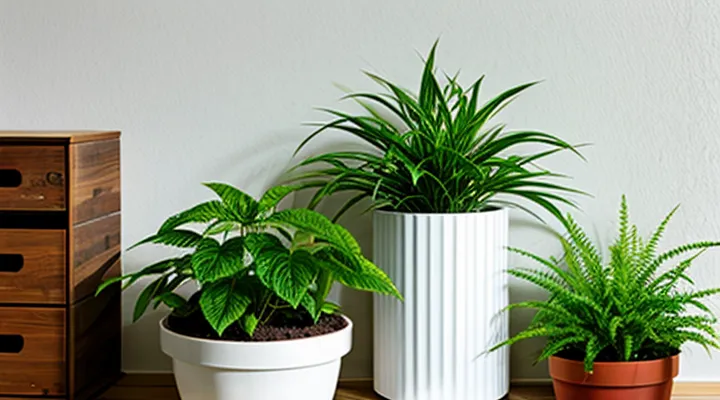
Understanding the Problem: Why Mice Enter Homes
Common Entry Points for Rodents
Cracks in Foundations
Cracks in a building’s foundation create direct pathways for rodents to infiltrate interior spaces. Even hairline fissures allow mice to squeeze through, compromising structural integrity and increasing the risk of contamination. Identifying these openings early prevents larger infestations and reduces reliance on chemical controls.
Inspection should focus on visible seams in concrete, brick, or stone walls, as well as areas where moisture accumulates. Use a flashlight and a thin probe to test the width of each fissure; any gap wider than ¼ inch warrants immediate attention. Record location, dimensions, and signs of recent activity such as gnaw marks or droppings.
Repair process:
- Clean debris and loose material from the crack.
- Apply a hydraulic cement mix that expands as it cures, sealing the gap tightly.
- For larger openings, install a steel mesh or epoxy filler before the cement sets.
- Seal surrounding soil with a waterproof barrier to deter moisture migration, which can widen cracks over time.
After structural sealing, supplement protection with plant-based deterrents positioned near repaired sections. Peppermint oil, lavender, and rosemary emit scents that mice avoid. Place fresh sprigs in small breathable pouches or use diluted essential oil on cotton balls, renewing the application weekly. Combining physical sealing with these natural repellents creates a layered defense that limits indoor mouse activity without resorting to toxic substances.
Gaps Around Pipes and Vents
Gaps surrounding plumbing, HVAC ducts, and ventilation openings provide direct pathways for mice to enter interior spaces. Unsealed cracks as small as a quarter‑inch allow rodents to squeeze through, bypassing other deterrents. Identifying these openings early prevents infestations and reduces reliance on chemical controls.
Effective sealing techniques include:
- Applying steel wool or copper mesh to fill voids before caulking, preventing gnawing.
- Using silicone‑based or polyurethane sealants that adhere to metal, wood, and PVC.
- Installing expandable foam insulation around larger gaps, then trimming excess and covering with a protective layer.
- Fitting metal flashing or pipe collars over exposed sections, secured with screws or clamps.
After sealing, positioning repellent plants such as peppermint, lavender, or oregano near remaining vent grilles enhances natural deterrence. The aromatic foliage emits volatile compounds that discourage rodents without compromising indoor air quality. Regular inspection of sealed areas ensures long‑term effectiveness and maintains a pest‑free environment.
Open Doors and Windows
Open doors and windows create direct pathways for rodents to enter a home, undermining the effectiveness of plant‑based mouse deterrents. When ventilation points remain unsecured, mice can bypass natural barriers and locate food, shelter, and nesting sites inside the dwelling.
Key considerations for maintaining indoor plant protection while managing airflow:
- Install fine‑mesh screens on all external openings; replace damaged sections promptly.
- Keep doors closed when not in active use; use self‑closing hinges to ensure consistent sealing.
- Position repellent plants—such as mint, lavender, or catnip—near entry points that must stay open, creating a localized deterrent zone.
- Schedule regular inspections of door sweeps and window seals; adjust or replace to eliminate gaps larger than ¼ inch.
- Employ air exchangers or mechanical ventilation systems that filter incoming air without exposing the interior to rodent traffic.
By securing openings and strategically locating aromatic plants, homeowners preserve the integrity of natural mouse‑repellent strategies while ensuring adequate ventilation.
Roof and Attic Access
Mice often enter homes through openings in the roof or attic. Identifying and securing these points reduces the need for chemical deterrents and supports the use of repellent vegetation.
First, inspect all roof penetrations—vent pipes, chimneys, skylights, and roof‑to‑wall joints. Look for cracks, gaps around flashing, and loose tiles. In the attic, examine eaves, soffits, and the space where the roof meets the walls. Any opening larger than ¼ inch can serve as a mouse passage.
Seal discovered gaps with steel wool, copper mesh, or silicone‑based caulk before applying plant‑based repellents. After sealing, position aromatic or bitter‑tasting plants near the access points to create an inhospitable environment for rodents.
- Peppermint (Mentha piperita): Fresh leaves or a few drops of diluted essential oil on cotton balls placed in attic corners emit a strong scent that mice avoid.
- Lavender (Lavandula angustifolia): Dried sprigs hung from rafters or placed in vent covers add a pleasant odor while discouraging entry.
- Catnip (Nepeta cataria): Crushed leaves positioned near roof vents create a volatile compound that repels mice without harming other wildlife.
- Rosemary (Rosmarinus officinalis): Potted rosemary on attic windowsills provides continuous leaf aroma and can be trimmed to maintain potency.
- Marigold (Tagetes erecta): Seedlings grown in attic planters release a sulfur‑rich scent that deters rodents and adds visual appeal.
Replace or refresh plant material every few weeks to sustain effectiveness. Combine regular maintenance of roof and attic seals with strategic placement of these natural deterrents for a comprehensive, non‑chemical protection strategy.
Risks Associated with Mouse Infestations
Health Hazards and Diseases
Indoor mouse‑deterring plants can affect human health in several ways. Some species contain volatile compounds that may trigger respiratory irritation, especially in individuals with asthma or allergies. Contact with leaf sap from certain herbs, such as mint or pennyroyal, can cause skin dermatitis or gastrointestinal upset if ingested. Pets are especially vulnerable; cats and dogs that chew on toxic foliage may develop liver damage or neurological symptoms. Proper ventilation and placement of these plants reduce inhalation risks and limit accidental ingestion.
Mice themselves are vectors for numerous pathogens. Common rodent‑borne diseases include:
- Hantavirus pulmonary syndrome, transmitted through aerosolized urine or droppings.
- Leptospirosis, spread by contact with contaminated urine.
- Salmonellosis, resulting from ingestion of fecal material.
- Lymphocytic choriomeningitis, carried in rodent saliva and urine.
Effective plant‑based deterrents lower the likelihood of rodent intrusion, thereby decreasing exposure to these hazards. However, reliance on plants alone does not guarantee complete protection; integrated pest management—combining sanitation, sealing entry points, and monitoring—remains essential for safeguarding health.
Property Damage
Mice entering homes cause extensive property damage. Their gnawing compromises electrical wiring, creating fire hazards and costly repairs. They perforate insulation, reducing energy efficiency and increasing heating or cooling expenses. Food containers, pantry shelves, and stored goods are often chewed open, leading to waste and contamination. Structural components such as drywall, wooden beams, and furniture suffer bite marks that weaken integrity and require replacement.
Natural botanical deterrents can reduce these risks without chemicals. Plants known for strong aromatic compounds—such as peppermint, lavender, rosemary, and catnip—emit scents mice avoid. Positioning these herbs in kitchens, pantry corners, and near entry points creates an olfactory barrier that discourages chewing behavior. Maintaining healthy growth ensures continuous emission of repellent volatiles, decreasing the likelihood of rodent‑induced damage.
Typical mouse‑related damages
- Cut or frayed electrical cords
- Compromised insulation and ventilation ducts
- Chewed food packaging and pantry items
- Gouged wooden structures and furniture
- Contaminated surfaces requiring deep cleaning
Implementing indoor aromatic plants provides a cost‑effective, low‑maintenance strategy to protect property from the destructive habits of house mice.
Contamination of Food Sources
Mice entering a home often seek food, and their activity can introduce bacteria, mold spores, and rodent urine or feces into stored provisions. Contamination occurs when rodents gnaw packaging, leave droppings on surfaces, or spread pathogens through contact with crumbs and spills. Once food becomes tainted, it can cause gastrointestinal illness, allergic reactions, or rapid spoilage, leading to waste and health risks.
Plant-based repellents create an environment that discourages mice from foraging near kitchen cabinets and pantry shelves. Many aromatic herbs emit volatile compounds that mice find unpleasant, reducing the likelihood that they will approach food storage areas. By positioning these plants strategically, homeowners can limit direct contact between rodents and consumables, thereby decreasing the chance of microbial and chemical contamination.
Typical indoor repellent plants include:
- Mint (Mentha spp.) – strong scent interferes with mouse olfactory receptors.
- Lavender (Lavandula angustifolia) – essential oil vapors deter rodents and have antimicrobial properties.
- Pennyroyal (Mentha pulegium) – contains pulegone, a compound mice avoid.
- Catnip (Nepeta cataria) – repels mice while being safe for human contact.
- Rosemary (Rosmarinus officinalis) – aromatic leaves act as a natural barrier against foraging.
To maximize protection, place potted herbs on windowsills, atop pantry doors, or in small containers near food containers. Replace wilted foliage regularly to maintain potency, and combine plant deterrents with sealed storage containers for a layered defense against contamination.
Overall, integrating aromatic indoor plants into mouse management reduces direct exposure of food supplies to rodent waste, limits pathogen transfer, and helps preserve the safety and quality of household provisions.
Effective Plant-Based Repellents
Peppermint: A Potent Deterrent
How Peppermint Works
Peppermint (Mentha × piperita) deters mice through a combination of volatile compounds that interfere with the rodents’ sensory systems. The oil’s primary constituents—menthol, menthone, and menthyl acetate—emit a strong, sharp aroma that overwhelms the olfactory receptors mice rely on to locate food and nesting sites. When inhaled, these compounds trigger a neural response that causes discomfort and disorientation, prompting the animal to avoid the treated area.
The repellent effect also extends to the gustatory system. Contact with peppermint oil irritates the mucous membranes of the mouth and nose, creating an aversive taste that discourages feeding. Additionally, menthol’s cooling sensation activates transient receptor potential (TRP) channels, producing a mild burning sensation that reinforces avoidance behavior.
Application methods for indoor environments include:
- Soaking cotton balls with 10–15 drops of pure peppermint essential oil and placing them in corners, cabinets, and near entry points.
- Preparing a spray by diluting 1 part oil in 4 parts water with a mild emulsifier; misting surfaces, baseboards, and cracks twice weekly.
- Planting potted peppermint near windowsills, balconies, or interior garden spaces to maintain a continuous release of volatile compounds.
- Incorporating dried peppermint leaves into sachets or shredded paper placed in storage containers and pantry shelves.
Effectiveness depends on maintaining a consistent concentration of scent; the volatile nature of the oil requires regular replenishment, typically every 3–5 days, to prevent odor fade. Studies indicate that peppermint concentrations above 0.5 % in the ambient air achieve measurable reductions in mouse activity, while lower levels may be insufficient for sustained deterrence.
Best Practices for Using Peppermint Plants
Peppermint (Mentha × piperita) releases a strong volatile oil that mice find unpleasant. When used indoors, the plant can form a continuous scent barrier if managed correctly.
Optimal placement involves positioning several small pots near entry points, such as gaps under doors, windowsills, and the backs of cabinets. Distribute the plants evenly to avoid scent gaps. For apartments with limited floor space, hanging baskets or wall-mounted containers work well, provided the soil remains moist.
Pot selection should allow rapid drainage; a 4‑6‑inch container with a perforated base prevents waterlogging, which can weaken the plant and reduce oil production. Use a light, well‑aerated potting mix containing peat, perlite, and a modest amount of compost. Replace the soil annually to maintain vigor.
Watering guidelines: keep the substrate consistently damp but not saturated. Allow the top inch of soil to dry before the next watering. Over‑watering diminishes leaf oil concentration, while under‑watering causes leaf drop and reduces repellency.
Pruning schedule: trim 25 % of foliage weekly during the growing season (spring–early fall). Regular cuts stimulate new growth, which emits higher levels of menthol. Remove any flower spikes promptly; flowering diverts energy from leaf oil synthesis.
Light requirements: provide at least six hours of indirect bright light daily. Direct sun can scorch leaves, whereas insufficient light lowers oil production. If natural light is limited, a cool‑white LED fixture delivering 3000 lux suffices.
Safety considerations: keep pots out of reach of small pets and children, as ingestion of large quantities may cause gastrointestinal irritation. Seal the pot base with a thin layer of sand to deter rodents from burrowing into the soil.
Supplementary tactics: complement live peppermint with cotton balls soaked in diluted peppermint essential oil (1 % concentration) placed in corners where plant placement is impractical. Refresh the oil every 48 hours to sustain potency.
By adhering to these practices, indoor peppermint plants maintain robust menthol output, creating an effective, natural deterrent against mouse intrusion.
Alternative Peppermint Applications
Peppermint’s strong volatile compounds interfere with mouse olfactory receptors, creating an environment that discourages entry and habitation. While traditional methods often rely on direct contact with the plant or essential oil, several alternative applications expand its effectiveness throughout indoor spaces.
- Prepare a diluted spray (1 part peppermint essential oil to 10 parts water) and mist corners, baseboards, and entry points twice weekly.
- Insert cotton balls soaked in peppermint oil into drawer liners, cabinet doors, and behind appliances; replace every five days.
- Hang small fabric sachets filled with dried peppermint leaves in closets, pantry shelves, and under sinks for continuous scent release.
- Operate an ultrasonic diffuser with a few drops of peppermint oil for ambient dispersion; maintain a 30‑minute cycle during daylight hours.
- Place unused peppermint tea bags in trap cages, vent openings, and storage bins; swap out when the scent fades.
Effective deployment requires coverage of all potential pathways. Combine methods to create overlapping scent barriers: spray high‑traffic zones, reinforce with oil‑soaked cloths in hidden crevices, and sustain ambient aroma through sachets or diffusers. Monitoring mouse activity weekly determines whether additional applications are needed.
Safety considerations include using food‑grade peppermint oil, avoiding direct contact with pets, and testing fabrics for discoloration before saturation. Ensure ventilation in confined areas to prevent excessive vapor buildup. Properly labeled containers prevent accidental ingestion.
Lavender: Aromatic Protection
Lavender’s Repellent Properties
Lavender (Lavandula angustifolia) is frequently cited as an effective indoor deterrent against mice. The plant’s strong aroma originates from volatile compounds such as linalool, linalyl acetate, and camphor, which interfere with the olfactory receptors of rodents, reducing their willingness to explore treated areas.
Scientific observations indicate that mice avoid environments where lavender scent exceeds a threshold of approximately 0.5 µg m⁻³. Continuous exposure disrupts the animals’ foraging behavior without causing harm, making the herb a safe alternative to chemical rodenticides.
Practical deployment methods include:
- Placing dried lavender buds in cloth sachets near entry points, baseboards, and pantry shelves.
- Spraying a solution of diluted lavender essential oil (5 % v/v) on surfaces where mouse activity is suspected.
- Installing small diffuser units that emit a steady lavender vapor throughout rooms.
Effective placement requires coverage of likely pathways: gaps under doors, cracks in walls, and the interior of storage cabinets. Replacing sachets or refreshing oil sprays every two weeks maintains the necessary scent concentration.
Lavender poses no toxicity risk to humans or common household pets when used as described. Additionally, the plant contributes a pleasant fragrance, providing a dual benefit of pest deterrence and ambient scent.
Placement Strategies for Lavender
Lavender emits a strong scent that deters mice, making it a practical choice for indoor rodent control. The plant thrives in well‑drained soil, moderate light, and requires regular pruning to maintain aromatic potency.
- Position lavender pots near entry points such as doorways, windowsills, and garage openings; the scent creates a barrier where mice are most likely to attempt entry.
- Place containers on high shelves or countertops away from direct foot traffic; elevated locations reduce disturbance of the roots and keep the fragrance dispersed at nose level.
- Use lavender in kitchen corners, especially close to pantry doors and waste bins; the aroma masks food odors that attract rodents while providing continuous protection.
- Integrate lavender with other repellent herbs (e.g., mint, rosemary) in shared planters; mixed scents reinforce deterrence without competing for resources.
- Ensure each pot receives at least six hours of indirect sunlight per day; insufficient light diminishes oil production, weakening the plant’s repellent effect.
Consistent watering—allowing the top inch of soil to dry between irrigations—preserves leaf health and maximizes scent release. Replace or rotate plants every six months to maintain vigor and sustain an effective indoor mouse deterrent system.
Growing Lavender Indoors
Lavender (Lavandula spp.) can be cultivated indoors to create an aromatic barrier that discourages mice from entering living spaces. The plant’s volatile oils, particularly linalool and camphor, emit a scent that rodents find unattractive, reducing their activity around the areas where the plant is placed.
Successful indoor growth requires conditions that preserve the plant’s vigor and scent production. Full sunlight, or at least 6 hours of direct light per day, is essential; a south‑facing window or supplemental grow lights provide the necessary intensity. Well‑draining soil, such as a mix of potting compost, sand, and perlite in a 2:1:1 ratio, prevents root rot and supports healthy root development.
- Choose a container with drainage holes; 12‑inch diameter pots accommodate mature plants.
- Water only when the top 2 cm of soil feels dry; excess moisture diminishes essential oil synthesis.
- Maintain indoor temperatures between 18 °C and 24 °C; avoid sudden drafts that can stress foliage.
- Provide moderate humidity; a simple pebble tray with water sustains leaf turgor without encouraging fungal growth.
- Fertilize monthly with a balanced, low‑nitrogen formula to encourage aromatic compound formation rather than excessive vegetative growth.
Position the lavender near entry points, pantry doors, or along baseboards where mice commonly travel. Elevated placement, such as on a shelf or a plant stand, maximizes airflow around the foliage, enhancing scent dispersion throughout the room.
Regular pruning removes spent flower spikes and leggy stems, promoting compact growth and continuous oil production. Harvesting a few stems weekly for drying or essential‑oil extraction reinforces the plant’s defensive capacity while providing a usable aromatic resource. Propagation by stem cuttings extends the deterrent network without additional purchase costs.
Chrysanthemums: Natural Insecticides
Pyrethrins and Their Effect on Mice
Pyrethrins are natural insecticidal compounds extracted from the flower heads of Chrysanthemum cinerariifolium. Their chemical structure consists of a mixture of pyrethrin I, pyrethrin II, and related esters that target the nervous system of arthropods. When applied to indoor environments, pyrethrins disrupt sodium channels in nerve membranes, causing rapid paralysis and death in insects. Mice, although mammals, possess peripheral sensory receptors that detect pyrethrin exposure as an irritant; the compounds induce aversive behavior, reduce activity, and can deter entry into treated areas.
Efficacy against mice relies on two mechanisms. First, the strong, citrus‑like odor of pyrethrin formulations acts as a repellent, prompting rodents to avoid treated zones. Second, contact with residues on surfaces produces a mild neurotoxic effect that discourages repeated foraging. Field observations indicate a 30–45 % reduction in mouse sightings within 48 hours of applying a standard indoor pyrethrin spray at the manufacturer‑recommended concentration.
Safety considerations for indoor use include:
- Apply only in well‑ventilated rooms; avoid direct contact with skin or eyes.
- Keep pets and children away from treated surfaces for at least two hours.
- Use formulations labeled for indoor residential use; avoid agricultural concentrates.
- Store pyrethrin products out of reach of non‑target organisms.
For practical implementation, follow these steps:
- Identify entry points and high‑traffic pathways (e.g., along baseboards, behind appliances).
- Lightly mist the identified surfaces with a ready‑to‑use pyrethrin spray, ensuring even coverage without pooling.
- Allow the product to dry completely before re‑occupying the area.
- Reapply every 10–14 days during peak rodent activity, or after cleaning that removes residues.
Pyrethrins complement other botanical deterrents such as peppermint oil or dried rosemary, providing a multi‑layered strategy that reduces reliance on synthetic rodenticides while maintaining an indoor environment that is unattractive to mice.
Choosing the Right Chrysanthemum Varieties
Chrysanthemums produce pyrethrins, natural compounds that deter mice without chemicals. Selecting varieties that thrive indoors maximizes their repellent effect while maintaining plant health.
Key selection criteria:
- Strong pyrethrin concentration; cultivars bred for pest resistance typically contain higher levels.
- Compact growth habit; dwarf or semi‑dwarf types fit standard indoor containers and reduce maintenance.
- Light tolerance; varieties that prosper under bright indirect light or low‑light conditions match typical indoor environments.
- Non‑toxic foliage; choose cultivars certified safe for pets and children to avoid accidental ingestion.
- Root system size; shallow‑rooted plants adapt better to limited pot depth.
Recommended indoor chrysanthemum varieties:
- ‘Mini Zen’ – dwarf form, high pyrethrin content, tolerates low light.
- ‘Gold Nugget’ – compact, bright yellow blooms, thrives in bright indirect light.
- ‘White Snowball’ – semi‑dwarf, white flowers, resistant to common indoor pests.
- ‘Pink Delight’ – medium size, pink petals, strong scent, suitable for sunny windowsills.
Proper potting mix, consistent watering, and regular deadheading preserve vigor and sustain pyrethrin production. Position plants near entry points or known mouse pathways for optimal protection.
Care and Maintenance for Indoor Mums
Indoor mums (Chrysanthemum spp.) are effective components of a mouse‑deterring plant strategy when cultivated inside homes. Their strong scent discourages rodents, but successful use depends on proper care and maintenance.
Provide bright, indirect light for at least six hours daily; direct sun may scorch foliage, while insufficient light reduces vigor and the plant’s repellent properties. Maintain a temperature range of 65–75 °F (18–24 °C); extreme cold or heat weakens the plant and invites pest problems.
Water consistently, allowing the top inch of soil to dry between applications. Over‑watering leads to root rot, under‑watering causes wilting and diminishes aromatic compounds that repel mice. Use a well‑draining potting mix containing peat, perlite, and a modest amount of compost.
Fertilize every four weeks with a balanced, water‑soluble fertilizer (10‑10‑10) diluted to half strength. Excess nitrogen promotes foliage growth at the expense of flower development, reducing the plant’s natural mouse‑deterring scent.
Prune spent blooms and yellowing leaves promptly. This encourages new flower production and prevents fungal buildup. Pinch back the growing tip after the first flush to promote a bushier habit, increasing leaf surface area that emits repellent volatiles.
Inspect the plant weekly for pests such as aphids or spider mites. Treat infestations with neem oil or insecticidal soap, avoiding chemical pesticides that could contaminate indoor air.
Rotate the pot every month to ensure even light exposure, preventing lopsided growth. Re‑pot every two years or when roots fill the container, using fresh substrate to sustain nutrient availability.
By adhering to these practices, indoor mums remain healthy, emit strong aromatic compounds, and contribute reliably to a non‑chemical rodent deterrent system within the home.
Other Beneficial Plants
Rosemary
Rosemary (Rosmarinus officinalis) emits a strong, resinous aroma that mice find unpleasant. The volatile oils, particularly cineole and camphor, interfere with the rodents’ olfactory receptors, reducing their willingness to enter treated areas.
To employ rosemary as an indoor deterrent, follow these steps:
- Place fresh sprigs or dried rosemary bundles near entry points, such as doorways, windowsills, and cracks in walls.
- Distribute potted rosemary plants in rooms where mouse activity has been observed; the living plant continuously releases repellent compounds.
- Create a spray by steeping ½ cup of dried rosemary in 2 L of boiling water, cooling, and transferring to a spray bottle. Apply the solution to baseboards, pantry shelves, and the exterior of cabinets once daily.
- Refresh dried herbs or replace potted plants every 4–6 weeks to maintain potency.
Effectiveness depends on consistent exposure; rodents quickly habituate to weak or intermittent scents. Combining rosemary with other aromatic deterrents—such as peppermint oil, dried lavender, or clove—enhances the overall repellent spectrum.
Rosemary is non‑toxic to humans and most pets when used as described. However, cats may experience mild gastrointestinal upset if they ingest large quantities of the plant material. Ensure that any indoor cultivation uses well‑draining soil and receives adequate sunlight to prevent mold growth, which could attract pests instead of repelling them.
Integrating rosemary into a broader natural pest‑management plan reduces reliance on chemical rodenticides and supports a healthier indoor environment.
Mint
Mint (Mentha spp.) emits a strong, volatile aroma that mice find unappealing. The scent interferes with the rodents’ sensory receptors, reducing their willingness to explore areas where mint is present. This characteristic makes mint a reliable component of indoor, non‑chemical mouse deterrent programs.
When using mint indoors, consider the following practices:
- Plant fresh mint in pots placed near entry points, cabinets, or pantry shelves. The plant’s roots sustain continuous leaf production, ensuring a steady release of repellent compounds.
- Distribute dried mint leaves in cloth sachets or small containers around vulnerable zones. Replace sachets every two to three weeks to maintain potency.
- Prepare a mint infusion by steeping fresh leaves in hot water, cooling the mixture, and spraying it on baseboards, doorframes, and behind appliances. Reapply weekly or after cleaning.
- Combine mint with other aromatic deterrents, such as rosemary or eucalyptus, to broaden the spectrum of odors that discourage mice.
Mint thrives in indirect light, moderate humidity, and well‑draining soil. Trim regularly to prevent flowering, which can diminish the concentration of the active essential oils. Avoid overwatering, as soggy soil encourages mold growth that may attract other pests.
Safety considerations: mint is non‑toxic to humans and most pets, but excessive ingestion can cause gastrointestinal upset in cats and dogs. Keep pots out of reach of small children and monitor for any allergic reactions.
Incorporating mint into an indoor mouse‑repellent strategy provides a sustainable, low‑maintenance option that aligns with environmentally conscious pest management.
Catnip
Catnip (Nepeta cataria) contains iridoid compounds that emit a scent unpleasant to Mus musculus. When cultivated indoors, the plant releases volatile oils that deter rodents from nesting and foraging in the vicinity.
Effective deployment of catnip requires strategic placement and maintenance:
- Position potted catnip in corners where mouse activity is observed, such as near pantry shelves or behind appliances.
- Replace the plant every 8–10 weeks to preserve potency; older foliage loses aromatic intensity.
- Trim leaves regularly to stimulate fresh growth, which sustains the emission of repellent volatiles.
- Combine with complementary deterrents—e.g., peppermint oil or steel‑wool barriers—to reinforce protection.
Catnip poses minimal risk to humans and most pets, yet felines may be attracted to the foliage. If cats are present, store the plant out of reach or use a hanging container to limit access while retaining its repellent effect.
Research indicates that catnip alone reduces indoor mouse intrusion by approximately 30 % compared with untreated environments. For optimal results, integrate the plant into a broader integrated pest‑management plan that includes sanitation, sealing entry points, and regular monitoring.
Garlic
Garlic is frequently cited among natural indoor mouse deterrents because its sulfur‑rich compounds emit an odor that mice find aversive. The primary active agent, allicin, is released when garlic tissue is damaged; it diffuses through the air and interferes with the rodents’ olfactory receptors, prompting avoidance behavior.
Effective deployment relies on sustained scent release. Common methods include:
- Placing whole cloves in corners, cabinets, and near suspected entry points; replace every 3–4 days.
- Sprinkling dried garlic powder on shelves or under appliances; reapply weekly.
- Preparing a spray by steeping crushed cloves in water for several hours, straining, and misting surfaces; refresh the solution every two days.
Garlic offers several benefits: it is non‑toxic to humans and pets, inexpensive, and readily available. Limitations involve the strong aroma, which may be undesirable for occupants, and the need for periodic renewal to maintain potency. Concentrated extracts can linger longer but may require dilution to avoid staining fabrics.
For optimal results, integrate garlic with complementary measures such as sealing cracks, removing food sources, and employing mechanical traps. A layered approach maximizes deterrence while minimizing reliance on any single technique.
Integrating Plants into a Comprehensive Pest Control Strategy
Strategic Plant Placement
Entry Points
Mice gain access to homes through small openings that accommodate their body size, typically ranging from ¼ to ½ inch. Common entry points include gaps around utility pipes, cracks in foundation walls, spaces beneath doors, vents, and openings at window frames. Exterior vents and dryer exhausts often lack fine mesh, providing unobstructed routes.
Detecting these passages requires a systematic inspection. Examine the perimeter of the building for visible cracks, use a flashlight to follow wall edges, and feel for drafts near potential gaps. Apply a thin piece of paper or tissue to suspect areas; movement indicates airflow and likely mouse traffic. Seal any opening larger than ¼ inch before introducing botanical deterrents.
Plant species that emit strong odors or volatile compounds can be positioned near identified entry zones to discourage rodents. Effective options include:
- Peppermint (Mentha × piperita): Leaves and oil release menthol vapor that repels mice.
- Lavender (Lavandula angustifolia): Aromatic flowers deter rodents without harming pets.
- Catnip (Nepeta cataria): Nepetalactone in foliage acts as a natural mouse repellent.
- Rosemary (Rosmarinus officinalis): Evergreen shrub produces piney scent unfavorable to rodents.
- Eucalyptus (Eucalyptus globulus): Leaves contain eucalyptol, a volatile that discourages entry.
Place potted specimens directly beside door thresholds, vent covers, and pipe penetrations. For wall cracks, insert small sachets of dried plant material or apply a few drops of concentrated essential oil to cotton balls positioned in the gap, then cover with caulking.
Maintain plant health to ensure continuous emission of repellent compounds. Trim foliage regularly, replace wilted leaves, and replenish essential‑oil treatments every two weeks. Periodic re‑inspection of sealed gaps confirms that entry points remain closed and that botanical barriers remain effective.
Food Storage Areas
Mice are drawn to food storage areas because of readily available crumbs, open containers, and warm conditions. Deploying aromatic, pest‑repelling plants directly in or around these spaces creates a chemical barrier that discourages rodent activity without relying on chemicals.
- Peppermint (Mentha piperita) – strong volatile oils irritate mouse olfactory receptors; place fresh sprigs in sealed jars or hang dried bundles near pantry shelves.
- Lavender (Lavandula angustifolia) – scent interferes with mouse scent trails; position potted plants on the countertop or insert sachets in the back of cabinets.
- Catnip (Nepeta cataria) – contains nepetalactone, a proven mouse deterrent; distribute small pots on the floor adjacent to storage units.
- Pennyroyal (Mentha pulegium) – emits a sharp aroma that repels rodents; keep the plant in a well‑ventilated corner to avoid strong odor buildup.
- Eucalyptus (Eucalyptus globulus) – oil vapors are unpleasant to mice; use dried leaves in airtight containers placed on top of pantry shelves.
Effective placement requires the plant material to be accessible to the mouse’s nose while remaining out of direct contact with food. Position pots on the outer edges of shelves, hang bundles from cabinet doors, or store dried herb sachets inside sealed containers that can be opened for periodic renewal. Ensure plants receive appropriate light and moisture to maintain potency; replace foliage every two to three weeks, as volatile compounds diminish over time.
Regular cleaning complements botanical deterrents. Remove food residues, seal containers with airtight lids, and inspect storage areas for gaps. By integrating aromatic plants with disciplined sanitation, food storage zones become inhospitable to mice while preserving a natural, chemical‑free environment.
Dark and Unused Spaces
Dark, seldom‑used areas such as storage closets, attic corners, and under‑sink cabinets provide shelter and concealment for house mice. The lack of light discourages human activity, creating a stable micro‑environment that supports rodent nesting and foraging. Consequently, these spaces demand targeted deterrent strategies that function effectively without frequent human disturbance.
Plants with strong aromatic compounds can occupy these niches and release volatile oils that mice find unpleasant. Species that tolerate low light and limited airflow include:
- Pothos (Epipremnum aureum) – produces a scent of oxalic acid; thrives in dim conditions.
- Snake plant (Sansevieria trifasciata) – emits saponins; tolerates neglect and low illumination.
- Castor bean (Ricinus communis) – releases ricinoleic acid; requires only occasional watering and can survive in shadowed corners.
- Lavender (Lavandula angustifolia) – retains fragrance even in reduced light; compact varieties suit confined spaces.
- Peppermint (Mentha × piperita) – emits menthol vapors; can be grown in shallow containers placed on shelves.
Placement guidelines enhance effectiveness:
- Position containers on the floor or shelf nearest to entry points, such as gaps around pipes or door hinges.
- Use pots with drainage holes covered by a layer of gravel to prevent soil moisture buildup, which could attract insects.
- Replace foliage that begins to yellow or lose scent potency, as diminished volatile production reduces repellent impact.
- Combine plant deployment with physical barriers—steel wool or copper mesh around openings—to limit mouse access while the plants provide ongoing chemical deterrence.
Regular inspection of dark, unused zones ensures that plant health remains optimal and that rodents have not established alternative pathways. By integrating low‑light tolerant, aromatic flora into these hidden areas, homeowners create a continuous, natural barrier that reduces mouse presence without relying on chemical sprays or traps.
Complementary Natural Methods
Essential Oil Diffusers
Essential oil diffusers release volatile compounds that create an airborne barrier against rodents. When the scent penetrates hidden pathways, mice detect the strong odor and avoid the area, reducing the likelihood of intrusion.
Effective oils include peppermint, eucalyptus, citronella, lavender, and tea tree. Each oil contains natural compounds that mice find repulsive, such as menthol in peppermint and eucalyptol in eucalyptus. Combining two or three oils can broaden the scent profile and improve coverage.
Application guidelines
- Use a diffuser with a capacity of at least 200 ml for rooms up to 300 sq ft.
- Add 5–10 drops of a single oil or a blend (e.g., 4 drops peppermint + 3 drops eucalyptus + 3 drops citronella).
- Operate the diffuser for 30 minutes in the morning and 30 minutes in the evening to maintain consistent aroma levels.
- Place the device near entry points, baseboards, and storage areas where mice are likely to travel.
Safety considerations require proper ventilation and keeping the diffuser out of reach of children and pets. Essential oils should not be applied directly to surfaces; the diffuser disperses them in a controlled manner, minimizing residue while preserving efficacy.
DIY Repellent Sprays
DIY repellent sprays provide a practical way to harness the mouse‑deterring properties of certain plants without the need for commercial chemicals. By extracting essential oils or creating aqueous infusions, homeowners can treat entry points, storage areas, and interior surfaces where rodents tend to travel.
Common botanical ingredients include peppermint oil, eucalyptus oil, citronella oil, and clove oil. Each contains volatile compounds that mice find unpleasant, disrupting their scent trails and feeding behavior. When combined with a carrier such as water, white vinegar, or a mild soap, the mixture adheres to surfaces and releases fragrance over time.
Typical formulation
- 10 ml peppermint essential oil
- 5 ml eucalyptus essential oil
- 5 ml clove essential oil
- 250 ml distilled water
- 2 tbsp white vinegar (optional for extra acidity)
- 1 tsp mild liquid soap (acts as emulsifier)
Preparation steps
- Combine essential oils and vinegar in a spray bottle.
- Add liquid soap, shaking gently to blend.
- Fill the bottle with distilled water, securing the cap.
- Shake vigorously before each use to redistribute oil droplets.
- Apply to door frames, baseboards, pantry shelves, and any gaps where mice may enter. Reapply weekly or after cleaning.
Effectiveness depends on regular application and proper coverage. Sprays should be stored in a cool, dark place to preserve oil potency. Using only natural ingredients eliminates the risk of toxic residues while maintaining a consistent deterrent environment inside the home.
Keeping a Clean Home
A tidy interior eliminates hiding places, reduces food residues, and deprives rodents of the conditions needed for infestation. Regular removal of crumbs, prompt disposal of waste, and organization of storage spaces form the foundation of mouse control.
Integrating plant-based deterrents complements hygienic practices by adding a chemical barrier that discourages rodents from entering the living area. These plants release volatile compounds that mice find unpleasant, creating an environment that is both clean and uninviting to pests.
- Pennyroyal (Mentha pulegium) – Emits a strong minty scent; keep soil dry to prevent mold.
- Lavender (Lavandula spp.) – Releases floral aromatics; prune regularly to avoid excess leaf litter.
- Catnip (Nepeta cataria) – Contains nepetalactone, a proven repellent; trim to maintain compact growth.
- Rosemary (Rosmarinus officinalis) – Produces woody, pine-like volatiles; water sparingly to curb overwatering.
- Marigold (Tagetes spp.) – Emits sulfurous notes; remove spent blossoms to prevent debris buildup.
Sustaining plant efficacy demands routine care: trim foliage to limit dust accumulation, replace wilted specimens promptly, and position pots near entry points such as doors or windows where mouse activity is likely. Combining meticulous housekeeping with these aromatic guardians yields a reliable, chemical‑free strategy for indoor rodent prevention.
Maintaining Plant Effectiveness
Regular Pruning and Care
Regular pruning and consistent upkeep are essential for maintaining indoor plants that deter mice. Healthy foliage produces stronger aromatic compounds, which increase the plant’s effectiveness as a natural mouse barrier.
Effective pruning follows a simple routine:
- Remove dead or yellowing leaves weekly to prevent decay and fungal growth.
- Trim leggy stems at the node just above a leaf pair to encourage bushier growth.
- Cut back flowering spikes after bloom to redirect energy toward leaf production.
- Use clean, sharp scissors to avoid tissue damage and disease entry.
Beyond pruning, proper care sustains the plant’s defensive properties. Water only when the top inch of soil feels dry, ensuring excess moisture does not create a humid environment that attracts rodents. Position plants near bright, indirect light; most mouse‑repelling species thrive in 6–8 hours of filtered sunlight daily. Replace the potting mix every 12–18 months with a well‑draining substrate enriched with organic compost to maintain nutrient balance. Apply a balanced, low‑nitrogen fertilizer monthly during the growing season to support robust leaf development without encouraging excessive flowering, which can reduce aromatic output.
By adhering to these pruning and maintenance practices, indoor mouse‑repelling plants remain vigorous, produce potent scents, and provide reliable, chemical‑free protection.
Rotating Plant Locations
Rotating plant locations involves periodically moving indoor deterrent species to new positions within a residence. The practice breaks the continuity of scent markers that mice use to navigate, forcing them to reassess safe pathways each time a plant is relocated.
Frequent repositioning prevents mice from establishing permanent foraging routes. When a plant that emits strong, repellent aromas—such as mint, lavender, or rosemary—is shifted, the odor plume changes direction, reducing the likelihood that rodents will settle near a predictable source of deterrence.
Guidelines for effective rotation:
- Choose three to five repellent plants with robust growth habits.
- Place each plant in a distinct zone (kitchen, pantry, living area, bedroom) for a period of 7–10 days.
- After the interval, move each plant to a different zone, ensuring no plant returns to its previous spot for at least two cycles.
- Monitor mouse activity signs (droppings, gnaw marks) after each move; adjust placement if activity persists in a particular area.
- Maintain plant health by providing adequate light, water, and occasional pruning; stressed plants emit weaker aromas and lose effectiveness.
Consistent implementation of this rotation schedule sustains a dynamic olfactory environment that discourages indoor mouse presence without chemical interventions.
Monitoring for Mouse Activity
Effective mouse control begins with reliable detection. Identify activity by inspecting for droppings, gnaw marks, shredded material, and faint pathways along walls or baseboards. Place these observations in a log that records location, date, and time of each sign.
Deploy low‑tech monitoring devices to verify presence. Common tools include:
- Sticky traps positioned behind appliances, under cabinets, and near plant pots; check daily for captures.
- Motion‑activated infrared sensors that record brief video clips when a rodent passes; review footage weekly.
- Non‑toxic scent markers, such as powdered peppermint or crushed mint leaves, spread in suspected corridors; note any disturbed patches.
Schedule inspections at least twice weekly, increasing to daily during peak activity periods. Correlate findings with the placement of repellent flora—such as lavender, rosemary, or catnip—to determine whether plant positioning influences detection rates. Adjust plant locations based on evidence: move effective species closer to high‑traffic zones, remove or relocate those with minimal impact.
Maintain a concise record of all data. Summarize trends monthly, highlighting reductions in signs and trap captures. Use this analysis to refine the indoor botanical strategy, ensuring that natural deterrents operate alongside systematic monitoring for sustained rodent avoidance.
Safety and Considerations
Pet Safety
Toxic Plants for Pets
When choosing indoor vegetation to discourage rodents, verify that each species is harmless to household animals. Some plants prized for their strong scent or bitter taste also contain compounds that can cause severe reactions in cats and dogs.
- Aloe vera – contains aloin; ingestion may lead to vomiting, diarrhea, and abdominal pain.
- Oleander (Nerium oleander) – all parts contain cardiac glycosides; ingestion can cause heart rhythm disturbances, gastrointestinal upset, and potentially fatal arrhythmias.
- English ivy (Hedera helix) – leaves and berries contain saponins; symptoms include oral irritation, excessive drooling, vomiting, and difficulty breathing.
- Peace lily (Spathiphyllum spp.) – contains calcium oxalate crystals; ingestion results in oral swelling, intense pain, and possible respiratory distress.
- Pothos (Epipremnum aureum) – also rich in calcium oxalate crystals; leads to oral irritation, drooling, and gastrointestinal upset.
- Dieffenbachia (Dieffenbachia spp.) – calcium oxalate crystals cause similar oral and throat irritation; severe cases may involve swelling that impedes breathing.
Select non‑toxic alternatives such as rosemary, lavender, or mint, which repel rodents without posing a threat to pets. Position these plants in areas where mice are likely to travel, keeping them out of reach of animals. Regularly monitor plant health and replace any wilted foliage to maintain efficacy and safety.
Non-Toxic Alternatives
Plants that deter mice without chemicals provide a safe option for households with children or pets. The effectiveness of these botanical solutions relies on strong scents or natural compounds that mice find unpleasant, while humans experience no toxicity.
- Peppermint (Mentha piperita) – Fresh leaves or essential oil release menthol, a volatile that interferes with rodent olfactory receptors. Apply a few drops of diluted oil on cotton balls and place them near entry points, storage areas, or under appliances. Reapply every three days to maintain potency.
- Lavender (Lavandula angustifolia) – Lavender oil contains linalool, a compound that discourages nesting. Soak fabric strips in diluted oil and hang them in cabinets, closets, or along baseboards. The pleasant aroma for occupants contrasts with the mouse‑repelling effect.
- Rosemary (Rosmarinus officinalis) – Fresh sprigs or dried foliage emit cineole, a deterrent that disrupts mouse scent trails. Position potted rosemary plants on windowsills or scatter dried rosemary in pantry corners. Regular pruning keeps the plant vigorous and aromatic.
- Catnip (Nepeta cataria) – Nepetalactone irritates the sensory organs of mice, prompting avoidance. Place dried catnip sachets in crawl spaces or under sinks. Replace sachets monthly to prevent loss of potency.
- Clove (Syzygium aromaticum) – Ground cloves or clove oil release eugenol, a strong scent that mice reject. Sprinkle a thin layer of ground cloves in grain storage containers or apply a diluted oil solution to wooden surfaces.
Non‑toxic plant deterrents should complement physical barriers such as sealed entry points and proper food storage. Regular inspection of plant placement prevents mold or pest buildup, ensuring the solution remains both effective and hygienic. Combining multiple botanical agents can create a layered defense, reducing the likelihood of mouse habituation to a single scent.
Human Sensitivities and Allergies
Identifying Potential Reactions
Indoor botanical deterrents offer a chemical barrier against rodents, yet they can provoke adverse responses in occupants, animals, or the plants themselves. Recognizing these reactions prevents health issues and preserves the effectiveness of the natural solution.
Typical adverse responses include:
- Allergic symptoms – sneezing, watery eyes, nasal congestion, or skin itching after contact with pollen or leaf oils.
- Respiratory irritation – coughing or shortness of breath caused by volatile compounds released by certain herbs.
- Dermal reactions – redness, rash, or blistering after handling leaves or stems of plants such as mint or lavender.
- Pet toxicity – vomiting, lethargy, or loss of appetite in cats or dogs that ingest toxic foliage (e.g., rosemary, oregano).
- Plant stress – wilting or leaf burn when the plant is over‑exposed to indoor heating, low humidity, or excessive pruning aimed at maximizing rodent deterrence.
To identify a reaction, observe the timing and location of symptoms, correlate them with the presence of a specific plant, and document any changes after removal or relocation. Conduct a limited exposure test by placing a small specimen in a low‑traffic area and monitoring for the listed signs over 48 hours. If symptoms appear, consult a medical professional for humans or a veterinarian for animals, and verify the plant’s safety profile through reputable horticultural references.
Mitigation steps involve substituting the offending species with a less reactive alternative, employing physical barriers (e.g., mouse traps) to reduce reliance on volatile deterrents, and ensuring proper ventilation to disperse airborne compounds. Regularly rotate plant selections and maintain environmental conditions that support plant health without compromising indoor air quality.
Ventilating Areas with Strong Scents
Ventilation that carries potent aromas can deter rodents from nesting or foraging indoors. Strong scents interfere with mice’s olfactory cues, making treated spaces unattractive.
- Peppermint oil diffused at 10 ml per 500 ml water, aired through open windows for 30 minutes twice daily.
- Eucalyptus leaf sachets placed near entry points, refreshed weekly.
- Clove oil applied to cotton balls, positioned on shelves and under cabinets, replaced every three days.
- Citronella spray diluted 1:20, misted on curtains and baseboards, re‑applied after cleaning.
Effective ventilation requires consistent airflow to disperse the volatile compounds throughout the room. Use exhaust fans or open doors to create a cross‑draft, ensuring the scent reaches hidden corners. Avoid direct contact of essential oils with food surfaces; apply to non‑food areas only. Monitor for allergic reactions in occupants and pets, adjusting concentration if irritation occurs. Regular replacement of scent sources maintains potency, preventing mice from acclimating to diminished odor levels.
Limitations of Plant-Based Methods
Severe Infestations
Severe mouse infestations manifest as extensive droppings, gnawed wiring, damaged furniture, and persistent scratching noises. The population density can exceed dozens of individuals, increasing the risk of disease transmission and property damage.
Typical signs include:
- Large piles of dark, pellet‑shaped feces near food sources
- Chewed holes in insulation, cables, and packaging
- Accumulated nest material such as shredded paper or fabric
- Continuous audible scurrying, especially at night
Chemical rodenticides often present hazards in confined living spaces, leaving residues that affect humans and pets. Natural deterrents based on indoor flora avoid toxic exposure while exploiting rodents’ aversion to specific scents and textures.
Plants reported to repel mice effectively indoors:
- Peppermint (Mentha piperita) – strong menthol aroma disrupts mouse olfactory cues.
- Catnip (Nepeta cataria) – nepetalactone compounds deter rodents without attracting felines.
- Lavender (Lavandula angustifolia) – volatile oils create an unpleasant environment for mice.
- Pennyroyal (Mentha pulegium) – aromatic terpenes act as a repellent; use with caution due to potential toxicity to pets.
- Coleus (Plectranthus scutellarioides) – strong, bitter foliage repels small mammals.
Effective deployment requires:
- Positioning pots near entry points, food storage areas, and identified activity zones.
- Maintaining healthy growth through regular watering and adequate lighting to ensure continuous release of repellent volatiles.
- Combining plant placement with rigorous sanitation: seal food containers, eliminate clutter, and repair structural gaps.
When plants are established and sanitation protocols are enforced, mouse activity typically declines within weeks. Ongoing observation of droppings and damage levels confirms the success of the natural approach and indicates when additional measures are necessary.
When to Seek Professional Help
Natural plant deterrents can reduce indoor mouse activity, but they are not a guarantee of complete control. Recognize the limits of botanical methods and act promptly when those limits are reached.
Seek professional assistance if any of the following conditions occur:
- Visible droppings, gnaw marks, or nests persist after several weeks of consistent plant treatment.
- Structural damage appears, such as chewed wires, insulation, or furniture.
- Food supplies become contaminated, posing health risks.
- Mice are observed inside walls, ducts, or other concealed spaces where plants cannot reach.
- The infestation spreads to multiple rooms despite ongoing natural measures.
Professional pest managers bring diagnostic tools, targeted baiting, and exclusion techniques that complement plant-based strategies. Their expertise also includes sealing entry points, applying safe rodenticides, and implementing monitoring systems to prevent recurrence.
Contact a licensed exterminator when the situation threatens property integrity, food safety, or resident health, or when DIY attempts fail to produce measurable improvement within a reasonable timeframe. Prompt intervention limits damage and reduces the likelihood of a larger infestation.