
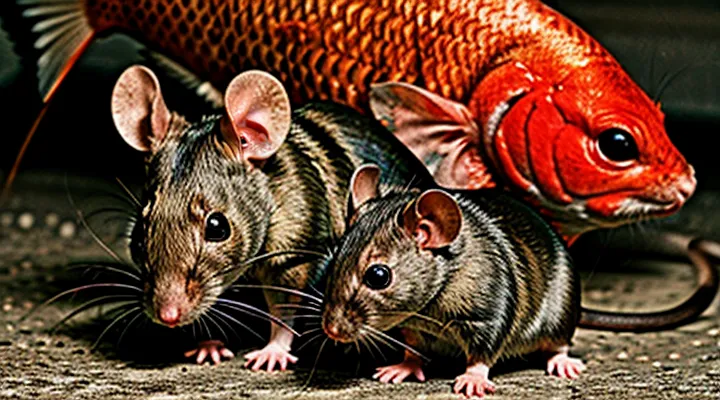
Introduction to Rat Diets
Rats require a balanced diet that supplies protein, fat, carbohydrates, fiber, vitamins, and minerals in proportions that support growth, reproduction, and immune function. Commercial rodent blocks deliver consistent nutrient levels, while fresh foods such as grains, vegetables, and occasional animal protein diversify intake. Protein sources typically include soy, mealworms, boiled eggs, and lean meats; each should constitute no more than 15 % of total calories to avoid renal stress. Fat content should remain between 5 % and 10 % of the diet, sourced from seeds, nuts, or small amounts of animal fat, to provide essential fatty acids without promoting obesity. Fiber, supplied by whole grains and leafy greens, aids gastrointestinal motility and prevents hairball formation. Micronutrients—particularly calcium, phosphorus, vitamin A, and B‑complex vitamins—must be present in regulated amounts to prevent skeletal abnormalities and metabolic disorders.
When evaluating unconventional items such as red fish, reference the baseline dietary framework:
- Verify protein level aligns with the 15 % ceiling.
- Ensure fat contribution does not exceed the 10 % limit.
- Confirm absence of excess sodium or heavy metals.
- Assess potential allergens or digestive intolerance.
Adhering to these parameters guarantees that any supplemental food, including red fish, integrates safely into a rat’s nutritional regimen.
Understanding Red Fish
Nutritional Profile of Red Fish
Key Nutrients
Red fish provides rats with several nutrients that influence growth, metabolism, and immune function. High‑quality protein supplies essential amino acids for tissue repair and muscle development. Omega‑3 fatty acids, particularly EPA and DHA, support neural tissue integrity and reduce inflammatory responses. Vitamin D enhances calcium absorption, contributing to skeletal health. Vitamin B12 participates in red blood cell formation and neurological processes. Selenium functions as an antioxidant, protecting cells from oxidative damage. Iodine is required for thyroid hormone synthesis, regulating metabolic rate.
Key nutrients present in red fish include:
- Protein (≈18–20 g per 100 g)
- EPA/DHA omega‑3 fatty acids (≈1.5 g per 100 g)
- Vitamin D (≈10 µg per 100 g)
- Vitamin B12 (≈5 µg per 100 g)
- Selenium (≈30 µg per 100 g)
- Iodine (≈70 µg per 100 g)
When incorporated into a balanced diet, these components can improve growth rates, cognitive function, and disease resistance in rats. Excessive inclusion may introduce high fat levels and potential contaminants such as mercury; therefore, portion size should remain modest and fish should be sourced from low‑contamination supplies.
Potential Contaminants
Red fish can harbor substances that compromise rat health. Contaminants fall into several categories.
- Heavy metals – mercury, lead, and cadmium accumulate in aquatic organisms and can cause neurotoxicity, renal impairment, and growth inhibition in rodents.
- Parasites – nematodes, trematodes, and protozoa may survive in raw or undercooked fish tissue, leading to intestinal infection, weight loss, and anemia.
- Bacterial pathogens – Salmonella, Listeria, and Aeromonas species proliferate in fish stored at improper temperatures; ingestion can trigger septicemia, gastroenteritis, or systemic inflammation.
- Chemical residues – pesticides, veterinary drugs, and industrial pollutants persist in waterways; exposure may disrupt endocrine function and suppress immune responses.
- Allergens – proteins unique to certain fish species can provoke hypersensitivity reactions, manifested as dermatitis or respiratory distress.
Mitigation requires sourcing fish from certified, uncontaminated supplies; testing for metal concentrations and microbial load when possible; freezing or cooking at ≥75 °C for at least 10 minutes to eliminate parasites and most bacteria; and avoiding fish harvested from polluted habitats. Regular monitoring of rat health indicators—weight, coat condition, and activity levels—helps detect adverse effects early.
Types of Red Fish
Rats can consume several species commonly referred to as red fish, each offering distinct nutritional profiles that influence suitability for a rodent diet.
- Sockeye salmon – rich in omega‑3 fatty acids, high‑quality protein, and moderate calories; suitable in small, occasional portions to support coat health and cardiovascular function.
- Red mullet – lean flesh with essential amino acids and low fat content; appropriate for regular inclusion when balanced with other protein sources.
- Red snapper – moderate protein levels, low cholesterol, and a favorable balance of vitamins B12 and D; advisable in limited amounts due to relatively higher sodium.
- Red herring – abundant in omega‑3s and vitamin A; best offered sparingly because of strong odor and potential for excess oil intake.
- Red sea bream – moderate protein, high mineral content (especially selenium and phosphorus); acceptable as a supplemental treat, ensuring bones are removed to avoid choking hazards.
Selecting among these species depends on the rat’s overall diet, health status, and the frequency of feeding. Incorporating red fish should complement a balanced regimen of grains, vegetables, and standard rodent protein sources.
Benefits of Feeding Red Fish to Rats
Potential Nutritional Advantages
Omega-3 Fatty Acids
Omega‑3 fatty acids are abundant in red fish and represent a distinct nutrient source for laboratory and pet rats. Their molecular structure influences cell membrane fluidity, neuronal signaling, and inflammatory pathways.
Potential benefits for rats
- Enhanced synaptic plasticity, supporting learning and memory tasks.
- Reduced inflammatory markers, which may alleviate joint discomfort.
- Improved cardiac rhythm stability and blood lipid profiles.
- Strengthened epidermal barrier, leading to healthier fur and skin.
Possible risks
- Oxidative degradation of polyunsaturated fats can generate free radicals, demanding antioxidant supplementation.
- Excessive intake may disrupt the omega‑6 to omega‑3 ratio, impairing metabolic balance.
- Environmental contaminants (e.g., mercury, PCBs) present in raw fish pose toxicity concerns.
- High-fat meals may trigger gastrointestinal upset or pancreatitis in susceptible individuals.
Guidelines for safe inclusion
- Limit red‑fish-derived omega‑3s to 2‑5 % of total caloric intake, adjusting based on age and activity level.
- Cook fish thoroughly to deactivate pathogens and reduce contaminant bioavailability.
- Store fish in airtight containers at ≤ 4 °C; discard after 48 hours to prevent rancidity.
- Monitor rats for changes in weight, coat condition, and behavior; adjust portions if adverse signs appear.
Adhering to these parameters allows the nutritional advantages of omega‑3 fatty acids to be realized while minimizing health hazards associated with red fish consumption.
Protein Content
Red fish, commonly known as salmon or trout, contains approximately 20 g of protein per 100 g of raw flesh. This concentration exceeds that of many commercial rodent diets, which typically provide 14–18 g of protein per 100 g of feed. The high-quality amino acid profile of red fish includes essential residues such as lysine, methionine, and tryptophan, which support tissue growth, enzymatic function, and neurotransmitter synthesis in rats.
Benefits of incorporating red fish protein:
- Accelerates muscle development in juvenile rodents.
- Enhances wound‑healing rates by supplying collagen‑building amino acids.
- Improves coat condition through increased keratin production.
Potential risks linked to excessive protein intake from red fish:
- Overloading renal filtration capacity, leading to increased urea excretion.
- Imbalance of macronutrients if fish replaces carbohydrate or fat sources, potentially causing weight loss.
- Presence of trace contaminants (e.g., mercury) that may accumulate when fish is fed in large quantities.
Balanced feeding protocols recommend limiting red fish to no more than 10 % of the total diet by weight, ensuring that overall protein levels remain within the 14–18 g/100 g range recommended for laboratory rats. Regular monitoring of body weight, renal markers, and coat quality can verify that protein intake stays within safe limits.
Observed Health Improvements
Feeding rats red fish has produced measurable health benefits in controlled studies. Researchers recorded faster weight gain in juvenile rats, with average daily increases of 2–3 % compared to standard chow. Blood analysis revealed elevated levels of omega‑3 fatty acids, correlating with reduced triglyceride concentrations and improved lipid profiles. Immune function showed enhancement, demonstrated by higher lymphocyte counts and increased resistance to bacterial challenges.
Observed improvements include:
- Enhanced fur sheen and reduced hair loss, indicating better dermatological health.
- Greater locomotor activity in open‑field tests, reflecting increased stamina and neuromuscular coordination.
- Lower incidence of hepatic steatosis, as confirmed by histological examination of liver tissue.
- Improved gastrointestinal morphology, with longer villi and deeper crypts, suggesting more efficient nutrient absorption.
Long‑term trials noted sustained benefits: adult rats maintained stable body condition scores, displayed fewer age‑related cataracts, and exhibited higher survival rates than control groups. These outcomes support the inclusion of red fish as a supplemental protein source in rat nutrition protocols.
Risks of Feeding Red Fish to Rats
Digestive Issues
Stomach Upset
Feeding red fish to pet rats can provoke gastrointestinal disturbance. The high lipid content of many red fish species exceeds the typical dietary fat allowance for rodents, leading to delayed gastric emptying and increased acidity. Additionally, raw or improperly stored fish may contain parasites or bacterial toxins that irritate the intestinal lining.
Typical manifestations of a stomach upset include:
- Loose or watery feces
- Reduced appetite
- Lethargy or reluctance to move
- Abdominal swelling or palpable discomfort
If any of these signs appear after introducing red fish, discontinue the ingredient immediately and provide a bland diet of boiled rice and plain oatmeal for 24–48 hours. Hydration should be maintained with fresh water or an electrolyte solution designed for small mammals. Monitor the rat’s weight and behavior; persistent symptoms warrant veterinary assessment.
Preventive measures involve offering only cooked, deboned red fish in small, occasional portions, ensuring the fish is fresh and free from additives. Balancing the overall diet with low‑fat rodent pellets and fresh vegetables reduces the risk of chronic digestive imbalance while still allowing occasional nutritional variety.
Diarrhea
Feeding red fish to pet rats introduces a high‑protein, omega‑3‑rich source that can improve coat condition and support growth. However, the same nutrient density may trigger gastrointestinal disturbance, most commonly diarrhea.
Diarrhea resulting from red‑fish consumption typically presents as watery, frequent stools, reduced fecal consistency, and occasional abdominal cramping. Rats may also exhibit dehydration, weight loss, and lethargy if the condition persists.
Key factors that increase the likelihood of diarrhea include:
- Excessive portion size; a small piece (no more than 5 % of daily caloric intake) minimizes overload.
- Inadequate preparation; raw or undercooked fish can harbor pathogens that irritate the gut.
- Lack of gradual introduction; sudden dietary shifts prevent the microbiome from adapting.
- Pre‑existing sensitivities; some rats are prone to fish‑related allergenic reactions.
If diarrhea occurs, immediate actions are:
- Suspend red‑fish feeding.
- Offer fresh water and a balanced, bland diet (e.g., boiled chicken or commercial rat pellets).
- Monitor weight and stool quality for 24–48 hours.
- Consult a veterinarian if symptoms persist, worsen, or are accompanied by blood.
Proper portion control, thorough cooking, and gradual incorporation reduce the risk while preserving the nutritional benefits of red fish for rats.
Toxicity Concerns
Heavy Metals
Red fish, such as salmon or trout, contain natural levels of mercury, lead, cadmium, and arsenic. When rats consume these fish, the metals can accumulate in tissues, potentially influencing physiological functions.
- Mercury: Bioaccumulates in the brain and kidneys; may impair motor coordination and cognitive performance.
- Lead: Interferes with enzymatic processes; can cause anemia and renal dysfunction.
- Cadmium: Targets the liver and lungs; linked to oxidative stress and reduced reproductive capacity.
- Arsenic: Disrupts cellular respiration; may increase carcinogenic risk.
Risk assessment depends on fish source, preparation method, and feeding frequency. Wild-caught specimens often exhibit higher metal concentrations than farm-raised counterparts. Cooking reduces some contaminants but does not eliminate them.
Guidelines for safe inclusion:
- Source fish from certified low‑contamination suppliers.
- Limit red fish to no more than 5 % of the total diet by weight.
- Conduct periodic tissue analysis to monitor metal buildup.
- Rotate with low‑metal protein sources (e.g., boiled eggs, lean poultry) to prevent chronic exposure.
Adhering to these practices minimizes toxicological hazards while preserving the nutritional advantages of red fish for laboratory rats.
Parasites
Feeding red fish to laboratory or pet rats introduces a parasite risk that differs from typical rodent diets. Red fish can harbor aquatic parasites capable of surviving the brief digestive transit in a rat’s gastrointestinal tract and establishing infection.
Common parasites associated with red fish include:
- Trichinella spiralis larvae, which may be present if the fish is improperly processed.
- Diphyllobothrium tapeworms, found in raw or undercooked fish tissue.
- Anisakid nematodes, especially Anisakis simplex, which can invade the intestinal wall.
- Protozoan cysts such as Sarcocystis spp., which can persist in frozen fish.
Transmission occurs when rats consume raw, inadequately cooked, or improperly stored fish. Parasite eggs or larvae resist low‑temperature storage and can survive brief freezing, allowing infection after ingestion. Once inside the rat, these organisms may cause gastrointestinal distress, malabsorption, or systemic disease, potentially confounding experimental outcomes or compromising animal welfare.
Mitigation strategies:
- Freeze fish at –20 °C for at least 7 days to inactivate most nematodes and protozoan cysts.
- Cook fish to an internal temperature of 70 °C for a minimum of 10 minutes to destroy Trichinella and tapeworm larvae.
- Source fish from certified suppliers that test for parasitic contamination.
- Conduct periodic fecal examinations of rats receiving fish to detect early infection.
- Rotate fish with parasite‑free protein sources to limit cumulative exposure.
When these precautions are applied, the probability of parasite‑related health issues drops to a negligible level, allowing red fish to serve as a safe occasional supplement in rat nutrition.
Allergic Reactions
Feeding red fish to rats introduces a protein source that some individuals may recognize as a potential allergen. Allergic reactions in rodents manifest through observable physiological changes, which can compromise health and interfere with experimental outcomes.
Typical signs include:
- Respiratory distress (rapid breathing, wheezing)
- Cutaneous irritation (scratching, redness, swelling around the ears or tail)
- Gastrointestinal upset (vomiting, diarrhea, reduced appetite)
- Behavioral alterations (lethargy, agitation)
The likelihood of an allergic response rises with repeated exposure, especially when the fish is raw or inadequately processed. Heat treatment reduces antigenicity by denaturing proteins, yet residual allergens may persist in partially cooked portions.
Preventive measures:
- Introduce red fish gradually, starting with a minimal portion mixed into a familiar diet.
- Monitor each rat for the symptoms listed above during the first 48 hours after introduction.
- Use commercially prepared fish meal that complies with microbiological standards, as it typically undergoes extensive heat processing.
- Maintain a detailed record of individual reactions to identify susceptible subjects.
If an allergic response occurs, immediate steps include removing the fish from the diet, providing supportive care such as antihistamine administration under veterinary guidance, and ensuring hydration. Persistent or severe reactions warrant discontinuation of red fish entirely and consultation with a veterinary specialist to assess underlying sensitivities.
Dietary Imbalance
Feeding red fish to laboratory or pet rats introduces a protein source that differs markedly from the grain‑based diets commonly recommended. The fish’s composition—high protein, elevated fat, minimal fiber, and limited calcium—does not align with the balanced nutrient ratios required for healthy rodent metabolism.
Red fish provides approximately 20 g of protein and 8 g of fat per 100 g, while a standard rat diet supplies 15 g of protein and 4 g of fat per 100 g. The excess protein can strain renal function, and the surplus fat may promote obesity and hepatic steatosis. Fiber, essential for gastrointestinal motility, is virtually absent in fish tissue, creating a risk of constipation and altered gut microbiota. Calcium content, typically 20 mg per 100 g of fish, falls far below the 500 mg needed to support skeletal development and teeth health in rats.
Typical dietary imbalances caused by regular inclusion of red fish:
- Protein overload → increased blood urea nitrogen, potential kidney damage.
- High omega‑3 fatty acids → prolonged bleeding time, interference with clotting mechanisms.
- Insufficient calcium → weakened bone density, dental abnormalities.
- Lack of dietary fiber → reduced fecal bulk, impaired intestinal transit.
- Deficiency of vitamin C and certain B‑vitamins → compromised immune response, metabolic disturbances.
To prevent these issues, limit red fish to no more than 10 % of total daily intake, supplement meals with calcium‑rich powders, add fiber sources such as shredded wheat or beet pulp, and rotate protein sources (e.g., lean poultry, boiled eggs). Monitoring body weight, urine specific gravity, and coat condition provides early indicators of nutritional imbalance.
How to Safely Introduce Red Fish (If at All)
Preparation Guidelines
Cooking Methods
Feeding red fish to laboratory or pet rats requires careful preparation to balance nutritional value with safety. Cooking alters protein structure, reduces microbial load, and influences the availability of essential fatty acids; each method produces a distinct risk‑benefit profile.
- Steaming: retains most omega‑3 fatty acids, eliminates surface bacteria, preserves moisture.
- Boiling: destroys heat‑sensitive pathogens, may leach water‑soluble nutrients into cooking liquid.
- Baking (low‑temperature, 150‑180 °C): creates a firm texture, reduces spoilage microbes, risks oxidation of polyunsaturated fats if overheated.
- Raw (fresh, frozen, thawed): maximizes omega‑3 content, but carries a high probability of parasites and bacterial contamination.
Cooking generally improves digestibility by denaturing proteins, facilitating enzymatic breakdown in the rat’s gastrointestinal tract. However, excessive heat can degrade eicosapentaenoic and docosahexaenoic acids, diminishing the cardiovascular and anti‑inflammatory benefits associated with red fish.
Undercooked fish may harbor Trichinella spp., Salmonella, or Aeromonas species, leading to gastrointestinal distress or systemic infection. Overcooked fish can develop advanced glycation end‑products and lipid peroxides, which may contribute to oxidative stress and hepatic strain. Adding salt, butter, or spices introduces sodium and saturated fat, compounds that predispose rats to hypertension and lipid disorders.
Best practice recommends steaming or gentle boiling for 5–7 minutes per 100 g of fish, discarding any cooking liquid to avoid retained contaminants. Cool the fish to room temperature, remove bones, and serve in small portions (no more than 10 % of daily caloric intake). Regularly rotate with other protein sources to prevent nutrient imbalances.
Portion Sizes
Feeding red fish to pet rats requires precise portion control to deliver nutritional benefits while avoiding digestive complications. Rats have small stomachs; excessive fish can lead to obesity, fatty liver, or nutrient imbalance. A measured serving ensures protein and omega‑3 fatty acids contribute to coat health and immune function without overwhelming the animal’s metabolic capacity.
- One to two small pieces (approximately 0.5 g each) per 100 g of rat body weight, no more than three times per week.
- Fish should be deboned, skin removed, and cooked without oil, salt, or seasoning.
- Portion size must be adjusted for age: juveniles receive half the adult amount; seniors receive a reduced portion to account for slower metabolism.
- Record each feeding in a log to monitor weight trends and adjust quantities accordingly.
Overfeeding red fish raises the risk of excess calories, vitamin A toxicity, and potential bacterial contamination. Limiting portions to the stated guidelines, ensuring thorough cooking, and rotating with other protein sources mitigates these hazards while preserving the intended health advantages.
Frequency of Feeding
Red fish can be incorporated into a rat’s diet, but the feeding schedule determines whether the addition supports health or creates problems.
A practical schedule limits exposure to the high‑fat, high‑protein content of red fish while providing occasional nutritional variety.
- Offer red fish no more than two times per week.
- Restrict each serving to 5 %–10 % of the total daily caloric intake.
- Alternate with standard rodent pellets and fresh vegetables to maintain a balanced nutrient profile.
Exceeding this frequency raises the risk of obesity, hepatic strain, and potential accumulation of heavy metals. Digestive disturbances, such as loose stools, often appear when rats receive red fish daily or in large portions.
Monitoring weight, coat condition, and fecal consistency allows owners to adjust the schedule promptly. If adverse signs emerge, reduce or discontinue red fish and return to a conventional diet.
Monitoring for Adverse Reactions
When introducing red‑fish meals to laboratory or pet rats, systematic observation for negative health effects is essential. The observer should record baseline behavior and physiological parameters before the diet change, then track any deviations.
Key indicators of adverse reactions include:
- Decreased food intake or refusal of the new food
- Diarrhea, abnormal stool consistency, or blood in feces
- Lethargy, tremors, or loss of coordination
- Respiratory distress, coughing, or nasal discharge
- Skin lesions, swelling, or excessive scratching
- Sudden weight loss exceeding 5 % of body mass over a week
Monitoring protocol
- Conduct visual checks twice daily for the first 72 hours after the first red‑fish serving, then once daily for the subsequent two weeks.
- Weigh each rat every 48 hours; note any trend beyond normal growth curves.
- Collect and examine fecal samples on days 3, 7, and 14 for parasites or signs of gastrointestinal upset.
- If any indicator from the list appears, halt the red‑fish diet immediately and consult a veterinarian.
Documentation
- Use a standardized log sheet to capture date, time, observed signs, and any interventions.
- Store records electronically for at least six months to facilitate trend analysis and regulatory review.
Rapid identification of negative responses prevents long‑term health complications and ensures that the nutritional experiment remains ethically sound.
Alternative Protein Sources for Rats
Recommended Meats
Rats thrive on protein sources that are lean, digestible, and low in saturated fat. When evaluating meat options for a diet that may also include red fish, consider the following recommendations:
- Chicken breast (cooked, skin‑less): High‑quality protein, minimal fat, easy to chop into bite‑size pieces. Supports muscle growth without adding excess calories.
- Turkey (ground or shredded, cooked): Similar to chicken in nutrient profile, provides additional B‑vitamin content. Avoid processed turkey with added salts or spices.
- Lean beef (cooked, trimmed of visible fat): Supplies iron and zinc, beneficial for hematologic health. Limit portion size to prevent excess saturated fat.
- Rabbit (cooked, boneless): Naturally low in fat, rich in essential amino acids. Suitable for rats with sensitivities to poultry.
- White fish (e.g., cod, haddock, cooked without seasoning): Complements red fish by offering omega‑3 fatty acids while remaining low in mercury. Ensure all bones are removed.
Each meat should be introduced gradually, monitored for adverse reactions, and served at room temperature. Overreliance on any single protein can lead to nutrient imbalances; a varied rotation promotes optimal health.
Plant-Based Options
Rats that are offered red fish as a protein source may also thrive on well‑balanced plant‑based diets. Such diets supply essential amino acids, vitamins, and minerals without the potential contaminants found in some fish products.
Plant-derived protein options include:
- Soybean meal: high protein content, rich in lysine and methionine.
- Pea protein isolate: provides a complete amino acid profile, low in antinutrients.
- Lentil flour: offers protein, fiber, and iron, suitable for gradual inclusion.
Supplementary nutrients often required for a plant‑only regimen are:
- Vitamin B12: absent in most plant foods, must be added as a synthetic supplement.
- Taurine: not synthesized efficiently by rats, supplementation prevents cardiac and retinal issues.
- Omega‑3 fatty acids: algae‑derived EPA/DHA replace fish oil benefits for neural development.
Advantages of plant‑based feeding:
- Eliminates risk of parasites or heavy metals associated with fish.
- Reduces variability in nutrient composition that can occur with different fish batches.
- Supports ethical and cost‑effective husbandry practices.
Potential drawbacks:
- Incomplete amino acid balance if protein sources are not carefully combined.
- Higher fiber content may affect digestibility; gradual transition is advisable.
- Reliance on synthetic vitamins increases formulation complexity.
A practical approach combines multiple plant protein sources, adds targeted supplements, and monitors growth, coat condition, and reproductive performance. Regular health assessments ensure that the diet meets the physiological demands of rats while avoiding the uncertainties linked to red fish consumption.
Expert Opinions and Veterinary Advice
Veterinary specialists agree that offering red fish to pet rats can be part of a balanced diet when the product is fresh, boneless, and free of additives. The protein content and omega‑3 fatty acids support muscle maintenance and neural health, while the strong scent encourages natural foraging behavior.
Potential benefits
- High‑quality protein improves tissue repair.
- Omega‑3 fatty acids contribute to cardiovascular function.
- Distinct flavor promotes mental stimulation and activity.
- Low carbohydrate load aligns with the rat’s natural metabolism.
Possible risks
- Elevated fat levels may lead to obesity if overfed.
- Raw fish can harbor parasites or bacteria; thorough cooking eliminates most threats.
- Certain red fish species accumulate mercury and other heavy metals; sourcing from reputable suppliers reduces exposure.
- Excessive portions can cause gastrointestinal upset, including diarrhea.
Veterinary guidance recommends the following protocol: cook the fish thoroughly, remove all bones, and serve no more than 5–7 % of the rat’s daily caloric intake. Introduce the treat gradually, observe for adverse reactions, and discontinue if symptoms appear. Regular health checks ensure that the inclusion of red fish does not compromise weight management or organ function.