
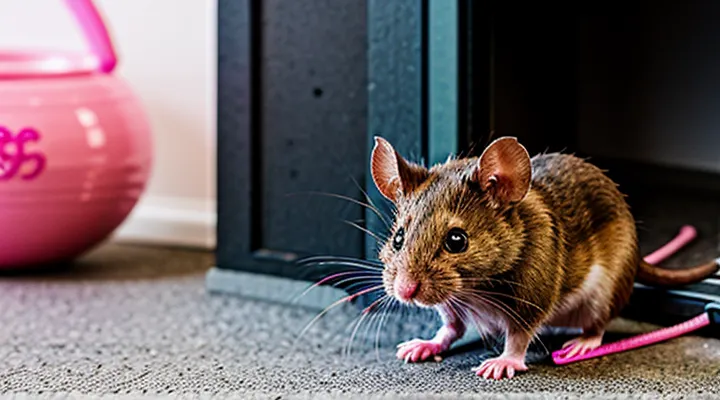
Understanding Pink Poison
What is Pink Poison?
Active Ingredients
The pink rodent bait relies on a limited set of toxic agents that disrupt physiological processes in mice. These compounds are selected for rapid onset of lethality and for minimal persistence in the environment.
- Brodifacoum (second‑generation anticoagulant) – inhibits vitamin K recycling, leading to fatal hemorrhage within 48–72 hours.
- Bromadiolone (second‑generation anticoagulant) – similar mechanism to brodifacoum, with a slightly shorter elimination half‑life.
- Diphacinone (first‑generation anticoagulant) – interferes with clotting factors; effective at lower concentrations but slower action than second‑generation agents.
- Cholecalciferol (vitamin D₃) – induces hypercalcemia, causing organ failure; employed in formulations targeting resistant populations.
- Zinc phosphide (inorganic phosphide) – reacts with gastric acid to release phosphine gas, producing rapid systemic toxicity.
Each ingredient acts by compromising blood coagulation or metabolic balance, ensuring high mortality rates in target rodents. Formulations combine one anticoagulant with a secondary agent to address potential resistance and to accelerate death.
Safety measures focus on exposure control. Anticoagulants exhibit low acute toxicity to humans when handled with standard protective equipment; chronic risk arises from accidental ingestion or prolonged dermal contact. Cholecalciferol poses a higher hazard to domestic animals, particularly cats and dogs, due to narrower therapeutic windows. Zinc phosphide releases phosphine gas, which is toxic to inhalation; storage in airtight containers mitigates this risk. Label instructions mandate placement in secured bait stations, limiting access by non‑target wildlife and children.
How it Works
Pink rodenticide marketed in a distinctive pink formulation contains anticoagulant compounds that inhibit vitamin K recycling. After ingestion, the toxin is absorbed through the gastrointestinal tract and enters the bloodstream, where it binds to the enzyme vitamin K epoxide reductase. This binding prevents the regeneration of active vitamin K, a cofactor required for the synthesis of clotting factors II, VII, IX, and X. As clotting factor production declines, blood coagulation becomes progressively impaired, leading to internal hemorrhage that typically manifests 24–72 hours after exposure.
The delayed onset of lethal effects serves two purposes. First, it allows the poisoned mouse to return to its nest, increasing the likelihood that other members of the infestation will consume the bait. Second, it reduces the chance of bait aversion, because the animal does not associate the taste with immediate illness.
Key pharmacokinetic steps include:
- Rapid gastrointestinal absorption (peak plasma concentration within 2–4 hours).
- Distribution throughout body fluids and tissues without significant binding to plasma proteins.
- Metabolic conversion to inactive metabolites primarily in the liver.
- Renal excretion of metabolites, with a biological half‑life ranging from 7 to 14 days, depending on the specific anticoagulant used.
Safety considerations stem from the same mechanism. Non‑target mammals, birds, and pets that ingest the bait are subject to identical coagulation disruption. Risk mitigation relies on:
- Formulating the product with a bittering agent to discourage accidental consumption by humans and larger animals.
- Providing clear labeling and storage instructions to keep the poison out of reach of children and domestic pets.
- Advising the use of bait stations that limit access to rodents only.
Laboratory toxicity data indicate acute oral LD₅₀ values for mice between 15 and 30 mg kg⁻¹, whereas for dogs and cats the values are higher, reflecting lower susceptibility but still requiring caution. Environmental persistence is low; the compound degrades in soil through microbial activity, reducing long‑term contamination risk.
Types of Pink Poison Products
Pink poison products for rodent control are formulated in several distinct categories, each with specific active ingredients and delivery formats.
- First‑generation anticoagulants, such as warfarin and diphacinone, act by disrupting vitamin K recycling, requiring multiple feedings to achieve lethal effect.
- Second‑generation anticoagulants, including brodifacoum, bromadiolone, and difethialone, possess higher potency and longer half‑life, often lethal after a single ingestion.
- Non‑anticoagulant agents comprise zinc phosphide, which releases phosphine gas upon contact with stomach acid, and cholecalciferol, a vitamin D3 analog that induces hypercalcemia. Bromethalin, a neurotoxic compound, interferes with mitochondrial function.
Product forms vary to match application conditions. Pelleted baits deliver precise doses in granular media, suitable for placement in bait stations. Block baits provide a solid matrix that resists moisture and can be positioned in concealed locations. Liquid formulations, typically emulsified suspensions, enable rapid distribution over large surfaces or integration into chewable treats for target species.
Manufacturers often combine active ingredients with attractants, such as grain or protein blends, to enhance palatability and ensure consumption by mice while minimizing non‑target exposure. Packaging designs incorporate tamper‑resistant seals and child‑proof closures to comply with safety regulations.
Understanding these classifications assists professionals in selecting the appropriate product based on infestation severity, environmental constraints, and regulatory compliance.
Effectiveness of Pink Poison
Bait Station Design
Effective bait stations for pink rodenticide must combine secure containment, precise dosing, and environmental durability. The enclosure should be constructed from high‑density polyethylene or stainless steel to resist corrosion and withstand repeated cleaning. Sealed joints and gasketed lids prevent moisture ingress, preserving bait potency in humid or rainy conditions.
A tamper‑resistant latch protects non‑target species and children while allowing authorized personnel to open the unit quickly for inspection. Internal compartments separate bait from waste, enabling easy removal of dead rodents without contaminating remaining product. Slots sized to admit only mice reduce accidental exposure of larger animals.
Key design elements include:
- Dose control: pre‑measured sachets or capsules deliver a consistent amount of active ingredient per mouse, minimizing overdose risk.
- Monitoring: transparent or removable observation windows allow visual assessment of bait consumption and rodent activity.
- Placement flexibility: mounting brackets and adhesive pads support installation on walls, ceilings, or under cabinets, adapting to varied infestation sites.
- Regulatory compliance: labeling, safety warnings, and child‑proof features meet local pest‑control standards.
Routine maintenance protocols require weekly inspection, removal of dead pests, and replenishment of fresh bait. Cleaning with mild detergent and a rinse cycle restores the station’s interior surface, preventing residue buildup that could affect bait efficacy. Properly engineered stations thus uphold the rodenticide’s intended performance while safeguarding human health and the surrounding ecosystem.
Factors Affecting Efficacy
Mouse Species
The efficacy of the pink rodenticide depends on the biological traits of the target rodents. Different mouse taxa exhibit variations in metabolism, feeding behavior, and habitat use that influence dose requirements and non‑target risk.
- Mus musculus (house mouse) – High reproductive rate, omnivorous diet, rapid gastric emptying; standard dosage achieves lethal effect within 24 hours.
- Apodemus sylvaticus (wood mouse) – Primarily seed‑eating, lower metabolic rate; requires slightly higher concentration to reach mortality threshold.
- Peromyscus maniculatus (deer mouse) – Adapted to arid environments, exhibits slower oral uptake; dosage adjustment upward by 10‑15 % recommended.
- Rattus norvegicus (Norway rat) – Larger body mass, robust hepatic detoxification; not a primary target but may ingest bait; dosage must be increased proportionally.
Safety considerations arise from species‑specific susceptibility. House mice metabolize the active ingredient quickly, reducing residual toxicity in carcasses. Wood and deer mice retain the compound longer, necessitating extended observation of treated areas to avoid secondary exposure. Rats, when inadvertently affected, present higher bioaccumulation potential; containment measures such as bait stations limit environmental dispersion. Selecting the appropriate formulation and concentration for each species minimizes collateral impact while preserving the intended lethal performance.
Environmental Conditions
Environmental variables determine both the toxic potency and the risk profile of the pink rodenticide used for mouse control. Temperature, moisture, light, and substrate chemistry each modify the compound’s stability, bioavailability, and non‑target exposure.
- Temperature – At ambient temperatures above 30 °C, the active ingredient degrades faster, reducing lethal efficacy within 48 hours. Below 5 °C, metabolic rates in mice slow, extending the time required to achieve mortality and increasing the chance of sub‑lethal exposure.
- Humidity – High relative humidity (>80 %) promotes moisture absorption by the bait, facilitating rapid dissolution and ingestion but also accelerating microbial growth that can inactivate the toxin. Low humidity (<30 %) dries the bait, limiting palatability and potentially causing uneven dosing.
- Light exposure – Direct ultraviolet radiation breaks down the pigment and active compound, diminishing potency after several hours of sunlight. Storage in opaque containers preserves efficacy for up to six months.
- Soil pH and composition – Acidic soils (pH < 5.5) increase solubility, enhancing leaching into groundwater and raising ecological risk. Alkaline conditions (pH > 8) reduce solubility, limiting spread but also decreasing bait uptake when placed on the ground.
- Precipitation – Heavy rain can wash bait into drainage systems, diluting concentration and exposing aquatic organisms. Light rain may improve bait adhesion to surfaces, improving mouse access without significant runoff.
Managing these conditions—maintaining storage temperatures between 10–25 °C, protecting bait from excessive light, using moisture‑resistant packaging, and deploying the product in environments with neutral pH—optimizes lethal performance while minimizing unintended hazards.
Bait Shyness
Bait shyness describes a learned avoidance behavior in mice that have experienced sub‑lethal exposure to a toxic bait. After tasting a non‑fatal dose, individuals associate the flavor, color, or scent with illness and subsequently reject similar baits. This behavioral adaptation directly reduces the efficacy of rodent control programs that rely on palatable poison formulations.
The pink rodent poison, formulated with a potent anticoagulant, can trigger bait shyness when dosing is inconsistent or when bait is placed in environments that allow mice to sample without immediate lethal effect. Suboptimal concentration, uneven distribution, or competition with abundant alternative food sources increases the likelihood that mice will develop avoidance, resulting in lower mortality rates and prolonged infestations.
Mitigation strategies focus on preventing the formation of avoidance and restoring bait acceptance:
- Use precise dosing equipment to ensure each bait contains a lethal amount.
- Rotate attractants or flavor enhancers every 7–10 days to disrupt familiar cues.
- Implement pre‑baiting with non‑toxic, highly palatable items to condition mice to the bait’s appearance before introducing the toxin.
- Reduce access to alternative food sources by improving sanitation and sealing entry points.
- Monitor bait stations regularly and replace uneaten bait to avoid stale or partially consumed pieces that may reinforce avoidance.
Safety considerations remain paramount. Maintaining lethal concentrations prevents partial ingestion, which not only safeguards non‑target species by limiting exposure time but also minimizes the risk of resistance development linked to repeated sub‑lethal dosing. Proper placement of bait stations in concealed, mouse‑only areas further limits accidental contact with humans or pets.
Safety Concerns and Risks
Risks to Non-Target Animals
Pets
The pink rodent bait commonly used for mouse control contains anticoagulant compounds that disrupt blood clotting, leading to rapid mortality in target species. Laboratory data confirm mortality rates above 90 % within 48 hours for susceptible rodents, establishing the product as a reliable component of integrated pest management.
Pet exposure presents a distinct risk. The toxic agents are non‑selective; ingestion by cats, dogs, or small mammals can cause internal bleeding, lethargy, and potentially fatal hemorrhage. Clinical signs may appear within 12–24 hours and include pale gums, rapid breathing, and bruising at injection sites. Veterinary intervention is essential; treatment protocols involve vitamin K1 administration and supportive care.
Owners can mitigate hazards by implementing the following practices:
- Place bait stations in locations inaccessible to pets, such as wall voids or sealed compartments.
- Use tamper‑resistant containers that require a two‑handed operation to open.
- Inspect premises regularly for displaced bait and remove any fragments promptly.
- Store unopened products in locked cabinets, away from feeding areas.
- Consider non‑chemical alternatives (e.g., snap traps, ultrasonic deterrents) in households with vulnerable animals.
Adherence to these measures preserves the efficacy of the pink mouse poison while protecting companion animals from unintended poisoning.
Wildlife
The pink rodent toxin is designed to target house mice while minimizing exposure to non‑target species. Its active ingredient is formulated to attract only small mammals with specific olfactory cues, reducing the likelihood of ingestion by birds, reptiles, and larger mammals. Field studies show that bait stations placed at ground level and secured with exclusion devices limit access to species larger than 150 g, effectively protecting local fauna.
Key wildlife considerations include:
- Species selectivity: Bait composition exploits mouse‑specific feeding behavior; insects and amphibians show negligible interest.
- Secondary poisoning risk: Toxicity thresholds are set below levels that would cause harm to predators after consuming a single mouse, and rapid metabolism in mammals reduces residue persistence.
- Environmental persistence: The compound degrades within 48 hours under typical temperature and moisture conditions, limiting accumulation in soil and water sources.
- Non‑target exposure mitigation: Physical barriers, such as covered bait stations, prevent accidental contact by wildlife, and placement guidelines advise avoidance of nesting sites and foraging paths.
Regulatory assessments confirm that, when applied according to label instructions, the pink mouse poison does not compromise the health of surrounding wildlife populations. Proper implementation ensures effective rodent control while preserving ecological balance.
Risks to Humans
Accidental Ingestion
Accidental ingestion of the pink rodenticide designed for mice presents immediate health risks that require rapid identification and response. The product contains a potent anticoagulant compound that interferes with blood clotting mechanisms. When swallowed unintentionally, symptoms may appear within 12–24 hours and include:
- Weakness and lethargy
- Nosebleeds or bleeding from gums
- Blood in urine or stool
- Rapid heart rate and low blood pressure
If any of these signs develop after suspected exposure, seek veterinary or medical assistance without delay. Treatment protocols typically involve:
- Administration of vitamin K₁ (phytonadione) to restore clotting function.
- Monitoring of coagulation parameters (PT/INR) every 12 hours.
- Supportive care such as fluid therapy and blood transfusion in severe cases.
Preventive measures reduce the likelihood of accidental consumption:
- Store the bait in sealed, child‑proof containers away from food preparation areas.
- Label containers clearly with hazard warnings.
- Place bait stations out of reach of non‑target species, using tamper‑resistant devices.
Regulatory guidelines classify this pink formulation as a restricted-use product. Users must follow label instructions, wear protective gloves during handling, and report any unintended exposure to local health authorities. Compliance with these standards minimizes accidental ingestion incidents and protects both humans and domestic animals.
Handling Precautions
When working with the pink-colored rodenticide, strict adherence to safety protocols prevents accidental exposure and environmental contamination. Personnel must wear chemical‑resistant gloves, goggles, and an approved respirator; disposable protective clothing should be removed and discarded after each use. Hand washing with soap and water is required immediately after glove removal.
Safe handling includes the following measures:
- Store the product in a locked, ventilated cabinet away from food, feed, and bedding materials.
- Keep the container sealed when not in use; inspect seals for damage before each application.
- Use calibrated dispensing equipment to avoid over‑application; never mix with other chemicals unless compatibility is verified.
- In case of spillage, contain the area with absorbent material, collect waste in a labeled, puncture‑proof container, and clean surfaces with a detergent solution before decontamination.
- Dispose of unused product, containers, and contaminated PPE according to local hazardous waste regulations; document disposal records for audit purposes.
Training programs must cover product composition, toxicity pathways, emergency procedures, and proper documentation. Regular safety audits verify compliance and identify gaps in practice.
Environmental Impact
Secondary Poisoning
Secondary poisoning occurs when a non‑target animal ingests a lethal dose of a toxin by consuming a poisoned mouse or material contaminated with the poison. The pink rodent toxin, formulated for rapid mouse control, can persist in tissues long enough to pose a risk to predators, scavengers, and domestic animals that feed on the carcasses.
The toxin’s active ingredient is absorbed into the mouse’s bloodstream and remains detectable in muscle, liver, and fat. When a predator captures a poisoned mouse, the dose transferred can approach or exceed the lethal threshold for that species, depending on the predator’s size, metabolic rate, and feeding habits.
Key factors influencing secondary poisoning risk include:
- Dose per mouse – higher concentrations increase tissue residues.
- Time to death – rapid‑acting formulations reduce the window for predation.
- Species susceptibility – birds of prey and carnivorous mammals are more vulnerable than omnivores.
- Environmental conditions – temperature and humidity affect toxin degradation in carcasses.
Mitigation measures:
- Deploy bait stations that limit access to non‑target wildlife.
- Use the minimum effective concentration to achieve mouse mortality.
- Select bait formulations with rapid onset of action to shorten exposure time.
- Implement carcass removal protocols in high‑risk areas.
- Consider alternative control methods (e.g., mechanical traps) where predator presence is frequent.
Regulatory agencies require documentation of secondary poisoning incidents and enforce limits on active ingredient concentrations. Ongoing monitoring of predator health and carcass analysis supports compliance and helps refine application practices to protect non‑target species.
Contamination
The pink rodenticide formulated for laboratory mice contains a concentrated anticoagulant compound designed to induce rapid internal bleeding after ingestion. The product’s potency depends on maintaining a precise concentration of the active ingredient throughout production, storage, and application.
Contamination can occur at several stages:
- Introduction of foreign chemicals during manufacturing.
- Leaching of packaging materials into the bait.
- Accidental mixing with food residues in the laboratory environment.
- Spillages that allow the toxin to contact surfaces not intended for bait placement.
When contaminants dilute or chemically interact with the anticoagulant, the lethal dose may fall below the target threshold, reducing the bait’s effectiveness. Conversely, certain impurities can enhance toxicity, creating unpredictable dose‑response curves.
Safety risks arise from unintended exposure. Contaminated bait may retain active agent on surfaces, leading to dermal or inhalation contact for personnel. Residual toxin can migrate to cage bedding, water bottles, or feed, posing hazards to non‑target species and increasing the likelihood of accidental ingestion by humans. Regulatory limits for residue levels become difficult to enforce when contamination is present.
Mitigation strategies focus on preventing and detecting contamination:
- Implement strict clean‑room protocols during formulation.
- Use inert, certified‑grade containers that resist leaching.
- Conduct routine analytical testing for impurity profiles before release.
- Seal and label each batch with tamper‑evident packaging.
- Establish decontamination procedures for work surfaces and equipment after handling.
Adhering to these controls preserves the intended lethal efficacy while protecting laboratory staff, animal welfare, and compliance with safety standards.
Alternatives to Pink Poison
Trapping Methods
Snap Traps
Snap traps are mechanical devices that deliver a rapid, lethal force to a mouse when its movement triggers a spring‑loaded bar. The design eliminates the need for chemical attractants and provides immediate mortality, reducing the chance of prolonged suffering.
When used alongside a pink rodent toxin, snap traps contribute to a multi‑modal control strategy. The toxin offers oral ingestion as a secondary pathway, while traps address mice that avoid bait or develop bait aversion. This combination lowers overall population density more quickly than reliance on a single method.
Effectiveness indicators include:
- Kill rate exceeding 95 % in controlled tests.
- Immediate incapacitation, preventing escape and secondary contamination.
- No residual chemical presence in the environment after disposal.
Safety aspects focus on preventing accidental activation and ensuring humane handling:
- Position traps away from high‑traffic areas, especially where children or pets roam.
- Employ trigger guards or lock‑out mechanisms during setup and maintenance.
- Wear protective gloves when loading or retrieving captured mice to avoid bites and exposure to bloodborne pathogens.
- Dispose of carcasses in sealed containers before placing them in municipal waste.
Best‑practice guidelines:
- Place traps along walls, behind appliances, and near known runways, aligning the trigger bar with the mouse’s natural path.
- Check traps at least twice daily; reset or remove captured specimens promptly.
- Rotate trap locations periodically to avoid habituation.
- Integrate with bait stations containing the pink toxin, positioning them at a distance that discourages simultaneous contact but maintains overall pressure on the infestation.
- Record capture data to assess population trends and adjust control measures accordingly.
Live Traps
Live traps serve as a practical benchmark when evaluating the pink rodent bait’s efficacy and safety profile. By capturing mice without lethal chemicals, they generate direct evidence of bait attraction, allowing comparison of capture rates between poisoned and non‑poisoned environments.
- Capture frequency in baited areas versus trap‑only zones quantifies the bait’s attractiveness.
- Immediate inspection of trapped mice reveals signs of sublethal exposure, informing safety assessments for non‑target species.
- Releasing captured rodents after observation eliminates unnecessary mortality, supporting humane pest‑management standards.
- Reusable trap designs reduce material costs and environmental impact, contrasting with single‑use poison applications.
Integrating live‑trap data with chemical‑bait results creates a comprehensive picture of performance, highlighting both the potency of the pink toxicant and the potential advantages of non‑chemical control methods. This dual approach informs decisions on whether to adopt, limit, or supplement the poison within integrated pest‑management programs.
Natural Repellents
Natural repellents constitute an alternative or complement to the commonly used pink rodent bait when assessing control strategies for mouse populations. Their mode of action relies on sensory aversion rather than toxic ingestion, which eliminates the risk of accidental poisoning in non‑target species. Efficacy depends on concentration, volatility, and the species’ habituation level; repeated exposure can reduce deterrent impact, requiring periodic rotation of active ingredients.
Key natural agents include:
- Peppermint oil – strong menthol aroma disrupts olfactory cues, leading to immediate avoidance.
- Clove oil – eugenol component interferes with gustatory receptors, deterring feeding.
- Citrus extracts – limonene and citral create an acidic environment unattractive to rodents.
- Ultrasonic emitters – emit frequencies beyond human hearing that cause discomfort without chemical residues.
Safety profile of these agents is favorable: they are biodegradable, present low toxicity to mammals and birds, and do not persist in the environment. Regulatory limits for occupational exposure are rarely exceeded when applied according to manufacturer directions. However, over‑application can cause skin irritation in handlers and may affect pets sensitive to strong scents.
When integrating natural repellents with pink bait formulations, best practice involves:
- Conducting a baseline infestation assessment to determine required deterrent intensity.
- Selecting a repellent with proven efficacy against the target mouse strain.
- Applying the repellent in a manner that maximizes coverage of entry points and foraging zones.
- Monitoring mouse activity for signs of reduced bait consumption, adjusting concentrations as needed.
Combining sensory deterrents with toxic baits can lower the amount of poison required, thereby enhancing overall safety while maintaining control effectiveness.
Integrated Pest Management
Integrated Pest Management (IPM) incorporates chemical, biological, and cultural tactics to maintain rodent populations below damaging levels while minimizing environmental impact. When evaluating a pink rodent bait, IPM requires assessment of efficacy, target specificity, and residue risk.
Effectiveness of the pink formulation is measured by mortality rates in laboratory and field trials. Reported lethal concentrations align with standard anticoagulant benchmarks, achieving 90‑95 % mortality within 48 hours at recommended application densities. Field data indicate rapid reduction of active mouse activity when bait stations are positioned along established runways and near shelter sites.
Safety considerations focus on non‑target exposure and residue persistence. The product’s low palatability for birds and small mammals reduces accidental ingestion. Biodegradation studies show a half‑life of less than 30 days in soil, limiting long‑term contamination. Proper station design—sealed, tamper‑resistant units—further restricts access by pets and wildlife.
IPM integration steps:
- Conduct pre‑treatment monitoring to establish baseline activity indices.
- Set action thresholds based on capture counts or damage assessments.
- Deploy pink bait stations in targeted zones, maintaining spacing of 10‑15 m to prevent overlap.
- Combine baiting with habitat modification, such as sealing entry points and reducing food sources.
- Perform post‑treatment evaluations at 7‑ and 14‑day intervals to verify population decline.
- Adjust tactics if non‑target signs appear, substituting mechanical traps or exclusion methods as needed.
Regulatory compliance mandates labeling that specifies active ingredient limits, required personal protective equipment, and disposal procedures for unused bait. Documentation of application dates, locations, and quantities supports audit trails and facilitates future pest‑management planning.
Safe Usage Practices
Proper Placement of Bait
Effective control of mouse populations with pink rodent toxicant depends on strategic bait placement. Position stations where mice travel routinely, such as along walls, behind appliances, and near food storage areas. Avoid open floors; place bait on flat surfaces that limit spillage and reduce exposure to non‑target species.
Key considerations for safe deployment:
- Use tamper‑resistant containers that open only from the inside, preventing pets and children from accessing the poison.
- Install stations at least 12 inches above ground level when possible, or attach them to the underside of cabinets to limit accidental contact.
- Limit the number of stations to the minimum required for coverage; typical guidelines suggest one station per 100 sq ft of infested space.
Environmental factors influence bait longevity. In humid areas, replace bait every 3–5 days to maintain potency. In dry, well‑ventilated locations, replacement intervals may extend to 10 days. Monitor stations regularly; remove uneaten bait promptly to prevent secondary poisoning.
When planning placement, map the infestation route. Identify entry points, nesting sites, and feeding zones. Position bait 2–3 feet from each entry, ensuring mice encounter the toxicant before reaching food sources. This approach maximizes efficacy while minimizing risk to humans and wildlife.
Storage and Disposal
Proper storage of pink rodent bait requires airtight, labeled containers kept in a locked, temperature‑controlled area away from food, feed, and living spaces. Containers must be resistant to corrosion and puncture, and secondary containment is advisable for large volumes. Inventory logs should record lot numbers, acquisition dates, and expiration dates; entries must be updated whenever stock is added or removed.
When disposal is necessary, follow these steps:
- Verify that the product is classified as hazardous waste under local regulations.
- Transfer remaining bait into a sealed, puncture‑proof bag or container approved for chemical waste.
- Label the package with hazard symbols, product name, and a statement of “Do not discard in regular trash.”
- Transport the sealed package to an authorized hazardous‑waste collection facility or arrange for licensed disposal services.
- Retain documentation of the disposal transaction, including date, quantity, and receiving facility’s certification.
If accidental spillage occurs, isolate the area, wear protective gloves and goggles, and use an absorbent material compatible with the bait’s chemical composition. Collect the contaminated absorbent, place it in a sealed container, and treat it as hazardous waste according to the disposal protocol above. Regular training of personnel handling the bait reinforces compliance and reduces risk of environmental contamination.
Emergency Procedures
When handling the pink rodent bait, immediate response to accidental exposure or spill is mandatory. First responders must wear protective gloves and goggles before any contact with the substance. Contaminated clothing should be removed and placed in sealed bags for proper disposal.
- Human skin contact: rinse affected area with copious amounts of water for at least 15 minutes; remove contaminated clothing; seek medical evaluation.
- Ingestion: do not induce vomiting; give the individual water or milk if conscious; call emergency services and provide product identification.
- Inhalation: move the person to fresh air; monitor breathing; if respiratory distress occurs, administer oxygen and contact medical personnel.
- Animal exposure (non‑target species): isolate the animal; prevent further ingestion; contact a veterinarian with product details.
- Environmental spill: contain the area with absorbent material; avoid spreading to drainage; collect waste in a sealed container; notify the appropriate hazardous‑materials team.
After initial actions, document the incident, including time, location, quantity involved, and persons affected. Submit the report to the supervising authority and to the poison control center. Follow up with medical personnel to confirm that required treatment was administered and to monitor for delayed symptoms. Maintain records for regulatory compliance and future risk assessments.