
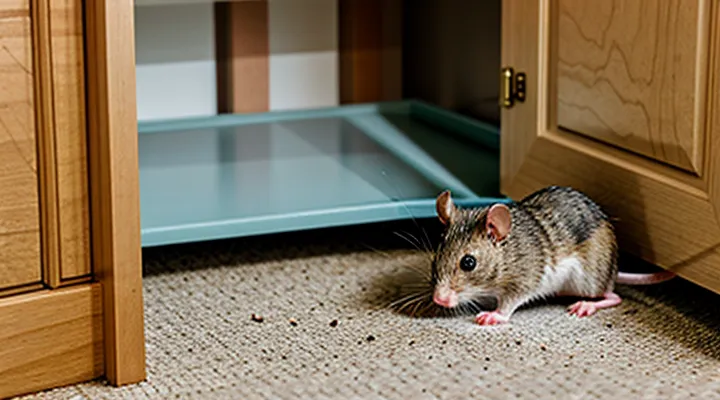
Understanding the Mouse Problem
Recognizing the Signs of Infestation
«Common Indicators of Mouse Presence»
Effective long‑term rodent control relies on early detection. Recognizing the signs of mouse activity allows prompt intervention before infestations spread.
Typical evidence includes:
- Dark, pellet‑shaped droppings near walls, cabinets, or food sources.
- Gnawed edges on wood, insulation, electrical wiring, or plastic containers.
- Crumpled nests composed of shredded paper, fabric, or dried plant material.
- Fresh urine stains that appear as shiny, yellowish spots on surfaces.
- Grease or oily smears along walls and baseboards where mice travel.
- Audible scratching or scurrying sounds, especially at night.
- Visible footprints or tail marks in dusty areas or along smooth floors.
Each indicator confirms mouse presence and should trigger targeted measures within a permanent home solution for mouse eradication. Prompt action based on these clues prevents structural damage, contamination of food, and potential health risks.
«Where Mice Tend to Hide»
Mice seek out concealed spaces that provide warmth, proximity to food, and protection from predators. Identifying these areas is essential for any lasting rodent‑control plan.
- Gaps behind appliances, especially refrigerators and stoves
- Wall voids and insulation cavities
- Under floorboards and crawl‑space openings
- Behind baseboards and trim molding
- Inside ceiling tiles or attic insulation
- Within stacked firewood, stored grain, or pantry boxes
- Inside furniture cushions, pet beds, and bedding
- In cluttered closets, garage shelves, and storage bins
Mice favor these locations because they maintain stable temperatures, offer easy routes to kitchen scraps, and limit exposure to human activity. Their small size enables entry through openings as narrow as ¼ inch, so even minor cracks become viable entry points.
Effective permanent control requires thorough inspection of each listed site, sealing all gaps with steel wool, caulk, or hardware cloth, and removing clutter that creates additional shelter. Regular monitoring of previously infested areas helps confirm that concealment opportunities remain eliminated.
«Assessing the Severity of Infestation»
«Factors Influencing Mouse Population»
Understanding the drivers of rodent presence is essential for any long‑term residential mouse mitigation strategy. Population levels rise when food sources are abundant, shelter is readily available, and environmental conditions support reproduction. Reducing these variables directly lowers infestation risk.
Key determinants of mouse numbers include:
- Food accessibility – unsecured pantry items, pet food, and spilled crumbs provide continuous nourishment.
- Structural entry points – gaps around pipes, vents, and foundation walls allow ingress; even openings as small as ¼ inch are sufficient.
- Moisture levels – leaky fixtures and damp basements create favorable habitats for nesting and breeding.
- Sanitation practices – infrequent garbage removal and cluttered storage spaces increase hiding places and food residues.
- Temperature stability – indoor climates that remain warm year‑round eliminate seasonal population declines.
- Predator absence – lack of natural enemies such as barn owls or domestic cats removes a biological control factor.
- Competing pests – high numbers of insects can attract mice seeking protein, while low competition may encourage mouse dominance.
Mitigating each factor involves sealing openings, implementing strict waste management, maintaining dry conditions, and limiting accessible food. Integrated actions that address these elements create a durable barrier against mouse proliferation in permanent home environments.
«Risks Associated with Mouse Infestations»
Mouse infestations create immediate health hazards and long‑term property damage, undermining any effort to establish a lasting, rodent‑free residence. Pathogens carried by mice, such as hantavirus, salmonella, and leptospira, contaminate food, surfaces, and air, leading to respiratory, gastrointestinal, and allergic reactions. Bite incidents may cause wound infections and trigger secondary complications in vulnerable individuals.
Structural integrity suffers as mice gnaw electrical wiring, insulation, and building materials. Damaged wiring raises fire risk, while compromised insulation reduces energy efficiency and increases heating costs. Accumulated droppings and urine corrode metal components, accelerating deterioration of appliances and plumbing.
Key risks include:
- Transmission of disease through saliva, urine, and feces
- Allergic sensitization to rodent proteins and particulate matter
- Electrical fires caused by chewed cords
- Reduced thermal performance from damaged insulation
- Accelerated wear of furniture, cabinetry, and equipment
- Contamination of stored goods, leading to economic loss
Addressing these threats requires permanent residential measures that eradicate access points, eliminate attractants, and sustain monitoring to prevent re‑infestation.
«Implementing Permanent Exclusion Strategies»
«Sealing Entry Points»
«Identifying Common Entryways for Mice»
Mice gain access to homes through gaps that appear in the building envelope, utility penetrations, and structural openings. Detecting these points early prevents infestations and supports lasting control measures.
Typical entryways include:
- Gaps around doors and windows, especially where weather‑stripping is missing or damaged.
- Cracks in foundation walls, basement floors, and crawl‑space walls.
- Openings around plumbing, electrical, and HVAC ducts, often left unsealed after installation or repair.
- Holes in exterior siding, soffits, and eaves where insulation or trim is removed.
- Unsealed gaps around vent pipes, chimney flues, and dryer exhaust ducts.
- Small openings around pet doors, garage doors, and moving‑walkway thresholds.
Inspect each area with a flashlight and a thin gauge wire or a smoke pencil. Mark identified gaps, then seal them with steel wool, caulk, expanding foam, or hardware cloth, selecting the material that matches the surrounding structure. Regularly review high‑traffic zones to confirm that seals remain intact, ensuring the effectiveness of permanent rodent exclusion.
«Materials and Techniques for Effective Sealing»
Effective sealing is the cornerstone of a lasting mouse‑proof residence. Identify every potential entry point—gaps around utility penetrations, foundation cracks, door thresholds, and ventilation openings—then apply the appropriate barrier.
Materials that withstand gnawing and environmental stress include:
- Stainless‑steel wool or copper mesh, tightly packed into small voids where rodents can chew through softer substances.
- Rigid metal flashing, cut to size and fastened over larger openings such as vent covers or pipe sleeves.
- High‑grade silicone or polyurethane sealants, formulated for flexibility and adhesion on wood, concrete, and metal.
- Expanding polyurethane foam, low‑expansion type for limited spaces to avoid pressure damage, combined with a mesh insert for reinforcement.
- Concrete or mortar patches for structural cracks, applied in layers to achieve a durable, non‑porous surface.
- Self‑adhesive weatherstripping and door sweeps, selected for compression resistance and longevity.
Techniques that ensure complete exclusion:
- Conduct a systematic visual and tactile inspection, using a flashlight and a probe to locate openings no larger than ¼ inch.
- Clean each gap of debris, dust, and loose material; moisture removal prevents sealant failure.
- Insert steel wool or mesh into narrow crevices, then overfill with silicone sealant to lock the filler in place.
- For larger apertures, affix metal flashing with corrosion‑resistant screws, then seal edges with polyurethane caulk.
- Apply expanding foam sparingly; allow full cure, then trim excess and cover with a mesh or concrete patch to eliminate chewable surfaces.
- Finish exterior joints with a continuous bead of sealant, smoothing with a gloved finger or tool to ensure full contact.
- Install door sweeps and weatherstripping, compressing them firmly against the floor and frame to eliminate drafts and gaps.
Regularly repeat the inspection cycle after seasonal changes or renovations to maintain an uninterrupted barrier against rodent intrusion.
«Securing Food and Water Sources»
«Proper Food Storage Practices»
Proper food storage eliminates a primary attractant for rodents, reinforcing long‑term rodent control in residential settings. Secure containers, airtight seals, and strategic placement reduce scent trails that mice follow.
- Use containers made of hard plastic, glass, or metal with snap‑tight lids; avoid open‑top jars or flimsy bags.
- Store all dry goods—cereals, grains, nuts, pet food—inside these containers; discard any packaging that cannot be sealed.
- Keep pantry shelves clear of crumbs; wipe surfaces after each use with a damp cloth.
- Place food items on elevated shelves, away from walls and baseboards where mice travel.
- Refrigerate or freeze perishable items promptly; avoid leaving leftovers on countertops for more than two hours.
- Rotate stock regularly; discard expired products that may emit stronger odors.
Consistent application of these practices removes food sources, discourages mouse activity, and supports permanent pest‑free living environments.
«Eliminating Water Access Points»
Mice require a reliable water supply to survive; removing that supply reduces the likelihood of a lasting infestation.
Typical indoor sources include:
- Leaking pipes or joints beneath sinks and appliances.
- Condensation on cold surfaces such as windows, ducts, or refrigeration units.
- Pet water bowls left unattended for extended periods.
- Standing water in plant saucers, basements, or crawl spaces.
Effective elimination involves:
- Repairing all leaks promptly, using pipe‑sealant or professional plumbing services where needed.
- Installing insulation on cold‑surface piping and vapor barriers on windows to prevent condensation buildup.
- Providing pets with water only when they are present, and removing bowls after use.
- Emptying and drying plant saucers daily; employing trays with absorbent material that can be changed regularly.
- Ensuring basements and crawl spaces are well‑ventilated and equipped with dehumidifiers to maintain low humidity levels.
Ongoing monitoring should focus on visual inspection of potential moisture points and routine testing of humidity meters. Prompt correction of any new water source prevents mice from reestablishing a foothold in the home.
«Maintaining a Clean and Clutter-Free Environment»
«Regular Cleaning Routines»
Regular cleaning routines form a cornerstone of lasting mouse control. By eliminating food scraps, crumbs, and moisture, the environment becomes unattractive to rodents that rely on easy nourishment and hydration.
Effective cleaning targets specific sources of attraction. Food residues left on countertops, spilled grains on floors, and grease buildup in cabinets provide both sustenance and nesting material. Water sources such as pet bowls, leaky pipes, and condensation trays also encourage activity. Removing these elements reduces the incentive for mice to enter or remain in a residence.
- Sweep and vacuum floors daily to capture dropped seeds and debris.
- Wipe countertops, tables, and appliance surfaces after each use.
- Store dry goods in sealed containers; avoid open bags or boxes.
- Empty trash cans nightly and use lids that close tightly.
- Clean behind and under appliances weekly to clear hidden crumbs.
- Inspect pantry shelves, cupboards, and garage storage for spilled feed or shredded paper.
Frequency aligns with the level of risk. High‑traffic areas (kitchens, dining rooms) require daily attention; less‑used spaces (basement, attic) benefit from weekly thoroughness. Monthly deep cleaning—removing accumulated dust, reorganizing storage, and checking for hidden moisture—prevents long‑term buildup.
When combined with structural measures such as sealing cracks, installing door sweeps, and deploying traps, regular cleaning sustains a hostile environment for mice. Consistent execution of these practices maintains the effectiveness of broader rodent‑exclusion strategies.
«Managing Clutter and Debris Indoors and Outdoors»
Effective rodent control relies on eliminating shelter and food sources, which begins with systematic removal of clutter and debris both inside and outside the residence.
- Store items in sealed containers; avoid cardboard boxes that can be gnawed.
- Keep countertops, floors, and shelves free of crumbs; wipe surfaces after each meal.
- Dispose of garbage daily in tightly fitted lids; place bins away from building walls.
- Clear pet food dishes after feeding; store dry feed in metal containers.
- Repair cracks, gaps, and openings in walls, floors, and foundations; use steel wool or caulk for sealing.
Outdoor areas require equal attention to deny mice access to shelter:
- Trim vegetation, shrubs, and tree branches that touch the house; maintain a clear perimeter of at least three feet.
- Stack firewood, lumber, and garden tools on pallets, not directly on the ground.
- Remove leaf piles, compost heaps, and standing water; keep compost bins sealed.
- Store outdoor equipment in locked sheds; seal shed doors and windows.
- Cover crawl spaces with solid flooring; install mesh screens over ventilation openings.
Implement a weekly inspection routine: examine storage zones, verify seals, and clear any newly accumulated debris. Consistent application of these practices sustains an environment hostile to mice, supporting long‑term eradication efforts.
«Advanced Rodent Control Methods»
«Utilizing Traps Effectively»
«Types of Traps and Their Application»
Effective long‑term rodent control in residences relies on selecting traps that match the infestation level, target species, and indoor environment. Understanding the mechanics of each trap type enables precise placement and maximizes capture rates while minimizing disruption to occupants.
- Snap traps: steel bars deliver a rapid kill when a mouse activates a spring‑loaded mechanism. Ideal for concealed areas such as behind appliances, baseboards, and wall voids. Bait with high‑protein items (peanut butter, dried fruit) and position the trigger end facing the wall to direct entry. Replace after each capture or when the spring loses tension.
- Live‑catch traps: cage‑style devices close when a mouse steps on a pressure plate. Suitable for humane removal or when local regulations restrict lethal methods. Use scented bait, check traps at least twice daily, and release captured rodents at least two miles from the property to prevent return.
- Glue boards: adhesive surfaces immobilize rodents that traverse the board. Deploy along established runways, near entry points, and under furniture. Handle captured mice with gloves and dispose of boards in sealed containers to avoid secondary contamination.
- Electronic traps: battery‑powered units deliver a high‑voltage shock upon contact, causing instantaneous death. Best for areas where snap traps are impractical, such as cabinets or closets. Ensure proper power source, clean the interior after each kill, and follow manufacturer safety guidelines.
Application guidelines common to all traps include: sealing alternative food sources, maintaining a tidy environment to reduce hiding places, and rotating trap locations every few days to prevent habituation. Regular inspection of trap performance informs adjustments in bait type, placement height, and density of devices across the home. Consistent execution of these practices establishes a durable barrier against mouse re‑infestation.
«Strategic Placement of Traps»
Effective trap placement maximizes capture rates while minimizing disruption to household activities. Understanding mouse movement patterns is prerequisite for precise positioning. Rodents travel along walls, follow established runways, and exploit concealed gaps near food sources, water lines, and entry points.
Key considerations for optimal deployment:
- Locate traps within 2–3 inches of walls; mice rarely cross open space.
- Target known runways: behind appliances, under cabinets, inside closets, and along baseboard junctions.
- Position at least one device near each identified entry or exit, including vent openings, utility penetrations, and foundation cracks.
- Use a combination of snap and live‑capture devices to address varying infestation levels.
- Avoid placing traps in high‑traffic human zones to reduce accidental activation.
After installation, inspect traps daily. Remove captured rodents promptly, reset or relocate devices based on activity patterns, and replenish bait as needed. Persistent monitoring for several weeks confirms whether the network of traps has interrupted the colony’s circulation, thereby supporting a permanent solution to the mouse problem.
«Considering Professional Pest Control»
«When to Seek Professional Assistance»
A homeowner should call a pest‑control specialist when visual evidence and damage exceed the capacity of DIY measures. Persistent droppings, gnaw marks on structural elements, and audible activity at night indicate a population that can reproduce faster than traps or baits can eliminate.
Typical triggers for professional intervention include:
- Infestation covering multiple rooms or levels, suggesting hidden nests and extensive pathways.
- Damage to wiring, insulation, or food storage areas that poses fire or contamination risks.
- Unsuccessful attempts with over‑the‑counter products after two weeks of consistent application.
- Presence of disease‑carrying parasites or allergens that require certified sanitation procedures.
When any of these conditions appear, a qualified exterminator can assess entry points, apply integrated control methods, and provide a guarantee of long‑term rodent management, ensuring the residence remains safe and functional.
«What to Expect from Professional Services»
Professional mouse‑removal services focus on delivering lasting results, not temporary fixes. A qualified provider begins with a thorough inspection that identifies entry points, nesting sites, and activity hotspots. The inspector records evidence such as droppings, gnaw marks, and damage, then creates a customized plan that matches the property’s layout and construction materials.
The service plan typically includes:
- Sealing of gaps larger than ¼ inch using steel wool, caulk, or hardware cloth to prevent re‑entry.
- Placement of bait stations or traps in concealed, high‑traffic areas, calibrated to target mice while minimizing risk to non‑target species.
- Application of rodent‑specific repellents or residual treatments in walls, attics, and crawl spaces where direct access is limited.
- Follow‑up visits scheduled at intervals of 2‑4 weeks to monitor activity, replace consumables, and adjust tactics as needed.
Clients receive a written report that details findings, the materials used, and a timeline for each phase. The report also outlines homeowner responsibilities, such as maintaining a clean environment, storing food in sealed containers, and reporting any new signs of activity promptly.
Warranty terms are common; many firms guarantee a mouse‑free status for a specified period, typically 90 days, and will return at no extra charge if evidence of re‑infestation appears within that window. Payment structures vary, but most providers offer a clear, itemized invoice that separates inspection fees, treatment costs, and any optional services.
Overall, professional mouse control delivers a systematic, evidence‑based approach that reduces the likelihood of recurrence, provides measurable outcomes, and includes contractual assurances for the homeowner’s peace of mind.
«Preventative Measures for Long-Term Control»
«Regular Inspections and Monitoring»
«Establishing a Routine Check-Up Schedule»
Routine inspections form the backbone of a lasting rodent‑control strategy. Regularly scheduled check‑ups reveal new entry points, assess the effectiveness of installed barriers, and confirm that sanitation practices remain sufficient to deter mice.
Frequency guidelines
- Quarterly inspections for most residential properties.
- Bi‑monthly visits when prior inspections identified active infestations.
- Monthly reviews during peak mouse activity seasons (late summer to early winter).
Inspection focus areas
- Gaps around doors, windows, and utility penetrations; seal openings larger than ¼ inch.
- Signs of activity: droppings, gnaw marks, nesting material, and fresh tracks.
- Condition of traps, bait stations, and electronic deterrents; replace or reposition as needed.
- Food storage and waste management practices; eliminate accessible sources.
Documentation and response
- Record date, inspected locations, findings, and corrective measures in a log.
- Assign responsibility for each action; set deadlines for completion.
- Review log before the next scheduled inspection to verify that previous issues were resolved.
Adhering to a disciplined check‑up timetable ensures that preventive measures stay effective, reducing the likelihood of re‑infestation and supporting a mouse‑free environment over the long term.
«Identifying New Vulnerabilities»
Identifying new vulnerabilities is essential for maintaining a mouse‑free residence. Regular inspections reveal entry points that were previously sealed but have become compromised by structural shifts, weathering, or renovations. Detecting these gaps early prevents re‑infestation and reduces reliance on reactive measures.
During each seasonal check, focus on the following areas:
- Gaps around utility penetrations (cable, pipe, and vent sleeves) that have widened.
- Cracks in foundation walls or basement floors caused by settling.
- Loose or damaged weatherstripping on doors and windows.
- Openings behind appliances where floorboards have lifted.
- Gaps under cabinets, especially in kitchens and pantries, where crumbs accumulate.
When a potential opening is found, measure its width. Any opening larger than ¼ inch (6 mm) permits mouse entry and must be sealed with steel wool, caulk, or metal mesh before applying a permanent barrier such as cement or hardware cloth. Replace deteriorated insulation that creates voids behind walls, as mice exploit these spaces for nesting.
Document each repair, noting location, material used, and date of completion. This record enables quick verification during subsequent inspections and supports a systematic approach to eliminating emerging entry points.
«Educating Household Members»
«Importance of Collaborative Prevention Efforts»
Effective mouse control in a residence depends on coordinated action among occupants, service providers, and local authorities. Individual measures—such as sealing entry points or setting traps—produce limited results when applied in isolation. Shared responsibility creates a barrier that mice cannot easily bypass.
Collaboration yields measurable advantages. Early detection improves response time, reducing infestation size and the need for extensive chemical interventions. Data from community-based programs show a 40 % decline in repeat sightings compared to solitary efforts. Cost distribution among participants lowers the financial burden for each household.
Essential contributors include:
- Homeowners and renters, who maintain cleanliness and report signs of activity.
- Pest‑management professionals, who provide expertise, monitoring, and follow‑up treatments.
- Municipal health or housing agencies, which supply educational resources and enforce building standards.
Practical steps for a unified approach:
- Conduct joint inspections quarterly, documenting entry points and evidence.
- Share a centralized log—digital or paper—so all parties track actions and outcomes.
- Agree on a schedule for sealing gaps, installing barriers, and rotating bait stations.
- Review results after each cycle, adjusting tactics based on observed mouse behavior.
When each stakeholder fulfills its role, the collective system sustains a mouse‑free environment with minimal disruption and long‑term effectiveness.
«Best Practices for Preventing Re-infestation»
Effective control of rodent return requires systematic measures that eliminate entry points, remove attractants, and maintain environmental conditions unfavorable to mice. Begin with a thorough inspection of the building envelope. Seal gaps larger than ¼ inch with steel wool, copper mesh, or appropriate caulking; reinforce doors and windows with weatherstripping. Install door sweeps on all exterior doors and repair damaged foundation cracks promptly.
Eliminate food sources by storing pantry items in airtight containers, cleaning crumbs and spills immediately, and disposing of waste in sealed bins. Keep compost, pet feed, and garbage away from the structure; use metal containers with tight-fitting lids.
Maintain a clutter‑free interior and exterior. Remove piles of cardboard, paper, and debris that provide nesting material. Trim vegetation and tree branches that contact the building, creating a barrier against rodent access.
Implement a monitoring system. Place snap or electronic traps along walls, behind appliances, and in concealed areas; check them weekly and record activity. Replace bait with non‑food attractants if necessary to avoid habituation.
Schedule periodic professional inspections. Certified pest‑management specialists can identify hidden infestations, assess structural vulnerabilities, and apply targeted treatments that comply with health regulations.
Adopt these practices consistently:
- Seal all potential entry points with durable materials.
- Store food in sealed containers and maintain rigorous sanitation.
- Remove clutter and eliminate outdoor nesting sites.
- Deploy and regularly inspect traps in strategic locations.
- Conduct biannual professional assessments.
By integrating these steps into routine home maintenance, the likelihood of mouse re‑infestation diminishes markedly, ensuring long‑term pest‑free living conditions.