
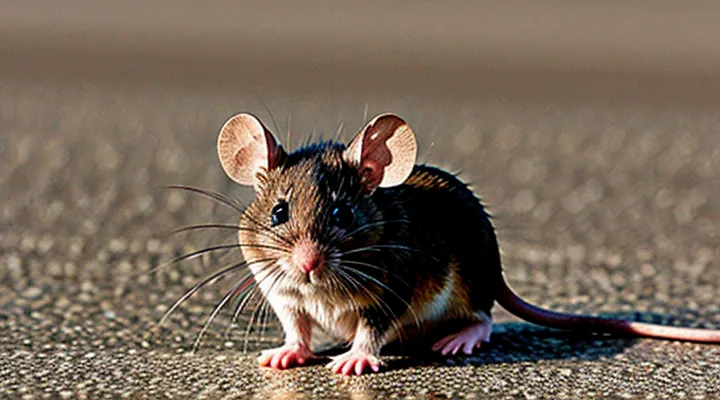
Understanding Mouse Varieties
What is a Mouse?
General Characteristics
Mice display a range of physical traits that distinguish one variety from another while maintaining a common mammalian framework. Body length typically spans 6–10 cm, with tail length ranging from 5 cm to slightly longer than the torso. Weight varies between 10 g and 30 g, reflecting differences in genetic lineage and environmental adaptation.
Fur coloration includes solid tones such as black, brown, and white, as well as patterned variants like agouti, spotted, or striped. Coat texture ranges from sleek to dense, influencing thermal regulation and camouflage. Ear size correlates with habitat humidity; larger, thinner ears are common in arid populations, whereas compact ears appear in forest-dwelling forms.
Key anatomical features include:
- Snout shape: elongated in foragers that rely on olfactory navigation, shortened in burrow specialists.
- Digit count: five on forepaws, five on hind paws; nail curvature adapts to substrate type.
- Whisker length: proportional to head size, providing tactile feedback for nocturnal activity.
Reproductive capacity remains high across varieties. Litter size averages 5–8 pups, with gestation periods of 19–21 days. Rapid maturation enables population turnover within three months.
Behavioral tendencies differ among groups. Some exhibit strong territoriality, marked by scent marking and aggressive displays; others show communal nesting and cooperative foraging. Dietary preferences align with habitat: grain‑eating strains dominate agricultural zones, while insectivorous types thrive in wild underbrush.
These characteristics form a baseline for identification and comparison, supporting visual documentation and taxonomic classification of mouse diversity.
Habitat and Behavior
Mouse species occupy a wide range of environments, each influencing their daily routines and social structures. Forest-dwelling varieties typically construct nests beneath leaf litter or within burrows dug into soft soil, relying on dense vegetation for concealment and foraging. Grassland forms prefer shallow tunnels beneath tall grasses, where they exploit seed caches and insect populations. Urban representatives adapt to human structures, nesting in wall voids, basements, and attic spaces while scavenging food waste and stored grains.
Behavioral patterns correspond closely to habitat conditions.
- Foraging: Forest mice forage nocturnally, selecting seeds, berries, and arthropods; grassland individuals display crepuscular activity, grazing on herbaceous plants; city mice exhibit opportunistic feeding, often active at night to avoid human disturbance.
- Territoriality: Burrowing species defend a defined underground network, marking boundaries with scent glands; arboreal and semi‑arboreal types patrol vertical ranges, using vocalizations and tail rattles; urban mice establish overlapping home ranges, relying on rapid reproduction to maintain population density.
- Reproduction: All varieties breed seasonally, but timing shifts with climate; forest mice breed in spring when food is abundant, grassland mice peak in early summer, while city mice can produce multiple litters year‑round due to stable temperatures and constant food supply.
Social interactions vary by species. Some exhibit strict hierarchies, with dominant individuals controlling access to nesting sites and mates, while others form loose colonies where cooperative grooming and shared vigilance reduce predation risk. Communication methods include ultrasonic calls for mate attraction, scent marking for territory, and tactile signals during grooming.
Domestication and Pet Mice
Domesticated mice trace their origins to laboratory strains selectively bred for docility and adaptability. Early 20th‑century experiments established genetic lines that later entered the pet market, providing a reliable foundation for temperament and health standards.
Breeding programs focus on three objectives: stable coat coloration, predictable size, and reduced aggression. Controlled pairings and genetic monitoring maintain these traits across generations, allowing owners to anticipate appearance and behavior.
Key pet mouse varieties include:
- Fancy Mouse – diverse coat patterns (agouti, solid, pied); average weight 20–30 g; calm demeanor suited for handling.
- Dwarf Mouse – reduced body length (approximately 6 cm); higher metabolic rate; requires frequent feeding.
- Hairless Mouse – absence of fur; heightened sensitivity to temperature; necessitates ambient control and skin‑friendly bedding.
- Rex Mouse – curly, plush fur; moderate activity level; prone to skin irritation if housing is overly abrasive.
Health considerations remain consistent across all types. Regular veterinary checks should assess dental wear, respiratory function, and ectoparasite presence. Nutritional guidelines recommend a balanced mix of commercial pellets, fresh vegetables, and occasional protein treats, with water provided ad libitum.
Environmental enrichment improves welfare. Include climbing structures, nesting material, and chewable objects to stimulate natural foraging and gnawing behaviors. Cage dimensions must allow at least 0.5 m² floor space per animal, with a minimum height of 30 cm to accommodate vertical activity.
Responsible ownership entails quarantine of new arrivals for a minimum of two weeks, documentation of lineage, and adherence to local regulations regarding exotic pet permits. These practices safeguard both the individual mouse and the broader breeding community.
Common Pet Mouse Varieties
Fancy Mice
Standard Fancy Mouse
The Standard Fancy mouse is a compact rodent, typically weighing 20–30 g and measuring 8–10 cm from nose to tail tip. Its coat is short, dense, and available in a broad palette of colors, including solid, agouti, and patterned varieties such as hooded and brindle. The ears are proportionally large, the eyes bright, and the whiskers long, giving the animal a distinctive, alert expression.
Key physical traits include:
- Rounded head with a short muzzle.
- Muscular body that supports agile movement.
- Tail length roughly equal to body length, covered in fine hair.
- Dental formula of 1/1 incisors, characteristic of the species.
Temperament is generally calm, with a propensity for gentle handling when socialized from a young age. Standard Fancy mice adapt well to group housing, provided each cage contains adequate space, nesting material, and enrichment objects such as tunnels and chew toys. Their diet consists of a balanced commercial mouse pellet supplemented with occasional fresh vegetables and a small amount of protein-rich treats.
Breeding practices emphasize health and genetic diversity. Breeders select pairs based on conformation, coat quality, and absence of hereditary defects. Litters average five to eight pups, with a gestation period of 19–21 days. Proper sanitation, regular health checks, and a controlled environment reduce the risk of disease outbreaks.
Photographic documentation of the Standard Fancy mouse highlights its color variations and structural details. High‑resolution images capture the sheen of the fur, the clarity of the eyes, and the texture of the tail, providing a reliable visual reference for identification and comparison with other mouse breeds.
Satin Fancy Mouse
The Satin Fancy Mouse is distinguished by a sleek, glossy coat that reflects light with a silk‑like sheen. Coat colors include solid black, blue, chocolate, lilac, and patterned varieties such as sable and agouti. Body length typically ranges from 2.5 to 3.5 inches, with a tail proportionate to the torso. Weight averages 30–45 grams, reflecting a compact, muscular build.
Key characteristics:
- Dense, short fur with a lustrous finish
- Large, rounded ears set low on the skull
- Dark, expressive eyes that contrast with the coat
- Calm, sociable temperament; adapts well to group housing
- Moderate activity level; enjoys climbing structures and wheel exercise
Photographic documentation highlights the coat’s iridescence and the breed’s proportionate anatomy, providing visual reference for identification and comparison with other fancy mouse varieties. Proper care includes a balanced diet, regular cage cleaning, and enrichment items to prevent boredom. Breeding programs focus on maintaining coat quality and genetic health, employing selective pairing to preserve color standards while minimizing hereditary defects.
Long-Haired Fancy Mouse
The Long‑Haired Fancy Mouse is distinguished by a dense, silky coat that reaches up to two centimeters in length. The fur covers the entire body, including the tail, giving the animal a plush appearance. Color patterns vary widely; common varieties include solid shades such as black, white, and brown, as well as agouti, sable, and brindle combinations. Eyes are typically dark and expressive, while ears remain proportionally small and rounded.
Body size aligns with standard fancy mouse standards: adult weight ranges from 20 to 30 grams, and body length measures 7–9 cm, excluding the tail, which adds another 6–8 cm. The tail is fully furred, a trait that differentiates this breed from short‑haired counterparts. Skeletal structure is robust, supporting active movement despite the heavy coat.
Key considerations for owners:
- Housing: Provide a spacious cage with solid flooring; soft bedding prevents matting of the coat.
- Grooming: Daily brushing removes loose hair and reduces risk of tangling; occasional baths are permissible with mild, rodent‑safe shampoo.
- Nutrition: Offer a balanced diet of high‑quality mouse pellets, supplemented with fresh vegetables and occasional protein treats.
- Health monitoring: Watch for signs of alopecia, skin irritation, or respiratory issues, which can be exacerbated by the thick fur.
Breeding practices emphasize genetic health. Pairings should avoid close relatives to minimize hereditary defects. Litter sizes average three to five pups, each born with a fine, downy coat that quickly develops into the characteristic long hair.
Photographic documentation typically highlights the contrast between the glossy coat and the mouse’s delicate features. Clear, well‑lit images reveal texture, color fidelity, and body proportions, aiding identification and comparison across other mouse breeds.
Hairless Mice
Genetic Basis
Genetic analysis provides the framework for distinguishing mouse strains whose visual characteristics are documented through photography and descriptive notes. Each photograph captures phenotypic outcomes that originate from specific allelic configurations, allowing researchers to link appearance directly to molecular variation.
Two genetic mechanisms dominate phenotype formation. Single‑gene mutations generate discrete traits such as albinism or hairlessness, while polygenic networks produce continuous variation in size, coat pattern, and behavior. Copy‑number variations and epigenetic modifications further modulate expression, creating subtle differences observable in high‑resolution images.
Key loci associated with commonly photographed traits include:
- Coat color: MC1R, Agouti, Tyrosinase
- Fur texture: Hairless (Hr), Krt71
- Body size: Growth hormone receptor (Ghr), IGF1
- Behavioral tendencies: MAOA, Drd2
Accurate genotype‑phenotype correlation relies on modern genomic tools. Whole‑genome sequencing identifies nucleotide changes across the genome; SNP arrays provide rapid screening of known variants; CRISPR‑Cas9 enables functional validation by introducing or correcting specific alleles; pedigree analysis tracks inheritance patterns across generations.
Integrating genetic data with photographic archives creates a searchable reference where each image is annotated with the underlying genotype. This approach streamlines strain identification, supports reproducibility in experimental design, and facilitates the discovery of novel genotype‑driven phenotypes.
Care Considerations
When keeping a variety of mouse breeds, attention to basic husbandry determines health and longevity. Each species shares core requirements, yet subtle differences influence optimal care.
Provide a balanced diet that meets the specific metabolic rate of the mouse. Commercial pellets formulated for small rodents supply essential nutrients; supplement with fresh vegetables, limited fruit, and occasional protein sources. Avoid high‑fat treats that can trigger obesity.
Maintain a secure enclosure with adequate ventilation and space for activity. Wire cages should feature a solid floor to prevent foot injuries; glass aquariums require a fine mesh top. Bedding material must be absorbent, dust‑free, and changed regularly to control odor and parasites.
Implement a routine health program. Observe for signs of respiratory distress, skin lesions, or abnormal behavior. Schedule quarterly veterinary examinations, and keep a record of vaccinations and deworming.
Handle mice gently to reduce stress. Support the body with both hands, allowing the animal to grasp with its forepaws. Limit handling sessions to a few minutes, especially for newly acquired individuals.
Provide enrichment that reflects natural behaviors. Include climbing structures, tunnels, and nesting material. Rotate accessories weekly to prevent habituation.
Monitor social dynamics. Some breeds thrive in small groups, while others display territorial aggression. Introduce new mice gradually, observing interactions before confirming compatibility.
Regularly clean food and water containers to prevent bacterial growth. Use stainless steel or heavy‑glass bottles for water, and replace food daily.
By adhering to these guidelines, caretakers ensure that each mouse, regardless of its visual characteristics, enjoys a stable, healthy environment.
Tailless Mice
Unique Features
The catalog of mouse breeds showcases a range of distinctive traits that set each type apart. Morphology, coloration, and behavioral tendencies serve as primary identifiers, allowing precise differentiation without reliance on visual comparison alone.
- Long‑tailed field mouse – tail length exceeds body length by 20 % on average; dorsal fur displays a speckled gray‑brown pattern that provides camouflage in tall grasses.
- Swiss albino mouse – completely white coat and pink eyes result from a recessive mutation affecting melanin production; lack of pigment makes the animal highly sensitive to bright light, requiring low‑intensity housing.
- Spiny mouse (Acomys) – dorsal coat consists of stiff, keratinized hairs resembling small spines; these structures reduce parasite attachment and facilitate movement through rocky substrates.
- Hairless laboratory mouse – absence of fur reveals a thin, delicate skin with reduced thermoregulation; this phenotype enables direct observation of skin physiology and drug absorption.
- Pygmy mouse (Mus minutoides) – body mass under 5 g, making it the smallest murine species; rapid reproductive cycle and high metabolic rate distinguish it from larger relatives.
Each variety’s unique features support specific ecological niches or experimental applications, reinforcing the importance of precise documentation for research and conservation efforts.
Ethical Considerations
Ethical considerations are integral to documenting mouse diversity through visual and textual records. Researchers must prioritize animal welfare, employing handling techniques that minimize stress and prevent injury. Use of anesthesia or sedation should follow approved protocols, and any invasive procedures require justification and institutional review.
Photographic work should avoid disrupting natural behaviors. Capture images in a manner that respects the animal’s environment, limiting the number of disturbances per individual. When fieldwork occurs in protected areas, obtain necessary permits and adhere to local conservation regulations.
Data collection must reflect accuracy and transparency. Descriptions should be based on observable traits, avoiding speculation about genetics or behavior without supporting evidence. When presenting images, ensure that scale indicators and contextual information are provided to prevent misinterpretation of size or habitat.
Publication of location data demands caution. Revealing precise coordinates for rare or vulnerable populations can expose them to poaching or habitat degradation. Provide generalized locality information or apply data‑masking techniques to safeguard species.
Finally, ethical responsibility extends to the dissemination of content. Credit photographers and contributors appropriately, and refrain from using sensational language that could mislead audiences about the significance or rarity of the specimens.
Wild Mouse Species
House Mouse («Mus musculus»)
Global Distribution
Mouse varieties are found on every inhabited continent, reflecting adaptation to diverse climates and ecosystems. Their presence results from natural dispersal, human-mediated transport, and selective breeding for research or pet purposes.
- North America: House mouse (Mus musculus) dominates urban and agricultural settings; deer mouse (Peromyscus maniculatus) occupies forests and grasslands.
- South America: Argentine mouse (Akodon azarae) thrives in pampas; forest-dwelling spiny mouse (Akodon spp.) populates Andean slopes.
- Europe: Wood mouse (Apodemus sylvaticus) populates woodlands; bank vole (Myodes glareolus) favors moist, temperate habitats.
- Africa: African pygmy mouse (Mus minutoides) inhabits savannas and semi‑desert regions; Nile rat (Arvicanthis niloticus) occupies river valleys.
- Asia: Asian house mouse (Mus musculus castaneus) spreads across Southeast Asian cities; Chinese striped hamster (Cricetulus barabensis) occupies arid steppe zones.
- Australia and Oceania: Introduced house mouse colonizes coastal and inland areas; native pebble mouse (Pseudomys nanus) survives in arid interiors.
Distribution patterns often align with human settlement density, agricultural activity, and climatic suitability. Island ecosystems host endemic species such as the Galápagos mouse (Nesomys spp.) and the Hawaiian ʻakikiki mouse (Rattus exulans), illustrating the impact of isolation on genetic divergence. Conservation status varies; some populations are abundant, while others face habitat loss and invasive predators, necessitating region-specific monitoring.
Distinguishing Features
Mouse varieties exhibit distinct physical characteristics that enable reliable identification in photographic collections and descriptive records.
Body size varies from the diminutive 5 cm dwarf mouse to the robust 12 cm field mouse, providing an immediate metric for separation. Fur coloration forms another primary criterion: the classic gray‑brown coat of the common house mouse contrasts sharply with the sandy hue of the desert mouse and the striking black mask of the Asian striped mouse. Ear shape and placement differ as well; the long, triangular ears of the alpine mouse stand out against the rounded, low‑set ears of the marsh mouse.
Tail length offers a precise index: the long, hairless tail of the arboreal mouse exceeds body length, while the short, tufted tail of the ground mouse remains proportionally shorter. Hind‑foot morphology also aids distinction; the elongated, webbed feet of the water mouse indicate an aquatic adaptation, whereas the compact, clawed feet of the desert mouse reflect a burrowing lifestyle.
Key distinguishing features can be summarized:
- Size: dwarf (≈5 cm) vs. field (≈12 cm).
- Fur color: gray‑brown, sandy, black‑masked, speckled.
- Ear configuration: triangular, low‑set, rounded.
- Tail proportion: long and hairless, short and tufted.
- Hind‑foot structure: webbed, clawed, padded.
These attributes, when recorded alongside high‑resolution images, create a comprehensive framework for differentiating mouse breeds across diverse habitats.
Deer Mouse («Peromyscus maniculatus»)
North American Range
North America hosts a diverse assemblage of mouse species, each occupying distinct ecological zones that range from arid deserts to boreal forests. The distribution patterns reflect adaptations to climate, vegetation, and food availability, and are well documented through photographic records and morphological descriptions.
Key species and their primary range zones include:
- Deer mouse (Peromyscus maniculatus) – widespread across the United States and Canada, from the Rocky Mountains to the Great Lakes region; thrives in grasslands, woodlands, and alpine meadows.
- White‑footed mouse (Peromyscus leucopus) – concentrated in the eastern United States, extending into the southeastern Canadian provinces; prefers deciduous forests and shrublands.
- Western harvest mouse (Reithrodontomys megalotis) – found in the western United States, especially the Great Basin and Pacific coastal areas; inhabits grasslands and agricultural fields.
- Southern red‑backed vole (Myodes gapperi) – occupies northern forested regions of the United States and southern Canada; associated with coniferous and mixed forests.
- North American pygmy mouse (Baiomys taylori) – limited to arid and semi‑arid habitats of the southwestern United States and northern Mexico; frequently recorded in desert scrub and rocky slopes.
Photographic documentation confirms the morphological variations that correspond to these geographic divisions, providing visual evidence of coat coloration, tail length, and ear size differences that support species identification across the continent.
Ecological Role
Mice of diverse phenotypes influence ecosystem processes through multiple mechanisms. Their foraging behavior moves seeds away from parent plants, creating spatial patterns that enhance plant recruitment and genetic diversity. Burrowing activity mixes organic material with mineral soil, improving aeration, water infiltration, and microbial activity that accelerate nutrient turnover.
- Consume insects, reducing herbivore pressure on vegetation.
- Serve as prey for owls, foxes, snakes, and other carnivores, sustaining predator populations.
- Transport fungal spores and pollen while moving through litter layers, facilitating mycorrhizal and pollination networks.
- Generate waste that supplies nitrogen and phosphorus, supporting primary productivity.
Population fluctuations of these rodents can shift competitive dynamics among seed‑eating species, alter vegetation structure, and modify energy flow through trophic levels. Consequently, the presence and abundance of various mouse types are integral to maintaining balanced terrestrial ecosystems.
White-Footed Mouse («Peromyscus leucopus»)
Similarities to Deer Mouse
The deer mouse (Peromyscus maniculatus) exhibits a set of characteristics that recur across several other small‑rodent species commonly photographed and described in surveys of mouse diversity.
Key traits shared with multiple mouse varieties include:
- Dorsal coloration – A brown to gray coat with a subtle speckling pattern, providing camouflage in woodland and grassland habitats.
- Tail morphology – A relatively long, bicolored tail that is slightly hairless on the underside, aiding balance during arboreal movement.
- Auditory structure – Large, external ears that enhance detection of predators and conspecific calls, a feature observed in many meadow‑dwelling mice.
- Dietary flexibility – An omnivorous intake of seeds, insects, and occasional plant matter, allowing adaptation to seasonal resource fluctuations.
- Reproductive strategy – Multiple litters per year with short gestation periods, supporting rapid population growth under favorable conditions.
These parallels reflect evolutionary convergence among species occupying similar ecological niches, reinforcing the utility of comparative photography and detailed description for identification and study.
Habitat Preferences
Mouse varieties exhibit distinct habitat preferences that reflect adaptations to climate, vegetation, and human presence. Understanding these preferences aids identification in field photography and supports conservation planning.
- House mouse (Mus musculus) – thrives in human dwellings, grain storage facilities, and urban parks; tolerates high temperatures and limited natural cover.
- Field mouse (Apodemus sylvaticus) – occupies grasslands, hedgerows, and light woodland; requires dense undergrowth for nesting and moderate moisture levels.
- Deer mouse (Peromyscus maniculatus) – found in open chaparral, scrub, and rocky slopes; favors elevations up to 3,000 m and tolerates arid conditions.
- Woodland jumping mouse (Napaeozapus insignis) – restricted to moist forests with leaf litter and abundant moss; dependent on soft soils for burrowing.
- Alpine vole (Microtus multiplex) – inhabits tundra and alpine meadows; prefers cold, well‑drained soils and sparse vegetation.
Habitat selection correlates with diet availability, predator exposure, and reproductive strategies. Species that exploit human environments display higher population densities, whereas those confined to natural habitats often exhibit limited ranges and specialized nesting requirements. Accurate habitat descriptions enhance photographic documentation and inform ecological assessments.
Rare and Exotic Mouse Breeds
Egyptian Spiny Mouse («Acomys cahirinus»)
Appearance and Adaptations
Mice display a wide range of physical traits that correspond directly to the environments they occupy. Body size varies from the diminutive 5‑cm desert species to the robust 12‑cm forest dweller, reflecting the balance between heat conservation and predator avoidance. Fur coloration ranges from sandy beige in arid zones to deep brown or gray in densely vegetated areas, providing camouflage against local substrates. Tail length and hair density also differ; longer, hairless tails aid in thermoregulation for species in hot climates, while short, fur‑covered tails reduce heat loss in colder regions. Ear dimensions follow a similar pattern, with enlarged pinnae enhancing heat dissipation in warm habitats and reduced ears minimizing surface area in cold environments.
Adaptations extend beyond external appearance. Limb proportions adjust to locomotion demands: elongated hind limbs support rapid sprinting in open fields, whereas compact forelimbs facilitate burrowing in subterranean species. Whisker length and density increase in low‑light dwellers, enhancing tactile navigation. Dental morphology shows specialization; high‑crowned molars appear in seed‑eating mice, while sharp incisors dominate in omnivorous forms. Sensory organs adapt as well, with heightened olfactory epithelium in nocturnal varieties that rely on scent for foraging.
- Desert mouse – light‑colored, sparse fur; long tail with minimal hair; large ears for heat release; elongated hind limbs for rapid movement across sand.
- Forest mouse – dark brown dorsal coat, dense underfur; short, furred tail; moderate ear size; strong forelimbs for climbing and digging.
- Alpine mouse – thick, gray‑white fur; short, insulated tail; small ears; robust body to retain warmth; broad molars for consuming alpine vegetation.
- Grassland mouse – beige to reddish coat matching grasses; medium‑length tail with sparse hair; large auditory bullae for detecting predators; agile hind limbs for leaping.
Temperament as Pets
Mouse breeds exhibit distinct temperamental profiles that influence their suitability as companions. Common domestic strains such as the Fancy, the Pocket, and the Hairless typically display calm, inquisitive behavior, readily adapting to handling and cage enrichment. Wild-derived lines, including the Algerian and the Japanese field mouse, often retain heightened alertness and a preference for limited human interaction, requiring gradual acclimation and secure habitats.
Key temperament characteristics relevant to pet ownership include:
- Sociability: Degree of willingness to approach and interact with humans.
- Activity level: Frequency of exploratory movement versus periods of rest.
- Territoriality: Propensity to defend a specific area within the enclosure.
- Stress response: Speed of recovery after exposure to loud noises or sudden changes.
Selecting a mouse variety aligns with the owner’s expectations for interaction. Breeds with high sociability and moderate activity suit families seeking frequent engagement, while more reserved strains suit observers who prefer minimal handling. Proper enclosure design, regular enrichment, and consistent routine mitigate stress responses across all temperaments, promoting health and longevity.
African Soft-Furred Rat («Mastomys natalensis»)
Despite the Name: A Mouse Relative
The animal commonly referred to as a “mouse” in its name is, taxonomically, a close relative of true mice rather than a member of the genus Mus. Known scientifically as the Southern African pocket mouse (Cavioides sp.), it belongs to the family Heteromyidae, a group that includes kangaroo rats and pocket gophers. This classification explains the morphological and behavioral traits that set it apart from typical house mice.
Physically, the pocket mouse exhibits a compact body length of 8–12 cm, a tail equal to or slightly longer than its torso, and large cheek pouches extending behind the incisors. Its fur displays a muted sandy‑brown coloration on the dorsal side and a pale ventral surface, providing camouflage in arid scrubland. The ears are proportionally smaller than those of Mus species, reducing heat loss.
Ecologically, the pocket mouse occupies semi‑desert and grassland habitats across southern Africa. It forages primarily at night, gathering seeds and insects, and stores excess food in its cheek pouches for transport to underground burrows. Burrow systems consist of shallow tunnels lined with shredded plant material, offering protection from predators and extreme temperatures.
Key distinctions from true mice:
- Family: Heteromyidae vs. Muridae.
- Cheek pouches: Present and functional for food transport.
- Tail: Often longer, with a tuft of hair.
- Dental formula: Adapted for seed grinding rather than gnawing.
- Geographic range: Restricted to southern African arid zones.
Photographic identification relies on three visual cues: (1) the presence of external cheek pouches visible when the animal is captured or feeding, (2) a tail length exceeding 100 % of body length, and (3) dorsal fur pattern lacking the distinct stripe or spot markings typical of many Mus species. High‑resolution images captured at dusk reveal the animal’s characteristic whisker arrangement and ear size, confirming its classification as a mouse relative despite the misleading common name.
Breeding and Care
Breeding mouse strains requires precise genetic record‑keeping, controlled mating pairs, and consistent environmental conditions. Document lineage for each pair, noting coat color, size, and any hereditary traits. Separate male and female cages at least one week before planned breeding to prevent premature litters. Initiate pairing in a neutral enclosure to reduce territorial aggression; observe behavior for at least 24 hours and separate if dominance conflicts arise.
Gestation lasts approximately 19–21 days. Provide nesting material such as shredded paper or soft cotton to facilitate pup development. Monitor females daily for signs of distress; intervene only when health indicators decline sharply. After birth, keep the litter undisturbed for the first five days to allow maternal bonding and adequate nursing.
Effective care of both breeding stock and offspring includes:
- Nutrition: Supply a balanced commercial rodent diet supplemented with fresh vegetables and occasional protein sources. Replace food daily to prevent spoilage.
- Habitat: Maintain cage temperature between 18–24 °C and humidity at 40–60 %. Ensure ventilation without drafts; clean bedding weekly to control odor and parasites.
- Health management: Conduct weekly visual inspections for wounds, fur condition, and respiratory signs. Schedule quarterly veterinary checks, administer recommended vaccinations, and isolate any animal displaying illness.
- Enrichment: Install climbing structures, tunnels, and chewable toys to promote physical activity and reduce stress. Rotate items regularly to sustain interest.
Weaning occurs around three weeks of age. Transition pups to solid food gradually, monitoring intake to avoid digestive upset. Separate males and females at eight weeks to prevent uncontrolled breeding. Record growth metrics weekly; adjust diet if weight gain deviates from standard curves for the specific strain.
Zebra Mouse («Lemniscomys barbarus»)
Striking Markings
Striking markings differentiate mouse breeds and aid identification in field observations and photographic records. Distinctive color patterns appear on dorsal fur, facial patches, tail rings, and hindquarters, often reflecting genetic variations and regional adaptations.
- Black-and-White Banded: Alternating dark and light bands across the back, with a stark white blaze extending from the nose to the forehead. Tail exhibits a single dark ring near the tip.
- Spotted Field Mouse: Dark brown base coat punctuated by irregular, cream-colored spots on the shoulders and flanks. Hind feet bear a contrasting black stripe.
- Red-Backed Muskrat: Reddish-orange dorsal stripe running from the neck to the base of the tail, bordered by a thin black line. Tail is uniformly dark.
- Piebald House Mouse: Large white patches on the belly and ears, juxtaposed with a deep gray torso. Tail displays alternating black and white segments.
- Grey-Striped Meadow Mouse: Fine, parallel grey stripes along the sides of the body, merging into a uniform grey tail. Facial mask is a darker shade than the surrounding fur.
These markings serve as reliable visual cues for researchers cataloguing species diversity, supporting accurate classification without reliance on genetic testing alone. Photographic documentation should capture multiple angles to reveal the full extent of each pattern.
Activity Patterns
Mouse varieties exhibit distinct activity rhythms that reflect adaptations to habitat, diet, and social structure. Laboratory strains such as C57BL/6 display predominantly nocturnal behavior, initiating foraging and exploration shortly after lights dim. Field-dwelling species, including wood mice (Apodemus sylvaticus), maintain a crepuscular peak, with heightened movement during twilight periods to balance predator avoidance and food acquisition. Domesticated fancy mice often retain the nocturnal pattern of their wild ancestors but may shift toward diurnal activity when subjected to regular human interaction and feeding schedules.
Key activity characteristics across common mouse types:
- Foraging cycles – Night-active rodents concentrate feeding bouts in the early dark phase; crepuscular species distribute meals across dusk and dawn.
- Territorial patrols – Males of aggressive strains increase patrol frequency during the first half of the active period, defending nesting sites and mating opportunities.
- Social play – Juvenile individuals of both laboratory and pet lines engage in brief, high‑intensity play sessions lasting 5–15 minutes, typically occurring after the onset of darkness.
- Rest intervals – All examined varieties allocate 60–70 % of the light phase to sleep, with occasional brief awakenings for grooming or nest maintenance.
Environmental cues such as light intensity, temperature fluctuations, and food availability modulate these patterns. Controlled lighting regimes can shift activity onset by up to three hours, while enriched habitats encourage extended exploratory bouts. Understanding these temporal behaviors supports accurate photographic documentation, improves husbandry practices, and informs experimental design for researchers studying murine physiology.
Caring for Different Mouse Varieties
Enclosure Requirements
Size and Enrichment
Mouse breeds exhibit a broad size spectrum, from dwarf species measuring less than 5 cm in body length to large field varieties exceeding 12 cm. Body mass correlates with skeletal robustness, metabolic rate, and space requirements; smaller mice thrive in compact enclosures, while larger specimens need increased floor area to maintain normal activity levels.
Enrichment strategies must align with the animal’s dimensions to prevent stress and promote natural behaviors. Effective measures include:
- Multi‑level platforms sized proportionally to the mouse’s body length, allowing climbing and perch use.
- Nesting material bundles cut to appropriate lengths, facilitating construction without excess waste.
- Foraging puzzles with entry apertures calibrated to the species’ paw size, encouraging problem‑solving without frustration.
- Social groups adjusted for size compatibility, preventing dominance hierarchies that could arise from mismatched body mass.
Implementing size‑specific enrichment supports physiological health, reduces stereotypic actions, and enhances overall welfare across the diverse range of mouse varieties.
Bedding and Substrate
Appropriate bedding and substrate directly affect the health, comfort, and natural behavior of mice across all varieties. Selection should consider absorbency, dust generation, odor control, and nesting suitability.
- Paper-based bedding – high absorbency, low dust, suitable for breeding colonies; limited nesting texture.
- Aspen shavings – moderate absorbency, minimal aromatic oils, good for mice that construct elaborate nests; occasional splinter risk.
- Corncob pellets – excellent odor control, low dust, compact form reduces waste; may be too hard for delicate paws.
- Cellulose fiber – soft, highly absorbent, encourages nesting; higher cost, potential for mold if moisture is not managed.
- Sawdust from untreated hardwoods – affordable, provides natural substrate feel; higher dust levels require frequent replacement.
Specific mouse types benefit from tailored substrates. Dwarf varieties, with smaller paws, prefer fine, low‑dust materials such as cellulose fiber or finely shredded paper. Fancy or show mice, which display extensive nesting behavior, respond best to aspen or a blend of paper and wood shavings that offers both structure and comfort. Field‑derived or wild‑type mice thrive on coarser substrates that mimic natural burrow environments, such as untreated hardwood sawdust combined with shredded leaves.
Guidelines for optimal bedding selection: maintain a depth of 1–2 inches to allow burrowing, replace material weekly to prevent ammonia buildup, and monitor individual mice for signs of irritation or respiratory distress. Consistent use of appropriate substrate supports normal activity patterns, reduces health risks, and enhances the visual quality of photographic documentation for each mouse variety.
Dietary Needs
Commercial Pellets
Commercial pellets are the standard dietary product supplied to laboratory and pet mouse colonies. They consist of finely ground grains, protein sources, vitamins, and minerals, compressed into uniform, bite‑size cylinders. The formulation balances energy density with fiber content to support digestive health and maintain consistent body weight across diverse mouse strains.
Key attributes of commercial pellets include:
- Nutrient profile: calibrated protein (14–18 %), fat (4–6 %), and carbohydrate levels to meet the metabolic demands of both small and large mice.
- Palatability: flavor enhancers and texture designed to encourage voluntary intake, reducing the need for forced feeding.
- Shelf stability: low moisture content and airtight packaging prevent spoilage, allowing long‑term storage without loss of nutritional value.
- Strain compatibility: formulations are tested on common laboratory breeds such as C57BL/6, BALB/c, and outbred CD‑1, ensuring uniform growth rates and reproductive performance.
When selecting pellets for a mixed‑breed collection, consider the specific strain’s growth curve and activity level. High‑energy variants suit rapidly growing juveniles, while reduced‑fat options benefit sedentary adult mice. Consistent provision of commercial pellets, supplemented with occasional fresh produce, yields reliable health metrics and simplifies record‑keeping for research facilities.
Fresh Foods and Treats
Different mouse breeds require diets that reflect their size, metabolism, and coat condition. Fresh produce supplies essential vitamins, while occasional treats support enrichment and bonding.
- Dwarf Hamsters (e.g., Campbell’s, Winter White) – Offer small pieces of carrot, cucumber, and apple daily. Limit to 1 cm cubes to prevent choking.
- Pet Mice (e.g., Fancy, Field) – Provide leafy greens such as kale or spinach, and berries like blueberries or raspberries twice a week. Include a slice of banana or a few grapes for additional potassium.
- Laboratory Strains (e.g., C57BL/6, BALB/c) – Include sterile‑washed broccoli florets and peeled orange segments in controlled quantities. Monitor for any adverse reactions during health assessments.
- Wild‑type Variants – Supply wild‑collected seeds, fresh grass blades, and small insects. Supplement with diced sweet potato for carbohydrate balance.
Treats designed for enrichment:
- Hard‑boiled egg yolk – 0.2 g per mouse, delivered on a clean surface.
- Sunflower seed kernels – 1–2 kernels weekly, unsalted.
- Low‑fat cheese cubes – 0.5 g, limited to a single serving per month.
- Insect larvae (e.g., mealworms) – 2–3 larvae weekly, sterilized.
Visual documentation of each breed assists in matching dietary plans to morphological traits. Photographic records clarify coat length, ear size, and tail proportion, which influence bite size and food handling. Aligning fresh foods and treats with these characteristics promotes optimal health and observable vitality.
Health and Wellness
Common Ailments
Various mouse breeds display distinct health patterns, yet several ailments recur across the spectrum. Recognizing these conditions enables timely intervention and supports the visual documentation of each variety.
- Respiratory infections – Often triggered by Mycoplasma pulmonis, symptoms include nasal discharge, labored breathing, and reduced activity. Prompt antibiotic therapy and environmental sanitation reduce spread.
- Dermatitis – Caused by mites, fungal agents, or allergic reactions, it manifests as hair loss, erythema, and scratching. Treatment combines topical ointments, antiparasitic agents, and hypoallergenic bedding.
- Enteric parasites – Pinworms and coccidia lead to diarrhea, weight loss, and poor coat condition. Diagnosis relies on fecal flotation; ivermectin or sulfonamides provide effective control.
- Dental malocclusion – Overgrown incisors impede feeding and cause oral ulceration. Regular inspection and provision of gnawing material prevent severe deformities; surgical trimming may be required in advanced cases.
- Tumors – Both benign and malignant growths appear frequently in older mice, particularly mammary adenomas. Early detection through palpation and imaging guides surgical excision or monitoring.
Effective management combines vigilant observation, routine health screening, and appropriate husbandry adjustments. Integrating these practices with photographic records enhances breed-specific health profiles and supports comparative analysis across mouse varieties.
Veterinary Care
Veterinary professionals rely on photographic documentation and detailed breed profiles to tailor health interventions for each mouse type. Visual records enable rapid identification of coat patterns, ear shapes, and tail lengths, which correlate with susceptibility to specific conditions. Accurate descriptions support differential diagnosis when symptoms overlap among varieties.
Routine examinations should include weight measurement, oral cavity inspection, and assessment of fur condition. Preventive care protocols consist of:
- Scheduled vaccinations against common viral agents
- Parasite control using topical or oral treatments appropriate for the mouse’s size
- Nutritional plans that reflect the breed’s metabolic rate and typical activity level
- Environmental enrichment to reduce stress‑induced immunosuppression
Common ailments observed across mouse breeds encompass respiratory infections, dental overgrowth, and skin lesions. Early detection relies on comparing current physical attributes with baseline images and breed standards. Treatment regimens must be adjusted for size variations; dosage calculations should reference the individual’s precise weight rather than generic breed averages.
Breeders and owners should maintain a digital archive of each mouse’s photographs and descriptive notes. This archive facilitates longitudinal health monitoring, enabling veterinarians to track disease progression, evaluate treatment efficacy, and modify care strategies as the animal ages.