
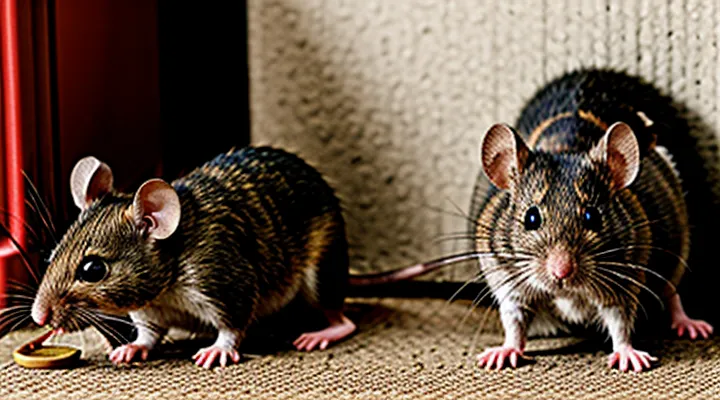
Understanding the Rodent Problem
Identifying Rodent Infestation Signs
Droppings and Urine Marks
Droppings and urine marks provide the most reliable evidence of rodent activity and are essential for determining where to position traps. Fresh feces appear as small, dark, rice‑shaped pellets, while older droppings darken and become brittle. Urine stains are invisible to the naked eye but can be detected with a blacklight, which makes the fluorescence of rodent urine conspicuous. Both signs indicate the paths rodents use for foraging and nesting.
Identifying these indicators allows you to target high‑traffic zones, increasing trap efficiency and reducing the number of devices required. Place snap or electronic traps directly along the edges of droppings clusters, near walls, or at the base of urine‑illuminated routes. Ensure traps are set perpendicular to the rodent’s travel line to maximize contact.
Key considerations when using droppings and urine marks for trap placement:
- Confirm freshness: recent droppings suggest active movement; older deposits may indicate abandoned routes.
- Map locations: mark each sign on a floor plan to visualize primary and secondary pathways.
- Use protective gear: gloves and masks prevent exposure to pathogens carried in feces and urine.
- Clean after placement: remove residual waste to eliminate scent that could deter rodents from approaching traps.
Gnaw Marks and Damage
Gnaw marks are the most reliable indicator of active rodent activity. Teeth create clean, crescent‑shaped incisions on wood, plastic, or wiring, typically 2–4 mm deep. Repeated chewing weakens structural components, frays insulation, and can expose live wires, increasing fire risk. Identifying these signs early prevents costly repairs and limits the spread of contamination.
Damage patterns guide trap placement. When gnaw marks appear near entry points, along walls, or around stored food, they reveal the pathways rodents use. Positioning traps directly adjacent to fresh chew sites maximizes capture rates because rodents habitually follow established routes. Monitoring the progression of gnaw marks also indicates whether a population is expanding, prompting the addition of more devices.
Typical gnaw‑related damage includes:
- Clean, V‑shaped cuts on wooden beams, baseboards, or furniture.
- Chewed holes in plastic containers, cable jackets, or PVC pipes.
- Frayed or exposed electrical wiring.
- Shredded insulation material around ducts or vents.
- Damaged packaging on stored grains, pet food, or pantry items.
Unusual Noises
Unusual noises often precede visible signs of rodent activity and can guide the strategic placement of capture devices. Listening for faint scratching, scurrying, or gnawing sounds inside walls, ceilings, or storage areas reveals the exact locations where mice travel. Detecting these sounds early allows technicians to position traps along established runways, increasing capture rates while minimizing unnecessary bait deployment.
Typical audible indicators include:
- Light tapping or pattering, produced by mice moving along concealed pathways.
- Intermittent squeaking, generated when rodents communicate or distress.
- Repetitive grinding, caused by teeth contacting structural components.
Each sound type suggests a different level of infestation. Persistent tapping signals active foraging routes, warranting multiple traps along the corridor. Squeaking may indicate nesting sites, prompting placement of baited traps nearby. Grinding noises often accompany structural damage, suggesting the need for reinforced barriers in addition to trapping.
When unusual noises are confirmed, follow a systematic approach:
- Record the time and frequency of each sound to map activity peaks.
- Inspect adjacent surfaces for entry holes or droppings, correlating auditory data with physical evidence.
- Deploy a combination of snap and live-catch devices at points where noises converge, ensuring bait aligns with the identified travel pattern.
- Monitor traps daily, adjusting positions based on any shift in acoustic activity.
By treating atypical sounds as reliable indicators of mouse movement, practitioners can optimize trap deployment, reduce wasteful bait use, and achieve faster reductions in rodent populations.
Sightings of Live or Dead Rodents
Observing live or dead rodents provides direct feedback on the performance of any trapping program. Immediate identification of captured animals confirms trap placement, bait selection, and timing, while the absence of sightings may indicate avoidance behavior or inadequate coverage.
Typical indicators of rodent activity include:
- Fresh droppings near food storage or pathways
- Gnaw marks on wiring, wood, or packaging
- Grease trails along walls
- Chewed insulation or cardboard
- Presence of nests or shredded material
- Live rodents sighted during night inspections
- Dead rodents found in trap compartments or near bait stations
Analyzing the condition of captured specimens—such as size, health, and species—helps refine bait formulations and adjust trap sensitivity. Consistent records of live catches reveal ongoing infestations, prompting increased trap density or alternative attractants. Conversely, a rise in dead specimens suggests successful suppression but may also signal over‑trapping, requiring humane considerations and trap reset intervals.
Regular documentation of sightings supports trend analysis. Mapping locations of live and dead rodents over weeks uncovers hotspots, informs strategic repositioning, and validates the overall effectiveness of the control effort.
Common Rodent Species and Their Habits
House Mice
House mice (Mus musculus) are small, agile mammals that thrive in residential environments where food, shelter, and water are readily available. Their nocturnal activity, preference for concealed pathways, and rapid breeding cycle create urgent demands for precise control measures.
Understanding mouse behavior is essential for successful capture. These rodents:
- Follow established runways along walls, behind appliances, and within insulation.
- Avoid open spaces, favoring tight gaps and concealed nests.
- Respond strongly to food odors, especially grains, nuts, and sugary substances.
Effective capture devices fall into three categories:
- Snap traps – mechanical, instant‑kill units that require precise placement on runways.
- Live‑capture traps – wire cages that hold mice unharmed for relocation or humane dispatch.
- Electronic traps – battery‑powered devices delivering a quick, high‑voltage shock.
Selection criteria include target location, presence of children or pets, and disposal preferences. For maximum impact, follow these placement guidelines:
- Position traps perpendicular to walls, with the trigger end facing the expected travel direction.
- Locate devices near identified droppings, gnaw marks, or food sources.
- Maintain a 1‑ to 2‑inch clearance between trap and wall to allow mouse entry.
- Use multiple traps spaced 6‑12 inches apart in high‑traffic zones.
Bait choice influences capture rates. Proven attractants consist of:
- Peanut butter (high fat content, strong scent).
- Oatmeal mixed with honey (sweet and grain profile).
- Small pieces of dried fruit or cheese (optional for specific infestations).
Regular maintenance sustains efficacy. Inspect traps daily, remove captured mice promptly, and reset or replace devices as needed. Rotate bait every 3‑4 days to prevent habituation. Seal entry points by installing steel wool or caulk in gaps larger than ¼ inch, thereby reducing reinfestation risk.
Implementing these evidence‑based practices yields rapid reduction of house mouse populations while minimizing collateral hazards.
Norway Rats
Norway rats (Rattus norvegicus) are the most common large rodent encountered in residential, commercial, and agricultural settings. They thrive in sewers, basements, and outdoor garbage areas, where they build extensive burrow systems and exhibit nocturnal foraging habits. Their size (up to 400 g) and strong bite force allow them to damage food storage, wiring, and structural components.
Effective trapping requires understanding rat behavior. Rats follow established pathways, prefer concealed routes, and respond to strong olfactory cues. Placement of a trap along a wall, behind objects, or near active runways maximizes contact. Position traps perpendicular to the wall, with the trigger end facing the wall, because rats move parallel to surfaces.
Key considerations for selecting a trap:
- Snap traps: Rapid kill, suitable for indoor use; must be sized to accommodate a 4‑inch body length.
- Electronic traps: Deliver a high‑voltage shock; reusable, ideal where hygiene is critical.
- Live‑catch cages: Capture without killing; require frequent checking to prevent stress‑induced mortality.
- Glue boards: Less humane, best reserved for secondary control in confined spaces.
Bait selection influences capture rates. Preferred attractants include:
- Fresh fruit (apple, banana)
- Protein sources (cooked bacon, peanut butter)
- Grain mixtures (cornmeal, oats)
- Commercial rodent lures containing pheromones
Apply a small amount (≈0.5 cm³) directly on the trigger mechanism to avoid contaminating the trap surface.
Maintenance ensures continued efficacy. Check traps daily, dispose of carcasses or captured rats according to local regulations, and reset or replace traps as needed. Clean snap and electronic devices with a mild detergent to remove scent traces that may deter subsequent visits. Rotate bait types periodically to prevent habituation.
Integrating these practices with sanitation measures—securing food waste, sealing entry points, and reducing clutter—creates an environment where Norway rats encounter fewer resources and are more likely to enter traps, leading to rapid population reduction.
Roof Rats
Roof rats (Rattus rattus) inhabit attic spaces, eaves, and roof voids, preferring elevated, concealed environments. Their agility allows them to climb vertical surfaces, making ceiling and wall junctions prime pathways. Identification relies on droppings (small, dark, spindle‑shaped), gnaw marks on insulation, and audible scurrying at night.
Effective capture requires strategic trap placement. Position snap traps or electronic devices perpendicular to travel routes, near walls, and within 12‑inch intervals along rafters. Secure traps to prevent displacement by the rat’s strong hind limbs. Use bait that matches the species’ preference for sweet, protein‑rich foods; typical choices include dried fruit, peanut butter, or canned tuna. Replace bait daily to maintain freshness and reduce non‑target catches.
Recommended trap types for roof rat control:
- Snap traps with a sensitive trigger and a sturdy base
- Electronic traps delivering a rapid, humane kill
- Live‑capture cages equipped with a secure latch and a chew‑resistant door
Preventive measures complement trapping. Seal entry points larger than ¼ inch, repair damaged soffits, and install metal flashing around vents. Reduce food sources by storing pantry items in sealed containers and removing bird feeders that hang near the roofline. Regular inspections of insulation and wiring detect early infestations, allowing prompt intervention before population growth.
Types of Mouse Traps
Traditional Snap Traps
Advantages of Snap Traps
Snap traps deliver rapid, humane termination of rodents, minimizing suffering and preventing prolonged exposure to disease vectors. The mechanical action eliminates the need for chemical agents, reducing health risks for humans and pets.
- Immediate kill reduces the chance of escape and subsequent re‑infestation.
- Reusable design lowers long‑term expenses compared with disposable bait stations.
- Compact form factor allows placement in concealed locations, preserving aesthetic integrity of the environment.
- Simple operation requires no electricity or specialized training; a single trigger mechanism suffices.
The reliability of snap traps stems from their straightforward physics: a spring‑loaded bar stores kinetic energy that releases instantly when the trigger is activated. This predictability ensures consistent performance across various rodent species and sizes. Additionally, the absence of toxic substances eliminates the need for hazardous waste disposal, aligning with safety regulations in residential and commercial settings.
Disadvantages of Snap Traps
Snap traps are a common choice for rodent control because they deliver immediate results, yet they present several practical drawbacks.
- High risk of accidental injury to non‑target animals, children, or household staff.
- Limited effectiveness against wary or trap‑shy rodents that avoid sudden movements.
- Requirement for frequent inspection and disposal of dead specimens, which can be unsanitary.
- Reduced suitability in occupied spaces where noise or sudden impact may cause disturbance.
- Potential for reduced longevity; spring mechanisms can lose tension after repeated use, diminishing capture reliability.
These issues can compromise safety, hygiene, and overall efficiency, prompting consideration of alternative devices for comprehensive rodent management.
Baiting and Placement Strategies
Effective bait selection drives trap success. High‑protein foods such as peanut butter, dried meat, and boiled egg attract rodents quickly. Sweet options like chocolate, fruit jam, or caramel work well when protein sources are scarce. For indoor use, small amounts of cheese or nuts provide strong scent without creating mess. Rotate bait types every few days to prevent habituation.
Placement determines encounter rate. Position traps along walls, behind appliances, and near known gnawing sites; rodents travel close to edges. Insert traps perpendicular to the wall, with the entry side facing the baseboard. In cluttered areas, use flat‑back traps that sit flush against surfaces to avoid detection. For outdoor settings, locate devices near burrow entrances, compost piles, or garden edges, securing them against wind and rain.
Timing enhances capture probability. Deploy traps in the evening when rodents are most active, then inspect early morning. Replace bait after each capture to maintain freshness. In multi‑unit buildings, coordinate placement across adjacent apartments to reduce migration and ensure comprehensive coverage.
Live-Catch Traps
Advantages of Live-Catch Traps
Live‑catch traps provide several practical benefits for rodent control. They capture mice without lethal force, allowing humane removal and compliance with regulations that restrict poison or extermination methods. The devices are reusable; a single unit can be employed repeatedly after cleaning, reducing long‑term cost compared to disposable snap traps. Because they do not rely on chemicals, the risk of contaminating food stores, surfaces, or pet environments is eliminated. Additionally, live‑catch traps produce no blood or debris, simplifying disposal and minimizing sanitation concerns.
Key advantages include:
- Humane capture: Animals remain alive and unharmed, supporting ethical pest‑management policies.
- Regulatory compliance: Meets legal restrictions in jurisdictions that ban toxic or kill‑based traps.
- Cost efficiency: One trap serves multiple capture cycles, lowering replacement expenses.
- Safety for non‑target species: Designs often feature size‑specific entrances, preventing accidental capture of beneficial insects or small pets.
- Ease of monitoring: Transparent chambers allow quick visual verification of captures without opening the device.
Disadvantages of Live-Catch Traps
Live‑catch traps are designed to capture rodents without killing them, but several practical drawbacks limit their effectiveness.
- High stress and mortality risk – Captured animals experience extreme stress; many die from shock, injury, or dehydration before release.
- Frequent monitoring required – Traps must be checked several times a day to prevent suffering and avoid attracting predators, demanding constant attention.
- Release complications – Relocating rodents often violates local regulations, and released individuals may return or spread disease to new areas.
- Limited capacity – Each trap holds only one or a few animals; infestations with multiple rodents quickly overwhelm the system.
- Potential for escape – Improperly secured traps allow animals to break free, rendering the effort ineffective.
- Hygiene concerns – Captured rodents excrete waste inside the trap, creating odors and increasing the risk of contaminating surrounding surfaces.
- Cost considerations – Durable live‑catch devices and the labor required for regular checks increase overall expense compared to lethal alternatives.
Humane Release Best Practices
Humane release procedures ensure captured rodents are returned to an environment where they can survive without posing a risk to the original infestation site. Implementing these practices maintains ethical standards while preserving the effectiveness of control measures.
Before handling a live trap, select a release area at least half a mile from the building where the rodent was caught. Verify that the site offers shelter, food sources, and minimal human activity. Prepare disposable gloves, a sturdy container for transport, and a calm route to avoid stressing the animal.
- Wear gloves to protect both handler and rodent.
- Keep the trap upright; do not shake or jostle it during movement.
- Transport the trap directly to the predetermined release point.
- Place the trap on stable ground, open the door slowly, and allow the rodent to exit voluntarily.
- Observe the animal for a few moments to confirm it has left the trap completely.
- Close the trap only after the rodent is out of sight.
After release, clean the trap with a mild disinfectant to remove scent traces that could attract additional rodents. Store the device in a dry location until the next use. Record the release location and date to track effectiveness and adjust future placement if recaptures occur.
Glue Traps
Advantages of Glue Traps
Glue traps provide a distinct set of benefits for controlling rodent populations in residential and commercial settings. Their design consists of a non‑toxic adhesive surface that immobilizes pests upon contact, eliminating the need for lethal mechanisms that involve poison or mechanical force.
- Immediate immobilization: The adhesive captures rodents instantly, preventing escape and reducing the likelihood of secondary damage.
- Low cost: Production and purchase expenses are modest compared to snap traps, electronic devices, or chemical baits, allowing extensive deployment without significant budget impact.
- Minimal maintenance: Once placed, glue traps require no regular resetting; they remain functional until the adhesive surface is saturated.
- Discreet appearance: Flat, transparent plates can be positioned in concealed locations, preserving aesthetic integrity of the environment.
- Safety for non‑target species: Absence of toxins reduces risk to pets and children, provided traps are installed out of reach.
These attributes make glue traps a practical component of comprehensive rodent management programs, especially where budget constraints, safety concerns, or the need for rapid capture are paramount.
Disadvantages of Glue Traps
Glue traps are a common component of rodent control kits, yet their drawbacks limit effectiveness and raise concerns.
- Lethal method without quick death – captured rodents remain immobilized for an extended period, causing prolonged suffering.
- Non‑selective capture – insects, small reptiles, and other non‑target animals can become trapped, disrupting local ecosystems.
- Limited reusability – each trap functions only once; replacement costs accumulate quickly in infestations.
- Risk to humans and pets – adhesive surfaces can adhere to skin, fur, or clothing, leading to injuries or the need for medical removal.
- Reduced efficacy in cluttered environments – debris and dust diminish stickiness, decreasing capture rates in typical household settings.
- Difficult disposal – dead rodents remain attached to the glue, requiring careful handling to avoid contamination and odor problems.
These factors diminish the practicality of glue traps compared with alternative solutions such as snap traps, live‑catch devices, or integrated pest‑management approaches.
Ethical Considerations
Effective rodent control demands attention to animal welfare, legal compliance, and public health. Ethical practice begins with evaluating the necessity of capture. If a population poses a genuine risk to food safety, structural integrity, or disease transmission, intervention is justified; otherwise, prevention through sanitation and exclusion should be prioritized.
Key ethical principles include:
- Humane design – Select traps that minimize pain and distress. Snap mechanisms must deliver rapid, lethal force; live‑catch devices should allow quick release and avoid prolonged confinement.
- Species‑specific suitability – Use devices calibrated for the target rodent’s size and behavior to prevent accidental injury to non‑target wildlife.
- Responsible disposal – Follow local regulations for the humane disposal of deceased rodents and ensure that live captures are released far from human habitation, respecting ecological balance.
- Transparency and accountability – Document trap placement, monitoring frequency, and outcomes. Records support compliance audits and inform future improvements.
- Training and supervision – Personnel must receive instruction on proper handling, placement, and removal techniques to reduce mishandling and unnecessary suffering.
Balancing efficacy with compassion safeguards both human interests and animal rights, reinforcing the credibility of any rodent management program.
Electronic Traps
How Electronic Traps Work
Electronic rodent traps rely on a high‑voltage discharge to incapacitate a mouse instantly. When a mouse enters the baited chamber, a sensor—typically a pressure plate or infrared beam—detects its presence. The sensor triggers a capacitor bank that releases a brief pulse of electricity, usually between 2,000 and 6,000 volts, across two metal electrodes. The current travels through the animal’s body, causing immediate loss of consciousness and death within seconds.
Key components of an electronic trap include:
- Trigger mechanism: pressure-sensitive plate or optical sensor that activates the circuit upon contact.
- Power source: rechargeable battery or mains adapter that charges the capacitors.
- Capacitor circuit: stores electrical energy and discharges it in a controlled burst.
- Electrodes: stainless‑steel plates positioned to ensure the mouse completes the circuit when it seeks bait.
- Safety interlock: prevents discharge while the trap is opened for cleaning or bait replacement.
The device’s design minimizes the risk of accidental shock. A built‑in safety switch disables the voltage when the lid is lifted, allowing safe handling of the captured rodent. After each activation, the trap signals a kill event—often with an audible click or LED indicator—so the user can promptly dispose of the carcass and reset the unit.
Performance data from independent tests show capture rates exceeding 90 % for house mice when baited with high‑fat seeds or peanut butter. The rapid kill reduces suffering, eliminates the need for poison, and prevents secondary infestations caused by dead rodents left unattended. Proper placement near walls, along travel routes, and regular maintenance of battery charge sustain optimal effectiveness.
Benefits of Electronic Traps
Electronic traps provide a rapid, non‑chemical method for eliminating rodents. The device delivers a high‑voltage shock that kills the animal instantly, eliminating the suffering associated with traditional snap‑traps or glue boards.
- Immediate, lethal result reduces the chance of escape or injury to other animals.
- No toxic baits, preventing accidental poisoning of children, pets, or wildlife.
- Reusable design eliminates the need for frequent replacement, lowering long‑term expense.
- Enclosed chamber prevents contact with the dead rodent, enhancing sanitation and reducing odor.
- Built‑in indicator or digital display confirms capture, allowing precise monitoring of infestation levels.
The initial purchase price exceeds that of simple mechanical traps, but the durability and absence of consumable baits generate cost savings over months of use. Energy consumption is minimal; most models operate on standard AA batteries lasting several months, further reducing operational costs.
In environments where food safety is critical—such as kitchens, restaurants, or food‑processing facilities—electronic traps meet regulatory requirements by avoiding chemical residues. Their sealed compartments also simplify disposal, as captured rodents can be removed without direct handling.
Overall, electronic traps combine efficiency, safety, and economic advantages, making them a superior choice for reliable rodent control.
Safety Precautions
When setting traps for rodents, safety must precede effectiveness. Personal protection and environmental awareness reduce the risk of injury, disease transmission, and accidental poisoning.
- Wear disposable gloves to avoid direct contact with bait and captured animals.
- Keep traps out of reach of children and pets; store them in locked cabinets when not in use.
- Choose traps that meet regulatory standards for humane and secure operation.
- Place devices on stable surfaces to prevent tipping or unintended activation.
- Inspect each trap before deployment for damage or wear; replace compromised units immediately.
- Use bait that complies with local health guidelines and avoid substances known to cause allergic reactions.
- After capture, dispose of rodents according to municipal regulations; sanitize the area with approved disinfectants.
- Maintain a clear record of trap locations, dates, and outcomes to monitor effectiveness and adjust placement as needed.
Adhering to these measures ensures that rodent control remains both efficient and responsible.
Other Innovative Trapping Methods
Multi-Catch Traps
Multi‑catch traps are devices engineered to capture several rodents before requiring reset. The mechanism typically involves a spring‑loaded platform that releases when a mouse triggers a pressure plate, allowing the animal to fall into a sealed compartment. The compartment’s size accommodates multiple captures, extending the interval between interventions.
Key design elements include:
- A hinged entry door that snaps shut upon activation, preventing escape.
- A transparent or vented housing that permits visual inspection without opening the unit.
- A release lever or button that resets the trap instantly after disposal of captured rodents.
- Durable construction materials such as reinforced plastic or stainless steel to resist gnawing.
Compared with single‑capture models, multi‑catch units reduce labor by decreasing the frequency of trap checks. They also lower the total number of devices needed in an infested area, which minimizes clutter and potential obstruction of foot traffic. The cumulative catch capacity improves overall efficacy in high‑density infestations.
Effective deployment follows a systematic approach:
- Identify active pathways by observing droppings, gnaw marks, or damage.
- Position traps perpendicular to walls, with the entry side facing the anticipated travel direction.
- Place bait—peanut butter, dried fruit, or commercial rodent attractant—directly on the trigger plate.
- Space traps 6–12 inches apart in corridors or along walls to create a continuous barrier.
- Inspect traps daily; remove captured rodents, clean the interior, and reset the mechanism.
Safety precautions are essential. Wear disposable gloves when handling captured rodents to avoid disease transmission. Keep traps out of reach of children and non‑target pets by using tamper‑resistant models or securing them with protective covers. Dispose of rodents according to local regulations, sealing them in a plastic bag before discarding.
By integrating multi‑catch traps into a broader rodent‑management program, operators achieve sustained reduction of mouse populations while minimizing maintenance overhead. The combination of high capture capacity, rapid reset, and strategic placement makes these devices a practical choice for effective rodent control.
Bucket Traps
Bucket traps provide a simple, low‑cost method for capturing mice and other small rodents. The device consists of a sturdy container, typically a five‑gallon plastic bucket, combined with a trigger mechanism that directs the animal into the interior where it cannot escape.
To assemble a functional trap, follow these steps:
- Cut a wooden dowel or a sturdy stick to a length slightly longer than the bucket’s diameter.
- Drill a hole near the top rim of the bucket, large enough for the dowel to pass through while remaining snug.
- Insert the dowel through the hole, allowing it to pivot freely.
- Attach a small wooden platform or a piece of cardboard to the dowel’s opposite end; this will serve as the landing surface.
- Secure a piece of string or thin rope to the platform, routing it over the bucket’s edge and attaching the free end to a weight (such as a rock) placed inside the bucket.
Bait selection influences capture rates. Peanut butter, dried fruit, or pieces of processed meat attract most rodent species. Apply a thin layer of bait to the platform, ensuring it does not spill into the bucket.
Placement determines effectiveness. Position the trap along established runways—walls, baseboards, or behind appliances—where rodents travel. Align the platform so the animal must step onto it to reach the bait, causing the dowel to tip and drop the platform into the bucket.
Maintain the trap by checking it daily. If a rodent is captured, wear gloves, remove the bucket, and dispose of the contents in a sealed bag. Clean the interior with hot water and a mild detergent before resetting the trap with fresh bait.
Advantages and drawbacks:
- Advantages
- Reusable; no need for disposable components.
- Humane; animal remains contained until disposal.
- Scalable; multiple buckets can be deployed simultaneously.
- Drawbacks
- Requires manual construction; no ready‑made kits for all designs.
- May need periodic bait replenishment.
- Large rodents can escape if the bucket lid is not secured.
Properly built and positioned bucket traps deliver reliable rodent capture without reliance on commercial snap or poison devices.
Effective Trapping Strategies
Pre-Trapping Preparation
Sanitation and Food Storage
Maintaining a clean environment reduces the likelihood that rodents will locate food sources, thereby increasing the success rate of capture devices. Regular removal of crumbs, spills, and food residues eliminates attractants that draw mice into areas where traps are placed.
Proper food storage confines nourishment to sealed containers made of metal or thick plastic. Labels indicating airtight closure help prevent accidental exposure. Store bulk items on upper shelves, away from floor level where rodents can reach them.
Implementing systematic sanitation and storage procedures creates conditions unfavorable to rodent activity:
- Sweep and mop floors daily, focusing on corners and under appliances.
- Dispose of garbage in containers with tight-fitting lids; empty them frequently.
- Clean pet feeding areas after each meal, removing leftover food.
- Inspect pantry shelves for damaged packaging; replace compromised containers promptly.
When these measures are consistently applied, traps encounter fewer non‑target encounters, and the overall rodent population declines due to lack of sustenance and shelter.
Sealing Entry Points
Effective rodent control begins with eliminating the routes rodents use to enter a building. The first step is a systematic inspection of the structure’s exterior and interior. Look for gaps around utility penetrations, foundation cracks, window frames, door sweeps, and vent openings. Measure each opening; any gap larger than ¼ inch can admit a mouse.
Once openings are identified, select a sealing material appropriate to the location and expected stress. Use steel wool or copper mesh for small holes, then cover with caulk or expanding foam to prevent gnawing. For larger cracks, apply concrete patch, mortar, or metal flashing. Install door sweeps that reach the floor and ensure weatherstripping on all exterior doors and windows. Seal gaps around pipes and cables with metal-clad silicone or rigid metal plates.
Maintain the barrier by scheduling quarterly checks. Re‑inspect after renovations, severe weather, or pest activity spikes. Replace worn weatherstripping, repair damaged flashing, and refresh sealants that have cracked or separated.
Key actions for sealing entry points
- Conduct a comprehensive visual and tactile survey of the building envelope.
- Document each opening, noting size and material requirements.
- Apply durable, rodent‑resistant sealing products.
- Verify the integrity of seals after installation.
- Implement a regular inspection routine to detect and repair new gaps.
By systematically closing access routes, the reliance on traps diminishes, and the overall success of rodent management improves dramatically.
Removing Alternative Food Sources
Eliminating non‑target food supplies forces rodents to seek out baited devices, increasing capture rates. When rodents have ample access to crumbs, pet food, or pantry items, they ignore traps and continue to thrive.
Typical alternative foods include:
- Spilled grains, cereal, or flour on countertops and floors.
- Open containers of pet kibble, especially overnight.
- Unsealed garbage cans or compost bins.
- Fruit, nuts, or seeds left on kitchen surfaces or in cabinets.
- Birdseed stored in accessible drawers or cabinets.
Effective removal strategy:
- Store all dry goods in airtight containers made of metal or heavy‑wall plastic.
- Sweep and vacuum daily to eliminate crumbs and dust.
- Clean pet feeding areas after each meal; use sealed feeders when possible.
- Transfer garbage to sealed bins and empty them regularly; keep outdoor bins closed with tight lids.
- Relocate birdseed to a locked pantry or store it in a freezer until needed.
After implementing these measures, inspect trap locations weekly. Replace bait as needed, reposition devices if activity shifts, and maintain a clean environment to sustain high capture efficiency.
Trap Placement
High-Activity Areas
High‑activity zones are pathways that rodents use repeatedly to move between food sources, nesting sites, and water. These routes concentrate traffic, making them optimal points for trap deployment.
Identifying these zones requires observation and evidence collection. Look for fresh droppings, gnaw marks, grease trails, and disturbed insulation. Track movement along walls, beneath appliances, and through gaps in foundations. Infrared motion sensors or non‑toxic tracking powders can confirm activity patterns without attracting pests.
Effective trap placement within high‑activity zones follows several principles:
- Position traps perpendicular to the wall, with the trigger end facing the rodent’s travel direction.
- Place baited traps a few inches from known entry points, such as cracks, utility openings, or vent shafts.
- Space multiple traps 12–18 inches apart in corridors where traffic is dense.
- Avoid placing traps in open areas where rodents can easily detect and bypass them; confine them to narrow routes.
- Replace or reposition traps after each capture to maintain pressure on the population.
Monitoring and adjusting trap locations based on ongoing evidence ensures sustained pressure on rodent movement and maximizes capture efficiency.
Along Walls and Corners
Placing traps adjacent to walls and in corners maximizes capture rates because rodents habitually travel close to surfaces to avoid open spaces. Position devices perpendicular to the wall, with the trigger side facing the expected travel path, ensuring the bait is within easy reach while the rodent’s body aligns with the trap’s activation mechanism.
Key positioning guidelines:
- Align the trap’s edge with the wall baseboard or base of furniture.
- Locate traps at the junction of interior walls and cabinets, where pathways converge.
- Install devices near door frames, especially behind doors that open toward interior rooms.
- Use multiple traps spaced 12–18 inches apart in long corridors to cover the entire wall length.
- Secure traps firmly to prevent displacement by passing animals or cleaning activities.
Maintain a clear line of sight between bait and the rodent’s entry point, and replace or reposition traps promptly if they become inactive. Regular inspection of wall and corner zones identifies new travel routes, allowing timely adjustment of trap placement for sustained effectiveness.
Near Food and Water Sources
When rodents search for nourishment, they concentrate activity around accessible food and water. Positioning traps within these zones maximizes encounter rates and reduces the time required for capture.
Select bait that mirrors the most prevalent food sources in the area. Grain, peanut butter, or dried fruit work well in kitchens, while meat scraps or fish oil attract mice in garbage‑rich zones. Ensure the bait remains moist enough to stay attractive but not so wet that it dissolves the trap mechanism.
Place traps directly adjacent to water dispensers, leaky pipes, or condensation points. Moisture draws mice for drinking and for nesting material, creating a predictable traffic corridor. Align the trigger side of snap traps or the entry hole of live‑catch devices toward the anticipated path to increase activation likelihood.
Key practices for these locations:
- Keep surfaces clean; remove crumbs and spills that can distract from the bait.
- Seal cracks and gaps near food storage to funnel movement toward traps.
- Rotate trap placement regularly to prevent mouse habituation.
- Inspect and replace bait daily to maintain potency.
Baiting Techniques
Recommended Baits for Mice
Choosing the right attractant dramatically increases capture rates. Mice are opportunistic feeders; their preferences can be predicted by natural diet and seasonal availability. Effective bait must combine strong olfactory appeal with palatability and durability long enough to withstand handling and environmental exposure.
- Peanut butter – high fat content, strong scent, adheres to trap surfaces.
- Sunflower seeds (shelled) – crunchy texture, natural carbohydrate source.
- Chocolate chips – sweet flavor, aromatic compounds attract both juvenile and adult mice.
- Dried fruit (e.g., raisins, apricots) – concentrated sugars, moisture-resistant.
- Soft cheese (e.g., cream cheese) – strong dairy aroma, soft consistency facilitates gnawing.
- Commercial rodent lures – formulated blends of protein, fat, and scent enhancers, designed for prolonged effectiveness.
Placement influences bait performance. Position traps along walls, behind appliances, and near known gnawing sites. Refresh bait every 2–3 days to maintain scent potency. Avoid using strong detergents or oils that may mask attractant odors. Selecting a bait that aligns with local mouse feeding habits and maintaining freshness ensures optimal trap efficiency.
Recommended Baits for Rats
Effective rat control hinges on bait choice that aligns with the species’ dietary preferences and environmental conditions.
- Peanut butter: strong odor, high fat content, appeals to both male and female rats; adheres well to trap surfaces.
- Fresh fruit (apple, banana): natural sugars attract foraging rats; best used in warm climates where fruit remains fresh.
- Meat scraps or fish oil: protein and strong scent stimulate nocturnal foragers; suitable for sewers or basements with limited vegetation.
- Grain mixtures (cornmeal, wheat germ): staple food source; works well in agricultural settings where rats are accustomed to cereals.
- Commercial rodent attractants (e.g., hexanic oil blends): formulated to mimic natural pheromones; provide consistent potency over extended periods.
Rotate baits every 3–5 days to prevent habituation. Place bait centrally on the trigger platform, ensuring a thin, even layer that rats can readily gnaw. Store unused bait in airtight containers to preserve scent and prevent spoilage.
Avoiding Bait Shyness
Bait shyness occurs when rodents associate a trap with a negative experience and subsequently avoid similar devices. The behavior develops after a single exposure to a trap that fails to deliver a reward or delivers a painful stimulus, prompting the animal to learn that the scent or appearance of the bait signals danger.
Effective strategies to prevent bait shyness include:
- Rotate bait types every few days; alternating between peanut butter, grain, and soft cheese disrupts pattern recognition.
- Use fresh, high‑quality attractants; stale or contaminated bait loses potency and may deter feeding.
- Position traps away from established runways; placing devices directly on travel paths increases the chance of a quick capture before the mouse learns to avoid the scent.
- Apply a mild pre‑bait period: leave traps unarmed with bait for 24–48 hours to allow rodents to investigate without threat, then activate the mechanism.
- Employ low‑impact trigger mechanisms that release the mouse without excessive force, reducing the likelihood of injury that could create a negative association.
Monitoring trap performance and adjusting bait composition promptly eliminates the reinforcement of avoidance behavior, ensuring consistent capture rates.
Monitoring and Maintenance
Regular Trap Checks
Regular inspection of traps prevents loss of bait, reduces the chance of escape, and minimizes health hazards. Check each device at least once every 12 hours during active infestations; reduce the interval to every 4–6 hours when using snap traps in high‑traffic areas.
- Remove captured rodents promptly.
- Reset or replace bait before it becomes stale.
- Clean the trap surface to eliminate scent trails.
- Inspect for damage; repair or discard compromised units.
Document the date, location, and capture count for every check. This record reveals patterns, guides repositioning, and supports decision‑making about escalation to professional services.
When handling dead or live catches, wear disposable gloves, seal the animal in a plastic bag, and dispose of it according to local regulations. For live captures, release the animal at least 150 feet from the building, preferably in a suitable habitat.
Maintain a schedule that aligns with the infestation level and seasonal activity. Consistent monitoring sustains trap effectiveness and accelerates the reduction of rodent populations.
Re-baiting and Re-setting
Effective rodent control hinges on timely re-baiting and precise re-setting of traps. Fresh bait maintains attraction; stale or contaminated bait loses potency within 24–48 hours. Replace bait whenever it shows signs of drying, mold, or rodent interference. Position bait securely to prevent removal, using glue or a small clip that does not obstruct the trigger mechanism.
Re-setting a trap involves three critical actions:
- Inspect the trigger – ensure the spring or snap mechanism moves freely and returns to its armed position without obstruction.
- Reset the latch – align the latch bar with the catch notch, confirming that the trap is fully cocked.
- Verify bait placement – attach the new bait at the designated point, typically behind the trigger plate, to encourage the rodent to engage the mechanism.
Routine maintenance extends trap lifespan. Clean the interior with mild detergent after each capture, dry thoroughly, and reapply a light coat of oil to moving parts to prevent rust. Conduct a visual check weekly; replace any trap showing wear, broken springs, or compromised structural integrity.
Dealing with Captured Rodents
When a rodent is captured, swift and safe handling prevents disease transmission and protects household members. Begin by wearing disposable gloves; this barrier reduces exposure to saliva, urine, and parasites. Place the trapped animal in a sealed plastic bag, then transfer the bag to a second container for added containment.
Dispose of the sealed bag according to local regulations. Many municipalities require placement in a trash receptacle designated for animal waste. If a wildlife rehabilitation program accepts rodents, contact the agency before disposal.
After removal, clean the trap thoroughly. Use a solution of one part bleach to nine parts water, applying it to all surfaces and allowing a five‑minute contact time. Rinse with clean water, then dry completely before reuse or storage.
Maintain a hygienic environment to discourage future infestations:
- Seal entry points such as gaps around pipes and doors.
- Store food in airtight containers.
- Keep garbage bins covered and emptied regularly.
- Reduce clutter that provides shelter.
Document the incident, noting the trap type, location, and date of capture. This record aids in evaluating trap effectiveness and identifying patterns that may require additional preventive measures.
Safety Considerations
Protecting Pets and Children
When selecting rodent‑control devices, prioritize models that prevent accidental activation by non‑target occupants. Choose traps with enclosed chambers, sealed bait compartments, or electronic mechanisms that require deliberate contact to trigger. Verify that the product complies with safety standards such as UL or ASTM.
Implement these safety measures:
- Position traps out of reach of children and pets, ideally on elevated surfaces or behind barriers.
- Use tamper‑proof covers or lockable enclosures where traps are placed.
- Store bait and lure materials in sealed containers inaccessible to household members.
- Inspect trap locations regularly; remove or deactivate devices once the rodent problem is resolved.
- Keep a record of trap placement and maintenance dates to ensure consistent oversight.
Educate all household members about the presence of traps. Explain that only authorized personnel should handle or reset devices. Supervise children during any activity near the trap area and keep pets confined to separate rooms until the infestation is cleared.
If risk of accidental contact remains high, substitute with alternative control methods such as ultrasonic repellents, exclusion sealing, or professional pest‑management services that employ non‑contact techniques. These options eliminate direct interaction while maintaining effective rodent reduction.
Handling Captured Rodents Safely
When a trap captures a rodent, immediate and controlled handling prevents bites, scratches, and disease transmission.
Wear disposable nitrile gloves, a face mask, and safety goggles before touching the animal. Replace gloves if they become torn or contaminated.
Secure the rodent in a rigid, sealable container such as a plastic box with a tight‑fitting lid. Keep the container upright and avoid shaking to minimize stress on the animal and reduce the risk of escape.
Choose a disposal method that complies with local regulations:
- Euthanize with an approved humane device and place the carcass in a sealed bag for trash disposal.
- If release is permitted, transport the animal in a ventilated cage to a suitable outdoor location far from residential areas.
- For research or veterinary purposes, hand the container to a qualified professional.
After removal, wash hands with soap and water, then apply an alcohol‑based sanitizer. Clean all tools and surfaces with a disinfectant containing at least 0.1 % bleach solution. Dispose of used gloves and masks in a sealed bag.
Document the capture, noting date, location, and method used, to maintain records required by health and wildlife authorities.
Post-Trapping Cleanup and Disinfection
After a trap has captured a rodent, the area must be cleared and sanitized to prevent disease transmission and discourage future infestations. Begin by wearing disposable gloves and, if necessary, a mask to protect against aerosolized pathogens. Carefully remove the dead animal, placing it in a sealed plastic bag, then dispose of the bag according to local regulations for wildlife or pest waste.
Next, clean the trap itself. Rinse with hot water, then scrub with a detergent solution to eliminate organic residues. Rinse again, and soak in a disinfectant approved for use against bacteria and viruses, such as a 1 % bleach solution or a quaternary ammonium compound, following the manufacturer’s contact time. Rinse thoroughly after disinfection to remove chemical residues before the trap is stored or reused.
Finally, treat the surrounding surface. Sweep or vacuum to collect debris, then wipe the floor, countertops, and any adjacent objects with the same disinfectant solution used for the trap. Allow the surfaces to air‑dry completely. Replace any damaged or heavily soiled bait stations, and inspect the area for signs of additional activity. Regular monitoring and prompt sanitation after each capture sustain an effective rodent‑control program.
Advanced Rodent Control and Prevention
Integrated Pest Management (IPM) Principles
Inspection and Monitoring
Effective rodent control relies on systematic inspection and continuous monitoring of trap performance. Begin each assessment by confirming proper trap placement: align devices with known pathways, near walls, and close to food sources. Verify that bait remains fresh and that trigger mechanisms function without obstruction.
Record observations at regular intervals—preferably every 12‑24 hours. Document captured specimens, trap status (set, sprung, or empty), and any environmental changes such as temperature or humidity that could influence activity. Use a simple log format:
- Date and time of check
- Trap identifier
- Capture count (live, dead, none)
- Condition of bait and mechanism
- Notable signs of activity (droppings, gnaw marks, urine trails)
Analyze collected data to identify trends. A rising capture rate in specific locations signals high traffic zones, prompting additional traps or bait adjustments. Conversely, consistently empty traps suggest misplacement or diminished rodent presence; relocate or suspend those units.
Integrate visual monitoring when feasible. Low‑light cameras positioned near traps provide real‑time evidence of entry attempts, false triggers, and species identification. Review footage periodically to refine placement strategies and reduce non‑target interactions. Consistent documentation and data‑driven adjustments ensure the trapping program remains effective and responsive to evolving rodent behavior.
Exclusion Techniques
Effective exclusion prevents rodents from entering structures, reducing reliance on lethal devices. The approach begins with a systematic survey of the building envelope to locate potential ingress points.
- Seal cracks and gaps larger than ¼ inch with caulk, expanding foam, or cement.
- Install metal flashing around vents, utility openings, and pipe penetrations.
- Apply steel wool or copper mesh to small holes before sealing, ensuring a durable barrier.
- Fit weather‑stripping on doors and windows to eliminate gaps when closed.
- Attach door sweeps to the bottom of exterior doors to block the space under the threshold.
- Cover foundation cracks with hydraulic cement and maintain proper grading to direct water away from the foundation.
After sealing, conduct periodic inspections to verify the integrity of barriers and to detect new openings caused by settling or weather damage. Replace worn materials promptly to maintain a continuous shield.
Combine exclusion with strategically placed capture devices near identified activity zones. This dual method limits re‑entry while providing immediate reduction of the existing population, delivering a comprehensive rodent management solution.
Sanitation Practices
Effective rodent control begins with rigorous sanitation. Removing food sources, water, and shelter eliminates the conditions that attract mice, allowing traps to operate with higher success rates.
Key sanitation actions include:
- Store all consumables in sealed containers made of metal or thick plastic.
- Clean food preparation areas daily; sweep crumbs, mop spills, and dispose of waste in tightly sealed bins.
- Eliminate standing water by fixing leaks, draining puddles, and regularly emptying pet water dishes.
- Declutter storage spaces; stack boxes away from walls and keep floors clear of debris.
- Seal entry points such as gaps around pipes, vents, and foundation cracks with steel wool, caulk, or hardware cloth.
A clean environment reduces the likelihood of rodents evading traps by finding alternative food or nesting sites. When food residues are absent, captured mice are less likely to be drawn away from baited devices, increasing capture frequency.
Routine inspection supports ongoing effectiveness. Conduct weekly checks for new waste accumulations, re‑seal any fresh gaps, and replace trap bait according to manufacturer guidelines. Consistent sanitation, combined with properly placed devices, creates a hostile setting for rodents and maximizes trap performance.
Long-Term Prevention Measures
Regular Home Maintenance
Regular home maintenance directly influences the success of any rodent‑capture strategy. Structural gaps, accumulated debris, and unattended food sources create pathways and incentives for mice. Addressing these factors reduces the need for repeated trap deployment and improves capture rates.
Key maintenance actions include:
- Inspect and seal cracks around foundations, windows, and doors with steel‑wool or caulk.
- Install door sweeps and weatherstripping to block entry points.
- Keep interior spaces free of food residues; store pantry items in airtight containers.
- Remove clutter such as piles of paper, cardboard, or fabric that provide nesting sites.
- Maintain exterior vegetation, trimming shrubs and vines away from the building envelope.
- Regularly clean under appliances, behind cabinets, and in crawl spaces to eliminate hidden food sources.
- Verify that trap stations are positioned along walls, near known activity zones, and that traps are functional and baited appropriately.
Routine inspections, performed quarterly, identify new vulnerabilities before infestations expand. Documenting findings and corrective actions creates a reference for future maintenance cycles, ensuring that each preventive measure supports the overall rodent‑control effort.
Landscaping and Yard Management
Effective rodent capture relies on a yard environment that discourages mouse activity and supports trap placement. Proper landscaping reduces shelter, food sources, and travel routes, making traps more likely to encounter target animals.
Maintaining clear zones around structures eliminates hidden pathways. Trim vegetation to a height of no more than six inches near foundations, and remove dense ground cover that can conceal nests. Keep mulch layers thin; excessive organic material retains moisture and attracts insects, which in turn draw mice.
Control of debris is essential. Store firewood off the ground, elevate it on pallets, and keep it at least two feet from the house. Dispose of garden waste promptly, and seal compost bins to prevent access. Regularly inspect irrigation systems for leaks, as standing water creates favorable conditions for rodents.
Integrate trap deployment with yard design:
- Position snap or live traps along established runways, typically along walls, under eaves, or beside utility lines.
- Place bait stations near food sources such as bird feeders, but maintain a minimum three‑foot clearance from human activity zones.
- Use trap stations that are weather‑resistant and camouflaged by surrounding foliage, yet remain visible for monitoring.
- Rotate trap locations weekly to prevent habituation and to cover new activity areas revealed by landscaping changes.
Routine yard maintenance amplifies the efficacy of any capture system. Schedule quarterly inspections to assess vegetation height, debris accumulation, and trap performance. Adjust landscaping practices based on observed rodent movement patterns, ensuring that the environment continuously supports the primary objective of reducing mouse populations.
Professional Pest Control Services
Professional pest control firms specialize in systematic rodent management, combining expertise with equipment to achieve reliable results. Their approach begins with a thorough site inspection that identifies entry points, population density, and environmental conditions conducive to infestation.
Typical services include:
- Placement of calibrated capture devices designed for quick removal
- Continuous monitoring with data logging to track activity trends
- Structural sealing of gaps, vents, and utility penetrations
- Sanitation recommendations to eliminate food and water sources
- Safe disposal of captured animals following local regulations
Advantages of engaging a licensed provider stem from adherence to integrated pest management principles, which minimize chemical reliance and focus on long‑term prevention. Technicians apply species‑specific knowledge, ensuring trap selection matches behavioral patterns and reducing non‑target captures.
When selecting a contractor, verify:
- Current state licensing and pest‑control certification
- Proof of liability insurance covering property damage and personal injury
- Documented response time for emergency calls
- Clear service guarantees outlining follow‑up visits and outcome criteria
Cost structures vary by service model. One‑time interventions typically cover inspection, trap deployment, and immediate removal, while recurring contracts include scheduled monitoring, trap maintenance, and periodic exclusion work. Transparent pricing statements should itemize labor, equipment, and any supplemental treatments required for complete eradication.