
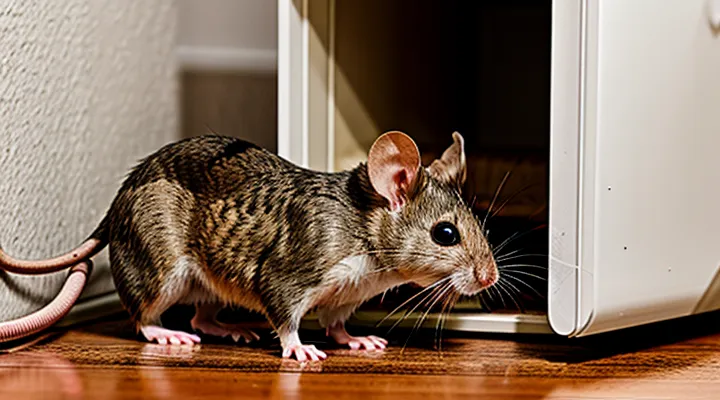
The Uninvited Guest: Identifying a Rodent Infestation
Signs of Rodent Presence
Droppings and Urine Trails
Rodent droppings and urine trails provide the most reliable evidence of a mouse presence inside a dwelling. Their detection confirms activity, indicates the extent of movement, and signals a potential health hazard because the waste carries pathogens such as Hantavirus, Salmonella and leptospirosis.
Typical mouse feces are dark, tapered pellets about ¼ inch long, often found along walls, behind appliances, in cabinets or near food sources. Urine appears as a faint, damp sheen that may discolor fabrics or leave a metallic odor; it frequently follows the same pathways as droppings, creating continuous lines along baseboards or under furniture.
Cleaning procedures must prevent aerosolization of particles and protect the handler. Follow these steps:
- Wear disposable gloves, a N‑95 respirator and eye protection.
- Wet droppings with a disinfectant solution (e.g., 10% bleach) to reduce dust release.
- Collect waste with a disposable paper towel, place it in a sealed plastic bag and discard in an outdoor trash container.
- Apply the same disinfectant to the surrounding surface, let it stand for at least five minutes, then wipe clean with a disposable cloth.
- Launder any contaminated fabrics at the highest temperature safe for the material.
Preventive actions reduce future waste deposits. Seal cracks and gaps larger than ¼ inch, store food in airtight containers, maintain a dry environment, and position snap traps or electronic devices along identified travel routes. Regular inspection of likely hiding spots ensures early detection before droppings accumulate.
Gnaw Marks and Damage
Mice create characteristic gnaw marks that indicate active infestation. Teeth continuously grow, so rodents chew to keep them short, targeting wood, plastic, wiring, and insulation. The resulting bite patterns are shallow, crescent‑shaped grooves, often found along baseboards, cabinets, or behind appliances. Identifying these marks early helps locate entry points and assess the extent of damage.
Typical damage caused by mouse chewing includes:
- Compromised structural wood, leading to weakened frames or furniture.
- Exposed electrical conductors, increasing fire risk and potential short circuits.
- Damaged plastic components such as pipe seals, vent covers, and appliance housings.
- Torn fabric or upholstery, creating additional nesting material and hiding places.
- Contaminated insulation, which loses its thermal efficiency and may harbor droppings.
Repair actions should prioritize sealing identified gnaw sites, replacing compromised wiring, and restoring affected structural elements. Using steel wool, copper mesh, or silicone caulk blocks entry holes that mice can enlarge with their incisors. Replacing damaged insulation restores energy performance and removes a food source. After repairs, monitor for new gnaw marks to confirm that the infestation has been eliminated.
Strange Noises
Mice produce a variety of sounds that can alert occupants to an infestation. The most common noises include:
- Light scratching on walls, ceilings, or stored items, especially at night.
- High‑pitched squeaking or chirping when communicating with other rodents.
- Soft thumping or pattering as they move through insulation, crawl spaces, or behind appliances.
- Occasional rustling of shredded paper, fabric, or food packaging.
Each noise type provides clues about the location and activity level of the pests. Scratching on interior surfaces typically indicates nesting or foraging near those areas. Squeaking often occurs when multiple mice interact, suggesting a larger population. Thumping sounds are associated with movement within concealed spaces such as wall voids or attic insulation.
When strange noises are detected, follow a systematic response:
- Identify the source by tracing the sound to a specific wall, floor, or appliance.
- Inspect nearby entry points, gaps, or cracks that could allow rodent access.
- Set up monitoring devices—such as motion‑activated cameras or snap traps—near the identified area.
- Apply appropriate control measures, including sealing openings, deploying bait stations, or contacting a professional pest‑management service.
Prompt recognition of these auditory signs enables rapid containment, reduces property damage, and prevents the spread of disease associated with rodent activity.
Unpleasant Odors
Rodent activity often leaves a distinct, foul odor that signals contamination and potential health risks. The smell typically originates from urine, feces, and the decomposition of dead mice. Identifying and eliminating the source prevents the odor from persisting and reduces the likelihood of disease transmission.
The odor can be addressed through the following steps:
- Locate all areas with visible droppings, urine stains, or nesting material; common sites include kitchens, basements, attics, and wall voids.
- Wear disposable gloves and a mask, then remove debris with a vacuum equipped with a HEPA filter or a damp paper towel. Dispose of waste in sealed bags.
- Clean surfaces with a detergent solution, followed by an application of a disinfectant containing quaternary ammonium compounds or bleach (1 part bleach to 10 parts water). Allow the disinfectant to remain on the surface for the recommended contact time.
- Apply an enzymatic cleaner specifically formulated for pet or rodent waste; enzymes break down organic residues that cause lingering smells.
- After cleaning, improve ventilation by opening windows, using exhaust fans, or installing air purifiers with activated carbon filters to absorb volatile compounds.
- Seal entry points to prevent further intrusion; use steel wool, caulk, or metal flashing to block gaps around pipes, vents, and foundation cracks.
If the odor remains after thorough cleaning, consider professional remediation. Specialists have access to industrial-grade deodorizers and can perform structural inspections to locate hidden nests or dead rodents that may be inaccessible to homeowners. Prompt action eliminates the unpleasant smell and restores a safe indoor environment.
Common Entry Points
Cracks in Foundations
Cracks in a building’s foundation provide direct pathways for mice to infiltrate residential spaces. Even hairline fissures allow rodents to squeeze through, making them a primary concern when addressing indoor pest presence.
Inspecting the perimeter reveals the extent of damage. Look for horizontal splits, vertical separations, and stair‑step patterns around the slab, basement walls, and crawl‑space joists. Moisture stains or displaced mortar often accompany structural gaps, indicating active intrusion routes.
Remediation requires a two‑step approach:
- Seal openings with appropriate materials such as hydraulic cement, epoxy filler, or steel mesh, selecting the product based on crack width and substrate condition.
- Apply a durable exterior barrier—metal flashing, concrete sealant, or polyurethane coating—to prevent future deterioration and discourage rodent re‑entry.
Regular monitoring after repairs confirms effectiveness. Re‑examine the foundation quarterly, especially after heavy rain or temperature fluctuations, and address any new fissures promptly to maintain a rodent‑free interior.
Gaps Around Pipes
Rodent entry often occurs through openings surrounding plumbing fixtures. Small spaces around water, gas, and drainage pipes provide direct pathways from walls, floors, and foundations into living areas.
These gaps appear where pipe sleeves, brackets, or insulation meet building materials. Common locations include the basement wall behind the water heater, the crawl‑space ceiling around drain lines, and the exterior wall where utilities penetrate the structure. Even gaps as narrow as a quarter‑inch allow mice to squeeze through.
To locate vulnerable points, perform a visual sweep of all visible pipe runs. Use a flashlight to examine the junctions between pipe and wall, focusing on areas with cracked caulk or deteriorated sealant. Run a thin piece of stiff paper or a flexible probe along the seam; any resistance indicates a gap that can be widened by a rodent.
Seal identified openings with appropriate materials:
- Expandable foam sealant for gaps up to ½ in.; trim excess after curing.
- Stainless‑steel mesh or hardware cloth for larger penetrations; secure with screws and caulk.
- Silicone or acrylic caulk for joints where pipes meet cabinets or countertops; apply a continuous bead and smooth it with a gloved finger.
- Pipe insulation sleeves with an inner adhesive layer; wrap tightly and seal ends with tape.
After sealing, verify integrity by re‑inspecting after a week of normal use. Replace any damaged material promptly, especially after seasonal temperature shifts that can cause expansion and contraction. Regularly check for new cracks or gaps during routine home maintenance to keep rodent ingress routes closed.
Damaged Screens and Vents
Mice chewing through window screens and air‑conditioning vents creates gaps that allow further entry, compromises indoor air quality, and damages HVAC efficiency. The gnawing action weakens mesh fibers, creates unsightly holes, and can introduce nesting material into ductwork, leading to blockages and increased energy consumption.
To address damaged screens and vents, follow these steps:
- Inspect all exterior screens and vent covers weekly; look for torn mesh, frayed edges, or bite marks.
- Replace compromised screens with steel‑reinforced or mouse‑proof mesh; secure using stainless‑steel screws to prevent re‑attachment.
- Seal vent openings with metal grates or mesh rated for rodent resistance; ensure tight fit around duct collars.
- Apply a thin layer of rodent‑deterrent sealant or silicone caulk around frame edges and vent flanges to block small entry points.
- Install removable vent covers that can be inspected and cleaned regularly; clean accumulated debris to maintain airflow.
- Conduct a perimeter check for other potential gnawing sites, such as utility openings, and reinforce them with metal plates or hardware cloth.
Regular maintenance of screens and vents eliminates common pathways for mouse intrusion and preserves the integrity of the home’s protective envelope.
Open Doors and Windows
When rodents are detected inside a residence, limiting their ability to remain hidden depends on controlling entry and exit points. Opening doors and windows creates a direct route for a mouse to leave the interior, reducing the time it spends in concealed areas.
Opening exterior doors encourages the animal to move toward natural light and open space. A window positioned lower than the floor level can serve as an alternative escape route, especially if the mouse is near a wall. Both actions improve ventilation, which can deter mice that prefer warm, stagnant environments.
Precautions and follow‑up actions:
- Open a main entrance door fully for at least 15 minutes; keep it unlocked while monitoring the area.
- Choose a window that opens outward and place a safe landing surface (e.g., a sturdy table) to prevent falls.
- Install fine‑mesh screens on all open windows to stop new rodents from entering.
- After the mouse exits, inspect door frames and window sills for gaps; seal openings with steel wool or caulk.
- Limit nighttime openings, as mice are most active after dark; close doors and windows once the animal has left.
These measures use open passages to guide the rodent out of the home while maintaining barriers that prevent future incursions.
Immediate Action: First Steps Upon Discovery
Safety First: Protective Measures
Wearing Gloves
When rodents are found inside a residence, direct contact with the animals, their droppings, or contaminated surfaces poses a health risk. Disposable or reusable gloves create a physical barrier that prevents pathogens such as hantavirus, salmonella, and leptospirosis from reaching the skin. Gloves also protect against cuts and punctures when handling traps, dead rodents, or debris.
Using gloves simplifies cleanup procedures. After removing a mouse, the person should:
- Put on a pair of nitrile or latex gloves before moving the carcass.
- Disinfect the gloves with an appropriate solution if they will be reused.
- Dispose of gloves in a sealed bag if they are single‑use.
- Wash hands thoroughly after glove removal, even if gloves appear intact.
Selecting the right glove material matters. Nitrile offers resistance to chemicals and punctures, while latex provides a snug fit for delicate tasks such as inspecting trap mechanisms. Ensure the glove size fits comfortably to maintain dexterity while preventing accidental exposure.
Proper Ventilation
Proper ventilation reduces the conditions that attract mice to a dwelling. Fresh air flow lowers humidity, dries food storage areas, and disperses odors that rodents use to locate shelter.
Ventilation achieves three key effects:
- Decreased moisture prevents mold and softens building materials that mice can gnaw.
- Continuous air movement removes food scents, making the environment less detectable.
- Improved indoor pressure discourages entry through small gaps by creating slight negative pressure in crawl spaces.
Implementing effective ventilation requires the following actions:
- Install exhaust fans in kitchens, bathrooms, and laundry rooms; run them during and after cooking, cleaning, or drying.
- Ensure attic and basement vents remain unobstructed; clear debris and repair damaged screens.
- Seal gaps around ducts, pipes, and electrical outlets with steel wool or caulk to prevent air leakage that could serve as entry points.
- Use adjustable window vents to maintain a steady exchange of indoor and outdoor air without compromising security.
- Periodically check and replace HVAC filters; clogged filters reduce airflow and can harbor rodent droppings.
Maintaining these practices creates an environment where mice find fewer resources and entry routes, supporting overall pest‑control efforts.
Containment Strategies
Removing Food Sources
Mice are attracted to readily available nutrition; eliminating those resources cuts the primary incentive for infestation.
- Store dry goods—cereals, grains, pet food—in airtight containers made of metal or heavy‑wall plastic. Verify seals after each use.
- Keep countertops, tables, and floors free of crumbs. Wipe surfaces with a damp cloth after meals and before bedtime.
- Dispose of kitchen waste in a sealed bin. Empty the container daily and clean the interior with a disinfectant.
- Refrigerate or freeze leftovers promptly. Do not leave food uncovered on the counter or in open dishes.
- Pet feeding stations should be removed at night. Place food in a sealed container and clean bowls after each feeding.
- Inspect pantry shelves for spills or damaged packaging. Discard any product that shows signs of moisture or pest activity.
- Maintain a regular cleaning schedule for appliances such as microwave, toaster, and coffee maker; remove any food residue from interiors and trays.
By systematically removing these attractants, the environment becomes unsuitable for rodents, reducing the likelihood of their presence and supporting long‑term control measures.
Sealing Small Gaps Temporarily
When mice enter a home, tiny openings often provide the entry point. Temporary sealing of these gaps can halt further intrusion while a permanent repair is planned.
Identify gaps around doors, windows, utility penetrations, and baseboards. Use a flashlight to reveal cracks as narrow as a pencil lead. Common locations include:
- Gap between door frame and floor
- Space around pipe sleeves
- Openings behind appliances
- Small holes in wall sheathing
Apply a suitable temporary filler. Options include:
- Steel wool pressed tightly into the opening, then covered with caulk to prevent removal by rodents.
- Expanding foam sealant, sprayed into the gap, allowed to cure, and trimmed flush with the surface.
- Duct tape or heavy-duty packing tape wrapped around the gap for short‑term blockage.
After sealing, inspect the area daily for signs of chewing or re‑entry. Replace or reinforce the temporary material if damage appears. Schedule a permanent solution—such as cement, metal flashing, or professional-grade sealant—within a few days to eliminate the vulnerability completely.
Documenting the Infestation
Taking Photos
When rodents enter a residence, photographic documentation becomes a practical step in assessing the infestation. Photos provide visual evidence for identifying species, locating entry points, and communicating findings to exterminators or insurers.
Capture clear images by following these guidelines:
- Use a digital camera or smartphone with at least 8 MP resolution; enable the macro mode for close‑up detail.
- Illuminate the area with a portable LED light to reduce motion blur and reveal fur patterns.
- Position the camera at eye level with the mouse or its droppings; keep the lens steady by resting elbows on a surface or using a small tripod.
- Take multiple shots from different angles: front, side, and top views help determine size and distinguishing marks.
- Record the date and time automatically or add a handwritten label in the frame for future reference.
Store the images in a dedicated folder, naming each file with location, date, and species (if known). Back up the collection to a cloud service or external drive to prevent loss. When presenting the photos to a pest‑control professional, include a brief note on observed activity, such as gnaw marks or nesting material, to guide treatment planning.
Noting Locations of Activity
When mice enter a residence, identifying the exact points of activity is the first measurable step toward effective control. Every sign—droppings, gnaw marks, shredded material, or fresh pathways—pinpoints a location that requires attention.
Observe and record:
- Fresh droppings: note size, shape, and placement on countertops, cabinets, or behind appliances.
- Gnaw evidence: mark damaged wires, wood, or plastic, especially near entry points.
- Nest material: locate shredded paper, fabric, or insulation in wall cavities, attics, or under furniture.
- Runways: trace smooth, well‑worn paths along walls, baseboards, or behind appliances.
Create a simple map of the dwelling. Sketch each room, place symbols for the observations, and assign a priority based on proximity to food sources and human activity. Use a spreadsheet if preferred; columns for location, type of evidence, date observed, and action taken keep data organized.
Review the map weekly. Patterns emerge as rodents expand or shift territories. Adjust traps, bait stations, or exclusion measures according to the evolving distribution. Accurate location tracking reduces wasted effort and speeds elimination.
Eradication Methods: Getting Rid of Rodents
Trapping Techniques
Snap Traps: Pros and Cons
Snap traps remain a common choice for homeowners confronting indoor mouse activity. Their design relies on a spring‑loaded bar that delivers a rapid, lethal strike when a rodent triggers the baited trigger plate. The mechanism requires no electricity, making it suitable for any room, including kitchens and storage areas where power outlets may be scarce.
Advantages
- Immediate kill reduces the risk of disease transmission.
- Low purchase cost; a pack of twenty typically costs less than ten dollars.
- Compact size allows placement behind appliances, under cabinets, or in wall voids.
- No ongoing maintenance after disposal; the trap is discarded once triggered.
Disadvantages
- Requires careful handling to avoid accidental injury during set‑up or disposal.
- Effectiveness depends on correct bait selection and placement; poorly baited traps may be ignored.
- One‑time use; each trapped mouse necessitates a new trap, increasing labor in high‑infestation scenarios.
- May cause distress to occupants who prefer non‑lethal control methods.
When selecting a control method for mouse problems, weigh the speed and cost efficiency of snap traps against safety considerations and the potential need for multiple devices in severe cases. Proper placement, regular monitoring, and safe disposal are essential to maximize the benefits while mitigating the drawbacks.
Live Traps: Humane Solutions
Live traps provide a non‑lethal option for homeowners confronting rodent activity. The devices consist of a cage with a trigger mechanism that closes the door when an animal enters. Once captured, the mouse can be released at a suitable distance from the residence, eliminating the need for poison or snap traps.
Key considerations when choosing a live trap:
- Size compatible with common house mice (approximately 2–4 inches long).
- Durable construction to prevent escape or injury.
- Transparent front panel for easy monitoring.
- Simple reset mechanism for rapid reuse.
Effective placement increases capture rates. Position traps along walls, behind appliances, and near known gnawing sites; rodents prefer routes that offer concealment. Bait with high‑protein foods such as peanut butter, sunflower seeds, or small pieces of cooked meat. Secure the bait on the trigger plate to ensure activation upon entry.
After a capture, follow a consistent protocol:
- Transport the cage to a release location at least 200 meters from the property, preferably in a wooded or field area.
- Open the door gently, allowing the mouse to exit without stress.
- Clean the trap with hot, soapy water; disinfect with a mild bleach solution to remove scent trails that could deter future captures.
- Inspect for damage before redeploying.
Regular monitoring is essential. Check traps at intervals of 2–4 hours during active periods (dusk and dawn). Prompt removal of captured animals prevents scent buildup and reduces the risk of aggression among trapped rodents.
Integrating live traps with broader sanitation measures—sealing entry points, storing food in airtight containers, and eliminating clutter—creates a comprehensive, humane control strategy. This approach addresses the immediate presence of rodents while reducing the likelihood of recurrence.
Electronic Traps: Modern Approaches
Electronic traps represent a technologically advanced option for controlling indoor mouse activity. They operate by delivering a high‑voltage shock that instantly incapacitates the animal, eliminating the need for chemical baits or manual removal. The core components include a sensor, a power source, and a containment chamber. When a mouse contacts the sensor, the circuit closes and a pulse of electricity—typically 2,000 to 3,000 volts—passes through the animal, causing immediate death.
Key features of modern devices:
- Battery and AC options – rechargeable lithium‑ion packs provide several weeks of operation; plug‑in models ensure continuous power without battery replacement.
- Multi‑capture capacity – interior chambers hold up to five specimens before requiring emptying, reducing maintenance frequency.
- Safety mechanisms – insulated housing prevents accidental discharge to humans or pets; some models incorporate a lockout switch during cleaning.
- Smart integration – Bluetooth or Wi‑Fi modules send alerts to smartphones when a capture occurs, allowing timely disposal and monitoring of trap performance.
Effective deployment follows a systematic approach:
- Identify high‑traffic zones by observing droppings, gnaw marks, and nesting material.
- Position traps along walls, behind appliances, and near entry points; rodents prefer linear routes close to surfaces.
- Maintain a clear line of sight to the sensor; clutter or excessive dust can impair detection.
- Inspect and reset traps weekly; replace batteries or recharge units according to manufacturer specifications.
- Record capture data to assess population trends and adjust trap density accordingly.
Comparative assessments show electronic traps achieve mortality rates above 95 % when placed correctly, surpassing traditional snap traps in consistency and humane impact. They also avoid the secondary poisoning risks associated with rodenticides. Limitations include higher upfront cost and the requirement for electricity or battery management.
Overall, electronic trapping provides a reliable, low‑maintenance solution for homeowners confronting mouse intrusions, aligning with integrated pest‑management principles that prioritize rapid elimination and minimal environmental disruption.
Baits and Lures
Effective Baits for Rodents
When rodent activity is detected inside a residence, selecting a bait that delivers rapid, reliable control is essential.
Effective baits fall into two principal categories:
- Anticoagulant rodenticides – second‑generation compounds such as bromadiolone, difenacoum, and brodifacoum. They cause fatal internal bleeding after a single ingestion and remain potent in small amounts.
- Non‑anticoagulant options – zinc phosphide, which releases phosphine gas in the stomach, and cholecalciferol, a vitamin D3 derivative that disrupts calcium balance. Both act quickly and are less likely to cause secondary poisoning.
Safety measures include:
- Storing baits in child‑proof containers.
- Wearing gloves during handling.
- Limiting exposure to non‑target animals by using tamper‑resistant stations.
Placement guidelines:
- Position stations along walls, behind appliances, and near known gnawing sites.
- Keep stations at least 1 meter from food preparation areas.
- Replace baits every 3–4 days or when consumption is evident.
Choosing the appropriate formulation, observing strict safety protocols, and positioning bait stations strategically maximizes control efficiency while minimizing risk to occupants and pets.
Safe Placement of Baits
When rodents enter a residence, bait must be positioned to eliminate the pest while protecting non‑target occupants.
Place bait stations behind appliances, under sinks, and in wall voids where mice travel. Ensure stations are at least 12 inches from food preparation surfaces, pantry shelves, and open trash containers. Secure each station to a solid surface; use screw‑in brackets or heavy‑duty tape to prevent displacement.
Use tamper‑proof containers that require two‑handed operation. Verify that the latch closes fully before loading. Label each unit with a warning sign visible to household members and service personnel.
Avoid locations accessible to children, pets, or wildlife. Install stations on elevated platforms—minimum 18 inches above the floor—or within enclosed utility closets. If placement near a pet’s area is unavoidable, choose bait formulations with low toxicity to animals and monitor the pet closely.
Rotate bait locations every 3–4 weeks to prevent mice from establishing a permanent route. Record the exact position of each station in a log, noting date of placement, product type, and observed activity.
Dispose of spent stations according to local hazardous‑waste regulations. Wear disposable gloves, place the container in a sealed plastic bag, and transport it to an approved disposal site.
By adhering to these placement guidelines, the bait remains effective against rodents while minimizing risk to humans and domestic animals.
Chemical Control: When to Consider
Rodenticides: Risks and Regulations
Rodenticides are chemical agents used to control mouse infestations, but they present significant hazards that must be managed. Acute toxicity can affect humans, pets, and wildlife through direct contact, ingestion of bait, or secondary poisoning when predators consume poisoned rodents. Chronic exposure may cause organ damage, reproductive effects, or carcinogenic outcomes, depending on the active ingredient. Resistance development reduces efficacy over time, prompting higher dosages or alternative products, which escalates risk.
Regulatory frameworks govern the sale, application, and disposal of rodenticides:
- Federal agencies require registration of active ingredients after safety assessments; labels must include hazard warnings, usage instructions, and personal protective equipment (PPE) recommendations.
- State authorities may impose additional restrictions, such as licensing for professional applicators, bans on certain compounds, or limits on residential use.
- Disposal regulations mandate that unused bait and contaminated containers be treated as hazardous waste, with collection programs or approved decontamination procedures.
- Reporting obligations exist for incidents involving accidental exposure or wildlife mortality, facilitating monitoring and policy adjustments.
Compliance reduces unintended harm while maintaining control effectiveness. Selecting low‑toxicity formulations, applying bait in sealed stations, and following label directions are essential practices for responsible rodent management.
Professional Extermination Services
Professional extermination services offer a systematic approach to eliminating mouse infestations in residential environments. Certified technicians assess the severity of the problem, identify entry points, and design a targeted control plan. The plan typically includes placement of bait stations, use of rodent‑specific traps, and application of low‑toxicity rodenticides where legal. All actions comply with local health regulations and safety standards.
Key components of a professional service:
- Inspection: Detailed survey of interior and exterior spaces, focusing on potential nesting sites and structural gaps.
- Exclusion: Sealing of cracks, gaps around utilities, and other access routes using durable materials such as steel wool, copper mesh, or silicone sealant.
- Population reduction: Deployment of strategically positioned bait stations and traps, calibrated to minimize non‑target exposure.
- Monitoring: Regular follow‑up visits to verify trap activity, replenish bait, and adjust placement as needed.
- Documentation: Written report summarizing findings, actions taken, and recommendations for long‑term prevention.
When selecting a provider, verify licensing, insurance coverage, and client references. Request a clear outline of the treatment protocol, including any chemicals used and their environmental impact. Confirm that the company offers a guarantee period during which additional visits are provided at no extra cost if mouse activity recurs.
Homeowners should prepare the premises by removing food sources, storing waste in sealed containers, and clearing clutter that could conceal rodents. During treatment, restrict access to treated areas, especially for pets and children, according to the technician’s instructions.
Effective eradication relies on the combination of expert assessment, precise execution, and ongoing monitoring. Engaging qualified exterminators reduces the risk of property damage, disease transmission, and repeated infestations.
Prevention is Key: Keeping Rodents Out
Sealing Entry Points Permanently
Repairing Foundation Cracks
Rodent intrusion often begins through small openings in a building’s foundation. Cracks provide a direct pathway for mice to enter, create nesting sites, and contaminate food supplies. Sealing these gaps eliminates a primary access point and reduces the likelihood of infestation.
Repairing foundation cracks involves the following steps:
- Assess the damage – Identify all visible cracks, measure width and depth, and check for movement or moisture accumulation.
- Prepare the area – Remove loose debris, soil, and any deteriorated material. Clean the surface with a wire brush and wash with water to eliminate dust.
- Select appropriate filler – Use hydraulic cement for active water seepage, epoxy resin for structural cracks, or polyurethane foam for irregular gaps. Choose a product compatible with the foundation material (concrete, masonry, or stone).
- Apply the filler – Follow manufacturer instructions precisely. For hydraulic cement, press the material into the crack, overfill slightly, and smooth the surface. For epoxy, mix components, inject into the crack, and allow curing time.
- Reinforce if necessary – Install a carbon-fiber strip or steel reinforcement bar in wider cracks to restore tensile strength.
- Backfill and grade – Cover repaired sections with sand or gravel, then compact soil to direct water away from the foundation. Ensure the surrounding landscape slopes at least 5% away from the house.
Regular inspection of the foundation prevents new openings. After repair, monitor for signs of mouse activity such as droppings or gnaw marks near previously cracked areas. Prompt detection combined with a solid seal maintains structural integrity and deters further rodent entry.
Installing Mesh on Vents
Rodents often use unprotected vents as entry points; installing a fine‑mesh barrier blocks this route while preserving airflow.
- Select a corrosion‑resistant mesh (stainless steel or galvanized hardware cloth) with openings no larger than ¼ inch.
- Measure the vent opening accurately; add 1–2 cm to each dimension to allow overlap.
- Cut the mesh to size with tin snips, then deburr edges to prevent injury.
- Secure the mesh using self‑tapping screws or heavy‑duty staples, ensuring a tight fit around the perimeter.
- Apply a silicone‑based sealant along seams and screw heads to eliminate gaps.
Regularly inspect the installed barrier for tears, rust, or displacement and replace any compromised sections promptly. This simple measure reduces the likelihood of rodent intrusion without compromising ventilation efficiency.
Weatherstripping Doors and Windows
Weather‑tight doors and windows block the most common routes rodents use to enter a home. Gaps larger than a quarter of an inch allow mice to squeeze through; sealing these openings reduces indoor sightings dramatically.
Choose weatherstripping that matches the frame material and exposure conditions.
- Vinyl or foam strips work well on interior doors and low‑traffic windows.
- Silicone or rubber profiles resist weathering and are suitable for exterior doors.
- Bronze or aluminum thresholds provide durability for high‑traffic entryways.
Install the chosen strip according to the following sequence:
- Clean the surface, removing paint chips, dust, and debris.
- Measure the length of each gap; cut the strip to fit, allowing a slight overlap at corners.
- Apply adhesive backing or use nails/staples, ensuring the strip lies flush against the frame.
- Close the door or window to test for resistance; adjust the strip if the closure feels tight or leaves any opening.
Inspect weatherstripping annually. Replace sections that show cracking, compression loss, or detachment. Maintaining a continuous seal preserves the barrier against rodent ingress and improves energy efficiency.
Maintaining a Clean Environment
Proper Food Storage
Storing food correctly reduces the attraction of mice to the kitchen and pantry. Seal all dry goods—cereals, grains, nuts, and pet food—in containers made of glass, metal, or heavy‑wall plastic with tight‑locking lids. Avoid open boxes, paper bags, or flimsy packaging that rodents can chew through.
Maintain a clean storage area. Wipe shelves regularly to remove crumbs and spills. Place containers away from walls and corners, creating a clear perimeter that limits hiding spots. Inspect packaging for damage before placing items on shelves; discard compromised products promptly.
Implement a systematic rotation of supplies. Use the “first‑in, first‑out” method to prevent old food from lingering and becoming a source of odor. Label containers with purchase dates to track usage accurately.
Limit the presence of food outside storage zones. Transfer meals to serving dishes only when needed, and return leftovers to sealed containers immediately after meals. Clean dishes and utensils promptly; do not leave them in sinks overnight.
Key practices for rodent‑proof food storage
- Use airtight containers with snap‑tight seals.
- Store containers on elevated shelves, not directly on the floor.
- Keep the storage area free of debris and moisture.
- Conduct weekly visual checks for signs of gnawing or contamination.
- Dispose of waste in sealed bags and remove it from the home regularly.
By adhering to these measures, households minimize food sources that draw mice, thereby supporting broader pest‑control efforts.
Regular Waste Disposal
Regular waste management directly influences the likelihood of mouse activity inside a residence. Food residues left in trash attract rodents, providing a reliable food source that encourages nesting and foraging within the home.
Effective waste handling includes several concrete measures:
- Store garbage in containers with tight‑fitting lids; inspect seals regularly for damage.
- Position bins away from walls and appliances to prevent mice from climbing or entering through gaps.
- Empty trash at least once daily, especially in kitchens and dining areas, to limit food availability.
- Separate organic waste (fruit peels, meat scraps) from dry refuse and place it in dedicated, sealed compost or disposal bags.
Additional precautions focus on items that become contaminated after a mouse sighting. Remove and discard any food packaging, droppings, or soiled bedding using disposable gloves. Seal these materials in a plastic bag before placing them in the external waste receptacle to prevent secondary contamination.
Maintain a routine of cleaning bin interiors with a mild disinfectant weekly. This practice eliminates lingering odors that could draw rodents and reduces the risk of bacterial growth. Consistent application of these procedures minimizes attractants, thereby decreasing mouse presence and supporting broader pest‑control efforts.
Decluttering Spaces
Clutter creates hiding places, nesting material, and easy pathways for mice that enter a home. Reducing unnecessary items eliminates shelter and forces rodents to seek exposure, making detection and control more effective.
To remove conditions that favor rodent habitation, follow these actions:
- Clear floor space beneath appliances, furniture, and shelves; store items on raised platforms or in sealed containers.
- Dispose of cardboard boxes, paper piles, and fabric scraps that can serve as bedding.
- Organize pantry goods in airtight jars; keep food packages sealed and place them on higher shelves.
- Trim stored firewood, pet bedding, and laundry piles to a manageable size and store them away from walls.
- Regularly sweep and vacuum corners, baseboards, and behind cabinets to eliminate crumbs and debris.
A systematic decluttering routine limits access points, reduces food sources, and simplifies inspection, thereby supporting any additional rodent‑control measures.
Landscape Management
Trimming Shrubs and Trees
Trimming shrubs and trees near a home reduces shelter and travel routes for rodents, limiting their ability to enter the building. Dense foliage touching the roof or walls creates bridges that mice can use to reach eaves, soffits and foundations. By maintaining a clear perimeter, property owners remove convenient pathways and discourage nesting.
Key actions for effective pruning:
- Cut back branches so they end at least 6 feet (≈1.8 m) from the roofline.
- Remove any vegetation growing within 3 feet (≈0.9 m) of the foundation.
- Thin out interior canopy to allow sunlight and air flow, preventing thick understory that attracts pests.
- Dispose of cut material away from the house; do not pile debris against the structure.
- Schedule regular inspections, especially in spring and fall, to address new growth promptly.
Well‑kept landscaping also improves visibility for early detection of rodent activity, enabling quicker response before infestations develop. Maintaining these clear zones aligns with integrated pest‑management practices and supports long‑term structural protection.
Storing Firewood Away from the House
Storing firewood at a distance from the home reduces the likelihood that mice will use it as shelter or a food source. Wood piles left against a wall or under a deck create dark, moist environments ideal for nesting, and they provide easy access to the building’s interior.
Place stacks on a raised, level platform at least three feet from any exterior wall. Keep the wood off the ground with pallets or concrete blocks to improve airflow and prevent moisture accumulation. Cover the top with a waterproof tarp, securing the edges to prevent rodents from entering.
Key practices for safe firewood storage:
- Choose a location beyond the reach of overhanging branches or vines that could serve as a bridge.
- Arrange wood in a loose, single‑layer configuration rather than a dense heap to discourage nesting.
- Inspect the pile weekly for signs of gnawing, droppings, or burrows, and remove compromised pieces promptly.
- Rotate the stock, using older wood first, to avoid long‑term exposure that attracts pests.
By maintaining a clean, dry, and isolated firewood area, homeowners limit the resources that draw rodents toward the residence and support broader pest‑control measures.
Regular Inspections
Seasonal Checks for Vulnerabilities
Seasonal inspections identify structural gaps that invite rodents and allow timely remediation before infestations develop.
Spring: Examine exterior foundations for cracks caused by thawing soil; seal openings larger than ¼ inch with steel wool and caulk. Clean gutters and downspouts to prevent water accumulation that attracts insects, a food source for mice. Inspect attic vents and chimney flues for missing screens.
Summer: Verify that window screens are intact and that exterior doors close tightly against weather stripping. Trim vegetation away from the house to eliminate bridge pathways. Check stored pantry items for spillage and seal containers with airtight lids.
Fall: Test door sweeps and weather stripping for wear; replace deteriorated sections. Clear leaf piles and debris from around the perimeter, as they conceal entry points. Inspect crawl spaces for signs of gnaw marks or droppings, and reinforce vent covers.
Winter: Confirm that all previously repaired gaps remain sealed against cold air infiltration. Monitor indoor humidity; low moisture levels can drive rodents to seek warmth. Conduct a final visual sweep of basements and utility rooms for any new cracks or holes formed by freeze‑thaw cycles.
Monitoring for New Signs of Activity
Effective monitoring is essential once rodent activity is suspected. Begin by establishing a baseline of normal house conditions; note typical sounds, odors, and visual cues. Compare future observations against this baseline to detect anomalies promptly.
Inspect potential entry points daily. Look for fresh gnaw marks on wood, plastic, or wiring, especially near cabinets, baseboards, and utility openings. Record any new damage with date and location.
Set up passive detection tools. Place non-toxic snap traps or live-catch traps along walls, behind appliances, and in concealed corners. Check traps each morning and evening, documenting captures or bait disturbances.
Use motion-activated cameras or infrared sensors in dark areas such as under sinks, behind refrigerators, and in attics. Review footage weekly, noting any movement patterns or repeated visits.
Maintain a log of indirect evidence. Include:
- Fresh droppings: small, dark, and pellet-shaped; count piles and track locations.
- Chewed materials: torn insulation, shredded paper, gnawed food packaging.
- Nest materials: shredded fabric, shredded paper, dried plant matter.
- Unusual noises: scratching or scurrying sounds, especially at night.
Analyze trends. An increase in droppings or trap activity within a specific zone indicates a likely nesting site. Prioritize sealing that area, reinforcing gaps with steel wool, caulk, or metal flashing.
Schedule regular inspections. Conduct a thorough walkthrough weekly for the first month after detection, then reduce frequency to biweekly as activity declines. Adjust monitoring methods based on observed behavior; for example, add additional traps if rodents shift to new zones.
Document all actions and outcomes. A comprehensive record supports effective decision‑making and provides evidence for professional pest‑control services if escalation becomes necessary.
Post-Eradication Cleanup and Sanitation
Disposing of Rodents
Safe Handling and Disposal
When a mouse is found inside a residence, immediate, controlled action reduces health risks and prevents further infestation.
Wear disposable gloves and, if available, a mask. Seal the gloves after each handling episode and discard them in a sealed bag. Use a sturdy container with a tight‑fitting lid to capture live rodents; avoid direct contact with hands or face.
Disposal procedure
- Place the captured mouse in a sealed plastic bag, then into a second bag for double containment.
- Label the outer bag with “Dead Animal – Dispose Promptly.”
- Contact local waste management or pest‑control services for guidance on municipal disposal regulations; many areas require placement in a designated animal‑disposal bin.
- If no service is available, store the sealed bags in a freezer for at least 24 hours before discarding in a trash receptacle that is collected regularly.
After removal, clean the capture area with a disinfectant containing at least 0.1 % bleach solution. Allow the surface to remain wet for the recommended contact time, then rinse and dry. Wash hands thoroughly with soap and water even when gloves were used. Regularly inspect entry points and seal gaps to limit future encounters.
Decontaminating Affected Areas
Cleaning Surfaces
When mice enter a residence, residues on countertops, floors and cabinets provide food and shelter. Removing these traces eliminates attractants and reduces the likelihood of repeated incursions.
- Sweep or vacuum all hard surfaces daily to capture crumbs, droppings and nesting material.
- Wipe countertops, tables and appliance exteriors with a detergent solution, then rinse with clean water.
- Disinfect cleaned areas using a solution containing at least 70 % isopropyl alcohol or a diluted bleach mixture (1 part bleach to 9 parts water). Allow contact time of five minutes before wiping dry.
- Mop tile, laminate or hardwood floors with hot, soapy water; follow with a disinfectant rinse.
- Empty trash cans each night, seal lids tightly, and clean the interior of bins with the same detergent‑disinfectant routine.
After surface sanitation, inspect for hidden food sources such as pet feed, open pantry bags or spilled grain. Store all consumables in airtight containers, and keep the kitchen free of standing water. Regular cleaning, combined with proper storage, creates an environment that discourages mouse activity and supports long‑term control.
Disinfecting Spaces
When rodents are discovered inside a residence, thorough disinfection of affected areas is essential to prevent disease transmission and eliminate lingering odors. Immediate action reduces the risk of bacterial and viral contamination that can persist on surfaces for weeks.
First, remove all visible debris, droppings, and nesting material. Use disposable gloves and a mask to avoid direct contact with pathogens. Place waste in sealed bags and discard according to local hazardous‑waste guidelines.
Next, apply an appropriate disinfectant. Choose a product registered by health authorities that is effective against Salmonella, Leptospira, and Hantavirus. Follow the manufacturer’s concentration and contact‑time instructions precisely. Common options include:
- Diluted bleach solution (1 part household bleach to 9 parts water) – effective on non‑porous surfaces.
- Quaternary ammonium compounds – suitable for countertops and appliances.
- Hydrogen peroxide (3%) – safe for wood and painted surfaces when applied sparingly.
After spraying, allow the solution to remain on the surface for the required period, then wipe with disposable cloths. For porous materials such as upholstery or insulation, consider steam cleaning or removal if contamination is extensive.
Finally, ventilate the treated rooms for at least 30 minutes to disperse lingering chemical vapors. Conduct a second inspection to verify that no droppings or urine stains remain. Repeat the disinfection process weekly until a professional pest‑control service confirms that the infestation has been fully eradicated.
Repairing Damage
Fixing Gnawed Wires
Mice chewing electrical wiring creates fire risk and equipment failure. Immediate action prevents damage and protects the household.
First, eliminate power to the affected circuit. Shut off the breaker or remove the fuse before touching any wire. Verify that the circuit is dead with a voltage tester.
Next, assess the damage. Locate all gnawed sections, noting the length and type of cable. If the insulation is breached, replace the entire affected run; partial repairs are unreliable.
Repair steps
- Cut away damaged insulation with a cable‑stripper.
- Trim the wire to remove the chewed portion.
- Install a new length of the same gauge, matching the original conductor type.
- Connect using appropriate wire nuts or crimp connectors, ensuring a tight, secure joint.
- Cover each connection with heat‑shrink tubing or electrical tape rated for the voltage.
After the repair, protect the new wiring from future rodent activity:
- Run conduit (metal or rigid plastic) around vulnerable sections.
- Apply rodent‑resistant cable sleeves or steel mesh.
- Seal entry points with steel wool and caulk to block mice access.
- Place traps or deterrents near known pathways to reduce re‑infestation.
Finally, restore power and test the circuit. Monitor for signs of further chewing, and schedule periodic inspections. Prompt, thorough repairs combined with preventive measures eliminate the hazard posed by gnawed wires.
Replacing Damaged Insulation
When rodents gnaw through wall cavities, insulation loses its thermal and acoustic properties. Immediate removal of compromised material prevents heat loss, moisture buildup, and further pest access.
First, isolate the affected area. Shut off HVAC systems, wear protective gloves and a mask, and seal adjacent openings with steel wool or mesh to stop re‑entry. Cut away all visibly chewed or soiled insulation, discarding it in sealed bags.
Next, assess the cavity dimensions. Measure width, height, and length to calculate the volume of replacement material required. Choose insulation that resists rodent damage—options include rigid foam board, mineral wool, or spray‑applied foam with rodent‑deterrent additives.
Install the new insulation according to manufacturer guidelines:
- Fit rigid boards tightly against studs, leaving no gaps.
- For mineral wool, roll or batts should be stapled securely.
- Spray foam must be applied in thin layers, allowing each coat to cure before adding the next.
After placement, apply a sealant or caulk around edges and penetrations. Reinforce entry points with metal flashing or hardware cloth, especially near pipes, vents, and wiring.
Finally, restore HVAC operation and monitor the area for signs of activity. Regular inspections detect early damage, reducing the need for extensive replacement later.