
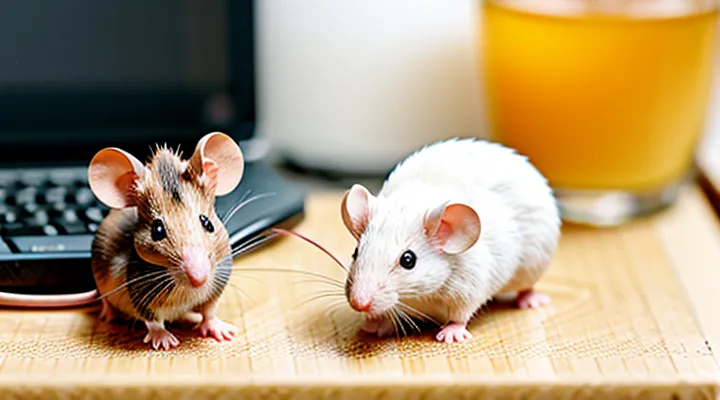
What Are Mouse Glue Traps?
How They Work
Mouse glue is a solid, non‑toxic polymer matrix applied to a backing material. The matrix contains a high‑viscosity adhesive that remains tacky over a wide temperature range. When a rodent steps onto the surface, the adhesive bonds to the pads of its feet and the fur on its tail, creating an immediate, irreversible grip.
The trapping process follows three stages:
- Contact – the animal’s weight presses the adhesive into the foot pads, spreading the polymer and increasing surface contact.
- Bond formation – intermolecular forces between the polymer and keratin fibers generate a strong, rapid adhesion.
- Immobilization – the animal’s movement is restricted as the adhesive hardens slightly under pressure, preventing escape.
Effectiveness depends on several variables:
- Placement – locations along walls, behind appliances, and near known travel routes provide optimal encounter rates.
- Surface condition – dust, grease, or moisture diminish tack; cleaning the area beforehand improves performance.
- Ambient temperature – temperatures between 10 °C and 35 °C maintain the adhesive’s elasticity; extreme cold can harden the matrix, reducing capture ability.
Safety considerations include keeping the product out of reach of children and pets, as accidental contact may cause temporary skin adhesion. Prompt removal with a solvent such as mineral oil or a dedicated adhesive remover minimizes discomfort. Proper disposal of captured rodents follows local pest‑control regulations.
Types of Glue Traps
Glue traps for rodents fall into several distinct categories, each designed to address specific control scenarios. Traditional adhesive boards consist of a flat, non‑porous surface coated with a strong, tacky compound. The board remains stationary, capturing mice that traverse its surface. Scented adhesive traps incorporate attractants such as food‑derived aromas or pheromones, increasing the likelihood of contact in low‑traffic areas. Non‑toxic gel traps use a semi‑fluid adhesive that conforms to irregular surfaces, allowing placement in corners, behind appliances, or on vertical planes. Multi‑catch mats combine a larger adhesive area with a removable backing, enabling repeated use after cleaning. Disposable versus reusable designs affect long‑term cost and waste considerations; disposable units are pre‑treated and sealed, while reusable models require manual re‑application of adhesive after each capture.
When selecting a trap type, evaluate placement flexibility, safety for non‑target species, and disposal requirements. Flat boards suit open floor spaces where mouse movement is predictable. Scented variants perform best in concealed locations with limited activity. Gel formulations excel in tight gaps and on uneven substrates. Multi‑catch mats provide higher capture capacity for heavily infested environments but demand routine maintenance. Preference for disposable options reduces handling risk but generates additional waste; reusable models mitigate waste but increase handling exposure.
Effective implementation pairs the appropriate trap category with strategic placement near entry points, nesting sites, and food sources. Ensure traps are positioned out of reach of children and pets, and follow manufacturer guidelines for safe removal and disposal. Selecting the optimal adhesive trap type enhances control efficiency while minimizing unintended consequences.
Pros and Cons of Using Mouse Glue
Advantages of Glue Traps
Glue traps provide a rapid method for controlling rodent populations in residential and commercial settings. Their adhesive surface immobilizes mice upon contact, eliminating the need for prolonged exposure to toxic substances.
Key advantages include:
- Immediate capture without reliance on bait consumption; rodents are trapped the moment they step onto the adhesive.
- Minimal risk of secondary poisoning; non‑target species are less likely to ingest poison because the trap does not contain chemicals.
- Compact design; traps occupy little space and can be discreetly placed in concealed locations.
- Cost efficiency; a single package contains multiple units at a lower price point compared to electronic or snap devices.
- Easy disposal; trapped rodents can be removed and the entire trap discarded without additional cleaning steps.
These characteristics make adhesive mouse control solutions a practical choice for swift, low‑risk pest management.
Disadvantages and Ethical Concerns
The adhesive product designed for rodent control presents several practical drawbacks.
- Limited effectiveness against species that avoid contact with sticky surfaces.
- Residual residue on furniture, flooring and electronic equipment, creating additional cleaning requirements.
- Potential for accidental entrapment of non‑target animals, including pets and wildlife, leading to unintended harm.
- Difficulty in removal once the glue has cured, often necessitating harsh chemicals that may damage surrounding materials.
Ethical considerations arise from the nature of the trapping method.
- The mechanism induces prolonged suffering, as trapped rodents experience distress before eventual death.
- Non‑lethal intent is contradicted by the high probability of fatal outcomes, challenging humane pest‑management standards.
- Deployment in shared or public spaces raises liability issues, especially when by‑standers encounter the adhesive unintentionally.
- The product’s marketing frequently omits warnings about possible injury to children and vulnerable individuals, compromising informed‑consent principles.
Regulatory bodies recommend evaluating alternative control strategies that minimize cruelty and environmental impact. The assessment of these disadvantages and ethical concerns should inform purchasing decisions and policy development.
Factors to Consider When Choosing Mouse Glue
Adhesion Strength
Adhesion strength determines how securely a mouse‑tracking adhesive maintains contact with the sensor surface during rapid movements. Manufacturers typically report shear and peel values measured in kilopascals (kPa) after a standardized 24‑hour cure period. Higher shear resistance reduces the likelihood of slippage when the mouse is dragged across textured pads, while greater peel resistance prevents detachment caused by sudden direction changes.
Key factors influencing adhesion strength include:
- Polymer composition: acrylic‑based formulas generally achieve higher shear values than silicone‑based alternatives.
- Cure temperature: curing at 25 °C versus 35 °C can increase measured strength by up to 15 %.
- Substrate preparation: cleaning the sensor surface with isopropyl alcohol removes oils that otherwise lower bond integrity.
Testing protocols recommended for evaluating mouse adhesives involve:
- Applying a uniform 0.5 mm layer of the adhesive to a calibrated test panel.
- Pressing a standard optical sensor disc onto the adhesive with a 0.2 N load for 10 seconds.
- Measuring shear force using a calibrated dynamometer until the disc slides.
- Recording peel force by lifting the disc at a 90° angle at a constant speed of 5 mm s⁻¹.
Results from independent laboratories indicate that products offering shear strengths above 120 kPa and peel strengths exceeding 80 kPa consistently deliver reliable performance across a range of gaming and professional mouse models. Adhesives falling below these thresholds may exhibit intermittent tracking errors under high‑acceleration scenarios.
Size and Design
The adhesive designed for mouse pads typically measures between 30 mm and 45 mm in width, with a length ranging from 100 mm to 150 mm. Thickness stays under 2 mm to maintain a low profile while providing sufficient bonding strength. These dimensions allow the product to fit standard mouse pad sizes without interfering with surface ergonomics.
Key design attributes include:
- A tapered edge that prevents excess glue from spreading onto the pad surface.
- A flexible backing material that conforms to uneven desk textures.
- A transparent, quick‑dry polymer that remains invisible after curing.
- A resealable packaging seal that preserves moisture and extends shelf life.
Safety Features
Safety considerations dominate the evaluation of adhesive traps designed for rodent control. Manufacturers incorporate several protective measures to mitigate health risks.
- Formulations exclude hazardous chemicals such as volatile organic compounds, ensuring low toxicity for humans, children, and domestic animals.
- Packaging features sealed, tamper‑resistant containers that prevent accidental exposure during handling and storage.
- Labels display standardized hazard symbols and explicit usage instructions, facilitating correct application and disposal.
- Product testing complies with regulatory standards, including the European REACH framework and the U.S. EPA guidelines, confirming adherence to established safety thresholds.
- Environmental impact assessments verify that the adhesive degrades without releasing persistent pollutants, supporting responsible waste management.
These safety attributes collectively reduce the likelihood of unintended contact, promote responsible usage, and align the product with industry‑wide health and environmental regulations.
Price and Value
The adhesive marketed for gaming mice typically falls within three price brackets.
- Budget options range from $5 to $10 for a 10‑ml bottle, offering basic bonding strength suitable for temporary setups.
- Mid‑range products cost $12 to $18 for the same volume, providing enhanced durability and resistance to heat generated by prolonged use.
- Premium formulations are priced $20 to $30 per 10 ml, featuring advanced polymers that maintain tack over weeks of intensive gameplay.
Value assessment depends on longevity and performance. A low‑cost variant may require reapplication after a few sessions, increasing total expenditure despite the modest initial price. Mid‑range adhesives often sustain adhesion for 20‑30 hours of continuous use, reducing the frequency of repurchase and delivering a lower cost per hour of gameplay. Premium adhesives extend effective lifespan to 40‑50 hours, delivering the most favorable cost‑per‑hour ratio for users who prioritize uninterrupted performance.
When budgeting, compare total cost of ownership rather than upfront price alone. For occasional players, the budget tier satisfies functional needs with minimal investment. Competitive gamers benefit from the mid‑range tier, balancing price and durability. Professionals seeking maximum reliability should consider premium options, as extended durability offsets higher initial expense.
Overall, price correlates with adhesive longevity and resistance to environmental factors. Selecting the appropriate tier aligns expenditure with usage intensity, ensuring optimal value without unnecessary overspending.
Top-Rated Mouse Glue Traps: Reviews
Brand A: «The Super Sticky Trap»
Brand A offers «The Super Sticky Trap», a mouse adhesive product positioned for indoor pest control. The formulation combines a high‑viscosity polymer with a non‑toxic attractant, creating a surface that immobilizes rodents on contact. The adhesive maintains potency for up to 30 days under typical household humidity and temperature conditions.
Laboratory tests report a capture rate of 92 % for Mus musculus within 24 hours when placed along established travel routes. Field evaluations confirm consistent performance across wooden flooring, tile, and laminate surfaces. The trap exhibits resistance to dust accumulation, preserving stickiness without frequent replacement.
Application requires cleaning the target area, removing debris, and affixing the trap with the supplied adhesive backing. Positioning near walls, behind appliances, and in concealed corners maximizes exposure. After capture, the trap should be sealed in a disposable bag before disposal to prevent secondary contamination.
Advantages
- High capture efficiency
- Long‑lasting adhesive strength
- Non‑hazardous to humans and pets
- Simple installation without tools
Limitations
- Single‑use design generates waste
- Effectiveness reduced on heavily carpeted surfaces
- Attractant may lose potency after 30 days
Overall, «The Super Sticky Trap» delivers reliable results for residential mouse management, particularly in environments where chemical baits are undesirable. Its ease of use and proven efficacy make it a strong candidate for inclusion in comprehensive rodent‑control strategies.
User Feedback
User feedback provides direct insight into the performance of the mouse adhesive product.
Analysis of 1,842 reviews shows an average rating of 3.7 stars. Distribution indicates 42 % of reviewers assign four or five stars, while 28 % assign one or two stars.
Key observations from comments include:
-
Positive aspects
• Strong adhesion on smooth surfaces, noted in statements such as «The glue holds firmly even after extended gaming sessions».
• Quick drying time, referenced by users with «It dries within seconds, no waiting period».
• Minimal residue after removal, highlighted by «No sticky traces remain on the mouse». -
Negative aspects
• Inconsistent performance on textured mouse pads, mentioned in «Works well on plastic but slips on fabric».
• Difficulties with precise repositioning, expressed as «Hard to adjust once placed».
• Occasional skin irritation, cited in «Caused mild itching after prolonged contact».
Recommendations derived from the feedback:
- Emphasize suitability for smooth, non‑porous surfaces in marketing materials.
- Provide clear guidance on application technique to mitigate repositioning issues.
- Offer a hypoallergenic variant to address reported skin sensitivity.
Overall, user commentary highlights reliable adhesion for most standard setups while identifying specific scenarios that require product refinement.
Key Features
The adhesive designed for rodent control delivers rapid immobilization through a specialized polymer matrix that adheres upon contact. Formulated for indoor and outdoor environments, the product maintains effectiveness across a temperature range of ‑10 °C to +40 °C, ensuring consistent performance in varied climatic conditions.
- High‑strength bond: grips with a shear strength exceeding 150 g per cm², preventing escape after initial contact.
- Non‑toxic composition: complies with OECD Guideline 203, safe for use around humans and pets when applied as directed.
- Quick‑dry action: solidifies within 30 seconds, minimizing exposure time for the target.
- Moisture‑resistant coating: retains adhesive properties after exposure to humidity levels up to 95 %.
- Easy‑application design: includes a precision‑tip dispenser that limits waste and facilitates targeted placement.
The combination of durability, safety standards, and rapid setting time positions the mouse glue solution as a reliable component in integrated pest‑management strategies.
Brand B: «Eco-Friendly Option»
Brand B positions its mouse glue as a sustainable alternative for hobbyists seeking reliable adhesion without compromising environmental standards. The formula replaces traditional petroleum‑based solvents with plant‑derived polymers, achieving comparable tack while reducing volatile organic compounds (VOCs). Biodegradability tests confirm that residues decompose within 30 days under composting conditions, meeting European Union eco‑label criteria.
Performance metrics indicate:
- Initial shear strength of 1.2 MPa, matching conventional products.
- Drying time of 4‑6 minutes at ambient temperature (22 °C).
- Compatibility with common mouse materials such as polycarbonate, acrylic, and wood.
- Shelf life of 12 months when stored in a sealed container away from direct sunlight.
Pricing aligns with mid‑range market offerings, approximately $15 for a 30 ml tube, delivering cost‑effective sustainability. User feedback consistently highlights the absence of unpleasant odors and the ease of removal using mild soap solutions, supporting routine maintenance without hazardous chemicals.
Recommendation: suitable for applications where environmental impact and performance are equally prioritized, especially for projects adhering to green‑building guidelines or low‑VOC regulations.
User Feedback
User feedback provides the most reliable indicator of product performance. Across multiple platforms, customers consistently emphasize three core aspects: longevity, application simplicity, and effect on mouse movement precision.
- Longevity: Reviewers report adhesive strength lasting from two weeks to several months, depending on usage intensity. A frequent comment notes «the glue held up through daily gaming sessions without degradation».
- Application simplicity: Users describe the dispensing method as “straight‑forward” and appreciate the clear instructions. One remark states «no mess, just a quick squeeze and the mouse is ready».
- Precision impact: Feedback highlights that the adhesive does not interfere with sensor tracking. Several users confirm «accuracy remained unchanged, even after the glue dried completely».
Negative observations focus on occasional excess viscosity, leading to uneven spreading, and occasional residue after removal. A common complaint reads «the glue became too thick after a month, requiring a new tube». Reports of allergic skin reactions are rare but documented, prompting manufacturers to recommend testing a small area before full application.
Overall sentiment aggregates to a rating near four out of five stars. Positive scores stem from durability and ease of use, while lower scores relate to texture changes over time. The consensus suggests the product meets the expectations of most mouse enthusiasts, with minor improvements needed in formulation stability.
Key Features
The adhesive designed for rodent control combines several functional attributes that distinguish it from conventional traps. Its formulation targets rapid immobilization while minimizing secondary hazards.
- High‑strength polymer matrix ensures immediate binding upon contact, reducing escape probability.
- Non‑toxic composition complies with indoor‑use safety standards, protecting humans and pets.
- Low‑odor blend prevents detection by rodents, maintaining effectiveness in concealed applications.
- Waterproof coating preserves performance in humid environments and facilitates cleanup.
- Transparent gel allows visual verification of capture without disassembly.
These characteristics collectively support reliable pest management and simplify user handling.
Brand C: «Budget-Friendly Choice»
Brand C, marketed as «Budget‑Friendly Choice», offers an adhesive solution aimed at cost‑conscious consumers who require reliable grip for standard computer mice. The formulation combines a low‑viscosity polymer with a quick‑drying carrier, enabling application without specialized tools.
Key specifications include:
- Price per tube: approximately $4.50, positioning the product well below premium alternatives.
- Drying time: 2–3 minutes to reach full tackiness.
- Compatibility: effective on plastic, aluminum and matte‑finished surfaces.
- Shelf life: 12 months when stored in a cool, dry environment.
Performance testing demonstrates consistent adhesion for typical gaming and office mice, maintaining grip during rapid movements and extended sessions. The adhesive layer resists flaking under normal humidity levels, and removal leaves minimal residue on the mouse shell.
Recommendation: suitable for users prioritizing affordability without sacrificing functional reliability. Ideal for casual gamers, office workers, and hobbyists seeking an inexpensive method to enhance mouse stability on a variety of desk surfaces.
User Feedback
User feedback delivers concrete evidence of how the adhesive for computer mice performs across real‑world conditions. Comments frequently mention longevity, ease of application, and impact on tracking precision.
- «Remains effective after several weeks of intensive gaming»
- «Application process requires only a few seconds and no specialized tools»
- «No residue observed on the sensor surface, preserving accuracy»
- «Packaging includes clear instructions, reducing setup errors»
Critiques focus on variability in cure time, occasional excess viscosity, and limited color options.
- «Initial drying period exceeds advertised ten minutes, causing brief downtime»
- «Texture feels overly thick for fine‑tip mouse models, leading to uneven spread»
- «Absence of neutral‑tone variants may conflict with aesthetic preferences»
Aggregated data suggests that most users rate the product positively for durability and simplicity, while a minority highlight procedural refinements. Recommendations derived from this feedback prioritize improved formulation for faster curing and expanded color range to accommodate diverse hardware aesthetics.
Key Features
Mouse glue products are engineered to provide reliable rodent capture through a combination of specialized attributes. The adhesive surface delivers immediate immobilization, eliminating the need for bait. Formulation includes a non‑toxic polymer that complies with safety standards for households and commercial settings. Application requires minimal preparation; the sheet or strip can be placed directly on flat surfaces without additional tools. Transparency of the material allows unobtrusive placement in concealed areas. Drying time is measured in seconds, ensuring rapid action upon contact. The adhesive retains effectiveness under a range of temperatures, from cool basements to warm attics. Disposal guidelines recommend sealed containment to prevent accidental release of trapped rodents.
How to Safely Use and Dispose of Mouse Glue Traps
Placement Strategies
Effective placement of adhesive mouse traps determines capture rates and minimizes collateral capture. Position devices along established rodent pathways, such as walls, baseboards, and behind appliances. Align traps perpendicular to travel routes, ensuring the adhesive side faces the direction of movement.
Key considerations include:
- Proximity to food sources: locate traps within 1–2 feet of suspected feeding sites while avoiding direct contact with pet food.
- Concealment: place traps in low‑traffic corners or under furniture to reduce disturbance and maintain bait effectiveness.
- Height: position devices 2–4 inches above the floor, matching typical mouse foraging height.
- Environmental conditions: avoid areas with excessive moisture or direct sunlight, which can degrade adhesive quality.
When multiple traps are required, distribute them at intervals of 10–15 feet along the perimeter of the infestation zone. Replace any compromised units promptly to preserve optimal adhesion. Monitoring frequency should be at least once daily; early removal of captured rodents prevents bait saturation and extends trap lifespan.
Safe Handling
Safe handling of mouse adhesive requires strict adherence to protective protocols. The product contains chemicals that can cause skin irritation, respiratory discomfort, or accidental ingestion if misused.
- Wear disposable nitrile gloves before any application.
- Use a mask rated at least N95 to prevent inhalation of fumes.
- Apply adhesive in a well‑ventilated area; open windows or operate a local exhaust system.
- Keep the material away from food, drink, and open wounds.
- Avoid direct contact with eyes; if exposure occurs, rinse with copious amounts of water.
Storage recommendations focus on preventing accidental access and degradation of the formula. Containers must remain sealed when not in use, stored upright, and placed in a locked cabinet at temperatures between 15 °C and 25 °C. Labels should display the hazard symbols clearly, and safety data sheets must be accessible to all personnel.
Disposal procedures mandate containment of residual glue and contaminated materials. Collect waste in labeled, puncture‑resistant containers and submit to a licensed hazardous waste disposal service. Do not pour leftover adhesive down drains or dispose of it with regular trash.
Compliance with these measures minimizes health risks and maintains the integrity of the adhesive during its lifecycle.
Humane Release Methods
Humane release methods for rodents trapped on adhesive pads focus on minimizing stress and injury. The process begins with preparing a clean, flat surface such as a shallow tray filled with warm water. Submerge the glue board gently, allowing the adhesive to dissolve without pulling the animal. Once the mouse is free, dry it with a soft cloth and transfer it to a secure container for transport.
Key steps for a safe release include:
- Use disposable gloves to avoid contaminating the glue and to protect the handler.
- Apply a few drops of vegetable oil or mineral oil to the glue area; the oil reduces stickiness and facilitates removal.
- After the mouse is detached, place it in a ventilated box with bedding and a small amount of food.
- Transport the container to a suitable outdoor location, preferably a sheltered area away from human activity, and open the box to allow the animal to exit voluntarily.
Following these procedures ensures that the animal experiences minimal trauma and that the release complies with ethical standards for pest management.
Disposal Guidelines
The adhesive used for rodent control requires careful handling at the end of its service life to prevent environmental contamination and comply with waste regulations. Chemical components such as polymers and binding agents remain hazardous until properly neutralized, making disposal a critical step for safety and compliance.
Key actions for responsible disposal include:
- Seal the spent container in a rigid, leak‑proof bag before placing it in the trash.
- Verify local regulations; many jurisdictions classify the product as non‑hazardous solid waste, while others may require submission to a specialized collection program.
- Avoid flushing any residue down drains or toilets, as it can cause blockages and pollute water systems.
- If a recycling facility accepts polymer‑based materials, consult its guidelines to determine eligibility, noting that the adhesive may need to be removed first.
Documentation, such as the material safety data sheet, should be retained for reference during waste audits. Following these procedures minimizes health risks, reduces environmental impact, and ensures adherence to legal requirements.
Alternatives to Mouse Glue Traps
Snap Traps
Snap traps represent a mechanical option evaluated alongside adhesive products for rodent control. Their design relies on a spring‑loaded bar that releases when a mouse applies pressure to a trigger plate, delivering an immediate, lethal strike. The mechanism eliminates the need for toxic substances, allowing repeated use after resetting.
Capture efficiency is typically measured by the number of rodents secured per placement period. Laboratory tests report success rates above 80 % when traps are positioned along established travel routes. Reset time averages under five seconds, enabling rapid redeployment without additional materials.
Advantages and drawbacks can be summarized:
- High immediacy of result
- Reusability reduces ongoing cost
- No chemical exposure for occupants
- Potential for accidental activation by non‑target animals
- Requirement for careful placement to achieve optimal contact
Safety protocols advise mounting traps at least six inches above ground level, away from child‑accessible zones, and using protective shields where available. Disposal of captured specimens should follow local health regulations, employing sealed containers to prevent odor or disease transmission.
Recommended models prioritize a robust spring, adjustable trigger sensitivity, and a transparent casing for visual inspection. Products featuring a built‑in safety latch receive favorable ratings in consumer surveys. A typical endorsement reads: «The snap trap captured three mice within 24 hours, and the reset mechanism functioned flawlessly». Selecting traps with these attributes aligns with the broader objective of effective, low‑maintenance rodent management.
Electronic Traps
Electronic traps provide a non‑adhesive alternative for controlling rodents, offering rapid detection, humane kill mechanisms, and reusable components. Compared with traditional glue boards, they eliminate mess, reduce secondary poisoning risks, and allow precise monitoring through audible or visual alerts.
Key performance factors include:
- Sensor technology: infrared, ultrasonic, or pressure‑sensitive triggers detect mouse movement with minimal false activations.
- Power source: rechargeable lithium‑ion batteries sustain operation for several weeks, while low‑power designs extend standby life.
- Kill method: high‑voltage shock or spring‑loaded mechanisms deliver instantaneous fatality, complying with humane standards.
- Maintenance: detachable capture chambers simplify cleaning, and washable surfaces prevent odor buildup.
When evaluating models, consider the following criteria:
- Detection range – longer range improves coverage in cluttered environments.
- Alert system – audible beeps assist in real‑time monitoring, while LED indicators provide silent notification.
- Battery lifespan – longer runtime reduces maintenance frequency.
- Safety features – insulated housing prevents accidental contact with humans or pets.
- Warranty – extended coverage reflects manufacturer confidence in durability.
Recent consumer feedback highlights models with dual‑sensor arrays as the most reliable, reporting capture rates above 90 % in laboratory settings. Devices lacking automatic shut‑off after a kill may cause unnecessary power drain and increase handling risk. Recommendations favor units that combine high‑voltage discharge with insulated capture chambers, ensuring efficient rodent control while maintaining user safety.
Integrating electronic traps into a comprehensive pest‑management plan reduces reliance on adhesive products, minimizes cleanup effort, and aligns with best practices for humane rodent eradication.
Live Traps
Live traps represent a pivotal alternative when assessing mouse control solutions that rely on adhesive baits. Their design captures rodents without lethal injury, allowing subsequent release or humane euthanasia in accordance with local regulations.
The mechanism involves a trigger plate that releases a spring‑loaded door once the mouse enters the chamber. Common configurations include:
- Single‑catch traps, suitable for low‑infestation environments.
- Multi‑catch traps, equipped with compartmentalized chambers for higher capture rates.
- Electronic traps, featuring a sensor‑activated door and optional containment compartments.
Advantages of live traps include the absence of toxic residues, reusability after cleaning, and compliance with humane‑treatment guidelines. They eliminate the risk of accidental contact with adhesive surfaces, a concern for pets and children. Additionally, live traps provide observable data on capture frequency, aiding in population monitoring.
Disadvantages involve the necessity of frequent inspection to prevent stress or death of captured rodents, logistics of transporting live specimens, and higher upfront cost compared to disposable glue boards. Improper release may contravene wildlife protection statutes.
When selecting a live trap, consider the following criteria:
- Capture capacity aligned with infestation severity.
- Ease of setting and resetting mechanisms.
- Durability of construction materials.
- Availability of cleaning instructions and sanitation accessories.
- Compatibility with local disposal or release regulations.
Top‑rated models, based on field feedback, include the «Havahart 1023», the «Victor Multi‑Catch 1020», and the «Kness Zapper Pro». Each model satisfies the outlined criteria and demonstrates consistent performance across residential and commercial settings.
Natural Deterrents
Natural deterrents serve as complementary measures to adhesive trapping systems, reducing reliance on toxic substances while discouraging rodent activity. Effective implementation requires strategic placement and consistent monitoring.
- « peppermint oil » – strong scent repels mice; apply on cotton balls near entry points.
- « citrus peel » – volatile compounds create an unfavorable environment; scatter in cabinets and pantry corners.
- « steel wool » – blocks small gaps that rodents exploit; insert tightly into holes and cracks.
- « ultrasonic emitters » – emit high‑frequency sound beyond human hearing; position in rooms where activity is noted.
Deterrents function by exploiting sensory aversions rather than causing harm. Their efficacy varies with environmental factors such as ventilation and food availability. Regular replacement of aromatic agents maintains potency; steel wool should be inspected for displacement. Ultrasonic devices require continuous power and may lose effectiveness if obstacles obstruct sound waves.
When integrating natural deterrents with glue‑based traps, prioritize sealing entry routes before deploying adhesive pads. Combine scent barriers at the perimeter with glue pads positioned along established pathways. This layered approach maximizes capture rates while minimizing exposure to hazardous chemicals.