
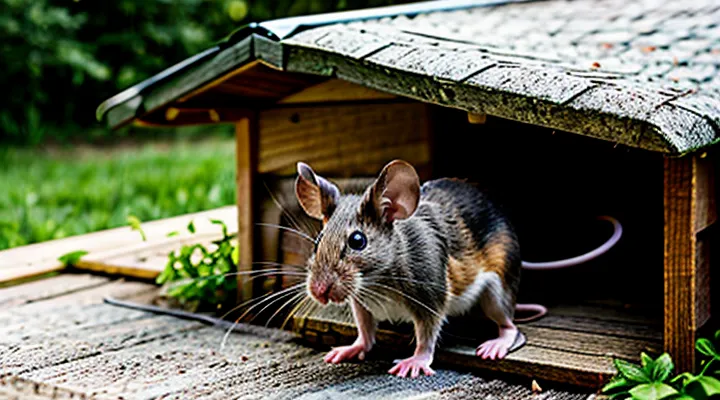
Understanding the Mouse Problem at Your Summer Cottage
Identifying Mouse Activity
Recognizing Droppings and Nests
Identifying mouse activity begins with recognizing droppings and nests. Fresh droppings are dark, tapered, and approximately 3‑5 mm long; older specimens turn gray and become brittle. Locate deposits along walls, behind appliances, in cabinets, and near food storage. A concentration of droppings indicates a travel corridor, while scattered pellets suggest foraging activity.
Nests consist of shredded paper, fabric, insulation, or dried plant material compacted into a cup‑shaped structure. Common sites include concealed corners of attics, under floorboards, inside wall voids, and within stored firewood piles. Nests are typically 5‑10 cm in diameter and may contain a central cavity lined with soft material.
Key observations:
- Droppings clustered within a 1‑meter radius of a potential entry point.
- Nest material accumulated near structural gaps, vents, or pipe openings.
- Chewed wiring, insulation, or wooden beams adjacent to droppings or nests.
- Presence of gnaw marks on food packaging or storage containers.
When droppings or nests are confirmed, seal identified entry points, remove nesting material, and disinfect droppings with a bleach solution (1 part bleach to 9 parts water). Implement monitoring devices at confirmed pathways to verify the cessation of activity. Continuous inspection each season prevents re‑infestation and protects the cottage’s structural integrity.
Noticing Gnaw Marks and Noises
Observing gnaw marks and audible activity provides the first reliable indication that rodents have entered a summer cottage. Fresh bite edges on wooden beams, plastic containers, or electrical cords confirm ongoing chewing. Repeated scratches or rustling sounds from walls, ceilings, or attic spaces, especially at dusk and dawn, signal nocturnal movement. Droppings near food storage, along baseboards, or in hidden corners corroborate visual evidence.
Effective response begins with systematic inspection. Identify all damage points, record their locations, and prioritize areas where structural integrity or safety may be compromised. Seal openings larger than a quarter inch with steel wool, caulk, or hardware cloth to prevent further entry. Remove potential food sources by storing pantry items in airtight containers and disposing of crumbs promptly. Deploy snap traps or multi‑catch devices near identified activity zones; position them perpendicular to walls, with the trigger end facing the wall to align with natural runways. Consider ultrasonic repellents in rooms where traps are impractical, but verify their coverage regularly.
Monitoring continues after initial control measures. Re‑examine previously marked spots weekly for new gnaw marks or noises. Replace or relocate traps as needed. Maintain a clean environment, limit outdoor vegetation near the foundation, and ensure that firewood is stored off the ground to reduce shelter opportunities. Consistent observation and prompt remediation prevent minor incursions from escalating into full‑scale infestations.
Reasons for Mouse Infestation
Food Availability and Storage Issues
Effective rodent management at a seasonal cottage requires reliable food supplies and proper storage practices. Food that attracts mice must be kept in containers that block entry, are airtight, and resist chewing. Plastic bins with snap‑tight lids, metal canisters, and glass jars meet these criteria; they should be placed on elevated shelves away from walls and floor seams.
Key storage considerations:
- Store dry goods (flour, rice, cereals) in containers larger than the original packaging to eliminate torn bags.
- Keep pet food in sealed metal containers; discard any leftover portions nightly.
- Refrigerate perishable items promptly; avoid leaving leftovers on countertops or in open dishes.
- Inspect storage areas weekly for signs of gnawing or droppings; replace compromised containers immediately.
When supplies run low, plan deliveries to occur during periods of low mouse activity, such as early morning hours, and limit outdoor food waste. Compost bins must be sealed and positioned at least 10 feet from the cottage foundation to prevent rodents from foraging nearby.
By integrating secure storage with disciplined inventory control, the risk of food‑driven mouse infestations diminishes, supporting a stable and hygienic environment throughout the summer season.
Entry Points and Structural Vulnerabilities
Mice gain access to a summer cottage primarily through gaps that compromise the building envelope. Common openings include:
- Cracks around foundation walls and slab edges
- Unsealed gaps around window frames, especially where sliding panels meet the sill
- Door thresholds lacking weather‑stripping or with worn sweeps
- Utility penetrations for pipes, cables, and vents that are not fitted with metal collars or foam inserts
- Roof eaves, soffits, and attic ventilation openings without mesh screens
- Chimney flues and fireplace dampers left ajar
Structural vulnerabilities amplify these entry points. Deteriorated siding, rotted lumber, and warped door frames create irregular seams that are difficult to seal with standard caulk. Improperly installed or aged insulation can shift, exposing hidden cavities. Exterior cladding that has been removed for repairs often leaves unfinished edges if not properly flashed. Roof shingles that have lifted or missing flashing allow rodents to wedge themselves into the roof deck.
Inspection should begin with a systematic walk‑around, pressing a flashlight against seams to reveal drafts or movement. Inside, examine the perimeter for chewed material, gnaw marks, and droppings. Use a flexible probe to test the integrity of gaps around vent pipes and electrical conduits. Document each defect and prioritize repairs based on size, location, and exposure to the surrounding environment.
Effective mitigation combines sealing and exclusion. Apply stainless‑steel mesh to vent openings, install self‑closing door sweeps, and use silicone‑based sealant for concrete cracks. Replace compromised lumber and re‑flash any exposed joints. For larger gaps, insert metal flashing or hardware cloth before applying a durable caulk. Regular maintenance—checking weather‑stripping, resealing around utilities after seasonal storms, and monitoring for new damage—prevents re‑infestation and sustains the structural integrity of the cottage.
Effective Methods for Mouse Control
Preventive Measures
Sealing Entry Points
Sealing entry points eliminates the primary avenue by which mice infiltrate a seasonal cottage. Identify all potential openings, including gaps around utility penetrations, foundation cracks, vent louvers, and door thresholds. Conduct a systematic inspection during daylight when rodents are less active, marking each suspected breach with a temporary indicator.
Select durable, rodent‑proof materials for closure. Common choices include steel wool, copper mesh, expanding polyurethane foam, cement mortar, and self‑adhesive metal flashing. Apply the following sequence to each opening:
- Clean the area of debris and moisture.
- Insert steel wool or copper mesh to fill larger gaps, compressing it tightly.
- Cover the filler with expanding foam or mortar, ensuring full contact with surrounding surfaces.
- Finish with a layer of metal flashing or caulk to prevent future deterioration.
- Verify the seal by probing for any residual movement or gaps.
Regular maintenance reinforces the barrier. Schedule biannual checks after severe weather, replace worn caulk, and reinforce high‑traffic zones such as window frames and porch doors. Maintaining an airtight envelope substantially reduces mouse activity, allowing other control measures to operate more effectively.
Proper Food Storage and Sanitation
Effective rodent management at a seasonal cottage depends on eliminating food sources that attract mice. Secure storage and rigorous sanitation remove the primary incentives for infestation, allowing control methods to work without constant re‑contamination.
Store all perishables in airtight containers made of hard plastic or metal. Keep dry goods in sealed bins, and refrigerate or freeze items that cannot be consumed within a few days. Place containers on elevated shelves, away from walls and floor gaps, to prevent rodents from reaching them.
Maintain a clean environment by removing crumbs, spills, and food residues promptly. Sweep kitchen floors after each use, wipe countertops with a disinfectant solution, and dispose of waste in bins equipped with tight‑fitting lids. Empty outdoor trash cans nightly and store them in a locked shed.
Implement a routine inspection schedule:
- Check seals on containers weekly for cracks or wear.
- Inspect pantry corners and under appliances for droppings or gnaw marks.
- Clean pet feeding areas daily; store animal feed in rodent‑proof containers.
- Rotate stock, using older items first to avoid spoilage that draws mice.
By integrating these storage and hygiene practices, the cottage environment becomes inhospitable to mice, reinforcing any physical or chemical control measures applied elsewhere.
Maintaining the Cottage Perimeter
Maintaining the cottage perimeter is a critical component of any effective rodent‑prevention program for a seasonal retreat. A solid, well‑kept boundary reduces entry points, limits shelter, and discourages foraging activities that attract mice.
First, inspect the outer shell of the building at the start of each season. Identify cracks, gaps around doors, windows, utility penetrations, and foundation seams. Seal all openings with durable materials such as steel‑wool, silicone caulk, or metal flashing. Replace weather‑stripping on doors and windows that show wear.
Second, manage vegetation that contacts the structure. Trim shrubs, vines, and tree branches to a minimum distance of three feet from the walls. Remove dense ground cover, leaf litter, and mulch piles that create hidden pathways. Keep the lawn mowed to a low height to eliminate cover.
Third, install physical barriers where appropriate. Fit metal mesh (½‑inch or smaller) over vents, chimney openings, and crawl‑space access points. Fit door sweeps on all exterior doors and ensure garage doors seal tightly when closed.
Fourth, establish a regular monitoring schedule. Conduct monthly perimeter walks to check for new damage, signs of gnawing, or rodent activity. Record findings and address issues promptly to prevent escalation.
Key actions for perimeter maintenance
- Seal all structural gaps with steel‑wool and caulk.
- Trim vegetation to maintain a clear buffer zone.
- Apply metal mesh to vents, chimneys, and crawl‑spaces.
- Install door sweeps and garage door seals.
- Perform monthly inspections and document repairs.
Consistent application of these measures creates a hostile environment for mice, supporting the broader strategy of rodent control at a summer cottage.
Trapping Strategies
Types of Traps: Pros and Cons
Effective rodent management at a seasonal cottage requires understanding the strengths and limitations of each trapping method. Selecting the appropriate device reduces damage to structures, protects stored food, and minimizes non‑target impacts.
-
Snap traps
• Pros: Immediate kill, no chemicals, reusable, low cost.
• Cons: Requires precise placement, risk of injury to humans or pets, may cause distress to the animal. -
Live‑capture (catch‑and‑release) traps
• Pros: Allows relocation, complies with humane guidelines, reusable.
• Cons: Necessitates regular monitoring, potential for escape if not emptied promptly, requires safe release site away from the property. -
Electronic traps
• Pros: Quick kill via high‑voltage shock, built‑in sensor reduces false triggers, easy to clean.
• Cons: Higher purchase price, dependence on power source, may be less effective in extreme cold. -
Glue boards
• Pros: Simple deployment, inexpensive, no moving parts.
• Cons: Causes prolonged suffering, difficult disposal, ineffective on larger rodents, can trap insects unintentionally. -
Baited snap traps with poison (rodenticides) integrated into mechanical devices
• Pros: Enhances capture rate, reduces need for frequent checking.
• Cons: Toxicity risk to children, pets, and wildlife; regulatory restrictions; potential for secondary poisoning.
Each trap type presents a distinct balance of effectiveness, safety, cost, and ethical considerations. Aligning the chosen devices with the cottage’s layout, occupancy patterns, and local regulations maximizes control outcomes while limiting unintended consequences.
Snap Traps
Snap traps provide immediate, lethal control of rodents that enter a seasonal cottage. Their mechanical action kills mice instantly, eliminating the risk of disease transmission associated with live capture. The devices require no electricity, making them suitable for remote locations without reliable power.
Effective use depends on proper selection and placement. Choose traps sized for common house mice, constructed from stainless steel to resist rust in humid environments. Opt for models with a safety latch to protect children and pets. Bait with high‑fat foods such as peanut butter or dried fruit, which attract mice more reliably than grain. Position traps along walls, behind stored firewood, and near entry points where droppings indicate activity.
- Attach the trap to a stable surface, ensuring the trigger arm is free to move.
- Place a small amount of bait on the trigger plate, avoiding excess that may prevent activation.
- Set the trap by pulling back the snap arm until it clicks into the locked position.
- Check the trap daily; dispose of any catch promptly and reset with fresh bait.
After a kill, wear disposable gloves, place the mouse in a sealed bag, and discard it according to local waste regulations. Clean the trap with mild detergent to remove scent residues that could deter subsequent captures. Store traps in a dry container to maintain functionality throughout the cottage’s occupancy season.
Live Traps
Live traps provide a humane alternative for reducing mouse populations in a seasonal cottage. They capture rodents without killing them, allowing owners to relocate the animals away from the property.
- Trap selection – Choose snap‑free cages with smooth interiors, metal or sturdy plastic construction, and a secure latch. Models with a removable door simplify release.
- Bait – Use high‑fat foods such as peanut butter, sunflower seeds, or bits of cheese. Place a small amount on the trigger plate to ensure consistent activation.
- Placement – Position traps along walls, behind appliances, and near known entry points. Mice travel close to surfaces; setting traps perpendicular to the wall maximizes contact.
- Monitoring – Check traps at least twice daily. Remove captured mice promptly to prevent stress and scent buildup, which can deter further captures.
- Release – Transport the animal at least 2 km from the cottage, preferably to a wooded area with natural cover. Release at dusk to reduce predation risk.
- Maintenance – Clean traps with mild detergent after each use. Inspect the latch mechanism for wear and replace damaged units to maintain effectiveness.
Compliance with local wildlife regulations is essential; some jurisdictions require permits for relocation. Properly executed live trapping reduces mouse activity while preserving animal welfare and minimizing damage to stored food and furnishings.
Electronic Traps
Electronic traps provide a reliable, non‑chemical option for managing mouse activity in seasonal cottages. They eliminate pests quickly, reduce the risk of contaminating food stores, and require minimal ongoing supervision.
Common electronic devices include:
- Ultrasonic emitters that generate frequencies intolerable to rodents;
- Electrocution stations that deliver a high‑voltage pulse upon contact;
- Bait‑activated traps that combine a sensory lure with an instant shock.
Ultrasonic units operate continuously, filling enclosed spaces with sound waves that deter entry. Electrocution stations and baited traps rely on a conductive grid; once a mouse contacts the grid, an electrical discharge renders the animal immobile, allowing the device to collect the carcass in a sealed compartment.
Key benefits comprise immediate results, absence of toxic substances, and reduced secondary poisoning of wildlife. The sealed collection chamber prevents odor buildup and simplifies disposal. Devices powered by mains electricity guarantee consistent performance, while battery‑operated models offer flexibility in locations without outlets.
Effective placement follows a logical pattern: locate devices along walls, near known entry points, and adjacent to food storage areas. Avoid positioning near open windows or doors where airflow may diminish ultrasonic coverage. Ensure each unit is positioned at least 12 inches from any water source to prevent short‑circuiting.
Routine maintenance involves inspecting the collection chamber weekly, cleaning debris, and verifying power supply integrity. Replace batteries according to manufacturer specifications, and test the unit periodically to confirm functional output.
Safety measures require keeping devices out of reach of children and non‑target animals. Install protective covers on electrocution stations, and use tamper‑resistant enclosures for ultrasonic emitters. Follow all manufacturer warnings to prevent accidental exposure to high voltage.
Optimal Trap Placement
Effective mouse management at a seasonal cottage depends on precise trap positioning. Mice travel close to walls, use concealed pathways, and congregate near food sources. Position traps where these routes intersect to maximize encounters.
- Place traps directly against interior walls, with the trigger side facing the wall.
- Install traps behind appliances, in pantry corners, and beneath cabinets where crumbs accumulate.
- Locate traps at known entry points such as gaps around doors, windows, and utility openings.
- Set traps along established runways identified by droppings, gnaw marks, or grease trails.
- Space multiple traps 2–3 feet apart to cover overlapping territories.
- Ensure traps are at a height of 1–2 inches above the floor, matching mouse travel level.
Select trap types that suit the environment—snap, live‑catch, or electronic—and use the same placement principles for each. Check traps daily; replace bait, relocate empty devices, and adjust positions based on recent activity. Consistent monitoring and strategic placement maintain low mouse populations throughout the cottage season.
Baiting Techniques
Effective baiting is essential for reducing rodent activity in a seasonal cottage environment. Proper selection of attractants, placement strategies, and safety measures determines the success of any control program.
Key components of a successful baiting protocol include:
- Attractant choice – Use high‑fat, high‑protein foods such as peanut butter, bacon bits, or commercial rodent gel. Rotate flavors weekly to prevent habituation.
- Bait type – Opt for tamper‑resistant blocks or pre‑filled stations that protect non‑target species and children. Gel baits provide rapid consumption and reduce waste.
- Placement – Position stations along walls, near entry points, and in concealed corners where mice travel. Maintain a 2‑foot clearance from food preparation surfaces.
- Density – Deploy one station per 50 square feet of interior space, adjusting for larger structures or extensive outbuildings.
- Timing – Install baits at dusk when rodents are most active. Replace stations every 3–4 days or after visible consumption.
- Monitoring – Record the number of stations inspected, bait removal rates, and any signs of activity. Adjust placement based on observed patterns.
Safety considerations require wearing disposable gloves during handling, storing baits in sealed containers, and disposing of used stations according to local hazardous‑waste regulations. Regular inspection of exterior gaps and sealing of openings complement baiting, creating a comprehensive rodent management plan for a summer cottage.
Repellents and Deterrents
Natural Repellents
Natural repellents provide a non‑chemical option for deterring rodents in a seasonal cottage. Their effectiveness relies on strong odors, unpleasant textures, or taste aversion that mice instinctively avoid.
- Peppermint oil: apply a few drops on cotton balls, place them near entry points, storage areas, and pantry shelves. Replace every two weeks to maintain potency.
- Clove oil: dilute with water (1 ml per 100 ml) and spray around cracks, gaps, and beneath furniture. Reapply after rain or cleaning.
- Cayenne pepper or crushed red pepper: sprinkle a thin layer along baseboards and behind appliances; refresh after each cleaning cycle.
- Dryer sheets: position scented sheets in cabinets and closets; replace when fragrance fades.
- Vinegar solution: mix equal parts white vinegar and water, spray on surfaces where mouse tracks appear; the acidic scent discourages further activity.
Application should focus on potential access routes: foundation gaps, vent openings, door thresholds, and utility penetrations. Seal all identified openings with steel wool, caulk, or hardware cloth before deploying repellents. Limit exposure to food preparation areas by ensuring repellents do not contact dishes or utensils.
Safety considerations include keeping essential oils away from children and pets, using gloves during handling, and testing a small area for material compatibility. Monitor mouse activity weekly; if signs persist, combine natural repellents with mechanical barriers or professional assistance. Regular maintenance—cleaning crumbs, storing food in sealed containers, and inspecting structural integrity—enhances the overall deterrent effect.
Peppermint Oil and Other Scents
Peppermint oil remains a widely recognized repellent for rodents inhabiting seasonal cottages. Its strong menthol aroma overwhelms the olfactory receptors of mice, causing them to avoid treated areas. Application methods include:
- Soaking cotton balls in pure peppermint essential oil and placing them in entry points, pantry corners, and storage sheds.
- Diluting oil with water (approximately 10 ml peppermint oil per liter) and spraying the mixture on baseboards, door thresholds, and exterior lintels.
- Incorporating peppermint oil into wax or silicone sealants applied to gaps in foundations or window frames.
Effectiveness diminishes after 48–72 hours; replace treated media regularly to maintain deterrence.
Other volatile compounds demonstrate comparable repellent properties:
- Eucalyptus oil, rich in 1,8‑cineole, disrupts mouse scent trails when applied as a spray or impregnated cloth.
- Citronella oil, containing citronellal, creates an unpleasant environment for rodents when diffused near food storage.
- Clove oil, high in eugenol, interferes with mouse pheromone communication; a few drops on cotton in hidden corners reduce activity.
When using scented repellents, observe the following guidelines:
- Ensure proper ventilation to prevent buildup of strong odors that may affect human occupants.
- Test a small area for material compatibility, as essential oils can degrade certain plastics or finishes.
- Combine scent deterrents with physical barriers—such as steel mesh and sealed entry points—for comprehensive rodent management.
Integrating peppermint oil and complementary scents into a regular maintenance schedule enhances the overall strategy for keeping mice out of summer cottage environments.
Ultrasonic Devices
Ultrasonic devices are a recognized option for reducing mouse activity in a summer cottage environment. The units emit high‑frequency sound waves, typically between 20 kHz and 65 kHz, that are imperceptible to humans but cause discomfort to rodents, prompting them to vacate the area.
The technology works by generating a continuous or pulsed signal that interferes with the mice’s auditory system, leading to disorientation and avoidance behavior. Most models allow frequency modulation to prevent habituation; the signal can be adjusted manually or automatically based on built‑in timers.
Effective deployment requires strategic placement. Devices should be positioned near entry points, along walls, and in concealed storage areas where mice are likely to travel. A single unit usually covers a radius of 15–30 m, depending on wall composition and furniture density. Plug‑in models rely on standard household outlets, while battery‑powered versions offer flexibility in locations without electricity.
- Advantages
- No chemicals or traps, eliminating risk of poisoning pets or children.
- Silent operation for occupants; only rodents detect the sound.
- Low maintenance; most units need only occasional battery replacement or cleaning of vents.
- Limitations
- Effectiveness decreases in heavily insulated or cluttered spaces.
- Mice may become desensitized if the same frequency is used continuously.
- Devices do not provide immediate elimination; they function as a deterrent rather than a killing method.
Integrating ultrasonic devices with complementary strategies—such as sealing entry gaps, removing food sources, and using snap traps in high‑traffic zones—enhances overall control. Regular inspection of device placement and periodic frequency adjustment maintain deterrent pressure and reduce the likelihood of rodent re‑infestation.
Chemical Repellents: When to Use Them
Chemical repellents provide a rapid, targeted option for mouse management at a seasonal cottage when immediate reduction of activity is required. Their effectiveness depends on proper selection, timing, and adherence to safety protocols.
Use chemical repellents in the following situations:
- Evidence of active infestation in enclosed spaces such as storage sheds, basements, or utility rooms where traps have failed or are impractical.
- Presence of food stores that cannot be relocated or sealed quickly, demanding an urgent deterrent.
- Areas with high traffic by children or pets where non‑lethal, low‑odor formulations are preferred to avoid accidental ingestion.
- Seasonal spikes in mouse activity, typically late summer to early autumn, when natural food sources become scarce and rodents seek shelter.
Safety considerations are mandatory. Choose products registered for indoor use, verify that active ingredients are approved by relevant health authorities, and read label instructions thoroughly. Wear protective gloves and eye protection during application, ensure adequate ventilation, and keep the treated area inaccessible to non‑target animals until the product dries or settles.
Application guidelines:
- Identify entry points and concentrate treatment around them; seal gaps after the repellent has been applied.
- Apply a thin, even coating to surfaces where mice travel, such as baseboards, corners, and the underside of shelves.
- Re‑apply according to label‑specified intervals, usually every 30–60 days, to maintain efficacy.
- Combine chemical use with sanitation measures—store food in airtight containers, remove clutter, and maintain regular cleaning—to prevent reinfestation.
When used judiciously, chemical repellents complement mechanical controls, delivering swift suppression while minimizing disruption to cottage occupants.
Long-Term Management and Monitoring
Regular Inspections
Regular inspections detect rodent activity before infestations become visible, allowing swift intervention at a summer cottage.
Inspections should occur at least once each month during the active season and after any major weather event that could compromise building integrity.
Key inspection zones include:
- Exterior walls, foundation, and roof for cracks or openings larger than ¼ inch.
- Utility penetrations, vents, and chimney flues for missing screens or deteriorated sealing.
- Interior storage areas, particularly pantries and cabinets, for food spillage or improperly sealed containers.
- Waste disposal sites, including outdoor bins and compost piles, for signs of gnawing or droppings.
- Basement and crawl‑space for nesting material, burrows, or droppings on insulation and wiring.
Document findings with date, location, and severity rating; prioritize repairs based on risk level. Immediate actions may involve sealing gaps with steel wool and caulk, tightening door sweeps, or repositioning food supplies. Follow‑up checks confirm that corrective measures remain effective.
Consistent inspection routines reduce the likelihood of population growth, limit property damage, and lower the need for extensive chemical treatments.
Seasonal Preparations
Effective mouse management at a summer cottage begins with systematic seasonal preparation. Early spring inspections identify structural vulnerabilities that allow rodent ingress. Addressing these weaknesses before the warm months reduces population growth and limits damage.
- Inspect exterior walls, foundations, and eaves for gaps larger than ¼ inch.
- Seal openings with steel wool, caulk, or hardware cloth.
- Install weather‑stripping on doors and windows.
- Clear vegetation and debris within a two‑meter radius of the building.
- Store firewood, compost, and feed on raised platforms away from the structure.
During the active season, maintain vigilance through regular monitoring and sanitation. Deploy snap traps or electronic devices along established travel routes. Replace bait or reposition devices weekly to sustain effectiveness. Keep indoor and outdoor areas free of food residues; store grains, cereals, and pet food in airtight containers. Promptly remove droppings and nesting material to prevent disease spread.
As summer ends, execute a comprehensive shutdown protocol. Remove all trapping equipment, disinfect surfaces, and dispose of captured rodents according to local regulations. Conduct a final seal‑check, reinforcing any compromised points discovered during the season. Store bait, traps, and protective materials in a dry, rodent‑proof container for future use. These disciplined actions create a resilient barrier against mouse incursions for subsequent years.
Professional Pest Control Services: When to Consider Them
Professional pest control services become necessary when self‑managed measures fail to reduce mouse activity or when infestation threatens structural integrity, food safety, or health. At a summer cottage, the seasonal increase in rodent access points often overwhelms DIY traps and bait stations, making expert intervention the most reliable solution.
Signs that justify hiring a licensed exterminator include:
- Persistent droppings in walls, attic, or storage areas despite regular cleaning.
- Evidence of gnawed wiring, insulation, or furniture.
- Presence of mouse nests or multiple live captures in traps within a short period.
- Reports of allergic reactions or disease concerns among occupants.
- Property owners lacking the time or expertise to implement comprehensive exclusion techniques.
Professional teams provide integrated approaches: thorough inspection, sealing of entry points, strategic placement of tamper‑proof bait stations, and ongoing monitoring. These actions comply with local regulations and reduce the risk of secondary infestations. Opting for certified services ensures that control methods are applied safely, especially in environments where children or pets may be present.
When a cottage’s mouse problem escalates beyond occasional sightings, or when structural damage and health hazards are documented, the cost‑effectiveness of professional pest control outweighs continued reliance on ad‑hoc DIY solutions.