
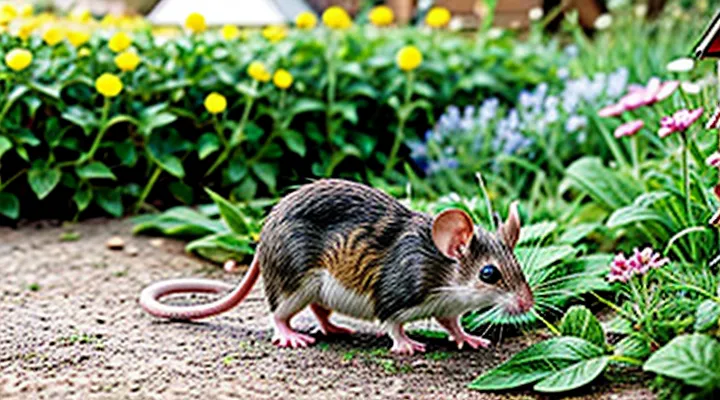
Understanding the Mouse Threat
Types of Mice Encountered on Plots
House Mice («Mus musculus»)
House mice (Mus musculus) are small omnivores that readily exploit the resources of a summer cottage plot. Their high reproductive rate—up to ten litters per year, each containing five to eight offspring—creates rapid population growth when food and shelter are abundant. Mice consume seeds, fruits, and stored provisions, and they gnaw on wooden structures, plastic containers, and electrical wiring, causing material loss and fire hazards.
Effective control relies on three coordinated actions: habitat modification, exclusion, and population reduction.
- Habitat modification: remove fallen fruit, clear vegetation close to buildings, and store feed in sealed metal containers.
- Exclusion: seal entry points larger than 6 mm with steel wool, cement, or hardware cloth; install door sweeps and screen vents.
- Population reduction: deploy snap traps or electronic traps at established runways; use bait stations containing anticoagulant rodenticides in accordance with local regulations and safety guidelines.
Monitoring should be continuous throughout the warm season. Place tracking cards or flour dust at suspected pathways to confirm activity, then adjust trap placement accordingly. Regular inspection of stored food, compost piles, and structural gaps prevents re‑infestation and sustains a low‑density mouse population on the cottage property.
Field Mice («Apodemus sylvaticus»)
Field mice (Apodemus sylvaticus) are small, omnivorous rodents that thrive in temperate grasslands, hedgerows, and cultivated plots. Their reproductive cycle peaks in late spring and early summer, producing litters of up to eight offspring every three weeks. The species readily exploits the shelter and food resources typical of a summer cottage garden, establishing burrows near compost piles, vegetable beds, and stored feed.
Damage caused by field mice includes consumption of seedlings, gnawing of fruit stems, and contamination of stored produce. Their foraging activity can undermine root systems, reduce crop yields, and introduce pathogens through urine and feces. In addition, burrowing undermines the structural integrity of garden pathways and drainage structures.
Proven control measures for a seasonal cottage plot include:
- Habitat modification – remove dense vegetation, trim hedgerows, and keep grass mowed to a maximum of 5 cm to reduce cover.
- Food source management – store grain, nuts, and pet food in sealed metal containers; clean up fallen fruit and spilled feed daily.
- Physical barriers – install fine‑mesh (1 mm) hardware cloth around garden beds, seed trays, and compost bins; use metal flashing at the base of structures to block entry.
- Trapping – employ snap traps or multi‑catch live traps positioned along mouse runways; check and reset traps each morning to maintain effectiveness.
- Predatory encouragement – install nesting boxes for barn owls or attract domestic cats to patrol the perimeter; avoid using rodenticides that may harm non‑target wildlife.
Monitoring remains essential. Set up motion‑activated cameras or tracking stations to verify activity levels after each intervention. Adjust the combination of methods based on observed mouse presence, ensuring continuous pressure on the population and preventing re‑infestation throughout the summer season.
Voles («Microtus»)
Voles (genus Microtus) are small, herbivorous rodents commonly found in moist, vegetated areas of summer cottage plots. Typical species include the common vole (M. arvalis) and the meadow vole (M. truncatus). Adults measure 10–15 cm in length, weigh 30–80 g, and reproduce rapidly, with several litters per season.
Voles damage ornamental beds, vegetable crops, and young trees by feeding on stems, roots, and leaves. Their burrowing creates surface tunnels that weaken turf and expose roots, facilitating secondary pest infestations. Because voles share habitat preferences with house mice, effective rodent management must address both groups simultaneously.
Monitoring relies on visual inspection of runways, fresh gnaw marks, and pellet piles. Snap‑shot counts of active tunnels per square meter provide a baseline for assessing population trends. Trail cameras positioned near suspected runways capture activity patterns and confirm species identification.
Proven control measures integrate habitat modification, physical exclusion, trapping, chemical application, and biological agents:
- Remove dense ground cover, excess mulch, and standing water; maintain a 1‑meter buffer of cleared vegetation around structures.
- Install hardware cloth (½‑inch mesh) around garden beds, greenhouse foundations, and root zones; bury the bottom 15 cm to block burrow entry.
- Deploy snap traps or live‑catch traps along active runways; check and reset daily to maintain pressure on the population.
- Apply rodenticide baits formulated for voles, placing them in tamper‑resistant stations outside high‑traffic areas; follow label instructions to avoid non‑target exposure.
- Encourage natural predators such as owls, hawks, and field snakes by providing perching sites and shelter.
Combining these tactics reduces vole numbers, limits crop loss, and complements broader rodent control strategies on a summer cottage property.
Signs of Mouse Infestation
Droppings
Droppings are a primary indicator of mouse activity on a summer cottage plot. Fresh deposits appear as small, dark, pellet‑shaped fragments, typically 3–5 mm in length, with a tapered end. Accumulation in food storage areas, under furniture, or along wall seams confirms ongoing infestation.
Health risks stem from bacterial contamination and potential disease transmission. Pathogens such as Salmonella and hantavirus can survive in droppings for weeks, posing hazards to occupants and pets. Direct contact or inhalation of aerosolized particles during cleaning may lead to infection.
Effective removal follows a strict protocol:
- Wear disposable gloves, a N95 respirator, and protective eyewear.
- Moisten droppings with a 10 % bleach solution; let stand for 5 minutes to neutralize pathogens.
- Scrape material into a sealed plastic bag, avoiding dry disturbance.
- Disinfect the surface with a 1 % bleach solution or an EPA‑approved rodent disinfectant.
- Dispose of all waste in a sealed container, then wash hands thoroughly.
Prevention relies on eliminating attractive conditions. Store feed in airtight containers, seal cracks and gaps larger than 1 cm, and maintain a clean environment free of food debris. Regular inspection for fresh droppings enhances early detection, allowing prompt intervention with proven rodent control measures.
Gnaw Marks
Gnaw marks appear as shallow, crescent‑shaped bites on wood, plastic, and cable insulation. Fresh marks display clean edges and light coloration; older marks darken and may exhibit splintering. Typical locations include baseboards, pantry shelves, garden tool handles, and exterior siding near entry points.
These marks serve as the primary indicator of mouse presence. The size of the bite (approximately 2–5 mm) confirms rodent activity, while the pattern—parallel rows versus random holes—helps differentiate mice from larger rodents such as rats. Identifying gnaw marks enables targeted intervention before damage escalates.
Assessment focuses on three factors:
- Frequency – multiple marks within a 1‑m² area suggest an established foraging route.
- Location – marks near food storage or structural joints indicate high‑risk zones.
- Depth – deeper bites signal repeated use of the same pathway.
Effective response follows a systematic protocol:
- Record each gnaw mark with date, dimensions, and exact position.
- Seal identified entry points using steel wool, cement, or metal flashing.
- Deploy bait stations or snap traps along the inferred travel corridor, positioning devices 10–15 cm from the nearest gnaw mark.
- Inspect and replace compromised wiring or wooden components to eliminate secondary hazards.
- Conduct weekly surveys of all marked sites; adjust trap density if new gnaw marks emerge.
Integrating gnaw‑mark monitoring with habitat modification—removing vegetation that provides cover, storing feed in airtight containers, and maintaining a clean perimeter—creates a comprehensive rodent‑management framework for a summer cottage property. Continuous documentation of gnaw marks validates the efficacy of control measures and guides timely adjustments.
Nests
Nests provide shelter and breeding sites for mice that inhabit a cottage plot during the summer months. Their presence directly influences population growth and the effectiveness of any control program.
Mice commonly construct nests in concealed areas: under garden sheds, within piles of firewood, inside compost heaps, beneath stored items, and in dense vegetation near structures. They also exploit gaps in foundation walls, attic insulation, and crawl spaces.
Signs of active nests include shredded plant material, shredded paper, dry grass, and small piles of droppings. Freshly built nests appear as loosely packed, irregular shapes, while older nests become compacted and may be camouflaged with soil.
Preventive actions:
- Eliminate shelter sources by clearing debris, stacking firewood away from the house, and maintaining trimmed vegetation.
- Seal entry points: install metal mesh on vents, repair cracks in foundations, and use weatherstripping on doors.
- Store food in airtight containers and remove pet feed after dusk.
- Elevate outdoor furniture and equipment to reduce ground-level hiding spots.
Removal steps:
- Locate nests during daylight when mice are less active.
- Wear gloves and a mask, then disturb the nest to force occupants to exit.
- Place captured mice in humane traps or release them at a distance from the property.
- Discard nest material in sealed bags and dispose of it in a secure landfill.
- Apply a rodent‑repellent spray to the cleared area and monitor for re‑occupation.
Ongoing maintenance involves regular inspections of potential nesting sites, prompt repair of structural damage, and consistent application of exclusion measures. Sustained attention to nests reduces mouse breeding success and enhances overall control efficacy on a seasonal cottage property.
Tracks
Tracks left by mice provide the most reliable indicator of activity zones on a cottage property. Identifying these signs allows targeted placement of control measures, minimizes waste of resources, and reduces non‑target exposure.
Footprint patterns reveal entry points, preferred pathways, and nesting proximity. Fresh droppings, gnaw marks, and shredded material confirm recent presence. Use a flashlight at low angles to accentuate fur rows and tail marks on soil, mulch, or wooden surfaces. Record observations on a simple map, marking each discovery with a symbol that corresponds to the type of evidence.
Effective use of track information includes:
- Strategic bait station placement – locate stations along confirmed runways, spacing them 1–2 m apart to intercept movement.
- Snap‑trap alignment – set traps perpendicular to the runway, with the trigger side facing the direction of travel indicated by the footprints.
- Live‑capture cage positioning – position cages at the termination of a runway or near a nesting site identified by clustered tracks.
- Barrier installation – seal identified entry points with metal flashing or hardware cloth, focusing on gaps where tracks converge.
- Monitoring and adjustment – revisit tracks weekly; shift devices toward newly active zones and remove inactive stations.
When tracks are indistinct, sprinkle a thin layer of flour or powdered talc along suspected routes. The resulting footprints become visible after a few hours, confirming the exact path. Combining this simple technique with the mapping system ensures continuous, data‑driven refinement of rodent‑control operations throughout the summer season.
Prevention Strategies
Garden Maintenance
Keeping the Area Tidy
Effective rodent management on a summer cottage property begins with a disciplined approach to site cleanliness. Food residues, fallen fruit, and compost piles provide the primary attractants for mice; eliminating these sources reduces the likelihood of infestation.
- Collect and store all food in sealed containers made of metal or thick plastic.
- Remove fallen fruit and vegetable debris daily; dispose of it in a bin with a tight‑fitting lid.
- Keep compost bins away from the house and cover them with a secure lid; turn the material regularly to accelerate decomposition and discourage rodents.
- Sweep patios, decks, and pathways each evening to clear crumbs and plant matter.
- Store firewood at least one meter from the building’s foundation and elevate it on a platform to prevent nesting.
Regular maintenance of structural elements supports the tidy environment. Seal cracks in walls, foundation, and roof vents with durable caulk; install metal flashing around doors and windows. Trim vegetation that brushes the building, as overhanging branches create pathways for mice to access the roof and eaves.
A systematic cleaning schedule, combined with physical barriers and proper waste handling, creates an inhospitable setting for mice and complements any chemical or trapping measures employed on the cottage plot.
Removing Food Sources
Eliminating accessible food dramatically lowers mouse activity on a summer cottage property. Food left outdoors or inadequately stored provides a reliable energy source, encouraging rodents to establish nests and reproduce. Removing these resources forces mice to search farther, increasing exposure to predators and traps.
- Store all grains, pet food, and birdseed in airtight containers made of metal or heavy‑wall plastic.
- Clean cooking and dining areas after each use; sweep floors, wipe countertops, and empty trash bins nightly.
- Position garbage cans with tight‑fitting lids away from the house; empty them regularly, especially during warm weather.
- Cover compost piles with a solid lid or screen; keep compost at a distance from structures and turn it frequently to discourage foraging.
- Seal cracks and gaps in exterior walls, foundations, and utility openings to prevent mice from entering storage spaces.
Consistent implementation of these measures removes the primary attractant, making the cottage plot less hospitable for rodents and enhancing the effectiveness of any additional control methods.
Trimming Vegetation
Trimming vegetation is a core element of an integrated approach to rodent management on a summer cottage property. Dense ground cover, overgrown shrubs, and tall grasses create shelter and foraging pathways that enable mice to establish colonies near structures and food sources.
Effective trimming reduces habitat suitability by limiting concealment and access to plant material. The practice also improves visibility for inspection and facilitates the placement of traps or deterrents.
- Conduct a full‑site sweep in early spring; remove all dead or decaying plant matter.
- Cut grass to a maximum height of 5 cm, focusing on areas adjacent to foundations, decks, and storage sheds.
- Prune shrubs to a width of no more than 30 cm from the trunk, eliminating interior foliage that could serve as nesting sites.
- Use electric or gasoline-powered hedge trimmers for thick growth; hand shears suffice for fine edging.
- Dispose of cut material off‑site or burn it to prevent re‑infestation.
After each trimming cycle, inspect the perimeter for fresh rodent activity. Replace removed vegetation with low‑growth ground cover that does not provide cover, such as crushed stone or mulch with a coarse texture. Regular monitoring and prompt re‑trimming maintain an environment that discourages mouse habitation while preserving the aesthetic of the cottage plot.
Protecting Structures
Sealing Entry Points
Sealing entry points prevents rodents from infiltrating a summer cottage plot, reducing the need for reactive measures and protecting structures, food supplies, and stored equipment.
Typical openings include gaps around foundation walls, utility penetrations, vents, attic hatches, door sweeps, and cracks in exterior siding. Rodents exploit openings as small as ¼ inch; therefore, any visible breach warrants immediate attention.
Effective sealing methods:
- Apply steel wool or copper mesh to narrow gaps, then cover with caulk or expanding foam for durability.
- Install lintel caps or metal flashing over vent openings, securing them with screws to eliminate loose edges.
- Fit door sweeps with a tight seal, checking for wear after each season.
- Use cement‑based mortar or epoxy to fill cracks in concrete foundations and brickwork.
- Replace damaged soffit panels and secure them with corrosion‑resistant fasteners.
Regular inspection is essential. Conduct a visual sweep of the building envelope at the start of each warm period, focusing on areas where moisture or vegetation may have shifted. Record findings, repair any new openings promptly, and verify the integrity of previously sealed locations before the peak activity months.
Using Mesh and Barriers
Effective rodent management on a summer cottage plot relies on physical exclusion. Mesh and barriers create a continuous shield that prevents mice from entering buildings, garden beds, and storage areas.
Select mesh that combines strength and appropriate aperture. Hardware cloth made of galvanized steel, 1 mm (20‑gauge) wire, with openings no larger than ¼ inch, blocks entry while allowing airflow. For exposed locations, choose UV‑stabilized polymer mesh that resists cracking under sunlight. Ensure the material can withstand moisture and occasional contact with garden tools.
Install barriers according to the following sequence:
- Measure perimeter of each structure, including foundations, crawl spaces, and raised beds.
- Cut mesh with a margin of at least 2 inches beyond the measured edge.
- Secure mesh to framing using stainless‑steel staples or screws; overlap seams by 4 inches and seal with exterior‑grade caulk.
- Bury the lower edge of the barrier 6‑12 inches underground to stop burrowing.
- Fit flexible mesh around pipe penetrations and vent openings; wrap tightly and tape seams.
Regularly inspect the enclosure for gaps caused by settling, vegetation growth, or animal damage. Repair breaches promptly to maintain uninterrupted protection.
Repellent Plants
Mint
Mint, a hardy herb with a strong aromatic profile, serves as a practical component in rodent‑deterrent strategies for a summer cottage garden. Its volatile oils irritate the sensory receptors of mice, prompting avoidance of areas where the plant is established.
Plant mint in containers or shallow beds along perimeter fences, near entry points, and under sheds. Because mint spreads aggressively, confine its roots with barriers or grow it in pots to prevent encroachment on other crops.
Key considerations for effective use:
- Location – place plants where mice are likely to travel; dense foliage creates a scent barrier.
- Density – maintain a stand of at least 12 inches (30 cm) between stems to ensure continuous release of volatile compounds.
- Harvest timing – trim foliage weekly during the growing season; fresh cuts release higher concentrations of repellent oils.
- Integration – combine mint with physical exclusions (mesh screens, sealed gaps) and sanitation (removal of food residues) for comprehensive control.
- Maintenance – monitor for overgrowth; prune excess to prevent competition with ornamental or edible plants.
Research indicates that a continuous mint perimeter reduces mouse activity by 40‑60 % compared with untreated plots. When used alongside proven mechanical and structural measures, mint contributes to a balanced, low‑toxicity approach for managing rodent presence on a seasonal rural property.
Narcissus
Narcissus bulbs, when planted along the perimeter of a cottage garden, release a scent that deters mice from foraging near the soil surface. The volatile compounds act as a natural repellent, reducing the likelihood of burrowing activity in adjacent flower beds.
Key points for integrating narcissus into rodent management:
- Position bulbs 30–45 cm apart in a continuous line to create an uninterrupted barrier.
- Choose hardy varieties such as Narcissus pseudonarcissus for reliable bloom and sustained odor release throughout spring.
- Plant bulbs at a depth of 10–12 cm to protect them from being uprooted by persistent rodents.
- Refresh the barrier every three to four years by replanting bulbs that fail to bloom, ensuring consistent repellent potency.
Combining narcissus with other proven methods—such as physical traps, habitat modification, and predator encouragement—enhances overall effectiveness and minimizes mouse damage to summer cottage plots.
Garlic
Garlic is a natural repellent that can be incorporated into mouse‑deterrent strategies for a summer cottage property. The strong sulfur compounds released by crushed or powdered garlic create an odor mice find unpleasant, reducing their willingness to enter treated areas.
Effective deployment includes:
- Mixing 2–3 tablespoons of finely minced garlic with equal parts water and a few drops of dish‑soap; spray the solution around entry points, stored feed containers, and near shelter sites.
- Sprinkling dried garlic powder along baseboards, under cabinets, and in garden beds where rodents forage; reapply after rain or heavy dew.
- Placing whole garlic cloves in mesh sachets and hanging them from beams or storing them near food stores; replace sachets weekly to maintain potency.
Garlic’s low cost, ease of application, and lack of toxicity to humans and pets make it a practical component of an integrated mouse‑control program on seasonal cottage grounds.
Control Methods
Mechanical Traps
Snap Traps
Snap traps provide rapid, humane elimination of rodents in a seasonal garden setting. Their mechanical action delivers an instantaneous kill, reducing the risk of disease transmission and preventing food contamination.
Effective deployment relies on strategic placement. Position traps along walls, behind sheds, and near known activity corridors. Align the trigger plate with the mouse’s natural travel path, typically parallel to the wall baseboard. Secure the trap to the ground to avoid displacement by wind or wildlife.
Key considerations for optimal performance:
- Bait selection – Use high‑fat, aromatic items such as peanut butter, bacon bits, or dried fruit. Apply a pea‑sized amount directly on the trigger plate to encourage contact.
- Trap type – Choose stainless‑steel models for corrosion resistance in humid conditions. Opt for spring‑loaded mechanisms with adjustable sensitivity to accommodate varying mouse sizes.
- Safety measures – Wear thick gloves when handling traps to prevent accidental discharge. Place traps out of reach of children and non‑target animals, using protective covers if necessary.
- Maintenance routine – Inspect traps daily. Remove captured rodents promptly, reset the trigger, and replenish bait. Clean the spring mechanism with mild soap and dry thoroughly to preserve strength.
- Environmental impact – Dispose of dead rodents in sealed bags and follow local waste regulations. Avoid chemical attractants that could harm beneficial insects or birds.
When integrated with complementary tactics—such as sealing entry points and eliminating food sources—snap traps become a reliable component of rodent management on a summer cottage plot. Their simplicity, low cost, and immediate results make them suitable for both novice and experienced caretakers.
Live Traps
Live traps offer a humane solution for managing mice on a seasonal cottage property. They capture rodents without killing them, allowing relocation away from the dwelling. Effective use requires proper placement, bait selection, regular monitoring, and safe release.
Key practices for live trapping:
- Position traps along walls, behind furniture, and near obvious entry points; mice travel close to surfaces.
- Use high‑protein bait such as peanut butter, cheese, or sunflower seeds; apply a small amount to the trigger mechanism.
- Check traps at least twice daily; prolonged confinement increases stress and reduces trap efficiency.
- Release captured mice at least 2 km from the cottage, preferably in a wooded area with natural cover.
- Clean and disinfect traps after each use to prevent disease transmission and maintain bait attractiveness.
Additional considerations:
- Combine live traps with exclusion measures—seal cracks, install door sweeps, and store food in sealed containers.
- Rotate trap locations periodically to cover new activity zones.
- Record capture data (date, location, number) to identify hotspots and adjust control strategies accordingly.
Electronic Traps
Electronic traps provide a reliable, low‑maintenance solution for mouse management on seasonal cottage grounds. They detect rodent movement through infrared or ultrasonic sensors and deliver an immediate, humane electric shock that kills the animal instantly. The devices operate continuously, require only occasional battery replacement or connection to a solar panel, and eliminate the need for manual bait placement.
Key advantages include:
- Immediate kill reduces the risk of disease transmission.
- No poisonous bait, preventing accidental poisoning of pets or wildlife.
- Resettable mechanisms allow reuse after each capture.
- Quiet operation minimizes disturbance to occupants and neighboring fauna.
Installation guidelines:
- Position traps along walls, near known entry points, and close to food storage areas where mice travel.
- Mount devices at a height of 2–4 inches above the floor to align with mouse pathways.
- Ensure a clear line of sight for infrared sensors; avoid clutter that could obstruct detection.
- Connect traps to a reliable power source; solar‑powered models are suitable for remote locations with ample sunlight.
- Perform monthly checks to confirm functionality and replace batteries or solar panels as needed.
Maintenance procedures are straightforward. After each activation, the trap’s interior should be cleaned with a mild disinfectant to prevent odor buildup. Battery status indicators on most models alert the user when power levels fall below operational thresholds, allowing timely replacement.
When integrated with other proven control measures—such as sealing structural gaps, proper food storage, and regular site sanitation—electronic traps significantly reduce mouse populations on summer cottage plots, delivering consistent results with minimal human effort.
Baits and Rodenticides
Understanding Different Formulations
Effective rodent management on a seasonal cottage property depends on selecting the appropriate formulation for the specific environment. Formulations differ in delivery method, active ingredient, and suitability for various infestation levels.
- Anticoagulant baits: contain compounds such as brodifacoum or difenacoum; provide delayed mortality, reducing bait avoidance; require secure placement to protect non‑target species.
- Non‑anticoagulant baits: include zinc phosphide or bromethalin; act rapidly; suitable for areas where anticoagulant resistance is documented.
- Granular products: disperse active ingredient in a dry matrix; ideal for open ground around storage sheds; require uniform spreading to maintain consistent concentration.
- Liquid repellents: consist of essential‑oil blends or synthetic compounds; applied to entry points and perimeter surfaces; offer short‑term deterrence without ingestion risk.
- Bait stations: enclose formulated attractants; limit access to rodents while shielding children and pets; facilitate monitoring of consumption rates.
Safety considerations mandate compliance with label instructions, protective equipment during application, and placement away from food preparation zones. Environmental factors such as humidity, temperature, and vegetation cover influence product stability; choose formulations with proven performance under the typical summer cottage climate.
Integrated use of multiple formulations enhances control efficacy. Deploy anticoagulant baits in interior structures, supplement with granular treatments around external foundations, and apply liquid repellents to seal potential ingress points. Regular inspection of bait stations and timely replenishment sustain pressure on the mouse population and prevent recolonization.
Safe Placement and Usage
Effective mouse control on a summer cottage plot depends on the careful positioning and responsible operation of devices. Incorrect placement can expose children, pets, and non‑target wildlife to hazardous substances, while improper use may reduce efficacy and increase environmental risk.
- Install traps at least 2 m from water sources, food preparation areas, and animal feeding stations.
- Position bait stations on stable, elevated surfaces to prevent flooding and accidental contact.
- Maintain a minimum clearance of 1 m from walkways and recreational zones.
- Use weather‑resistant enclosures to protect bait from rain and sunlight, preserving potency.
Operate devices with strict routine. Check traps daily; remove captured rodents promptly to avoid disease spread. Replace bait every 5–7 days or when signs of depletion appear. Record each inspection, noting location, date, and observed activity to identify hotspots and adjust placement accordingly. Clean and disinfect reusable equipment before relocation to prevent cross‑contamination.
Adhere to local regulations governing rodenticide application and wildlife protection. Verify that all products carry appropriate safety certifications, and store them in locked containers away from living spaces. Conduct periodic audits of the control program to confirm compliance and maintain optimal results throughout the cottage season.
Environmental Considerations
Effective mouse management on a summer cottage plot must align with ecological stewardship. Habitat modification reduces attractants without harming non‑target species. Remove fallen fruit, secure compost bins, and maintain clear vegetation around structures. These actions limit food sources and shelter for rodents while preserving beneficial insects and birds.
Physical barriers protect buildings and storage areas. Install metal mesh or hardware cloth with openings no larger than ¼ inch on vents, gaps, and crawl spaces. Seal foundation cracks using low‑impact sealants that do not release volatile compounds into the soil. Such measures prevent entry without introducing chemical residues.
When chemical controls are unavoidable, select products with minimal environmental persistence. Opt for rodenticides formulated for rapid degradation, apply them in tamper‑proof stations, and position devices away from waterways and pollinator habitats. Document placement, monitor usage, and retrieve any unused bait promptly.
Integrated monitoring supports adaptive management. Conduct regular inspections for gnaw marks, droppings, and nesting material. Record findings in a log, noting seasonal patterns and weather conditions that influence mouse activity. Data-driven adjustments reduce reliance on interventions and promote long‑term ecological balance.
Natural Predators
Encouraging Owls and Hawks
Raptors provide a reliable, self‑sustaining element in rodent management on a summer cottage plot. Owls and hawks naturally hunt mice, reducing population pressure without chemical intervention.
Effective attraction requires habitat features that meet the birds’ nesting and foraging needs. Providing appropriate structures and resources encourages residency and frequent hunting activity.
- Install nesting boxes sized for common species (e.g., 30 cm × 30 cm for barn owls, 45 cm × 45 cm for sparrowhawks). Position boxes 3–5 m above ground, facing away from prevailing winds and bright sunlight.
- Preserve mature trees or erect artificial perches at 6–10 m height to serve as roosting and hunting platforms.
- Maintain a small, undisturbed hedgerow or brush pile to shelter fledglings and support prey diversity.
- Limit pesticide use to avoid contaminating the food chain and to keep insects, a secondary food source, abundant.
- Install low‑intensity lighting near the house; owls prefer darker environments, while modest illumination deters nocturnal rodents without disrupting raptor activity.
Regular monitoring confirms effectiveness. Track mouse signs monthly and record raptor observations to correlate predator presence with pest reduction. Adjust habitat elements—such as box placement or perch density—based on observed usage patterns.
Integrating owls and hawks into the ecosystem creates continuous, low‑maintenance pressure on mouse populations, complementing other proven rodent‑control measures.
Domestic Animals («Cats»)
Domestic cats are a practical component of rodent management on seasonal cottage properties. Their predatory instincts reduce mouse activity without chemical intervention, providing an immediate, observable effect on population density.
When selecting a feline for this purpose, consider the following criteria:
- Proven hunting ability, typically observed in breeds such as Maine Coon, Norwegian Forest, or mixed‑heritage outdoor cats.
- Age between one and five years, when agility and stamina are optimal.
- Up‑to‑date vaccinations and regular veterinary checks to prevent disease transmission.
Effective deployment of cats requires structured care:
- Provide shelter that protects against weather while allowing unrestricted movement across the plot.
- Supply a balanced diet; supplemental feeding prevents starvation‑driven aggression but does not eliminate hunting drive.
- Conduct routine health assessments, including parasite control, to maintain performance and safeguard human occupants.
- Limit exposure to hazardous chemicals or traps that could injure the animal.
Integrating felines with additional control measures enhances overall success. Secure food storage, eliminate nesting debris, and install snap traps in areas inaccessible to the cat. Monitoring mouse sightings and tracking cat activity logs enables quantitative assessment of reduction rates.
Regular review of outcomes, combined with adjustments to cat access and complementary tactics, sustains low mouse presence throughout the cottage season.
Post-Control Measures
Sanitation After Removal
Cleaning Affected Areas
Effective rodent management on a seasonal cottage property requires thorough sanitation of all zones where mice have been active. Residual food particles, droppings, and nesting material provide a continuous food source and shelter, undermining trap and bait performance. Immediate removal of these contaminants restores a hostile environment for rodents and prevents disease transmission.
Begin by identifying all affected areas:
- Interior rooms where droppings or gnaw marks are visible.
- Outdoor structures such as sheds, garages, and tool sheds.
- Storage spaces for firewood, feed, or gardening supplies.
- Pathways and low‑lying vegetation bordering the house.
For each zone, follow a systematic cleaning protocol:
- Wear disposable gloves and a mask to protect against pathogens.
- Vacuum or sweep loose debris, then discard contents in sealed bags.
- Wipe surfaces with a detergent solution; allow a minimum of five minutes of contact time.
- Apply a disinfectant approved for food‑handling areas; follow manufacturer‑specified dwell time.
- Dispose of cleaning waste in a sealed container and remove it from the property.
- Inspect the area after drying; repeat steps if residue remains.
After sanitation, seal entry points, reduce clutter, and reposition traps or bait stations. Maintaining a clean environment eliminates the attractants that sustain mouse populations and enhances the overall efficacy of control measures.
Disposing of Carcasses
Effective rodent management on a summer cottage requires proper handling of dead animals. Improper carcass disposal attracts scavengers, creates breeding sites for flies, and leaves scent trails that draw mice back to the area. Prompt, hygienic removal eliminates these risks and supports overall mouse control efforts.
The most reliable disposal techniques are:
- Burial at depth: Dig a pit at least 60 cm deep, place the carcass, and cover with soil. Ensure the site is away from water sources and not prone to flooding.
- Incineration: Use a portable metal drum or a dedicated outdoor incinerator. Burn the carcass until ash remains, then disperse ash in a non‑cultivated area.
- Professional removal: Contract a licensed wildlife disposal service. They transport carcasses to regulated facilities and handle waste according to local regulations.
- Composting in sealed units: Employ a hermetically sealed compost bin designed for animal remains. Maintain temperatures above 55 °C for at least three days to ensure pathogen destruction.
When burial or incineration is chosen, wear disposable gloves, a mask, and protective clothing. Disinfect tools with a bleach solution (1 % sodium hypochlorite) after each use. Record the date and location of disposal to monitor patterns and adjust control measures accordingly.
Integrating disciplined carcass disposal with habitat modification—such as removing food residues, sealing entry points, and maintaining vegetation height—creates a hostile environment for mice. Consistent application of these practices reduces recolonization rates and sustains a low‑population equilibrium on the cottage plot.
Long-Term Prevention
Regular Inspections
Regular inspections form the backbone of any effective rodent‑management program on a seasonal cottage plot. Consistent monitoring reveals early signs of activity, permits timely intervention, and prevents population surges that could compromise structures and food stores.
A practical inspection routine includes the following actions:
- Conduct a visual sweep of the perimeter and interior at least once a week during active months; increase frequency to twice weekly after heavy rain or harvest periods.
- Examine potential entry points such as gaps around doors, windows, vents, and utility conduits; record dimensions and seal openings with steel wool, caulk, or hardware cloth.
- Inspect stored feed, grain, and pet food containers for torn packaging, droppings, or gnaw marks; relocate items to airtight containers if damage is detected.
- Check sheds, garages, and outbuildings for nesting material, shredded insulation, or burrow entrances; remove debris and replace compromised insulation.
- Use motion‑activated cameras or passive infrared sensors in high‑risk zones to verify nocturnal activity without disturbing occupants.
- Log findings in a standardized worksheet, noting location, evidence type, and corrective measures taken; review logs weekly to identify trends.
Integrating these inspections with proven control techniques—such as bait stations, snap traps, and habitat modification—creates a layered defense. Documentation allows owners to assess the effectiveness of each method, adjust placement, and allocate resources efficiently. Failure to perform regular inspections often results in delayed detection, increased damage, and higher control costs.
Maintaining Protective Barriers
Protective barriers form the first line of defense against mice on a cottage property. Physical obstacles prevent entry into structures, garden beds, and storage areas, reducing the need for chemical interventions.
Common barrier types include:
- Solid perimeter fencing with a minimum height of 60 cm and mesh size no larger than 1 cm.
- Wire or hardware cloth covering vents, crawl spaces, and animal doors.
- Raised garden beds surrounded by metal edging that extends below the soil surface.
- Storage sheds sealed with weather‑striped doors and tightly fitting lids.
Effective maintenance requires systematic inspection and prompt repair. Recommended actions are:
- Walk the property weekly to locate gaps, rusted sections, or displaced panels.
- Seal openings larger than 5 mm with steel wool, caulk, or additional mesh.
- Trim vegetation that contacts fences or walls, eliminating climbing routes.
- Clean debris from barrier surfaces to prevent nesting material accumulation.
- Record repairs in a log to track recurring problem areas and schedule follow‑up checks.
Consistent barrier upkeep sustains their integrity, limits mouse ingress, and supports overall pest‑management goals on a summer cottage plot.