
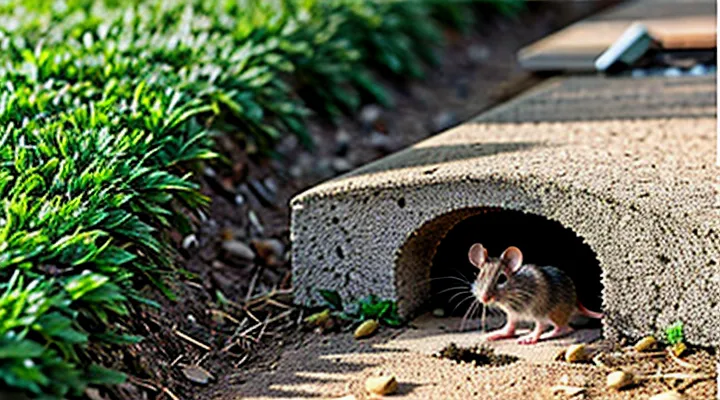
Understanding Mouse Burrows
Why Mice Burrow
Shelter and Protection
Mice construct burrows to secure food, avoid predators, and regulate temperature. The underground network provides a stable microclimate, shielding occupants from extreme weather and limiting exposure to visual threats.
Burrow architecture reveals the level of protection offered. Typical tunnels extend 12–18 inches below the surface, with a main chamber 6–8 inches deep and side passages that disperse traffic. Soil displacement forms a distinct mound at the entrance, while packed walls indicate repeated use. These features aid in locating active shelters during inspections.
Eliminating the refuge requires direct disruption of the structure and removal of access points. Effective measures include:
- Excavating the main chamber and collapsing side tunnels to collapse the micro‑environment.
- Filling entrance mounds with coarse gravel or metal mesh to prevent re‑entry.
- Installing a continuous perimeter barrier at least 4 inches deep, extending 6 inches above ground, to block new burrow initiation.
- Reducing available cover by clearing dense vegetation, woodpiles, and debris within a 10‑foot radius of structures.
Sustained control depends on maintaining the barrier, monitoring for fresh mounds, and promptly addressing any signs of re‑established shelter. Regular inspection of vulnerable zones—foundations, crawl spaces, and garden beds—ensures that protective habitats do not reappear.
Food Storage
Proper food storage directly influences the success of mouse burrow detection and removal. Mice locate shelter by following food odors; eliminating those cues reduces their incentive to excavate new tunnels.
Store all dry goods—cereals, grains, pet food, nuts—in airtight containers made of metal or heavy‑wall plastic. Containers must seal tightly; a simple snap‑lid is insufficient if the seal is not reinforced. Keep containers off the floor, preferably on shelves or in cabinets, to prevent rodents from gnawing through supporting structures.
Maintain a clean pantry environment. Remove crumbs and spills immediately, and wipe shelves with a mild detergent after each use. Dispose of waste in sealed trash bags and transfer them to an outdoor bin with a secured lid at least once daily.
When inspecting for burrows, focus on areas where food is handled. Look for:
- Small piles of shredded packaging material
- Chewed edges on containers or packaging
- Darkened or moist spots near stored food
- Fresh droppings or urine stains on pantry surfaces
If any of these signs appear, isolate the affected items, discard compromised food, and replace storage containers. Follow up with a thorough cleaning of the entire storage area, then apply rodent‑proof barriers such as metal mesh on pantry door gaps and vent openings.
Regularly rotate stock, using older supplies first. This practice minimizes the time food sits in the pantry, decreasing the window for scent accumulation. By enforcing strict storage protocols, the likelihood of mouse burrow formation on the property declines markedly, simplifying detection and facilitating effective eradication.
Types of Mouse Burrows
Outdoor Burrows
Outdoor burrows are tunnels and chambers created by rodents in lawns, gardens, and under structures. Typical characteristics include smooth, rounded entry holes about 1‑2 cm in diameter, a fan‑shaped mound of displaced soil at the opening, and a network of shallow tunnels that may extend several feet from the surface. Burrows often appear near sources of food, water, or shelter, such as vegetable patches, compost piles, and building foundations.
Detecting these tunnels requires systematic observation. Effective steps include:
- Walk the perimeter of the property, focusing on moist or shaded areas where soil remains loose.
- Inspect the base of exterior walls, decks, and fences for small holes or soil disturbances.
- Use a flashlight to examine the interior of suspected openings for fresh soil or rodent droppings.
- Place a thin sheet of cardboard or a piece of aluminum foil over an entry point; movement or bite marks indicate active use.
Eliminating outdoor burrows relies on both physical barriers and targeted control measures. Recommended actions are:
- Seal entry points with steel wool, hardware cloth, or concrete, ensuring material overlaps the opening by at least 2 cm.
- Apply a granular rodenticide or bait station at the tunnel mouth, following label instructions and local regulations.
- Introduce natural predators, such as owls or snakes, by installing nesting boxes or encouraging habitat that supports these species.
- Maintain a clean yard: remove fallen fruit, secure compost bins, and keep grass trimmed to reduce cover.
Regular monitoring after treatment confirms success. Re‑inspect burrow sites weekly for signs of re‑infestation, and repeat sealing or baiting as necessary to prevent recurrence.
Indoor Nests and Tunnels
Mice establish nests and tunnels inside homes to access food, water, and shelter. These structures typically appear in concealed areas such as wall voids, attic insulation, basements, and behind appliances. Identifying them early prevents population growth and structural damage.
Key indicators of indoor activity include:
- Small piles of shredded paper, fabric, or insulation material.
- Gnaw marks on wiring, wooden beams, or plastic.
- Accumulated droppings, often found near food storage or along runways.
- Faint, musky odor that intensifies with increased activity.
- Visible entry holes, usually ¼‑inch in diameter, near baseboards or utility openings.
Effective elimination follows a systematic approach:
- Seal all potential entry points with steel wool, copper mesh, or caulking. Inspect exterior walls, foundation cracks, and utility penetrations.
- Deploy snap traps or electronic devices along identified runways, positioning bait at the rear of the trap to encourage capture.
- Use targeted bait stations in concealed locations, ensuring compliance with local regulations and safety guidelines.
- Remove nesting material by vacuuming droppings and debris, then disinfect the area with a diluted bleach solution (1 part bleach to 10 parts water) to reduce disease risk.
- Install deterrents such as ultrasonic emitters or natural repellents (peppermint oil on cotton balls) in high‑risk zones to discourage re‑entry.
Regular inspections, especially after seasonal changes, maintain a mouse‑free interior. Prompt removal of nests and tunnels eliminates breeding sites, curtails damage, and protects occupants’ health.
Detecting Mouse Activity
Visual Signs of Burrows
Entry and Exit Holes
Rodents gain access to structures through small openings that serve as both entry and exit points. These apertures often measure between ¼ and ½ inch in diameter, matching the size of a mouse’s skull and allowing rapid movement between indoor and outdoor environments.
Detecting openings requires systematic inspection. Begin at the foundation, walls, and roofline, focusing on areas where utility lines, vents, and pipe penetrations intersect building materials. Examine the exterior for gnaw marks, fresh soil piles, and shredded insulation. Inside, look for droppings, gnaw scars, and smudge patterns that trace the path of traffic.
Effective sealing follows a three‑step protocol:
- Identify and clean – Remove debris, repair damaged surfaces, and ensure the area is dry.
- Select appropriate material – Use steel wool, copper mesh, or heavy‑gauge hardware cloth for gaps larger than a quarter inch; apply expanding polyurethane foam for irregular spaces, embedding a mesh layer to prevent chewing.
- Apply and test – Secure the chosen barrier with screws, nails, or construction adhesive, then monitor for new signs of activity over several weeks.
Regular maintenance prevents re‑entry. Schedule quarterly checks of all sealed points, especially after severe weather, and replace any compromised material promptly. Maintaining a tight envelope around the property eliminates the primary route rodents use to establish burrows and reduces the likelihood of infestation.
Runways and Tracks
Runways and tracks are the most reliable surface indicators of rodent activity on a yard or garden. These narrow, flattened pathways connect entry points, feeding zones, and nesting sites, allowing mice to move quickly while remaining concealed from predators. The tracks often appear as parallel lines of disturbed soil, grass, or mulch, sometimes accompanied by fine droppings or gnawed plant material.
Key characteristics of mouse runways include:
- Width of 1–2 cm, matching the animal’s body size.
- Straight or gently curving lines that avoid obstacles.
- Repeated use, evident from consistent indentation depth.
- Proximity to food sources such as compost piles, bird feeders, or vegetable patches.
Detecting runways requires systematic visual inspection. Begin at the perimeter of the property, then move inward in a grid pattern, noting any linear disturbances. Use a flashlight at dusk to highlight fresh tracks, as recent activity reflects a darker, moist soil line. A handheld magnifier can reveal subtle footprints or tail marks within the pathway.
Elimination of mouse runways follows a two‑step approach: disruption and exclusion. First, disturb the pathway by raking or shallowly turning the soil, which forces the rodents to abandon the route. Second, seal potential entry points identified along the runway—gaps under siding, cracks in foundations, and openings around utility lines—using steel wool, caulk, or metal flashing. Finally, install physical barriers such as fine‑mesh edging around high‑risk zones and maintain a clear zone of at least 30 cm of trimmed vegetation to reduce cover.
Consistent monitoring of runways provides early warning of re‑infestation. Record the location, direction, and condition of each pathway after treatment; repeat the inspection weekly for the first month, then monthly, to verify that mice have ceased using the routes. This disciplined surveillance, combined with targeted habitat modification, prevents the establishment of new burrow systems on the property.
Droppings and Urine Stains
Droppings and urine stains provide the most reliable visual confirmation of mouse activity. Fresh droppings appear as small, dark, rice‑shaped pellets, typically 1‑3 mm long, with tapered ends. Older deposits darken to brown or black and may crumble when disturbed. Urine stains manifest as faint, yellowish or amber discolorations on fabrics, wood, or drywall, often accompanied by a sharp, ammonia‑like odor.
Location patterns aid identification. Expect droppings along walls, behind appliances, in attics, and near food sources. Concentrations near entry points indicate recent movement, while scattered deposits suggest established foraging routes. Urine stains frequently occur on surfaces that mice use for nesting, such as insulation, ceiling tiles, and stored boxes.
Health risks stem from pathogens carried in rodent excreta. Direct contact or inhalation of aerosolized particles can transmit hantavirus, leptospirosis, and salmonella. Prompt removal reduces exposure.
Effective elimination of excreta follows a strict protocol:
- Wear disposable gloves and a N‑95 respirator.
- Seal droppings in a plastic bag; avoid crushing.
- Apply an enzyme‑based cleaner to urine stains, allowing sufficient dwell time to break down proteins.
- Disinfect the area with a 1 % bleach solution (1 part bleach to 9 parts water); let it sit for at least 10 minutes.
- Dispose of cleaning materials in a sealed container and wash hands thoroughly after removal.
Regular inspection for new droppings and stains is essential to verify that control measures remain effective. Continuous monitoring enables timely intervention before infestations expand.
Auditory Clues
Scratching Noises
Scratching noises heard in walls, ceilings, or floorboards often signal the presence of small rodents creating tunnels. The sound is typically a repetitive, sharp rasp that intensifies during night hours when mice are most active. Distinguishing these noises from settling structures or insects requires attention to rhythm and location; rodents produce a consistent, rapid pattern, whereas building creaks are irregular and low‑frequency.
To verify that the source is a mouse burrow, follow a systematic inspection:
- Observe the time frame of the noise; peak activity between dusk and dawn suggests rodent behavior.
- Place a handheld audio recorder near suspected walls and compare the recorded pattern with known rodent sounds.
- Examine adjacent areas for fresh droppings, gnaw marks, or shredded insulation.
- Use a thin, flexible inspection camera inserted through small wall openings to visualize tunnel interiors.
Once confirmation is obtained, eliminate the infestation by sealing entry points, setting appropriate traps, and applying targeted rodent baits. Apply steel wool or cement to gaps larger than ¼ inch, install snap or live‑capture traps along identified pathways, and distribute bait stations according to manufacturer guidelines. After removal, monitor for residual scratching; persistent sounds may indicate secondary occupants or incomplete tunnel collapse, requiring additional sealing and cleanup.
Squeaking Sounds
Squeaking sounds often signal the presence of rodents beneath the surface of a yard or garden. The noise originates from mice moving through narrow tunnels, shifting soil, and rubbing against each other or structural supports. Because the sound travels through the ground and walls, it can be heard most clearly at night when ambient noise drops.
To confirm that squeaks are produced by underground activity, follow these steps:
- Pause in a quiet area near the suspected zone and listen for intermittent high‑pitched squeaks.
- Place a handheld recorder or smartphone near the source; playback reveals rhythmic patterns consistent with rodent movement.
- Inspect the ground for fresh soil displacement, loose pellets, or gnaw marks on nearby structures.
- Use a motion‑activated infrared camera aimed at entry points; recorded footage often shows mice emerging after the audible cues cease.
Once verification is complete, eliminate the burrows with a systematic approach:
- Seal all exterior gaps larger than ¼ inch with steel wool, concrete, or metal flashing to prevent re‑entry.
- Apply a targeted rodenticide or bait station directly into active tunnels; use tamper‑proof containers to protect non‑target animals.
- Introduce natural predators, such as barn owls or feral cats, to deter further activity.
- Fill collapsed tunnels with compacted soil or sand, then cover with mulch or landscaping fabric to discourage rebuilding.
Monitoring after treatment is essential. Re‑listen for residual squeaks weekly; the absence of sound indicates successful eradication, while recurring noises require additional inspection and reinforcement of barriers.
Olfactory Indicators
Musty Odor
A persistent musty odor often signals hidden rodent activity beneath a building. The smell originates from urine, feces, and decomposing organic material accumulating in underground tunnels. Because the odor can travel through soil and building foundations, it may be noticeable in basements, crawl spaces, or near exterior walls.
To confirm the presence of a mouse network when a musty scent is detected, follow these steps:
- Inspect suspected areas for droppings, shredded insulation, and gnaw marks.
- Use a flashlight to trace the odor to its strongest point; the source is usually a cluster of burrows.
- Deploy a motion‑activated camera or a scent‑sensitive detector to capture nocturnal movement.
Elimination requires a systematic approach:
- Seal entry points larger than a quarter‑inch with steel wool, cement, or hardware cloth.
- Remove food sources by storing perishables in airtight containers and cleaning crumbs promptly.
- Install snap traps or live‑catch traps along identified runways; position them perpendicular to walls for maximum contact.
- Apply a targeted rodent‑specific bait in tamper‑proof stations, adhering to local regulations.
- After removal, clean the contaminated zone with a disinfectant solution containing at least 10 % bleach, then allow the area to dry completely to prevent mold growth.
Regular monitoring, combined with prompt repair of structural gaps, prevents re‑infestation and eliminates the musty odor associated with mouse burrows.
Ammonia Smell
Ammonia odor often signals the presence of mice because their urine and waste release nitrogen compounds that break down into ammonia. The smell is strongest near active burrows, nesting sites, and food storage areas. Detecting this odor helps pinpoint hidden tunnels before damage spreads.
- Conduct a systematic walk‑through of the property, listening for scratching sounds while inhaling for a sharp, pungent scent.
- Focus on low‑lying spots such as crawl spaces, basements, attic corners, and under appliances.
- Use a disposable cloth to swipe suspected surfaces; a lingering ammonia smell on the cloth confirms recent rodent activity.
- Record each location where the odor is detected to map potential tunnel networks.
Elimination begins with removing the source of the smell and sealing entry points. Clean all contaminated areas with an enzymatic cleaner that neutralizes ammonia and breaks down organic residues. After cleaning, apply a rodent‑proof sealant to cracks, gaps, and utility openings identified during the odor survey. Finally, set snap traps or live‑catch devices at the documented hotspots; the strong scent will guide mice into the traps, reducing the population and preventing further ammonia buildup.
Eliminating Mouse Burrows and Prevention
Non-Lethal Methods
Trapping Strategies
Effective mouse control begins with a well‑planned trapping program. Choose a trap type that matches the infestation level, target species, and homeowner preferences.
- Snap traps – rapid kill, low cost, suitable for high‑traffic pathways.
- Live‑catch traps – humane capture, allows relocation; requires frequent checking.
- Electronic traps – instant kill via voltage, minimal mess, reusable.
Select bait that appeals to rodents in the specific environment. Peanut butter, dried fruit, and soft cheese provide strong olfactory cues. Position baited traps at least 2 inches from walls, directly in front of known runways, and near entry points identified during inspection.
Maintain a consistent schedule: check traps daily, replace bait, and reset or remove captured mice. Record trap locations and capture dates to identify activity patterns; adjust placement accordingly.
After successful capture, seal entry holes with steel wool, caulk, or hardware cloth to prevent re‑entry. Complement trapping with sanitation measures—remove food residues, store grain in airtight containers, and keep vegetation trimmed away from structures—to reduce attraction and support long‑term elimination.
Repellents
Repellents provide a non‑lethal option for discouraging rodents from establishing tunnels in residential and commercial areas. Effective use requires understanding the mechanisms, appropriate placement, and limitations of each product.
Ultrasonic devices emit high‑frequency sound waves that rodents find uncomfortable. Position units near suspected entry points and maintain clear line‑of‑sight; obstacles diminish efficacy. Replace batteries annually to ensure consistent output.
Chemical repellents rely on volatile compounds such as peppermint oil, ammonia, or predator urine. Apply concentrated solutions to the exterior of foundations, under decks, and around garden beds. Reapply after rain or cleaning, and avoid direct contact with food preparation surfaces.
Physical barriers, including steel wool, copper mesh, and sealed silicone caulk, block access to potential burrowing sites. Insert material into cracks no larger than a quarter inch and secure with adhesive where necessary.
Commercial granules containing capsaicin or mustard oil can be scattered along pathways and around building perimeters. Follow manufacturer dosage guidelines; excessive amounts may harm pets or beneficial wildlife.
When selecting a repellent, consider the following criteria:
- Target species specificity: products tested against house mice show higher success rates.
- Environmental safety: choose formulations with low toxicity to humans, pets, and non‑target wildlife.
- Longevity: products with extended release properties reduce re‑application frequency.
- Regulatory compliance: verify that the product meets local pesticide regulations.
Integrating repellents with habitat modification—removing food sources, sealing openings, and maintaining a clutter‑free perimeter—enhances overall control effectiveness. Regular monitoring of activity signs, such as fresh droppings or gnaw marks, confirms whether the repellent strategy remains successful or requires adjustment.
Exclusion Techniques
Effective exclusion prevents mice from establishing burrows on residential or commercial grounds. The strategy begins with a thorough inspection of the perimeter to locate all potential entry points. Small openings around foundations, utility penetrations, and vents often accommodate rodent ingress; sealing these gaps eliminates the primary pathway.
- Apply steel wool or copper mesh to gaps smaller than ¼ inch, then cover with expanding foam or cement for durability.
- Install heavy-duty hardware cloth (½‑inch mesh) around crawl spaces, under decks, and at the base of exterior walls.
- Fit door sweeps and weather stripping to all exterior doors, ensuring a tight seal when closed.
- Repair cracked foundations or broken siding promptly; use mortar or appropriate sealant to restore integrity.
Landscape management supports exclusion. Remove dense vegetation, debris piles, and woodpiles within ten feet of the structure, as these provide cover and nesting material. Elevate compost bins and store feed in sealed containers to deny food sources.
Physical barriers reinforce exclusion. Install buried metal flashing or concrete sheathing at the base of fence lines and retaining walls, extending at least six inches underground to thwart digging.
When exclusion alone is insufficient, integrate deterrents. Place ultrasonic repellers in high‑traffic areas, but verify compliance with local regulations. Use non‑toxic repellents—such as peppermint oil or powdered cayenne—around vulnerable zones, refreshing applications regularly.
Regular maintenance sustains protection. Conduct quarterly perimeter checks, replace worn seals, and monitor for fresh gnaw marks or soil displacement. Promptly address any breach to prevent re‑infestation.
Lethal Methods
Baits and Poisons
Effective rodent control relies on properly selected baits and poisons. Choose products that match the infestation level and target species. Anticoagulant rodenticides, such as diphacinone and brodifacoum, disrupt blood clotting and cause fatal internal bleeding. Bromethalin interferes with cellular energy production, leading to rapid neurological failure. Cholecalciferol overloads calcium regulation, resulting in cardiac arrest. Zinc phosphide releases phosphine gas when ingested, producing immediate toxicity.
Place bait stations near entry points, along walls, and adjacent to active burrow openings. Secure stations to prevent access by non‑target animals and children. Rotate bait types periodically to avoid resistance development. Monitor stations daily; replace consumed or contaminated baits promptly.
Follow local regulations regarding pesticide application. Wear protective gloves and eyewear when handling poisons. Store unused material in a locked container, clearly labeled, and dispose of expired products according to hazardous‑waste guidelines.
Maintain sanitation to reduce attractants. Remove food sources, seal cracks, and keep vegetation trimmed away from structures. Combining chemical control with habitat modification enhances long‑term elimination of mouse tunnels on your property.
Professional Extermination Services
Professional pest‑control firms specialize in locating and eradicating rodent activity on residential and commercial sites. Their expertise eliminates the need for homeowners to conduct trial‑and‑error attempts that often miss hidden burrows.
Detection relies on systematic inspection and technology. Common tools include:
- Visual examination of walls, floors, and foundations for gnaw marks and droppings.
- Infrared cameras to reveal heat signatures of active nests.
- Motion‑sensor traps that record entry points.
- Soil probes to map underground tunnels.
Once activity is confirmed, exterminators employ targeted removal methods:
- Rodent‑specific bait stations placed along identified pathways.
- Snap or electronic traps positioned at high‑traffic zones.
- Structural sealing of entry points using steel wool, cement, or metal flashing.
- Habitat modification, such as vegetation trimming and debris removal, to reduce shelter.
Engaging certified professionals offers several benefits:
- Compliance with local health and safety regulations.
- Access to EPA‑approved products and equipment.
- Guaranteed results backed by service contracts and follow‑up visits.
- Reduced risk of secondary infestations caused by incomplete treatment.
When choosing a provider, consider the following criteria:
- Valid state license and pest‑control certification.
- Documented experience with rodent infestations in similar property types.
- Transparent pricing structure and written warranty.
- Availability of emergency response for urgent situations.
- Customer reviews that confirm reliability and effectiveness.
Professional extermination services deliver swift, verifiable elimination of mouse burrows, protecting property integrity and occupant health without the guesswork of DIY approaches.
Long-Term Prevention
Sealing Entry Points
Sealing entry points is the most effective barrier against mouse intrusion. Identify all potential openings before applying any material. Common sources include gaps around utility pipes, cracks in foundation walls, vents, and the spaces beneath doors.
- Inspect the exterior for openings larger than ¼ inch; rodents can squeeze through much smaller gaps.
- Use steel wool or copper mesh to fill irregular cracks; these materials resist gnawing.
- Apply a high‑quality silicone or polyurethane sealant over the mesh to create a weather‑tight barrier.
- Install metal flashing around the perimeter of the foundation; secure it with corrosion‑resistant screws.
- Fit door sweeps on all exterior doors; ensure the sweep contacts the floor evenly.
- Cover vent openings with stainless‑steel mesh, fastening it with stainless screws to prevent rust.
- Seal gaps around pipe penetrations with expanding foam designed for pest control; reinforce with metal mesh if the foam alone is insufficient.
- Verify that the roof eaves and soffits are closed with metal flashing or heavy‑duty caulk.
After sealing, re‑examine the property weekly for new gaps caused by settling or weather. Prompt repair maintains the integrity of the barrier and reduces the likelihood of future mouse activity.
Proper Sanitation
Proper sanitation is essential for preventing mouse activity in residential and commercial spaces. Reducing food sources, water availability, and shelter eliminates the incentives that drive rodents to excavate burrows.
Maintain a clean environment by removing waste promptly, storing food in sealed containers, and cleaning spills immediately. Regularly inspect and repair structural gaps that could serve as entry points for mice. Keep vegetation trimmed away from building foundations to reduce cover for burrowing.
Key sanitation practices:
- Store all grain, pet food, and processed foods in airtight containers.
- Dispose of garbage in bins with tight‑fitting lids; empty them daily.
- Clean kitchen counters, floors, and under appliances after each use.
- Repair cracks in walls, floors, and around utility penetrations.
- Seal openings larger than ¼ inch with steel wool, caulk, or metal mesh.
- Remove clutter, especially cardboard boxes and piles of debris, that can serve as nesting material.
- Keep outdoor areas free of fallen fruit, seeds, and standing water.
- Trim shrubs, grass, and vines at least 12 inches from the building perimeter.
Implementing these measures creates an inhospitable environment for rodents, discouraging the formation of new burrows and supporting any ongoing eradication efforts. Continuous monitoring and prompt remediation of sanitation lapses sustain long‑term protection against mouse infestations.
Landscaping Adjustments
Landscaping design directly influences the likelihood of rodent tunnels forming near structures. Dense low vegetation, excessive mulch, and unmanaged debris create sheltered pathways that encourage mice to excavate. Modifying these elements reduces habitat suitability and facilitates early detection of activity.
Key adjustments include:
- Replace thick ground cover with low‑growth plants that expose soil surfaces.
- Maintain mulch layers at no more than two inches; deeper piles conceal entry points.
- Remove leaf litter, fallen branches, and other organic debris on a weekly basis.
- Trim shrubs and hedges to a minimum of six inches from foundation walls, eliminating hidden corridors.
- Install hard‑scaping features such as gravel pathways or stone borders to interrupt continuous soil surfaces.
Regular inspection of modified areas enhances early identification of burrows. Conduct a visual sweep every ten days during peak activity seasons, focusing on the perimeter of planting beds, under deck spaces, and near utility lines. Promptly seal any openings discovered during these checks to prevent re‑infestation.