
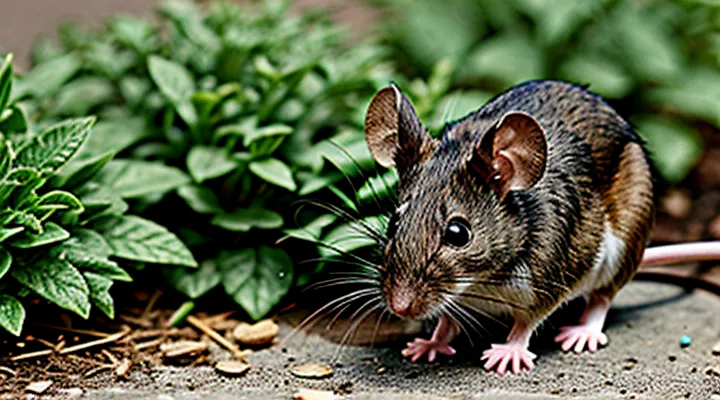
Understanding Mouse Behavior and Diet
Why Traditional Baits Fail
Traditional mouse attractants rely on generic ingredients such as plain grain, cheese, or processed pet food. These options were once effective when rodent populations were naïve to human‑supplied foods, but modern mice exhibit distinct feeding preferences and physiological adaptations that render many classic formulas ineffective.
- Low odor intensity: Mice locate food primarily through scent; bland baits emit insufficient volatile compounds to compete with natural foraging cues.
- Diminished palatability: Processed staples contain additives that reduce texture and flavor appeal, causing quick rejection after brief sampling.
- Behavioral resistance: Repeated exposure to the same formulation conditions mice to associate the bait with danger, prompting avoidance.
- Inadequate moisture content: Dry mixtures harden in storage, lose aromatic compounds, and become unappealing to moisture‑seeking rodents.
- Nutrient imbalance: Traditional recipes lack the protein‑fat ratios that satisfy the high‑energy demands of breeding colonies, leading to preference for richer alternatives.
- Improper deployment: Standard placement methods ignore mouse travel routes and nesting sites, resulting in low encounter rates.
- Shelf‑life degradation: Over time, essential attractants degrade, diminishing effectiveness far beyond the product’s labeled expiration date.
Common Food Sources for Mice
Mice are attracted to a limited range of nutrients, making certain foods reliable for bait applications. Protein‑rich seeds, such as sunflower and pumpkin, provide essential amino acids and stimulate foraging behavior. Whole grains—including wheat, oats, and cornmeal—offer carbohydrate energy and are easily detected by scent receptors. Nuts, particularly peanuts and almonds, combine fats and proteins, creating a potent lure when presented in small fragments. Fresh fruits like apples, berries, and grapes supply sugars and moisture, appealing to nocturnal foragers seeking quick energy. Dairy products, especially cheese and yogurt, emit strong odor cues that draw mice into traps. Processed snack items, such as cereal pieces or pretzel bits, contain salt and flavor enhancers that increase palatability.
Each item should be offered in bite‑size portions to prevent spillage and to maintain a focused scent trail. Combining two complementary foods—such as a grain base with a protein supplement—often improves capture rates by addressing multiple dietary preferences. Proper storage of bait prevents spoilage, preserving effectiveness over extended periods.
Effective Bait Options for Mice
Edible Baits
Foods High in Fat and Protein
When selecting bait for rodents, high‑fat, high‑protein foods provide the strongest attraction. Fat supplies dense calories, while protein offers a satisfying nutrient profile that mice instinctively seek. These foods also retain scent longer, increasing the likelihood of detection in low‑traffic areas.
Effective options include:
- Peanut butter – smooth consistency adheres to trap surfaces; rich in both fat and protein.
- Cheese, especially hard varieties such as cheddar – strong aroma, durable under varying temperatures.
- Cooked bacon – high fat content, pronounced scent, easy to fragment for placement.
- Sunflower or pumpkin seeds – compact, high‑protein kernels with a natural oil coat.
- Canned sardines – intense odor, substantial protein, minimal preparation required.
When deploying these baits, apply a thin layer to the trap trigger to avoid excessive mess, and position traps along walls where mice travel. Replace bait every 48 hours to maintain potency, and store unused portions in airtight containers to prevent spoilage.
Sweet Foods
Sweet foods provide strong attraction for rodents due to their natural preference for high‑energy sources. When selecting edible bait, consider sugar concentration, moisture content, and durability.
Effective sweet options include:
- Peanut butter mixed with honey or maple syrup – dense, aromatic, and resistant to drying.
- Commercial fruit‑flavored gelatin cubes – high sugar, easy to cut into bite‑size pieces.
- Dried fruit such as raisins or apricots – compact, long‑lasting, and palatable.
- Molasses‑infused oatmeal – sticky, flavorful, and adaptable to trap designs.
- Sweetened cereal clusters – lightweight, quick to consume, suitable for snap‑type devices.
Application guidelines:
- Combine sweet component with a protein or fat source to increase nutritional appeal and prevent rapid consumption without trapping.
- Store bait in airtight containers to preserve moisture and prevent mold growth.
- Position bait at the rear of the trap, ensuring the mouse must contact the trigger mechanism to reach it.
- Replace bait every 24–48 hours in high‑traffic areas to maintain potency.
Safety considerations:
- Avoid products containing artificial sweeteners that may be toxic to rodents.
- Keep bait out of reach of pets and children; some sweet foods can cause gastrointestinal upset if ingested in large quantities.
- Dispose of used bait according to local regulations to prevent secondary infestations.
Selecting the appropriate sweet food, combined with proper placement and maintenance, maximizes capture rates while minimizing waste.
Nut-Based Spreads
Nut‑based spreads are a reliable option for attracting mice when selecting bait. Their strong aroma and high fat content stimulate the rodent’s sense of smell and provide quick energy, encouraging repeated visits to the trap.
Common varieties include:
- Peanut butter (smooth or chunky) – dense texture, long shelf life, widely accepted by mice.
- Almond butter – slightly sweeter profile, lower allergen risk for humans handling the bait.
- Hazelnut spread – rich flavor, attractive to mice accustomed to sweeter foods.
- Mixed‑nut paste (e.g., cashew‑walnut blend) – diverse scent profile, useful for environments where mice may develop bait aversion.
Preparation guidelines:
- Apply a thin layer (approximately ½ cm) to the trap trigger or a small piece of cotton swab.
- Secure the spread with a piece of waxed paper to prevent leakage onto the surrounding area.
- Store unused portions in an airtight container at room temperature to maintain potency.
Advantages:
- Non‑toxic to humans and pets when used in small quantities.
- Easy to dispense with a spoon or syringe.
- Minimal spoilage compared with fresh cheese or meat.
Limitations:
- High caloric density may attract non‑target species such as squirrels if placed outdoors.
- Strong scent can linger on trap surfaces, requiring thorough cleaning between uses.
When deploying nut‑based spreads, position traps along established mouse pathways, close to walls or concealed corners. Replace bait every 2–3 days to preserve freshness and sustain attraction.
Non-Edible Baits
Nesting Materials
When selecting bait for rodent control, incorporating nesting material can increase capture rates because mice are drawn to sites that promise shelter.
- Soft cotton fibers
- Shredded paper or newspaper
- Fine wood shavings
- Dry grass clippings
- Synthetic fleece strips
Each material should be dry, free of strong odors, and presented in small bundles that mimic natural nests. Place the bundles adjacent to the bait station, ensuring they are accessible but not obstructing the trap mechanism. Secure the material with a lightweight clip or tape to prevent displacement by wind or other animals.
Avoid materials treated with chemicals, detergents, or fragrances, as these can deter mice or cause unintended health hazards. Replace nesting bundles regularly to maintain freshness and effectiveness.
Scent Lures
Scent lures enhance the effectiveness of rodent bait by appealing to a mouse’s keen sense of smell. They are typically applied to bait stations, mixed directly into food pellets, or sprayed onto surfaces where mice travel. Proper selection and deployment of scent attractants can increase capture rates and reduce bait waste.
Key characteristics to evaluate when choosing a scent lure:
- Odor intensity – strong enough to be detectable at a distance but not so overpowering that it repels the animal.
- Compatibility with bait – should blend without altering the nutritional profile or texture of the food.
- Stability – retains potency under varying temperature and humidity conditions.
- Safety – non‑toxic to humans, pets, and non‑target wildlife.
Common categories of scent lures include:
- Protein‑based extracts – derived from meat, fish, or egg, these mimic natural prey odors and attract omnivorous rodents.
- Grain and seed aromas – wheat, corn, and soy extracts appeal to the dietary preferences of house mice.
- Synthetic pheromones – mimic mouse‑specific chemical signals, prompting investigative behavior.
- Fruit and nut essences – sweet and oily notes attract mice seeking carbohydrate sources.
Application guidelines:
- Apply a thin, even coating to each bait unit; excess residue can create a barrier that masks the scent.
- Reapply after 48–72 hours in high‑traffic areas to maintain efficacy.
- Position bait stations along walls, behind appliances, and near known gnawing sites; mice travel close to surfaces and will encounter the lure more readily.
- Monitor bait consumption daily; adjust lure type or concentration if activity declines.
Integrating scent lures with a strategic bait placement plan maximizes attraction while minimizing exposure to non‑target species. Selecting the appropriate odor profile based on the target environment and mouse behavior ensures reliable results in pest control operations.
Baiting Strategies and Placement
Optimal Placement Locations
Effective rodent bait yields best results when positioned where mice travel, feed, and hide. Placement must align with their established pathways and activity zones to increase encounter rates while minimizing exposure to non‑target animals.
Key locations include:
- Along walls, within 1–2 inches of the baseboard, where mice prefer to move.
- Near entry points such as gaps under doors, utility openings, and foundation cracks.
- Inside cabinets, behind appliances, and beneath sinks where food residues accumulate.
- In the corners of storage rooms, attics, and crawl spaces, especially near insulation or clutter.
- Adjacent to known droppings, gnaw marks, or burrow entrances identified during inspection.
Each site should host a single bait station, spaced 10–15 feet apart along continuous routes. Secure bait in tamper‑resistant containers to prevent accidental contact by pets or children. Rotate stations periodically to maintain freshness and monitor activity levels.
Securing the Bait
Securing bait reduces loss, prevents non‑target exposure, and maintains effectiveness. A robust containment system must resist moisture, wind, and curious animals while allowing rodents easy access.
- Place bait inside a hard‑plastic or metal bait station with a tight‑fitting lid.
- Use stations that feature a one‑way entry slot: rodents can enter, but larger animals cannot exit.
- Apply a weather‑proof seal or silicone gasket around the lid to block rain and humidity.
- Install tamper‑resistant screws or lockable fasteners to deter pets and children.
- Anchor stations to a fixed surface (wall, baseboard, or floor) with brackets or heavy‑duty adhesive to prevent displacement.
Position stations near walls, behind appliances, or in concealed corners where rodents travel. Keep stations at least 12 inches above the floor to avoid water pooling. Replace bait regularly; a fresh supply ensures consistent attraction and eliminates degradation caused by environmental exposure.
Regular Inspection and Replenishment
Consistent monitoring of bait stations prevents loss of effectiveness and reduces waste. Inspect each station at least once daily in high‑traffic areas and twice daily where activity spikes. During inspection, verify that the bait remains intact, free of moisture, and positioned where mice can access it without obstruction.
If bait shows signs of degradation—crumbling, drying out, or contamination—replace it immediately. Use fresh product that matches the original formulation to maintain consistent attractant strength. Record the date of replacement on the station to track usage patterns and anticipate future needs.
Maintain an inventory log that notes:
- Quantity of bait applied per station
- Date of each inspection
- Condition observed (intact, partially consumed, contaminated)
- Replacement actions taken
Regular replenishment based on logged data ensures that bait availability aligns with mouse activity cycles. Adjust the frequency of checks during seasonal changes when rodent behavior shifts, increasing inspection intervals in colder months when mice seek shelter indoors.
A disciplined schedule of inspection and timely replenishment sustains bait potency, maximizes control outcomes, and minimizes unnecessary expenditure.
Safety Considerations for Baiting
Protecting Children and Pets
Choosing rodent attractants requires strict attention to the safety of children and pets. Toxic baits, such as anticoagulant pellets, pose a high risk of accidental ingestion. Safer alternatives include:
- Enclosed bait stations made of hard plastic, locked with a key‑controlled latch.
- Non‑chemical attractants like grain or peanut butter placed in sealed containers.
- Low‑toxicity baits formulated with bromadiolone at concentrations below the lethal dose for mammals.
Placement guidelines reduce exposure:
- Install stations in wall voids, attics, or crawl spaces inaccessible to non‑target animals.
- Mount stations at least 12 inches above floor level and away from food preparation areas.
- Use motion‑activated deterrents to keep pets and children from approaching bait sites.
Storage practices prevent unintended contact:
- Keep unused bait in original, sealed packaging within a locked cabinet.
- Label containers with clear warnings and keep them out of reach of minors.
- Record inventory dates to ensure bait does not exceed its shelf life.
If ingestion occurs, immediate actions are mandatory:
- Contact local poison control center and provide product name and amount ingested.
- Do not induce vomiting unless instructed by a medical professional.
- Transport the affected individual to an emergency facility for evaluation and possible antidote administration.
Selecting bait types, securing placement, and maintaining rigorous storage protocols collectively safeguard vulnerable household members while maintaining effective rodent control.
Handling Baits Safely
When working with rodent attractants, follow strict safety protocols to protect users, non‑target animals, and the environment.
Wear disposable nitrile gloves and, if chemicals emit vapors, use a respirator with appropriate cartridges. Change gloves immediately if they become torn or contaminated. Keep bait containers sealed when not in use; store them in a locked, cool, dry area away from direct sunlight.
Label each container with the active ingredient, concentration, hazard symbols, and expiration date. Maintain a written inventory that records receipt dates and batch numbers. Limit access to trained personnel only.
When transferring bait, use a dedicated scoop or spatula; never handle the material with bare hands. Clean work surfaces with an approved detergent after each session, then rinse with water and allow to dry before reuse.
Dispose of unused or expired bait according to local hazardous‑waste regulations. Do not place leftover material in regular trash or sewage systems. For accidental spills, contain the area with absorbent pads, then collect and place the material in a sealed, labeled container for proper disposal.
Prevent accidental ingestion by children or pets by:
- Storing bait in tamper‑proof containers.
- Installing bait stations that restrict entry to target rodents only.
- Posting clear warning signs in storage and deployment zones.
Regularly inspect personal protective equipment for damage and replace it as needed. Conduct periodic training refreshers to ensure all handlers remain familiar with current safety guidelines.
Disposal of Baited Traps
Proper disposal of baited mouse traps minimizes health risks, prevents accidental poisoning, and complies with environmental regulations. After a trap has fulfilled its purpose, follow these steps before discarding it.
- Wear disposable gloves to avoid direct skin contact with bait or rodent fluids.
- Place the used trap in a sealed, puncture‑resistant container such as a heavy‑wall plastic bag or a hard‑shelled box.
- Add an absorbent material (e.g., paper towels) to the container to soak any residual liquid.
- Label the container with “hazardous waste – rodent bait” and seal it securely.
- Transport the sealed package to a licensed hazardous‑waste collection point or follow local municipal guidelines for disposal of toxic substances.
If the trap uses non‑toxic, biodegradable bait, local solid‑waste facilities may accept the sealed package, but verify the policy in advance. Do not dispose of baited traps in regular recycling streams, compost bins, or outdoor trash piles, as stray bait can attract wildlife or contaminate soil and water sources.
For large‑scale operations, maintain a log that records the date, location, and type of bait used for each trap. The log supports regulatory audits and helps identify patterns that may require changes in bait selection or placement. Regularly review disposal records to ensure compliance and to adjust protocols as necessary.