
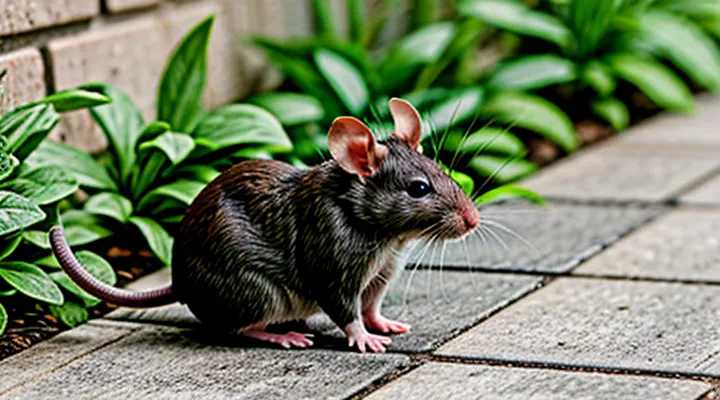
Understanding Rat Poison Types
Anticoagulants
First-Generation Anticoagulants
First‑generation anticoagulants constitute a class of rodent‑control chemicals that disrupt vitamin K recycling, preventing blood clotting and causing fatal hemorrhage after ingestion. Their action requires multiple feedings, allowing sub‑lethal doses to accumulate before lethal effects appear.
- Warfarin
- Chlorophacinone
- Diphacinone
- Coumafuryl
These compounds share low acute toxicity, oral LD₅₀ values ranging from 30 mg/kg to 200 mg/kg in rats, and a delayed onset of mortality (typically 2‑5 days). Recommended field concentrations fall between 0.025 % and 0.05 % by weight, providing effective control when bait stations remain accessible for several days.
Resistance to first‑generation agents has emerged in many urban and agricultural populations. Genetic mutations in the VKORC1 gene reduce binding affinity, leading to bait avoidance and treatment failure. Consequently, regulatory agencies have restricted over‑the‑counter availability in several jurisdictions and mandated labeling that warns of potential resistance.
When resistance levels are low, first‑generation anticoagulants remain cost‑effective options for large‑scale infestations, especially where secondary poisoning risk to non‑target species must be minimized. Their comparatively short environmental persistence and established safety profile support continued use under integrated pest‑management programs, provided monitoring for resistance is maintained.
Second-Generation Anticoagulants
Second‑generation anticoagulant rodenticides (SGARs) represent the most potent class of chemical agents for controlling rat populations. These compounds act by inhibiting vitamin K epoxide reductase, disrupting blood clotting and causing fatal internal hemorrhage after a single ingestion.
Key characteristics of SGARs include:
- High intrinsic toxicity, allowing lethal doses at milligram‑level concentrations.
- Extended biological half‑life, providing prolonged anticoagulant effect and reducing the need for repeat applications.
- Efficacy against rodents that have developed resistance to first‑generation anticoagulants.
Representative SGARs and their properties:
- Bromadiolone – rapid onset of action, effective in both indoor and outdoor settings.
- Brodifacoum – longest elimination half‑life, suitable for severe infestations.
- Difenacoum – moderate persistence, lower risk of secondary poisoning in non‑target species.
Dosage recommendations typically range from 0.005 mg to 0.025 mg per gram of bait, calibrated to target species weight and environmental conditions. Proper placement of bait stations minimizes exposure to wildlife and domestic animals.
Regulatory frameworks in many jurisdictions restrict SGAR usage to certified professionals, require secure bait stations, and mandate record‑keeping of application dates and locations. Compliance reduces accidental ingestion and aligns with integrated pest‑management strategies.
Overall, SGARs deliver superior rodent control performance due to their high potency, resistance‑breaking capability, and sustained action, making them the preferred choice for severe rat problems when applied responsibly.
Non-Anticoagulants
Bromethalin
Bromethalin is a second‑generation anticoagulant‑free rodenticide widely recognized for rapid mortality in rats. The compound belongs to the bipyridine family and disrupts mitochondrial oxidative phosphorylation, leading to progressive cerebral edema and fatal neurotoxicity. Toxicity manifests within 24–48 hours after ingestion, eliminating the possibility of bait shyness caused by immediate vomiting.
Efficacy data indicate lethal doses (LD₅₀) for Rattus norvegicus range from 10 to 20 mg kg⁻¹ body weight, surpassing many first‑generation poisons. Field trials report control rates above 90 % when bait is placed at 0.5 g per trap station and replenished weekly for a minimum of three weeks.
Key characteristics of bromethalin formulations:
- Concentrations: 0.5 % to 2 % active ingredient in wax or polymer blocks.
- Palatability: enhanced with grain or fish oil attractants.
- Application: surface placement, no need for burrow insertion.
- Persistence: residual activity up to 30 days under dry conditions.
Safety considerations demand strict adherence to label instructions. The compound exhibits low acute toxicity to mammals when used as directed, but secondary poisoning risk exists for predatory birds and carnivores that consume poisoned rats. Personal protective equipment is required during handling; gloves, eye protection, and wash stations must be available.
Regulatory agencies classify bromethalin as a restricted-use pesticide in many jurisdictions. Registration limits restrict quantities for residential use and mandate disposal of unused bait in accordance with hazardous waste protocols. No significant resistance has been documented, although rotating with alternative active ingredients is recommended to preserve long‑term effectiveness.
Cholecalciferol
Cholecalciferol, a synthetic form of vitamin D₃, functions as a rodent control agent by disrupting calcium metabolism. After ingestion, it is metabolized to calcitriol, which increases intestinal calcium absorption and promotes bone resorption. Elevated blood calcium levels lead to hypercalcemia, cardiac arrhythmia, and ultimately death within 2–5 days.
Key characteristics:
- Efficacy: Effective against Rattus norvegicus and Rattus rattus at low concentrations (0.075 %–0.1 % w/w in bait).
- Speed of action: Delayed onset reduces bait shyness, allowing multiple feedings before symptoms appear.
- Secondary poisoning risk: Low; mammals metabolize cholecalciferol more efficiently, and lethal doses for non‑target species are substantially higher than for rodents.
- Regulatory status: Approved in many jurisdictions for indoor and outdoor use, often classified as a restricted‑use product.
Operational guidelines:
- Bait formulation: Combine cholecalciferol with attractive carriers such as wheat germ or peanut butter to ensure palatability.
- Placement: Position stations near active runways, burrow entrances, and food storage areas, avoiding locations accessible to children or pets.
- Dosage control: Maintain bait concentration within the recommended range to prevent sub‑lethal exposure that could foster tolerance.
- Monitoring: Conduct regular inspections to assess bait consumption and verify reduction in rodent activity.
Comparative assessment:
- Against anticoagulants: Cholecalciferol provides a faster lethal outcome and eliminates the risk of resistant populations that develop with long‑acting anticoagulants.
- Against zinc phosphide: Offers a lower environmental hazard; zinc phosphide releases phosphine gas, which poses acute toxicity to non‑target wildlife.
- Against bromadiolone: Does not induce chronic blood clotting disorders, reducing concerns about residue in predator species.
Limitations:
- Delayed mortality: May be unsuitable where immediate eradication is required.
- Temperature sensitivity: Potency can decline in extreme heat; storage in cool, dry conditions is essential.
Overall, cholecalciferol presents a high‑performance option for rodent management, balancing rapid lethality with minimal secondary risk when applied according to best‑practice protocols.
Zinc Phosphide
Zinc phosphide is a white, crystalline compound used as a primary rodent toxin. When ingested, stomach acidity converts it to phosphine gas, a potent cellular poison that disrupts respiratory enzymes and leads to rapid death. The rapid onset of toxicity makes it especially effective against rats that have developed resistance to anticoagulant baits.
Key characteristics include:
- High lethality: Median lethal dose (LD₅₀) for rats ranges from 0.5 to 1 mg kg⁻¹, ensuring swift mortality at low exposure levels.
- Low secondary poisoning risk: Phosphine dissipates quickly; predators that consume dead rodents are unlikely to suffer toxic effects.
- Application formats: Available as pellets, granules, or bait blocks, allowing placement in burrows, tunnels, and concealed stations.
- Regulatory status: Approved for professional pest‑control use in many jurisdictions; restrictions often limit access to licensed applicators due to its acute toxicity.
Limitations involve strict handling requirements, the need for airtight storage, and the potential for accidental inhalation of phosphine gas during application. Environmental concerns focus on the compound’s rapid breakdown, which minimizes soil and water persistence but mandates careful site selection to avoid non‑target exposure.
Effective deployment relies on accurate dosage calculation, proper bait placement to encourage consumption, and compliance with local safety regulations. When used correctly, zinc phosphide remains one of the most potent agents for controlling rat populations.
Factors Influencing Effectiveness
Target Rodent Species
Effective rodent control agents must be matched to the biology and behavior of the intended species. Different rodents exhibit distinct feeding habits, habitat preferences, and susceptibility to anticoagulant or neurotoxic compounds. Selecting the appropriate target ensures rapid mortality, minimizes bait avoidance, and reduces non‑target exposure.
Key rodent groups commonly addressed by potent rodenticides include:
- Norwegian (Brown) Rat (Rattus norvegicus) – large body mass, nocturnal activity, prefers sewers, basements, and outdoor burrows; requires higher bait concentrations and longer exposure periods.
- Black Rat (Rattus rattus) – smaller, arboreal, thrives in attics and elevated structures; more sensitive to lower doses of anticoagulants.
- House Mouse (Mus musculus) – diminutive, rapid reproduction, occupies interior walls and food storage areas; responds well to fast‑acting neurotoxins at minimal concentrations.
- Deer Mouse (Peromyscus maniculatus) – semi‑arboreal, frequent in rural settings and grain storage; intermediate tolerance, best managed with bait stations that limit access.
- Roof Rat (Rattus rattus) – similar to Black Rat but often found in coastal and tropical climates; exhibits strong bait shyness, necessitating flavored or scented formulations.
Understanding each species’ foraging patterns informs bait placement: ground‑level stations for Norway rats, elevated platforms for roof rats, and concealed cracks for mice. Adjusting active ingredient type and dosage according to species‑specific metabolic rates maximizes lethality while preserving safety for pets and wildlife.
Bait Palatability
Bait palatability directly determines the likelihood that rats will consume a rodenticide, influencing overall control success. Acceptable flavor, odor, and texture must align with the species’ natural preferences; otherwise, even the most potent toxin will remain ineffective.
Key factors affecting palatability include:
- Flavor additives such as peanut butter, chocolate, or fish oil, which exploit rats’ innate attraction to high‑fat and protein sources.
- Aroma intensity; volatile compounds should be strong enough to draw attention but not so overpowering as to cause aversion.
- Moisture content; a moist matrix promotes rapid ingestion and prevents crust formation that could deter feeding.
- Particle size and consistency; fine, crumbly formulations encourage quick consumption, whereas coarse or hard baits may be rejected.
- Non‑toxic attractants; inclusion of sugars or sugars alcohols enhances initial interest without compromising safety.
Formulation strategies that balance these elements improve uptake rates, reduce bait shyness, and consequently increase the efficacy of leading rat control products.
Placement Strategy
Effective rodent toxin performance depends on precise placement. Identify high‑traffic zones where rats travel, such as concealed pathways along walls, behind appliances, and near food storage. Position bait within 12‑18 inches of these routes, ensuring it is hidden from non‑target species.
Key placement guidelines:
- Secure bait in tamper‑resistant stations to prevent accidental exposure.
- Mount stations at a height of 4‑6 inches above the floor, matching typical rat movement level.
- Distribute stations evenly across an infested area, maintaining a maximum spacing of 15 ft between units.
- Replace stations promptly when bait is depleted or contaminated.
Timing influences success. Deploy bait during periods of peak foraging activity, generally at dusk and early night. Rotate stations weekly to avoid bait aversion and to maintain freshness.
Monitoring is essential. Inspect stations daily for signs of consumption, damage, or non‑target interference. Record observations to adjust placement density and location as infestation patterns evolve. Continuous data collection enables rapid response and maximizes control efficacy.
Environmental Conditions
Environmental temperature directly influences the toxicity of rodent control agents. At temperatures below 5 °C, enzymatic activity in the poison slows, extending the time required for lethal effect. Above 30 °C, rapid degradation of active ingredients reduces potency, especially for formulations containing anticoagulants that are heat‑sensitive. Optimal performance occurs within the 15–25 °C range, where chemical stability and rodent metabolism align.
Humidity affects bait moisture content and palatability. Relative humidity above 80 % causes bait to absorb water, leading to mold growth and loss of active compound. Conversely, humidity below 30 % dries the bait, making it brittle and less attractive to rats. Maintaining a moisture level of 45–65 % preserves bait integrity and ensures consistent ingestion rates.
Rainfall and runoff pose a risk of diluting or dispersing poison in outdoor settings. Heavy precipitation can wash bait away, reducing exposure and increasing environmental contamination. Placement of bait stations under shelter or using weather‑resistant formulations mitigates these effects.
Key environmental variables impacting efficacy:
- Soil pH: acidic soils accelerate breakdown of certain anticoagulants; neutral to slightly alkaline conditions prolong activity.
- Presence of alternative food sources: abundant natural food reduces bait uptake, requiring higher bait density.
- Seasonal changes in rodent behavior: increased indoor activity during colder months concentrates exposure, while summer burrowing expands the area of contact.
Adjusting bait composition, storage, and deployment strategies to match these conditions maximizes lethal outcomes while minimizing non‑target exposure.
Safety Considerations
Human and Pet Safety
When selecting a high‑performance rodent control agent, protecting people and companion animals must be a primary consideration. Effective formulations often contain anticoagulant compounds such as brodifacoum, difenacoum, or bromadiolone, classified as second‑generation rodenticides with acute toxicity levels ranging from moderate to severe for mammals. These chemicals can cause internal bleeding after ingestion and may persist in the body long enough to affect secondary consumers, including pets that scavenge dead rodents.
Preventive measures reduce accidental exposure:
- Store the product in a locked, clearly labeled container away from food preparation areas.
- Use tamper‑resistant bait stations that restrict access to children and animals.
- Position stations along walls, out of sight, and at least 2 m from any human traffic routes.
- Wear disposable gloves when handling the bait and wash hands thoroughly afterward.
- Keep a detailed inventory of the amount used and the location of each station for quick reference.
If ingestion is suspected, immediate actions are essential. Administer activated charcoal within one hour of exposure, then seek emergency medical care for humans and veterinary assistance for pets. Provide the specific product name and active ingredient to professionals to facilitate appropriate antidote administration, typically vitamin K₁ therapy for anticoagulant poisoning.
To further limit risk, consider integrating non‑chemical strategies: snap traps, electronic devices, or exclusion techniques that seal entry points. When chemical control is unavoidable, select products with lower toxicity to non‑target species, such as first‑generation anticoagulants or bait formulations designed for limited palatability to mammals other than rodents. Combining these approaches creates a comprehensive pest‑management plan that maintains efficacy while safeguarding human health and animal welfare.
Secondary Poisoning Risk
Effective rodent control agents that achieve rapid mortality often contain anticoagulant compounds or neurotoxins. When these substances are ingested by target rats, they can persist in the carcass for several days, creating a pathway for secondary exposure. Predators, scavengers, and domestic pets that consume poisoned rodents may absorb lethal doses, leading to unintended fatalities.
Key factors influencing secondary poisoning risk:
- Chemical persistence – Anticoagulants such as bromadiolone and difenacoum have half‑lives of 30–60 days in tissue, extending toxicity beyond the primary victim.
- Dosage concentration – Formulations delivering high active‑ingredient levels increase residue load in the dead rat.
- Feeding behavior – Species that regularly scavenge (e.g., feral cats, raptors, owls) are more likely to encounter contaminated carcasses.
- Environmental conditions – Cool, moist climates slow decomposition, preserving toxin concentrations longer.
Mitigation measures:
- Deploy bait stations that restrict access to non‑target wildlife, using tamper‑proof designs and placement at ground level.
- Select rodenticides with reduced secondary toxicity, such as first‑generation anticoagulants (warfarin) when appropriate, or non‑anticoagulant alternatives like zinc phosphide.
- Implement carcass removal protocols in indoor or densely populated areas to eliminate sources of secondary exposure.
- Monitor predator and pet health regularly, documenting any unexplained hemorrhagic or neurologic symptoms that could indicate toxin ingestion.
Regulatory guidelines in many jurisdictions mandate reporting of secondary poisoning incidents and prescribe specific disposal methods for dead rodents. Compliance with these standards minimizes ecological impact while preserving the efficacy of rodent control programs.
Environmental Impact
The leading rodenticide used for severe infestations introduces several ecological concerns. Acute toxicity affects non‑target mammals, birds, and reptiles that ingest bait directly or consume poisoned prey. Persistent residues can accumulate in soil, altering microbial activity and reducing decomposition rates. Waterborne runoff transports active compounds into aquatic ecosystems, where they impair fish respiration and disrupt invertebrate populations.
Key environmental effects include:
- Secondary poisoning of predators and scavengers.
- Disruption of food‑web dynamics due to loss of small vertebrates.
- Soil contamination leading to reduced fertility.
- Contamination of surface and groundwater sources.
Mitigation measures involve selecting bait formulations with rapid degradation, employing bait stations to limit access, and monitoring residue levels in surrounding habitats. Continuous assessment of ecological impact supports responsible usage while maintaining pest control efficacy.
Best Practices for Application
Proper Bait Station Use
Proper bait stations are essential for the safe and efficient deployment of high‑potency rodent control agents. Correct use maximizes mortality rates while minimizing risk to non‑target animals and humans.
- Position stations along walls, behind appliances, and within concealed pathways; rats rarely cross open spaces.
- Mount stations at 2–4 inches above the floor to align with rodent travel routes.
- Secure each unit to a stable surface to prevent displacement by curious pets or children.
- Install a minimum of one station per 100 sq ft of infested area; increase density in heavily populated zones.
- Use tamper‑resistant models that lock the bait compartment, complying with local regulations for hazardous substances.
Routine maintenance sustains effectiveness. Inspect stations weekly for bait consumption, moisture damage, or debris obstruction. Replace depleted or contaminated bait promptly, adhering to the manufacturer’s expiration guidelines. Record observations in a log to track activity patterns and adjust station placement as needed.
When disposing of used stations, follow hazardous waste protocols: seal the unit, label it as containing rodenticide, and deliver it to an authorized disposal facility. Proper handling protects the environment and reduces the likelihood of secondary poisoning.
Rotation of Baits
Effective bait rotation reduces resistance, maintains high mortality rates, and extends the lifespan of a control program. Each cycle replaces the active ingredient with a chemically distinct alternative, preventing rodents from developing metabolic adaptations. Monitoring trap returns confirms the need for change; a decline of 15 % or more in kill counts signals reduced efficacy.
Key practices for a successful rotation scheme:
- Select at least three rodenticides with differing modes of action (e.g., anticoagulants, bromethalin, zinc phosphide).
- Apply each product for a period of 4–6 weeks, then switch to the next in the sequence.
- Record the type of bait, placement density, and observed mortality for every interval.
- Conduct laboratory susceptibility tests quarterly to verify that resistance has not emerged.
When resistance is detected, adjust the sequence by inserting a product with an unused mechanism of action. Consistent documentation and adherence to the rotation schedule ensure that the control effort remains potent and cost‑effective.
Monitoring and Follow-Up
Effective rodent control requires systematic observation after deploying the most potent anticoagulant bait. Immediate assessment confirms bait acceptance and identifies early mortality, allowing rapid adjustment of placement density.
Key observation points include:
- Number of carcasses recovered within 24‑48 hours
- Residual bait quantity in each station
- Presence of non‑target species interacting with bait
- Environmental conditions influencing bait degradation
Continuous surveillance extends beyond the initial period. Inspect stations daily for two weeks, then every other day for an additional month. Record each inspection in a log that captures location, bait status, and any signs of ongoing activity. Use this data to map hotspots and evaluate whether the current deployment area sufficiently covers the infestation.
When data indicate declining efficacy, implement follow‑up measures. Replenish depleted stations, relocate bait to newly identified activity zones, and consider integrating mechanical traps to address resistant individuals. Verify that all dead rodents are removed and disposed of according to local regulations to prevent secondary poisoning. Conduct a final review after six weeks to confirm population suppression and document lessons for future campaigns.
Alternatives to Chemical Control
Trapping Methods
Effective rodent management frequently pairs chemical control with mechanical capture to achieve rapid population reduction. Selecting the appropriate capture device depends on infestation level, environment, and safety requirements.
- Snap traps: spring‑loaded, instant kill, suitable for concealed passages.
- Live‑catch traps: cage design, permits relocation, requires frequent monitoring.
- Glue boards: adhesive surface, captures multiple individuals, limited to non‑food areas.
- Electronic traps: high‑voltage shock, reusable, minimal odor.
- Bait stations with built‑in traps: combine poison and capture, restrict access to non‑target species.
Placement strategy emphasizes proximity to active runways, near walls, and within 12 inches of known activity. Bait choice should complement the trap type; for snap and electronic devices, high‑protein or grain‑based attractants increase success, while live‑catch traps benefit from scented foods that encourage entry. Regular inspection, at least once daily, prevents bait degradation and reduces escape risk.
Safety protocols require insulated gloves, eye protection, and secure disposal of captured rodents. Local regulations may limit the use of certain trap designs in residential settings; compliance ensures legal operation and minimizes liability.
Integrating capture methods with a potent rodent toxicant enhances overall efficacy. Traps reduce the number of individuals that can consume poison, lowering the chance of bait avoidance. Simultaneous deployment shortens control timelines and improves long‑term suppression.
Exclusion Techniques
Exclusion techniques prevent rats from accessing indoor environments, reducing reliance on lethal baits and enhancing overall control efficacy. By eliminating entry routes, populations decline naturally, limiting exposure to toxic substances.
- Inspect building envelope for gaps larger than ¼ inch; apply steel wool, copper mesh, or expanding foam to seal openings around pipes, vents, and utility lines.
- Install door sweeps and weather stripping on all exterior doors; verify tight closure without draft.
- Repair cracked foundations, broken siding, and damaged roofing to remove shelter opportunities.
- Use metal or concrete lintels over windows and crawl‑space vents; avoid wooden or plastic screens that rats can gnaw through.
- Maintain a clear perimeter: trim vegetation, remove debris, and store waste in sealed containers away from the structure.
Sanitation complements exclusion. Remove food residues, store grain in rodent‑proof containers, and clean spills promptly. Reducing attractants decreases the likelihood that rats will test sealed entry points.
Regular monitoring validates the integrity of exclusions. Conduct quarterly walkthroughs, document repaired sites, and reapply sealing materials as needed. Consistent implementation of these measures supports the effectiveness of any high‑potency rodent toxin by limiting the number of individuals that can encounter the bait.
Natural Repellents
Natural repellents offer a non‑lethal alternative for managing rodent populations, complementing the use of highly potent rodent toxins. They function by creating an environment that rodents find hostile, reducing the likelihood of infestation without introducing chemical poisons into the food chain.
Common natural deterrents include:
- Peppermint oil, applied on cotton balls or diluted for spray, disrupts rodent olfactory receptors.
- Capsaicin, derived from chili peppers, irritates the nasal passages of rats, causing avoidance of treated areas.
- Ammonia solution, placed in open containers, emits a strong scent that rodents associate with predator urine.
- Ultrasonic devices, emitting frequencies above human hearing, create auditory discomfort for rodents.
Effectiveness varies with species, concentration, and placement. Regular reapplication is required because volatile compounds dissipate quickly, and rodents can habituate to static deterrents. Integrating natural repellents with strategic sanitation—sealing entry points, removing food sources, and maintaining clutter‑free spaces—enhances overall control outcomes while minimizing reliance on lethal agents.