
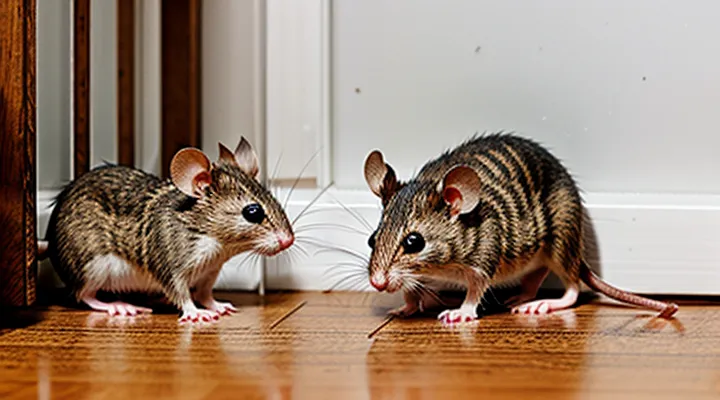
Understanding the Problem
Why Mice are Attracted to First-Floor Apartments
Food and Water Sources
Mice attracted to the first‑floor unit typically locate food and water where they are most accessible. Eliminating these resources is the most direct method to reduce activity.
Secure all edible items in airtight containers made of metal or thick plastic. Do not leave pet food, crumbs, or uncovered groceries on countertops, tables, or in cabinets. Clean spills immediately; even small residues can sustain a mouse population.
Provide no standing water. Empty pet water dishes after each use, wipe them dry, and store them in a sealed area. Fix leaky faucets, pipes, and condensation on windows or walls, as moisture draws rodents into otherwise dry spaces.
Consider the following checklist to verify that no inadvertent sustenance remains:
- Food stored in sealed containers; no open packages on shelves.
- Countertops, floors, and appliances wiped clean of crumbs and residues.
- Pet feeding stations removed after meals; bowls cleaned and dried.
- Garbage bins equipped with tight‑fitting lids; waste disposed of regularly.
- All plumbing fixtures inspected for drips; repairs completed promptly.
- Moisture‑prone areas (bathroom, kitchen sink, basement) dried after use.
By systematically removing each potential source of nourishment and hydration, the owner creates an environment where mice cannot thrive, thereby addressing the infestation at its root.
Entry Points and Hiding Places
Mice gain access to a ground‑level flat through numerous small openings. Typical entry points include:
- Gaps beneath exterior doors, especially where weather‑stripping is missing or damaged.
- Cracks in the foundation or slab, often found around where pipes and cables penetrate the wall.
- Unsealed openings around utility lines, such as gas, water, and electrical conduits.
- Vents and dryer exhaust ducts without proper mesh screens.
- Openings around windows, particularly where the frame does not sit flush against the wall.
Once inside, rodents seek concealed areas that provide shelter and food proximity. Common hiding places are:
- Wall cavities and the space behind baseboards, where insulation offers warmth.
- Cabinets and pantry shelves, especially if food residues are present.
- Areas beneath appliances like refrigerators, stoves, and dishwashers, where gaps often exist.
- The space under furniture, particularly sofas and bed frames that sit close to walls.
- Ceiling joist bays and attic access points that connect to the floor level.
Identifying and sealing these vulnerabilities eliminates the primary routes mice use to enter and reduces the locations where they can establish nests.
Seasonal Influences
Seasonal temperature fluctuations directly affect rodent behavior in ground‑level apartments. Warm months increase breeding cycles, leading to rapid population growth, while colder periods drive mice indoors in search of shelter and food sources. Moisture levels rise in spring, creating favorable conditions for nesting material, whereas autumn leaf fall can block entry points and conceal movement pathways.
Winter intensifies the need for sealing gaps, because mice exploit any opening to escape the cold. Summer demands heightened vigilance of food storage, as abundant ambient heat accelerates spoilage and attracts foraging activity. Spring requires regular inspection of drainage and vent systems, which can become clogged with debris that provides concealment. Autumn calls for clearing exterior vegetation and trimming tree branches that touch the building façade, eliminating natural bridges for ingress.
Practical seasonal actions:
-
Winter:
• Inspect and caulk all exterior cracks, especially around pipes and utility lines.
• Install door sweeps and weather stripping on entry doors. -
Spring:
• Clean gutters and downspouts to prevent water accumulation near foundations.
• Verify that vent covers are intact and free of nesting material. -
Summer:
• Store food in airtight containers; remove pet food after each feeding.
• Keep indoor humidity below 50 % to discourage nesting. -
Autumn:
• Trim shrubs and trees away from the building envelope.
• Remove fallen leaves and debris from windowsills and fire exits.
Understanding these seasonal patterns enables owners to anticipate mouse activity and implement timely preventive measures, reducing the likelihood of infestation on the first floor.
Signs of an Infestation
Droppings and Urine Stains
Droppings and urine stains are the most reliable indicators of a rodent presence on the ground level of a dwelling. Fresh droppings appear as small, dark pellets about the size of a grain of rice, often found along walls, behind appliances, and in cabinets. Older deposits may darken and become brittle. Urine stains manifest as yellowish or brownish discolorations, frequently accompanied by a strong, ammonia‑like odor.
Identifying these signs promptly allows the owner to address health hazards and structural damage. Rodent excrement can carry pathogens such as Hantavirus, Salmonella, and Leptospira, which become airborne when disturbed. Direct contact with urine or feces may cause skin irritation or allergic reactions. Moreover, prolonged exposure can lead to corrosion of wood, insulation, and wiring.
Effective remediation follows a systematic approach:
- Wear disposable gloves, a mask rated N95 or higher, and protective eyewear before handling any material.
- Use a HEPA‑compatible vacuum to collect loose droppings, then seal the collected waste in a plastic bag.
- Apply an enzymatic cleaner to urine‑stained surfaces; allow the solution to dwell for the recommended contact time to break down organic residues.
- Rinse the area with hot water and a mild detergent, then dry thoroughly to prevent mold growth.
- Discard all cleaning tools that cannot be decontaminated, or sanitize them with a 10% bleach solution.
After cleaning, inspect potential entry points such as gaps under doors, cracks in the foundation, and openings around utility lines. Seal openings with steel wool, caulk, or hardware cloth to deny further access. Regular monitoring of droppings and stains, combined with prompt sanitation, reduces the risk of re‑infestation and protects both occupants and the property.
Gnaw Marks and Damage
Mice leave distinctive gnaw marks on wood, plastic, and wiring. The teeth create clean, parallel cuts roughly 2‑3 mm apart, often extending from the edge of a material toward its interior. Such damage frequently appears on baseboard corners, cabinet doors, and cable insulation, indicating active foraging and nesting activity.
These bite marks present immediate hazards. Compromised insulation can expose live wires, increasing the risk of short circuits and fire. Severed or chewed structural elements weaken walls and flooring, potentially leading to collapse under load. Additionally, gnawed food containers allow contamination, posing health concerns for occupants.
To address the problem, owners should follow a systematic approach:
- Inspect all accessible surfaces for fresh gnaw marks; prioritize areas near entry points and utilities.
- Seal identified entry routes with steel wool, caulk, or metal flashing to prevent further intrusion.
- Replace or repair damaged wiring and insulation according to local electrical codes; engage a licensed electrician for safety‑critical components.
- Repair structural damage using appropriate lumber or composite materials, ensuring joints are reinforced.
- Set up traps or bait stations in the identified zones, monitoring daily until activity ceases.
- Conduct a final walkthrough to confirm the absence of new gnaw marks before restoring full occupancy.
Prompt recognition and remediation of gnaw‑related damage protect the building’s integrity, reduce fire risk, and eliminate conditions that attract further rodent activity.
Strange Noises
Strange noises heard on the ground level of a flat often signal rodent activity. High‑pitched squeaks, scratching in walls, or faint scurrying sounds typically originate from mice moving through concealed pathways.
When such sounds appear, the owner should:
- Locate the source by listening from different rooms and noting the time of occurrence.
- Inspect walls, baseboards, and ceiling voids for gnaw marks, droppings, or entry holes.
- Seal visible openings with steel wool, caulk, or hardware cloth to prevent further ingress.
- Set snap traps or live‑catch traps along walls where noise is strongest, positioning bait at the rear to avoid spillage.
- Deploy scented deterrents (e.g., peppermint oil) near suspected routes as an additional non‑chemical barrier.
- Monitor traps daily, dispose of captured rodents promptly, and record any reduction in audible activity.
If noises persist after these measures, professional pest control may be required to conduct a thorough inspection of structural cavities and apply targeted rodent‑specific treatments. Continuous observation and prompt remediation will eliminate the auditory evidence of infestation and protect the residence from damage.
Unpleasant Odors
Mice inhabiting the ground‑level rooms often produce strong, unpleasant odors that signal a sanitation problem and indicate the presence of urine, feces, and decomposing food. These smells can penetrate walls, carpets, and furniture, creating an environment that is uncomfortable for occupants and potentially harmful to health.
The primary sources of the odor are:
- Concentrated urine deposits in hidden corners, behind appliances, or within wall voids.
- Accumulated droppings, especially when mixed with moisture, which releases a sour, ammonia‑like scent.
- Decaying food items stored in pantry shelves or discarded in trash bins that rodents have accessed.
Addressing the odor requires a systematic approach:
- Locate all contamination sites by inspecting baseboards, cabinets, and behind movable objects. Use a blacklight to reveal urine stains that are invisible to the naked eye.
- Remove contaminated materials. Discard infested insulation, padding, or carpet sections that cannot be thoroughly cleaned.
- Clean affected surfaces with an enzymatic cleaner specifically formulated to break down rodent waste. Follow the manufacturer’s contact time to ensure complete neutralization of odor‑causing compounds.
- Apply a disinfectant after enzymatic treatment to eliminate bacteria and reduce health risks.
- Seal entry points—cracks, gaps around pipes, and vent openings—to prevent further intrusion and the recurrence of waste deposits.
If the odor persists after thorough cleaning, enlist a licensed pest‑control professional. They can perform deep‑wall decontamination, replace compromised building materials, and apply rodent‑deterrent measures that reduce the likelihood of future infestations and associated smells.
Immediate Actions and Prevention
Sealing Entry Points
Identifying Gaps and Cracks
Inspect the perimeter of a ground‑level residence for openings that allow rodents entry. Focus on walls, foundations, and utility penetrations.
- Examine exterior siding and brick for separation or missing pieces.
- Probe the base of doors and windows with a thin card or screwdriver; any space larger than ¼ inch permits mouse passage.
- Check around plumbing, electrical conduit, and HVAC ducts; gaps often appear where pipes penetrate the structure.
- Look beneath the building’s slab or crawl space for cracks exceeding ½ inch, especially where soil pressure creates fissures.
Inside the unit, repeat the visual scan along trim, baseboards, and vent covers. Use a flashlight to reveal hidden fissures behind appliances. Seal identified openings promptly with steel wool, caulk, or metal mesh before applying permanent fix such as concrete patch or expanding foam.
Document each gap, noting size, location, and recommended sealing material. Prioritize large openings and those near food storage or waste areas, as they present the highest risk of infestation. Regular re‑inspection after sealing ensures that repairs remain intact and prevents future rodent ingress.
Using Appropriate Materials for Sealing
Mice often exploit gaps around pipes, vents, and baseboards on the ground‑level of an apartment. Sealing these openings with materials that resist gnawing prevents further intrusion.
- Steel wool, tightly packed, blocks narrow cracks and can be covered with caulk for added durability.
- Copper or stainless‑steel mesh (hardware cloth) withstands chewing and suits larger openings around utilities.
- Concrete‑based or polyurethane caulk fills irregular seams around doors and windows.
- Expanding spray foam expands to fill voids but should be applied over a steel‑wool core for rodent resistance.
- Metal flashing or aluminum strips reinforce vulnerable corners and sill areas.
Select a material according to the size of the breach and the likelihood of repeated pressure. Apply the sealant after cleaning the surface, ensuring a tight fit without gaps. For gaps larger than ¼ inch, combine steel wool or mesh with a sealing compound to create a composite barrier.
Conduct periodic inspections, especially after seasonal temperature changes, to verify that seals remain intact. Replace any compromised sections promptly to maintain a continuous defense against rodent entry.
Inspecting Pipes and Vents
Inspecting the plumbing and ventilation system is a critical step when addressing rodent activity on the lower level of a dwelling. Mice can travel through gaps around pipes, sewer lines, and air ducts, using these routes to reach living spaces.
Begin by shutting off water to the first‑floor fixtures and removing access panels on exposed pipe runs. Look for holes, cracks, or loose fittings that are larger than a quarter of an inch. Seal any openings with steel wool and a durable caulking compound, then cover the area with metal mesh to prevent future intrusion.
Next, examine vent shafts and dryer exhausts. Remove vent covers and use a flashlight to trace the interior for gnaw marks, droppings, or nesting material. Install a vent cap equipped with a metal screen if one is absent, and ensure that all connections are tight.
A systematic checklist can streamline the inspection:
- Turn off water supply and open pipe access points.
- Identify and measure gaps or damage.
- Apply steel wool, then seal with silicone or expanding foam.
- Cover sealed areas with metal mesh or hardware cloth.
- Remove vent covers, inspect ducts, and clear debris.
- Install screened vent caps and verify secure attachment.
After repairs, monitor the area for signs of activity over several weeks. Persistent evidence may indicate hidden entry points that require further investigation or professional pest‑control assistance. Regular maintenance of pipes and vents reduces the likelihood of mice establishing a foothold on the ground floor.
Sanitation and Food Storage
Proper Waste Management
Rodent presence on the ground floor is frequently driven by easy access to food waste. Improper disposal creates a reliable foraging trail, encouraging mice to enter living spaces.
- Store all refuse in containers equipped with tight‑fitting lids; avoid open bags or loose trash.
- Remove waste from the apartment at least once daily; overnight accumulation increases attraction.
- Keep the collection area clean; rinse containers to eliminate residue that emits odor.
- Position bins away from entry points such as doors, windows, and utility openings; distance reduces the likelihood of rodents dragging waste inside.
- Inspect and repair any cracks or gaps in the building’s exterior that could serve as entry routes for mice seeking food sources.
Consistent adherence to these practices eliminates a primary food source, making the first‑floor environment less appealing to rodents and supporting long‑term pest control.
Securing Food Items
Mice on the first‑floor apartment are drawn to unsecured food sources; eliminating easy access reduces infestation risk.
Store all edible items in containers that seal tightly. Choose containers with latch‑type closures or silicone gaskets, and verify that lids remain flush when closed. Keep pantry shelves free of crumbs and spills; clean surfaces after each use.
- Transfer dry goods (cereals, grains, nuts) to airtight jars.
- Place pet food in sealed bins; discard leftovers promptly.
- Wrap opened packages in foil or resealable bags before returning them to storage.
- Use a dedicated trash can with a lid; empty it daily and keep the exterior of the bin clean.
- Position food storage away from walls and baseboards to prevent rodents from reaching it through gaps.
Avoid leaving food unattended on countertops, tables, or floors. Wash dishes immediately, and sweep floors after meals. Inspect cabinets regularly for signs of gnawing; repair any damaged sections with metal or heavy‑duty wood strips.
By implementing these practices, the owner removes the primary attraction for mice, making the living area less hospitable and supporting long‑term control efforts.
Regular Cleaning Practices
Regular cleaning directly reduces the food sources that attract rodents to a ground‑level apartment. All food items should be kept in sealed containers; crumbs, spills, and residues must be removed immediately after meals. Surfaces in the kitchen, dining area, and any open floor space should be wiped down with a disinfectant after each use.
- Sweep and vacuum floors daily to eliminate hidden particles.
- Empty trash bins each night and use bins with tight‑fitting lids.
- Wash dishes promptly; avoid leaving them to soak.
- Clean behind appliances, under the sink, and inside cabinets regularly.
- Store pet food in airtight containers and feed pets only the portion needed for the day.
Consistent removal of waste and thorough sanitation deny mice the sustenance they need to survive, making the environment less hospitable and supporting long‑term prevention.
Natural Deterrents and Repellents
Essential Oils and Plants
Rodent activity on the ground‑level of an apartment requires immediate, non‑chemical countermeasures. Essential oils and certain plants provide reliable repellency when applied correctly.
- Peppermint oil – dilute 10 ml in 1 liter of water, spray along baseboards, entry points, and behind appliances. Reapply every 48 hours.
- Eucalyptus oil – use 5 ml per 500 ml of water, target cracks and gaps.
- Clove oil – mix 5 ml with 1 liter of carrier oil, apply to wooden surfaces where mice gnaw.
- Lavender oil – place a few drops on cotton balls, position in corners and pantry shelves.
Essential oils must be stored in sealed containers, kept out of reach of children and pets, and used in well‑ventilated areas to avoid respiratory irritation.
- Mentha piperita (peppermint) plant – grow in pots near windows and entry doors; strong scent deters rodents.
- Allium sativum (garlic) plant – plant in balcony containers; root exudates repel mice.
- Coleus canina (scaredy cat plant) – place in hallways; leaves emit a musky odor unpleasant to rodents.
- Lavandula (lavender) shrub – situate on balcony railings; continuous release of volatile compounds reduces infestation risk.
Plants require regular watering and pruning to maintain aromatic potency. Position pots so leaves face potential entry routes; soil should remain moist but not waterlogged to prevent mold growth.
Combining oil sprays with strategically placed repellent plants enhances coverage and reduces the likelihood of mice establishing nests. Natural deterrents should complement, not replace, structural sealing of gaps, proper food storage, and routine cleaning. Monitoring for signs of activity after implementation confirms effectiveness and indicates whether additional measures are necessary.
Ultrasonic Devices
Ultrasonic repellents emit high‑frequency sound waves that rodents cannot hear but find uncomfortable. The devices are powered by batteries or mains electricity and usually include a timer or motion sensor to activate the signal only when activity is detected.
Key operational points:
- Frequency range: 20–65 kHz, beyond human hearing.
- Coverage area: typically 500–1 200 sq ft per unit; multiple units may be required for larger floor plans.
- Power source: plug‑in models provide continuous output; battery‑operated units last 6–12 months before replacement.
- Safety: no chemicals, no visible light, no risk of fire when installed according to manufacturer instructions.
Effectiveness depends on several factors. Rodents may become habituated if the sound level is constant, so devices with adjustable frequencies or intermittent cycles are preferable. Obstacles such as furniture, walls, and flooring can block the waves, reducing the treated zone. Placement near known entry points—cracks, gaps, or vent openings—maximizes impact.
Maintenance considerations:
- Verify that the unit powers on daily; most models include an indicator light.
- Replace batteries or check the power cord for damage at least quarterly.
- Clean the exterior with a dry cloth to prevent dust accumulation that could dampen the sound output.
- Reassess the layout after any furniture rearrangement; adjust unit positions accordingly.
Ultrasonic repellents complement, rather than replace, physical exclusion methods such as sealing entry points and removing food sources. When integrated into a comprehensive pest‑management plan, they provide a non‑toxic, low‑maintenance option for deterring mice on the ground level of a residence.
Maintaining a Clean Outdoor Environment
A tidy exterior reduces the likelihood that rodents will seek shelter in a ground‑level residence. Accumulated debris, standing water, and unsecured waste create habitats that attract mice, increasing the chance they will enter the apartment through cracks, vents, or gaps around doors.
- Remove leaf litter, grass clippings, and other organic matter within two meters of the building’s foundation.
- Store garbage in sealed containers; empty bins regularly to prevent odor buildup.
- Keep pet food indoors or in airtight containers; do not leave leftovers outdoors.
- Trim shrubs and trees away from the building façade to eliminate climbing routes.
- Inspect and repair exterior cracks, gaps around utility lines, and damaged screens promptly.
Routine inspections every month confirm that the perimeter remains free of conditions favorable to rodent activity. Prompt remediation of identified issues sustains a barrier that discourages mice from infiltrating the first‑floor unit.
Eradicating the Infestation
Trapping Methods
Snap Traps
Snap traps provide a rapid, humane method for eliminating rodents that have entered the ground‑level living space. They require no electricity, generate no odor, and allow precise placement where mouse activity is observed.
Key considerations for effective use:
- Choose a trap with a strong spring mechanism and a smooth interior to ensure a clean kill.
- Bait with high‑protein items such as peanut butter, bacon bits, or dried fruit; avoid sweet foods that attract insects.
- Position traps perpendicular to walls, with the trigger end facing the mouse’s likely travel route.
- Place traps behind appliances, under cabinets, and in dark corners where droppings or gnaw marks are present.
- Set traps at night; mice are nocturnal and more likely to encounter them during active periods.
- Check traps daily, dispose of captured rodents in sealed bags, and reset with fresh bait.
Safety measures include keeping traps out of reach of children and pets, wearing disposable gloves when handling captured animals, and cleaning the surrounding area with a mild disinfectant to prevent disease transmission. Proper disposal and regular monitoring reduce the risk of reinfestation and support long‑term control of the problem on the first floor.
Live Traps
Live traps provide a humane solution for capturing mice that have entered a ground‑level apartment. The device consists of a cage with a trigger mechanism that closes the door when the animal takes the bait, keeping the rodent alive for later release.
Effective use begins with proper placement. Position traps along walls, behind appliances, and near known entry points, because mice travel close to surfaces. Avoid locations with heavy foot traffic to reduce accidental closures.
Bait selection influences capture rates. Peanut butter, dried fruit, or small pieces of cheese work well; apply a pea‑sized amount to the trigger plate. Replace bait regularly to maintain scent strength.
Monitoring is critical. Check traps at least twice daily; a trapped mouse can die from stress or dehydration if left unattended. Upon capture, wear thick gloves, transfer the animal to a secure container, and release it at least one mile away from the building, preferably in a wooded or agricultural area.
Integrating live traps into a broader control plan enhances results. Combine trapping with sealing cracks, installing door sweeps, and maintaining a clean environment free of food debris. Regular inspection of potential entry points prevents reinfestation.
Legal considerations vary by jurisdiction. Verify local regulations regarding the release of captured wildlife to ensure compliance and avoid penalties.
Glue Traps (Considerations)
Glue traps are a common choice for controlling rodent activity on the ground level of a dwelling. Their effectiveness depends on proper placement, monitoring, and safety precautions.
- Position traps along walls, behind appliances, and near suspected entry points. Mice travel close to surfaces; placing traps perpendicular to the wall maximizes contact.
- Use a single trap per suspected pathway. Overcrowding reduces capture rates because mice may avoid crowded areas.
- Check traps at least once daily. Live mice can suffer prolonged exposure, and dead rodents attract secondary pests.
- Wear disposable gloves when handling traps. Adhesive surfaces retain scent and bodily fluids; gloves prevent contamination and protect skin.
- Dispose of captured rodents in sealed bags before discarding. This prevents odor leakage and limits disease transmission.
- Keep traps out of reach of children and pets. Adhesive strips can cause severe injury if accidentally touched.
Legal and ethical considerations vary by jurisdiction. Some regions restrict or prohibit glue traps for mammals due to animal welfare concerns. Verify local regulations before deployment.
Alternative methods—such as snap traps, electronic devices, or exclusion sealing—offer faster kill times and reduce suffering. Combining traps with habitat modification (sealing cracks, removing food sources) yields more sustainable control.
In summary, glue traps require precise placement, frequent inspection, strict hygiene, and compliance with local laws. When these conditions are met, they can be an effective component of a broader rodent management plan.
Baits and Lures
Effective Bait Choices
Choosing the right bait determines how quickly a mouse infestation on the ground‑level of an apartment can be controlled.
Rodenticide blocks are effective when placed in concealed locations where mice travel. Use a single‑dose formulation that combines an anticoagulant with a palatable attractant, such as peanut butter or chocolate. Ensure the block is no larger than a quarter of an inch to prevent accidental ingestion by children or pets.
Snap traps rely on immediate kill. Bait them with high‑fat or high‑protein foods that mice prefer. Effective options include:
- Peanut butter mixed with oats
- Sunflower seed butter
- Cooked bacon bits
- Soft cheese (e.g., cream cheese)
When using snap traps, apply a small amount of bait to the trigger mechanism, avoiding excess that could allow the mouse to take the bait without activating the trap.
Electronic traps deliver a lethal shock. Pair them with the same high‑fat attractants listed for snap traps. The lack of poison eliminates secondary poisoning risks.
Live‑catch traps require a quick release after capture. Use strong scents such as vanilla extract or a blend of dried fruit and nuts to entice capture. Release captured mice at least one mile from the building to reduce the chance of return.
In all cases, rotate bait types every few days to prevent bait shyness. Monitor trap activity daily, replace ineffective bait promptly, and maintain a clean environment that limits alternative food sources. This systematic approach maximizes bait effectiveness and accelerates eradication of the rodent problem.
Placement Strategies
Rodent activity on the ground‑level of an apartment requires precise positioning of control devices to intercept mice before they reach living spaces. Effective placement reduces the need for repeated interventions and limits collateral damage.
Identify high‑traffic zones by inspecting droppings, gnaw marks, and food residues. Focus on concealed pathways such as gaps under doors, utility openings, and wall voids. Position devices where mice are forced to travel, typically along walls, near baseboards, and adjacent to stored food.
- Snap traps: Align perpendicular to the wall, with the trigger end facing the wall. Place 1–2 ft from known gnaw points. Use multiple traps spaced 12–18 in apart to create a barrier.
- Live‑catch traps: Locate in corners of cabinets or behind appliances where mice hide. Ensure escape routes are blocked.
- Bait stations: Install at interior junctures of walls and ceilings, avoiding areas accessible to children or pets. Secure stations at least 6 in from the floor to prevent accidental contact.
- Seal entry points: After trap deployment, apply steel wool or caulk to gaps larger than ¼ in. Reinforce with metal flashing where structural movement occurs.
- Deterrent devices: Position ultrasonic emitters at the center of each room, ensuring line‑of‑sight to walls; avoid placing near metal objects that can block signals.
Execute placement during low‑activity periods (early morning or late evening) to increase capture rates. Monitor traps daily, replace bait, and record capture locations to refine subsequent positioning. Continuous assessment and adjustment of device locations maintain pressure on the mouse population until activity ceases.
Safety Precautions for Baits
When using rodent baits in a ground‑level apartment, handling must prevent accidental poisoning of residents, pets, and non‑target wildlife.
- Choose baits specifically labeled for indoor use and approved by relevant health authorities.
- Store unopened containers in a locked cabinet, out of reach of children and animals.
- Keep bait stations sealed; place them behind appliances, inside wall voids, or in tamper‑resistant boxes.
- Position stations along walls, away from food preparation areas, and at least 12 inches above floor level to deter curious pets.
- Mark each station with a clear warning label indicating the presence of toxic material.
- Inspect stations daily; replace depleted units promptly and dispose of used bait according to local hazardous‑waste guidelines.
Never mix baits with household cleaners or food items. Use only the recommended dosage; excess amounts increase risk without improving efficacy. After eradication, remove all bait stations and thoroughly clean the area to eliminate residual odor that could attract additional rodents.
Professional Pest Control
When to Call an Exterminator
Mice have been detected on the first floor of a residential unit. Initial signs may include droppings, gnaw marks, or occasional sightings. Small infestations can sometimes be managed with traps and sanitation, but several conditions demand professional pest control.
- Repeated sightings over a period of more than a week
- Evidence of nesting material (soft insulation, shredded paper, fabric)
- Damage to wiring, insulation, or structural components
- Presence of more than a handful of droppings in multiple locations
- Unsuccessful attempts with traps or bait stations
When any of these indicators appear, the likelihood of a growing colony increases dramatically. Professional exterminators possess licensed chemicals, calibrated baiting systems, and expertise in locating concealed entry points. Their intervention reduces health risks, prevents structural damage, and eliminates the source of the infestation more efficiently than DIY measures.
Before the specialist arrives, secure food supplies in sealed containers, clear clutter that could hide rodents, and repair obvious gaps around pipes, vents, and baseboards. Providing clear access to affected areas speeds the assessment and improves the efficacy of treatment.
What to Expect from Professional Services
Professional pest‑control firms begin with a thorough on‑site inspection. Technicians locate entry points, assess the extent of infestation, and identify species. The report includes a detailed map of activity zones and a clear description of structural vulnerabilities.
The service plan outlines specific actions. Typical components are:
- Sealing cracks, gaps, and utility openings to block access.
- Placement of bait stations or traps in accordance with local regulations.
- Application of rodent‑resistant materials where appropriate.
- Use of low‑toxicity rodenticides, with safety measures for occupants and pets.
Execution follows the documented plan. Trained personnel install devices, monitor them regularly, and replace them as needed. Service contracts often guarantee a minimum number of follow‑up visits within a set period, ensuring that any new activity is addressed promptly.
After treatment, the provider delivers a written summary. The document lists completed work, residual risk assessment, and recommendations for long‑term prevention, such as routine inspections and maintenance of seals. Clients receive contact information for emergency support and a clear schedule for future service intervals.
Post-Treatment Advice
After eliminating the rodent presence, the owner must focus on preventing re‑infestation. The following actions secure the environment and protect health.
- Seal all openings larger than ¼ inch with steel wool, caulk, or metal flashing. Inspect walls, baseboards, utility penetrations, and vent grates weekly.
- Store food in airtight containers; clean crumbs and spills immediately. Dispose of garbage in sealed bins and remove bins from the apartment floor when possible.
- Maintain a dry interior. Fix leaks, use dehumidifiers in damp areas, and ensure proper ventilation in kitchens and bathrooms.
- Place snap traps or electronic devices in concealed locations for at least two weeks after treatment to catch any survivors. Check traps daily and dispose of captured rodents according to local regulations.
- Schedule a professional inspection quarterly. Experts can identify hidden entry points, assess structural integrity, and recommend additional barriers.
- Document all measures taken, including dates of sealing, trap placement, and professional visits. Records help track effectiveness and support claims with landlords or insurance providers.
Long-Term Management and Monitoring
Regular Inspections
Key Areas to Check
Inspect the first‑floor interior and exterior for any conditions that could support rodent activity. Identify and seal potential access points, eliminate food sources, and reduce shelter opportunities.
- Gaps around doors, windows, and baseboards; use steel wool or caulk to block openings larger than a quarter inch.
- Openings where plumbing, electrical wiring, or HVAC ducts enter the unit; install metal mesh or expanding foam.
- Cracks in walls, especially near the foundation or under sinks; repair with cement or appropriate filler.
- Spaces beneath cabinets, appliances, and the refrigerator; keep the area clear and store items in sealed containers.
- Unsealed openings in the pantry, pantry shelves, and food storage areas; use airtight containers for dry goods.
- Utility rooms, laundry area, and closets; maintain cleanliness and remove clutter that could serve as nesting material.
- Exterior vents, dryer exhausts, and chimney flues; fit screens or grates that prevent entry while allowing airflow.
- Garbage disposal zones and recycling bins; keep lids tightly closed and remove waste regularly.
- Pet feeding stations; store pet food in metal or heavy‑duty plastic containers and avoid leaving bowls out overnight.
Conduct a systematic walk‑through, documenting each inspected location and any remedial actions taken. Regularly repeat the assessment to ensure that newly created gaps or changes in the environment do not reintroduce risk.
Frequency of Inspections
Regular inspections are essential when a mouse problem appears on the ground level of a residence. Prompt detection of new activity prevents population growth and limits damage to structures and food supplies.
The owner should adopt a staged schedule:
- First seven days: inspect daily, focusing on entry points, droppings, gnaw marks, and food containers.
- Weeks two to four: inspect every 48–72 hours, maintaining the same focus areas while noting any reduction in signs.
- Months two to six: inspect once per week, confirming that previous measures remain effective.
- Beyond six months: conduct a monthly review, adjusting frequency if new evidence emerges.
Frequency may increase under certain conditions:
- High mouse activity: observed by multiple fresh signs, warranting a return to daily checks.
- Seasonal spikes: autumn and winter often drive rodents indoors, justifying more frequent inspections.
- Structural vulnerabilities: gaps, cracks, or damaged screens accelerate entry, necessitating tighter monitoring.
Each inspection should cover a concise checklist:
- Visual scan of baseboards, cabinets, and wall voids for droppings or urine stains.
- Examination of potential entry points (holes, vents, utility penetrations) for fresh gnaw marks.
- Verification that food storage is sealed and waste containers are tightly closed.
- Assessment of traps or bait stations for activity and proper placement.
Adhering to this systematic timetable enables the owner to intervene early, maintain control measures, and reduce the likelihood of a persistent infestation.
Maintaining a Hostile Environment
Continuous Sealing Efforts
Effective mouse control on a ground‑level apartment requires ongoing sealing of entry points. Once initial gaps are identified and closed, regular inspection prevents new openings caused by building settlement, weather, or renovation work.
- Inspect exterior walls, foundation, and utility penetrations weekly for cracks larger than ¼ inch.
- Apply expanding polyurethane foam or steel wool followed by caulk to fill gaps around pipes, vents, and cables.
- Seal door sweeps and window frames with weather‑stripping that remains flexible after repeated use.
- Use metal flashing around basement windows to block rodents that can chew softer materials.
Maintain a schedule: after each seasonal change, repeat the full perimeter check and reinforce any compromised seals. Document locations and materials used to track wear patterns and prioritize repairs. Persistent sealing reduces the likelihood of re‑infestation more reliably than one‑time treatments.
Ongoing Sanitation
Effective sanitation is essential for preventing rodent activity on the ground‑level living space. Continuous removal of food residues, proper storage of consumables, and regular disposal of waste eliminate attractants that sustain mouse populations.
- Store all dry goods in sealed, rodent‑proof containers; avoid leaving packaged items open on countertops or shelves.
- Clean kitchen surfaces after each meal preparation; wipe crumbs, spills, and grease immediately.
- Empty trash bins daily; use containers with tight‑fitting lids and keep them away from walls.
- Sweep and mop floors at least once a day; focus on corners, under appliances, and behind furniture where droppings may accumulate.
- Inspect and clean pantry shelves, cabinets, and storage closets monthly; remove any debris or expired products.
Sustained hygiene routines, combined with prompt removal of contaminated materials, reduce the likelihood that mice will establish nests or foraging routes on the first floor. The owner must integrate these practices into daily maintenance to maintain a hostile environment for rodents.
Monitoring for Re-infestation
After the initial eradication effort, the owner must establish a systematic observation routine to detect any resurgence of rodents on the ground‑level living space.
- Visual checks of walls, baseboards, and stored food containers at least twice weekly.
- Placement of snap or live‑catch traps along known travel routes; inspect traps daily.
- Use of passive infrared or ultrasonic detectors; record any activation events.
Maintain a log that includes date, location, and type of evidence (droppings, gnaw marks, trap catches). Review the log weekly; an upward trend in sightings or trap activity signals a potential re‑infestation.
If two consecutive weeks produce positive signs, increase inspection frequency to daily and consider sealing newly discovered entry points. Persisting activity after intensified measures warrants contacting a licensed pest‑control professional for a comprehensive re‑evaluation.