
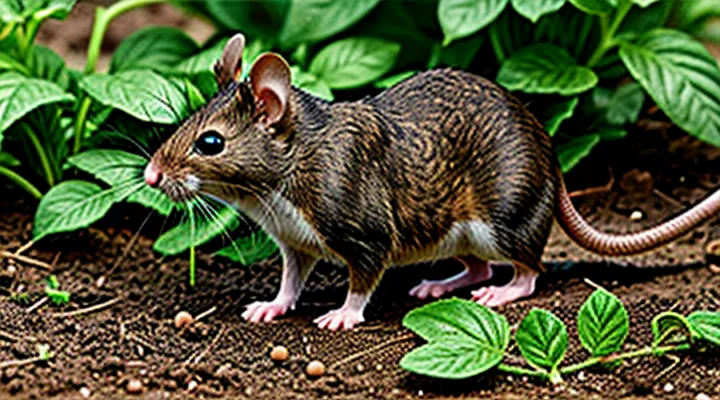
Understanding the Enemy: The Impact of Mice on Gardens
Identifying Mouse Species Common in Gardens
House Mice («Mus musculus»)
House mice (Mus musculus) are small, omnivorous rodents that readily colonize garden environments when food, shelter, and water are available. Their rapid breeding cycle—up to ten litters per year with an average of six pups each—allows populations to expand quickly, increasing the risk of crop loss.
Typical damage includes gnawing of seedlings, consumption of grains, and contamination of produce with urine and droppings, which can introduce pathogens. Mice also create burrows that destabilize soil structure, reducing aeration and water infiltration.
Key indicators of an infestation are:
- Fresh droppings, 3‑5 mm long, found near plant bases or storage areas.
- Gnaw marks on stems, roots, and packaging.
- Visible tracks in soft soil or along mulch.
- Presence of nests constructed from shredded plant material, paper, or fabric.
Effective prevention focuses on exclusion, habitat modification, and monitoring:
- Seal all entry points: install metal flashing or cement around foundations, garden beds, and raised structures; repair gaps larger than 1 cm.
- Store harvested produce in airtight containers; keep compost piles covered and distant from planting zones.
- Remove debris, tall grasses, and fallen fruit that provide cover and food sources.
- Elevate seed trays and seed bags on sturdy platforms to deter access.
- Deploy snap traps or electronic devices along established runways, checking them daily and disposing of captured rodents promptly.
Integrated management may incorporate natural predators such as barn owls, feral cats, or predatory insects, combined with regular field inspections. Maintaining low attractant levels and robust physical barriers reduces the likelihood of house mice establishing a foothold, thereby protecting garden yields.
Voles («Microtus» species)
Voles of the genus Microtus are small burrowing rodents that frequently appear in vegetable beds, ornamental borders, and turf. Their cylindrical bodies, short tails, and chisel‑like incisors enable rapid excavation of shallow tunnels and runways just below the soil surface. Feeding habits include tender shoots, seedling leaves, and root tips, which leads to characteristic “chewed” margins and wilting plants.
Identification relies on several observable signs:
- Surface runways forming a network of narrow, smooth paths.
- Mounds of loose soil (soil caps) at tunnel entrances.
- Fresh gnaw marks on stems and leaf edges, often leaving a clean cut.
- Presence of small, brownish droppings, approximately 2 mm in length.
Effective prevention integrates cultural, mechanical, and biological tactics:
- Soil preparation – cultivate soil to a depth of at least 20 cm before planting; break up compacted layers to discourage tunnel formation.
- Mulch management – apply coarse, inorganic mulch (e.g., gravel or shredded stone) around plant bases; avoid thick organic layers that retain moisture and provide cover.
- Barrier installation – encircle rows with hardware cloth (½‑inch mesh) driven 30 cm into the ground; secure edges to prevent burrowing underneath.
- Vegetation control – maintain low, dense groundcover around garden perimeters; remove weeds and debris that serve as shelter.
- Predator encouragement – install raptor perches, provide nesting boxes for owls, and preserve habitats for snakes and foxes, which naturally reduce vole populations.
- Trap deployment – set snap or live traps in active runways; check daily and relocate captured individuals according to local regulations.
- Rodenticide use – apply anticoagulant baits only as a last resort, following label instructions and protecting non‑target species.
Monitoring should occur weekly during peak activity periods (early spring and autumn). Record runway density, damage extent, and control measures applied to adjust management strategies promptly. Combining preventive soil work, physical barriers, and habitat manipulation yields sustained reduction of vole pressure, protecting garden crops without reliance on chemical interventions.
Field Mice («Apodemus» species)
Field mice of the genus Apodemus inhabit temperate regions, frequent hedgerows, grasslands, and cultivated fields. Adults weigh 15–30 g, reproduce three to five times per season, and can generate up to ten offspring per litter. Their nocturnal activity and ability to climb enable rapid colonization of garden environments.
These rodents consume seeds, seedlings, and tender plant tissues, causing direct loss of marketable produce. Chewed stems and wilted foliage often precede secondary infection by fungi or bacteria. Their foraging can also disturb soil structure, reducing seed germination rates.
Typical evidence of presence includes gnawed seed heads, shallow burrows along fence lines, and droppings measuring 3–5 mm in length. Tracks appear as fine, parallel imprint patterns on soft soil.
Effective deterrence relies on habitat alteration and physical exclusion:
- Remove dense ground cover and debris within a 2‑m perimeter of vulnerable crops.
- Install fine‑mesh (1 mm) hardware cloth around seed beds and raised planters.
- Elevate storage containers and seed bins to prevent easy access.
- Employ mulches that are less attractive to rodents, such as coarse wood chips.
When exclusion proves insufficient, control actions may be implemented:
- Snap traps positioned near active runways, checked daily to minimize suffering.
- Live‑catch traps with immediate release at least 1 km from the garden to avoid re‑infestation.
- Rodenticides applied according to label instructions, restricted to bait stations inaccessible to non‑target species.
- Encourage natural predators—owls, hawks, and predatory mammals—by installing perches and nesting boxes.
A coordinated program that integrates sanitation, barrier installation, and targeted removal delivers the most reliable protection for cultivated plants. Continuous monitoring and prompt response to early signs prevent population buildup and safeguard yields.
Signs of Mouse Infestation
Chewed Plants and Produce
Mice gnaw on stems, leaves, fruits, and seedlings, leaving jagged bite marks, exposed vascular tissue, and missing foliage. Damage often appears as irregular holes, stripped bark, or partially eaten produce, which can lead to secondary infections and reduced marketability.
Typical signs of rodent feeding include:
- Cleanly cut edges on leaves and stems
- Small, neat holes in fruit skin
- Presence of droppings or urine near affected plants
- Chewed seed pods or kernels
Preventive actions focus on exclusion, habitat alteration, and direct control:
- Install fine‑mesh hardware cloth (¼‑inch or smaller) around garden beds, raised beds, and storage containers.
- Seal all soil‑contact openings in greenhouses, sheds, and compost piles.
- Remove debris, tall grass, and excess mulch that provide shelter.
- Store harvested produce in airtight containers or refrigerated units.
- Deploy snap traps or electronic traps along known runways, positioning them perpendicular to mouse paths.
- Apply natural repellents such as peppermint oil or rodent‑specific deterrent granules, reapplying after rain.
- Encourage predatory birds by installing perches and nesting boxes.
Crop management strategies reduce attractiveness:
- Rotate crops annually to disrupt food sources.
- Plant less palatable varieties (e.g., bitter melon, certain brassicas) alongside vulnerable species.
- Use row covers during early growth stages to shield seedlings from nocturnal foraging.
Combined implementation of physical barriers, habitat sanitation, targeted trapping, and strategic planting creates a comprehensive defense against mouse‑induced chewing, preserving plant health and yield quality.
Burrows and Tunnels
Burrows and tunnels are the primary structures through which rodents infiltrate garden beds and access stored produce. These underground passages provide shelter, facilitate movement between planting rows, and create pathways for additional pests.
When mice excavate soil, they displace organic matter, weaken root systems, and expose crops to disease agents. Visible signs include mounded soil, fresh soil plugs at plant bases, and a network of narrow openings near mulch or compost piles.
Effective control measures focus on detection, disruption, and exclusion:
- Conduct regular inspections after irrigation or rainfall; moisture softens soil and reveals fresh tunnels.
- Apply a thin layer of coarse sand or shredded hardwood mulch over exposed entrances; the abrasive texture deters further digging.
- Install low-profile, metal or rigid plastic barriers around high‑value crops; barriers should extend at least 6 inches underground and protrude 2–3 inches above soil.
- Use targeted, non‑toxic rodent repellents (e.g., predator urine granules) placed at tunnel mouths; repeat applications after heavy rain.
- Remove potential food sources such as fallen fruit, seed heads, and excess compost; keep garden debris cleared to reduce attractants.
If burrows persist, consider localized soil sterilization with steam or hot water, which collapses tunnel walls without harming plants. After treatment, reseed the area with dense ground cover to discourage re‑excavation.
By systematically identifying and sealing underground passages, gardeners can limit rodent access, protect root integrity, and maintain crop yields.
Droppings and Tracks
Rodent droppings and footprints are the most reliable indicators of mouse activity in a garden. Fresh droppings appear as small, dark, rice‑shaped pellets about 3–5 mm long; older droppings may be lighter and crumbly. Tracks consist of fine, parallel lines left in soft soil, mulch, or sand, often accompanied by gnaw marks on seeds, stems, or containers. Recognizing these signs early enables swift intervention before damage escalates.
Droppings pose health risks by contaminating leafy vegetables, fruits, and root crops with pathogens such as Salmonella and Hantavirus. Their presence also attracts secondary pests, including flies and beetles, which further compromise plant health. Tracks reveal movement patterns, helping to locate entry points, nesting sites, and preferred foraging routes.
Effective management of droppings and tracks includes:
- Immediate removal of all visible droppings using gloves and a disposable tool; dispose of material in sealed bags.
- Disinfection of affected areas with a diluted bleach solution (1 part bleach to 9 parts water) or a commercial horticultural sanitizer.
- Inspection of garden borders, raised beds, and storage sheds for fresh tracks; seal gaps larger than 1 cm with metal flashing or hardware cloth.
- Placement of snap traps or electronic traps along identified runways, ensuring bait is positioned near but not directly on the track to avoid spillage.
- Replacement of soft mulch with coarse, inorganic material that discourages footprint formation and reduces shelter opportunities.
By systematically eliminating droppings, sanitizing contaminated zones, and disrupting track pathways, gardeners can suppress mouse populations and protect their crops from both direct feeding damage and secondary contamination.
Why Mice are Attracted to Your Garden
Food Sources
Mice are attracted to readily available nutrients in garden environments. Their presence often correlates with the abundance of edible material left exposed or improperly stored.
Typical food sources that sustain rodent activity include:
- Fresh vegetable harvests left on the ground
- Fallen fruit and berries
- Seeds from flowering plants and weeds
- Pet food bowls placed near planting beds
- Compost piles containing kitchen scraps
Eliminating these attractants requires systematic actions. Harvested produce should be collected promptly and stored in sealed containers. Fallen fruit must be removed daily to prevent decomposition. Weeds that produce seeds should be controlled through regular mowing or mulching. Pet feeding stations need to be positioned away from garden borders and equipped with lids that close securely after each use. Compost should be maintained with a tight‑fitting cover and turned regularly to discourage mouse habitation.
Additional measures reinforce protection:
- Install perimeter barriers such as fine mesh or hardware cloth buried 6 inches deep.
- Apply non‑chemical deterrents, for example, steel wool plugs in entry holes.
- Conduct routine inspections for signs of gnawing or droppings and address findings immediately.
By restricting access to food, the incentive for mice to enter the garden diminishes, supporting crop integrity and yield stability.
Shelter and Hiding Spots
Rodents use any protected area to avoid predators and weather, making garden shelters a primary factor in crop loss.
Typical hiding places include:
- Dense ground cover such as tall weeds or unmowed grass.
- Piles of compost, leaf litter, or mulch that retain moisture.
- Stacked firewood, garden tools, and debris left against fences or walls.
- Burrows created under stones, garden edging, or irrigation tubing.
To reduce these refuges, follow a systematic approach:
- Trim vegetation to a height of no more than six inches, eliminating dense cover.
- Remove all organic debris, disposing of it away from the garden perimeter.
- Store firewood and equipment on a raised platform or inside a sealed shed.
- Install metal or concrete edging around beds to block burrow entry.
- Replace loose mulch with a thin layer of gravel or sand near vulnerable crops.
Regular inspection of the garden perimeter and prompt removal of newly formed nests prevent rodents from establishing long‑term shelters, thereby protecting the produce from damage.
Water Availability
Adequate water levels in a garden directly affect mouse behavior. Areas with persistent moisture attract rodents because damp soil eases burrowing and provides a reliable source of plant material. When irrigation is excessive or poorly timed, mice find shelter and food more easily, increasing the likelihood of population growth.
High soil moisture also weakens plant tissues, making seedlings and tender leaves more vulnerable to gnawing. Moist conditions accelerate fungal growth and rot, creating additional food sources that sustain mouse activity. Consequently, crops experience both direct damage from feeding and indirect stress from disease, reducing overall yield.
Effective water management reduces rodent attraction and protects crops. Recommended actions include:
- Schedule irrigation early in the day to allow surface drying before night, when mice are most active.
- Apply water only to the root zone using drip systems or soaker hoses; avoid overhead sprinklers that wet foliage.
- Monitor soil moisture with a probe and cease watering once optimal levels are reached, preventing waterlogging.
- Install drainage channels or raised beds to eliminate standing water and lower humidity around plant bases.
- Remove excess vegetation and mulch after watering, eliminating shelter and limiting moisture retention.
Consistent implementation of these practices lowers habitat suitability for mice, limits crop exposure to damage, and supports healthier plant growth.
Proactive Prevention Strategies
Garden Design and Maintenance
Keeping Gardens Tidy and Weed-Free
A tidy garden eliminates shelter and food sources that attract rodents. Regular removal of dead plant material, fallen fruit, and excess mulch deprives mice of nesting sites. Keeping pathways clear and trimming low vegetation reduces cover where pests can hide.
Weed control is essential because many weeds produce seeds and tender shoots that mice readily consume. Implement a schedule for inspection and removal:
- Hand‑pull or use a hoe to eliminate weeds before they seed.
- Apply a pre‑emergent herbicide in accordance with label instructions for persistent problem areas.
- Cover soil with a thin layer of coarse mulch to suppress weed growth while allowing moisture penetration.
Proper compost management further limits attraction. Store compost in a sealed container, turn piles weekly, and avoid adding kitchen scraps that are high in protein. When compost is mature, spread it thinly to prevent mice from burrowing.
Perimeter maintenance reduces entry points. Install a low fence or hardware cloth around the garden bed, bury the bottom 6–12 inches to block subterranean tunnels, and seal gaps around irrigation lines and drainage pipes. Remove debris such as wood piles, stone stacks, and garden tools that can serve as shelter.
Finally, monitor the garden daily for signs of activity—chewed seedlings, gnaw marks, or droppings. Promptly address any evidence with traps or natural deterrents, and adjust sanitation practices accordingly. Consistent tidiness and aggressive weed management create an environment inhospitable to rodents, safeguarding crops without reliance on chemical pest control.
Proper Storage of Garden Debris
Proper storage of garden debris limits shelter and food sources for rodents, reducing the likelihood of mouse activity near crops. Debris left on the ground creates insulated nests and retains seeds that attract foraging mice. Secure containment interrupts this cycle.
Effective storage practices include:
- Collect all cuttings, weeds, and fallen fruit daily and place them in sealed, rigid containers.
- Use bins with tight-fitting lids made of metal or thick plastic; avoid fabric or loosely closed containers.
- Store containers on elevated platforms or pallets to prevent direct ground contact and discourage burrowing.
- Position storage units away from planting rows, preferably at the garden perimeter, to create a physical barrier.
- Rotate debris removal schedule to empty containers before they become overloaded, limiting odor buildup.
Additional measures reinforce protection:
- Apply a thin layer of mulch over stored material only when containers are sealed; otherwise, keep the surface clean.
- Install motion-activated deterrents near storage zones to discourage nocturnal entry.
- Regularly inspect lids and seams for damage; repair or replace compromised sections promptly.
By maintaining a disciplined debris storage system, gardeners eliminate hidden habitats and food caches, thereby supporting broader rodent management objectives and safeguarding crop yields.
Elevating and Securing Compost Bins
Elevating compost bins creates a physical barrier that discourages mice from entering. Place the bin on a sturdy platform at least 18 inches above ground level; this height exceeds the typical climbing ability of garden rodents and forces them to seek alternative food sources.
Securing the bin further reduces intrusion risk. Install a tight‑fitting lid with a latch that prevents gaps larger than ¼ inch. Surround the lid with a metal mesh screen to block gnawing. Apply a continuous strip of hardware cloth around the bin’s exterior, fastening it with galvanized staples to eliminate entry points.
Additional measures reinforce protection:
- Position the bin away from vegetable rows and seed beds, maintaining a minimum distance of 10 feet.
- Keep the surrounding area clear of vegetation, mulch, and debris that could provide cover for mice.
- Use a concrete or stone base under the platform to prevent burrowing beneath the structure.
- Rotate compost contents regularly; fresh material attracts rodents, while well‑aged compost is less appealing.
By combining elevation with a sealed, reinforced enclosure, gardeners can significantly lower the likelihood of mouse activity around compost, thereby safeguarding crops from damage and disease transmission.
Fencing and Physical Barriers
Installing Mouse-Proof Fences
Installing mouse‑proof fences is a primary defense for garden crops. Effective barriers require proper material, dimensions, and placement.
Select a mesh with openings no larger than ¼ inch. Galvanized steel or hardware cloth provides durability and resistance to corrosion. For wooden gardens, attach the mesh to a sturdy wooden frame using stainless‑steel staples or screws.
Secure the fence at ground level. Bury the bottom edge 6–12 inches deep, or fold it outward to create an underground apron that prevents burrowing. Extend the fence at least 12 inches above the soil surface to block climbing.
Anchor the fence to stable posts spaced no more than 4 feet apart. Use concrete or driven stakes to maintain tension and prevent sagging. Check joints regularly for gaps or damage; repair immediately with matching mesh and fasteners.
Maintain the barrier by clearing vegetation that could serve as a bridge. Trim overhanging branches and remove debris that might allow mice to bypass the fence.
Cost considerations:
- Mesh (½ × 50 ft roll): $20–$35
- Posts and hardware: $15–$30 per 10 ft
- Labor (DIY): minimal; professional installation: $150–$300 per 100 ft
By adhering to these specifications, gardeners create a reliable obstacle that limits rodent entry and protects vulnerable plants.
Protecting Raised Beds and Containers
Mice readily enter raised beds and containers because these structures provide easy access to soil, moisture, and shelter. Protecting them requires a combination of physical barriers, habitat management, and regular monitoring.
-
Install hardware cloth or fine wire mesh (½‑inch or smaller openings) around the exterior of each bed, securing it to the frame with staples or zip ties.
-
Cover the top of containers with a tight‑fitting lid or a mesh screen that prevents gnawing.
-
Seal any gaps between the bed walls and the ground using soil‑grade caulk or expanding foam.
-
Remove debris, tall weeds, and excess mulch that create hiding places.
-
Keep soil moisture at optimal levels; over‑watering attracts rodents.
-
Store compost, feed, and seed in sealed containers away from the garden area.
-
Apply natural deterrents such as peppermint oil‑soaked cotton balls placed at entry points, or sprinkle dried cayenne pepper around the perimeter.
-
Use commercially available rodent repellents according to label instructions, reapplying after rain or irrigation.
-
Consider predator attractants, like owl or hawk perches, to increase visual deterrence.
Routine inspection of the barrier integrity and prompt repair of any damage maintain effectiveness. Recording signs of activity—chewed edges, droppings, or gnaw marks—helps identify vulnerable spots and adjust preventive measures before damage spreads to crops.
Using Hardware Cloth Around Vulnerable Areas
Hardware cloth, a heavy‑gauge wire mesh, provides a physical barrier that prevents mice from accessing exposed soil, seed beds, and root zones. The mesh’s small openings (¼‑inch or smaller) block the animal’s ability to squeeze through, while its durability resists chewing and weather damage.
Installation should focus on areas where mice are most likely to enter:
- Cut a strip of hardware cloth to cover the perimeter of raised beds, garden rows, or mulch beds.
- Secure the lower edge 2–3 inches below the soil surface using galvanized staples or U‑shaped nails.
- Overlap adjacent sections by at least 2 inches and fasten the overlap with wire ties to eliminate gaps.
- Anchor the upper edge to a sturdy frame or fence, ensuring the mesh remains taut and does not sag.
Maintenance involves periodic inspection for rust, torn sections, or displacement caused by wind or animal activity. Replace compromised panels promptly to preserve the barrier’s integrity. When using the mesh around storage bins or compost piles, extend the coverage to the top opening and seal any seams, as mice often exploit vertical routes.
Combining hardware cloth with complementary practices—such as regular cleaning of garden debris and proper seed storage—creates a layered defense that reduces mouse intrusion and protects crop yields.
Repellents and Deterrents
Natural Repellents («Peppermint Oil», «Castor Oil»)
Peppermint oil deters rodents through a potent, volatile aroma that overwhelms their olfactory receptors. Apply a few drops to cotton swabs placed around the garden perimeter, or mix one part oil with four parts water and spray the solution on soil, mulch, and plant stems. Reapply after rain or every 7 days to maintain effectiveness.
Castor oil creates an unpalatable coating that discourages chewing and burrowing. Dilute one tablespoon of castor oil in a quart of water, add a mild surfactant, and mist the mixture on foliage and ground cover. The oily film interferes with the mouse’s sense of taste, reducing the likelihood of damage to seedlings and mature crops.
Key considerations for both repellents:
- Use food‑grade oils to avoid contaminating edible produce.
- Test a small area before full application to prevent phytotoxic reactions.
- Combine with physical barriers, such as mesh or row covers, for optimal protection.
- Monitor mouse activity; adjust concentration or frequency if signs of infestation persist.
These natural agents provide a chemical‑free alternative for safeguarding garden yields while minimizing environmental impact.
Ultrasonic Devices
Ultrasonic devices emit high‑frequency sound waves that are inaudible to humans but uncomfortable for rodents. The emitted frequencies typically range from 20 kHz to 65 kHz, creating a hostile acoustic environment that discourages mice from entering garden beds and storage areas.
Effectiveness depends on several factors:
- Coverage area – each unit protects a defined square‑meter radius; overlapping devices ensure complete protection of larger plots.
- Placement – devices must be positioned away from solid surfaces that reflect sound, ideally at ground level and directed toward potential entry points.
- Power source – models operate on mains electricity, solar panels, or rechargeable batteries; continuous operation yields consistent deterrence.
- Frequency modulation – devices that cycle through multiple frequencies reduce the risk of habituation.
Installation procedure:
- Identify zones where rodent activity is observed, such as near compost piles, seed stores, and low‑lying foliage.
- Mount the device on a pole or stake, ensuring the speaker faces outward and is not obstructed.
- Connect to a power source and activate the unit; most models include an indicator light confirming operation.
- Verify overlapping coverage by measuring the distance between adjacent units; maintain a minimum gap of 1–2 m to avoid dead zones.
Maintenance requirements are minimal. Replace batteries according to manufacturer specifications, typically every 6–12 months for battery‑powered models. Clean the speaker grille periodically to prevent dust accumulation, which can attenuate sound output.
Limitations:
- Ultrasonic waves lose intensity over distance and are absorbed by dense vegetation, limiting effectiveness in thick undergrowth.
- Some rodent populations may become desensitized after prolonged exposure; rotating devices or integrating additional deterrents, such as physical barriers, restores efficacy.
- Weather conditions, especially heavy rain, can impair performance of outdoor units not rated for waterproof operation.
When selecting a system, prioritize models with:
- Certified frequency range covering at least 20–45 kHz.
- Adjustable power settings for varying garden sizes.
- Weather‑proof housing and a warranty of 12 months or more.
In practice, a well‑planned network of ultrasonic repellents, correctly positioned and regularly maintained, reduces mouse intrusion and protects vulnerable crops without chemical intervention.
Planting Mouse-Repelling Herbs («Mint», «Garlic», «Lavender»)
Planting aromatic herbs creates a chemical barrier that discourages rodents from entering vegetable beds. Mint releases volatile oils that mice find unpleasant; when established along perimeter rows, the herb spreads rapidly, forming a dense, low‑lying mat that also suppresses weed growth. To maximize repellent effect, plant mint in containers or deep beds to control its invasiveness, spacing plants 30‑45 cm apart and keeping the soil consistently moist.
Garlic emits sulfur compounds that irritate rodent sensory organs. Bulbs should be set 10‑15 cm deep, with cloves spaced 15 cm apart in rows bordering high‑value crops such as lettuce or carrots. Regular harvesting of mature heads maintains strong odor production; otherwise, the plant’s potency declines. Intercropping garlic with brassicas enhances soil health while sustaining the deterrent scent throughout the growing season.
Lavender supplies a strong fragrance that mice avoid, and its flowering stems attract beneficial insects. Plant lavender in well‑drained, slightly alkaline soil, spacing individuals 45‑60 cm apart to allow airflow and prevent fungal issues. Position lavender at the garden’s edge or in mixed borders where its scent can circulate freely. Prune after blooming to encourage continuous growth and preserve aromatic foliage.
Combining these three herbs yields overlapping deterrent zones, reducing the likelihood of mouse intrusion. Rotate the herb placement each year to prevent soil depletion and maintain efficacy. Monitoring rodent activity and adjusting plant density ensures the aromatic barrier remains effective without compromising crop yields.
Humane Control and Crop Protection
Trapping Methods
Live Traps and Relocation
Live traps provide a humane method for removing garden rodents while preserving the integrity of crops. The devices consist of a compartment that closes automatically when a mouse enters, allowing capture without injury. Choose traps constructed from durable plastic or metal, equipped with a sensitive trigger mechanism, and sized to accommodate adult mice comfortably.
Effective deployment follows a systematic approach:
- Identify activity zones by inspecting fresh gnaw marks, droppings, and runways near planting beds.
- Position traps perpendicular to the identified pathways, with the entry side facing the wall or shelter the mouse uses.
- Bait each trap with high‑protein attractants such as peanut butter, sunflower seeds, or small pieces of cooked egg.
- Check traps at least twice daily; release captured individuals at a distance of 3–5 kilometers from the garden, preferably in a wooded or field environment where they can find cover.
- Reset traps promptly after each release to maintain continuous pressure on the rodent population.
Relocation must comply with local wildlife regulations to avoid legal repercussions and ecological disruption. Use sturdy, ventilated containers for transport, minimize handling time, and release animals during daylight hours when predator activity is lower. Recording release sites and dates supports monitoring of the method’s impact on both the garden and surrounding habitats.
Regular assessment of trap performance—tracking capture rates, bait acceptance, and placement effectiveness—allows refinement of the strategy. Adjust trap density, bait type, or location based on observed trends to sustain low rodent pressure throughout the growing season.
Snap Traps (Strategic Placement)
Snap traps provide immediate, lethal control of garden rodents. Their design delivers a swift, fatal blow, eliminating individual mice without the need for chemicals or ongoing maintenance. Proper use reduces population pressure and protects vulnerable seedlings from further damage.
Effective placement follows these principles:
- Position traps along established runways, identified by fresh gnaw marks, cleared pathways, or droppings.
- Install traps near the base of crops, especially low‑lying vegetables, where mice forage.
- Set traps at a 45‑degree angle, with the trigger plate facing the expected entry direction, to maximize contact.
- Space traps 10–15 feet apart in high‑activity zones; increase density in severe infestations.
- Replace captured traps promptly, resetting them before dusk when mouse activity peaks.
- Keep traps away from non‑target wildlife and pets by using protective barriers or bait stations that restrict access.
Regular inspection and adjustment of trap locations maintain pressure on the mouse population, ensuring sustained protection of garden produce.
Bait Stations (Safe for Non-Target Animals)
Bait stations provide a contained delivery system for rodent poisons, reducing the risk of accidental ingestion by birds, pets, and beneficial wildlife. The enclosure encloses the toxic bait, leaving only a small entrance sized for mice and rats, which prevents larger animals from accessing the product.
Key features of safe bait stations include:
- Durable, weather‑resistant housing that seals shut after a mouse enters.
- Entrance dimensions calibrated to exclude non‑target species such as squirrels, rabbits, and ground‑feeding birds.
- Lockable or tamper‑proof lids that deter children and domestic pets.
- Transparent panels for visual inspection of bait consumption and station integrity.
Effective deployment follows a systematic pattern:
- Identify activity zones by tracking fresh droppings, gnaw marks, and runways.
- Position stations along walls, fence lines, or under vegetation where rodent traffic is highest.
- Space stations 10–15 m apart to create overlapping coverage while minimizing the number of units needed.
- Install stations at ground level or slightly below, avoiding elevated placement that attracts arboreal species.
- Replace bait every 4–6 weeks or sooner if consumption is observed; discard empty stations promptly.
Maintenance protocols ensure continued safety:
- Inspect stations weekly for damage, tampering, or bait depletion.
- Record location, date of service, and bait type in a logbook.
- Use low‑odor, anticoagulant baits formulated for rodent control; avoid highly scented attractants that may lure non‑target fauna.
- Follow label instructions regarding dosage and disposal of expired or unused bait.
Regulatory compliance requires adherence to local pesticide regulations, including proper labeling, permitted active ingredients, and documentation of usage. Training personnel in correct handling procedures further mitigates accidental exposure.
When integrated with habitat management—such as removing excess debris, trimming dense cover, and securing compost—the use of bait stations delivers targeted rodent suppression while preserving the safety of surrounding wildlife and pets.
Protecting Individual Plants and Crops
Row Covers and Cages
Row covers and cages provide a physical barrier that excludes mice from reaching vulnerable plants. The barrier must be continuous, tightly sealed at the base, and constructed from material that resists gnawing.
- Floating row covers – lightweight fabric stretched over a frame; allows light penetration and airflow while preventing rodent entry.
- Rigid cages – wire or plastic enclosures with mesh openings no larger than ¼ inch; ideal for seedlings and small crops.
- Hybrid systems – combination of a rigid frame with a breathable cover, offering structural stability and protection from both mice and weather.
Installation steps:
- Measure the planting area and cut the cover or mesh to fit with a margin of at least 2 inches.
- Secure the edges to the ground using staples, soil pins, or a trench of buried edging to eliminate gaps.
- Inspect the perimeter daily for signs of chewing or displacement; repair any breach immediately.
Benefits include reduced crop loss, lower reliance on chemical deterrents, and protection against other pests. Limitations involve the need for regular monitoring, potential heat buildup under opaque covers, and the initial cost of materials. Properly maintained row covers and cages form an effective component of an integrated mouse-management program.
Tree Guards for Saplings
Tree guards are cylindrical or conical barriers placed around young trees to prevent rodents from gnawing bark and damaging cambium. The design typically includes a smooth inner surface that mice cannot climb and an outer layer of durable material such as plastic, metal, or treated wood.
Key functions of tree guards:
- Physical obstruction of access to stems.
- Deterrence of gnawing through hard, chew‑resistant surfaces.
- Protection of the root zone from burrowing activity.
Installation steps:
- Measure the trunk diameter at the soil line; select a guard with an inner diameter at least 1‑2 cm larger.
- Cut the guard to a length covering the lower 30‑45 cm of the trunk.
- Position the guard vertically, ensuring the base rests flush with the ground.
- Secure the guard with stakes, wire, or ties, avoiding damage to the bark.
- Backfill the base with mulch or soil to eliminate gaps.
Materials selection:
- UV‑stabilized polyethylene offers longevity and resistance to weather.
- Galvanized steel provides superior strength but may require coating to prevent rust.
- Biodegradable composites reduce environmental impact but may need replacement after a season.
Maintenance considerations:
- Inspect guards after heavy rain or wind for displacement.
- Remove debris that could serve as nesting material.
- Replace damaged sections promptly to maintain a continuous barrier.
Effectiveness indicators:
- Absence of fresh gnaw marks on the trunk.
- Reduced evidence of mouse activity, such as droppings or burrows, near the base.
- Healthy growth of foliage and stem diameter over the growing season.
Integrating tree guards with complementary practices—such as habitat reduction, regular monitoring, and the use of mouse‑repellent plants—enhances overall protection of saplings and contributes to stable crop yields.
Raised Beds as a Barrier
Raised beds create a physical obstacle that limits mouse access to soil‑grown vegetables. The vertical sides of the bed prevent rodents from burrowing directly into the planting medium, forcing them to seek alternative entry points.
To maximize the barrier effect, follow these steps:
- Construct beds with at least 12‑inch high walls made of sturdy, non‑porous material such as treated lumber, concrete blocks, or metal panels.
- Install a seamless metal or hardware‑cloth liner beneath the soil to block underground tunnels.
- Seal all joints and gaps with silicone caulk or metal flashing to eliminate crevices.
- Add a smooth, raised perimeter (e.g., a concrete or stone curb) around the outer edge of the bed to deter climbing.
- Place a wire mesh (¼‑inch hardware cloth) over the top of the soil before planting, securing it tightly to the bed walls.
Regular maintenance reinforces protection. Inspect the exterior of each bed weekly for signs of gnawing or displacement. Repair any damage immediately to preserve the continuous barrier. Combine raised beds with complementary tactics—such as habitat reduction, predator encouragement, and bait stations—to achieve comprehensive rodent management and safeguard crop yields.
Encouraging Natural Predators
Attracting Birds of Prey
Attracting birds of prey offers a natural method for reducing rodent pressure in vegetable beds and orchard rows. Raptors such as hawks, owls, and kestrels hunt mice efficiently, often eliminating several individuals per day. Their presence discourages mouse activity, lowering the risk of crop damage without chemical intervention.
To encourage raptor visitation, implement the following measures:
- Install perches or tall pole-mounted platforms at least 10 feet high, positioned near open sky and away from dense foliage.
- Provide nesting boxes designed for species common to the area; dimensions should match target raptor requirements (e.g., 12‑inch entrance for kestrels, 8‑inch for small owls).
- Maintain a clear line of sight from perches to surrounding fields, removing low branches that obstruct flight paths.
- Preserve natural prey sources such as small mammals and insects, ensuring raptors have a reliable food base beyond the garden.
- Limit artificial lighting at night to avoid deterring nocturnal hunters; use low‑intensity, shielded fixtures if illumination is necessary.
Monitoring raptor activity through regular observations or motion‑activated cameras confirms the effectiveness of these steps and allows adjustments to perch placement or box design. Consistent application sustains a predator presence that naturally suppresses mouse populations and protects cultivated plants.
Welcoming Snakes and Other Beneficial Wildlife
Encouraging native predators creates a self‑sustaining barrier against garden rodents. When snakes, birds of prey, hedgehogs, and beneficial insects find suitable shelter and food, they reduce mouse activity without chemical intervention.
Snakes thrive in environments that provide cover, moisture, and prey. Species such as garter snakes, rat snakes, and milk snakes are effective rodent hunters. To attract them, leave stone piles, log stacks, or dense groundcover; install shallow water sources; and avoid excessive pesticide use that contaminates their food chain. Provide escape routes by maintaining open edges around beds, and limit human disturbance near potential den sites.
Birds of prey, especially barn owls and hawks, locate nests in quiet corners, barns, or purpose‑built boxes. Hedgehogs patrol leaf litter and low vegetation, hunting insects and small mammals. Lady beetles, ground beetles, and parasitic wasps suppress insect populations that otherwise support mouse diets. Habitat diversity increases the likelihood that these allies will remain resident.
Practical steps to welcome beneficial wildlife:
- Place unglazed clay pots or overturned buckets as temporary refuges for snakes and hedgehogs.
- Install a barn owl nesting box 10–15 ft above ground, facing away from prevailing winds.
- Maintain a border of native grasses and wildflowers to host insects and provide cover.
- Keep compost piles covered but accessible, offering insects for predatory birds while deterring rodents.
- Reduce bright lighting at night; low‑intensity amber bulbs minimize disruption to nocturnal hunters.
By integrating these measures, gardeners develop a balanced ecosystem where natural predators keep mouse populations in check, protecting crops while preserving biodiversity.
Maintaining a Balanced Ecosystem
A garden that supports a diverse community of insects, birds, and small mammals creates natural checks on rodent populations. Predatory species such as owls, hawks, and barn owls hunt mice, reducing their numbers without chemical intervention. Providing nesting boxes and perches encourages these predators to remain nearby.
Ground cover diversity limits the resources that attract rodents. Planting low‑growing herbs, clover, and grasses creates competition for seeds and insects, while mulch layers that are thick but not overly dense hinder burrowing. Maintaining soil structure through regular aeration and compost addition improves plant vigor, making crops less susceptible to damage.
Effective ecosystem management includes the following practices:
- Install bird and bat houses to boost natural pest control agents.
- Rotate crops annually to disrupt rodent feeding cycles.
- Remove debris, fallen fruit, and excess vegetation that serve as shelter.
- Use trap‑cropping with fast‑growing plants to draw mice away from primary yields.
- Apply targeted, low‑toxicity repellents only when monitoring indicates a population increase.
Monitoring rodent activity through visual checks and motion‑activated cameras informs timely adjustments. By sustaining predator presence, encouraging plant diversity, and minimizing shelter opportunities, the garden remains resilient against mouse incursions while preserving overall ecological health.