
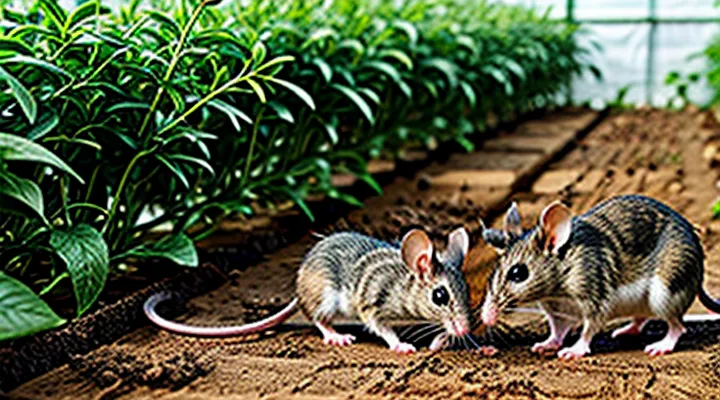
Understanding the Threat of Mice in Greenhouses
Why Mice Are Attracted to Greenhouses
Food Sources
Mice are drawn to the abundance of edible material that accumulates in greenhouse operations. Seeds, seedling trays, harvested fruit and vegetable produce, and organic mulches constitute the primary nutritional attractants. Spilled dry fertilizer, pet feed used for greenhouse‑maintained animals, and improperly disposed plant waste also provide sustenance that supports rapid rodent population growth.
Typical food sources include:
- Seed packets and bulk seed stock left unsecured
- Young seedlings and transplant trays with tender foliage
- Ripe fruit or vegetable crops exposed during harvesting
- Organic compost or mulch that retains moisture and nutrients
- Residual feed or waste from ancillary animal husbandry
Mitigation measures focus on eliminating access to these resources. Store all seed and feed supplies in airtight, rodent‑proof containers. Clean work surfaces and floors immediately after any spillage. Install sealed waste bins and regularly remove plant debris from the greenhouse floor. Employ physical barriers such as fine mesh screens on ventilation openings to prevent entry. Regular sanitation schedules reduce the availability of stray organic matter that could serve as a food source.
Shelter and Warmth
Mice are attracted to greenhouse interiors because the structures provide stable temperatures and protection from external weather. The combination of heated soil, humid air, and concealed gaps creates an ideal refuge for rodents seeking warmth and safety.
When rodents occupy these sheltered zones, they gnaw on cables, drip lines, and structural supports, compromising the integrity of the facility. Their nesting activities introduce contaminant loads to plants, increase the risk of disease transmission, and elevate the likelihood of crop loss.
Effective mitigation concentrates on removing the elements that create comfortable habitats:
- Seal all openings larger than 1 cm with metal flashing or cement‑based caulking.
- Install insulated barriers around heating equipment to prevent heat leakage.
- Maintain low humidity levels by regulating misting schedules and ensuring proper ventilation.
- Store feed and seed in rodent‑proof containers positioned away from plant beds.
- Deploy traps or bait stations in perimeter zones, monitoring placement to avoid contaminating produce.
By eliminating sources of shelter and warmth, greenhouse operators reduce rodent presence, protect infrastructure, and preserve crop quality.
Water Availability
Water availability directly influences mouse activity in greenhouse environments. Adequate moisture levels create favorable conditions for seed germination and plant growth, which simultaneously provide abundant food sources and shelter for rodents. High humidity accelerates fungal growth on stored grains, increasing palatability and attracting mice to storage areas. Conversely, low moisture reduces vegetation vigor, limiting food supply and potentially decreasing mouse populations, though it may also encourage rodents to seek alternative resources within the structure.
Effective management of water resources mitigates rodent-related damage. Key actions include:
- Monitoring soil moisture with calibrated sensors to maintain levels optimal for crops while preventing excess humidity.
- Implementing drip‑irrigation systems that deliver water precisely to plant roots, reducing surface wetness and deterring mouse foraging.
- Securing storage bins with moisture‑resistant liners and airtight seals to block access to damp feed.
- Conducting regular inspections of condensation points on greenhouse frames and installing ventilation to lower ambient humidity.
- Applying physical barriers such as fine‑mesh screens over ventilation openings to prevent entry while allowing airflow.
Integrating water‑management practices with broader pest‑control strategies sustains crop health and limits the attractiveness of greenhouse habitats to mice.
Signs of a Mouse Infestation
Visible Damage to Plants
Mice activity in greenhouse environments produces distinct, observable symptoms on cultivated plants. Direct feeding results in gnawed stems, hollowed leaf margins, and missing leaf sections. Chewed seed pods and fruit exhibit irregular openings and exposed interior tissue.
- Truncated or broken shoots caused by bite marks
- Holes or ragged edges on leaf surfaces
- Missing or partially consumed flowers and buds
- Disrupted root systems from burrowing in substrate
- Soil surface disturbed, exposing plant crowns to pathogens
These manifestations indicate immediate loss of photosynthetic capacity and heightened vulnerability to secondary infections. Early identification relies on systematic visual inspections, focusing on the lower canopy, seed trays, and substrate edges where mice preferentially forage. Prompt removal of damaged tissue limits pathogen ingress and preserves overall crop vigor.
Droppings and Urine
Rodent droppings and urine represent primary sources of contamination within greenhouse environments. Excreta appear as small, dark pellets and clear, watery stains, often accumulating near food sources, water lines, and shelter areas. Their presence indicates active infestation and creates a direct pathway for pathogen transmission.
Excreta introduce bacterial agents such as Salmonella, E. coli, and Hantavirus, which can infect both plants and personnel. Contact with soil or hydroponic nutrient solutions alters microbial balance, leading to root rot and reduced plant vigor. Urine’s high nitrogen content may cause localized nutrient overload, disrupting pH and promoting fungal growth. Accumulated waste emits ammonia odor, reducing worker comfort and potentially corroding metal fixtures.
Early detection relies on visual inspection for pellet clusters and moisture stains, complemented by olfactory cues of ammonia. Sampling of runoff water for microbial load provides quantitative confirmation of contamination levels.
Effective mitigation combines sanitation, exclusion, and population control:
- Conduct weekly removal of all visible droppings and urine residues; disinfect surfaces with a 10 % bleach solution or approved horticultural sanitizer.
- Install sealed entry points: repair cracks, fit door sweeps, and apply metal mesh to ventilation openings.
- Deploy snap traps or electronic devices in high‑activity zones; replace bait regularly to maintain efficacy.
- Position bait stations containing anticoagulant rodenticide according to local regulations; monitor for non‑target exposure.
- Maintain low clutter and eliminate food debris to reduce attractants.
- Implement a monitoring log documenting waste presence, trap counts, and sanitation actions.
Consistent application of these practices prevents excreta‑related disease outbreaks, safeguards plant health, and preserves greenhouse operational integrity.
Nests and Burrows
Mice construct nests from plant debris, insulation material, and harvested produce, often locating them in corners, shelving units, and the base of irrigation systems. Nest sites provide warmth and concealment, facilitating breeding cycles and increasing population density within the greenhouse.
Burrows extend from nests through soil beds, pots, and structural gaps, creating tunnels that undermine root stability, damage planting containers, and compromise the integrity of raised benches. Soil displacement and exposure of roots to air accelerate wilting, while burrow openings serve as entry points for additional pests and pathogens.
Preventive actions include:
- Sealing all cracks, gaps, and utility penetrations with metal mesh or silicone sealant.
- Installing rigid barriers beneath raised beds to block tunneling.
- Removing plant litter, excess mulch, and discarded packaging daily.
- Setting snap traps or electronic bait stations along identified runways, positioned away from crops.
- Conducting regular inspections of structural components and soil media for fresh burrow activity.
Implementation of these measures reduces nest establishment, limits tunnel formation, and protects crop yield from rodent‑induced losses.
The Impact of Mice on Greenhouse Operations
Direct Plant Damage
Seedling Destruction
Mice infiltrate greenhouse structures, targeting young plants during the most vulnerable growth stages. Their gnawing activity severs stems, removes cotyledons, and creates entry points for pathogens, leading to rapid decline of seedling vigor and increased mortality rates.
Feeding behavior concentrates on tender tissue, while nesting material—soft bedding, shredded paper, and plant debris—adds further stress to developing seedlings. Contamination of soil and irrigation water with droppings introduces disease agents that accelerate loss of germination potential.
Prevention measures:
- Install fine‑mesh screens on vents, doors, and windows to block entry.
- Apply rigid metal or concrete barriers around seedling benches.
- Use bait stations positioned away from planting zones, employing anticoagulant or non‑chemical attractants.
- Maintain a strict sanitation regime: remove plant residues, store feed in sealed containers, and clean work surfaces regularly.
- Deploy ultrasonic repellent devices calibrated for rodent frequencies, ensuring continuous operation during night hours.
Root and Stem Gnawing
Mice entering greenhouse structures frequently target the subterranean and aerial portions of crops. Their incisors create clean, circular gnaw marks on roots and stems, disrupting vascular tissues and impairing water and nutrient transport. Affected plants exhibit wilting, stunted growth, and increased susceptibility to secondary infections.
Root damage compromises anchorage, leading to plant collapse during irrigation or wind stress. Stem gnawing creates entry points for pathogens, accelerating decay and reducing marketable yield. Yield losses can reach double‑digit percentages in heavily infested production cycles.
Effective control measures include:
- Installation of sealed foundation barriers to block underground entry routes.
- Placement of metal or hard‑plastic mesh around seedling trays and raised beds.
- Deployment of bait stations with anticoagulant pellets, positioned away from crop foliage.
- Regular monitoring of trap counts and gnaw marks to adjust management intensity.
- Maintenance of a clean greenhouse floor, removing debris and excess mulch that provide shelter.
Integrated pest‑management programs combine physical exclusion, population reduction, and habitat modification to minimize root and stem gnawing, preserving plant health and productivity.
Fruit and Vegetable Consumption
Fruit and vegetable consumption drives demand for greenhouse-grown produce, influencing cultivation intensity and pest pressure. High demand often leads to continuous cropping cycles, which create abundant food sources and shelter for rodents that infiltrate production areas.
Intensive greenhouse operations increase the likelihood of rodent entry, resulting in direct loss of marketable crops, contamination of harvested goods, and elevated control costs. Economic assessments show that unchecked rodent activity can reduce overall yield by several percent, affecting supply stability and price levels.
Mitigation measures focus on preventing entry, reducing attractants, and employing environmentally compatible control methods. Effective practices include:
- Sealing gaps in building envelopes, installing door sweeps, and maintaining screened vents.
- Implementing rigorous sanitation routines to eliminate spillage and debris that attract rodents.
- Deploying physical barriers such as wire mesh around planting beds and storage zones.
- Introducing predatory species or habitat enhancements that encourage natural rodent predators.
- Coordinating with suppliers who follow integrated pest‑management protocols, thereby aligning consumer expectations with sustainable production.
Consumer awareness of these practices supports market demand for responsibly produced produce, reinforcing the link between consumption habits and effective rodent prevention in greenhouse environments.
Indirect Damage and Risks
Disease Transmission
Rodent presence in greenhouse structures creates a pathway for numerous pathogens that affect cultivated plants and greenhouse workers. Mice act as carriers, contaminating soil, water, and foliage through direct contact, excreta, and ectoparasites. The following points summarize the principal mechanisms of disease transmission:
- Excreta deposition on leaves and growing media introduces bacteria such as Pseudomonas spp. and fungi like Fusarium oxysporum, leading to foliar blight and root rot.
- Saliva transferred during feeding spreads viral agents, for example, cucumber mosaic virus, which reduces yield and fruit quality.
- External parasites (mites, fleas) attached to mice may harbor phytopathogenic microbes, facilitating secondary infection cycles.
- Mechanical transfer of contaminated fur or paws onto tools and equipment spreads pathogens across distinct cultivation zones.
Preventive measures focus on interrupting these transmission routes:
- Install sealed entry points and maintain structural integrity to exclude rodents.
- Deploy bait stations and live‑trap systems in perimeter zones, ensuring regular monitoring and removal.
- Implement rigorous sanitation protocols: clean work surfaces, disinfect tools, and dispose of waste promptly.
- Conduct routine health inspections of greenhouse personnel, emphasizing protective clothing and hand hygiene to reduce zoonotic risk.
Effective disease management relies on integrating exclusion tactics, population control, and sanitation practices to minimize pathogen spread originating from mouse activity.
Damage to Equipment
Rodent activity in greenhouse environments creates significant threats to mechanical and structural components. Chewing incisors can sever power cords, hydraulic hoses, and sensor cables, leading to immediate equipment failure and costly downtime. Nesting material often clogs ventilation ducts and water distribution lines, reducing airflow and causing uneven irrigation. Burrowing behavior compromises the integrity of pipe insulation, exposing metal surfaces to corrosion and increasing the risk of leaks. Accumulated droppings and urine create conductive residues on electronic panels, short‑circuiting control units and triggering safety shutdowns.
Preventive measures focus on exclusion, monitoring, and rapid response.
- Install metal mesh barriers with openings no larger than 6 mm around all entry points, including vents, doors, and utility penetrations.
- Apply rodent‑resistant cable sleeves and conduit, preferably stainless steel, to protect vulnerable wiring.
- Deploy motion‑activated ultrasonic deterrents in high‑risk zones, calibrated to frequencies that deter mice without affecting plant growth.
- Conduct weekly visual inspections of ducts, hoses, and electrical enclosures, documenting any signs of gnawing or nesting.
- Implement bait stations in sealed, non‑food zones, using anticoagulant or non‑anticoagulant formulations approved for agricultural settings.
Prompt repair of damaged components, combined with a comprehensive exclusion program, minimizes equipment loss and sustains greenhouse productivity.
Contamination of Produce
Mice inhabiting greenhouse structures introduce several contamination pathways that directly affect marketable crops.
- Physical residues such as feces, urine, and fur compromise visual quality and trigger rejection by buyers.
- Microbial agents carried on rodent bodies, including Salmonella, Escherichia coli, and Listeria, can colonize produce surfaces and infiltrate internal tissues.
- Chemical transfer occurs when rodents contact pesticides, fertilizers, or cleaning agents, leaving trace residues on edible parts.
Effective mitigation requires integrated measures. Exclusion techniques—sealed entry points, fine-mesh screens, and concrete foundations—prevent initial intrusion. Routine sanitation removes existing debris and reduces pathogen reservoirs. Monitoring systems, including bait stations and motion‑activated cameras, provide early detection of activity levels. Trapping, when combined with proper placement and regular inspection, limits population growth and diminishes contamination risk.
Implementing these controls safeguards crop integrity, maintains compliance with food‑safety standards, and protects commercial value.
Effective Prevention Strategies
Exclusion Methods
Sealing Entry Points
Mice infiltrate greenhouse structures through openings that compromise the integrity of the building envelope. Their presence leads to consumption of seedlings, contamination of soil, and damage to wiring and irrigation systems.
Typical ingress locations include gaps around doors and windows, unsealed vent louvers, utility pipe sleeves, and cracks in foundation walls. Structural joints where different materials meet often lack continuous barriers, creating pathways for rodent entry.
Effective sealing practices consist of:
- Installing steel‑grade flashing around door and window frames; securing with corrosion‑resistant fasteners.
- Packing gaps larger than ¼ inch with stainless‑steel wool, then covering with a layer of high‑temperature silicone sealant.
- Applying expanding polyurethane foam to irregular cracks; trimming excess after cure.
- Fitting hardware cloth (½‑inch mesh) over ventilation openings; fastening with self‑drilling screws.
- Wrapping pipe penetrations in metal conduit sleeves; sealing seams with epoxy‑based caulk.
Routine inspection schedules should verify the condition of all seals, replace degraded materials, and address new construction joints promptly. Documentation of inspection results supports proactive maintenance and reduces the likelihood of future rodent intrusion.
Using Mesh and Barriers
Mesh and solid barriers constitute the primary physical defense against rodent intrusion in greenhouse structures. Durable, fine‑mesh netting blocks entry through ventilation openings, while rigid barriers seal gaps around doors, windows, and utility conduits. Proper selection of material thickness, mesh aperture size, and corrosion resistance determines long‑term effectiveness under humid, temperature‑varying conditions.
Key considerations for implementation include:
- Mesh aperture no larger than ¼ inch (6 mm) to prevent passage of adult mice and juveniles.
- Stainless‑steel or galvanized steel frames to maintain structural integrity and resist rust.
- Overlap of mesh edges by at least 2 inches (5 cm) and secure fastening with stainless‑steel staples or clamps.
- Installation of barrier strips at the base of walls and around pipe penetrations, extending outward to create a sealed perimeter.
- Regular inspection of seams and attachment points, with immediate repair of any damage or wear.
Integration of mesh and barriers with complementary measures—such as sanitation protocols and exclusion of food sources—creates a comprehensive strategy that minimizes crop loss, reduces disease risk, and preserves greenhouse productivity. «Effective exclusion relies on consistent, well‑maintained physical barriers.»
Maintaining a Clean Environment
A clean greenhouse reduces food sources, nesting materials, and shelter opportunities that attract rodents. Regular removal of plant debris, spilled soil, and harvested produce eliminates the organic matter mice rely on for survival.
Key practices for maintaining sanitation:
- Sweep floor surfaces daily to collect seeds, leaf litter, and moisture.
- Dispose of waste in sealed containers; empty containers at least twice weekly.
- Clean equipment after each use; disinfect trays, pots, and tools with approved solutions.
- Store fertilizers, compost, and organic matter in locked, elevated storage to prevent access.
- Inspect and clean ventilation ducts and cooling pads to avoid accumulation of organic residue.
Implementing these measures limits the attractiveness of the greenhouse environment, thereby decreasing the likelihood of rodent intrusion and associated damage.
Habitat Modification
Removing Debris and Hiding Spots
Effective control of rodent activity in greenhouse environments begins with systematic elimination of material that offers shelter and food sources. Accumulated plant litter, fallen fruit, and discarded packaging create concealed pathways that facilitate nesting and movement. Regular clearance of such debris reduces the number of viable hiding places and interrupts the development of colonies.
Key actions include:
- Collecting and disposing of all organic waste at least once daily; sealed containers prevent odor attraction.
- Removing mulch piles that are deeper than two inches; thin layers discourage burrowing.
- Sweeping floor surfaces and benches to eliminate crumbs and seed remnants.
- Inspecting ventilation ducts and pipework for accumulated dust; vacuuming or wiping these areas eliminates secondary habitats.
- Storing tools, pots, and trays off the ground on racks; elevated placement denies rodents access to concealed gaps.
In addition to debris removal, sealing structural openings curtails entry points. Inspect walls, doors, and windows for gaps larger than a quarter inch; apply metal mesh or silicone sealant as appropriate. Installing smooth, non‑porous shelving reduces crevices where mice might conceal themselves.
Routine monitoring reinforces these measures. Visual checks for droppings, gnaw marks, or fresh nesting material should occur weekly. Prompt identification of new debris accumulation enables immediate corrective action, maintaining a hostile environment for rodents and protecting crop health.
Proper Storage of Supplies
Proper storage of supplies reduces the likelihood that greenhouses become attractive habitats for mice. Food, seed, and fertilizer containers kept in sealed, airtight bins prevent rodents from accessing nutrients. Storing items on elevated platforms eliminates ground-level shelter and limits nesting opportunities.
Key practices include:
- Use metal or heavy‑duty plastic containers with lockable lids.
- Place containers on shelves at least 30 cm above the floor.
- Keep aisles clear to allow unobstructed movement of monitoring equipment.
- Label each bin with the date of last inspection; replace damaged seals promptly.
- Rotate stock regularly to avoid prolonged exposure of any single batch.
Regular audits verify that storage areas remain free of debris and that seals maintain integrity. Prompt removal of spilled material eliminates secondary food sources that could sustain mouse populations. Implementing these measures supports broader pest‑management strategies and protects crop yields from rodent damage.
«Store items off the floor and seal all containers» reinforces the principle that secure supply storage directly limits resources available to mice, thereby reducing infestation risk.
Regular Weed Control
Regular weed control is a fundamental component of integrated pest management in greenhouse operations. Unchecked weed growth provides shelter, food sources, and travel pathways for rodents, increasing the likelihood of infestations that damage crops and infrastructure.
Effective weed management reduces mouse habitat by eliminating dense vegetation along greenhouse aisles, perimeter borders, and drainage channels. Consistent removal of weeds also limits seed banks that could sprout and create new cover for pests.
Key practices for maintaining a weed‑free environment include:
- Scheduled mowing or trimming of perimeter vegetation at least every two weeks during the growing season.
- Application of pre‑emergent herbicides in accordance with local regulations to prevent weed germination in soil beds.
- Manual removal of weeds in high‑risk zones, such as near entry points, ventilation openings, and storage areas.
- Installation of mulch barriers that suppress weed growth while allowing air and moisture flow.
- Monitoring and documentation of weed prevalence to adjust control frequency and methods promptly.
By integrating these measures, greenhouse managers diminish the availability of refuge and food for mice, thereby lowering the incidence of rodent‑related damage and supporting overall crop health.
Deterrent Techniques
Repellent Plants
Repellent plants constitute a biological component of integrated pest management for rodent control in greenhouse environments. Certain species emit volatile compounds that deter mice, reducing entry into cultivation areas and limiting damage to crops and infrastructure.
Effective candidates include:
- Marigold (Tagetes spp.) – releases thiophenes and other aromatics that mice find aversive.
- Lavender (Lavandula angustifolia) – produces linalool and camphor, creating an unpleasant olfactory environment.
- Mint (Mentha spp.) – exudes menthol and menthone, which interfere with rodent sensory receptors.
- Rosemary (Rosmarinus officinalis) – emits cineole and camphor, contributing to a hostile scent profile.
- Catnip (Nepeta cataria) – contains nepetalactone, a compound known to repel various small mammals.
Implementation guidelines:
- Plant repellent species around greenhouse perimeters and within aisles to establish a continuous scent barrier.
- Maintain a density of at least three plants per square meter to ensure sufficient volatile release.
- Combine with physical exclusion methods, such as sealed doors and fine-mesh screens, to prevent mice from bypassing chemical deterrents.
- Monitor plant health regularly; stressed vegetation may reduce repellent efficacy.
- Rotate species seasonally to prevent rodents from habituating to a single scent profile.
Limitations:
- Volatile concentration diminishes under high humidity and temperature fluctuations typical of greenhouse conditions.
- Some mouse populations may develop tolerance after prolonged exposure, necessitating periodic re‑evaluation of plant selection.
- Repellent plants do not eliminate the need for sanitation and structural repairs; they complement, rather than replace, these measures.
Strategic use of repellent flora, aligned with environmental controls, enhances overall rodent management while minimizing reliance on chemical rodenticides.
Electronic Deterrents
Electronic deterrents offer a non‑chemical approach to protecting greenhouse crops from rodent intrusion. Devices emit ultrasonic frequencies, electromagnetic fields, or pulsed sound waves that disrupt mouse sensory systems, reducing the likelihood of nesting and feeding within the structure.
Typical implementations include:
- Ultrasonic emitters positioned near entry points and along crop rows; frequencies between 20 kHz and 50 kHz target rodent hearing ranges while remaining inaudible to humans.
- Electromagnetic field generators installed beneath bench tables; alternating magnetic pulses interfere with neural activity, prompting rodents to vacate the area.
- Vibration‑based deterrents mounted on irrigation lines; rhythmic tremors create an unstable substrate that mice avoid.
Effectiveness depends on proper placement, continuous operation, and regular maintenance of power sources. Over time, rodents may acclimate; integrating electronic systems with physical barriers and sanitation practices sustains long‑term control.
Natural Predators (e.g., Barn Owls)
Barn owls (Tyto alba) are effective biological control agents against greenhouse‑dwelling rodents. Their nocturnal hunting habits align with mouse activity periods, allowing rapid population reduction without chemical interventions.
Key attributes contributing to pest suppression:
- Silent flight and acute hearing locate hidden prey.
- Diet composition includes up to 80 % small mammals, primarily mice.
- Minimal collateral impact on non‑target species.
Implementation guidelines:
- Install nest boxes at heights of 3–5 m, oriented away from direct sunlight and strong winds.
- Provide entry holes of 5–7 cm diameter to accommodate adult owls while excluding larger predators.
- Maintain a buffer zone of at least 10 m between box sites and high‑traffic areas to reduce disturbance.
- Monitor occupancy through seasonal surveys; replace or relocate boxes if occupancy declines.
- Complement owl presence with habitat features such as perches and low‑intensity lighting to encourage foraging.
Additional natural predators suitable for greenhouse environments include short‑eared owls, kestrels, and predatory snakes. Each species requires specific structural accommodations and environmental conditions; integrating multiple agents can enhance overall rodent management resilience.
Management and Control of Existing Infestations
Trapping Solutions
Snap Traps
Snap traps provide a direct, mechanical solution for rodent management in greenhouse environments. The devices consist of a spring‑loaded bar that delivers an instantaneous impact when a mouse contacts the trigger. Bait can be placed on the trigger plate or within a recessed compartment, allowing flexibility in attractant selection.
Effective deployment relies on strategic positioning. Place traps along established mouse pathways, typically adjacent to walls, under shelving, and near entry points. Install devices at a height of 10–15 cm above the growing medium to intersect the species’ preferred travel zone. Avoid locations with excessive moisture, which can impair spring function.
Safety measures protect personnel and non‑target organisms. Use traps with shielded trigger mechanisms to reduce accidental activation. Position devices out of reach of workers and beneficial insects. After capture, dispose of the carcass in sealed containers to prevent disease spread.
Routine maintenance sustains efficacy. Inspect traps at least once daily; remove captured mice, reset the spring, and replenish bait. Clean trigger surfaces with a mild detergent to eliminate residue that could hinder sensitivity.
Key practices for snap‑trap use in greenhouse rodent control:
- Position along walls and beneath benches
- Maintain a height of 10–15 cm above substrate
- Shield from direct contact by staff
- Conduct daily checks and resets
- Store disposed specimens in sealed bags
Implementing these guidelines maximizes the rapid kill rate of snap traps while minimizing disruption to greenhouse operations.
Live Traps
Live traps provide a humane alternative for reducing mouse populations in greenhouse environments. The devices capture rodents without killing them, allowing for subsequent release far from the cultivation area.
The mechanism relies on a trigger that releases a door when the animal enters the baited chamber. Once inside, the mouse cannot escape, and the trap can be inspected and emptied at regular intervals. Bait selection, typically consisting of grains, seeds, or peanut butter, enhances capture efficiency.
Effective implementation includes:
- Placement along walls, near entry points, and close to stored feed.
- Regular inspection, at least once daily, to prevent stress and potential disease spread.
- Immediate relocation of captured rodents to a suitable outdoor habitat, at least 1 km from the greenhouse.
- Maintenance of trap cleanliness to avoid odor buildup that could deter further captures.
Integrating live traps with sanitation measures and exclusion techniques creates a comprehensive strategy for mitigating mouse‑related damage in greenhouse production.
Multi-Catch Traps
Multi‑catch traps provide a practical solution for controlling rodent populations in greenhouse environments where mice cause crop loss, equipment damage, and disease transmission. These devices combine several capture mechanisms—such as snap, live‑catch, and glue surfaces—into a single unit, allowing rapid reduction of infestations without the need for multiple trap types.
Key characteristics of multi‑catch traps include:
- Compact design that fits into narrow aisles and shelving rows.
- Adjustable trigger sensitivity to target mice while minimizing non‑target captures.
- Reusable components that reduce long‑term operating costs.
- Easy cleaning and disposal features that comply with sanitation standards.
Implementation guidelines recommend placing traps along walls, near entry points, and adjacent to plant beds where gnawing activity is observed. Regular inspection—at least once daily—ensures prompt removal of captured rodents and maintains trap effectiveness. Integrating multi‑catch traps with sanitation measures, such as sealing food residues and eliminating nesting sites, enhances overall pest‑management outcomes in greenhouse production.
Baiting Strategies (Use with Caution)
Types of Baits
Rodent activity in greenhouse environments creates significant threats to crop health and infrastructure, making the choice of bait a critical component of an integrated control program. Effective bait selection balances toxicity, palatability, and environmental safety to achieve rapid reduction of mouse populations while protecting non‑target organisms.
- Anticoagulant rodenticides – second‑generation compounds such as bromadiolone and difenacoum, formulated in compact blocks or pellets; provide delayed mortality, reducing bait shyness.
- Acute toxicants – metal phosphides (zinc phosphide) and bromethalin, delivered in granules or paste; induce rapid death, suitable for severe infestations but require strict handling protocols.
- Food‑based attractants – grain, fruit, or seed mixtures enriched with protein or fat; serve as initial lures to increase acceptance of toxic baits.
- Mechanical traps with bait stations – snap or live‑capture devices pre‑loaded with soft cheese or peanut butter; enable targeted removal without chemical exposure.
- Biodegradable bait matrices – cellulose‑based carriers impregnated with low‑dose rodenticides; degrade rapidly, limiting residue accumulation in soil.
Selection criteria prioritize bait that matches the local mouse diet, remains stable under greenhouse temperature and humidity, and complies with agricultural pesticide regulations. Placement strategies involve positioning bait stations along walls, near entry points, and adjacent to planting beds, ensuring consistent access while minimizing contact with seedlings. Regular monitoring of bait consumption and mouse activity informs adjustments to dosage and bait type, sustaining effective population suppression throughout the production cycle.
Safe Placement Considerations
Safe placement of control devices reduces the likelihood of mouse intrusion while preserving crop integrity.
Maintain a minimum distance of 30 cm between bait stations and edible foliage to prevent accidental consumption. Position traps at least 45 cm above the soil surface, where rodents travel along walls and shelving edges. Secure devices on stable platforms to avoid displacement by ventilation currents or irrigation splashes.
Key considerations for installation include:
- Location near known entry points, such as gaps in the foundation, ventilation ducts, and utility conduits.
- Accessibility for routine inspection and maintenance without disturbing surrounding plants.
- Protection from humidity and temperature fluctuations by using weather‑resistant housings.
- Separation from water lines to prevent bait contamination.
Monitoring equipment should be placed at intervals of 5–10 m along the greenhouse perimeter, enabling early detection of activity hot spots. Barriers, such as metal mesh of 6 mm aperture, are effective when installed around seed trays and potting stations, creating a physical deterrent without hindering airflow.
Adhering to these placement guidelines maximizes device efficacy, limits crop exposure, and supports an integrated rodent‑management program.
Monitoring and Replenishment
Effective surveillance reduces mouse‑related damage in greenhouse production. Continuous observation identifies population surges before they compromise crops.
Key monitoring techniques include:
- Visual inspection of droppings, gnaw marks, and nesting material along perimeters and shelving.
- Placement of snap traps equipped with motion‑activated indicators to record capture frequency.
- Deployment of infrared cameras focused on concealed zones such as pipe runs and seed storage areas.
- Use of electronic rodent detectors that emit audible alerts when activity is detected.
Replenishment actions maintain the integrity of control measures. Prompt replacement of depleted resources prevents gaps that allow infestation growth.
Essential replenishment steps are:
- Restocking bait stations with fresh, non‑toxic attractants every two weeks or after any capture event.
- Rotating trap types and locations quarterly to avoid habituation and to cover new hotspots.
- Repairing structural breaches, including gaps around vents and door sweeps, immediately after detection.
- Refreshing barrier installations, such as metal mesh and sealant strips, whenever wear is observed.
Integrating monitoring data with replenishment schedules creates a feedback loop that sustains low mouse populations, protecting plant health and yield quality.
Sanitation and Housekeeping
Immediate Removal of Spilled Food
Spilled food creates a direct attractant for rodents within greenhouse environments. Immediate removal eliminates a primary food source, reducing the likelihood of mouse activity that can lead to crop loss, contamination, and disease transmission.
Failure to address food residues results in persistent attractants, encouraging gnawing, nesting, and the spread of pathogens. Continuous presence of such attractants undermines sanitation protocols and compromises plant health.
- Detect any food spill promptly.
- Clear the material using disposable gloves and a dedicated cleaning tool.
- Place waste in a sealed, puncture‑resistant container.
- Apply a disinfectant approved for greenhouse use to the affected surface.
- Record the incident in the pest‑management log and inspect the area for signs of rodent activity.
Integrating rapid spill removal into an overall rodent‑management program limits food availability, enhances the effectiveness of traps and bait stations, and supports long‑term greenhouse productivity.
Regular Cleaning Schedules
Regular cleaning schedules are essential for minimizing rodent activity in greenhouse environments. Systematic removal of food residues, plant debris, and nesting material eliminates attractants and reduces the likelihood of mouse infestations.
Key elements of an effective cleaning program include:
- Daily removal of fallen leaves, spilled soil, and harvested produce from work surfaces and floor areas.
- Weekly thorough cleaning of irrigation equipment, seed trays, and storage bins to eradicate hidden food sources.
- Monthly deep sanitation of walls, ceilings, and ventilation ducts using appropriate disinfectants to destroy potential nesting sites.
- Documentation of cleaning tasks, responsible personnel, and completion dates to ensure accountability and traceability.
Consistent adherence to these routines creates a hostile environment for mice, limiting damage to crops, infrastructure, and stored supplies.
Waste Management Protocols
Effective waste handling reduces rodent attraction in greenhouse production. Unsealed or improperly stored refuse provides shelter and food sources, encouraging mouse activity that damages crops and infrastructure.
Key elements of a waste management protocol include:
- Segregation of organic waste, packaging material, and hazardous residues into separate, clearly labeled containers.
- Use of rigid, lid‑equipped bins constructed from materials resistant to gnawing.
- Placement of bins on raised platforms away from plant beds to prevent direct contact with soil.
- Scheduled removal of waste at intervals not exceeding 24 hours for perishable material and 72 hours for non‑perishable debris.
- Compost piles maintained at temperatures above 55 °C, turned regularly to discourage nesting.
- Immediate cleaning of spills, with absorbent pads disposed of in sealed bags.
Compliance monitoring requires documented inspection logs, verification of container integrity, and routine staff training on disposal procedures. Records must detail collection times, bin conditions, and any incidents of rodent evidence.
Integration with broader pest‑management strategies enhances effectiveness. Sanitation measures complement physical exclusion techniques such as door sweeps and air‑tight ventilation. Consistent waste protocols diminish food availability, limiting mouse population growth and reducing the need for chemical controls.
Integrated Pest Management (IPM) Approach
Combining Multiple Strategies
Rodents infiltrate greenhouse structures, gnaw seedlings, contaminate produce, and compromise irrigation systems. Damage manifests as reduced yields, increased disease risk, and heightened maintenance costs.
Effective mitigation relies on the simultaneous deployment of several control measures. Each method addresses a specific entry point or population segment, creating redundancy that limits the likelihood of resurgence.
• Physical barriers – install fine‑mesh screens on vents, seal gaps around doors, and elevate shelving to reduce shelter opportunities.
• Sanitation – remove spilled grain, store feed in rodent‑proof containers, and maintain clear pathways to eliminate food sources.
• Trapping – position snap traps and live‑catch devices along established runways; check and reset devices daily.
• Biological agents – introduce predatory birds or ferrets in controlled environments, and encourage owl nesting boxes where permissible.
• Chemical control – apply rodenticides in bait stations positioned away from crops; rotate active ingredients to prevent resistance.
• Monitoring – conduct regular inspections using tracking plates and motion‑activated cameras to assess activity levels and adjust tactics promptly.
Coordinated scheduling maximizes impact: seal openings before planting, initiate trapping as seedlings emerge, and introduce chemical baits after sanitation measures reduce alternative food. Continuous data collection informs adjustments, ensuring that the combined strategy remains responsive to fluctuating rodent pressures.
Regular Monitoring
Regular monitoring provides early detection of rodent activity in greenhouse environments, allowing timely intervention before damage escalates.
Inspection routines include visual surveys of entry points, droppings, gnaw marks, and nesting sites. Physical traps and motion‑activated cameras supplement visual checks, delivering quantitative data on population levels and movement patterns.
Monitoring intervals depend on crop cycle intensity and climatic conditions; a minimum of twice‑weekly inspections is recommended during warm months, with weekly or bi‑weekly checks acceptable in cooler periods. Recorded observations should be logged in a centralized database, enabling trend analysis and predictive modeling.
Data generated through systematic monitoring informs integrated pest‑management decisions, such as targeted bait placement, habitat modification, and biological control deployment. Consistent record‑keeping ensures that preventive actions remain aligned with observed rodent pressure, minimizing crop loss and preserving greenhouse sanitation.
Record Keeping and Evaluation
Effective management of rodent activity in greenhouse production depends on systematic documentation. Each incident should be logged with precise details: date, greenhouse zone, species identification, observed damage severity, control method applied, and immediate outcome. Consistent entries create a searchable archive that reveals temporal patterns, spatial hotspots, and recurring entry points.
Evaluation of control programs draws directly from the compiled archive. The process involves aggregating records, applying statistical methods to compare damage levels before and after interventions, and calculating cost‑benefit ratios for each technique. Results guide adjustments to monitoring frequency, selection of bait types, and placement of exclusion devices.
Key data elements for record‑keeping:
- Incident date and time
- Specific greenhouse section (e.g., aisle, bench, climate zone)
- Species or size class of rodents observed
- Quantified damage (e.g., number of chewed seedlings, percentage of leaf area loss)
- Control action taken (trap type, bait formulation, physical barrier)
- Immediate outcome (capture count, damage reduction)
Evaluation steps:
- Consolidate entries into a central database.
- Generate monthly summaries of damage incidence and control success rates.
- Perform trend analysis to identify rising or declining infestation periods.
- Compare expenditure on control measures against recorded loss mitigation.
- Produce actionable reports for greenhouse managers, highlighting effective strategies and recommending revisions where performance falls below established thresholds.
Rigorous record‑keeping and objective evaluation form the foundation for sustainable rodent mitigation in greenhouse environments.