
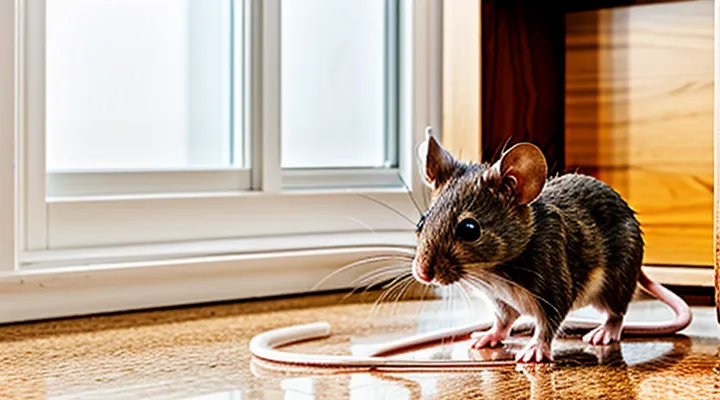
Understanding the Mouse Problem
Signs of Mice Infestation
Droppings and Urine Trails
Mice leave small, dark brown to black droppings about the size of a grain of rice. Spotting these pellets on countertops, cabinets, or near food packages confirms rodent presence. Urine trails appear as faint, wet stains that dry to a yellowish crust, often found along walls, behind appliances, or in concealed corners. Both waste types emit a strong, musky odor when accumulated, indicating active infestation.
Health risks stem from pathogens carried in rodent feces and urine, including hantavirus, salmonella, and leptospirosis. Inhalation of dried droppings or dust contaminated with urine can cause respiratory irritation and more serious illnesses. Immediate containment of exposure is essential.
Cleaning protocol:
- Wear disposable gloves, a mask rated N95, and eye protection.
- Vacuum dry droppings with a HEPA filter vacuum; avoid sweeping to prevent aerosolization.
- Disinfect surfaces with a solution of 1 part bleach to 9 parts water or a commercial rodent‑specific disinfectant. Apply, let stand for at least 10 minutes, then wipe clean.
- Dispose of contaminated materials in a sealed bag placed inside a trash container outside the residence.
Identifying activity zones:
- Trace urine streaks from entry points to food sources; these lines guide placement of traps or bait stations.
- Map droppings clusters to prioritize cleaning and treatment areas.
- Seal cracks, gaps, and openings near identified routes to block further movement.
Regular monitoring after treatment confirms the elimination of droppings and urine signs. Absence of fresh waste for two weeks typically indicates successful control.
Gnaw Marks
Gnaw marks are a primary indicator that rodents are active inside a dwelling. The teeth of a mouse leave shallow, paired incisions on wood, plastic, or electrical wiring. Each bite is about 2‑3 mm deep and creates a clean, V‑shaped notch. Fresh marks appear lighter in color; older ones darken as they oxidize.
Typical locations include baseboards, cabinet backs, pantry doors, and near appliance cords. Mice prefer soft materials such as untreated wood, foam insulation, and plastic sheathing. Damage to electrical cables poses a fire hazard and should be treated as an immediate priority.
To assess the severity of gnawing:
- Examine all accessible seams and joints for paired cuts.
- Trace each mark back to its origin; the starting point often reveals the entry hole.
- Record the dimensions of each incision; marks larger than 2 mm suggest an adult mouse, while smaller ones may indicate juveniles.
Once gnaw marks are confirmed, take the following actions:
- Seal identified entry points with steel wool, copper mesh, or caulking designed for pest exclusion.
- Replace compromised wiring or insulation to eliminate fire risk.
- Deploy snap traps or electronic traps along the identified pathways; position bait near the gnawed area.
- Apply rodent‑resistant materials (e.g., metal plating) to vulnerable surfaces.
- Clean the affected zones with a disinfectant to remove saliva residues that can spread disease.
Monitoring after repairs is essential. Re‑inspect gnaw marks weekly; the absence of new incisions indicates that the infestation is under control. If fresh marks appear, repeat sealing and trapping procedures promptly.
Scratching and Squeaking Sounds
Scratching and squeaking noises are typical indicators of rodent activity within a dwelling. The sounds usually originate from gnawing on insulation, wiring, or wooden structures, and from high‑pitched vocalizations produced during movement or territorial disputes.
- Locate the source by following the sound to walls, ceilings, or floorboards; concentrate on areas with visible droppings, gnaw marks, or shredded material.
- Seal entry points identified during inspection; use steel wool combined with caulking or metal mesh to block gaps around pipes, vents, and baseboards.
- Deploy snap traps or electronic traps directly where the noises are strongest; position them perpendicular to the wall to intersect the mouse’s travel path.
- Apply rodent‑repellent granules or ultrasonic emitters in rooms where the sounds persist; maintain a minimum distance of 12 inches from walls for optimal coverage.
- Monitor traps daily; remove captured rodents promptly and replace bait if activity continues.
Persistent scratching and squeaking suggest an established nest. Remove nesting material, clean the area with a disinfectant solution, and replace damaged insulation or wiring to eliminate shelter and food sources. Regular inspection of potential hiding spots prevents re‑infestation and reduces the likelihood of future acoustic disturbances.
Unpleasant Odors
Mice in a flat leave urine, feces, and occasional carcasses that generate strong, lingering smells. These odors indicate contamination and can attract additional pests.
The scent signals bacterial growth, mold development, and potential disease transmission. Immediate odor removal reduces health risks and discourages further rodent activity.
Effective steps to eliminate unpleasant smells:
- Identify all contaminated areas, including hidden corners, behind appliances, and inside wall voids.
- Dispose of droppings and dead mice in sealed bags; wear gloves and a mask.
- Clean surfaces with hot water and a detergent that cuts grease.
- Apply an enzymatic cleaner to break down organic residues; follow manufacturer’s contact time.
- Disinfect with a solution of 1 part bleach to 9 parts water, focusing on urine‑stained spots.
- Increase ventilation by opening windows and using fans; run a dehumidifier to lower moisture.
- Place activated charcoal or baking soda containers in problem zones to absorb residual odor.
After thorough cleaning, seal entry points, set traps, and maintain regular inspection to prevent recurrence and keep the living space odor‑free.
Why Mice Are Attracted to Your Apartment
Food Sources
Mice are drawn to readily available nourishment; eliminating accessible food stops their activity.
- Unsealed pantry containers, especially for grains, cereals, and nuts.
- Open bags of pet food left on the floor or in cabinets.
- Fruit bowls, vegetable drawers, and compost bins without lids.
- Crumbs on countertops, under appliances, and inside cabinets.
- Sticky residues from sugary drinks or syrups on surfaces.
Secure all items in airtight containers, clean surfaces after each meal, and store waste in sealed bins. Remove any spills immediately and inspect hidden spaces such as behind appliances. By denying food, mice lose the incentive to remain in the residence.
Shelter and Warmth
Mice seek out locations that provide shelter and consistent warmth. Untidy storage areas, piles of cardboard, and unsealed gaps in walls or floors create ideal hideouts. When a dwelling maintains a steady indoor temperature, especially during colder months, rodents find the environment conducive to nesting and reproduction.
To eliminate these attractions, take the following steps:
- Inspect walls, baseboards, and cabinets for cracks or holes; seal them with steel wool and caulk.
- Remove clutter such as stacks of newspapers, fabric remnants, and unused boxes that could serve as nesting material.
- Store food in airtight containers; clean crumbs and spills immediately to deny a food source that often coincides with shelter.
- Reduce ambient warmth in rarely used rooms by lowering thermostat settings or using draft excluders to prevent heat from gathering in concealed spaces.
- Install door sweeps and weather stripping to block entry points that permit warm air and rodents alike.
By systematically denying shelter and limiting heat sources, the habitat becomes unsuitable for mice, encouraging them to leave and preventing new infestations.
Entry Points
Mice gain access to apartments through small openings that often go unnoticed. They can squeeze through gaps as narrow as a quarter of an inch, making thorough inspection essential.
Typical entry points include:
- Gaps around utility pipes and cables.
- Cracks in foundation walls or slab edges.
- Openings beneath doors, especially where weatherstripping is missing.
- Unsealed vents, exhaust fans, and dryer ducts.
- Holes in window frames or damaged screens.
- Openings around cabinets, especially where plumbing penetrates walls.
- Gaps around the refrigerator, stove, or dishwasher where they connect to the building’s structure.
To prevent intrusion, seal each identified opening using appropriate materials: steel wool combined with caulk for irregular gaps, cement or mortar for larger cracks, and metal flashing or hardware cloth for vent openings. Replace worn weatherstripping on doors and install door sweeps to eliminate the space beneath thresholds. Ensure that all window screens are intact and that any holes are patched with fine mesh.
Regularly inspect the exterior of the building, especially after renovations or weather events, to detect new breaches. Maintaining a sealed perimeter removes the primary avenue for mice to enter, significantly reducing the likelihood of infestation.
Immediate Actions and Prevention
Sealing Entry Points
Inspecting Walls and Floors
Inspecting walls and floors is a critical step in eliminating a rodent problem quickly. Look for gnaw marks, fresh droppings, and grease stains that indicate mouse activity. Examine baseboards, corners, and the space behind appliances for small holes or cracks. Use a flashlight to reveal hidden damage in concealed areas such as crawl spaces and under cabinets.
Key inspection points:
- Entry openings – gaps larger than ¼ inch around pipes, vents, and utility lines.
- Structural damage – chewed wood, shredded insulation, and torn drywall.
- Signs of habitation – nests made from shredded paper, fabric, or insulation; urine scent trails.
- Flooring interfaces – loose tiles, lifted flooring, and gaps between flooring and walls.
Document each finding, then seal identified openings with steel wool, copper mesh, or caulk before applying traps or bait. Regularly repeat the inspection after treatment to confirm that no new entry points appear.
Repairing Gaps and Cracks
Mice enter apartments through openings that are too small to notice. Sealing these passages blocks the primary route of access and stops further intrusion.
Identify all potential entry points. Walk around the interior and exterior of the unit, paying particular attention to:
- Gaps around baseboards and trim
- Cracks in walls, especially near windows and doors
- Openings around utility penetrations (pipes, cables, vents)
- Spaces under sinks and behind appliances
- Holes in the foundation or crawl‑space floor
Repair each opening with appropriate materials. Use a high‑quality, rodent‑resistant sealant for gaps less than a quarter inch. For larger cracks, insert steel wool or copper mesh before applying expanding foam, then cover with caulk or plaster. Replace damaged weatherstripping on doors and windows, and install metal flashing where needed.
Maintain the sealants by inspecting them quarterly. Look for signs of wear, such as cracking, peeling, or displacement, and reapply promptly. Regular maintenance eliminates new pathways and reinforces the barrier against rodents.
Using Steel Wool and Caulk
Rodent intrusion in a flat demands immediate sealing of entry points. Steel wool and caulk provide a practical, fast‑acting barrier that mice cannot penetrate.
First, identify gaps around pipes, vents, and foundation cracks. Insert a generous amount of steel wool into each opening, ensuring the material fills the space completely. The coarse fibers irritate mouse whiskers and prevent squeezing through narrow voids.
Second, apply a bead of high‑quality silicone or acrylic caulk over the steel wool. Press the caulk firmly to embed the wool, creating a waterproof, airtight seal. Allow the sealant to cure according to manufacturer instructions before exposing the area to moisture.
Key considerations:
- Use steel wool with a fine gauge (000–00) for tighter gaps.
- Choose caulk that remains flexible; it will accommodate slight building movement without cracking.
- Wear gloves to avoid skin irritation from the wool fibers.
- Replace damaged sections promptly; mice can exploit even small breaches.
The combined use of steel wool and caulk eliminates pathways, discourages re‑entry, and contributes to a long‑term, rodent‑free environment.
Eliminating Food Sources
Storing Food in Airtight Containers
Storing food in airtight containers removes a primary attraction for rodents. When food is sealed, scent emission drops dramatically, limiting the cues mice use to locate nourishment. This practice also prevents accidental spillage that can create secondary feeding sites.
Key benefits of airtight storage:
- Eliminates odors that travel through walls and gaps.
- Blocks access to grains, cereals, nuts, and pet food.
- Reduces the need for frequent cleaning of crumbs and residue.
- Preserves freshness, extending shelf life and reducing waste.
Select containers made of heavy‑gauge plastic, glass, or metal with silicone or rubber gaskets. Ensure lids snap securely and inspect seals regularly for wear. Label each container with contents and date to avoid overstocking, which can increase the risk of infestation. Store containers on elevated shelves rather than directly on the floor, creating an additional barrier to crawling pests.
Implementing this method alongside other exclusion techniques—such as sealing entry points and maintaining a tidy environment—creates a comprehensive deterrent that speeds the removal of mice from residential spaces.
Cleaning Up Crumbs and Spills
Cleaning surfaces eliminates food sources that attract rodents. Remove visible crumbs, dry spilled liquids, and wipe down countertops after each meal. Store food in sealed containers; do not leave pet food uncovered overnight.
- Sweep floors daily, focusing on corners and under appliances.
- Vacuum carpeted areas to extract embedded particles.
- Mop hard‑floor surfaces with a detergent solution, then rinse with clean water.
- Disinfect counters, tables, and cabinet doors using a food‑safe sanitizer.
- Inspect pantry shelves for stray crumbs; wipe them clean before restocking.
Prompt removal of food residues reduces the likelihood that mice will establish a foraging route inside the apartment. Consistent sanitation creates an environment where rodents cannot find sustenance, supporting rapid elimination of the infestation.
Managing Pet Food
Pet food left unsecured provides a reliable food source for rodents, encouraging them to enter living spaces. Proper storage eliminates this attraction and supports rapid mouse control.
Store dry kibble in airtight containers made of metal or thick plastic. Seal lids tightly after each use to prevent scent leakage. Keep containers off the floor, preferably on a shelf or cabinet, to reduce easy access.
For wet food, limit the amount placed out at one time. Discard leftovers within two hours and clean the feeding area with a mild detergent. Rinse bowls thoroughly before refilling to remove residue that may draw pests.
Maintain a regular cleaning schedule:
- Sweep and vacuum daily to remove crumbs.
- Wipe countertops and feeding zones after each meal.
- Empty trash bins daily; use bins with tight‑closing lids.
If multiple pets share a feeding area, consider separate stations with individual containers. This reduces competition and limits the amount of food exposed at any moment.
Monitor pet feeding habits. Adjust portion sizes to match consumption, avoiding excess that could spill or remain uneaten. Smaller, frequent servings reduce waste and scent buildup.
Implement these measures alongside other rodent‑deterrent actions, such as sealing entry points and setting traps, to achieve swift and lasting mouse removal.
Maintaining Cleanliness
Regular Vacuuming and Mopping
Keeping floors clean is a direct method for limiting mouse activity in a dwelling. Food particles, droppings and shredded material provide the scent and nutrition mice need to thrive. Removing these elements through systematic vacuuming and mopping deprives rodents of essential resources and disrupts their travel routes.
Vacuuming should target all floor surfaces at least once daily. Use a vacuum equipped with a HEPA filter to capture fine debris and rodent dander. Pay special attention to corners, behind appliances and under furniture where crumbs accumulate. After each pass, empty the canister or replace the bag to prevent re‑contamination.
- Set vacuum to highest suction setting.
- Move slowly to allow deep extraction of particles.
- Vacuum edges, baseboards and vents.
- Dispose of collected waste in a sealed bag.
Mopping complements vacuuming by eliminating residue that adheres to hard surfaces. Apply a disinfectant solution after vacuuming to break down odor trails and destroy bacterial growth. Use a microfiber mop to ensure thorough coverage; rinse and replace water frequently to avoid spreading contaminants.
- Fill bucket with warm water and EPA‑approved disinfectant.
- Wring mop until damp, not soaked.
- Mop in a back‑and‑forth motion, covering each tile or laminate strip.
- Allow floor to air‑dry before walking across it.
A schedule of daily vacuuming and nightly mopping, combined with proper food storage and sealing of entry points, creates an environment where mice find little to sustain themselves, accelerating their removal from the apartment.
Decluttering and Organizing
A rodent intrusion often begins when food, shelter, and easy pathways are available. Reducing these resources through systematic decluttering removes the conditions that attract mice and limits their ability to establish a nest.
- Clear countertops, tables, and floors of crumbs and food residues.
- Store pantry items in airtight containers made of glass, metal, or heavy‑wall plastic.
- Eliminate stacks of paper, cardboard boxes, and unused appliances that can serve as hiding places.
- Organize closets and storage areas so that items are stacked away from walls, leaving no gaps for entry.
- Keep garbage cans sealed and dispose of waste regularly.
A disciplined organization routine sustains the environment that discourages rodent activity. By maintaining clear surfaces, securing food supplies, and removing potential shelter, the apartment becomes inhospitable to mice, supporting rapid eradication and long‑term prevention.
Waste Management
Effective waste management reduces food sources that attract rodents and supports rapid elimination of an infestation. Store trash in containers with tight-fitting lids; replace lids if they become warped. Empty bins daily, especially in kitchens and bathrooms, to prevent odor buildup that can draw mice.
Maintain clean surfaces. Sweep crumbs, mop spills, and wipe counters after each meal. Use a damp cloth to remove residue from appliance exteriors and behind furniture where debris accumulates.
Implement a regular disposal schedule for organic waste. Seal food scraps in sealed bags before placing them in the main bin. Keep compost bins outdoors or in sealed compartments to eliminate indoor access.
Adopt the following practices:
- Separate recyclables from waste to avoid mixing food residues with dry materials.
- Position waste containers away from walls and appliances to eliminate hiding spots.
- Inspect and repair any gaps in the garbage area that could allow entry.
- Use rodent‑proof trash bags that resist tearing.
Monitor the waste area for signs of gnawing or droppings. Promptly repair damaged lids or seals. Consistent waste control removes the primary incentive for mice, making other control methods more effective and shortening the time needed to eradicate the problem.
Methods for Mouse Removal
Trapping Solutions
Snap Traps
Snap traps provide immediate, lethal control of rodents in a residential setting. The mechanism consists of a spring‑loaded bar that releases on contact, delivering a swift, precise strike to the mouse’s neck. This method eliminates pests without the need for chemicals, reducing the risk of contaminating food surfaces.
Effective use begins with selecting a trap that matches the size of the target animal. Standard mouse traps feature a 2‑inch bait platform; larger variants accommodate rats. Choose models with a sturdy base to prevent movement after activation. Plastic-coated bars reduce corrosion, extending the trap’s lifespan.
Placement determines success. Position traps along established runways: behind appliances, near wall junctions, and within 12‑18 inches of known activity. Align the bait side toward the wall, as rodents prefer to travel with their heads close to surfaces. Use a small amount of high‑fat bait—peanut butter, sunflower seeds, or bits of cheese—secured to the platform to ensure contact.
Safety precautions are mandatory. Wear disposable gloves when handling traps to avoid transferring scent. Keep traps out of reach of children and pets; consider mounting devices on the underside of countertops or inside cabinets. After a capture, seal the dead mouse in a plastic bag, dispose of it in an outdoor trash container, and reset the trap with fresh bait.
Regular maintenance maximizes efficacy. Inspect traps daily; a single capture indicates an active infestation, while multiple captures suggest a decreasing population. Replace worn springs promptly to maintain trigger sensitivity. If snap traps fail to reduce numbers after a week, supplement with additional control methods such as bait stations or exclusion sealing of entry points.
In summary, snap traps deliver rapid, chemical‑free eradication when chosen appropriately, positioned strategically, and managed with consistent monitoring and safety practices.
Live-Catch Traps
Live‑catch traps provide a humane method for removing rodents from a dwelling without killing them. The device consists of a sealed compartment with a trigger mechanism that closes the door when a mouse enters, keeping the animal alive until it is released outdoors.
Key characteristics to consider when selecting a live‑catch trap:
- Size and entry hole – Must accommodate adult mice; a 2‑inch opening is standard.
- Trigger sensitivity – Adjustable pressure ensures the door snaps shut with minimal force.
- Material durability – Heavy‑duty plastic or metal resists gnawing and prolongs service life.
- Ease of cleaning – Smooth interior surfaces allow quick removal of droppings and odors.
Effective placement maximizes capture rates:
- Identify high‑traffic zones such as along walls, behind appliances, and near suspected entry points.
- Position the trap with the entry hole facing the wall; mice prefer to run parallel to surfaces.
- Bait the trap with a strong attractant (peanut butter, cheese, or dried fruit) placed at the far end of the compartment.
- Set multiple traps at intervals of 3–5 feet to cover larger infestations.
After a mouse is caught, follow these steps:
- Transport the trap to a location at least 100 feet from the residence, preferably a wooded area with natural cover.
- Release the animal by opening the door and allowing it to exit voluntarily.
- Wear disposable gloves to prevent disease transmission and wash hands thoroughly afterward.
- Reset the trap with fresh bait and inspect it daily for new captures.
Live‑catch traps eliminate the need for poison, reduce the risk of secondary poisoning, and comply with regulations that restrict lethal methods in certain jurisdictions. Proper use, regular monitoring, and responsible release ensure rapid reduction of rodent activity while maintaining humane standards.
Electronic Traps
Electronic traps provide a rapid, humane solution for eliminating mice that have entered a living space. The devices deliver a high‑voltage shock that kills the rodent instantly, preventing disease transmission and property damage. Because the kill is immediate, there is no risk of prolonged suffering or hidden carcasses that attract predators.
Key considerations for effective use:
- Placement – Position traps along walls, behind appliances, and near known activity trails; mice prefer confined routes.
- Power source – Use models with rechargeable batteries or direct‑plug adapters to ensure uninterrupted operation.
- Safety features – Choose traps equipped with insulated housings and child‑proof switches to avoid accidental contact.
- Maintenance – Empty dead‑rodent chambers daily, clean contact plates with alcohol, and replace batteries according to manufacturer guidelines.
- Effectiveness – Select traps rated for at least 1,000 volts; higher voltage increases kill certainty and reduces escape attempts.
When deployed correctly, electronic traps reduce infestation within hours, eliminate the need for toxic chemicals, and provide clear evidence of each capture for monitoring progress.
Placement Strategies
Effective mouse control begins with precise positioning of traps and bait. Identify entry points—gaps around pipes, vents, and baseboards—and place devices within 1–2 feet of these openings. Position traps perpendicular to walls, with the trigger side facing the wall, because rodents travel close to surfaces. Avoid clutter near traps; clear a small area to ensure unobstructed access.
- Snap traps: Set on established runways, behind appliances, and near stored food. Use a light‑weight bait (peanut butter or dried fruit) and secure the trap to prevent displacement.
- Live‑catch traps: Place in concealed locations such as under cabinets or inside closets, where mice feel safe. Check daily to release captured rodents promptly.
- Bait stations: Install in wall voids, behind furniture, and inside crawl spaces. Seal each station to prevent accidental contact with pets or children.
- Electronic deterrents: Position ultrasonic units at the center of each room, ensuring no large objects block the emitted waves.
- Sealant application: After trapping, apply steel wool or silicone caulk to all identified gaps. Re‑inspect weekly to verify that no new openings appear.
Maintain a clean environment by storing food in airtight containers and disposing of waste regularly. Consistent, well‑planned placement of control devices accelerates mouse elimination and reduces the likelihood of re‑infestation.
Baits and Lures
Types of Bait
Mice attracted to residential spaces require bait that matches their feeding habits while ensuring rapid control. Selecting the appropriate lure influences both effectiveness and safety.
Common bait categories include:
- Anticoagulant rodenticides – contain compounds such as warfarin, brodifacoum, or difenacoum; disrupt blood clotting, leading to death after ingestion.
- Neurotoxic rodenticides – bromethalin and chlorophacinone act on the nervous system; cause rapid incapacitation.
- Metabolic rodenticides – cholecalciferol (vitamin D3) interferes with calcium regulation; results in organ failure within hours.
- Food‑based attractants – peanut butter, cheese, chocolate, and dried fruit provide strong olfactory cues; suitable for snap traps and live‑catch devices.
- Natural attractants – birdseed, sunflower kernels, or grain mixtures; effective for placement in concealed corners where mice forage.
- Synthetic scented baits – commercially prepared formulations mimic common rodent foods; designed for consistent palatability.
When deploying bait, follow these principles:
- Position stations along walls, behind appliances, and near known droppings; mice travel close to surfaces.
- Use tamper‑resistant containers in homes with children or pets; restrict access to non‑target species.
- Rotate bait types every few days to prevent habituation; alternating between anticoagulant and neurotoxic options maintains potency.
- Monitor stations daily; remove uneaten bait to avoid secondary poisoning and replace with fresh material.
- Combine bait with mechanical traps for immediate reduction; baited snap traps increase capture rates while poison works over a longer period.
Proper selection and strategic placement of bait provide a swift, controlled response to mouse activity in apartments, minimizing damage and health risks.
Safety Considerations for Baits
Mice infestations in apartments often lead homeowners to consider poison baits. Proper handling of these products prevents accidental harm and maximizes effectiveness.
- Store baits in locked containers away from food preparation areas.
- Keep all bait stations out of reach of children, pets, and non‑target wildlife.
- Wear disposable gloves when placing or checking stations; discard gloves after use.
- Use tamper‑resistant stations that seal the bait and prevent removal.
- Follow label instructions for dosage; do not exceed recommended amounts.
- Maintain a clean environment around stations to avoid contaminating surfaces.
- Keep the product’s safety data sheet accessible for reference.
Regulatory compliance requires clear labeling, proper disposal, and adherence to local pest‑control statutes. Verify that the bait is approved for residential use and that the packaging includes hazard warnings.
If accidental ingestion occurs, call emergency services or a poison‑control center immediately. Provide product name, amount ingested, and time of exposure. Seek medical evaluation even if symptoms are absent.
Consistent application of these precautions protects occupants, preserves property, and supports swift resolution of a rodent problem.
Strategic Baiting Locations
Effective mouse control depends on positioning bait where rodents travel most often. Place bait in concealed, high‑traffic zones to intercept foraging paths.
- Behind and beneath kitchen appliances such as refrigerators, stoves, and dishwashers, where heat and food residues attract activity.
- Under sinks and around plumbing fixtures, because moisture and occasional crumbs create a reliable feeding corridor.
- Along interior walls, especially where walls meet the floor, since mice habitually run close to surfaces for concealment.
- Near identified entry points—gaps around pipes, vents, or door frames—allowing immediate access to the bait as they breach the apartment.
- Inside cabinet corners and pantry shelves, focusing on the back of stored food items where crumbs accumulate.
- In utility closets or laundry rooms, particularly near washing machines and dryers that generate warmth and occasional food spills.
- Within attic or ceiling crawl spaces that connect to living areas, targeting the concealed routes mice use to move between floors.
- Behind furniture legs and under sofas, exploiting the dark, undisturbed zones that rodents favor for hiding and feeding.
Each location should host a single bait station to prevent competition and maintain the lure’s potency. Replace bait promptly when consumed or after 48 hours to preserve effectiveness. Monitoring stations regularly confirms whether placement aligns with mouse movement patterns and informs any necessary adjustments.
Repellents
Natural Repellents (e.g., Peppermint Oil)
Peppermint oil is a widely recognized natural deterrent for rodents. The strong menthol scent overwhelms a mouse’s olfactory receptors, prompting it to avoid treated areas. Apply the oil directly to cotton balls and place them in corners, behind appliances, and within wall voids. Replace the cotton balls every three to five days, or when the scent fades.
Other plant‑derived repellents function similarly:
- Clove oil: Soak cotton swabs, distribute near entry points, refresh weekly.
- Eucalyptus oil: Spray a 10 % solution on baseboards and shelving; reapply after cleaning.
- Citronella spray: Mix 20 ml of oil with 1 L of water, spray around the perimeter of the apartment; repeat after rain or heavy cleaning.
When using essential oils, observe safety precautions: avoid direct contact with skin, keep away from pets, and ensure adequate ventilation. Do not apply undiluted oil to surfaces that may be damaged by strong solvents.
Combine natural repellents with exclusion methods for faster results. Seal cracks with steel wool and caulk, store food in airtight containers, and maintain a clutter‑free environment to reduce hiding places. This integrated approach reduces mouse activity without relying on chemical poisons.
Ultrasonic Repellents
Ultrasonic devices provide a non‑chemical option for deterring rodents in a dwelling. The units emit sound waves above 20 kHz, a range inaudible to humans but uncomfortable for mice. Continuous exposure forces the pests to vacate the area or prevents new entry.
Effective placement determines performance. Position a unit at least 12 inches off the floor, away from large furniture that could block the wave pattern. Cover each room with a device whose specified range matches the room’s square footage; overlapping zones are unnecessary and may cause interference. Plug the unit into a constant‑power outlet; battery‑powered models lose efficacy after a few weeks. Keep the device on day and night, as mice are active at any hour.
Pros and cons
-
Pros
- No toxic substances, safe for pets and children.
- Silent operation for occupants.
- Minimal maintenance beyond occasional cleaning of the speaker grille.
-
Cons
- Effectiveness declines in cluttered spaces with many obstacles.
- Some mouse populations may habituate after several weeks.
- Devices do not eliminate existing infestations; they only prevent further activity.
When choosing a model, verify the advertised frequency band (typically 20–65 kHz) and ensure the coverage claim aligns with the apartment’s layout. Look for certifications such as UL or CE, a warranty of at least one year, and documented field tests rather than solely marketing claims. User reviews that mention long‑term results are valuable indicators of reliability.
Integrate ultrasonic repellents with complementary measures: seal entry points, remove food sources, and set mechanical traps in high‑traffic zones. This combined approach maximizes the speed and completeness of rodent removal while keeping the living environment free of chemicals.
Limitations of Repellents
Mice infestations in a flat often prompt the use of chemical or ultrasonic repellents, yet several constraints limit their practicality.
- Effectiveness varies by species; house mice may ignore scents that deter other rodents.
- Coverage is restricted to the immediate vicinity of the device; hidden wall voids and ceiling spaces remain untreated.
- Potency declines after a few weeks, requiring replacement or re‑application to maintain any deterrent effect.
- Ultrasonic units lose intensity when obstacles such as furniture or drywall block the wave propagation, creating blind spots.
- Toxic repellents pose health risks to children, pets, and individuals with respiratory sensitivities, limiting their deployment in occupied dwellings.
- Regulatory restrictions in some regions ban certain chemical formulations, reducing product availability.
Because repellents seldom eradicate an established population, they should complement, not replace, trapping, sealing entry points, and sanitation measures. Relying solely on a repellent may give a false sense of control while the infestation persists.
Professional Pest Control
When to Call an Expert
Mice can compromise the safety of a dwelling, damage wiring, and contaminate food. When a small, isolated sighting is managed with traps and sealing, professional assistance is unnecessary. Call a pest‑control specialist under the following conditions:
- Multiple capture attempts fail over several weeks.
- Evidence appears in numerous rooms, indicating a population beyond a few individuals.
- Droppings, gnaw marks, or urine stains are found near electrical panels, plumbing, or food storage areas.
- Structural damage is visible, such as chewed insulation, exposed wires, or compromised walls.
- Residents experience allergic reactions, asthma flare‑ups, or other health concerns linked to rodent contamination.
- Entry points cannot be located or sealed with standard DIY methods.
Professional services provide comprehensive inspection, targeted baiting, and guaranteed exclusion measures that exceed the capabilities of consumer‑grade products. Prompt engagement prevents escalation, reduces repair costs, and restores a hygienic environment.
Benefits of Professional Services
When rodents invade a living space, professional pest‑control providers deliver results that exceed DIY attempts. Their expertise eliminates the problem quickly and prevents recurrence.
- Certified technicians identify entry points and seal them with materials that withstand gnawing.
- Specialized baiting and trapping systems target hidden populations without exposing residents to hazardous chemicals.
- Ongoing monitoring plans detect new activity early, allowing immediate corrective action.
- Compliance with health‑safety regulations ensures that treatment methods meet legal standards and protect occupants.
- Warranty guarantees reinforce accountability and reduce long‑term costs.
Choosing a licensed service eliminates guesswork, reduces the risk of property damage, and restores a safe environment faster than self‑managed solutions.
After Mouse Removal
Post-Extermination Cleaning
Disinfecting Contaminated Areas
Rodent activity leaves urine, feces, and saliva that can harbor pathogens. Immediate disinfection of all affected surfaces reduces health risks and prevents re‑contamination.
Use EPA‑approved disinfectants effective against hantavirus, salmonella, and leptospirosis. Suitable options include a 1:10 dilution of bleach (5.25 % sodium hypochlorite), 70 % isopropyl alcohol, or commercial quaternary ammonium solutions. Verify label instructions for required contact time, typically 5–10 minutes.
- Wear disposable gloves, mask, and eye protection.
- Collect droppings and nesting material with a damp paper towel; avoid dry sweeping.
- Wash the area with hot, soapy water to remove organic matter.
- Apply the chosen disinfectant, ensuring full coverage of walls, floors, cabinets, and countertops.
- Keep the surface wet for the specified contact time; do not rinse unless the product label advises.
- Allow the area to air‑dry completely before restoring normal use.
After treatment, inspect for remaining stains or odors. Repeat disinfection if new droppings appear. Maintaining sealed entry points and regular cleaning sustains a safe living environment.
Proper Disposal of Carcasses
When a mouse dies in a residential unit, swift and hygienic removal prevents disease spread and eliminates unpleasant odors. Follow these steps to ensure safe disposal.
- Wear disposable gloves and, if available, a mask. This reduces direct contact with pathogens that may be present in the carcass.
- Place the dead mouse in a sealable plastic bag. Expel excess air before sealing to limit the risk of leakage.
- Double‑bag the sealed container. The outer bag provides an additional barrier in case the inner bag tears.
- Dispose of the double‑bagged carcass in a trash bin designated for regular waste. Do not place it in recycling or compost streams.
- If local regulations require it, label the bag as “dead animal” and submit it to a municipal collection point or pest‑control service. Check city ordinances for any specific disposal mandates.
- After handling, discard gloves, wash hands thoroughly with soap, and clean any surfaces that may have been contaminated with a disinfectant solution containing at least 70 % alcohol or a diluted bleach mixture (1 part bleach to 9 parts water).
Prompt disposal eliminates health hazards, complies with housing‑authority standards, and supports ongoing pest‑management efforts.
Preventing Future Infestations
Ongoing Vigilance
When the initial mouse problem is resolved, continuous monitoring becomes essential to prevent recurrence. Regular inspection of potential entry points, such as gaps around pipes, vents, and doors, reveals new vulnerabilities before they become active pathways. Maintain a schedule for checking these areas at least weekly during the first month, then monthly thereafter.
Implement a systematic observation routine:
- Examine kitchen cabinets, pantry shelves, and garbage containers for droppings, gnaw marks, or nesting material.
- Test door sweeps and weather stripping for wear; replace any damaged sections promptly.
- Verify that window screens are intact and securely fastened.
- Set up motion-activated or passive infrared sensors in concealed corners; review recorded activity weekly.
- Keep a log of sightings, trap placements, and bait usage to identify patterns and adjust strategies.
Combine vigilance with immediate response. If evidence of activity appears, re‑deploy snap traps or electronic devices in the affected zone, and reinforce nearby seals. Persistent documentation and prompt corrective action create a feedback loop that deters rodents from re‑establishing a foothold.
Regular Maintenance Checks
Regular maintenance checks are a critical component of effective rodent control in residential units. Systematic inspections identify entry points, food sources, and nesting sites before infestations become severe, allowing swift corrective actions.
Key inspection areas include:
- Exterior walls and foundation for gaps larger than ¼ inch; seal with steel wool and caulk.
- Utility penetrations such as pipes, vents, and cable conduits; install metal flashing or mesh.
- Kitchen cabinets, pantry shelves, and countertop edges; keep surfaces clean and store food in airtight containers.
- Basement and crawl‑space insulation; remove debris and ensure proper ventilation to discourage nesting.
- Garbage disposal areas; verify that bins have tight‑fitting lids and are emptied regularly.
A practical schedule:
- Monthly – Visual sweep of interior rooms, focusing on corners, behind appliances, and under furniture.
- Quarterly – Detailed exterior review, including roof eaves, soffits, and drainage systems.
- Bi‑annual – Comprehensive assessment of structural integrity, with professional pest‑management consultation if needed.
Documentation of each inspection, noting observed deficiencies and remedial actions, creates a traceable record that supports ongoing prevention. Prompt repair of identified vulnerabilities reduces the likelihood of mouse activity and minimizes the need for emergency extermination measures.