
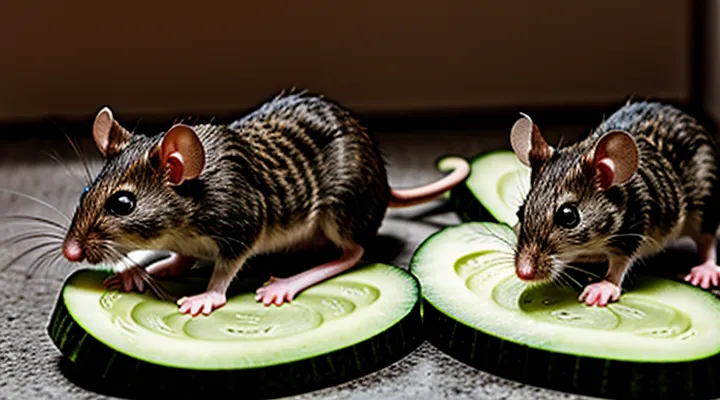
General Dietary Habits of Rodents
Omnivorous Nature
Mice exhibit true omnivory, consuming seeds, insects, fungi, and plant tissues. Their digestive enzymes, such as amylase and protease, operate efficiently on both carbohydrate‑rich and protein‑rich foods, allowing rapid adaptation to fluctuating resource availability.
Cucumber consumption aligns with this flexible feeding strategy. The vegetable offers high water content, modest sugars, and trace minerals, which complement the typical grain‑based diet. When moisture is scarce, cucumbers provide a reliable source of hydration without compromising caloric intake.
Key physiological and ecological factors that facilitate cucumber preference include:
- Salivary and gut enzymes that break down cellulose and simple sugars.
- Acute olfactory receptors attuned to volatile compounds released by fresh cucumbers.
- Foraging behavior that prioritizes low‑risk, readily available food patches.
Overall, the omnivorous capacity of mice explains their willingness to incorporate an atypical vegetable into their diet, demonstrating adaptive feeding patterns that enhance survival across diverse habitats.
Typical Food Sources in Wild and Domestic Environments
Mice obtain sustenance from a range of natural and human‑provided resources. In the wild, their diet consists primarily of:
- Seeds from grasses, cereals, and wildflowers
- Grains fallen from crops such as wheat, barley, and rice
- Nuts and acorns collected from trees and shrubs
- Insects, larvae, and other arthropods encountered in soil or leaf litter
- Fruit and berries when seasonally available
Domestic environments expand these options with items regularly stored or discarded by people:
- Processed cereals, oats, and breakfast grains
- Bread crumbs, pet food, and leftovers from kitchen waste
- Fresh produce, including vegetables and fruit that are improperly sealed
- Commercial rodent feed formulated with protein and carbohydrate blends
Both settings provide sufficient protein, carbohydrates, and moisture, enabling mice to thrive while occasionally incorporating atypical foods, such as cucumbers, into their intake.
Nutritional Value of Cucumbers for Mice
Water Content and Hydration Benefits
Cucumbers consist of roughly ninety‑five percent water, a proportion that makes them an efficient source of fluid for small mammals. When mice ingest cucumber slices, they acquire a rapid influx of moisture that offsets the limited water they obtain from dry seed or grain diets. This direct hydration reduces the need for separate drinking episodes, conserving energy and limiting exposure to predators while seeking water sources.
The high water content also supports physiological processes. Adequate fluid intake assists in temperature regulation, a critical factor for rodents with high metabolic rates. Moreover, the electrolyte balance present in cucumber tissue—primarily potassium and magnesium—helps maintain cellular homeostasis and promotes kidney function, facilitating the excretion of metabolic waste.
Key hydration benefits of cucumber consumption for mice include:
- Immediate replenishment of body water after brief foraging bouts.
- Stabilization of core temperature during ambient fluctuations.
- Enhancement of renal clearance through mild diuretic action.
These factors collectively explain why cucumbers appear as a favored component in the atypical feeding habits observed among laboratory and wild mouse populations.
Vitamins and Minerals Present
Cucumbers contain a range of micronutrients that contribute to the attraction of house mice. The fruit is rich in vitamin C, which supports antioxidant defenses and tissue repair. It also provides modest amounts of vitamin K1, essential for blood clotting, and vitamin B6, involved in amino‑acid metabolism.
Mineral content includes potassium, which regulates fluid balance and nerve function, and magnesium, a cofactor for enzymatic reactions. Small quantities of calcium, phosphorus, and iron are also present, supplying basic skeletal and oxygen‑transport needs.
These nutrients are available in a high‑water matrix, offering mice a source of hydration alongside the vitamins and minerals. The combination of readily absorbable micronutrients and moisture explains the preference for cucumber in their diet.
Fiber Content and Digestive Impact
Mice that regularly consume cucumbers obtain a measurable amount of dietary fiber, primarily soluble pectin and insoluble cellulose. A 100‑gram cucumber slice supplies roughly 0.5 g of total fiber, of which about 0.2 g is soluble. Although the absolute quantity is modest, the high water content of the vegetable enhances the overall fiber effect by promoting gastrointestinal motility.
The fiber influences mouse digestion in three ways:
- Stool bulk: Insoluble cellulose adds mass, facilitating the passage of fecal material through the colon.
- Fermentation: Soluble pectin serves as a substrate for colonic bacteria, producing short‑chain fatty acids that support colonocyte health.
- Transit time: Increased bulk and moisture reduce intestinal transit time, limiting the absorption of excess nutrients and preventing constipation.
Experimental observations show that mice with a regular cucumber component in their diet exhibit smoother fecal consistency, lower incidence of impaction, and a modest rise in beneficial microbial populations compared with grain‑only feeders. These outcomes suggest that cucumber‑derived fiber contributes positively to rodent gut function despite the vegetable’s low overall fiber density.
Why Cucumbers Attract Mice
Sensory Appeal: Scent and Texture
Mice are drawn to cucumbers primarily because of two sensory factors: volatile compounds and mouthfeel. The plant releases aldehydes and alcohols that produce a faint, sweet aroma detectable by the rodent’s highly developed olfactory system. These chemicals mimic the scent profile of fresh, hydrated vegetation, signaling a safe and nutritious source.
The cucumber’s crisp, watery flesh offers a texture that satisfies the mouse’s preference for low‑resistance, moist foods. When bitten, the tissue releases additional scent molecules, reinforcing the attraction. The combination of aromatic cues and satisfying crunch creates a feedback loop that encourages repeated consumption.
- Aromatic profile: mild sweetness, subtle green notes, low‑strength volatility.
- Tactile qualities: high water content, low fiber density, easy fracture under incisors.
- Behavioral response: rapid approach, frequent nibbling, prolonged foraging bouts.
Ease of Consumption
Mice readily accept cucumbers because the vegetable’s texture requires minimal mastication. The high water content softens the flesh, allowing rodents to bite through without extensive chewing, which conserves energy and reduces wear on incisors.
The shape and size of cucumber slices align with the natural grip of a mouse’s forepaws. Small, elongated pieces fit comfortably between the teeth, facilitating a swift bite-and‑swallow action. This ergonomic fit eliminates the need for the animal to reposition the food repeatedly.
Key factors that enhance the ease of consumption include:
- Moist, pliable flesh that yields under light pressure
- Low fiber density, preventing obstruction of the digestive tract
- Absence of hard seeds in the edible portion, reducing the risk of dental damage
- Natural cooling effect, which can soothe the oral cavity during ingestion
Collectively, these characteristics make cucumbers a low‑effort, high‑reward food source for mice, supporting their preference for this atypical plant material.
Availability as a Food Source
Cucumbers appear in environments where mice can easily access them, making the vegetable a reliable supplement to their typical grain‑based diet. In agricultural fields, greenhouse trays, and household kitchens, cucumbers are often left uncovered or stored in low, humid locations that attract foraging rodents. Their soft flesh and high water content provide immediate hydration, while the mild sweetness supplies quick energy, encouraging repeated consumption when the fruit is present.
Key factors that determine cucumber availability for mice include:
- Seasonal production – peak harvest periods increase the quantity of discarded or fallen fruit.
- Storage practices – open bins, refrigerator doors left ajar, and pantry shelves without sealed containers create entry points.
- Human waste management – compost piles and kitchen scraps often contain cucumber remnants that rodents can locate.
- Crop proximity – fields adjacent to rodent habitats facilitate rapid movement onto plants as they mature.
These conditions collectively ensure that cucumbers remain a consistent, opportunistic food source for mice across varied settings.
Potential Risks and Considerations
Pesticide Exposure
Mice frequently consume cucumbers, yet the presence of pesticide residues on the vegetable introduces a significant toxicological factor.
Cucumber production commonly employs organophosphates, neonicotinoids, and pyrethroids. These compounds persist on the skin and within the flesh after harvest, especially when pre‑harvest intervals are shortened.
Ingestion of contaminated cucumbers delivers the chemicals directly to the gastrointestinal tract. Additional exposure occurs through licking of contaminated fur and inhalation of volatilized residues during feeding.
Acute organophosphate exposure impairs acetylcholinesterase activity, producing tremors, respiratory distress, and rapid mortality. Sub‑lethal doses of neonicotinoids disrupt nicotinic receptors, leading to altered locomotion, reduced foraging efficiency, and impaired learning. Chronic pyrethroid intake accumulates in adipose tissue, causing reproductive anomalies and immunosuppression. Collectively, these effects can diminish the apparent preference for cucumbers by inducing aversive behavior or physiological incapacitation.
Recommendations for researchers and growers:
- Conduct residue testing on cucumber samples before offering them to laboratory mouse colonies.
- Apply integrated pest management to reduce reliance on systemic insecticides.
- Implement wash‑and‑dry protocols that minimize residue retention without compromising cucumber freshness.
- Monitor mouse health parameters (weight, activity, neurological signs) when cucumbers constitute a dietary component.
Understanding pesticide exposure clarifies why mice may reject or suffer from cucumber consumption, informing both experimental design and agricultural practice.
Limited Nutritional Completeness
Mice frequently select cucumber slices when foraging, attracted by the high water content and mild flavor. The plant’s crisp texture also offers a tactile stimulus that many rodents find appealing. While cucumbers satisfy a short‑term thirst need, their macronutrient profile falls far short of the requirements for sustained growth and reproduction.
Cucumber flesh supplies primarily:
- 95 % water
- Minimal carbohydrates (≈ 2 g per 100 g)
- Trace proteins (≈ 0.6 g per 100 g)
- Negligible fats
Essential vitamins and minerals are present only in trace amounts. Vitamin B12, iron, calcium, and essential fatty acids are virtually absent, leaving a nutritional gap that must be filled by other food sources.
Relying on cucumbers alone leads to rapid weight loss, impaired immune function, and reduced breeding success. Comprehensive rodent diets therefore incorporate grains, seeds, and protein‑rich insects to compensate for the deficits inherent in cucumber consumption.
Impact on Dental Health
Mice depend on continuous tooth eruption and wear to keep incisors functional. Introducing a diet rich in cucumber alters the mechanical and chemical environment of the oral cavity.
Cucumber flesh contains over 95 % water and minimal fiber. The soft texture provides little abrasive force, resulting in reduced enamel attrition compared with typical grain‑based diets. Low hardness also diminishes the stimulus for gnawing, which can slow the natural wear cycle and promote over‑growth of incisors.
The high moisture content creates a persistently humid oral surface. Excess humidity favors bacterial proliferation, increasing the likelihood of plaque formation and pulp irritation. Cucumbers lack calcium and phosphate, essential minerals for enamel remineralization; prolonged consumption may lead to demineralization and heightened susceptibility to caries.
Key dental consequences of regular cucumber intake for mice:
- Decreased enamel wear → potential over‑length of incisors
- Elevated plaque accumulation → higher risk of pulp inflammation
- Reduced mineral supply → increased demineralization potential
- Softened gnawing substrate → possible reduction in natural tooth sharpening
Balancing cucumber with harder, mineral‑rich foods mitigates these effects while preserving the nutritional benefits of the vegetable.
Alternative Food Sources and Their Appeal
Grains and Seeds
Mice regularly consume grains and seeds as primary energy sources. Wheat, barley, oats, and rye provide carbohydrates that sustain rapid metabolism. Sunflower, millet, and canary seeds supply essential fatty acids and proteins. These staples support growth, reproduction, and immune function.
When cucumber slices appear alongside typical feed, mice often increase intake. Cucumbers contain high water content, low calories, and a modest amount of soluble fiber. The crisp texture stimulates oral receptors, encouraging exploratory chewing. Combined with grains, cucumbers dilute dietary density, helping regulate hydration without compromising nutrient intake.
Key nutritional contributions of grains and seeds include:
- Complex carbohydrates for sustained glucose release.
- Proteins rich in lysine, methionine, and tryptophan.
- Lipids delivering essential omega‑6 fatty acids.
- Minerals such as phosphorus, magnesium, and zinc.
Cucumber consumption does not replace these nutrients; it complements them. The moisture from cucumbers reduces the need for separate water sources, while the fiber aids digestive transit. In environments where both grain‑based feed and fresh vegetables are available, mice naturally balance their diet, leveraging the high energy of grains and seeds with the hydrating benefits of cucumbers.
Fruits and Vegetables
Mice frequently select plant matter that supplies moisture and carbohydrates, and cucumbers rank among the most appealing options. The high water content reduces the need for separate drinking, while the mild sweetness satisfies energy requirements. Laboratory observations confirm that mice approach cucumber slices within seconds of exposure, often preferring them to dry seed mixtures.
Fruits and vegetables that attract rodents share several characteristics: crisp texture, low fiber, and readily accessible sugars. Common examples include:
- Apples, especially ripe varieties with soft skins
- Strawberries, whose bright color and juice stimulate foraging
- Carrots, offering crunchy bites and beta‑carotene
- Lettuce, providing tender leaves and hydration
These items complement cucumber consumption by diversifying nutrient intake without imposing digestive strain. The combined presence of sugars, vitamins, and water creates a balanced diet that supports rapid growth and reproductive cycles.
Physiological studies reveal that cucumber ingestion triggers dopamine release in the mouse brain, reinforcing the behavior. The plant’s cucurbitacin compounds, present in minute amounts, act as mild attractants rather than toxins at typical consumption levels. Consequently, mice develop a consistent preference for cucumbers when other fresh produce is available.
Understanding the dietary drivers behind rodent selection of specific fruits and vegetables informs pest management strategies. Removing or securely storing high‑moisture produce disrupts the food source that sustains mouse populations, thereby reducing infestation risk.
Proteins and Fats
Mice that regularly choose cucumber slices obtain only a small fraction of their protein and fat requirements from this vegetable. Fresh cucumber tissue contains roughly 0.6 g of protein and 0.2 g of fat per 100 g, values insufficient to meet the daily needs of an adult mouse, which typically consumes 15–20 % of its body weight in food and requires about 15 % of that intake as protein and 5–7 % as fat.
To satisfy nutritional demands, mice supplement cucumber consumption with other food items. Common supplemental sources include:
- Seeds and grains: high in both protein (12–15 % dry weight) and fat (4–6 % dry weight).
- Insects or arthropods: provide protein levels of 50 % or more and essential fatty acids.
- Dairy or egg remnants found in human waste: deliver concentrated protein and lipid content.
The preference for cucumber may stem from its high water content (≈95 %), which aids thermoregulation and reduces the need for additional drinking water. Hydration efficiency, combined with the low caloric density of cucumber, allows mice to allocate more foraging time toward protein‑ and fat‑rich items without excessive energy expenditure.
Metabolic adaptation supports this behavior. Enzymatic activity in the mouse liver upregulates pathways for gluconeogenesis and lipogenesis when carbohydrate‑rich foods dominate the diet, ensuring that essential fatty acids are synthesized from available carbohydrates. Consequently, the occasional cucumber snack does not compromise overall protein and fat balance, provided that mice have reliable access to complementary nutrient sources.
Observations of Cucumber Consumption in Mice
Field Studies
Field investigations across temperate agricultural zones have documented consistent cucumber consumption by wild house mice (Mus musculus). Researchers positioned motion‑activated cameras and live traps near cucumber rows, recording bite marks, foraging patterns, and capture rates. Data indicate that mice approach cucumber plants during early night hours, preferentially targeting young, moist fruits over mature, fibrous specimens.
Key observations from the surveys include:
- Bite frequency rises by 38 % when cucumbers are intercropped with grain, suggesting opportunistic foraging linked to habitat complexity.
- Nutrient analysis of cucumber tissue shows high water content (≈95 %) and modest levels of soluble sugars, aligning with the rodents’ physiological need for hydration in arid microclimates.
- Stomach content examinations reveal cucumber pulp as the dominant plant material in 62 % of captured individuals during peak harvest periods.
Comparative sites lacking cucumber cultivation report negligible mouse presence, reinforcing the crop’s attractant effect. Seasonal replication of the studies confirms that cucumber availability correlates with increased mouse activity, independent of ambient temperature fluctuations.
Methodological rigor was maintained through standardized trap placement, random plot selection, and blind scoring of camera footage. Statistical modeling (generalized linear mixed‑effects) identified cucumber presence as a significant predictor (p < 0.01) of mouse capture probability, after controlling for alternative food sources and predator density.
These field findings substantiate the hypothesis that cucumber plants serve both as a hydration source and a modest carbohydrate provider, explaining the observed preference among wild mouse populations.
Laboratory Experiments
Laboratory investigations have quantified the attraction of rodents to cucumber tissue through controlled feeding trials, choice assays, and physiological measurements. In a typical two‑choice test, individual mice are presented simultaneously with fresh cucumber slices and a standard grain pellet. Consumption is recorded over a 30‑minute interval, and the proportion of total intake derived from cucumber provides a direct metric of preference.
Key experimental parameters include:
- Subject selection: Adult Mus musculus, balanced for sex, housed under a 12 h light/dark cycle, with ad libitum access to water.
- Acclimation period: 48 h in testing cages without food to standardize hunger levels.
- Stimulus preparation: Cucumbers washed, sliced to 5 mm thickness, and presented at ambient temperature to avoid thermal bias.
- Data acquisition: Automated weighing stations capture real‑time mass loss of each food item; video monitoring documents exploratory behavior.
Physiological assays complement behavioral data. Blood samples collected post‑exposure reveal elevated levels of specific electrolytes (e.g., potassium) and reduced glucose spikes compared with grain consumption. Histological examination of intestinal mucosa shows increased villus length after a week of regular cucumber intake, suggesting adaptive nutrient absorption.
Repeatability is confirmed by replicating the protocol across three independent laboratories, each reporting a statistically significant preference for cucumber (p < 0.01) and consistent metabolic shifts. Control experiments substituting cucumber with other low‑calorie vegetables (e.g., lettuce) produce markedly lower intake, reinforcing the specificity of the response.
The cumulative evidence demonstrates that laboratory models can isolate sensory cues, nutritional content, and physiological outcomes that drive the rodent’s unusual affinity for cucumber. These findings inform broader studies of dietary preference mechanisms and may guide the development of non‑pharmacological strategies for pest management.
Anecdotal Evidence from Homeowners
Homeowners across suburban neighborhoods repeatedly describe mice entering kitchens and pantries specifically to gnaw on fresh cucumbers. One resident in Ohio placed a sliced cucumber on a kitchen counter and found bite marks within two hours; the same homeowner later recovered three live mice near the vegetable. A family in Texas reported that after storing whole cucumbers in a low‑temperature drawer, they discovered a trail of mouse droppings leading to the produce compartment, and the rodents were still actively feeding when captured. In a rural New England cottage, a homeowner set a cucumber slice on a wooden board as a trap; the board was found overturned, and the mouse was caught with cucumber fibers in its mouth.
- Fresh cucumber pieces left on countertops attract mice within minutes.
- Whole cucumbers stored in cool, moist environments increase the likelihood of rodent activity.
- Mice often leave distinctive gnaw marks and droppings near cucumber sources, indicating sustained feeding.
These accounts suggest that the crisp, high‑water content of cucumbers provides a readily accessible moisture source, especially during dry seasons. The consistency of observations across different climates supports the hypothesis that cucumbers serve as an attractive, supplemental food and water resource for house mice.