
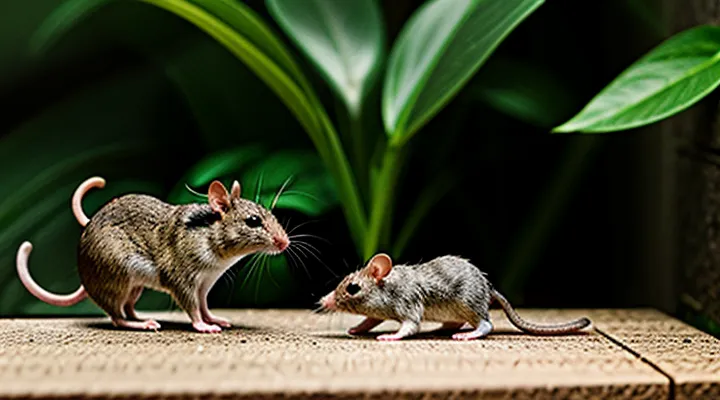
Introduction
Mice and rats are frequently examined together because they share a common order, yet they exhibit distinct biological and behavioral traits. Researchers compare these rodents to clarify taxonomic classification, assess laboratory suitability, and evaluate ecological impact.
Key aspects of the comparison include:
- Taxonomy: Both belong to the family Muridae, but differ at the genus level; mice are typically classified under Mus while rats fall under Rattus.
- Size and morphology: Rats generally exceed mice in body length and weight, possess larger incisors, and display a more robust skull structure.
- Reproductive capacity: Mice reach sexual maturity earlier and produce larger litters relative to body size, whereas rats have longer gestation periods and slightly smaller litters.
- Behavioral patterns: Rats demonstrate higher levels of neophobia and complex social hierarchies, whereas mice exhibit greater exploratory activity and rapid habituation to novel environments.
- Research applications: Mice dominate genetic studies due to the availability of inbred strains and transgenic techniques; rats are preferred for physiological and behavioral experiments requiring larger subjects.
Understanding these differences and commonalities informs experimental design, pest management strategies, and ecological assessments.
Physical Characteristics
Size and Weight
Body Length
Mice typically measure 6–10 cm from nose to the base of the tail, while rats range from 15–25 cm for the same segment. The tail adds roughly 5–10 cm in mice and 15–20 cm in rats, resulting in total lengths of about 10–20 cm for mice and 30–45 cm for rats.
Key factors influencing body length:
- Species: Mus musculus (house mouse) and Rattus norvegicus (Norwegian rat) exhibit distinct size ranges.
- Age: Juvenile individuals are markedly shorter; adult measurements stabilize after sexual maturity.
- Sex: Males generally exceed females by 10–15 % in both groups.
- Nutrition: Adequate protein and caloric intake correlate with increased growth rates.
Measurement standards:
- Position the animal on a flat surface, align the head and tail along a straight line.
- Use a calibrated digital caliper or ruler; record to the nearest millimeter.
- Exclude tail length when comparing core body size to avoid species‑specific tail variability.
These dimensions affect locomotion, habitat selection, and predator avoidance, providing a quantifiable basis for distinguishing the two rodent groups.
Tail Length
Tail length serves as a primary morphological marker distinguishing the two most common laboratory rodents. In mice, the tail typically measures 5–10 cm, representing 75–100 % of body length. The structure is thin, lightly furred, and highly flexible, enabling rapid thermoregulation and balance during climbing. In contrast, rat tails range from 15–20 cm, accounting for 50–60 % of body length. The tail is thicker, more heavily furred, and contains a well‑developed vascular network that supports heat exchange and moisture retention.
Key comparative points:
- Proportional size: Mouse tail length closely matches overall body length; rat tail length exceeds body length by a smaller proportion.
- Surface characteristics: Mouse tails are sparsely haired; rat tails possess dense fur covering most of the surface.
- Physiological function: Both species use tails for thermoregulation, but rats rely more on vasodilation in the tail’s extensive blood vessels, while mice depend on the tail’s high surface‑area‑to‑volume ratio.
- Locomotor role: Mice employ the tail for precise balance during vertical movement; rats use it primarily for stability while navigating broader surfaces.
Understanding these distinctions aids in species identification, experimental design, and interpretation of physiological data where tail morphology influences heat loss, sensory input, and locomotor behavior.
Appearance
Head Shape
Head shape provides a reliable morphological marker for distinguishing between the two most common laboratory rodents and for recognizing their shared rodent heritage.
- Mice possess a relatively triangular skull with a short, blunt snout; the rostral region tapers sharply toward the nose.
- Rats display a more elongated skull; the snout extends forward, creating a rectangular profile when viewed laterally.
- The interorbital width in mice is narrow, producing closely spaced eyes, whereas rats have a broader interorbital distance, giving a wider facial appearance.
- Mice exhibit a pronounced, rounded cranial vault; rats show a flatter cranial dome with a slight sagittal ridge.
Both species share several cranial characteristics that reflect their placement in the Muridae family.
- The basic bone structure includes the same major elements: nasal, frontal, parietal, and occipital bones.
- Dental arrangement follows the same pattern of a single pair of continuously growing incisors in each jaw.
- The auditory bullae are present in both, though size varies, and serve the same function in sound transmission.
- Musculature attached to the mandible and temporalis regions conforms to a common rodent configuration, supporting gnawing behavior.
These morphological details enable precise identification and inform comparative studies of physiology, behavior, and genetics.
Ear Size
Ear dimensions influence auditory sensitivity, thermoregulation, and predator detection in small rodents. In mice, the pinna typically measures 5–7 mm in length, proportionally larger relative to head size than in rats, whose ears range from 12–15 mm. This disparity reflects divergent ecological niches: mice rely on high‑frequency sound detection, while rats benefit from broader frequency coverage.
Key comparative points:
- Relative size: mouse ear length averages 0.15 × head width; rat ear length averages 0.10 × head width.
- Surface area: mouse pinna surface area is approximately 30 mm²; rat pinna surface area reaches 80 mm².
- Thickness of cartilage: mouse ear cartilage is thinner, enhancing flexibility; rat cartilage is thicker, providing structural stability.
Both species possess external ears composed of a thin skin layer, cartilage framework, and a vascular network that aids heat dissipation. The basic anatomical layout—pinna, auditory canal, and tympanic membrane—is conserved, indicating a shared evolutionary origin despite size variations.
Fur Color and Texture
Mice and rats exhibit distinct fur coloration that aids species identification and reflects ecological adaptation. Laboratory mice commonly display white, albino, or agouti coats, while wild mice range from gray to brown, often with dorsal stripes. Rats typically possess brown, black, or gray coats; the Norway rat frequently shows a darker dorsal surface with a lighter ventral side, whereas the black rat presents uniformly dark fur. Both groups may develop seasonal color changes, such as lighter pelage in winter.
Fur texture varies between the two rodents. Mouse hair is generally finer, shorter, and less dense, providing a soft, velvety feel. Rat hair is coarser, longer, and more densely packed, resulting in a sturdier coat that resists abrasion. The undercoat of mice is thin, while rats possess a thicker insulating layer beneath the guard hairs.
Key points of comparison
- Color range: Mice display broader variability, including patterned coats; rats tend toward uniform darker shades.
- Hair length: Mouse guard hairs average 4–6 mm; rat guard hairs reach 8–10 mm.
- Density: Rat pelage contains approximately 1.3 times more hairs per square centimeter than mouse pelage.
- Texture: Mouse fur feels softer; rat fur feels coarser and more resistant to wear.
Despite these differences, both species share a two‑layered fur structure—guard hairs overlaying a softer undercoat—and undergo regular molting cycles that replace old fur with new growth. This dual arrangement supports thermoregulation and protection across diverse habitats.
Behavioral Differences
Social Structure
Colony Size
Colony size refers to the number of individuals that share a common living space and interact regularly. In rodents, it influences resource competition, disease transmission, and reproductive output.
In laboratory environments, mouse colonies are typically maintained at 5 – 10 breeding pairs per cage, resulting in 10 – 20 animals per unit. Rat colonies are usually housed with 2 – 3 breeding pairs per cage, yielding 4 – 6 individuals per unit. These densities reflect species‑specific space requirements and behavioral tendencies.
In natural habitats, mouse populations form dense patches that may contain hundreds of individuals within a few square meters of cover. Rat populations establish larger, more dispersed colonies, often occupying entire building complexes or sewer networks, with estimates ranging from dozens to several hundred individuals per site.
- Mouse colonies: high local density, small spatial footprint, rapid turnover.
- Rat colonies: moderate local density, extensive spatial footprint, slower turnover.
Understanding these numerical patterns clarifies how each species adapts to confined versus open environments and informs management strategies for research facilities and pest control programs.
Hierarchy
Rodent social organization is structured around dominance hierarchies that regulate access to resources, breeding opportunities, and group cohesion. In laboratory and wild populations, both mice and rats establish linear or semi‑linear orders, but the mechanisms and stability of these hierarchies differ.
Mice form relatively fluid hierarchies. Dominance is expressed through brief aggressive encounters, ultrasonic vocalizations, and scent marking. Subordinate individuals rapidly adjust behavior after a single challenge, leading to frequent rank turnover. Hierarchical status influences stress hormone levels, with dominant mice exhibiting lower corticosterone concentrations than subordinates. Group size amplifies instability; larger mouse colonies show more frequent reshuffling of ranks.
Rats develop more rigid hierarchies. Dominance is reinforced by prolonged territorial patrols, overt aggression, and grooming of lower‑rank members. Established alpha individuals maintain control over food and nesting sites for extended periods, and subordinate rats display consistent submissive postures. Hierarchical stability correlates with reduced aggression overall, as clear rank definitions minimize repeated confrontations. In multi‑generational colonies, hierarchical positions are often inherited, preserving lineage dominance.
Key points of comparison:
- Stability: Rat hierarchies are long‑lasting; mouse hierarchies are transient.
- Expression: Mice rely on brief vocal and olfactory signals; rats employ sustained physical and social behaviors.
- Physiological impact: Both species show stress hormone gradients, but rats exhibit a stronger correlation between rank and chronic cortisol levels.
- Group dynamics: Larger mouse groups increase rank volatility; larger rat groups tend to reinforce existing dominance structures.
Understanding these hierarchical patterns clarifies how two closely related rodent species manage competition, resource allocation, and social cohesion despite sharing many ecological traits.
Diet
Omnivores vs. Herbivores
Mice and rats exhibit distinct dietary strategies that reflect their ecological niches. Both species belong to the order Rodentia, yet mice typically consume a broader range of food items, while rats display more specialized preferences in certain environments.
- Mice are classified as omnivores: they ingest seeds, grains, insects, and occasional animal protein. Their digestive system processes both plant fibers and animal tissues efficiently, allowing rapid adaptation to fluctuating food supplies.
- Rats are predominantly herbivores in many urban and agricultural settings, relying on vegetation, fruits, and cereal residues. Some rat populations incorporate insects or carrion when plant material is scarce, but the majority of their intake remains plant-based.
Physiological differences support these habits. Mice possess a higher proportion of salivary amylase, facilitating starch breakdown from diverse plant sources, while also producing enzymes capable of digesting chitin from insects. Rats exhibit larger cecal fermentation chambers, optimizing cellulose fermentation and nutrient extraction from fibrous plant matter.
Behavioral observations align with dietary classifications. Mice demonstrate opportunistic foraging, exploring varied microhabitats to locate protein-rich sources. Rats tend to establish feeding territories focused on abundant vegetation, reducing the need for extensive range exploration.
Understanding the omnivore‑herbivore contrast clarifies how these rodents coexist, compete, and respond to environmental changes. The divergence in diet influences population dynamics, disease transmission potential, and the impact of each species on agricultural ecosystems.
Foraging Habits
Both house mice (Mus musculus) and Norway rats (Rattus norvegicus) rely on opportunistic foraging to meet their energetic demands, exploiting human‑derived food sources as well as natural items such as seeds, insects, and plant material. Their foraging cycles are driven by nocturnal activity patterns, high metabolic rates, and the need to minimize exposure to predators.
-
Similarities
-
Differences
- Mice often forage within a smaller home range (approximately 10–30 m²) and perform frequent, short trips to food sources, whereas rats maintain larger territories (up to 200 m²) and can travel longer distances between foraging bouts.
- Rats exhibit stronger tactile exploration, using whisker‑mediated assessment of food texture, while mice rely more heavily on gustatory feedback.
- In competitive settings, rats dominate larger food items and can displace mice from high‑value resources; mice compensate by exploiting smaller, less contested food particles.
- Seasonal foraging intensity diverges: mice increase activity during colder months to meet higher thermoregulatory costs, whereas rats maintain relatively stable foraging rates year‑round.
These patterns reflect adaptive strategies that enable both species to coexist in shared environments while maintaining distinct ecological niches.
Habitat and Nesting
Preferred Environments
Mice thrive in cluttered, low‑profile habitats where concealment is abundant. Typical settings include:
- Small burrows beneath floorboards, walls, or stored materials.
- Dense vegetation in fields, gardens, and compost heaps.
- Warm, humid spaces such as basements and crawl spaces.
Rats favor larger, more open structures that provide easy access to water and food sources. Common environments consist of:
- Sewer systems and drainage pipes.
- Outdoor burrows near water bodies, including rivers and ponds.
- Urban infrastructure like dumpsters, alleys, and abandoned buildings.
Both species demonstrate adaptability to human‑occupied areas. Mice exploit minor cracks and gaps to enter homes, while rats use larger openings to navigate between streets and interior spaces. Preference for proximity to food supplies drives occupation of pantries, grain stores, and waste receptacles for both, though rats typically dominate locations with higher traffic and larger debris. Temperature tolerance overlaps; mice tolerate cooler conditions within insulated cavities, whereas rats maintain activity in warmer, more exposed zones. The convergence of these factors creates overlapping zones where both rodents may coexist, yet distinct structural requirements preserve separate niche preferences.
Nest Construction
Mice construct nests primarily from soft materials such as shredded paper, cotton, or plant fibers. Their nests are compact, often built within wall cavities or under furniture, and serve as both shelter and a site for rearing young. Nest geometry tends to be spherical or dome‑shaped, with multiple layers that provide insulation against temperature fluctuations.
Rats favor larger, more complex structures. They incorporate sturdier items like wood shavings, cardboard, and even discarded plastic. Nests are commonly located in basements, sewers, or outdoor burrows. Architecture frequently includes separate chambers for sleeping, food storage, and offspring, reflecting a higher degree of spatial organization.
Both species share several construction principles:
- Use of readily available debris to minimize energy expenditure.
- Preference for concealed locations that reduce predator exposure.
- Inclusion of nesting material that retains warmth and moisture.
Key distinctions arise from body size and social behavior. Mice, being smaller and less gregarious, produce single‑occupancy nests with minimal internal division. Rats, larger and more social, build multi‑entrance nests that accommodate several individuals simultaneously. These differences influence nest durability, thermal regulation, and reproductive success.
Reproduction
Gestation Period
The gestation period defines the interval between conception and birth and serves as a primary indicator of reproductive speed in small rodents.
Mice reach parturition after approximately 19 – 21 days of pregnancy, while rats typically deliver after 21 – 23 days. Slight variations occur among strains and under differing environmental conditions, but the ranges remain narrowly confined.
- Both species exhibit a brief gestational span compared with larger mammals.
- Litter sizes increase as gestation progresses, yet the overall developmental stage at birth is similar: offspring are altricial, hair‑covered, and reliant on maternal care.
- The hormonal cascade that initiates labor is comparable, involving progesterone withdrawal and a surge of prostaglandins.
These points illustrate that, despite minor numerical differences, the reproductive timing of mice and rats aligns closely, reflecting their shared evolutionary adaptations to rapid population turnover.
Litter Size
Litter size is a primary metric for evaluating reproductive capacity in small rodents.
Laboratory mice typically produce 4 – 12 pups per gestation, with most strains averaging 6 – 8. Domestic and wild mice show similar ranges, though elite breeding lines may exceed 12. Rat litters generally contain 6 – 14 offspring, averaging 8 – 12. The upper limits for rats exceed those of mice by 2 – 4 individuals on average.
Both species generate litters that represent a high proportion of adult body mass, enabling rapid population growth under favorable conditions. Gestation periods are short—approximately 19–21 days for mice and 21–23 days for rats—allowing several breeding cycles annually. Consequently, each species can produce multiple litters within a year, sustaining comparable turnover rates.
Key distinctions in litter size include:
- Absolute number: rats consistently deliver larger litters than mice.
- Variability: rat litters display greater fluctuation across strains and environmental contexts.
- Frequency: mice may achieve slightly shorter inter‑litter intervals, compensating for smaller litter size with more frequent breeding events.
Understanding these quantitative differences informs colony management, population modeling, and comparative physiology studies.
Similarities
Classification
Rodentia Order
The order Rodentia comprises the most diverse group of mammals, encompassing over 2,400 species that share a single pair of continuously growing incisors in each jaw. These incisors are adapted for gnawing, a trait that defines the order and distinguishes its members from other mammals.
Mice and rats belong to the family Muridae, the largest family within Rodentia. Both genera—Mus (mice) and Rattus (rats)—exhibit the characteristic rodent dentition, a high reproductive rate, and a capacity to thrive in varied habitats, from wild ecosystems to human‑dominated environments. Their morphological differences include body size, tail length, and cranial proportions, while their physiological and behavioral traits remain largely consistent with other murids.
Key attributes of Rodentia relevant to the comparison of mice and rats:
- Dental structure: ever‑growing incisors with a self‑sharpening enamel‑dentin arrangement.
- Reproductive strategy: short gestation periods, large litter sizes, rapid maturation.
- Ecological adaptability: ability to exploit diverse food sources and nesting sites.
- Sensory systems: well‑developed olfactory and auditory capabilities for foraging and predator avoidance.
The order also contains other families—such as Sciuridae (squirrels), Castoridae (beavers), and Cricetidae (voles and hamsters)—that share the same dental specialization but differ markedly in size, habitat preference, and social organization. Understanding the broader characteristics of Rodentia provides a framework for evaluating the specific similarities and differences between mice and rats, clarifying how these two species exemplify the evolutionary success of the order while retaining distinct adaptations.
Muridae Family
The Muridae family encompasses the most diverse group of rodents, including the species commonly referred to as mice and the broader array of rat-like animals. As the largest mammalian family, Muridae contains over 1,400 species distributed across all continents except Antarctica, occupying habitats ranging from forests and grasslands to urban environments.
Members of Muridae share several anatomical characteristics: a single pair of continuously growing incisors, a robust skull with a well‑developed auditory bulla, and a relatively short tail that may be hairless or furred. Their dental formula (I 1/1, C 0/0, P 0/0, M 3/3) distinguishes them from other rodent families and underpins the ability to gnaw a variety of materials.
Genetic studies reveal that mice (genus Mus) and rats (primarily Rattus) diverged from a common murid ancestor approximately 12–15 million years ago. Despite this separation, both groups retain a high degree of chromosomal similarity, which facilitates cross‑species comparison in biomedical research. Key points of convergence and divergence include:
- Reproductive strategy – both exhibit rapid breeding cycles; mice reach sexual maturity at 6–8 weeks, rats at 8–10 weeks.
- Body size – mice average 15–30 g, rats range from 150 g to over 500 g, influencing metabolic rate and habitat use.
- Social behavior – mice form loose colonies, while many rat species develop complex hierarchical structures.
- Disease susceptibility – overlapping pathogen profiles make both valuable models for studying zoonotic infections.
Ecologically, murids serve as primary seed dispersers and prey for numerous predators, thereby shaping trophic dynamics. Their adaptability to human environments has led to significant population densities in cities, where they impact food storage, infrastructure, and public health.
Understanding the taxonomic placement and shared traits of Muridae provides a foundation for distinguishing the nuanced differences and commonalities between mouse and rat species, informing both scientific investigation and pest management strategies.
Adaptability
Urban Environments
Mice and rats coexist throughout metropolitan areas, exploiting the abundance of food waste, shelter, and human activity. Their presence is detectable in residential blocks, commercial districts, and transportation hubs, where they interact with built infrastructure and public health systems.
Key distinctions in urban settings
- Habitat selection: mice favor interior spaces such as wall voids, ceilings, and kitchen cabinets, while rats predominantly occupy sub‑grade environments, including sewers, basements, and outdoor burrows.
- Foraging behavior: mice often scavenge on crumbs and stored pantry items; rats target larger refuse, organic debris, and occasional pet food.
- Mobility: rats exhibit stronger swimming ability and can traverse long distances via underground networks, whereas mice rely on shorter, above‑ground routes.
- Social structure: rats form hierarchical colonies with defined dominance ranks; mice tend to maintain looser groupings with less pronounced social stratification.
Shared urban characteristics
- High reproductive rates enable rapid population expansion under favorable conditions.
- Adaptability to varied microclimates permits survival in both heated interiors and unheated outdoor locales.
- Capacity to transmit zoonotic pathogens, including hantavirus, leptospirosis, and Salmonella, poses consistent public‑health concerns.
- Dependence on human‑generated waste makes municipal sanitation practices a critical control factor.
Understanding these distinctions and commonalities informs targeted pest‑management strategies, infrastructure design, and disease‑prevention policies within densely populated environments.
Rural Environments
In rural settings, both small rodents occupy niches that shape agricultural ecosystems. Mice tend to inhabit stored grain, field margins, and burrows near crop roots, while rats prefer sewers, barns, and larger burrow systems close to water sources. Their distribution reflects differing tolerance for open fields versus sheltered structures.
Key ecological contrasts:
- Habitat preference: mice favor dry, concealed spaces; rats thrive in moist, larger cavities.
- Foraging range: mice travel short distances from nests; rats cover broader territories, often crossing field boundaries.
- Reproductive output: mice produce several litters of up to eight offspring each year; rats generate fewer litters but larger litters, up to twelve young.
Shared characteristics include nocturnal activity, omnivorous diets, and capacity to transmit pathogens to livestock and humans. Both species exploit crop residues, seed stores, and waste, contributing to post‑harvest losses and contaminating feed supplies.
Management implications for farmers:
- Secure grain storage with metal‑tight containers to deter entry.
- Remove standing water and debris that provide shelter for larger rodents.
- Implement regular monitoring using snap traps or live‑capture devices to assess population trends.
- Apply targeted rodenticides only after confirming species identification to avoid non‑target impacts.
Understanding these distinctions and overlaps enables precise control measures that protect yields while minimizing ecological disruption.
Health Risks
Disease Transmission
Mice and rats serve as reservoirs for a wide range of pathogens that affect humans and domestic animals. Both species can harbor bacteria, viruses, parasites, and fungi, yet the prevalence and diversity of these agents differ according to habitat, behavior, and physiology.
Rodents transmit disease through several mechanisms:
- Direct contact with saliva, urine, or feces;
- Contamination of food, water, or surfaces;
- Bites or scratches;
- Ectoparasite vectors such as fleas, mites, and ticks.
Mice commonly spread agents like Salmonella spp., Leptospira interrogans, and hantaviruses. Their small size and tendency to infiltrate indoor environments increase the risk of aerosolized exposure to hantavirus particles from dried urine or feces. Rats, particularly Rattus norvegicus and Rattus rattus, are associated with Yersinia pestis, Bartonella spp., and Leptospira spp., and they frequently serve as hosts for fleas that transmit plague and murine typhus.
Key distinctions in transmission dynamics include:
- Habitat preference: Mice often occupy domestic settings, whereas rats are more prevalent in sewers, grain storage, and outdoor waste sites.
- Population density: Rat colonies typically reach higher numbers, amplifying pathogen load and environmental contamination.
- Vector relationships: Rats maintain stronger associations with flea species that act as primary vectors for several zoonoses, while mice rely more on direct environmental exposure.
Similarities arise from shared physiological traits that permit colonization by comparable microbes, and from overlapping food sources that facilitate cross‑species infection. Control strategies must address both species simultaneously, employing integrated pest management, sanitation improvements, and targeted rodenticide application to reduce the reservoir potential and interrupt transmission pathways.
Property Damage
Both mice and rats inflict notable damage on residential and commercial structures. Their ability to gnaw through a wide range of materials creates direct threats to building integrity and occupant safety.
The two species share several destructive behaviors. They chew on electrical wiring, exposing live conductors and increasing fire risk. Their nests incorporate shredded insulation, fabrics, and paper, reducing thermal efficiency and promoting mold growth. Excreta and urine contaminate stored food, surfaces, and air, leading to health hazards and costly decontamination. Both rodents exploit gaps as small as a quarter‑inch, allowing entry into walls, attics, and crawl spaces where they can compromise structural components.
Key distinctions influence the pattern and severity of damage. Rats, being larger and possessing stronger incisors, can sever thicker cables and breach reinforced wood more readily than mice. Their preference for larger openings results in damage to exterior doors, vent covers, and utility penetrations. Mice, confined to tighter spaces, focus damage on delicate components such as thin insulation layers, delicate circuitry, and small vent ducts. Consequently, rat activity often manifests as visible gnaw marks on bulkier materials, while mouse damage appears in finer, hidden areas.
Typical property damage includes:
- Severed or exposed electrical wiring
- Compromised insulation and thermal barriers
- Contaminated food stocks and pantry items
- Chewed structural wood, beams, and drywall
- Damaged plumbing seals and flexible tubing
Effective control measures require sealing entry points to dimensions below a quarter‑inch, installing rodent‑resistant materials, and implementing regular inspections of wiring and insulation. Prompt identification of gnaw marks and droppings reduces repair costs and prevents escalation of structural compromise.
Prevention and Control
Identification
Tracks and Droppings
Tracks left by rodents provide reliable identification without visual contact. Mice typically produce fine, shallow footprints measuring 2‑3 mm in length, with four distinct toe marks and a small claw impression. Rat prints are larger, 4‑6 mm long, show five toe marks, and display a more pronounced claw imprint. Footprint patterns also differ: mice often run on their toes, leaving a narrow stride, while rats place more weight on their heels, resulting in a broader stride and occasional drag marks from their longer tails. When examining flooring or dust, note the size, toe count, and stride width to separate the two species.
Droppings reveal diet, health, and species. Mouse feces are about 2‑6 mm long, 1‑2 mm wide, smooth, and dark brown to black. Rat feces range from 10‑20 mm in length, 3‑5 mm wide, with a slightly pointed tip and a coarser texture. Both are dry, but rat droppings may contain visible undigested grain fragments. Concentration of droppings can indicate activity zones: mice favor hidden corners and walls, producing scattered small piles; rats prefer pathways and near food sources, creating larger, more consolidated deposits. Recognizing these dimensions and distribution patterns enables accurate species determination and informs targeted control measures.
Gnaw Marks
Gnaw marks are a primary indicator of rodent activity, revealing feeding habits, material preferences, and territorial behavior. Both small rodents produce distinctive incisions when chewing wood, plastic, or wiring, but the size, spacing, and depth of the marks differ markedly between species.
- Mice create shallow, evenly spaced bites roughly 2–3 mm in diameter, often arranged in a linear pattern along edges.
- Rats generate deeper, broader cuts up to 6 mm wide, with irregular spacing and occasional overlapping grooves.
- Both species leave parallel ridges when gnawing soft materials, yet rats’ marks may display a pronounced V‑shaped profile due to stronger jaw muscles.
Recognition of these traits aids in species identification, enabling targeted pest management. Accurate assessment of gnaw mark dimensions informs the selection of appropriate control measures, such as bait placement or structural reinforcement, and reduces the risk of damage to infrastructure.
Exclusion Methods
Sealing Entry Points
Effective control of rodent populations begins with eliminating the pathways that allow them to enter structures. Both house mice and Norway rats exploit gaps as small as a quarter‑inch, so comprehensive sealing is essential for any management program.
Typical entry points include:
- Cracks in foundation walls and floor joists
- Gaps around utility penetrations such as pipes, cables, and vent ducts
- Openings around doors, windows, and garage doors, especially weather‑stripping that is damaged or missing
- Holes in soffits, eaves, and roof vents
- Unsealed gaps beneath crawl‑space access doors or lift‑hatches
Sealing techniques that provide lasting protection:
- Apply steel wool or copper mesh to fill small cracks before applying a sealant; rodents cannot gnaw through these metals.
- Use a high‑quality, rodent‑resistant caulk or polyurethane sealant to close larger gaps; ensure the product remains flexible to accommodate building movement.
- Install metal flashing or hardware cloth (minimum 1/4‑inch mesh) over vent openings and utility penetrations, then seal edges with expanding foam designed for exterior use.
- Replace damaged weather‑stripping on doors and windows with durable, compression‑type strips that maintain a tight seal when closed.
- For crawl‑space entries, fit a solid metal door or heavy‑duty hinged panel, securing it with self‑drilling screws and sealing all surrounding seams.
Regular inspection of the building envelope, especially after seasonal weather changes, helps identify new gaps before rodents can exploit them. Consistent application of these sealing measures reduces the likelihood of infestations by both species, supporting long‑term pest management objectives.
Trapping Techniques
Effective control of small rodents requires techniques that reflect behavioral and physiological distinctions between mice and rats. Mice exhibit higher curiosity and quicker movement, while rats display greater strength and a tendency to avoid confined spaces. These traits influence trap selection, placement, and baiting strategies.
- Snap traps: spring‑loaded devices that deliver rapid lethal force. Suitable for both species; larger models accommodate rats, smaller models target mice. Position perpendicular to wall, with trigger end facing the rodent’s travel path.
- Live‑capture cages: wire mesh enclosures that close when the animal enters. Preferred when relocation is required. Use bait that appeals to the specific species—grain for mice, protein‑rich foods for rats. Ensure cage dimensions exceed the animal’s body length by at least 2 cm to prevent injury.
- Glue boards: adhesive surfaces that immobilize rodents. Effective for mice due to lighter weight; rats may escape by climbing. Place near walls and inspect frequently to reduce suffering.
- Electronic traps: high‑voltage devices that cause instantaneous death. Applicable to both species, provided the power rating matches the target’s size. Maintain clean contact plates for consistent performance.
- Flood/overflow traps: containers filled with water or a drowning agent. Rats can be trapped if the entry point is large enough; mice often avoid water, limiting usefulness.
Optimal deployment follows a systematic approach: identify active runways, set traps perpendicular to walls, use species‑appropriate bait, and check traps at least twice daily. Rotate trap types to prevent habituation and maintain efficacy across varying rodent populations.
Professional Pest Control
When to Call an Expert
Mice and rats share habitats, reproductive traits, and disease vectors, yet their behavior, size, and nesting preferences differ enough to require distinct management strategies. Recognizing when professional assistance is necessary prevents escalation, protects health, and safeguards property.
Typical scenarios that warrant expert intervention include:
- Persistent infestations despite regular traps or bait stations, indicating hidden colonies or resistant populations.
- Evidence of disease transmission, such as rodent droppings in food preparation areas, where sanitation alone is insufficient.
- Structural damage to insulation, wiring, or stored goods that exceeds the capacity of DIY repairs.
- Uncertainty about species identification, which influences the choice of control methods and legal compliance.
- Compliance requirements for commercial or laboratory settings where precise documentation of pest control measures is mandatory.
Veterans in rodent management provide species‑specific knowledge, access to regulated control products, and the ability to conduct comprehensive inspections. Engaging them early reduces long‑term costs and minimizes health risks associated with misidentifying or mishandling these pests.
Integrated Pest Management
Integrated Pest Management (IPM) provides a systematic framework for controlling rodent populations while minimizing environmental impact. Effective application of IPM to both house mice and Norway rats requires recognition of species‑specific behavior, habitat preferences, and reproductive rates.
Accurate identification of infestations guides the selection of appropriate measures. Mice typically occupy indoor spaces, exploit small openings, and reproduce rapidly, whereas rats favor outdoor burrows, larger entry points, and exhibit more extensive foraging ranges. These distinctions influence monitoring techniques, exclusion methods, and bait placement.
IPM implementation follows a sequence of actions:
- Inspection and monitoring: Deploy tracking boards, motion‑activated cameras, and bait stations to establish activity patterns and population density.
- Exclusion: Seal gaps larger than ¼ inch for mice and larger than ½ inch for rats; install door sweeps, window screens, and foundation repairs.
- Sanitation: Remove food residues, store grain in sealed containers, and manage waste to reduce attractants.
- Mechanical control: Employ snap traps or electronic devices positioned along established runways; select trap size according to target species.
- Chemical control: Apply rodenticides in tamper‑resistant bait stations; rotate active ingredients to prevent resistance, adhering to label directions and local regulations.
- Evaluation: Re‑assess activity levels after each intervention cycle; adjust tactics based on observed effectiveness.
Integration of these components reduces reliance on chemicals, limits non‑target exposure, and supports long‑term population suppression. Continuous education of occupants, regular maintenance of structural barriers, and documentation of control outcomes reinforce the IPM program’s resilience against both mouse and rat challenges.