
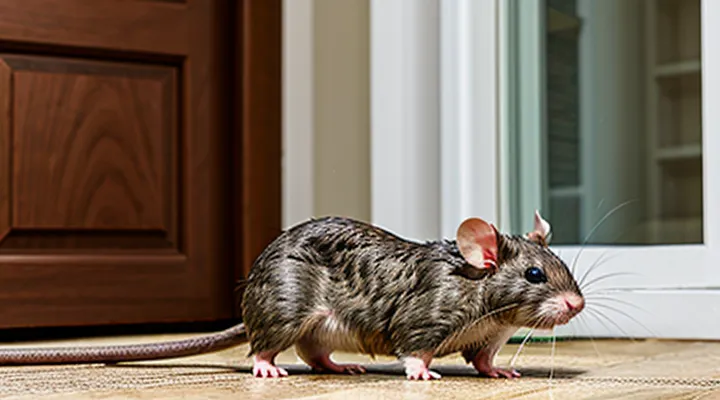
Understanding Rat Lifespan in Domestic Environments
Factors Influencing Longevity
Genetic Predisposition
Genetic predisposition determines the lifespan potential of rat breeds kept as household companions. Specific alleles influence metabolic rate, immune competence, and organ durability, creating measurable differences between lines. Selective breeding that favors low‑frequency disease‑associated mutations extends average survival from the typical two‑to‑three years to four years or more in certain populations.
Key genetic contributors include:
- Reduced expression of pro‑aging cytokines, lowering chronic inflammation.
- Enhanced DNA repair enzyme activity, decreasing accumulation of cellular damage.
- Variants that modulate thyroid hormone production, resulting in slower metabolism.
- Coat‑type genes linked to skin integrity, reducing susceptibility to dermatitis and related infections.
Breeding programs that prioritize these traits show consistent longevity gains across generations. Pedigree analysis confirms that offspring inheriting the favorable allele combinations retain extended life expectancy without compromising fertility or temperament.
Management practices must align with genetic potential. Providing balanced nutrition, environmental enrichment, and routine health monitoring maximizes the expression of longevity‑associated genes, ensuring that the inherent lifespan advantages of the selected breeds are fully realized.
Environmental Enrichment
Rats that achieve the greatest ages in domestic environments require more than proper nutrition and veterinary care; they also need a stimulating habitat that mirrors natural behaviors. Environmental enrichment supplies the mental and physical challenges necessary for sustained health, directly influencing longevity.
Key enrichment components include:
- Physical structures: tunnels, climbing platforms, and multi‑level cages encourage exploration and muscle development.
- Foraging opportunities: puzzle feeders, hidden treats, and substrate bedding that allow rats to dig and search for food.
- Social interaction: compatible conspecifics, regular handling, and safe play sessions reduce stress and promote social bonding.
- Sensory variety: rotating toys, varied textures, and safe aromatic items stimulate olfactory and tactile senses.
Each element contributes to measurable outcomes: reduced incidence of stereotypic behaviors, lower cortisol levels, and improved cardiovascular function. Studies on long‑lived pet rat strains show that individuals with consistent enrichment exhibit average lifespans up to 30 % longer than those housed in barren conditions.
Implementing enrichment effectively requires routine assessment. Caregivers should:
- Observe activity patterns for signs of disengagement.
- Rotate or replace items weekly to prevent habituation.
- Ensure all materials are non‑toxic and sized appropriately to avoid injury.
- Document health metrics alongside enrichment changes to identify beneficial practices.
By integrating these strategies, owners create an environment that supports the physiological resilience and behavioral wellbeing essential for extending the life expectancy of the most enduring rat varieties kept at home.
Nutritional Impact
Nutritional strategies directly affect the lifespan of domesticated rat varieties renowned for longevity. Adequate protein levels, balanced with essential amino acids, support tissue repair and immune function. Excessive fat accelerates weight gain, leading to cardiovascular strain and reduced life expectancy.
Key dietary components:
- Protein: 18‑22 % of total calories; sources include high‑quality rodent pellets, boiled eggs, and lean meat.
- Fat: 5‑8 % of calories; incorporate omega‑3‑rich oils (e.g., flaxseed) in limited amounts to mitigate inflammation.
- Fiber: 4‑6 % of diet; supply through timothy hay, oat bran, or vegetable scraps to maintain gastrointestinal motility.
- Vitamins and minerals: Ensure adequate vitamin C, B‑complex, calcium, and phosphorus; deficiencies impair bone health and metabolic processes.
Feeding schedule matters. Multiple small meals (2‑3 times daily) prevent rapid glucose spikes, which correlate with insulin resistance in rodents. Fresh water must be available at all times; chlorinated supply can be filtered to avoid gastrointestinal irritation.
Supplementary interventions:
- Probiotics: Daily administration of Lactobacillus strains improves gut flora balance, enhancing nutrient absorption.
- Antioxidants: Low‑dose vitamin E or selenium reduces oxidative damage, a known factor in age‑related decline.
- Caloric restriction: A controlled 10‑15 % reduction in overall intake, without malnutrition, extends median lifespan in several rat studies.
Monitoring body condition score (BCS) weekly provides early detection of obesity or malnutrition. Adjust portions promptly to keep BCS within the optimal range (3‑4 on a 5‑point scale). Consistent application of these nutritional guidelines maximizes health span and supports the extended longevity observed in the longest‑living pet rat breeds.
Veterinary Care
Effective veterinary care is essential for extending the lifespan of domesticated rat breeds known for longevity, such as the Dumbo, African Pygmy, and Standard Fancy. Regular health assessments by a qualified small‑animal veterinarian should occur at least twice yearly. During examinations, professionals evaluate weight, dental condition, coat quality, and respiratory function, documenting any deviations from breed‑specific norms.
Preventive measures include:
- Vaccination and parasite control: While routine vaccinations are uncommon for rats, veterinarians may recommend prophylactic treatments against ectoparasites and internal worms based on regional risk factors.
- Dental maintenance: Continuous tooth growth necessitates regular inspection; overgrown incisors require trimming under anesthesia to prevent malocclusion and associated pain.
- Nutritional guidance: Balanced diets featuring high‑quality pellet base, limited fresh vegetables, and minimal sugary treats reduce obesity risk and support organ health.
- Environmental hygiene: Clean cages weekly, replace bedding regularly, and ensure adequate ventilation to limit exposure to ammonia and respiratory pathogens.
Early detection of illness relies on owner vigilance. Signs warranting immediate veterinary attention include:
- Sudden weight loss or gain.
- Nasal discharge, sneezing, or wheezing.
- Changes in grooming behavior or coat texture.
- Lethargy, reduced mobility, or abnormal posture.
- Persistent diarrhea or blood in feces.
Treatment protocols often involve fluid therapy, antibiotics tailored to identified bacterial agents, and supportive care for respiratory conditions. Pain management follows guidelines for small mammals, employing low‑dose analgesics approved for rodents.
Record keeping enhances long‑term outcomes. Document each health visit, medication administered, and observed behavioral changes. This data enables veterinarians to identify trends, adjust preventive strategies, and refine care plans for each long‑lived rat breed in a household setting.
Top Rat Breeds Known for Extended Lifespans
Fancy Rats
Agouti Rats
Agouti rats are distinguished by a coat that blends brown, black, and white hairs, a pattern that also signals a robust genetic background. In domestic environments, these rodents regularly achieve lifespans of 3 to 4 years, surpassing many common pet rat varieties. Longevity correlates with several husbandry factors that owners can control.
- Nutrition: A diet high in protein, low in fat, and supplemented with fresh vegetables supports digestive health and reduces the risk of metabolic disorders.
- Housing: Spacious cages with solid flooring, regular cleaning, and enrichment items such as tunnels and chew toys minimize stress and encourage physical activity.
- Health monitoring: Routine veterinary checks, prompt treatment of respiratory infections, and vigilant observation for signs of tumors contribute to extended survival.
- Breeding practices: Selecting parents free of hereditary defects and avoiding inbreeding preserve genetic vigor, which directly influences lifespan.
Agouti rats display a lower incidence of common ailments such as pituitary adenomas compared with albino strains, a factor that partially explains their greater longevity. Their moderate size and calm temperament facilitate handling, allowing owners to detect health changes early. Consistent application of the above care principles yields the most reliable outcomes for prolonged life expectancy in home settings.
Black Rats
Black rats (Rattus rattus) rank among the longest‑living rodent varieties kept as pets. In optimal indoor conditions they can survive 3 to 5 years, occasionally reaching 6 years when genetics, diet, and environment align.
Key factors that extend their lifespan include:
- Consistent temperature between 18 °C and 24 °C, avoiding drafts and extreme heat.
- Low‑stress housing: spacious cages, enrichment items, and minimal handling stress.
- Balanced nutrition: commercial rodent pellets supplemented with fresh vegetables, limited fruits, and occasional protein sources.
- Regular veterinary checks: early detection of respiratory infections, dental overgrowth, and parasites.
Compared with other long‑lived domestic rats, such as the dwarf hairless and standard brown varieties, black rats share similar longevity potential but differ in susceptibility to certain ailments. Their sleek coat offers less protection against humidity, making proper cage ventilation essential to prevent skin and respiratory problems.
Effective maintenance practices:
- Clean cage weekly; replace bedding to reduce ammonia buildup.
- Monitor weight weekly; a sudden loss may indicate illness.
- Provide chewable objects to wear down continuously growing incisors.
- Rotate enrichment items to stimulate mental activity and prevent boredom.
When these conditions are met, black rats achieve the upper range of life expectancy for home‑kept rats, making them a viable choice for owners seeking a relatively long‑lived companion.
Blue Rats
Blue rats, a distinctive color morph of the domesticated fancy rat, rank among the longest‑living varieties when maintained in a household environment. Their average lifespan ranges from 2.5 to 3.5 years, with well‑cared individuals reaching four years or more.
Genetic factors contribute to longevity. The blue coat results from a recessive dilution gene that does not impair health; instead, it correlates with robust immune function observed in breeding records. Selective breeding programs prioritize individuals with stable coat coloration and minimal hereditary defects, reinforcing the breed’s durability.
Optimal husbandry enhances survival prospects. Key practices include:
- Providing a spacious cage (minimum 2 ft × 1 ft per rat) with multiple levels to encourage exercise.
- Supplying a balanced diet of high‑quality rodent pellets, supplemented with fresh vegetables and occasional protein treats.
- Maintaining ambient temperature between 68 °F and 75 °F and humidity near 50 % to prevent respiratory stress.
- Conducting quarterly health checks, focusing on dental wear, skin condition, and weight stability.
- Implementing a regular enrichment schedule with chew toys, tunnels, and social interaction to reduce stress‑related disorders.
Breeding considerations further extend lifespan. Pairings should avoid close inbreeding; a coefficient of relationship below 12.5 % minimizes the risk of congenital anomalies. Litters born to mature, healthy parents typically exhibit higher weight gain and lower mortality during the neonatal period.
Overall, blue rats exemplify a breed whose genetic makeup and proper home care combine to produce a notably extended lifespan among pet rodents.
Dwarf Rats
Characteristics and Health
Long‑lived pet rat breeds exhibit distinct physical and behavioral traits that contribute to their extended lifespan.
- Dumbo rats: enlarged, forward‑facing ears; calm disposition; mature at 8 weeks, average lifespan 3–4 years.
- Hairless (Sphynx) rats: lack of fur reduces grooming time; higher susceptibility to temperature fluctuations; lifespan 2.5–3 years.
- Standard albino rats: bright pink eyes, white coat; robust immune system; lifespan 2–3 years.
- Finnish Lemming rats: dense coat, active nature; generally healthy with proper diet; lifespan up to 4 years.
Health management for these breeds centers on nutrition, environment, and preventive care. A balanced diet of high‑quality rat pellets supplemented with fresh vegetables and limited protein supports digestive health and prevents obesity. Enclosures must provide adequate ventilation, chewable materials, and temperature stability between 18 °C and 24 °C to avoid respiratory infections and thermoregulation issues, especially for hairless varieties. Regular veterinary check‑ups, including dental examinations, are essential because incisor overgrowth can lead to malocclusion and subsequent weight loss. Vaccinations are not standard for rats, but parasite control—weekly fecal examinations and targeted deworming—reduces the risk of gastrointestinal disease. Monitoring for signs of respiratory distress, such as nasal discharge or labored breathing, enables early intervention with antibiotics or supportive care, extending the animal’s productive years.
Specific Care Needs
The longest‑lived pet rat varieties require precise management of nutrition, habitat, health, and social interaction to achieve their full lifespan potential.
A balanced diet must include high‑quality laboratory‑grade pellets as the staple, supplemented with fresh vegetables, limited fruit, and occasional protein sources such as boiled egg or mealworms. Water should be provided daily in a clean bottle with a metal spout to prevent contamination. Portion sizes need adjustment according to age and activity level to avoid obesity, a common cause of early mortality.
Environmental conditions demand stable temperature (18‑24 °C) and humidity (45‑55 %). Enclosures should be spacious, with multiple levels, solid flooring, and chew‑safe materials to support dental health. Bedding must be dust‑free; paper‑based or aspen shavings are preferred over pine or cedar, which release harmful oils. Regular cleaning prevents ammonia buildup, which can irritate respiratory passages.
Health maintenance involves routine veterinary examinations, parasite control, and vigilant observation for signs of disease. Key practices include:
- Weekly weight checks to detect rapid loss or gain.
- Daily inspection of eyes, ears, and fur for discoloration or lesions.
- Monthly nail trimming to prevent overgrowth.
- Prompt isolation and treatment of any respiratory or gastrointestinal symptoms.
Rats are highly social; each individual should have at least one compatible conspecific. Pairing or small groups reduce stress, promote natural behaviors, and improve immune function. Enrichment items—tunnels, climbing ropes, foraging puzzles—must be rotated regularly to prevent boredom and encourage mental stimulation.
By adhering to these specific care protocols, owners maximize the longevity and wellbeing of their longest‑living rat breeds in a domestic environment.
Optimizing Health for a Longer Rat Life
Diet and Nutrition Essentials
Balanced Commercial Diets
Balanced commercial diets provide the nutritional foundation required for pet rats that demonstrate exceptional longevity. Formulated to meet the specific metabolic demands of rodents, these feeds supply consistent levels of protein, essential fatty acids, fiber, vitamins, and minerals, reducing the risk of deficiencies that can shorten life expectancy.
Key nutritional elements include:
- Protein (18‑22 % of dry matter) – supports tissue repair, immune function, and reproductive health.
- Fiber (4‑6 % of dry matter) – promotes gastrointestinal motility and prevents constipation.
- Fat (4‑6 % of dry matter) – supplies energy and facilitates absorption of fat‑soluble vitamins.
- Vitamins A, D, E, K, B‑complex – maintain vision, bone health, antioxidant protection, and metabolic processes.
- Minerals (calcium, phosphorus, magnesium, zinc, selenium) – critical for skeletal integrity, nerve transmission, and enzymatic activity.
Feeding schedules should align with the animal’s natural foraging behavior. Providing measured portions twice daily prevents over‑consumption while ensuring steady nutrient intake. Fresh water must be available at all times; inadequate hydration compromises nutrient absorption and kidney function.
When selecting a commercial formula, prioritize products that have undergone independent analysis confirming compliance with rodent dietary standards. Avoid feeds containing excessive grain fillers, artificial colors, or preservatives that may provoke allergies or digestive upset. Store kibble in airtight containers at room temperature to preserve vitamin potency and prevent spoilage.
Transitioning to a new diet requires a gradual mix‑in approach over 7‑10 days, incrementally increasing the new feed while decreasing the old. Observe body condition, coat quality, and activity levels; any decline may indicate an incompatibility that warrants adjustment or veterinary consultation. Consistent monitoring enables early detection of nutritional imbalances, supporting the extended health span of long‑lived rat breeds kept at home.
Safe Fresh Foods
For rat varieties renowned for extended lifespans in domestic environments, fresh produce supplements the nutritional base provided by high‑quality pellets. Incorporating safe, perishable foods enhances dental health, stimulates natural foraging behavior, and supplies essential vitamins and minerals.
- Leafy greens – romaine lettuce, kale, spinach, Swiss chard; offer in small, bite‑size portions.
- Root vegetables – carrot slices, beet shreds, sweet‑potato cubes; serve raw, lightly rinsed.
- Cruciferous items – broccoli florets, cauliflower, Brussels sprout tips; limit to a few pieces to avoid gas buildup.
- Fruit pieces – apple (seedless), blueberry, strawberry, pear; provide no more than one teaspoon per day due to sugar content.
- Herbs – parsley, cilantro, dill; fresh, finely chopped, used as occasional garnish.
Preparation guidelines: wash all items under running water, remove pesticides by scrubbing or soaking in a mild vinegar solution, and discard any bruised or wilted sections. Store washed produce in airtight containers within the refrigerator; use within 24‑48 hours to preserve freshness. Offer fresh foods once daily, ensuring the total fresh portion does not exceed 10 % of the rat’s overall intake.
Avoid toxic or high‑risk items: raw onions, garlic, avocado, citrus rind, and any processed human foods containing additives. Monitor for signs of gastrointestinal upset—diarrhea, lethargy, or loss of appetite—and remove the offending item immediately. Regularly rotate the selection to maintain nutritional balance and prevent monotony.
Hydration Importance
Adequate water intake directly influences the lifespan of pet rats known for longevity. Proper hydration supports cellular metabolism, kidney function, and immune defenses, all of which decline with age. Dehydration accelerates tissue degeneration, reduces appetite, and predisposes rats to urinary tract infections, shortening their productive years.
Key practices for maintaining optimal fluid balance:
- Provide fresh, clean water daily; replace it at least once every 24 hours.
- Use a leak‑proof bottle with a stainless‑steel tip to prevent contamination.
- Monitor consumption; a healthy adult rat typically drinks 5–10 ml per 100 g body weight.
- Offer supplemental moisture through fresh vegetables (cucumber, bell pepper) and occasional diluted fruit juice.
- Keep the enclosure’s humidity between 40 % and 60 % to reduce respiratory stress without encouraging mold growth.
Water quality matters. Tap water should be filtered or treated to remove chlorine and heavy metals, which can irritate the urinary tract. If the local supply is hard, a reverse‑osmosis system or bottled spring water is advisable.
Regular assessment includes checking the water bottle for blockage, inspecting the rat’s skin for signs of dehydration (dry, less elastic), and observing urine color; pale, clear urine indicates adequate hydration, while dark amber suggests insufficient intake.
Implementing these measures aligns with the physiological needs of long-lived rat breeds kept at home, promoting sustained health and extending their natural lifespan.
Creating an Ideal Habitat
Cage Size and Design
Adequate cage dimensions directly affect the health span of long‑lived domestic rat varieties. Minimum floor space should be at least 2 sq ft per adult, with additional 0.5 sq ft for each extra rat; this prevents overcrowding, reduces stress, and supports musculoskeletal development. Height must allow vertical activity; a minimum of 12 inches accommodates climbing and standing, while higher enclosures encourage natural behavior.
Key design elements include:
- Sturdy, non‑toxic materials – stainless steel bars or powder‑coated metal prevent rust and corrosion; plastic components must be BPA‑free.
- Secure ventilation – multiple airflow openings maintain humidity below 60 % and temperature between 65–75 °F, conditions linked to reduced respiratory disease.
- Easy‑access doors – lockable front panels and removable top sections enable routine cleaning without exposing rats to drafts.
- Modular enrichment – detachable platforms, tunnels, and chewable objects allow reconfiguration, stimulating activity and preventing boredom‑related ailments.
- Solid base – a removable tray lined with absorbent bedding simplifies waste management, limiting ammonia buildup that shortens lifespan.
Regular cleaning schedules, combined with a cage that meets the space and structural criteria above, create an environment where the longest‑surviving rat breeds can thrive for several years.
Enrichment and Stimulation
Rats belonging to breeds known for extended lifespans require consistent enrichment to maintain physiological health and prevent age‑related decline. Enrichment must engage sensory, cognitive, and motor systems daily, mirroring the complexity of a natural environment while fitting within a domestic setting.
Effective stimulation includes:
- Varied foraging opportunities (e.g., hidden treats, puzzle feeders) that encourage problem‑solving and scent exploration.
- Structured climbing apparatus (branches, rope ladders, textured platforms) that promote muscle development and joint flexibility.
- Rotating toy selection (chew blocks, tunnels, mirrors) to prevent habituation and sustain interest.
- Scheduled social interaction with compatible conspecifics, ensuring stable group dynamics and reducing stress.
- Auditory and visual cues (soft music, moving shadows) that mimic environmental changes and reinforce adaptability.
Nutritional enrichment complements physical and mental stimuli. Introducing occasional novel, safe foods—fresh vegetables, low‑fat insect protein—provides gustatory variety and supports metabolic balance. Monitoring intake ensures caloric stability, crucial for breeds prone to obesity in later years.
Routine assessment of enrichment effectiveness is essential. Observe activity levels, weight, and behavioral indicators (e.g., grooming, nesting). Adjust the complexity and frequency of challenges in response to age‑related changes, ensuring that stimulation remains appropriate without overwhelming the animal. Consistent, targeted enrichment extends functional lifespan and enhances the quality of life for long‑lived pet rats.
Temperature and Humidity Control
Maintaining stable temperature and humidity is essential for the health and longevity of long‑lived rat varieties kept indoors. Rats experience stress when ambient conditions fluctuate beyond their physiological tolerance, which accelerates metabolic wear and reduces lifespan.
Optimal environmental parameters are:
- Temperature: 68 °F – 74 °F (20 °C – 23 °C).
- Relative humidity: 45 % – 55 %.
Deviations of more than 5 °F or 10 % humidity increase the risk of respiratory infections, dehydration, and heat‑related organ strain.
Continuous monitoring can be achieved with digital hygrometer‑thermometers placed at cage level. Calibration should be performed monthly against a reference device. Data loggers allow trend analysis and early detection of seasonal drift.
When temperature exceeds the upper limit, employ one or more of the following controls:
- Relocate cages to a cooler room or basement.
- Install a low‑speed fan to improve air circulation without creating drafts.
- Use a thermostat‑regulated air conditioner set to maintain the target range.
For low humidity, introduce a humidifier with an automatic humidistat set to the desired percentage. In overly humid environments, a dehumidifier with a built‑in hygrometer prevents mold growth and reduces the likelihood of skin lesions.
Ventilation must balance fresh‑air exchange with protection against drafts. A vent grate with a fine mesh screens the cage, allowing airflow while preventing temperature loss. Regular cleaning of bedding and filters preserves air quality, minimizing ammonia accumulation that can exacerbate respiratory conditions.
In summary, precise regulation of temperature and humidity, supported by reliable measurement tools and calibrated climate‑control devices, creates a stable indoor habitat that extends the productive lifespan of rat breeds known for longevity.
Preventive Healthcare Measures
Regular Vet Check-ups
Regular veterinary examinations are a primary factor in extending the lifespan of rat breeds known for longevity when kept as household pets. Early detection of health issues prevents complications that can shorten life expectancy.
A schedule of examinations typically includes:
- Initial assessment at 4–6 weeks of age.
- Follow‑up visits every 3–4 months for the first year.
- Semi‑annual check‑ups thereafter, with additional appointments if symptoms appear.
During each visit, the veterinarian conducts a comprehensive physical examination, records weight trends, inspects dentition, evaluates respiratory and gastrointestinal function, and screens for common parasites. Blood work and radiographs are ordered when indicated to identify hidden conditions such as renal disease or tumors.
Owners should seek immediate veterinary care if any of the following signs are observed:
- Sudden weight loss or gain.
- Nasal or ocular discharge.
- Persistent sneezing or wheezing.
- Abnormal stool consistency or blood.
- Changes in activity level or grooming behavior.
Consistent veterinary oversight supports optimal nutrition, vaccination compliance, and preventive parasite control, all of which contribute directly to the extended health span of long‑lived pet rats.
Recognizing Common Health Issues
Pet rats with exceptional lifespans require vigilant health monitoring. Extended longevity amplifies the impact of chronic conditions, making early detection essential for maintaining quality of life.
Common health issues include:
- Respiratory infections: sneezing, nasal discharge, labored breathing.
- Dental overgrowth: difficulty chewing, facial swelling, weight loss.
- Skin lesions: hair loss, crusted sores, excessive scratching.
- Gastrointestinal disturbances: diarrhea, reduced appetite, lethargy.
- Tumors: palpable masses, abnormal growths, sudden weight fluctuations.
Effective recognition relies on routine observation and systematic checks. Examine the animal’s nasal passages and throat daily for discharge or wheezing. Inspect teeth weekly; ensure incisors are evenly worn and do not protrude beyond the gum line. Conduct a full-body skin survey each grooming session, noting any redness or ulceration. Record food and water intake, stool consistency, and activity levels to identify deviations from baseline behavior. When abnormalities appear, consult a veterinarian promptly to confirm diagnosis and initiate treatment.
Hygiene and Sanitation Practices
Maintaining strict hygiene directly influences the longevity of rat breeds known for extended lifespans when kept as indoor companions. Clean environments reduce pathogen load, lower stress, and support optimal immune function.
A daily routine should include removal of soiled bedding, wiping of cage walls, and inspection of food and water containers for contamination. Fresh water must be provided in a sealed dispenser to prevent bacterial growth; bottles should be cleaned with mild detergent and rinsed thoroughly each day.
Cage sanitation requires a thorough deep clean at least once a month. Steps include:
- Disassembling the cage and discarding all used substrate.
- Washing all components with hot, soapy water; a brush removes residue from corners and ladders.
- Rinsing with a diluted vinegar solution (1:4 ratio) to neutralize odors and inhibit microbes.
- Air‑drying completely before adding fresh, low‑dust bedding such as paper pellets or aspen shavings.
Food handling practices further protect health. Store dry feed in airtight containers, discard any crumbs after each feeding, and avoid fresh produce that shows signs of spoilage. When offering vegetables, wash them thoroughly and serve only small portions to limit waste.
Regular monitoring complements these measures. Observe bedding moisture levels, check for ammonia odor, and record any signs of illness promptly. Prompt veterinary consultation at the first indication of respiratory or digestive issues prevents secondary infections and preserves the extended lifespan characteristic of these rat breeds.
Addressing Common Health Challenges in Older Rats
Respiratory Issues
Symptoms and Treatment
Rats selected for their exceptional longevity in household settings commonly encounter health challenges that differ from shorter‑lived varieties. Recognizing early signs enables timely intervention and preserves the animal’s quality of life.
Typical indicators of illness include:
- Dull or patchy coat, especially around the tail and hindquarters
- Reduced activity, reluctance to explore or climb
- Noticeable weight loss or failure to gain expected weight for age
- Labored breathing, wheezing, or persistent nasal discharge
- Swollen eyes, cataracts, or sudden changes in vision
- Frequent scratching, hair loss, or skin lesions
- Abnormal stool consistency, presence of blood, or diarrhea lasting more than 24 hours
- Excessive grooming or self‑mutilation of limbs or tail
Effective management strategies consist of:
- Veterinary examination within 24 hours of symptom onset; diagnostic imaging and blood work to identify infections, organ dysfunction, or neoplasia
- Targeted antimicrobial therapy based on culture results; avoid empirical broad‑spectrum antibiotics when possible
- Fluid therapy and electrolyte replacement for dehydration or gastrointestinal loss; subcutaneous administration appropriate for small rodents
- Nutritional support with high‑protein, easily digestible diets; supplement omega‑3 fatty acids to reduce inflammation
- Environmental adjustments: maintain stable temperature (20–22 °C), low humidity, and provide enrichment to reduce stress‑related immunosuppression
- Pain management using low‑dose meloxicam or buprenorphine, prescribed by a qualified veterinarian
- Regular monitoring of weight, coat condition, and behavior; adjust treatment plan based on weekly assessments
Prompt detection and evidence‑based treatment extend the lifespan of long‑living pet rats, ensuring they remain active and healthy companions.
Prevention Strategies
Effective prevention for long‑lived pet rat varieties requires systematic attention to environment, nutrition, health monitoring, and stress reduction.
A stable, clean habitat minimizes disease risk. Use solid‑surface cages with proper ventilation, replace bedding weekly, and disinfect food and water containers each day. Maintain temperature between 18‑24 °C and humidity around 40‑60 % to prevent respiratory problems.
Balanced nutrition supports longevity. Provide a high‑quality commercial rat chow as a staple, supplement with fresh vegetables (e.g., carrots, broccoli) and occasional protein sources (e.g., boiled egg, cooked chicken). Avoid sugary treats and limit seed or nut portions to 10 % of the diet.
Regular health checks detect issues early. Observe daily for changes in weight, coat condition, or behavior. Schedule veterinary examinations at least twice a year, including dental assessment and parasite screening. Keep vaccination records up to date where applicable.
Stress mitigation extends lifespan. Ensure social interaction—rats are highly social and thrive in pairs or small groups. Provide enrichment items such as tunnels, chew toys, and climbing structures. Limit exposure to loud noises, sudden movements, and unfamiliar scents.
Implementing these strategies creates a preventive framework that maximizes the lifespan of home‑kept, long‑living rat breeds.
Tumors and Cancer
Early Detection
Early detection of health problems extends the lifespan of the most long‑lived pet rat varieties kept indoors. Regular observation of behavior, appetite, and physical condition allows owners to identify deviations before they become critical.
Key indicators include:
- Reduced food or water intake lasting more than 24 hours
- Noticeable weight loss or gain outside normal growth curves
- Lethargy, reluctance to explore, or diminished grooming
- Abnormal breathing sounds, nasal discharge, or eye secretions
- Changes in stool consistency, frequency, or presence of blood
Implementing a systematic monitoring routine improves outcomes. Record daily weight, food consumption, and activity levels in a log; compare entries to breed‑specific growth charts. Conduct weekly visual inspections of the coat, teeth, and paws for signs of overgrowth, lesions, or parasites. Schedule veterinary examinations at least twice a year, providing the clinician with the compiled data.
When early signs emerge, intervene promptly. Adjust diet to meet nutritional requirements, ensure clean water, and isolate the affected individual to prevent contagion. Consult a veterinarian for diagnostic testing, such as blood work or imaging, to confirm underlying conditions and initiate targeted treatment. Timely action reduces morbidity and supports the extended longevity of these domestic rat breeds.
Management Options
Effective care for long‑lived pet rat varieties hinges on three core management areas: nutrition, environment, and health monitoring. Each area requires systematic actions to maximize lifespan and well‑being.
- Provide a balanced diet formulated for adult rodents, supplemented with fresh vegetables, limited fruit, and occasional protein treats. Rotate food sources weekly to prevent nutrient gaps.
- Maintain a temperature‑stable enclosure (18‑24 °C) with low humidity and continuous ventilation. Use solid‑bottom cages with chew‑safe bedding, and replace substrate every two weeks to control odor and parasites.
- Conduct weekly physical examinations: check coat condition, eye clarity, and dental wear. Record weight, appetite, and activity levels in a log to spot trends early.
Preventative health measures include quarterly veterinary check‑ups, routine deworming, and vaccination where available. Implement a quarantine protocol for any new rat: isolate for 14 days, observe for respiratory signs, and perform a health screen before integration.
When illness arises, follow a stepwise response: isolate the affected animal, administer prescribed medication promptly, and disinfect the cage with an approved rodent‑safe sanitizer. Adjust diet to include easily digestible foods and ensure constant access to fresh water. Documentation of treatment outcomes supports future decision‑making and improves overall colony resilience.
Arthritis and Mobility
Supportive Care
Supportive care determines the lifespan of pet rats that are known for exceptional longevity. Proper nutrition supplies the essential amino acids, vitamins, and minerals required for cellular maintenance. A diet that combines high‑quality commercial pellets with measured portions of fresh vegetables and occasional protein treats prevents obesity while delivering micronutrients.
Environmental stability reduces physiological stress. Maintain ambient temperature between 18 °C and 24 °C, humidity around 45‑55 %, and provide a well‑ventilated enclosure with solid flooring to avoid foot injuries. Bedding should be dust‑free, absorbent, and changed regularly to limit respiratory irritants.
Health monitoring involves daily observation for changes in behavior, coat condition, and waste output. Record any loss of appetite, lethargy, or abnormal discharge. Prompt veterinary assessment, preferably by an exotic‑animal specialist, enables early detection of common ailments such as respiratory infections, gastrointestinal issues, and dental problems.
Enrichment prevents boredom‑related stress. Include chewable toys, tunnels, and climbing structures that encourage natural foraging and exploration. Rotate items weekly to sustain interest and stimulate mental activity.
Hygiene practices protect against pathogen buildup. Clean water bottles daily, replace water with fresh, filtered supply, and disinfect food dishes weekly. Perform a thorough cage cleaning at least once a month, using mild, non‑toxic cleaners.
Key components of supportive care:
- Balanced diet with quality pellets, fresh produce, and controlled protein treats
- Stable temperature, humidity, and ventilation in the housing unit
- Dust‑free, absorbent bedding with regular replacement
- Daily health checks and prompt veterinary consultation when needed
- Structured environmental enrichment with varied toys and structures
- Strict water and food hygiene, plus routine cage sanitation
Consistent application of these measures extends the natural lifespan of long‑living rat breeds kept at home, ensuring robust health and quality of life.
Environmental Modifications
Environmental conditions significantly affect the lifespan of pet rat varieties with extended longevity. Maintaining optimal temperature, humidity, and ventilation reduces stress and prevents disease. Aim for a stable ambient temperature between 68–74 °F (20–23 °C) and relative humidity of 40–60 %. Use a thermostat and a hygrometer to monitor fluctuations; adjust heating or humidifiers promptly.
Cage design influences health outcomes. Choose enclosures that provide at least 2 sq ft (0.19 m²) per animal, with multiple levels to encourage natural climbing behavior. Install solid flooring covered with a dust‑free, absorbent substrate such as paper‑based bedding; replace it weekly to control ammonia buildup. Ensure at least one escape‑proof hideout per rat to lower anxiety.
Lighting must replicate a natural day‑night cycle. Provide 10–12 hours of dim, cool‑white light followed by uninterrupted darkness. Avoid bright, flickering bulbs that can disrupt circadian rhythms. If artificial lighting is necessary, use timers to enforce consistent periods.
Enrichment items support physical and mental stimulation. Include chew‑safe toys, tunnels, and foraging opportunities. Rotate accessories weekly to maintain novelty without overcrowding the space.
Noise and vibration reduction limit chronic stress. Place cages on stable surfaces away from loud appliances, speakers, or high‑traffic areas. Use sound‑absorbing mats if the environment is particularly noisy.
Sanitation practices protect against infection. Perform spot cleaning daily, removing soiled bedding and uneaten food. Conduct a thorough cage cleaning with mild, unscented detergent once a month, followed by a rinse with distilled water to eliminate residue.
Food storage influences nutritional quality. Keep dry pellets in airtight containers at cool temperatures to prevent spoilage. Offer fresh vegetables in small batches, discarding leftovers after 24 hours to avoid bacterial growth.
Regular monitoring of environmental parameters enables early detection of deviations. Record temperature, humidity, and cage condition weekly; adjust interventions based on observed trends. Consistent application of these modifications creates a stable habitat that maximizes the lifespan potential of long‑lived home‑kept rats.