
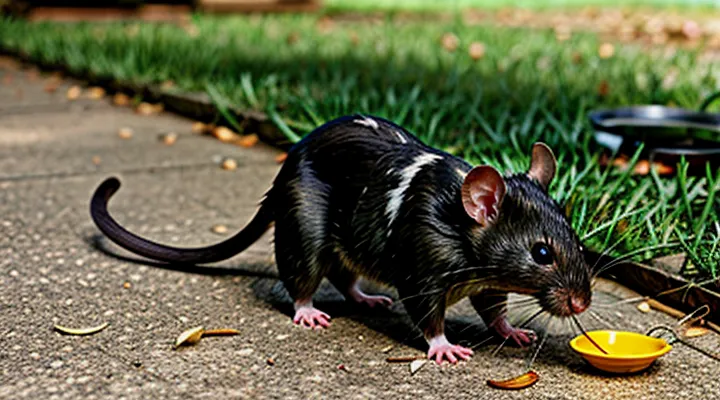
Understanding Live Traps for Rodents
What is a «Live Trap»?
A «Live Trap» is a device engineered to capture rats while keeping them unharmed. The mechanism relies on an entrance that lures the animal with bait, a trigger that closes a door, and a containment chamber that prevents escape. Because the animal remains alive, the trap allows for relocation or release in accordance with local regulations.
Key characteristics of a «Live Trap» include:
- A sturdy, ventilated cage that provides sufficient space for the captured rat.
- A one‑way door system activated by the animal’s weight or movement.
- Secure locking that prevents accidental reopening.
- Materials resistant to chewing and corrosion, ensuring durability during repeated use.
Operation follows a simple sequence: bait is placed inside, the trap is set, and the animal enters voluntarily. Once the trigger is engaged, the door shuts, and the rat is confined until the trap is inspected. Proper placement—along walls, near known activity routes, and in sheltered locations—maximizes capture efficiency.
Live traps serve as a humane alternative to lethal methods, aligning with ethical pest‑control practices while maintaining effectiveness in reducing rat populations.
Why Choose a «Live Trap»?
Advantages over Lethal Methods
Live traps provide a humane alternative to lethal control, eliminating the need for poison or extermination devices. By containing rodents without killing them, these devices align with animal‑welfare regulations and reduce the risk of secondary poisoning for pets and wildlife.
Key advantages include:
- Humane capture – rodents remain alive, allowing release at a safe distance from the property.
- Legal compliance – many jurisdictions restrict the use of toxic baits; live traps avoid violations.
- Target specificity – traps can be baited to attract rats while minimizing attraction of non‑target species.
- Reusability – traps can be emptied, cleaned, and redeployed, lowering long‑term costs.
- Monitoring capability – captured individuals can be examined for disease indicators, informing integrated pest‑management decisions.
- Environmental safety – absence of chemicals prevents soil and water contamination.
Adopting non‑lethal trapping methods enhances public health outcomes, preserves ecological balance, and supports responsible pest‑control practices. «Humane capture» therefore represents a strategically sound choice for effective rodent management.
Ethical Considerations
Live‑capture devices for rats raise several ethical issues that require careful management. The primary concern is the welfare of captured animals. Traps must be designed to prevent injury, avoid excessive stress, and allow rapid retrieval. Materials should be smooth, with no sharp edges, and size must accommodate the target species without constriction.
Key ethical practices include:
- Immediate checking of traps at intervals short enough to prevent dehydration or overheating.
- Use of bedding or shelter within the trap to reduce panic and protect against temperature extremes.
- Prompt, humane release at a suitable distance from the capture site, following local regulations on relocation distances.
- Documentation of capture numbers and health status to monitor population impact and detect disease.
Legal frameworks often mandate humane treatment of rodents in public and private pest‑control programs. Compliance with these statutes protects operators from liability and supports community standards of animal care.
Non‑target capture presents another ethical challenge. Placement of traps should be selective, employing bait that preferentially attracts rats and minimizing exposure to wildlife, pets, or children. Protective barriers or exclusion devices can further reduce accidental captures.
Finally, transparency with stakeholders—property owners, tenants, and local authorities—enhances accountability. Providing clear information about trap usage, monitoring schedules, and release protocols demonstrates commitment to responsible pest management.
Types of Live Traps
Single-Catch Traps
Single‑catch traps are devices designed to capture one rodent at a time without causing injury. The mechanism typically relies on a spring‑loaded door that closes instantly when the animal triggers a pressure plate or baited trigger. The enclosure remains sealed until the operator releases the catch, allowing live relocation.
Key characteristics include compact size, transparent or mesh viewing windows, and easy‑to‑clean interiors. Materials range from sturdy plastic to lightweight metal, both resistant to gnawing. Bait chambers are often detachable, facilitating rapid re‑baiting between captures.
Selection criteria:
- Compatibility with target species size; chamber dimensions must accommodate adult rats while preventing escape.
- Trigger sensitivity adjustable to avoid premature closures caused by non‑target movement.
- Durability of hinges and latch mechanisms under repeated use.
- Availability of humane release options, such as hinged lids or removable doors.
Placement guidelines:
- Position traps along established runways, near walls, or adjacent to food sources.
- Set traps at ground level, ensuring the trigger plate aligns with the rodent’s natural gait.
- Use multiple traps spaced 5–10 feet apart in high‑activity zones to increase capture probability.
- Protect traps from weather exposure by situating them under shelter or using waterproof covers.
Maintenance procedures:
- Inspect traps daily for captured rodents, remove occupants promptly to reduce stress.
- Clean interior surfaces with mild detergent and disinfectant after each use to prevent disease transmission.
- Check trigger mechanisms for wear; replace springs or adjust tension as needed.
- Store traps in a dry environment when not in operation to preserve material integrity.
Multi-Catch Traps
Multi‑catch traps are designed to capture several rodents simultaneously without causing injury. The device typically consists of a sturdy cage with a one‑way entry door; once a rat pushes the door inward, the latch engages and prevents escape. The interior provides enough space for the animal to remain comfortable until release.
Key design elements include:
- Durable wire mesh that resists chewing and maintains structural integrity.
- Adjustable entry size to accommodate various rodent dimensions.
- Quick‑release mechanism that allows humane release without direct handling.
- Integrated bait compartment that concentrates attractant while keeping it separate from the capture zone.
Effective deployment requires placement along established runways, near food sources, and in concealed areas to reduce suspicion. Regular inspection ensures that captured rodents are removed promptly, preventing stress and potential health hazards. Cleaning protocols involve disinfecting the cage after each use and inspecting the latch system for wear. Proper maintenance extends the trap’s lifespan and maintains its reliability for ongoing rodent management.
Trap Materials and Designs
Effective rodent capture relies on selecting materials that balance durability, resistance to gnawing, and ease of cleaning. Commonly employed substances include:
- Heavy‑duty steel wire mesh, providing structural rigidity and resistance to chewing.
- Polypropylene or high‑density polyethylene sheets, offering waterproof properties and simple disassembly.
- Acrylic or tempered glass panels, allowing visual monitoring of trap activity without disturbing the animal.
- Natural fibers such as burlap, utilized in bait chambers to conceal attractants while remaining replaceable.
Design configurations adapt these materials to achieve reliable activation and humane containment. Principal models are:
- Snap‑type cages constructed from steel frames with spring‑loaded levers, delivering rapid immobilization.
- Live‑catch boxes featuring hinged doors triggered by pressure plates, enabling release after capture.
- Funnel‑style entrance systems made from transparent acrylic, guiding rodents toward a holding compartment while preventing escape.
- Multi‑chamber traps combining bait reservoirs of polyethylene with internal partitions, facilitating sequential capture without cross‑contamination.
Each design integrates material properties to maximize efficiency, reduce maintenance, and comply with pest‑control regulations.
Setting Up and Baiting Your Live Trap
Choosing the Right Location
Identifying Rodent Activity
Detecting rodent presence is a prerequisite for successful live‑capture operations. Accurate identification of activity zones allows strategic deployment of traps, maximising capture rates while minimising unnecessary exposure.
Key indicators of rodent activity include:
- Fresh droppings, typically 1‑2 mm long, dark‑brown, found along walls, behind appliances, or near food sources;
- Gnaw marks on wood, plastic, or wiring, characterized by clean, parallel incisions;
- Grease trails left by the animal’s oily fur, visible as darkened pathways on surfaces;
- Nests constructed from shredded paper, fabric, or insulation, often located in concealed corners;
- Audible sounds such as scratching or scurrying, especially during nocturnal hours.
Detection tools enhance visual assessment:
- Black‑light flashlights reveal urine stains invisible to the naked eye;
- Infrared motion sensors record nocturnal movement without disturbance;
- Trail‑mix powders, applied along suspected routes, expose footprints when disturbed.
Integrating identified activity zones with trap placement improves efficacy. Position live traps adjacent to confirmed pathways, near food caches, and within 30 cm of droppings clusters. Regularly inspect and adjust trap locations based on evolving signs to maintain optimal capture performance.
Safe Placement Considerations
Proper positioning of a live‑capture device minimizes risk to non‑target animals and humans while maximizing trap efficiency.
Key safety factors include:
• Placement at least one meter from children’s play areas, pet pathways, and food preparation zones.
• Installation on a stable, flat surface to prevent tipping or accidental displacement.
• Positioning in low‑traffic corridors where rats travel, such as along walls, behind appliances, or near concealed entry points.
• Shielding from direct sunlight, rain, and extreme temperatures to maintain humane conditions inside the enclosure.
• Securing the trap to a fixed object using brackets or heavy‑duty tape, preventing escape if the animal struggles.
• Ensuring unobstructed access for regular inspection and prompt release of captured rodents.
Adhering to these guidelines reduces accidental encounters, protects the captured animal from stress, and supports consistent monitoring of the control program.
Effective Baiting Strategies
Preferred Baits for Rats
Preferred baits for rats focus on strong aromas, high fat content, and palatable textures that stimulate gnawing behavior. Effective options include:
- « peanut butter » – dense, oily, and highly scented; readily accepted by both urban and rural rodents.
- « bacon grease » – intense meat odor; remains soft after exposure to air, encouraging repeated bites.
- « dried fruit mix » – sweet, sugary profile; appeals to omnivorous feeding habits.
- « canned cat food » – protein‑rich, moist consistency; mimics natural prey in urban settings.
- « cheese cubes » – aromatic dairy; suitable for short‑term placement where moisture loss is minimal.
Bait placement should target active runways and near entry points of the trap. Small quantities, approximately 0.5 cm³, prevent premature removal and reduce waste. Combining a primary attractant (e.g., peanut butter) with a secondary scent (e.g., bacon grease) increases capture rates by creating a layered olfactory stimulus. Regular replacement, every 24–48 hours, maintains potency and deters bait aversion.
Bait Placement Techniques
Effective bait placement determines the success of a live‑capture device for rats. Proper positioning maximises attraction while minimising bait loss and trap avoidance.
Bait selection should focus on high‑protein, aromatic foods that rodents seek during active foraging periods. Common choices include peanut butter, dried fish, and small pieces of cooked meat. Moisture‑rich options such as canned cat food increase scent diffusion, extending the attraction radius.
Placement techniques:
- Secure bait directly on the trigger plate or inside the entry tunnel, ensuring it cannot be removed without activating the mechanism. Use a thin layer of adhesive or a small piece of wax to bind the bait.
- Position the bait at the far end of the tunnel, compelling the rat to fully enter before reaching the food source. This arrangement reduces the chance of partial entry and subsequent escape.
- Align the bait with the natural travel paths of rodents. Place the trap along walls, near concealed openings, or adjacent to known gnawing sites, as rats preferentially move along edges.
- Employ multiple bait points in larger traps to guide the animal toward the center. Distribute small amounts of bait evenly to prevent the rodent from focusing on a single spot and bypassing the trigger.
- Refresh bait daily in high‑traffic areas to maintain scent potency. Replace spoiled or dried bait promptly to avoid loss of attractiveness.
Additional considerations include limiting exposure to non‑target species by using bait that is less appealing to birds or pets, and ensuring the trap is stable on a flat surface to prevent displacement during bait pursuit. Properly executed bait placement transforms a passive capture device into an active lure, increasing capture rates while preserving the live condition of the target rodents.
Successful Trapping Techniques
Pre-Baiting for Success
Pre‑baiting establishes a reliable food source before introducing a live trap, increasing the likelihood that rats will investigate the device. The technique relies on the natural foraging behavior of rodents, which prefer familiar, consistently available nourishment.
Effective pre‑baiting begins with selecting an appropriate attractant. Preferred items include:
- Fresh fruit slices (apple, banana)
- Protein‑rich foods (cooked chicken, boiled egg)
- Grain‑based products (peanut butter, oatmeal)
The chosen bait should match the local rat diet and be placed directly on the trigger mechanism or inside the chamber to create a strong scent association. Consistency matters; the bait must be refreshed daily to maintain potency and prevent spoilage, which could deter activity.
Timing of the pre‑baiting period typically spans three to five days. During this interval, the trap remains open, allowing rats to feed without confinement. Observation of feeding signs—chewed bait, droppings, or gnaw marks—confirms attraction and indicates readiness for the capture phase.
When sufficient interest is recorded, the trap is set to a closed position while retaining the bait. The sudden transition from open to closed leverages the rat’s established expectation of uninterrupted access, prompting rapid entry and containment.
Monitoring after activation should occur at least twice daily. Prompt removal of captured individuals prevents stress and reduces the risk of trap avoidance by other rats. Regular checks also allow for timely rebaiting if the initial attractant loses effectiveness.
By integrating a disciplined pre‑baiting schedule, live‑capture operations achieve higher success rates, minimize trap shyness, and support humane management of rodent populations.
Monitoring and Checking Traps
Effective monitoring of live rodent capture devices determines success rates and minimizes animal stress. Regular inspection intervals—typically every 12 hours during active periods—ensure that trapped rats receive prompt care and that bait remains attractive. Early detection of malfunction, such as jammed doors or depleted bait, prevents escape and reduces the likelihood of trap avoidance.
Key practices for checking traps include:
- Visual confirmation that the trigger mechanism operates smoothly.
- Verification that the entry tunnel is free of debris and remains unobstructed.
- Assessment of bait condition; replace or refresh if odor diminishes.
- Recording capture data—date, time, location, and individual characteristics—to identify patterns and adjust placement strategies.
When a trap is empty, reset the mechanism promptly and inspect for signs of damage. In the event of a capture, remove the animal using protective gloves, transfer it to a holding container with adequate ventilation, and disinfect the trap with a mild solution before redeployment. Continuous documentation of these steps supports data‑driven decisions and enhances overall efficacy of rodent management programs.
Releasing Trapped Rodents
Safe Handling Practices
Safe handling of live capture devices minimizes stress for both the animal and the operator. Proper procedures reduce the risk of bites, disease transmission, and accidental release.
- Wear disposable gloves and protective clothing to prevent direct contact with saliva or urine.
- Secure the trap in a stable position before activation to avoid sudden movement.
- Approach the trap slowly, keeping the body at a slight angle to reduce the chance of startling the rodent.
- Use a calm voice when checking the trap to avoid causing panic in the captured animal.
- Transfer the caught rat to a transport container with ventilation, using a gentle grip on the tail or hind limbs.
After removal, disinfect the trap according to manufacturer guidelines. Clean all surfaces with an approved sanitizer, then rinse with clean water. Store the trap in a dry, enclosed area to prevent corrosion. Dispose of used gloves and other single‑use items in a sealed bag marked «biohazard». Regular inspection of equipment ensures integrity and prolongs service life.
Release Location Considerations
When a rat is captured in a live‑trap, the site chosen for release determines the effectiveness of pest‑management and minimizes unintended consequences.
Legal compliance requires adherence to local wildlife regulations.
- Identify municipal ordinances that govern the relocation of nuisance rodents.
- Obtain any permits required for transporting captured animals beyond private property.
- Document the release location to demonstrate compliance in case of inspection.
Ecological impact must be mitigated to avoid creating new infestations.
- Select habitats lacking established rat populations to prevent competition with native species.
- Avoid environmentally sensitive areas such as conservation zones, water sources, and agricultural fields.
- Choose release points at least several hundred meters from the original capture site to reduce the likelihood of return.
Safety considerations protect both humans and the animal.
- Ensure the release area provides adequate shelter and food sources without exposing the rat to predators that could cause suffering.
- Release during daylight hours to increase visibility and reduce stress for the animal.
- Use protective gloves when handling the trap to prevent disease transmission.
By evaluating legal, ecological, and safety factors, the release location supports humane rodent control while preserving public health and environmental integrity.
Post-Trapping Measures
Sanitation and Prevention
Effective live‑capture programs rely on a clean environment that reduces attractants and limits reinfestation. Removing food residues, sealing entry points, and managing waste create conditions in which traps operate at maximum efficiency.
- Eliminate accessible food sources: store grain, pet food, and kitchen waste in sealed containers; clean spills promptly.
- Secure structural gaps: install steel wool or metal mesh in cracks, vents, and utility openings; repair damaged flooring and walls.
- Maintain proper sanitation of water: fix leaks, drain standing water, and use covered containers for drinking sources.
- Conduct regular waste management: dispose of garbage in rat‑proof bins; compact compost piles and keep them distant from buildings.
- Implement landscaping controls: trim vegetation near foundations, remove debris piles, and keep grass at a manageable height.
When sanitation measures are consistently applied, live traps encounter fewer competing food supplies, encouraging rodents to enter devices. Reduced population pressure also diminishes the likelihood of trap avoidance, thereby increasing capture rates and supporting long‑term pest‑free conditions.
Sealing Entry Points
Sealing entry points prevents rats from re‑entering an area after they have been captured, thereby increasing the efficiency of humane trapping programs. Identifying and blocking all potential access routes eliminates the need for repeated trap placement and reduces the likelihood of secondary infestations.
Key actions for effective sealing:
- Inspect the exterior and interior of the structure for gaps larger than ¼ inch, focusing on foundations, walls, utility penetrations, vents, and door frames.
- Apply steel wool or copper mesh to small openings before sealing with caulk or expanding foam; this combination deters chewing while providing a durable barrier.
- Use cement‑based mortar or metal flashing to close larger cracks in foundations and walls, ensuring a tight, weather‑resistant seal.
- Install door sweeps and weatherstripping on all exterior doors, verifying that the bottom gap does not exceed ¼ inch.
- Cover vent openings with fine‑mesh hardware cloth secured with screws, maintaining airflow while blocking rodent passage.
- Conduct a follow‑up inspection after sealing to confirm that no new gaps have formed due to building settlement or seasonal changes.
Consistently maintaining sealed entry points reduces the population pressure on live‑capture devices, allowing traps to operate at optimal success rates and supporting long‑term rodent management objectives.
Ongoing Monitoring
Ongoing monitoring is a critical component of any live‑trap program targeting rats. Continuous observation ensures that traps remain functional, bait remains attractive, and capture rates reflect true rodent activity rather than equipment failure.
Key monitoring actions include:
- Daily inspection of trap doors for proper operation and signs of wear.
- Verification that bait has not deteriorated or become contaminated.
- Recording each capture with date, time, and trap location.
- Immediate removal of captured rodents to prevent stress‑induced mortality.
- Resetting and sanitizing traps after each use to maintain hygienic conditions.
Data collected during monitoring should be entered into a central log, allowing trend analysis across weeks and months. Patterns such as increased activity in specific zones or seasonal fluctuations guide strategic adjustments, including trap redistribution and bait modification. Regular review of the log by the pest‑control manager supports evidence‑based decision‑making and maximizes the efficiency of the live‑trap approach.