
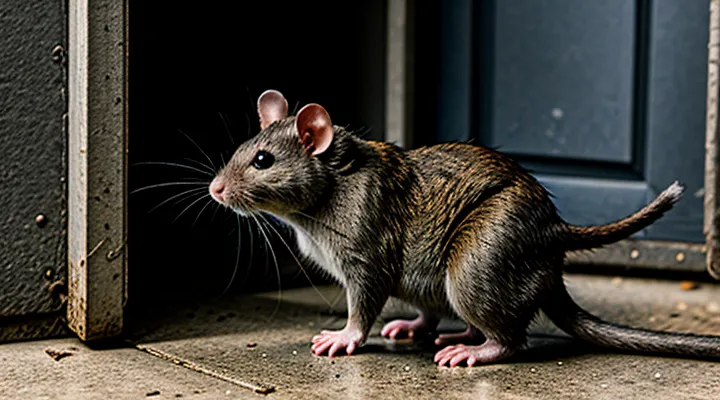
Rat-borne Diseases and Their Impact
Bacterial Diseases
Leptospirosis: Transmission and Symptoms
Leptospirosis is a bacterial infection transmitted primarily through the urine of infected rodents, especially rats. Humans contract the disease when skin or mucous membranes contact contaminated water, soil, or food, or when a wound is exposed to the pathogen. The bacteria survive for weeks in moist environments, allowing indirect transmission via floodwater, agricultural runoff, or poorly maintained sewage systems.
Key transmission routes include:
- Direct contact with fresh rat urine or contaminated surfaces.
- Ingestion of water or food tainted by rodent excreta.
- Occupational exposure among farm workers, sewage handlers, and veterinarians.
- Recreational exposure during swimming or wading in natural bodies of water after heavy rainfall.
Typical clinical manifestations appear within 5–14 days after exposure and progress through two phases. Early (septicemic) symptoms consist of:
- High fever
- Chills
- Headache
- Muscle aches, especially in the calves and lumbar region
- Nausea, vomiting, or abdominal pain
If untreated, the disease may advance to the immune phase, characterized by:
- Jaundice
- Renal dysfunction (reduced urine output, elevated creatinine)
- Pulmonary hemorrhage
- Conjunctival suffusion (red eyes without pus)
- Meningeal irritation (neck stiffness, photophobia)
Prompt diagnosis relies on clinical suspicion in individuals with recent exposure to rodent‑contaminated environments, supplemented by serologic testing or polymerase chain reaction assays. Early antibiotic therapy, typically doxycycline or penicillin, reduces morbidity and prevents severe organ involvement.
Salmonellosis: Food Contamination Risks
Rats frequently contaminate food supplies with Salmonella, a bacterial pathogen that causes salmonellosis. The organism survives in rodent feces, urine, and saliva, and can transfer to raw meat, dairy products, grains, and ready‑to‑eat foods when storage areas are breached.
Contamination pathways include:
- Direct contact between rodents and uncovered food items.
- Infiltration of rat droppings into processing equipment.
- Cross‑contamination from surfaces touched by rats or their excreta.
Human infection typically manifests within 6–72 hours after ingestion, presenting with diarrhea, abdominal cramps, fever, and vomiting. Severe cases may lead to dehydration, bacteremia, or death, particularly in children, the elderly, and immunocompromised individuals.
Preventive measures focus on eliminating rodent access and maintaining hygiene standards:
- Seal entry points, install rodent‑proof doors and windows.
- Store food in sealed containers, keep storage areas clean.
- Conduct regular inspections for droppings, gnaw marks, and nesting material.
- Apply integrated pest‑management programs that combine trapping, baiting, and environmental control.
Effective control of rat populations reduces the likelihood of Salmonella entering the food chain, thereby lowering the incidence of salmonellosis among consumers.
Rat Bite Fever: Causes and Complications
Rat Bite Fever (RBF) is a zoonotic infection transmitted primarily through the bite or scratch of infected rodents, especially rats. The disease also spreads via contact with contaminated urine, feces, or food items handled by rats. Two bacterial agents are responsible: Streptobacillus moniliformis, prevalent in North America, and Spirillum minus, more common in Asia.
Causes
- Bite or scratch from an infected rat.
- Direct exposure to rat urine or feces.
- Ingestion of food or water contaminated with rodent secretions.
Clinical presentation
- Incubation: 2–14 days.
- Sudden onset of fever, chills, headache, and myalgia.
- Rash consisting of maculopapular or petechial lesions, often on the extremities.
- Arthralgia or migratory polyarthritis.
Complications
- Septicemia with hypotension and organ failure.
- Endocarditis leading to valvular damage.
- Meningitis or encephalitis causing neurological deficits.
- Pneumonia with respiratory distress.
- Acute kidney injury.
- Fatal outcome in untreated cases, mortality up to 10 %.
Diagnosis
- Blood cultures positive for S. moniliformis or S. minus.
- Polymerase chain reaction (PCR) assays when cultures are negative.
- Serologic testing for specific antibodies.
Treatment
- Intravenous penicillin G for 10–14 days; alternative doxycycline for penicillin‑allergic patients.
- Supportive care for shock, renal dysfunction, or respiratory compromise.
Prompt recognition and antimicrobial therapy reduce morbidity and prevent severe sequelae associated with RBF, underscoring the health threat posed by rodent interactions.
Viral Diseases
Hantavirus: Respiratory and Renal Syndromes
Hantavirus is an RNA virus carried by wild rodents, especially species of the genus Rattus. Human infection occurs when aerosolized virus particles from rodent urine, feces, or saliva are inhaled, or when contaminated material contacts mucous membranes.
Transmission is limited to environments where rodent infestations are unmanaged. Activities that disturb rodent droppings—cleaning sheds, storing grain, or entering abandoned buildings—raise the risk of exposure. The virus does not spread directly from person to person.
Respiratory syndrome (Hantavirus Pulmonary Syndrome, HPS)
- Incubation: 1–5 weeks.
- Early signs: fever, myalgia, headache, gastrointestinal upset.
- Rapid progression to dyspnea, cough, and pulmonary edema.
- Laboratory findings: thrombocytopenia, elevated hematocrit, atypical lymphocytes.
- Mortality: 30–40 % despite intensive care.
- Diagnosis: detection of viral RNA by PCR or specific IgM antibodies.
- Treatment: supportive ventilation, careful fluid management; no approved antiviral therapy.
Renal syndrome (Hemorrhagic Fever with Renal Syndrome, HFRS)
- Incubation: 2–4 weeks.
- Phase 1 (febrile): high fever, chills, back pain.
- Phase 2 (hypotensive): hemorrhagic manifestations, oliguria.
- Phase 3 (polyuric): renal recovery, possible electrolyte imbalance.
- Mortality: 1–15 % depending on viral strain and clinical care.
- Diagnosis: serologic testing for IgM/IgG or PCR confirmation.
- Treatment: meticulous fluid balance, renal replacement therapy when required; ribavirin may reduce severity if administered early.
Preventive actions focus on rodent control and exposure avoidance. Measures include sealing building entry points, maintaining clean storage areas, using protective equipment when cleaning contaminated sites, and educating at‑risk populations about proper waste disposal. Early recognition of symptoms and prompt medical evaluation improve outcomes.
Lymphocytic Choriomeningitis (LCMV): Neurological Risks
Lymphocytic choriomeningitis virus (LCMV) circulates primarily in the common house mouse and, less frequently, in other rodent species. Human infection occurs through inhalation of contaminated aerosols, direct contact with rodent excreta, or bites from infected animals. The virus can cross the blood‑brain barrier, producing a range of neurological manifestations that contribute significantly to the public‑health burden associated with rodent exposure.
Acute infection may present with fever, malaise, and a self‑limited meningitis. In a subset of patients, the illness progresses to encephalitis, characterized by:
- Altered mental status or confusion
- Seizures, often focal
- Focal neurological deficits such as weakness or sensory loss
- Cranial nerve palsies
These complications arise from viral replication within the choroid plexus and meninges, leading to inflammation, edema, and neuronal injury. Cerebrospinal fluid analysis typically shows lymphocytic pleocytosis, elevated protein, and normal glucose, while polymerase chain reaction testing confirms LCMV presence.
There is no specific antiviral therapy; management relies on supportive care, seizure control, and monitoring for increased intracranial pressure. Early recognition improves outcomes, as delayed treatment can result in permanent cognitive deficits or motor impairment. Prognosis varies with age and immune status; immunocompromised individuals face higher mortality rates.
Prevention centers on rodent control and safe handling practices. Recommendations include sealing food storage, using traps or professional extermination, wearing protective gloves when cleaning contaminated areas, and avoiding contact with wild rodents. Vaccination is unavailable, making environmental measures the primary defense against LCMV‑related neurological disease.
Parasitic Diseases
Toxoplasmosis: Indirect Transmission to Humans
Rats serve as intermediate hosts for Toxoplasma gondii, a protozoan capable of causing toxoplasmosis in humans. When infected rodents harbor tissue cysts, predatory felids that consume the rats excrete oocysts in their feces. Environmental contamination with these oocysts creates a pathway for human exposure without direct contact with rats.
Human infection typically occurs through:
- Ingestion of food or water contaminated with cat feces containing oocysts.
- Consumption of undercooked meat from animals that have previously preyed on infected rats.
- Handling soil or sand where oocysts have settled after feline defecation.
The indirect route amplifies the public‑health risk because rats are abundant in urban settings, increasing the likelihood that local cat populations become infected and disseminate oocysts. Control measures targeting rodent populations indirectly reduce the reservoir of T. gondii and limit the downstream contamination of the environment.
Effective mitigation requires coordinated pest‑management programs, regular deworming of domestic and stray cats, and public education on proper food handling and hygiene practices to prevent accidental ingestion of oocysts.
Trichinellosis: Risks from Contaminated Meat
Trichinellosis, a parasitic disease caused by nematodes of the genus Trichinella, originates primarily from the consumption of raw or undercooked meat that harbors encysted larvae. Rodent populations serve as natural reservoirs, contaminating meat supplies through predation or scavenging, thereby extending the risk to humans who ingest infected pork, wild boar, or other game.
Infection follows a defined sequence: larvae released in the stomach invade the small intestine, mature into adult worms, and reproduce. New larvae migrate via the bloodstream to skeletal muscle, where they encyst and cause muscle pain, fever, and, in severe cases, cardiac or neurological complications. Diagnosis relies on serological testing and muscle biopsy; early treatment with antiparasitic agents reduces morbidity.
Preventive actions include:
- Cooking meat to an internal temperature of at least 71 °C (160 °F) for whole cuts and 77 °C (170 °F) for ground products.
- Freezing pork for a minimum of three weeks at –20 °C (–4 °F) to kill most temperate Trichinella species.
- Implementing rodent control programs in livestock facilities and processing plants to limit contamination sources.
- Conducting regular veterinary inspections of meat intended for human consumption.
Awareness of the rodent–meat transmission pathway is essential for public‑health strategies aimed at reducing trichinellosis incidence and protecting human populations from this zoonotic threat.
Physical and Structural Damage Caused by Rats
Contamination of Food and Water Sources
Fecal and Urinary Contamination
Rats excrete feces and urine that readily contaminate food, water, surfaces, and air. Their droppings contain a broad spectrum of pathogens capable of infecting humans through ingestion, inhalation, or dermal contact.
Key microorganisms transmitted by rat waste include:
- Leptospira spp., causing leptospirosis, a febrile illness with potential renal and hepatic failure.
- Salmonella enterica, leading to gastroenteritis with severe diarrhea and dehydration.
- Hantavirus species, responsible for hantavirus pulmonary syndrome, characterized by rapid respiratory distress.
- Streptobacillus moniliformis, the agent of rat‑bite fever, producing fever, rash, and joint pain.
- Yersinia spp., associated with plague and yersiniosis, yielding fever, lymphadenopathy, and intestinal upset.
Contamination routes extend beyond direct contact. Aerosolized particles from dried droppings can be inhaled, while moisture‑rich environments facilitate bacterial growth in water supplies. Proper sanitation, rodent control, and protective equipment for workers handling waste are essential measures to interrupt transmission.
Spread of Pathogens Through Droppings
Rats contaminate environments through feces that contain a wide range of disease‑causing organisms. When droppings dry, particles become airborne and settle on food, surfaces, and water sources, creating direct pathways for infection.
Common pathogens transmitted via rat feces include:
- Leptospira interrogans – bacteria responsible for leptospirosis, which can lead to kidney failure and meningitis.
- Salmonella spp. – bacteria causing gastroenteritis, fever, and, in severe cases, septicemia.
- Hantavirus – virus that may trigger hemorrhagic fever with renal syndrome or pulmonary syndrome, both potentially fatal.
- Yersinia pestis – bacterium behind plague, capable of rapid systemic spread after entry through skin lesions or mucous membranes.
- Cryptosporidium spp. – protozoa producing watery diarrhea and dehydration, particularly hazardous for immunocompromised individuals.
Control measures focus on eliminating droppings, sealing food storage, and maintaining sanitation in residential and commercial settings. Prompt removal of contaminated material with protective equipment reduces aerosolization and limits exposure risk. Regular monitoring for rodent activity and immediate response to infestations are essential components of public health protection.
Structural Damage to Property
Gnawing on Electrical Wires: Fire Hazards
Rats frequently gnaw on insulated electrical conductors, compromising the protective coating and exposing live conductors. The resulting abrasion creates a direct path for current to flow outside the intended circuit, producing arcing and overheating. When the damaged section contacts combustible material, a fire can ignite within minutes.
The compromised wiring can trigger automatic circuit breakers, but the interruption often occurs after a short‑circuit event that has already generated sufficient heat to ignite surrounding structures. Fires caused by rodent‑damaged circuitry account for a measurable share of residential and commercial losses, leading to property damage, injuries, and, in severe cases, loss of life.
Effective mitigation requires a combination of structural and electrical safeguards:
- Seal cracks, gaps, and utility openings that provide rodent access.
- Install hardened conduit or metal‑clad cable in areas prone to infestation.
- Conduct regular visual inspections of wiring, focusing on exposed runs and junction boxes.
- Deploy baited traps or electronic deterrents in identified hotspots.
- Use rodent‑resistant insulation materials where feasible.
Prompt identification of gnawed wiring and implementation of these controls reduce the probability of fire outbreaks and protect both occupants and infrastructure.
Damage to Plumbing and Insulation
Rats gnaw on copper, PVC, and steel pipes, creating holes that lead to water leaks and loss of pressure. Leaks promote mold growth, compromise drinking‑water safety, and increase the likelihood of structural rot. When rats infiltrate sewage lines, they introduce fecal bacteria that can back‑flow into residential plumbing, exposing occupants to pathogens such as Leptospira and Salmonella.
Chewed or displaced insulation reduces thermal efficiency and creates gaps where heat escapes. Exposed insulation fibers become a food source, encouraging further rodent activity. Accumulated droppings and urine degrade the material, turning it into a fire hazard and a conduit for airborne allergens. The combined effect of pipe failure and insulation loss raises repair costs, disrupts heating and cooling systems, and heightens health risks for residents.
Typical damage caused by rats includes:
- Punctured water and gas lines
- Blocked drains and sewer backups
- Compromised insulation panels and batts
- Increased moisture leading to mold and rot
- Elevated fire risk from degraded insulation fibers
Prompt detection and sealing of entry points, regular inspection of plumbing and insulation, and professional extermination are essential measures to mitigate these hazards.
Infestation of Buildings and Infrastructure
Rats colonizing residential, commercial, and industrial structures create direct threats to occupants and to the integrity of the built environment. Their presence introduces pathogens, contaminates food supplies, and compromises fire safety by gnawing insulation and electrical wiring.
Key consequences of rodent intrusion include:
- Structural weakening from gnawed wood, plaster, and concrete supports.
- Electrical failures caused by damaged cables, increasing fire risk and power outages.
- Water system contamination through burrowing in pipes, leading to leaks and bacterial growth.
- HVAC system impairment as rodents nest in ducts and obstruct airflow, reducing ventilation efficiency.
- Degradation of foundation and drainage systems from burrow networks that destabilize soil and promote erosion.
Effective control relies on comprehensive inspection, sealing of entry points, and regular sanitation protocols. Integrated pest‑management programs combine trapping, baiting, and habitat modification to reduce populations and prevent re‑infestation, thereby protecting both infrastructure and public health.
Agricultural Losses
Crop Destruction and Contamination
Rats infiltrate agricultural fields, gnawing stems, roots, and developing fruits. Their chewing destroys plant tissue, reduces yields, and creates entry points for pathogens. The resulting loss can reach 10‑30 % of annual production in regions with high rodent populations, directly affecting food availability and market prices.
Contamination occurs when rats deposit urine, feces, and saliva onto crops. These excretions carry bacteria such as Salmonella and Leptospira, as well as viruses like Hantavirus. Contact with contaminated produce can transmit infections to consumers, leading to gastrointestinal illness, renal complications, and, in severe cases, fatal outcomes.
Key mechanisms of rodent‑induced crop damage:
- Mechanical injury from chewing and burrowing
- Seed predation that prevents germination
- Soil disturbance that promotes weed growth and erosion
- Vectoring of disease agents through excreta and ectoparasites
Mitigation strategies must integrate habitat reduction, exclusion barriers, and targeted baiting programs. Regular field inspections and sanitation measures lower the probability of contamination, safeguarding both harvest quantity and public health.
Damage to Stored Grains and Produce
Rats compromise food security by directly targeting stored grains and produce. Their gnawing activity creates holes in containers, sacks, and silos, allowing moisture ingress and exposure to air. The resulting environmental changes accelerate spoilage and foster fungal growth, reducing nutritional value and marketability.
Physical damage includes:
- Tearing of packaging material, leading to product loss.
- Contamination of grain kernels with urine, feces, and hair, which introduces pathogens.
- Displacement of grains, causing uneven drying and increased susceptibility to mold.
Biological hazards arise from rat‑borne microorganisms. Salmonella, Leptospira, and Hantavirus can be transferred to food items through droppings, creating health risks for consumers. Consumption of contaminated produce may trigger gastrointestinal illness, renal complications, or respiratory infections.
Economic impact is measurable in reduced yields and increased disposal costs. Estimates indicate that rodent activity can diminish stored grain quantities by up to 15 % in poorly secured facilities, while remediation expenses—traps, bait stations, and sanitation—add further financial burden.
Effective mitigation requires sealed storage, regular inspection, and integrated pest‑management programs. Prompt identification of gnaw marks and droppings enables rapid response, limiting loss and protecting public health.
Prevention and Control Measures
Integrated Pest Management Strategies
Sanitation Practices: Eliminating Food Sources
Effective sanitation reduces the attraction of rodents by removing all accessible food. Food residues, spilled grain, pet waste, and improperly stored groceries provide the nutritional basis for rat populations that transmit pathogens and cause structural damage.
Key actions include:
- Store dry goods in sealed, rodent‑proof containers.
- Clean kitchen surfaces after each meal; wipe crumbs, spills, and grease immediately.
- Dispose of food waste in tightly closed bins; empty bins regularly to prevent buildup.
- Keep outdoor garbage cans on a raised platform, fitted with metal lids that lock securely.
- Remove bird seed, pet feed, and compost piles from areas near buildings; place them in metal containers with tight lids.
Additional measures reinforce these practices:
- Sweep alleys, sidewalks, and patios to eliminate dropped food particles.
- Maintain vegetation at a distance from structures; dense foliage shelters foraging rodents.
- Conduct weekly inspections of storage rooms, warehouses, and pantry shelves for signs of contamination.
By systematically eliminating food sources, the probability of rat infestation declines, thereby mitigating health risks such as leptospirosis, hantavirus, and bacterial infections transmitted through contaminated surfaces. Consistent implementation of these sanitation protocols forms a critical barrier against rodent‑related hazards.
Exclusion Techniques: Sealing Entry Points
Rats infiltrate buildings through gaps that provide shelter, food, and water, creating direct pathways for disease transmission and structural damage. Preventing access eliminates the primary source of human exposure to pathogens such as leptospirosis, hantavirus, and bacterial infections.
Typical entry points include:
- Cracks in foundation walls or floors
- Openings around utility pipes and cables
- Unsealed gaps beneath doors and windows
- Holes in roof eaves, soffits, and vents
- Damaged or missing weather‑stripping
Effective sealing involves a systematic approach:
- Conduct a thorough inspection of the building envelope to locate all potential openings, paying special attention to low‑lying areas where rodents travel.
- Clean each identified gap to remove debris, nesting material, and moisture that could attract pests.
- Apply appropriate sealants: use steel wool or copper mesh for larger voids, followed by silicone caulk, expanding foam, or cement mortar for permanent closure.
- Install durable hardware—door sweeps, metal flashing, and rodent‑proof vent covers—to reinforce vulnerable sections.
- Verify integrity after installation by monitoring for new gnaw marks or droppings, and repeat the sealing cycle as needed.
Consistently sealing entry points reduces rodent ingress, curtails the spread of disease, and safeguards property integrity.
Rodenticides and Trapping
Safe Use of Baits and Traps
Rats transmit diseases, contaminate food, and cause structural damage; effective control relies on proper bait and trap deployment.
- Select baits formulated for target species and approved by regulatory agencies.
- Store baits in sealed containers away from children, pets, and non‑target wildlife.
- Place baits on tamper‑resistant stations, positioned along walls, behind appliances, and near entry points.
- Use traps that meet safety standards; choose snap, electronic, or live‑capture models based on the environment and local regulations.
- Position traps perpendicular to runways, with trigger mechanisms fully accessible to rodents but out of reach for humans.
- Inspect devices daily; remove captured rodents with gloves and dispose of them according to health guidelines.
- Clean and disinfect stations after each use to prevent secondary contamination.
Maintain records of bait types, placement dates, and trap performance to assess efficacy and adjust strategies.
Comply with local pest‑control statutes, occupational safety rules, and environmental protection requirements to minimize accidental exposure and ensure public health safety.
Professional Pest Control Services
Rats transmit pathogens, contaminate food, and cause structural damage, creating immediate threats to public health and property. Their presence increases the likelihood of diseases such as leptospirosis, hantavirus, and salmonella, while gnawing on wiring can trigger fires.
Professional pest control firms address these hazards through systematic interventions. They conduct thorough inspections, identify entry points, and apply targeted treatments that eliminate infestations without endangering occupants.
Key components of a professional service include:
- Integrated pest management (IPM) planning that combines sanitation, exclusion, and chemical controls.
- Use of certified rodenticides and bait stations placed according to regulatory standards.
- Installation of physical barriers—metal flashing, sealants, and door sweeps—to prevent re‑entry.
- Ongoing monitoring with traps and digital tracking to verify efficacy.
Advantages of employing experts:
- Rapid reduction of rodent populations, minimizing disease exposure.
- Compliance with local health regulations and safety guidelines.
- Documentation of actions for liability protection and insurance purposes.
- Access to specialized equipment and trained personnel that outperform DIY attempts.
Choosing a qualified provider safeguards human health, preserves infrastructure, and ensures long‑term control of rodent activity.
Public Health Initiatives
Awareness Campaigns and Education
Rats transmit pathogens, contaminate food, and cause structural damage, creating direct and indirect health threats for people. Effective mitigation relies on public understanding of these risks and on behavior change driven by targeted information.
- Educational materials should present species identification, common disease vectors, and signs of infestation in clear, actionable language.
- Community workshops must demonstrate safe trapping, sanitation practices, and proper disposal of rodent waste.
- Media campaigns need concise messages distributed through social networks, local radio, and public signage, emphasizing immediate steps residents can take.
- School curricula should integrate short modules on rodent biology and hygiene, fostering early awareness and responsible habits.
Program success depends on measurable outcomes: reduction in reported rodent sightings, increased participation in control initiatives, and documented declines in related illnesses. Continuous data collection and periodic review enable adaptation of tactics to emerging patterns and demographic shifts.
Surveillance and Monitoring of Rat Populations
Surveillance of rat populations provides the data needed to anticipate and mitigate health hazards associated with rodent activity. Accurate estimates of abundance, distribution, and movement patterns enable targeted interventions before disease transmission or structural damage occurs.
Effective monitoring relies on multiple techniques:
- Live‑trapping grids that generate density estimates and allow species identification.
- Remote camera stations positioned near waste sites, sewers, and food storage facilities to record activity levels.
- Environmental DNA (eDNA) sampling from water or soil to detect presence without direct observation.
- Acoustic sensors that capture characteristic rodent vocalizations for real‑time alerts.
- GIS‑based mapping of sightings, trap returns, and complaint records to visualize hotspots.
Collected data feed predictive models that forecast population surges and identify high‑risk zones. Model outputs guide the allocation of control resources, such as bait stations or sanitation upgrades, and support the evaluation of intervention effectiveness through pre‑ and post‑implementation comparisons.
Public health agencies should integrate surveillance outputs into routine risk assessments, maintain standardized reporting protocols, and ensure rapid communication with municipal services. Continuous refinement of detection technologies and data analytics sustains an evidence‑based approach to reducing rodent‑borne threats to human communities.