
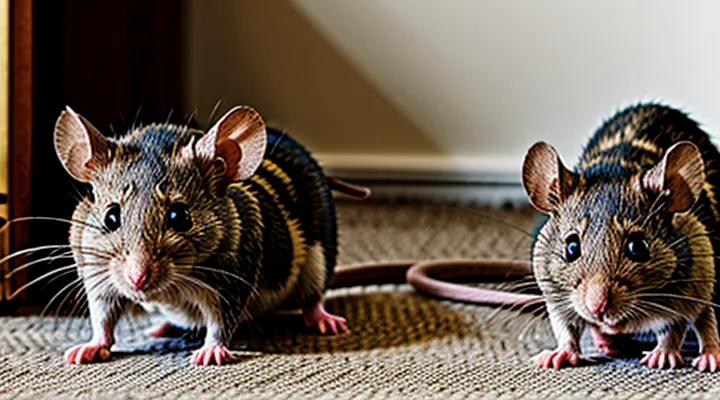
Understanding Mouse Lifespan
Factors Influencing Lifespan
Predation and Survival Rates
Predation exerts the strongest pressure on survival in free‑living rodents, while captive individuals experience minimal threat from natural enemies. In natural habitats, mortality peaks during the first months of life, when juvenile mice lack the agility and experience needed to evade predators. Adult wild mice face a continual risk from a range of carnivores; typical predators include:
- Barn owls (Tyto alba) and other raptors
- Small mustelids such as weasels and stoats
- Foxes and coyotes
- Snakes, especially grass snakes (Natrix natrix)
- Domestic cats (Felis catus) in peri‑urban settings
Survival rates decline sharply after exposure to these predators, with average annual survivorship for wild populations ranging from 10 % to 30 % depending on habitat complexity and predator density. Key factors influencing these rates are:
- Habitat cover – dense vegetation or burrow systems reduce detection.
- Seasonal activity – predator abundance peaks in spring and autumn, aligning with mouse breeding cycles.
- Social behavior – solitary foraging increases vulnerability, whereas group nesting can provide collective vigilance.
- Body condition – well‑nourished individuals display greater escape performance.
In contrast, domesticated mice reared in laboratory or pet environments encounter virtually no predation. Their mortality is dominated by disease, genetic factors, and husbandry practices rather than external threats. Consequently, their average life expectancy extends to 2–3 years, compared with 6–12 months typical for their wild counterparts. The disparity underscores predation as the principal determinant of survival length in uncontrolled settings, while controlled environments shift mortality determinants toward intrinsic biological factors.
Food Availability and Nutrition
Food supply directly determines survival duration in both laboratory‑bred and free‑living mice. Continuous access to calorically adequate, balanced diets extends median life expectancy, while intermittent scarcity shortens it. In controlled environments, standardized chow provides consistent macronutrient ratios, leading to predictable longevity curves; in natural habitats, seasonal fluctuations in seed, insect, and plant availability produce variable survival outcomes.
Key nutritional variables influencing longevity:
- Caloric intake: Excess calories accelerate weight gain and metabolic disorders, reducing lifespan; moderate restriction without malnutrition often prolongs life.
- Protein quality and quantity: High‑quality amino acids support tissue repair and immune function; low protein diets can impair growth and increase susceptibility to disease.
- Essential fatty acids: Omega‑3 and omega‑6 ratios affect inflammation and cardiovascular health, impacting overall survival.
- Micronutrient sufficiency: Vitamins A, D, E and minerals such as zinc and selenium are critical for oxidative stress management; deficiencies correlate with early mortality.
- Dietary fiber: Promotes gut microbiota diversity, which modulates metabolic health and longevity.
In wild populations, resource competition, predation pressure, and habitat changes intensify the impact of food availability. Periods of abundance allow accumulation of fat reserves, improving resilience to subsequent scarcity. Conversely, prolonged deficits lead to reduced body condition, compromised immunity, and accelerated aging. Management strategies that ensure stable, nutritionally complete feed for domestic strains can therefore be leveraged to study aging mechanisms and to improve health outcomes across both captive and wild mouse cohorts.
Environmental Conditions
Environmental variables exert a decisive influence on the longevity of both captive and free‑living mice. Temperature, humidity, nutrition, housing density, pathogen load, and exposure to predators create a spectrum of conditions that can extend or curtail life expectancy.
Key factors include:
- Ambient temperature: Optimal core temperature (approximately 22–24 °C) minimizes metabolic stress; temperatures below 15 °C increase energy expenditure, while chronic exposure above 30 °C accelerates cellular damage.
- Relative humidity: Values between 40 % and 60 % reduce respiratory irritation and skin desiccation; extreme dryness or excess moisture predispose individuals to opportunistic infections.
- Dietary composition: Caloric restriction with balanced protein, fat, and micronutrients lengthens lifespan; high‑fat, low‑fiber regimens promote obesity, insulin resistance, and earlier mortality.
- Housing density: Low‑density cages lower aggression and stress hormone levels, whereas overcrowding elevates corticosterone, suppresses immune function, and shortens survival.
- Pathogen exposure: Controlled, pathogen‑free environments delay disease onset; wild populations encounter parasites, viruses, and bacteria that can cause acute or chronic health declines.
- Predation risk: Presence of predators induces chronic stress responses and reduces foraging time, directly affecting survival rates in natural habitats.
Variations in these conditions generate measurable differences in median and maximum ages reported for laboratory strains versus wild conspecifics. Precise management of environmental parameters is essential for reproducible research outcomes and for understanding the ecological determinants of mouse longevity.
Genetics and Disease Resistance
Genetic variation between laboratory strains and feral mouse populations shapes longevity and susceptibility to pathogens. Inbred lines possess limited allelic diversity, resulting in uniform immune responses and predictable disease courses. Wild individuals retain extensive polymorphisms at loci governing innate immunity, adaptive recognition, and metabolic regulation, which contribute to heterogeneous survival outcomes.
Key genetic determinants of disease resistance include:
- Major histocompatibility complex (MHC) alleles that expand peptide presentation repertoire.
- Toll‑like receptor (TLR) variants influencing pathogen detection thresholds.
- Cytokine gene polymorphisms (e.g., Il10, Ifng) modulating inflammatory intensity.
- Genes controlling oxidative stress defenses (e.g., Nrf2 pathway components).
These loci interact with environmental exposures to alter mortality risk. Laboratory mice, housed under controlled conditions, encounter fewer infectious challenges, allowing longer average lifespans despite reduced immune gene diversity. In contrast, wild mice face a broader pathogen spectrum; genetic heterogeneity provides adaptive flexibility but also yields a wider distribution of lifespan outcomes.
Selective breeding programs that introduce wild‑type alleles into laboratory colonies have demonstrated increased resistance to viral and bacterial infections, accompanied by modest extensions of median survival. Conversely, introgression of laboratory‑derived immune deficiencies into wild populations results in heightened mortality under natural pathogen pressure. The balance between genetic uniformity and diversity therefore directly influences the longevity patterns observed across domestic and wild mouse cohorts.
Comparing Domestic and Wild Mice Lifespans
Domestic Mice: Care and Longevity
Domestic mice typically live 1.5 to 3 years under optimal conditions. Longevity correlates with genetics, diet, housing, and health management. Environmental stressors such as overcrowding, temperature extremes, and poor sanitation reduce survival rates.
Effective care practices include:
- Providing a balanced diet formulated for laboratory or pet rodents, containing adequate protein, fat, vitamins, and minerals.
- Supplying fresh water daily; automated dispensers prevent contamination.
- Maintaining cage temperature between 20 °C and 26 °C with a 12‑hour light/dark cycle.
- Using bedding material that absorbs moisture while allowing ventilation; replace it weekly to limit ammonia buildup.
- Conducting weekly health checks for signs of respiratory infection, dermatitis, or gastrointestinal distress; isolate and treat affected individuals promptly.
- Enriching the environment with nesting material, tunnels, and exercise wheels to encourage natural behaviors and reduce stress.
Breeding strategies impact lifespan as well. Selecting parents with documented health records and avoiding inbreeding minimize hereditary defects. Pregnant females require increased caloric intake and reduced stress to prevent miscarriage and neonatal mortality. Post‑weaning, gradual dietary transitions support digestive adaptation.
Preventive measures extend life expectancy. Routine prophylactic vaccinations are unnecessary for mice, but strict biosecurity—quarantine of new arrivals, regular disinfection of equipment, and pest control—prevents pathogen introduction. Monitoring weight trends and adjusting feed portions avert obesity, a known risk factor for metabolic disorders.
By integrating precise nutrition, stable environmental parameters, vigilant health surveillance, and responsible breeding, caretakers can consistently achieve the upper range of the species’ natural lifespan.
Wild Mice: Challenges and Shorter Lives
Wild mice experience markedly reduced longevity compared to their domesticated counterparts because they confront a suite of ecological pressures that accelerate mortality. Predation by birds, snakes, and mammalian carnivores constitutes the most immediate threat, often resulting in death shortly after birth. In addition, exposure to fluctuating temperatures and limited shelter increases the risk of hypothermia or overheating, further shortening the average lifespan.
Disease burden in natural habitats exceeds that of controlled environments. Pathogens such as hantavirus, bacterial infections, and ectoparasites proliferate in dense, unsanitary burrow systems, leading to chronic health decline. Competition for scarce food resources forces wild individuals to ingest lower‑quality diets, compromising immune function and reducing resilience to infection.
Key stressors that contribute to abbreviated survival:
- Predation pressure – frequent encounters with diverse hunters.
- Pathogen load – high incidence of viral, bacterial, and parasitic diseases.
- Nutritional scarcity – intermittent access to adequate protein and micronutrients.
- Environmental extremes – exposure to temperature and humidity fluctuations.
- Chemical hazards – contact with pesticides, heavy metals, and natural toxins.
- Intraspecific competition – aggressive encounters that cause injury and stress.
Collectively, these factors produce a life expectancy for wild mice that is typically one‑third to one‑half that of laboratory or pet strains, underscoring the profound impact of uncontrolled natural conditions on rodent longevity.
Detailed Lifespan Analysis
Lifespan of Domestic Mice
Optimal Living Conditions
Optimal living conditions directly influence the longevity of both pet and free‑living mice. Maintaining a stable ambient temperature between 20 °C and 24 °C reduces metabolic stress and minimizes mortality. Relative humidity should be kept at 45–55 % to prevent respiratory irritation while avoiding fungal growth.
Nutritional adequacy is essential. A diet composed of balanced protein (18–20 % of calories), complex carbohydrates, essential fatty acids, and micronutrients supports immune function and tissue repair. Fresh water must be available at all times; automated dispensers reduce contamination risk.
Environmental enrichment promotes mental health and reduces stress‑induced aging. Effective measures include:
- Nesting material such as shredded paper or cotton.
- Objects for gnawing (e.g., wooden blocks) to wear down continuously growing incisors.
- Varied spatial layouts that allow climbing and hiding.
Housing density affects disease transmission. Grouping should not exceed four individuals per 0.5 m², providing sufficient space for movement while limiting close contact. Regular cleaning schedules, using mild disinfectants, remove pathogen reservoirs without disrupting the microbial balance that supports gut health.
Light cycles regulate circadian rhythms, which are linked to hormonal balance and lifespan. A 12‑hour light/12‑hour dark schedule mirrors natural conditions and stabilizes melatonin secretion.
For wild populations, minimizing predator exposure and preserving natural shelter structures enhance survival rates. Conservation of heterogeneous habitats, including dense vegetation and burrow sites, offers protection from predation and extreme weather.
Implementing these parameters creates a controlled environment that maximizes health span and extends the overall life expectancy of both captive and feral mouse populations.
Impact of Diet and Exercise
Diet composition and physical activity are primary determinants of longevity in both captive and free‑living rodents. Controlled feeding regimens and structured exercise protocols allow precise quantification of their effects.
- Caloric restriction (10–30 % reduction) consistently extends median lifespan, delays onset of age‑related pathology, and improves insulin sensitivity.
- High‑fat diets (≥45 % energy from fat) accelerate mortality, increase adiposity, and promote hepatic steatosis.
- Protein restriction (reducing essential amino acids such as methionine) reduces oxidative damage and lengthens survival.
- Micronutrient supplementation (vitamins E, C, selenium) mitigates oxidative stress, modestly enhancing lifespan.
Physical activity exerts comparable influence. Voluntary wheel running yields:
- Elevated aerobic capacity, reduced body fat, and improved glucose tolerance.
- Lower incidence of neoplastic lesions.
- Enhanced neurogenesis and preservation of cognitive function.
Forced treadmill exercise produces:
- Increased mitochondrial biogenesis in skeletal muscle.
- Reduced systemic inflammation markers.
- Short‑term stress responses that may offset long‑term benefits if intensity exceeds adaptive capacity.
Comparative observations reveal that wild mice, subject to fluctuating food availability and continuous foraging, display shorter average life expectancy but higher resilience to metabolic stressors. Domestic strains, when provided ad libitum high‑energy diets and limited movement, experience accelerated aging unless interventions such as caloric restriction or enforced activity are applied. Interaction studies indicate that modest caloric reduction combined with regular exercise produces additive lifespan extension, exceeding the effect of either factor alone.
These findings inform experimental design for gerontological research and guide habitat management strategies aimed at preserving natural populations through resource provisioning and environmental enrichment that promote balanced nutrition and activity.
Common Health Issues Affecting Longevity
Longevity in both pet and wild mice is reduced by a limited set of recurring health problems. These conditions affect mortality rates, body condition, and reproductive success.
- Neoplasia – malignant tumors, especially lymphomas and mammary adenocarcinomas, appear frequently in laboratory strains; wild populations exhibit lower incidence but still experience sarcomas that shorten life expectancy.
- Respiratory infections – bacterial agents such as Mycoplasma pulmonis and viral pathogens like Sendai virus cause chronic pneumonia, impairing oxygen exchange and accelerating decline.
- Cardiovascular disease – atherosclerotic lesions and myocardial fibrosis develop in aged domestic mice, while wild individuals show fewer plaques but are susceptible to myocarditis from parasitic infection.
- Renal failure – progressive nephropathy, often linked to dietary protein excess in captive settings, leads to uremia and rapid mortality; wild mice encounter acute kidney injury from toxin exposure.
- Metabolic disorders – obesity‑related insulin resistance and type 2 diabetes are prevalent in laboratory strains fed high‑calorie diets; wild mice encounter hypoglycemia during food scarcity, both conditions impair organ function.
- Parasitic infestations – intestinal nematodes, ectoparasites, and protozoa cause anemia, malnutrition, and immune suppression, contributing to reduced survival in field populations.
- Dental malocclusion – overgrown incisors interfere with feeding, leading to weight loss and secondary infections; this problem is common in captive mice lacking abrasive materials.
Effective management in controlled environments includes regular health screening, pathogen‑free housing, balanced nutrition, and dental maintenance. In natural habitats, population health depends on ecological factors such as resource availability, predator pressure, and disease transmission dynamics. Reducing the prevalence of these ailments directly extends the lifespan of both domestic and feral mouse populations.
Average Lifespan in Captivity
Domestic mice kept as laboratory subjects typically reach 2–3 years, with an average of 2.5 years under optimal husbandry. Pet mice experience 1–2 years, median 1.5 years, reflecting variable diet and housing conditions.
Wild‑derived mice housed in research facilities show a comparable range of 1.5–2.5 years. Factors influencing these figures include:
- Genetic background (inbred strains often live longer than outbred populations)
- Environmental enrichment (access to nesting material, exercise wheels)
- Health monitoring (regular screening for pathogens reduces mortality)
Mice in captivity rarely exceed 4 years; longevity beyond this point is exceptional and usually associated with specific genetic modifications that delay aging.
Lifespan of Wild Mice
Habitat and Ecological Niche
Domestic mice occupy environments that are deliberately controlled for temperature, humidity, and light cycles. Enclosures typically consist of wire cages, bedding material, and nesting boxes, providing protection from predators and limiting exposure to pathogens. These conditions reduce stressors that commonly shorten life expectancy in free‑living rodents.
Wild mice inhabit a range of ecosystems, from temperate grasslands and deciduous forests to urban alleys and agricultural fields. They construct nests in burrows, under debris, or within building structures, adapting to seasonal variations in temperature and food availability. Exposure to natural predators, fluctuating climate, and disease agents characterizes these habitats.
The ecological niche of both groups reflects omnivorous feeding habits, rapid reproduction, and high metabolic rates. Key aspects include:
- Consumption of seeds, insects, and anthropogenic waste, influencing plant seed dispersal and waste decomposition.
- Serving as prey for birds of prey, snakes, and small carnivores, thereby supporting higher trophic levels.
- Acting as reservoirs for zoonotic pathogens, affecting disease dynamics within ecosystems and human communities.
Habitat quality directly impacts longevity. Controlled environments extend average lifespan by minimizing predation risk and disease pressure, whereas variable natural settings impose higher mortality rates, resulting in shorter average life spans for feral individuals.
Threats and Natural Mortality
The longevity of captive and free‑living mice is shaped by distinct external pressures and inherent biological limits. In laboratory settings, mortality is primarily driven by controlled variables such as diet composition, housing density, and experimental interventions. In natural habitats, mice confront a broader spectrum of threats that directly reduce lifespan.
Key external threats include:
- Predation by birds, snakes, and carnivorous mammals.
- Exposure to extreme temperatures, drought, and flooding.
- Competition for limited food resources with conspecifics and other rodent species.
- Parasitic infestations and viral, bacterial, or fungal infections.
Natural mortality arises from internal processes that progress with age. Cellular senescence leads to diminished regenerative capacity, while cumulative oxidative damage impairs organ function. Cardiovascular degeneration, renal insufficiency, and neurodegeneration are common terminal pathologies in both domestic and wild populations, though the onset occurs earlier in the latter due to harsher environmental conditions.
Overall, the combined effect of extrinsic hazards and intrinsic aging mechanisms determines the observable lifespan differences between laboratory‑bred mice, which often exceed two years, and their wild counterparts, whose average survival rarely surpasses one year.
Reproductive Strategies and Lifespan
Domestic mice, maintained under controlled conditions, typically reach adulthood within three weeks and can produce multiple litters annually. A single litter averages six to eight pups, and breeding cycles may occur as frequently as every 21 days. This high reproductive output correlates with a median lifespan of 24–30 months, extending up to three years in optimal laboratory environments.
Wild mice experience seasonal breeding constraints, with peak fertility aligned to resource abundance. Litters are smaller, averaging three to five offspring, and inter‑litter intervals lengthen to 30–45 days due to environmental stressors and predator pressure. Consequently, average longevity in natural habitats ranges from 12 to 18 months, rarely exceeding two years.
Key reproductive traits influencing longevity:
- Litter size: larger litters increase parental energetic demand, accelerating senescence in domestic strains.
- Breeding frequency: continuous cycles shorten recovery periods, modestly reducing lifespan.
- Seasonality: restricted breeding windows in feral populations limit reproductive stress, yet heightened predation and disease offset potential lifespan gains.
Overall, the balance between reproductive intensity and environmental pressures determines the distinct longevity profiles observed in laboratory versus wild mouse populations.
Survival Rates in Different Environments
Domestic mice kept under controlled conditions exhibit median survival of 2–3 years, with annual survival probability exceeding 90 % during the first two years. Mortality rises sharply after the third year, reflecting age‑related decline rather than environmental stress.
Wild mice experience markedly lower survival. In temperate grasslands, monthly survival averages 70 % during breeding season and drops to 40 % in winter, resulting in typical lifespan of 6–12 months. Predator‑dense habitats reduce monthly survival to 30 % or less, limiting average lifespan to under six months.
Key environmental factors influencing survival rates:
- Food availability: abundant stores raise monthly survival by 15–20 % compared with scarcity.
- Temperature extremes: exposure to sub‑zero or >35 °C conditions decreases survival by 10–25 % relative to moderate climates.
- Predation pressure: presence of avian or carnivorous mammals lowers survival by 20–40 % versus predator‑free zones.
- Disease load: high pathogen prevalence reduces survival by 5–15 % across all habitats.
Laboratory environments minimize these stressors, resulting in the longest observed lifespans for the species. Wild populations, constrained by fluctuating resources, climate variability, and natural enemies, display substantially reduced survival probabilities.
Biological and Evolutionary Perspectives
Evolutionary Adaptations for Survival
Fast Reproduction Cycles
Mice achieve sexual maturity within weeks, enabling multiple breeding cycles each year. Laboratory strains reach reproductive readiness at 6–8 days of age, while wild counterparts mature slightly later, around 4–5 weeks. Gestation lasts 19–21 days for both groups, producing litters of 5–12 offspring in domestic lines and 3–8 in natural populations. After weaning, females can become pregnant again within 24 hours, resulting in up to ten generations annually under optimal conditions.
Key reproductive parameters:
- Age at first estrus: 6 days (lab), 28 days (wild)
- Litter size: 5–12 (domestic), 3–8 (field)
- Inter‑litter interval: 21–23 days (lab), 30–35 days (wild)
- Maximum breeding cycles per year: 8–10 (lab), 5–6 (wild)
Rapid turnover shortens overall lifespan averages. Domestic mice, protected from predation and disease, live 2–3 years, whereas wild mice typically survive 0.5–1 year. The high reproductive output compensates for elevated mortality in natural environments, sustaining population stability despite short individual lifespans. In research settings, accelerated breeding accelerates genetic line development and experimental timelines, directly influencing study design and data interpretation.
Small Size and Evasion
Small size confers a high surface‑to‑volume ratio, accelerating heat loss and elevating basal metabolic demand. In laboratory‑bred rodents, this metabolic pressure shortens the interval between birth and senescence, especially when diet and housing are constant. Evasion behaviors are minimal in these environments; reduced predator exposure removes a selective pressure that would otherwise favor rapid growth and early reproduction.
In wild populations, diminutive dimensions allow individuals to exploit narrow crevices, seed stores, and burrow chambers inaccessible to larger competitors. Effective evasion—rapid sprinting, agile climbing, and nocturnal activity—lowers predation mortality. Consequently, individuals that master these tactics achieve longer reproductive spans, extending overall longevity despite harsher nutritional fluctuations.
Key physiological effects of small size and evasion:
- Elevated heart rate sustains oxygen delivery during escape bursts, increasing oxidative stress over time.
- Enhanced cortisol release during predator encounters modulates immune function, influencing disease susceptibility.
- Rapid turnover of gut epithelium supports high‑energy diets but accelerates cellular aging.
Overall, the interplay of miniature morphology and escape proficiency shapes survival curves differently in captive and free‑living mice, producing shorter average lifespans in controlled settings and comparatively extended lifespans for individuals that successfully avoid predation in natural habitats.
Genetic Factors in Longevity
Research on Mouse Aging Models
Research on mouse aging models supplies quantitative data that clarify factors influencing mammalian longevity. Laboratory strains such as C57BL/6, BALB/c, and DBA/2 exhibit median survival of 24–30 months under standard conditions. Genetic manipulations—knockouts of growth‑hormone pathways, overexpression of sirtuin genes, and progeroid alleles—alter mortality curves, enabling identification of molecular determinants of aging.
- C57BL/6 J: baseline lifespan ~28 months; responsive to caloric restriction (≈35 % increase).
- Ames dwarf (Prop1^df/df): extended median lifespan ~38 months; reduced IGF‑1 signaling.
- Ercc1^−/Δ: accelerated senescence; mortality onset at 4 months, useful for testing interventions.
Wild mouse populations, including Mus musculus domesticus, Mus spretus, and Apodemus sylvaticus, experience lifespan ranges of 12–24 months in natural habitats. Field studies record seasonal mortality spikes, predator pressure, and resource fluctuation, providing ecological context absent from laboratory environments. Longitudinal trapping programs generate survival tables that can be fitted with Gompertz or Weibull models, revealing age‑specific hazard rates under fluctuating conditions.
Comparative analysis of captive and feral data focuses on:
- Baseline mortality parameters (α, β in Gompertz equation).
- Biomarkers of cellular senescence (p16^Ink4a, telomere attrition).
- Metabolic profiles (glucose tolerance, lipid turnover).
- Immune aging indicators (naïve‑to‑memory T‑cell ratios).
Emerging methodologies enhance model precision. In vivo imaging of mitochondrial function, single‑cell RNA sequencing of aged tissues, and CRISPR‑mediated allele swapping allow direct testing of candidate longevity genes across both domestic and wild genotypes. Integration of these approaches yields a comprehensive framework for evaluating interventions that may extend healthspan in rodents and, by inference, in other mammals.
Differences in Telomere Length
Telomere length varies markedly between mice kept under controlled conditions and those living in natural habitats, influencing their overall longevity. Laboratory strains typically possess longer telomeres at birth, a consequence of selective breeding for genetic stability. In contrast, wild populations exhibit shorter telomeres, reflecting exposure to environmental stressors, higher pathogen loads, and greater metabolic demands.
Key distinctions include:
- Genetic background: Inbred laboratory lines show reduced telomere attrition rates due to homogeneous genomes, whereas wild mice display heterogeneous alleles that accelerate shortening.
- Environmental pressure: Nutrient scarcity, temperature fluctuations, and predation in the wild increase oxidative stress, prompting rapid telomere erosion.
- Reproductive strategy: Wild mice reach sexual maturity earlier, allocating resources to reproduction rather than telomere maintenance, while domestic mice mature later, preserving telomere length longer.
- Lifespan correlation: Extended telomeres in laboratory mice align with median lifespans of 2–3 years; wild counterparts, with accelerated telomere loss, often survive less than 1 year.
These differences underscore the role of telomere dynamics as a biological marker separating the life expectancy of captive and free‑living murine populations.
Human Interaction and Mouse Longevity
Impact of Pest Control Measures
Direct Mortality
Direct mortality refers to events that terminate the life of an individual mouse without preceding chronic decline. In laboratory settings, the principal sources are accidental injury, anesthesia complications, and acute infections introduced through handling or housing. Recorded mortality rates for standardbred strains range from 2 % to 5 % per year when husbandry follows optimal protocols; peaks occur during weaning (approximately 21 days) and during breeding cycles, when physiological stress is highest.
In natural environments, predation, severe weather exposure, and rapid pathogen transmission dominate mortality. Small mammals such as Mus musculus experience an average annual loss of 30 % to 50 % due to raptor attacks, snake envenomation, and carnivore predation. Acute disease outbreaks—particularly hantavirus, ectoparasite‑borne bacterial infections, and plague—can raise mortality to 70 % within a single season. Seasonal extremes further elevate risk; winter cold can cause hypothermia‑related death in up to 15 % of populations, while summer heat stress contributes to dehydration fatalities.
Key differences between captive and free‑living mice include:
- Age at death: Laboratory mice often survive beyond 24 months under controlled conditions; wild counterparts rarely exceed 12 months.
- Cause specificity: Direct mortality in labs is largely procedural, whereas in the wild it is predator‑driven or environmentally induced.
- Population impact: High predation pressure creates turnover rates that sustain genetic diversity, while low laboratory mortality permits stable colony maintenance.
Understanding these direct mortality factors is essential for interpreting comparative longevity data and for designing interventions that reduce preventable deaths in both managed and natural mouse populations.
Habitat Disruption
Habitat disruption shortens the lifespan of both pet and feral mice by altering the conditions that support physiological stability. Fragmented environments reduce access to consistent food sources, leading to caloric restriction that accelerates metabolic decline. Exposure to novel predators and increased competition elevates stress hormone levels, which suppress immune function and increase mortality risk. Contaminated or unstable nesting sites promote pathogen transmission, further decreasing survival rates.
Key mechanisms linking environmental disturbance to reduced longevity include:
- Loss of shelter → heightened predation and temperature stress.
- Nutrient scarcity → chronic energy deficit and organ deterioration.
- Elevated cortisol → immune suppression and accelerated aging.
- Increased disease vectors → higher infection prevalence and mortality.
Domestic mice housed in laboratory or household settings experience indirect effects when their surrounding ecosystem is altered. Reduced availability of clean bedding material, changes in ambient temperature, and introduction of wild conspecifics can trigger stress responses similar to those observed in wild populations, thereby narrowing the expected lifespan even under controlled care.
Role of Research in Understanding Lifespan
Laboratory Mouse Models
Laboratory mouse models provide a controlled platform for studying the longevity of both captive and free‑living rodents. Standard inbred strains, such as C57BL/6, BALB/c, and DBA/2, are bred under uniform conditions, allowing precise measurement of age‑related phenotypes without external variables.
Compared with pet mice and feral counterparts, laboratory mice exhibit extended lifespans due to reduced predation, stable nutrition, and limited pathogen exposure. Typical laboratory mice reach 24–30 months, whereas domestic mice often live 12–18 months and wild mice rarely exceed 12 months because of environmental stressors.
Researchers exploit these models to dissect genetic and environmental determinants of aging. Interventions—caloric restriction, pharmacological agents, or gene editing—are tested in laboratory strains, and outcomes are evaluated against lifespan benchmarks observed in natural populations. Findings inform strategies for extending healthspan in mammals and improve understanding of species‑specific aging trajectories.
Common laboratory strains and average lifespans
- C57BL/6: 24–30 months
- BALB/c: 22–28 months
- DBA/2: 20–26 months
- NOD/Shi: 18–24 months
These data illustrate the disparity between controlled‑environment mice and their domestic or wild relatives, underscoring the value of laboratory models for precise longevity research.
Ethical Considerations
Research on the longevity of laboratory and feral mice raises several ethical issues that must be addressed before experiments begin.
- Institutional review boards must approve protocols, ensuring that the scientific value justifies any potential harm to the animals.
- Procedures causing pain, distress, or prolonged discomfort require analgesia, humane endpoints, and continuous monitoring.
- Housing conditions should meet species‑specific needs, providing enrichment, appropriate temperature, and social interaction to reduce stress.
Informed consent is irrelevant for non‑human subjects, but transparency with funding agencies and the public is essential. Researchers should disclose the purpose of lifespan studies, expected outcomes, and alternatives to animal use.
Alternative methods, such as in vitro models, computational simulations, or the use of existing data sets, must be evaluated and employed whenever they can replace live subjects. When live animals are indispensable, the number of individuals should be minimized while preserving statistical power.
Data handling requires confidentiality of individual animal identifiers and accurate reporting of mortality causes. Misrepresentation of results, selective omission of adverse events, or exaggeration of benefits undermines scientific integrity and public trust.
Finally, post‑study considerations include humane euthanasia, proper disposal of carcasses, and, where feasible, adoption of surplus domestic mice into accredited shelters. These practices reflect a commitment to responsible stewardship of animal subjects throughout the research lifecycle.