
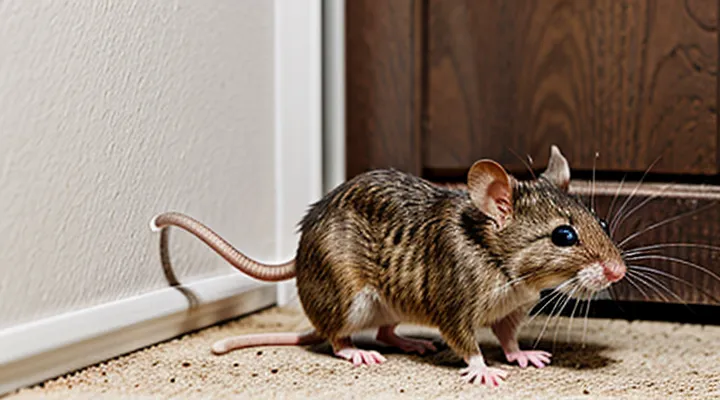
Signs of a Mouse Infestation
Identifying Common Indicators
Droppings and Urine Smells
Rodent droppings appear as small, dark, tapered pellets, typically 3‑5 mm long. Their presence indicates active foraging and can be found along walls, in cabinets, and near food sources. Urine deposits emit a sharp, ammonia‑like odor that intensifies in confined areas such as attics or basements. Both waste products carry pathogens, including Hantavirus and salmonella, which may become airborne when disturbed.
Identify contaminated zones before cleaning. Use a disposable mask and gloves, and avoid sweeping or vacuuming dry droppings, as this releases dust and microbes. Instead, follow a controlled sanitation protocol:
- Spritz droppings and urine stains with a solution of 1 part bleach to 10 parts water; let stand for at least 5 minutes.
- Wipe the area with disposable paper towels, discarding them in a sealed bag.
- Rinse the surface with clean water and apply an EPA‑registered disinfectant.
- Allow the area to dry completely before restoring any stored items.
After removal, seal entry points, eliminate food residues, and set up traps or bait stations to prevent re‑infestation. Persistent odor after cleaning suggests hidden urine pools; repeat the disinfection process or consult a professional pest‑management service.
Gnaw Marks and Damage
Mice leave characteristic gnaw marks that differ from those of other rodents. Teeth create clean, crescent‑shaped bites, usually 2‑3 mm wide, with sharp edges and no splintering. The marks often appear on soft materials such as electrical wiring, plastic tubing, and wooden frames.
Common damage locations include:
- Baseboards and wall voids, where gnawing opens pathways between rooms.
- Kitchen cabinets and pantry shelves, indicating food‑source access.
- Appliance cords, creating fire hazards.
- Insulation and HVAC ducts, leading to energy loss and reduced airflow.
When gnaw marks are identified, immediate actions should focus on containment and prevention:
- Seal entry points with steel wool, copper mesh, or caulk.
- Relocate food items into airtight containers; clean crumbs and spills.
- Disconnect and inspect damaged cords; replace or protect with conduit.
- Install snap‑tight traps or bait stations near active gnaw zones.
- Monitor for fresh marks daily to gauge effectiveness of interventions.
Prompt recognition of gnaw evidence limits structural deterioration and reduces the risk of secondary problems such as electrical fires or compromised insulation.
Scratching and Scurrying Noises
Scratching and scurrying sounds often indicate mouse activity within walls, ceilings, or floor cavities. The noises result from rodents moving through insulation, chewing on structural components, or navigating tight spaces. Their presence can be confirmed by tracing the sound to a specific area and observing droppings, gnaw marks, or nesting material.
Initial actions focus on verification and containment.
- Pause in the noisy area, listen for repeated patterns that suggest movement.
- Use a flashlight to inspect adjacent walls, baseboards, and cabinets for entry holes no larger than ½ inch.
- Place sticky traps or snap traps near identified pathways to capture active individuals.
- Seal discovered openings with steel wool and expanding foam; avoid materials that mice can gnaw through, such as soft caulk.
After trapping, monitor the environment for a reduction in noise. Persistent sounds may signal hidden nests or additional entry points, requiring a second inspection cycle. Maintaining a clean, food‑free interior and regularly checking structural seals prevents re‑infestation.
Nests and Hiding Spots
Mice establish nests and select hiding places soon after entering a residence. Recognizing these sites allows rapid intervention before the population expands.
Typical nesting locations include:
- Behind kitchen appliances such as refrigerators and stoves
- Inside wall cavities and ceiling joists
- Attic insulation and roof rafters
- Basement or crawl‑space corners
- Under floorboards and in stairwell voids
- Pantry shelves, especially where packaging is open or damaged
Signs that a nest is present consist of shredded paper, fabric, or insulation; concentrated droppings; gnaw marks on wood or plastic; and a faint, musky odor. Inspect each listed area with a flashlight, focusing on dark, undisturbed sections.
Once nests are identified, remove all nesting material, clean the area with a disinfectant, and place appropriate traps or bait stations nearby. After elimination, seal cracks, gaps, and utility openings larger than ¼ inch to prevent re‑entry. Continuous monitoring of previously infested spots ensures the problem does not recur.
Immediate Actions to Take
Safety First: Protective Measures
Handling Contaminated Areas
When rodents enter a dwelling, they leave droppings, urine, and nesting material that can harbor pathogens. Immediate attention to contaminated zones reduces health risks and prevents further spread.
- Identify all areas with visible signs: droppings, gnaw marks, shredded insulation. Mark these spots for targeted treatment.
- Wear disposable gloves, a mask rated for particulate protection, and closed shoes before entering any contaminated space.
- Remove debris with a stiff brush or vacuum equipped with a HEPA filter. Dispose of waste in sealed, labeled bags and remove them from the home promptly.
- Apply an EPA‑registered disinfectant to surfaces that may have contacted urine or feces. Follow the product’s contact time to ensure microbial kill.
- Launder any fabrics or bedding that can be safely washed at high temperatures; otherwise, discard them.
- After cleaning, seal entry points and set traps or bait stations to stop additional intrusion.
- Conduct a follow‑up inspection within 48 hours to verify that no new contamination appears.
Proper handling of contaminated areas limits exposure to diseases such as hantavirus and salmonella, and supports long‑term rodent management.
Storing Food Safely
Proper food storage is essential when addressing a mouse problem in a residence. Secure containers prevent rodents from accessing nutrients that attract them, reducing the likelihood of infestation spread.
Use airtight, plastic or glass containers with snap‑tight lids for all dry goods, including grains, cereals, nuts, and pet food. Place these containers on shelves rather than on the floor to limit mouse access. Store perishable items in the refrigerator or freezer and keep doors closed tightly.
Maintain a clean pantry by discarding expired products promptly. Wipe shelves with a mild detergent after each restocking to eliminate crumbs and residue. Keep the storage area free of water sources; dry any spills immediately.
Implement a routine inspection schedule. Check seals on containers weekly, replace damaged lids, and verify that no food is left uncovered on countertops or tables.
- Keep all food in sealed containers.
- Position storage units away from baseboards and walls.
- Remove and discard waste regularly.
- Clean surfaces after each use.
- Monitor for signs of rodent activity and act promptly.
Initial Trapping Strategies
Types of Traps: Pros and Cons
When rodents enter a residence, selecting an appropriate capture device is the first practical measure. Different trap designs vary in effectiveness, safety, and impact on non‑target animals.
Snap traps operate on a spring‑loaded bar that kills instantly.
- Advantages: Immediate result, low cost, reusable after cleaning, no chemicals.
- Disadvantages: Requires careful placement to avoid accidental injury, may be unsettling to occupants, limited to single catches before reset.
Live‑catch traps enclose the mouse without harming it.
- Advantages: Allows relocation, humane perception, reusable.
- Disadvantages: Requires regular monitoring to prevent stress or death, risk of escape if not sealed properly, may attract predators if released outdoors.
Adhesive boards consist of a sticky surface that immobilizes the rodent.
- Advantages: Simple deployment, no moving parts, inexpensive.
- Disadvantages: Causes prolonged suffering, difficult to dispose of, can trap insects or small pets unintentionally.
Electronic traps deliver a high‑voltage shock that kills quickly.
- Advantages: Fast, humane, contains the carcass for easy disposal, minimal odor.
- Disadvantages: Higher purchase price, needs electricity, may malfunction in damp locations.
Bait stations combine poison with a sealed container that the mouse enters.
- Advantages: Effective for large infestations, low labor after placement, can be placed in concealed areas.
- Disadvantages: Poses risk to children, pets, and wildlife, requires strict compliance with safety regulations, creates dead‑mouse disposal issues.
Choosing a trap depends on factors such as the severity of the problem, household composition, budget, and personal preference for humane solutions. Combining multiple types can increase coverage while mitigating the drawbacks of any single method.
Placement of Traps
When mice appear, optimal trap placement determines how quickly the infestation diminishes. Position devices where rodents travel most often; this maximizes capture rates and reduces unnecessary exposure to non‑target animals.
- Align traps parallel to walls, with the trigger end facing the wall. Mice prefer to run close to surfaces.
- Install traps near identified entry points such as gaps around doors, pipes, and vents.
- Place traps adjacent to food sources: pantry shelves, garbage bins, and countertops.
- Set devices in concealed routes like behind appliances, under cabinets, and within crawl spaces.
- Use multiple traps spaced 12–18 inches apart in high‑traffic zones to create a continuous barrier.
Select trap type that matches the environment: snap traps for rapid kill, live‑catch traps for relocation, or electronic traps for instant electrocution. Bait with high‑protein items—peanut butter, cheese, or dried fruit—rather than sweet substances that mice may ignore. Secure traps on stable surfaces to prevent displacement by household activity. Check traps daily; remove captured mice promptly, reset or relocate traps based on observed activity patterns. Adjust placement if catches decline, focusing on untouched areas that may serve as alternate pathways.
Baiting Techniques
Effective baiting requires selecting the appropriate attractant, positioning it where rodents travel, and managing exposure to non‑target animals. Choose a bait that matches the species’ diet preferences; for house mice, high‑protein options such as peanut butter, dried fruit, or commercial rodent blocks provide the strongest response. Ensure the bait is fresh and stored in a sealed container until deployment to maintain potency.
- Pre‑baiting: Place a small amount of non‑lethal food on the target surface for several days to condition mice to the location.
- Live‑trap baiting: Apply a pea‑sized quantity of soft cheese, nut butter, or a commercial attractant directly to the trap’s trigger mechanism.
- Snap‑trap baiting: Position a thin layer of bait on the trap’s trigger plate, avoiding excess that could allow the mouse to feed without activating the device.
- Stationary poison bait: Use tamper‑proof stations, fill with measured pellets of anticoagulant or bromethalin bait, and secure the station to prevent pet or child access.
After placement, monitor each station daily. Replace depleted bait promptly to sustain attraction, and record capture dates to identify peak activity periods. Dispose of captured rodents according to local regulations, and reset traps or stations until no further signs of activity appear. Continuous observation and timely bait renewal are essential for eliminating an infestation.
Sealing Entry Points
Inspecting Your Home's Exterior
Inspecting the exterior of a property is the first practical measure when dealing with a mouse problem. A thorough visual survey identifies potential entry points and eliminates conditions that attract rodents.
Begin at ground level and move clockwise around the building. Look for gaps larger than ¼ inch in the foundation, siding, or trim. Examine the area where utilities enter the home; seal any openings around pipes, cables, and vents. Pay special attention to:
- Gaps around doors and windows, including weather‑stripping that is missing or damaged.
- Cracks in the foundation or crawl‑space walls; fill with caulk or expanding foam.
- Openings around vent pipes, exhaust fans, and chimney flues; install steel mesh or flashing.
- Gaps beneath external lighting fixtures, mailboxes, and garage doors.
Inspect the roofline for loose eaves, damaged soffits, or missing shingles that could provide shelter. Trim vegetation that contacts the building, as vines and branches create bridges for rodents. Remove debris, stacked firewood, or compost piles positioned near the foundation, as they serve as food sources and hiding places.
Document each finding and prioritize repairs based on size and proximity to interior spaces. Address the most accessible gaps first, using materials that resist chewing, such as steel wool, copper mesh, or cement‑based sealants. Completing these exterior checks reduces the likelihood of mice re‑entering after interior control measures are applied.
Common Entry Points
Mice gain indoor access through small, often unnoticed openings. Identifying and sealing these pathways is the first practical measure in any rodent control plan.
- Gaps around plumbing, electrical, and HVAC penetrations
- Cracks in foundation walls or basement floors
- Uncapped or damaged chimney flues
- Open or poorly fitted doors and windows, including screens
- Unscreened vents, dryer exhausts, and attic hatches
- Gaps beneath siding, roofing material, or soffits
- Openings around utility meter boxes and cable entries
Inspect exterior walls, foundation, and roof for any opening larger than a quarter‑inch. Use steel wool, caulk, or hardware cloth to block gaps; replace damaged weatherstripping and install door sweeps. Seal utility penetrations with expandable foam rated for pest control. Regularly check for new cracks after seasonal temperature shifts and repair promptly. These actions reduce the likelihood of mouse intrusion and support subsequent control efforts.
Materials for Sealing Gaps
Sealing entry points prevents rodents from accessing interior spaces. Choose materials that resist gnawing, withstand environmental conditions, and create a durable barrier.
- Steel wool: dense fibers deter chewing; combine with caulk for a tight seal around pipes and small openings.
- Copper or hardware cloth: mesh with openings no larger than ¼ inch; suitable for larger gaps in foundations, vents, and crawl spaces.
- Expandable polyurethane foam: fills irregular voids; select low‑expansion formulas to avoid pressure damage, then cover with metal mesh for added protection.
- Silicone or acrylic caulk: seals cracks around windows, doors, and baseboards; silicone remains flexible and resists moisture.
- Concrete or mortar: repairs substantial foundation cracks; provides a permanent, hard barrier when applied correctly.
- Weatherstripping: affixes to door and window frames; prevents gaps that rodents exploit while improving energy efficiency.
Apply each material according to manufacturer instructions. Begin with a thorough inspection to locate all potential openings, then prioritize high‑traffic areas such as utility penetrations, vent covers, and foundation seams. A systematic approach to gap sealing reduces the likelihood of infestation and supports long‑term rodent control.
Hygiene and Sanitation
Cleaning Up After Mice
Disinfecting Surfaces
When rodents have entered a dwelling, the surfaces they touch become potential carriers of pathogens. Immediate disinfection reduces the risk of disease transmission and deters further activity.
Begin by removing visible debris and droppings with disposable gloves and a paper towel. Dispose of waste in a sealed bag. Follow with a two‑step cleaning protocol:
- First step – cleaning: Apply a detergent solution (warm water and mild soap) to the affected area. Scrub thoroughly to eliminate organic residue that can neutralize disinfectants.
- Second step – disinfection: Use an EPA‑registered rodent‑specific disinfectant or a 1 % sodium hypochlorite solution. Ensure the surface remains wet for the contact time listed on the product label, typically 5–10 minutes. Rinse with clean water if the disinfectant is not food‑safe.
Key considerations:
- Wear protective gloves and, if ventilation is limited, a mask to avoid inhaling aerosolized chemicals.
- Test the disinfectant on a hidden spot to confirm material compatibility, especially on painted wood, laminate, or electronic components.
- Prioritize high‑traffic zones such as kitchens, pantries, and entry points where mice are likely to travel.
- Repeat the process after any subsequent sightings or after cleaning up new droppings.
Maintain a schedule of weekly inspections and spot‑cleaning in areas prone to contamination. Document the disinfectants used, concentration, and application dates to track effectiveness and comply with health‑safety standards.
Proper Disposal of Contaminated Materials
When rodents have entered a dwelling, contaminated items must be removed promptly to prevent disease spread. Identify all materials that have contacted mouse urine, feces, saliva, or carcasses, including food packaging, bedding, droppings, and used traps.
- Wear disposable gloves and a mask before handling any contaminated object.
- Place each item in a heavy‑duty plastic bag; seal the bag tightly, then place it inside a second bag for double containment.
- Label the outer bag with “Biohazard – Rodent Contamination” and store it in a secure area away from living spaces.
- Transfer sealed bags to a municipal waste collection that accepts hazardous household waste, or arrange for a licensed pest‑control disposal service.
For dead rodents and soiled nesting material, follow the same double‑bag procedure, then place the bags in a trash container with a tight‑fitting lid. Do not compost or recycle these items. After disposal, disinfect gloves, tools, and work surfaces with a solution containing at least 1 % bleach or an EPA‑approved disinfectant; allow a contact time of 10 minutes before rinsing.
Maintain a log of disposed items, noting dates, types of material, and disposal method. The record supports compliance with local health regulations and assists in evaluating the effectiveness of future control measures.
Preventing Future Infestations
Food Storage Practices
Secure food storage is a fundamental measure when dealing with a mouse intrusion. Use containers that seal tightly, such as heavy‑wall plastic or glass jars with rubber gaskets. Metal cans with proper lids also work well. Place containers on shelves away from walls and floor, reducing easy access for rodents.
Maintain a clean pantry environment. Remove crumbs, spilled grains, and expired items daily. Sweep shelves, wipe surfaces with a mild detergent, and vacuum corners where debris can accumulate.
Implement a rotation system. Label each item with the purchase date and use older stock first. This prevents forgotten food from becoming a hidden attractant.
Consider the following checklist for an effective storage routine:
- Store dry goods (cereal, rice, pasta) in airtight containers.
- Keep pet food sealed and elevate it off the floor.
- Dispose of waste promptly in containers with tight-fitting lids.
- Inspect packaging for tears before placing items on shelves.
- Regularly audit pantry contents for signs of gnawing or droppings.
By adhering to these practices, the likelihood of mice finding sustenance within the home diminishes, supporting broader control efforts.
Waste Management
When rodents enter a dwelling, accessible food sources in waste areas often sustain the infestation. Proper handling of refuse eliminates the attraction and reduces population growth.
- Store trash in containers with tight-fitting lids; replace damaged seals promptly.
- Position bins away from walls and entry points to discourage climbing.
- Transfer kitchen scraps to a sealed compost system or discard them in a separate, sealed receptacle.
- Keep recycling containers clean; rinse cans and bottles before storage.
- Remove pet food after each feeding; store dry portions in airtight containers.
- Schedule regular garbage removal; avoid accumulation beyond the collection day.
Maintain a clean environment by wiping countertops, sweeping floors, and vacuuming corners where crumbs may settle. Inspect outdoor dumpsters for holes or gaps; repair or replace as needed. Implementing these waste‑control measures creates an inhospitable setting for mice, supporting the broader effort to limit their presence in the home.
Decluttering Your Home
When rodents enter a residence, the first practical measure is to eliminate the conditions that attract them. Reducing clutter removes hiding places, limits food sources, and creates an environment that is difficult for mice to navigate.
Begin by targeting areas where debris accumulates:
- Remove piles of newspapers, cardboard boxes, and unused paperwork from corners and under furniture. Store necessary documents in sealed containers.
- Clear out unused appliances, broken furniture, and excess décor. Donate or discard items that are no longer functional.
- Organize storage closets and garages by installing shelves, bins, and hooks. Keep items off the floor whenever possible.
- Eliminate food waste promptly. Transfer groceries to airtight containers and clean crumbs from countertops, floors, and pet feeding stations.
Next, address structural aspects that facilitate clutter:
- Trim back overgrown vegetation and trim tree branches that touch the building, preventing rodents from using them as bridges.
- Seal gaps around doors, windows, and utility penetrations with steel wool or caulk to block entry points that may be concealed by stored objects.
- Install simple shelving systems that keep items elevated, reducing the likelihood of mice nesting beneath them.
Finally, maintain a regular inspection routine:
- Conduct weekly visual checks of storage areas for new debris or signs of gnawing.
- Rotate items in storage to prevent long‑term accumulation in a single location.
- Keep cleaning schedules consistent, focusing on vacuuming corners and wiping down surfaces where food residues may collect.
By systematically removing unnecessary items and organizing essential ones, the residence becomes less hospitable to mice, laying a solid foundation for any further control actions.