
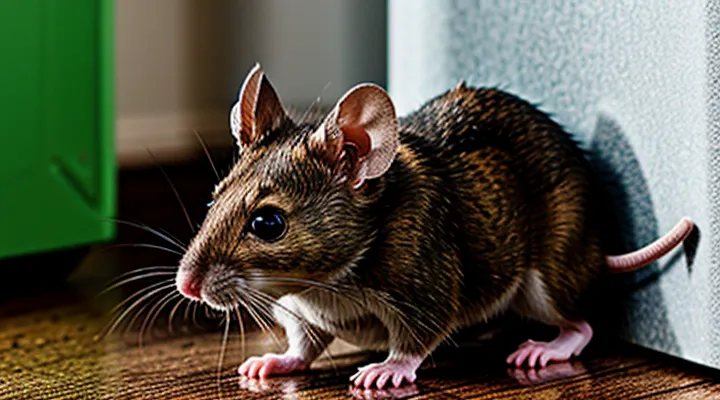
Understanding the Problem: Why Humane Methods Matter
The Ethical Imperative
«Animal Welfare Considerations»
Effective mouse management must prioritize the well‑being of the animal throughout the process. Strategies that cause rapid loss of consciousness or immediate death satisfy ethical standards while achieving control objectives. Selecting devices designed to deliver swift, painless outcomes—such as snap traps with calibrated force or electronic devices delivering a quick electric shock—reduces prolonged distress.
Key welfare factors include:
- Avoidance of toxic substances – poisons often result in prolonged suffering and pose risks to non‑target wildlife and humans.
- Target specificity – traps positioned to limit access by pets, birds, or beneficial insects prevent unintended harm.
- Humane euthanasia – when live capture is unavoidable, immediate euthanasia using approved methods (e.g., CO₂ exposure or cervical dislocation by trained personnel) complies with veterinary guidelines.
- Regular monitoring – frequent inspection of devices ensures prompt removal of deceased rodents, preventing secondary suffering and disease spread.
- Proper disposal – sealed containers and sanitary disposal methods eliminate health hazards while respecting animal dignity.
- Regulatory compliance – adherence to local animal welfare legislation and professional pest‑control standards reinforces ethical practice.
Training for personnel reinforces consistent application of these measures, ensuring that every intervention aligns with recognized humane principles.
«Minimizing Suffering»
Reducing the distress of rodents during population control requires strategies that combine efficacy with compassion. Methods should target immediate incapacitation, avoid prolonged pain, and limit collateral harm to non‑target animals.
- Deploy snap traps designed with a quick‑kill mechanism; position them along established runways to increase capture probability.
- Use electronic devices that deliver a brief, high‑voltage shock causing instantaneous death; ensure battery reliability and regular maintenance.
- Apply bait stations containing fast‑acting rodenticides formulated for single‑dose lethality; select compounds with minimal secondary toxicity and monitor placement to prevent accidental ingestion by pets or wildlife.
- Install exclusion barriers such as steel mesh and sealed entry points; this prevents entry without causing injury.
Implement a monitoring routine that records capture rates, assesses trap functionality, and reviews any signs of suffering. Adjust placement and device selection based on observed outcomes to maintain humane standards while achieving control objectives.
Identifying the Extent of the Infestation
«Signs of Mouse Activity»
Mice leave distinct evidence that confirms their presence and guides humane control strategies. Recognizing these indicators early prevents infestation growth and reduces the need for lethal measures.
Typical evidence includes:
- Dark, pellet‑shaped droppings near food sources, corners, or along walls.
- Fine gnaw marks on wires, furniture, cabinetry, and stored packaging.
- Small, shredded nests constructed from paper, fabric, or insulation, often hidden behind appliances or in concealed voids.
- Parallel tracks in dusty or powdered areas, visible as faint lines or footprints.
- Scratching or scurrying sounds within walls, ceilings, or attics, especially at night.
- Grease or smudge trails along baseboards and cabinets where mice travel.
- Burrows or tunnels in insulation, drywall, or ground‑level structures.
- Chewed or torn food containers, with crumbs or spilled contents nearby.
- Streaks of urine, which may appear as darkened spots on fabrics or surfaces.
Each sign warrants inspection and targeted, non‑lethal interventions such as sealing entry points, deploying live traps, and removing attractants. Prompt identification of mouse activity sustains a compassionate approach while protecting health and property.
«Locating Entry Points»
Locating the points where mice gain access to a building is the first step in any humane mouse control program. Identifying and sealing these openings prevents re‑infestation and eliminates the need for repeated trapping or deterrent use.
Inspection should focus on the exterior and interior of the structure. Look for gaps larger than a quarter‑inch, cracks in foundations, damaged siding, and openings around utility penetrations. Common entry sites include:
- Gaps under doors and windows
- Holes around pipes, vents, and cables
- Cracks in walls, floors, and ceilings
- Openings at the roofline, including eaves and soffits
Inside the building, signs of entry include gnaw marks, droppings, and shredded material near suspected openings. Use a flashlight to examine hidden areas such as behind appliances, under cabinets, and within crawl spaces. Mark each potential entry with a removable sticker to track inspection progress.
Once all openings are documented, seal them with appropriate materials: steel wool and caulk for small gaps, hardware cloth or metal flashing for larger holes, and weather‑stripping for door frames. After sealing, monitor the property for a few weeks to confirm that no new activity appears, indicating that the primary access routes have been effectively blocked.
Prevention: The First Line of Defense
«Sealing Entry Points»
«Inspecting Foundations and Walls»
Inspecting foundations and walls is the first step in any humane rodent control plan. Identify entry points, structural gaps, and moisture sources that attract mice.
- Examine the exterior perimeter for cracks larger than ¼ inch, gaps around utility penetrations, and damaged siding.
- Check the interior side of foundation walls for signs of gnaw marks, droppings, or shredded material.
- Use a flashlight to inspect low‑lying wall cavities, attics, and crawl spaces for nesting material and fresh urine stains.
- Test potential openings with a thin piece of flexible material; any movement indicates a breach that can be sealed.
Seal discovered openings with steel wool, caulk, or hardware cloth to prevent re‑entry. Repair water‑intrusion issues by redirecting downspouts, installing proper grading, and applying waterproof sealants. After sealing, monitor the inspected areas for at least two weeks to confirm that no new activity appears. This systematic approach limits mouse access while preserving humane treatment standards.
«Securing Vents and Pipes»
Securing vents and pipes prevents mice from entering buildings while avoiding lethal measures. Proper barriers close off the most common access points without compromising airflow or drainage.
- Inspect all exterior vents, dryer exhausts, and utility openings. Look for gaps larger than ¼ inch.
- Install stainless‑steel mesh (¼‑inch or smaller) over vent openings. Use screws with washers to attach the mesh securely, ensuring no loose edges.
- Apply a continuous bead of silicone or polyurethane sealant around the mesh perimeter to block small cracks.
- For larger pipe penetrations, fit a metal pipe guard or a flexible steel conduit sleeve that fits snugly around the pipe. Fasten the sleeve with stainless‑steel clamps.
- Seal the joint between pipe and guard with expanding foam that is low‑odor and non‑toxic to humans and animals.
- Check crawl spaces and attics for hidden openings around HVAC ducts. Use rigid foam board or metal flashing to close any discovered gaps.
- Conduct a quarterly visual inspection. Replace damaged mesh or corroded metal components promptly to maintain an airtight barrier.
These measures create a physical deterrent that eliminates entry routes without harming rodents, supporting an ethical approach to mouse management.
«Sanitation and Food Storage»
«Eliminating Food Sources»
Removing accessible food deprives mice of the energy needed to sustain colonies, directly reducing their presence without causing harm. Secure storage, regular cleaning, and proper waste management eliminate the primary attractants that encourage infestation.
- Seal all pantry items in airtight containers made of glass, metal, or thick plastic.
- Dispose of food scraps in sealed bags and place bins with tight‑fitting lids outside the dwelling.
- Sweep floors and wipe countertops after each meal to erase residual crumbs.
- Store pet food in locked containers and feed pets only at scheduled times, removing leftovers promptly.
- Repair cracks and gaps in walls, floors, and cabinets to prevent rodents from reaching hidden food stores.
Consistent implementation of these measures creates an environment where mice cannot locate nourishment, leading to a gradual decline in activity while preserving humane standards.
«Proper Waste Management»
Effective waste handling directly reduces mouse activity by removing food sources and shelter opportunities. Secure containers with tight-fitting lids to prevent rodents from accessing discarded material. Regularly clean waste areas, eliminating residues that can attract foraging mice. Implement scheduled removal of trash to limit accumulation time, especially in outdoor storage zones.
Key practices:
- Use metal or heavy‑duty plastic bins equipped with rat‑proof locks.
- Position containers away from building foundations and seal any gaps in walls or flooring.
- Separate organic waste into compostable units that are aerated and turned frequently to discourage burrowing.
- Maintain a clear perimeter around dumpsters; trim vegetation and remove debris that could serve as nesting sites.
- Inspect and replace damaged lids or seals promptly to avoid inadvertent entry points.
By consistently applying these measures, environments become less inviting to mice, supporting humane population control without resorting to lethal methods.
«Habitat Modification»
«Reducing Clutter»
Reducing clutter removes shelter and travel routes that attract mice, making an environment less inviting for these pests while preserving humane treatment.
A tidy space limits hiding places, forces rodents to remain exposed, and simplifies monitoring for activity. The result is a setting where non‑lethal deterrents function more effectively.
Practical measures:
- Remove piles of paper, cardboard, and fabric; store them in sealed containers.
- Keep food storage areas clear of crumbs and open packages; use airtight bins.
- Declutter floor space by eliminating unused furniture and stacked items.
- Organize recycling bins with tight‑fitting lids and position them away from entry points.
- Regularly sweep, vacuum, and mop to eliminate dust and debris that could conceal nests.
Implementing these actions creates a hostile environment for mice without resorting to harmful methods, supporting ethical pest management.
«Landscaping for Prevention»
Effective landscaping reduces rodent activity without harming animals. Proper ground cover, plant selection, and structural design create barriers that discourage mice from entering a property.
- Maintain a clear perimeter of at least three feet between vegetation and building foundations; trim shrubs, vines, and low branches that could serve as bridges.
- Replace dense ground cover with low‑growth, non‑thorny plants such as ornamental grasses, which limit shelter opportunities.
- Install hard‑scaping elements—concrete slabs, stone pathways, or metal edging—at the base of walls to block burrowing and climbing routes.
- Elevate mulch piles and compost bins on metal or plastic platforms; keep materials at least six inches above ground level to prevent tunneling.
- Ensure proper drainage by grading soil away from structures; eliminate standing water and soggy spots that attract insects, a food source for mice.
- Use natural repellents like peppermint oil or crushed garlic placed in strategic gaps; reapply after rain or every two weeks for sustained effect.
Regular inspection and timely removal of debris, fallen fruit, and excess wood chips further diminish attractants. Integrating these practices into routine yard maintenance sustains a hostile environment for mice while preserving ecological balance.
Humane Trapping and Removal
«Live Traps: Types and Usage»
«Choosing the Right Trap»
Selecting an effective humane mouse trap requires matching the device to the environment, target species, and handling preferences. The decision process revolves around four core criteria: capture mechanism, size compatibility, bait effectiveness, and release safety.
- Capture mechanism: live‑catch traps that seal without injury are preferred; snap or glue devices are excluded.
- Size compatibility: interior dimensions must accommodate adult mice (approximately 3–4 inches long) while preventing escape.
- Bait effectiveness: high‑protein or grain baits attract mice quickly; avoid scented or oily substances that can deter.
- Release safety: trap design should allow one‑hand opening and minimal stress during removal, reducing risk of bite or injury.
Material choice influences durability and cleaning. Stainless‑steel cages resist corrosion and withstand repeated sanitization. Plastic models are lightweight and inexpensive but may warp under heavy use. Coated wire traps combine strength with easy disassembly, though they require careful handling to avoid sharp edges.
Recommended trap types for compassionate rodent management include:
- Multi‑catch live traps – capture several individuals before needing emptying, suitable for heavily infested areas.
- Single‑catch humane traps – provide quick release for occasional sightings, ideal for residential settings.
- Bucket‑style catch traps – use a ramp and baited platform to drop mice into a holding container, effective in kitchens and basements.
Implementing the chosen trap involves positioning near walls, entry points, and known activity zones. Place traps perpendicular to travel paths, with the entry side facing the wall. Check traps at least twice daily to prevent prolonged confinement, which can cause stress or injury. Release captured mice at least 100 feet from the building, preferably in a wooded or field environment, and disinfect the trap before reuse. This systematic approach ensures humane removal while maintaining safety and efficacy.
«Proper Baiting Techniques»
Effective baiting relies on precise placement, appropriate attractants, and safe disposal methods. Selecting a bait that appeals to mice without posing risks to non‑target animals ensures humane control while minimizing unintended harm. Use fresh, high‑protein foods such as peanut butter, cheese, or boiled egg, and store them in sealed containers until deployment.
- Position bait stations along walls, behind appliances, and near known travel paths; mice prefer concealed routes.
- Secure bait in tamper‑proof containers to prevent access by pets, children, or wildlife.
- Replace bait every 2–3 days to maintain potency and reduce spoilage.
- Monitor stations daily; remove captured rodents promptly and disinfect the area.
- Rotate attractants weekly to avoid bait aversion and sustain interest.
Adhering to these practices maximizes capture efficiency and aligns with humane mouse management objectives.
«Safe Release Practices»
Effective safe-release methods protect both the captured mouse and the surrounding environment. Capture devices should be inspected for damage before use; a sturdy, escape-proof trap ensures the animal remains unharmed until release. When transporting a live mouse, place the trap in a ventilated container lined with soft material to reduce stress. Release should occur promptly, ideally within one hour of capture, to prevent dehydration and overheating.
Key steps for a humane release:
- Choose a release site at least 100 meters from any building, garden, or food source to discourage immediate return.
- Select a habitat offering shelter, natural cover, and access to water, such as a wooded edge, tall grass, or undisturbed field.
- Release the mouse during daylight hours when predators are less active, reducing the risk of immediate predation.
- Gently open the trap, allowing the mouse to exit on its own; avoid direct handling to minimize injury and stress.
- Observe from a distance to confirm the animal has left the trap before departing the area.
After release, disinfect the trap with a mild solution of bleach and water (1 part bleach to 9 parts water) and rinse thoroughly. Store the device in a dry location to prevent rust and maintain its integrity for future use. Regularly rotate trap locations to avoid habituation and ensure ongoing effectiveness of the humane control program.
«Repellents: Natural and Commercial»
«Essential Oils and Botanical Repellents»
Essential oils and plant‑derived repellents provide a non‑lethal method for discouraging mouse activity in homes and storage areas. Their volatile compounds interfere with rodents’ scent receptors, prompting avoidance of treated zones.
Commonly employed botanicals include:
- Peppermint oil (Mentha piperita) – apply 10–15 drops diluted in water to cotton balls; replace weekly.
- Eucalyptus oil (Eucalyptus globulus) – spray a 5 % solution near entry points and along baseboards.
- Clove oil (Syzygium aromaticum) – soak cotton swabs, position in corners, refresh every 3–4 days.
- Citronella oil (Cymbopogon nardus) – use a 3 % spray around food storage and waste containers.
- Thyme oil (Thymus vulgaris) – combine with water, mist floors and shelving.
Effectiveness depends on concentration, coverage, and regular reapplication because volatile substances dissipate. Placement of treated material near known mouse pathways—such as gaps under doors, behind appliances, and within wall cavities—maximizes deterrence. Combining several oils can broaden the olfactory spectrum, reducing the likelihood of habituation.
Safety considerations require dilution to prevent skin irritation and to protect pets. Use carrier liquids (water or mild soap) and avoid direct application on surfaces that contact food. Store oils in sealed containers away from heat and sunlight to preserve potency.
When integrated with exclusion techniques—sealing entry points and maintaining cleanliness—essential oils and botanical repellents form a humane, chemical‑light strategy for reducing mouse presence without harming the animals.
«Electronic Repellent Devices»
Electronic repellent devices provide a non‑lethal alternative for managing mouse activity in residential and commercial settings. These units emit ultrasonic frequencies, electromagnetic fields, or acoustic signals that disrupt rodent sensory systems, prompting avoidance of treated areas.
Effectiveness depends on species sensitivity, environmental conditions, and proper placement. Devices must be positioned at least 12 inches off the floor, away from solid surfaces that block sound propagation. Continuous operation is required; intermittent use reduces deterrent impact. Regular cleaning prevents dust accumulation that can attenuate emissions.
Key characteristics of electronic repellents:
- Frequency range: Ultrasonic models operate between 20 kHz and 65 kHz; mice detect sounds up to 90 kHz, while humans perceive only up to 20 kHz.
- Coverage area: Typical units cover 500–1,200 sq ft; overlapping devices ensure uniform protection in larger spaces.
- Power source: Plug‑in units provide constant output; battery‑powered models offer portability but have limited runtime.
- Safety: Emissions remain below levels that affect human hearing or pet health; however, some pets may experience discomfort.
Limitations include reduced efficacy in open or highly cluttered environments, and diminished performance if walls or furniture obstruct wave transmission. Empirical studies report variable success rates, often requiring integration with exclusion methods such as sealing entry points. Selecting a device with adjustable frequency settings and verified field testing data enhances reliability in humane mouse control programs.
«Exclusion Techniques for Active Infestations»
«One-Way Door Systems»
One‑way door systems are exclusion devices that permit rodents to leave a structure while blocking their return. The mechanism consists of a funnel‑shaped entrance that guides mice toward a hinged flap; once the animal passes through, the flap swings shut, creating a one‑directional pathway.
Key design elements include:
- Aperture dimensions calibrated for common house mouse size (approximately 19 mm × 30 mm).
- A lightweight, self‑closing flap made of stainless steel or reinforced plastic to resist chewing.
- A smooth interior surface that prevents jamming and encourages rapid movement.
Installation follows a straightforward sequence:
- Identify points of entry such as gaps under doors, vent openings, or wall cracks.
- Secure the device to the exterior of the structure with corrosion‑resistant screws, ensuring the funnel faces inward.
- Monitor the flap for activity; when mice have exited, remove the unit and seal the opening permanently.
Advantages of this approach are evident: it eliminates the need for toxic baits, complies with humane standards, and reduces the risk of secondary poisoning. By removing rodents without killing them, the method also prevents the buildup of dead‑animal odor that can attract predators.
Effective use requires attention to sizing, regular inspection for damage, and integration with broader sanitation measures such as sealing food sources and maintaining dry conditions. When combined with these practices, one‑way door systems provide a reliable, ethical solution for rodent exclusion.
«Professional Exclusion Services»
Professional exclusion services focus on sealing entry points, removing attractants, and implementing barriers that prevent rodents from accessing indoor spaces without resorting to lethal measures. Technicians conduct comprehensive inspections to locate gaps, cracks, and utility penetrations that serve as pathways for mice. Identified openings are repaired with durable materials such as steel wool, copper mesh, or silicone caulk, ensuring long‑term resistance to re‑entry.
The process includes three core actions:
- Inspection and documentation: Detailed mapping of structural vulnerabilities and evidence of activity.
- Physical exclusion: Installation of sealed barriers, weather stripping, and door sweeps tailored to the building’s architecture.
- Preventive maintenance guidance: Recommendations for landscaping, waste management, and routine checks to sustain a rodent‑free environment.
Clients benefit from reduced reliance on traps or poisons, lower risk of property damage, and compliance with health regulations that favor non‑lethal control methods. Professional exclusion also minimizes accidental harm to non‑target wildlife, aligning with ethical standards for pest management.
Choosing a certified exclusion provider guarantees adherence to industry protocols, documented performance metrics, and accountability through post‑service follow‑up inspections. This systematic approach delivers reliable, humane outcomes for residential and commercial settings alike.
Post-Removal Strategies
«Monitoring for Re-infestation»
«Regular Inspections»
Regular inspections are a cornerstone of humane rodent management. By systematically surveying living spaces, property owners can detect early signs of mouse activity and intervene before infestations develop.
Effective inspection routines include:
- Weekly visual checks of kitchen cabinets, pantry shelves, and food storage areas.
- Monthly examination of concealed locations such as behind appliances, under sinks, and within wall voids.
- Quarterly assessment of exterior entry points, including gaps around utility lines, vent openings, and foundation cracks.
During each visit, look for droppings, gnaw marks, shredded materials, and faint urine trails. Use a flashlight to illuminate dark corners and a magnifying lens for detailed inspection of potential nesting sites. Record findings in a log, noting the exact location, type of evidence, and date of observation.
When evidence is confirmed, apply non‑lethal deterrents promptly. Seal identified entry points with steel wool or caulk, relocate food items to sealed containers, and place humane traps near the activity hotspot. Re‑inspect the area within 48 hours to verify that the intervention has halted further mouse movement.
Maintaining a consistent schedule reduces reliance on chemical controls and aligns with ethical pest‑reduction strategies. The cumulative effect of regular monitoring is a lower population density, minimized damage, and a healthier environment for both humans and wildlife.
«Preventive Measures Reinforcement»
Effective rodent control relies on solid preventive foundations. Strengthening barriers, eliminating attractants, and maintaining vigilance reduce the likelihood of mouse incursions without resorting to lethal methods.
- Seal cracks, gaps, and utility penetrations with steel wool, caulk, or metal flashing. Inspect foundations, doors, and windows quarterly.
- Store food in airtight containers made of glass, metal, or heavy‑duty plastic. Keep pantry shelves clean and free of crumbs.
- Dispose of garbage daily in sealed bins. Position receptacles away from building walls and elevate them on platforms where feasible.
- Eliminate clutter in basements, attics, and storage rooms. Remove cardboard, paper stacks, and fabric piles that provide nesting material.
- Maintain landscaping to discourage shelter. Trim vegetation, keep grass short, and store firewood at least two feet from the structure.
- Conduct regular visual inspections for droppings, gnaw marks, and fresh burrows. Document findings and schedule remediation within 48 hours.
- Install passive monitoring devices such as snap‑tight entry tubes or motion‑activated cameras at known travel routes. Review data weekly to identify emerging hotspots.
Reinforced preventive actions create an environment that discourages mouse activity, supporting humane management objectives while minimizing the need for direct intervention. Continuous assessment and prompt repair of weaknesses preserve long‑term effectiveness.
«Cleaning and Disinfecting Infested Areas»
«Safety Precautions»
Effective mouse control that avoids lethal measures requires strict adherence to safety protocols. Improper handling of traps, repellents, or exclusion devices can expose occupants to health hazards, damage property, or cause unintended animal suffering.
- Wear disposable gloves when placing live‑catch traps or applying natural repellents to prevent direct contact with rodent urine, droppings, or saliva, which may carry pathogens such as hantavirus or salmonella.
- Use sealed containers for captured mice; transport them to release sites promptly to minimize stress and reduce the risk of escape.
- Keep traps out of reach of children and pets; store them in locked cabinets when not in use.
- Follow manufacturer instructions for any chemical deterrents, even those labeled “natural.” Apply only in well‑ventilated areas and avoid excess concentrations that could irritate skin or respiratory passages.
- Disinfect surfaces where rodents have been active with an EPA‑approved disinfectant before resetting traps or sealing entry points.
- Inspect and maintain exclusion materials—steel wool, mesh, or silicone sealant—regularly to ensure they remain intact and do not create gaps that could harbor pests.
- Document each step of the control process, including dates of trap placement, capture counts, and disposal methods, to support accountability and regulatory compliance.
Observing these measures protects human health, preserves the integrity of living spaces, and upholds the ethical standards of non‑lethal rodent management.
«Recommended Cleaning Agents»
Effective mouse control relies on cleaning agents that deter rodents without causing suffering or posing hazards to humans and pets. Selecting appropriate products reduces attractants, eliminates scent trails, and maintains a sanitary environment.
Recommended cleaning agents include:
- White distilled vinegar: neutralizes urine odor, disrupts pheromone markings, and evaporates without residue. Dilute 1:1 with water for routine surface cleaning.
- Lemon juice or citric acid solution: acidic environment discourages nesting; mix equal parts lemon juice and water, apply to countertops and cabinets.
- Peppermint essential oil: strong scent repels mice. Add 10 ml to 1 liter of water, spray around entry points and along baseboards.
- Eucalyptus or tea tree oil: comparable repellent effect; use 5–8 drops per liter of water, apply to floor seams and behind appliances.
- Enzyme-based cleaners: break down organic residues that attract rodents. Follow manufacturer’s dilution guidelines for floor and wall treatments.
- Non‑toxic, biodegradable degreasers: remove food grease that lures mice; opt for plant‑based formulas free of harsh chemicals.
Application guidelines:
- Clean all surfaces where food debris accumulates before applying the chosen agent.
- Allow the solution to remain wet for at least five minutes to ensure odor neutralization.
- Reapply agents weekly in high‑traffic areas and after any spill or cleaning event.
- Store products out of reach of children and pets; label containers clearly.
Using these agents in a disciplined cleaning routine creates an environment that discourages mouse activity while adhering to humane standards.