
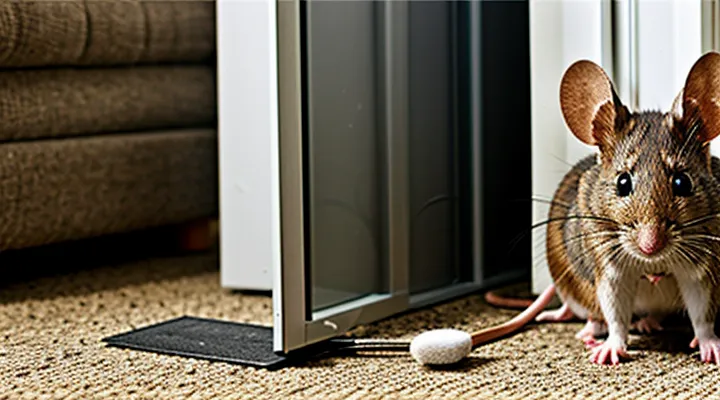
Understanding the Mouse Problem
Signs of a Mouse Infestation
Droppings and Urine Trails
Droppings and urine trails serve as primary indicators of mouse activity. Fresh droppings appear as small, dark, cylindrical pellets about ¼ inch long; older deposits become lighter and may crumble. Urine, invisible to the naked eye, leaves a faint, oily sheen on surfaces and creates a distinct, musky odor. Both signs reveal the routes rodents use to travel between food sources and nesting sites.
When setting traps, place them directly in or near these pathways. Position baited devices perpendicular to the trail, ensuring the mouse must pass over the trigger mechanism. Align multiple traps along a continuous line of droppings to increase capture probability. Avoid locations where droppings are sparse, as mice are less likely to investigate.
Handling contaminated material requires protective gloves and a mask. Disinfect surfaces with a solution containing at least 70 % isopropyl alcohol or a diluted bleach mixture (1 part bleach to 9 parts water). Allow the area to dry completely before deploying traps, preventing residual scent from deterring rodents.
Gnaw Marks and Damage
Gnaw marks provide the most reliable indication that mice are present and actively feeding. Recognizing these signs allows you to position traps where they will encounter the highest traffic.
Mice leave distinct bite patterns on wood, plastic, wiring, and food packaging. Cuts are clean, V‑shaped, and spaced at regular intervals of 1–2 mm. Soft materials show ragged edges, while hard surfaces display smooth, shallow gouges. Repeated gnawing on electrical cords produces exposed wires that can cause short circuits.
- Chewed edges on baseboards or cabinets
- Punched holes in packaging, often near seams
- Frayed or stripped insulation on wires
- Shredded paper or cardboard near food sources
- Small piles of gnawed material, sometimes mixed with droppings
Locate the most recent gnaw marks and trace the direction of the cuts; this reveals the mouse’s pathway. Place snap or live traps perpendicular to the line of activity, with the trigger end facing the entry point. Use bait that matches the material the mouse is targeting, such as grain near stored food or peanut butter near wiring.
After capture, inspect all affected areas for additional damage. Repair or replace compromised components to prevent re‑entry and eliminate future hazards. Continuous monitoring of gnaw marks ensures that trapping remains effective and that structural damage does not accumulate.
Strange Noises and Odors
Mice often reveal their presence through atypical sounds and smells. High‑pitched squeaks, scratching on walls, or rustling within insulation indicate active movement, especially at night when rodents are most active. These noises differ from normal household sounds by their frequency and persistence; a consistent, intermittent squeal suggests a nesting site nearby.
Odors accompany mouse activity. A distinct, musky scent arises from urine marking territories and from the secretions of their droppings. The smell intensifies in enclosed spaces such as cabinets, basements, or behind appliances. Detecting these odors early helps locate infestation hotspots, allowing placement of traps where they are most effective.
Typical indicators to monitor:
- Repetitive high‑frequency squeaks or scratching behind walls or ceilings
- Soft rustling within stored items, insulation, or wiring conduits
- Musky, ammonia‑like odor, especially near food storage areas
- Accumulation of droppings near suspected entry points
Identifying these auditory and olfactory cues enables precise trap deployment, increasing capture rates while minimizing unnecessary placement.
Why Mice Are a Problem
Health Risks
Trapping rodents introduces several health hazards that require immediate attention. Direct contact with live or dead mice can transmit pathogens such as hantavirus, leptospirosis, and salmonella. Bacterial contamination spreads through droppings, urine, and saliva left on surfaces and trap mechanisms. Allergens in mouse hair and dander trigger respiratory irritation and exacerbate asthma in sensitive individuals.
Mechanical traps pose injury risks. Fingers, hands, and clothing can be punctured or crushed when a trap releases unexpectedly. Improper placement may cause accidental activation by non‑target species, leading to unnecessary suffering and potential disease exposure from other wildlife.
Poison baits generate secondary poisoning. Predators or scavengers that consume poisoned mice may suffer toxic effects, contaminating the household environment. Residual poison on traps or surfaces creates a chemical hazard for children and pets.
Mitigation measures include wearing disposable gloves and protective clothing when handling traps, disposing of captured mice in sealed bags, sanitizing trap surfaces with disinfectant after each use, and storing bait away from food preparation areas. Regular cleaning of areas where mice have been active reduces allergen buildup and limits pathogen survival.
Property Damage
Mice gnawing can compromise building integrity, chew through insulation, and breach wiring, creating fire hazards and costly repairs. Their presence also contaminates food stores, spreads pathogens, and damages furniture, flooring, and stored goods. Ignoring these effects increases maintenance expenses and reduces property value.
Implementing straightforward trapping techniques interrupts the damage cycle. Snap traps, glue boards, and humane catch‑and‑release devices require minimal setup, deliver immediate results, and eliminate rodents before they inflict further harm. Regular placement in high‑activity zones—near walls, behind appliances, and in concealed corners—maximizes capture rates and protects vulnerable structures.
Typical property damage caused by mice includes:
- Structural weakening from chewed wood and drywall
- Compromised electrical systems due to stripped wires
- Fire risk from exposed conductors
- Contamination of food and surfaces with urine and droppings
- Damage to upholstery, carpets, and stored items
- Deterioration of insulation and HVAC components
Consistent use of simple traps reduces these losses, preserves the building’s condition, and avoids expensive remediation.
Preparing for Mouse Trapping
Choosing the Right Traps
Snap Traps: Pros and Cons
Snap traps are a widely used tool in mouse control because they deliver instantaneous capture without the need for chemicals. Their design consists of a spring‑loaded bar that snaps shut when a mouse triggers the trigger plate, causing rapid death.
Advantages
- Immediate result; no waiting period for poison to act.
- Low cost per unit; bulk purchases reduce expense further.
- No toxic residues; safe for households with children or pets when placed correctly.
- Reusable; the mechanism can be reset after each catch.
- Easy disposal; the dead mouse can be removed without handling live rodents.
Disadvantages
- Requires precise placement; traps must be positioned along established runways.
- Potential for accidental activation; mishandling can cause injury.
- Limited to single catches; each trap captures one mouse before resetting.
- May cause distress to observers; visible killing can be unsettling.
- Effectiveness diminishes in cluttered environments where mice avoid open spaces.
Live Traps: Pros and Cons
Live traps provide a non‑lethal alternative for mouse control, allowing capture without killing the animal. They are reusable, reduce the risk of poison exposure, and enable relocation away from the home.
Advantages
- Humane capture; animal remains alive.
- No chemicals; safe for children and pets.
- Reusable; low long‑term cost after initial purchase.
- Immediate visual confirmation of capture.
Disadvantages
- Requires regular monitoring to prevent stress or injury to the captured mouse.
- Relocation may be illegal in some jurisdictions; improper release can spread infestation.
- Lower immediate kill rate compared to snap or electric traps; may need multiple units.
- Some designs allow escape if not sealed correctly.
Choosing live traps involves weighing the need for humane treatment against the responsibility of proper release and ongoing maintenance. Effective use demands frequent checks, adherence to local wildlife regulations, and a plan for humane relocation or euthanasia if release is not feasible.
Electronic Traps: Pros and Cons
Electronic mouse traps use a high‑voltage shock to kill rodents instantly. The device contains a sensor that detects movement, closes an electrical circuit, and delivers a lethal pulse. Batteries or mains power supply the system, allowing placement in concealed locations such as closets, walls, or attics.
Advantages
- Immediate kill eliminates suffering and prevents disease spread.
- No bait required; rodents cannot develop bait aversion.
- Reusable; a single unit can handle multiple captures over months.
- Clean operation; no droppings or dead bodies left in the trap.
Disadvantages
- Higher purchase price than snap or glue traps.
- Requires power source; battery failure or power outage disables the device.
- Shock may be ineffective on larger rodents or those with thick fur.
- Some users report audible clicks, which can be disturbing in quiet environments.
When selecting a control method, weigh the upfront cost and power dependency against the benefits of humane, mess‑free, and repeatable use.
Selecting the Best Bait
Common Bait Options
Effective bait selection determines trap success. Mice respond to strong, sweet, or protein‑rich scents; therefore, common choices include:
- Peanut butter – high odor, adheres to trap surfaces, remains attractive for hours.
- Cheese – traditional, works best with strong varieties such as cheddar or blue; may dry quickly.
- Chocolate – sweet aroma draws rodents; use small pieces to prevent breakage.
- Nuts and seeds – almonds, sunflower seeds, or pumpkin seeds provide protein and fat; ensure they are unsalted.
- Dried fruit – raisins, apricots, or dates emit sugary scent; suitable for indoor settings.
- Pet food – wet or dry kibble, especially fish or poultry flavors, offers familiar protein source.
- Granulated sugar or honey – pure sweetness attracts but may melt or attract insects; apply sparingly.
Apply a pea‑size amount directly onto the trigger mechanism; secure with a thin layer of waxed paper if needed to prevent spillage. Rotate baits every 2–3 days to maintain novelty and reduce habituation. Avoid using strong chemicals or scented cleaners near traps, as they can mask bait odor. Maintain cleanliness of the trap area to prevent secondary odors that might deter mice.
Tips for Baiting Traps
Effective baiting determines whether a trap catches a mouse or remains untouched. Choose attractants that match the rodent’s natural preferences and present them in a way that encourages quick contact with the trigger mechanism.
- Use fresh, high‑protein foods such as peanut butter, cooked bacon, or small pieces of cheese. The scent draws mice from a distance, while the sticky texture ensures the bait stays on the trap.
- Pair solid bait with a small amount of sweet substance (e.g., a dab of honey on a piece of oatmeal). The contrast appeals to both protein‑ and carbohydrate‑seeking individuals.
- Keep bait size small enough to fit entirely on the trigger plate. Oversized pieces may allow the mouse to eat without activating the mechanism.
- Place bait on the trigger surface rather than on the trap’s edges. Direct contact forces the mouse to apply pressure where it matters.
- Refresh bait daily or whenever it dries out. Stale odor loses potency and reduces trap effectiveness.
- Rotate bait types every few days. Mice quickly become habituated to a single scent, lowering capture rates.
- Store unused bait in airtight containers to preserve aroma and prevent contamination.
Position traps along walls, behind appliances, and near known runways. Ensure the baited side faces the wall so the mouse approaches head‑first, increasing the likelihood of trigger activation.
Safety Precautions
Protecting Children and Pets
Mice traps can pose injury risks to children and pets if placed without precaution. Selecting devices that minimize accidental contact reduces the likelihood of bites, punctures, or ingestion of toxic bait.
Choose traps that incorporate enclosed chambers, snap mechanisms shielded by a plastic cover, or live‑catch cages with secure doors. Avoid glue boards and snap traps with exposed springs in areas accessible to non‑target animals.
Place traps along walls, behind appliances, or inside concealed corners where children and pets cannot reach them. Secure each trap to a sturdy surface to prevent tipping. Keep baited traps out of sight and lock doors to rooms containing traps when unsupervised.
- Inspect traps daily; remove captured rodents promptly.
- Store unused traps in a locked container.
- Use non‑poisonous bait such as peanut butter on a small piece of cardboard.
- Educate household members about trap locations and safe handling procedures.
Handling Traps Safely
When setting traps, protect yourself from accidental injury and disease transmission. Wear disposable gloves before handling any device; discard them after use to avoid contaminating skin with rodent saliva or urine. Keep traps away from children and pets by placing them in sealed containers or mounting them on surfaces inaccessible to non‑target animals.
Before activation, inspect each trap for damage. Replace broken springs, cracked plastic, or rusted metal components. Secure bait securely to prevent it from spilling and attracting unintended wildlife. Position traps along walls, behind appliances, and near known rodent pathways, ensuring the trigger faces the expected direction of travel.
After capture, follow these steps:
- Approach the trap slowly, keeping hands away from the trigger mechanism.
- Use thick tongs or a dedicated trap removal tool to lift the device without direct contact.
- Transfer the trapped mouse into a sealed bag; double‑bag for added containment.
- Dispose of the bag in an outdoor trash container with a tight‑fitting lid.
- Clean the trap with a disinfectant solution, rinse, and allow it to dry completely before reuse.
Maintain a log of trap locations, dates of placement, and outcomes. Regularly resetting or relocating traps reduces the risk of repeated catches in the same spot and limits exposure time for the device. By adhering to these precautions, you minimize personal risk while maintaining an effective rodent control program.
Effective Trapping Techniques
Placement of Traps
High-Traffic Areas
Mice concentrate movement along routes that provide easy access to food, water, and shelter. These routes, known as high‑traffic zones, offer the greatest probability of trap encounters.
Typical high‑traffic zones include:
- Gaps beneath appliances, especially refrigerators and stoves.
- Openings behind cabinets and pantry shelves.
- Spaces around baseboards, especially where walls meet floors.
- Areas near garbage containers, pet feeding stations, and compost bins.
- Entry points around doors, windows, and utility penetrations.
To exploit these zones, first identify signs of activity such as droppings, gnaw marks, or rub‑off grease. Place traps directly in the line of travel, aligning the bait side toward the wall so mice approach from a familiar direction. Use snap traps or baited glue boards on the floor, not on elevated surfaces, because mice prefer ground‑level routes.
After placement, check traps daily. Remove captured rodents, reset bait, and reposition any trap that shows no activity after 48 hours. Continuous observation of high‑traffic zones ensures that traps remain effective as mouse paths shift.
Hidden Locations
Mice exploit concealed spaces to avoid detection. Identifying these areas increases trap effectiveness.
Typical concealed sites include:
- Wall voids and gaps behind baseboards where insulation creates a protected tunnel.
- Under appliances such as refrigerators, stoves, and dishwashers; heat and food residues attract activity.
- Inside cabinets, especially behind rarely used shelves or in the back corners where crumbs accumulate.
- Between floor joists and beneath crawl spaces; loose boards or damaged flooring expose entry points.
- In ceiling panels and attic insulation, where darkness and warmth provide shelter.
- Inside furniture, particularly in upholstered chairs and sofas with removable cushions.
Inspect each location for signs of mouse presence: droppings, gnaw marks, urine stains, and shredded material. Seal openings larger than ¼ inch with steel wool and caulk to prevent re‑entry. Place snap or live‑catch traps directly against walls or in the center of the identified hiding spot, ensuring the trigger is oriented toward the mouse’s travel path. Rotate trap placement every few days to cover adjacent concealed areas and maintain pressure on the rodent population.
Setting and Monitoring Traps
Proper Trap Setup
Proper trap placement determines whether a mouse capture attempt succeeds. Choose a location where rodent activity is evident: along walls, behind appliances, near food storage, or within established runways. Position the trap so its trigger side faces the wall; mice habitually travel with their nose close to the surface, increasing the likelihood of contact. Ensure the bait is secured directly on the trigger mechanism, not on the surrounding surface, to prevent the animal from removing it without activating the trap.
Maintain alignment and stability:
- Place the trap on a flat surface; avoid uneven flooring that could cause mis‑triggering.
- Secure the trap with a small weight or tape if the area is prone to vibration.
- Keep the bait fresh; replace it daily to maintain attractiveness.
- Inspect the trap before each deployment to confirm the trigger springs freely.
After capture, handle the trap with gloves, dispose of the rodent according to local regulations, and reset the device promptly. Regularly rotate trap locations within the same zone to prevent mice from learning avoidance patterns.
Regular Trap Checks
Regular inspection of mouse traps prevents bait spoilage, reduces the risk of disease transmission, and ensures that traps remain effective. Check each device at least once daily; more frequent checks are advisable in high‑activity areas or when multiple traps are deployed.
When inspecting a trap, follow these steps:
- Confirm the trigger mechanism moves freely and resets after each catch.
- Remove any captured mouse, wearing disposable gloves to avoid contamination.
- Dispose of the carcass in a sealed bag and place it in an outdoor trash container.
- Re‑bait the trap using fresh attractant; replace bait that appears dried or contaminated.
- Clean the trap surface with a mild disinfectant to eliminate scent markers that could deter future captures.
Record the location, time of capture, and condition of each trap in a log. Patterns in capture data reveal hotspot activity and guide adjustments to trap placement or bait type. Consistent monitoring shortens the control cycle and maximizes the success of simple mouse‑trapping methods.
Dealing with Captured Mice
Releasing Live-Trapped Mice
When a mouse is captured alive, immediate release minimizes stress and reduces the chance of injury. Local regulations often require humane disposal, and releasing the animal away from the building prevents future infestations.
Select a release site at least two miles from the entry point, preferably in a wooded or field area offering shelter and natural food sources. Check the location for predators and avoid roads or human activity that could endanger the mouse.
- Wear disposable gloves to protect both handler and rodent.
- Place the trap on a flat surface, open the door gently, and allow the mouse to exit without chasing.
- Keep the trap upright while the animal leaves; do not shake or tip it.
- Move the trap to the pre‑chosen site within a short distance to limit exposure to heat or cold.
- Set the trap down, open the door fully, and step back to let the mouse run freely.
After release, inspect the original capture area for gaps, cracks, or entry points. Seal openings with steel wool, caulk, or metal mesh. Install preventive measures such as snap traps or ultrasonic devices to deter new intruders. Monitoring for additional activity confirms that the release was effective and that the property remains secure.
Disposing of Deceased Mice
After a mouse has been captured and killed, immediate and safe disposal prevents disease spread, secondary infestations, and unpleasant odors. Handle the carcass with disposable gloves, seal it in a plastic bag, and remove it from the dwelling without delay.
Recommended disposal options:
- Trash removal – Place the sealed bag in an outdoor garbage container that is collected weekly. Ensure the bag is double‑sealed to avoid leaks.
- Composting – If a certified compost system for animal waste is available, add the sealed carcass to a high‑temperature compost bin. Verify that local regulations permit this practice.
- Burial – Dig a hole at least 12 inches deep, away from vegetable gardens and water sources. Encase the bag in soil, then cover and compact the earth.
- Professional pest‑control service – Contact a licensed provider to retrieve and dispose of the remains according to health‑code standards.
For each method, clean the gloves and any tools with a disinfectant solution after use. Store disinfectant in a labeled container and follow the manufacturer’s contact time to ensure pathogen elimination.
Preventing Future Infestations
Sealing Entry Points
Identifying Gaps and Cracks
Identifying gaps and cracks is essential for effective mouse control. Small openings in walls, floors, and foundations provide entry points for rodents. Inspect each room systematically, focusing on areas where pipes, cables, and ventilation ducts pass through structures. Use a flashlight to reveal hidden fissures behind appliances and under cabinets.
Common locations where mice gain access include:
- Baseboards where paint has peeled away
- Gaps around door frames and window sills
- Openings around utility penetrations such as water lines and electrical conduits
- Cracks in foundation slabs and brickwork
- Spaces beneath sinks and behind refrigerator trim
Measure each opening with a ruler or a credit‑card thickness gauge. Any gap larger than ¼ inch (approximately 6 mm) permits mouse entry. Seal gaps using appropriate materials: steel wool for irregular shapes, expanding foam for larger voids, and caulk or mortar for smooth surfaces. Reinforce sealed areas with metal flashing or hardware cloth when durability is required.
Document findings in a checklist, noting location, size, and sealing method. Prioritize repairs based on the size of the opening and proximity to food sources. Completing this inspection and sealing process before deploying traps significantly reduces re‑infestation risk.
Repairing Damage
Effective mouse capture techniques often leave structural damage that compromises safety and sanitation. Prompt repair restores integrity, prevents re‑infestation, and protects property value.
Typical damage includes gnawed wood framing, chewed insulation, punctured drywall, and compromised wiring. Each material requires a specific remediation approach to ensure durability.
- Seal entry points: Identify holes larger than ¼ inch, clean edges, and fill with steel‑wool followed by a hard‑setting epoxy or cement‑based filler.
- Repair wood: Remove splintered sections, treat surrounding wood with a rodent‑resistant sealant, then apply a two‑part wood filler and sand smooth before repainting.
- Restore drywall: Cut out compromised sections, install a new drywall patch, secure with joint tape, apply spackling compound, sand, and finish with paint matching the surrounding wall.
- Replace insulation: Extract contaminated fibers, install fire‑rated, rodent‑proof insulation batts, and seal seams with foil‑tape.
- Inspect wiring: Cut damaged conduit, strip insulation from exposed conductors, reconnect using wire nuts, and cover with heat‑shrink tubing or conduit sleeves.
Select materials rated for pest resistance, such as steel‑mesh barriers, epoxy sealants, and fire‑rated insulation. Conduct a final inspection to verify all repairs are secure, smooth, and free of gaps. Routine monitoring of repaired areas reduces the likelihood of future damage and maintains an effective rodent‑control environment.
Maintaining a Clean Environment
Food Storage Best Practices
Proper food storage is a fundamental element of any rodent‑control program. Food that is easily accessible provides a strong incentive for mice to enter a residence, undermining even the most effective trapping techniques.
Store all dry goods in airtight containers made of metal or heavy‑wall plastic. Containers should seal tightly, leaving no gaps for odors to escape. Keep pantry shelves free of spilled crumbs; clean surfaces after each use. Refrigerate or freeze perishable items promptly and discard expired products.
Maintain a regular cleaning schedule. Sweep floors, vacuum corners, and wipe countertops daily. Empty trash bins each night, using lids that close securely. Position waste containers away from walls and keep them on a non‑absorbent surface.
When organizing storage areas, follow these practices:
- Group similar items together to reduce time spent searching, limiting exposure of food.
- Label containers with purchase dates to facilitate rotation and prevent spoilage.
- Elevate storage off the floor, preferably on shelves with a minimum clearance of six inches.
By eliminating food sources, the attraction radius for mice contracts, increasing the likelihood that traps placed in strategic locations will capture the few individuals that do enter. Consistent adherence to these storage protocols reinforces the overall effectiveness of mouse‑trapping efforts.
Eliminating Clutter
Clutter provides hiding places and travel routes for rodents, reducing the effectiveness of any trapping strategy. Removing unnecessary items eliminates shelter, forcing mice onto exposed pathways where traps can operate reliably.
- Clear floor space: sweep away papers, cardboard, and fabrics that could conceal activity.
- Organize storage: place boxes on shelves, keep contents in sealed containers, and label items for easy access.
- Reduce vertical clutter: trim piles of clothing, towels, or insulation that create nests near walls.
- Dispose of food debris: empty trash bins regularly, clean crumbs, and store pantry goods in airtight containers.
- Maintain open corridors: keep hallways and under‑furniture gaps free of obstacles.
A tidy environment limits mouse movement, improves bait placement visibility, and simplifies monitoring of trap results. Regular upkeep prevents re‑accumulation of debris, sustaining long‑term control without additional equipment.
Natural Deterrents
Peppermint Oil and Other Scents
Peppermint oil functions as a natural rodent repellent because its strong menthol aroma overwhelms mice’s olfactory receptors, prompting avoidance of treated areas. Research indicates that concentrations between 10 % and 20 % in water or carrier oil produce the most consistent deterrent effect without causing irritation to humans or pets.
To apply peppermint oil effectively:
- Dilute the oil in a 1 : 4 ratio with water or a neutral carrier (e.g., almond oil).
- Soak cotton balls or small cloth patches in the solution.
- Place the saturated material near entry points, along walls, and directly on or adjacent to snap traps.
- Replace saturated items every 3–5 days to maintain potency.
Other aromatic compounds demonstrate comparable repellent properties:
- Citronella: disrupts scent trails; use 15 % solution on cloth strips.
- Clove oil: contains eugenol, a mild irritant; apply 5 % solution to trap bait stations.
- Eucalyptus: volatile terpenes deter; 10 % dilution works well on wooden surfaces.
When integrating scents with mechanical traps, follow these guidelines:
- Position scented material so that mice encounter the odor before reaching the trigger mechanism.
- Avoid direct contact between oil and trap springs to prevent corrosion.
- Combine scent barriers with bait (e.g., peanut butter) to increase lure strength while preserving the repellent’s edge.
Consistent reapplication and strategic placement of aromatic deterrents enhance the overall success rate of rodent capture programs, reducing reliance on chemical poisons and minimizing collateral hazards.
Ultrasonic Devices
Ultrasonic devices emit high‑frequency sound waves that rodents cannot tolerate. The sound frequency typically ranges from 20 kHz to 65 kHz, a band beyond human hearing. When a mouse enters the projected zone, the device generates a continuous or intermittent pulse that induces stress and drives the animal away from the area.
Key characteristics of ultrasonic repellents include:
- Frequency range: 20 kHz–65 kHz, adjustable in many models.
- Coverage area: 100–200 sq ft per unit, depending on power output.
- Power source: mains‑plug, battery, or solar options.
- Safety features: automatic shut‑off when doors open, child‑proof designs.
Effective placement follows a simple pattern: install devices at ceiling height, point the speaker toward walls, and ensure obstacles do not block the sound path. Overlap the coverage zones of multiple units to eliminate blind spots. Keep devices at least 12 inches away from solid surfaces that could reflect the sound and reduce efficacy.
Studies indicate variable success rates, with average reduction of mouse activity between 30 % and 70 %. Factors influencing performance include:
- Species tolerance: some mouse strains habituate to the sound after several weeks.
- Environmental noise: loud appliances can mask ultrasonic pulses.
- Seal integrity: open gaps beneath doors or windows allow rodents to bypass the treated zone.
Maintenance requires periodic cleaning of the speaker grille and verification of power supply. Replace units after two to three years, as transducer efficiency declines with prolonged use.
Ultrasonic devices complement physical traps and exclusion methods, providing a non‑lethal, low‑maintenance option for reducing mouse presence in residential and commercial settings.