
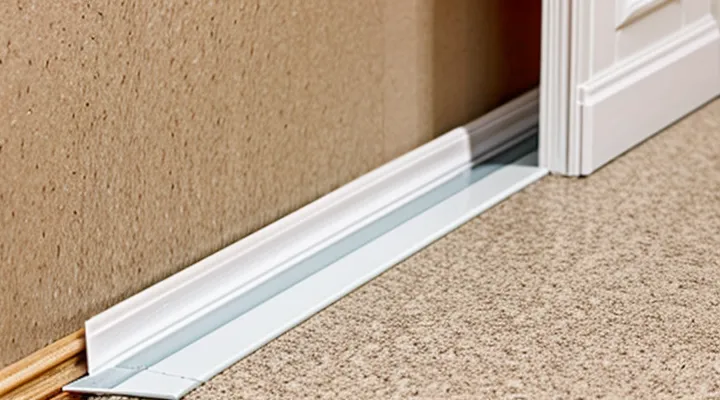
Understanding the Mouse Problem
Signs of Mouse Activity
Droppings and Urine
Droppings and urine are reliable indicators of active mouse presence beneath flooring. Their accumulation signals existing entry points and creates health hazards that must be addressed before any sealing work. Identifying contamination zones allows targeted repair and reduces the risk of re‑infestation after gaps are closed.
Typical signs include dark, pellet‑shaped feces near baseboards, cabinets, or under appliances, and a strong, ammonia‑like odor. Fresh droppings appear glossy and may be accompanied by wet streaks from urine. Inspect all seams, cracks, and openings where rodents can travel; document each location for subsequent treatment.
Cleaning protocol:
- Wear disposable gloves and a N‑95 respirator.
- Remove solid waste with a damp paper towel; dispose of material in a sealed bag.
- Apply an EPA‑registered disinfectant to the affected area; allow the contact time specified on the label.
- Absorb urine with an enzymatic cleaner designed to break down organic matter; repeat application until odor disappears.
- Allow the surface to dry completely before applying sealant material.
Effective sealing depends on a clean substrate. Residual urine can degrade adhesive compounds, leading to premature failure of the barrier. Ensure all treated surfaces are dry and free of contaminants before installing steel wool, silicone caulk, or expanding foam to block mouse pathways. Regular monitoring after completion will confirm the integrity of the seal and the absence of new droppings or urine.
Gnaw Marks and Damage
Gnaw marks appear as shallow, crescent‑shaped gouges on wood, laminate, or carpet edges. The edges are often smooth, with parallel lines indicating repeated chewing. Damage may include splintered boards, broken sealant, and exposed subfloor material. These signs identify active intrusion points and reveal where sealing efforts must focus.
Inspect the floor surface systematically. Begin at perimeter joints, then move to under‑cabinet gaps, and finally examine vent openings. Record each location where gnaw marks intersect structural material, because these spots require immediate remediation.
- Remove loose debris and damaged material.
- Apply a moisture‑resistant, rodent‑grade sealant that expands to fill irregular cracks.
- Install steel‑mesh backing behind sealant where board integrity is compromised.
- Re‑cover repaired sections with matching flooring or protective trim.
- Conduct a follow‑up inspection after 48 hours to verify seal integrity.
Addressing gnaw marks promptly eliminates pathways, reduces structural deterioration, and prevents further rodent activity.
Strange Noises
Mice often reveal their presence through unexpected sounds that travel through floor cavities, walls, and joists. Scratching, scurrying, or faint squeaking at night indicates active movement within concealed spaces. Identifying these noises promptly helps locate entry points before infestations expand.
Typical acoustic signs include:
- Rapid, light tapping that sounds like a woodpecker’s peck on the underside of flooring.
- Continuous rustling or shuffling as rodents navigate insulation or stored debris.
- Soft, high‑pitched squeaks emitted when mice communicate or feel threatened.
- Intermittent thudding when larger individuals drop objects or jump between joists.
When such noises are detected, inspection should focus on seams, cracks, and gaps around baseboards, under appliances, and near pipe penetrations. Use a flashlight and a flexible inspection mirror to trace the sound source. Seal discovered openings with steel wool, silicone caulk, or expandable foam, ensuring the material resists chewing.
After sealing, monitor the area for at least two weeks. A decline in abnormal sounds confirms that the primary pathways have been blocked, reducing the likelihood of further mouse intrusion. If noises persist, repeat the inspection and reinforce any missed openings, prioritizing structural joints and ventilation ducts.
Identifying Entry Points
Common Floor Gaps
Gaps Around Pipes and Wires
Gaps that appear where pipes and electrical wiring pass through the floor create direct pathways for rodents.
First, locate every opening. Use a flashlight and a mirror to inspect under cabinets, around HVAC ducts, and along baseboard seams. Mark each gap with a piece of tape.
Next, prepare the area. Remove debris, dust, and any loose material. For larger spaces, insert a backer rod or foam pipe insulation to reduce the depth of the opening before sealing.
Choose an appropriate sealant. Silicone caulk works well on smooth surfaces, while expanding polyurethane foam fills irregular gaps and hardens into a durable barrier. For metal pipes, apply a rust‑inhibiting primer before sealing.
Apply the sealant:
- Cut the tip of the caulk tube at a 45‑degree angle.
- Squeeze a continuous bead into the gap, ensuring complete contact with both sides.
- Smooth the bead with a gloved finger or a putty knife to eliminate air pockets.
- For foam, dispense a short burst, allow it to expand, then trim excess with a utility knife once cured.
Allow the sealant to cure according to the manufacturer’s instructions, typically 24 hours for silicone and 4–6 hours for foam. After curing, verify the seal by running a thin piece of paper or a cotton swab along the joint; any movement indicates incomplete coverage.
Finally, conduct a periodic inspection. Re‑apply sealant where cracks develop or where the material shows signs of wear. Maintaining an airtight barrier around pipes and wires prevents mice from exploiting these vulnerabilities.
Cracks in Foundation and Walls
Cracks in the foundation and exterior walls provide direct entry points for rodents. Even hair‑line fissures can accommodate a mouse, allowing it to travel upward to floor joists and interior spaces.
To locate problem areas, perform a visual inspection along the perimeter, focusing on joint seams, where concrete meets brick, and where water runoff has eroded mortar. Use a flashlight and a thin probe or a screwdriver to test the openness of each fissure.
Materials suitable for sealing structural cracks include:
- Hydraulic cement – expands as it sets, sealing active water leaks and small gaps.
- Epoxy resin – creates a rigid, waterproof bond for larger, stable cracks.
- Polyurethane expanding foam – fills irregular voids and provides insulation.
- Metal flashing or galvanized steel mesh – reinforces wide seams before applying sealant.
Repair procedure:
- Remove loose debris, dust, and any deteriorated mortar with a wire brush or chisel.
- If the crack is narrower than ¼ in., widen it slightly with a masonry bit to improve adhesion.
- Wet the opening lightly; excess moisture prevents premature drying of cement‑based products.
- Apply the chosen sealant according to manufacturer specifications, pressing it fully into the fissure.
- Smooth the surface with a trowel or putty knife to eliminate gaps and ensure a flush finish.
- Allow the material to cure for the recommended period before exposing the area to traffic or moisture.
Regular maintenance is essential. Inspect the foundation and walls at least twice a year, after heavy rain and before winter. Promptly reseal any new or re‑opened cracks to maintain a continuous barrier against mouse intrusion.
Gaps Between Floorboards
Gaps between floorboards provide direct access points for rodents, allowing entry into living spaces and storage areas. Even narrow openings, as small as a quarter‑inch, can be exploited by mice because they can compress their bodies to fit through tight spaces. Identifying these gaps requires a thorough visual inspection and tactile verification, especially around the perimeter of the room, under cabinets, and near baseboards.
Effective sealing involves three phases: preparation, application, and verification.
- Preparation: Remove debris, dust, and loose wood fibers from each opening. Use a vacuum or compressed air to clear hidden particles that could prevent adhesion.
- Application: Choose a flexible, rodent‑resistant sealant such as silicone‑based caulk, polyurethane foam, or acrylic‑latex filler fortified with steel wool. Apply the sealant with a caulking gun or foam dispenser, ensuring the material fills the gap completely and slightly overfills to accommodate wood movement.
- Verification: After the sealant cures, run a thin piece of paper or a credit‑card edge along the repaired area. Any resistance indicates a successful seal; otherwise, reapply material to uncovered sections.
Long‑term maintenance includes periodic checks for new cracks caused by seasonal expansion, moisture fluctuations, or structural settling. Reapply sealant promptly when deterioration is observed to sustain a barrier that deters mouse infiltration.
Tools for Inspection
Flashlight and Mirror
A flashlight provides focused illumination that reveals cracks, seams, and openings often hidden in low‑light areas. Position the beam close to the floor surface and move it along edges, under baseboards, and around pipe penetrations. The light’s angle should expose shadows that indicate gaps wider than a quarter of an inch.
A small handheld mirror complements the flashlight by reflecting light into recessed spaces. Hold the mirror at a shallow angle to view the far side of a gap without bending over. This technique uncovers concealed voids behind cabinets, under appliances, and within crawl spaces.
Steps for locating floor entry points:
- Dim the room lights; turn on the flashlight.
- Sweep the beam along all perimeter joints, noting any dark lines or shadows.
- Insert the mirror into narrow slots; adjust until the reflected beam highlights the opposite wall.
- Mark each detected opening with painter’s tape or a chalk line.
- Measure the width of each gap; prioritize those exceeding 0.25 in.
Additional recommendations:
- Use a battery‑powered flashlight with adjustable focus for precise control.
- Choose a mirror with a non‑glare surface to avoid specular reflections that obscure details.
- Conduct the inspection after the building has settled for several weeks, as movement can create new fissures.
- Document findings with photos or sketches for reference during the sealing process.
By systematically applying illumination and reflection, every potential mouse ingress point becomes visible, allowing targeted application of sealants, metal flashing, or expanding foam. This method reduces the risk of missed gaps and improves the overall effectiveness of rodent exclusion measures.
Caulk Gun
A caulk gun is the primary tool for applying sealant to floor cracks that allow rodents entry. It provides controlled pressure, ensuring a uniform bead that adheres tightly to irregular surfaces.
When choosing a caulk gun, consider:
- Pump type: manual pistons are reliable for occasional use; battery‑powered models speed up large projects.
- Cartridge capacity: 10‑oz cartridges suit most residential gaps; larger tubes reduce refill frequency for extensive work.
- Trigger design: a smooth, low‑force trigger minimizes hand fatigue during prolonged application.
Proper preparation improves seal effectiveness:
- Clean the gap of dust, debris, and old caulk with a vacuum or brush.
- Dry the area thoroughly; moisture interferes with adhesion.
- Cut the cartridge nozzle at a 45‑degree angle, matching the gap width.
During application:
- Position the gun tip at the gap’s deepest point.
- Squeeze the trigger steadily, moving the gun along the seam to fill the void completely.
- Immediately smooth the bead with a caulking tool or gloved finger to eliminate air pockets.
After sealing, allow the sealant to cure according to the manufacturer’s instructions, typically 24 hours for silicone‑based products. Store the caulk gun horizontally with the cartridge sealed to prevent drying. Regularly inspect the sealed areas for cracks or shrinkage, and reapply sealant as needed to maintain a barrier against mice.
Measuring Tape
A measuring tape provides the precise dimensions needed to identify and close openings that allow rodents to enter a floor. Accurate length readings determine the size of sealant strips, foam inserts, or metal plates required for each gap.
- Measure the width of each crack from edge to edge.
- Record the depth by inserting the tape tip into the opening and noting the distance to the floor surface.
- Calculate the total perimeter of continuous gaps to estimate the amount of material needed.
- Verify measurements after applying sealant to ensure no residual space remains.
Select a tape with a sturdy blade and clear markings; a 25‑foot tape accommodates most residential floor plans. Use the lock mechanism to hold the tape steady while reading dimensions, reducing user error. When measuring irregular or angled gaps, position the tape at the widest point to capture the maximum opening size.
Consistent measurement across all identified gaps guarantees that sealing products fit tightly, eliminating pathways for mice and enhancing the overall integrity of the floor barrier.
Essential Materials and Tools
Sealing Materials
Steel Wool and Copper Mesh
Mice can squeeze through openings as small as a quarter‑inch, making even minor floor cracks a potential entry point. Effective blockage requires a material that resists gnawing and conforms to irregular spaces.
Steel wool consists of tightly twisted metal fibers that mice cannot bite through. To use it, compress a handful of the wool, push it into the gap until it fills the cavity completely, and trim excess with a utility knife. The dense fiber matrix creates a physical barrier that remains flexible under slight movement of the floor.
Copper mesh provides a durable, corrosion‑resistant layer that reinforces the seal. Cut a piece of mesh slightly larger than the opening, place it over the steel wool, and secure it with construction adhesive or a silicone sealant. The mesh’s woven structure prevents the wool from being displaced and adds long‑term strength.
Combining the two materials yields a multi‑layered defense:
- Insert compressed steel wool to occupy the void.
- Overlay with copper mesh to lock the wool in place.
- Apply adhesive or sealant around the perimeter to seal any remaining crevices.
Key considerations:
- Select wool with a gauge of at least 000 (extra‑fine) to fit tight gaps.
- Use copper mesh with a 1‑mm or smaller opening size to block rodent teeth.
- Wear gloves and eye protection when handling sharp metal fibers.
- Inspect the seal after a week of use; re‑compress wool if settlement occurs.
Proper installation of steel wool and copper mesh eliminates the most common pathways for rodent intrusion, providing a reliable, low‑maintenance solution for floor gap protection.
Expanding Foam Sealant
Expanding foam sealant provides a rapid, durable solution for closing floor openings that rodents can exploit. The material expands on contact with air, filling irregular gaps and creating a continuous barrier that resists chewing and compression.
Key characteristics include:
- High expansion ratio (up to 30 times original volume) that reaches crevices behind baseboards, joists, and subfloor seams.
- Closed‑cell structure that remains rigid after curing, preventing re‑entry through the same aperture.
- Adhesion to wood, concrete, metal, and drywall without additional primers.
- Resistance to moisture, reducing the risk of mold growth behind the seal.
Application procedure:
- Identify all visible cracks, gaps around pipe penetrations, and openings at the perimeter of the floor.
- Clean surfaces of dust, debris, and loose material; ensure dry conditions for optimal adhesion.
- Shake the foam canister for at least 30 seconds, then attach the nozzle.
- Apply a short burst of foam into each gap, allowing the product to expand and fill the space completely.
- Wait the manufacturer‑specified cure time (typically 5–10 minutes) before trimming excess with a utility knife.
- Cover the cured foam with a thin layer of caulk or sealant if a smooth finish is required for flooring installation.
Safety considerations:
- Wear protective gloves and eye protection; cured foam adheres strongly to skin.
- Use in well‑ventilated areas to avoid inhalation of propellant fumes.
- Store cans upright and away from heat sources to prevent accidental discharge.
Maintenance tips:
- Inspect sealed areas periodically for signs of shrinkage or damage, especially in high‑traffic zones.
- Reapply foam to any compromised spots to sustain the barrier.
- Combine foam with steel wool or copper mesh in larger openings to deter gnawing before the foam sets.
By following these steps, expanding foam sealant effectively eliminates entry points, contributing to a rodent‑free floor environment.
Caulk and Sealants
Caulk and sealants provide the primary barrier that prevents rodents from exploiting floor cracks and joints. Selecting the appropriate product is essential for long‑term effectiveness.
- Silicone: excellent flexibility, water resistance, and durability; ideal for gaps around plumbing and near moisture.
- Polyurethane: high adhesion to concrete, wood, and metal; resists abrasion and remains elastic under temperature fluctuations.
- Acrylic latex: easy cleanup, paintable surface; suitable for small interior gaps where exposure to water is limited.
- Hybrid polymer blends: combine the workability of acrylic with the durability of silicone; useful for mixed‑material interfaces.
Key selection criteria include:
- Flexibility – ability to accommodate floor movement without cracking.
- Adhesion – bond strength to substrate (concrete, plywood, tile).
- Curing time – rapid set for high‑traffic areas, slower cure for deep gaps.
- Toxicity – low‑VOC formulations for indoor environments.
- Compatibility – sealant must not degrade adjacent finishes.
Application procedure:
- Remove loose debris, dust, and old filler from the gap.
- Dry the opening completely; moisture impedes adhesion.
- Cut the nozzle tip at a 45‑degree angle, matching the gap width.
- Load the cartridge into a caulking gun; apply a continuous bead, filling the gap without over‑extrusion.
- Smooth the bead with a gloved fingertip or a caulking tool to ensure full contact and eliminate air pockets.
- Allow the sealant to cure according to the manufacturer’s specifications before traffic resumes.
After curing, inspect the seal for uniform coverage and adherence. Any voids or cracks require immediate reapplication. Periodic checks, especially after seasonal temperature shifts, help maintain integrity. Reapply sealant where wear appears, using the same product type to preserve compatibility.
Proper use of caulk and sealants creates a durable, rodent‑proof seal that protects the floor structure and reduces the risk of infestation.
Wood Putty and Fillers
Wood putty and fillers are essential for closing floor cracks that rodents can exploit. Choose a product compatible with the subfloor material; oil‑based putty adheres well to hardwood, while water‑based filler works for engineered boards and concrete. Verify that the chosen filler is rated for interior use and remains flexible after curing to accommodate seasonal movement.
Before application, clean the gap thoroughly. Remove debris, dust, and any loose wood fibers with a vacuum or brush. Moisture must be eliminated; a damp cloth can wipe the area, followed by a dry period of at least 15 minutes. If the opening exceeds ¼ inch, insert a backing material such as fiberglass mesh or a thin wood shim to provide support for the filler.
Apply the putty with a putty knife, pressing it firmly into the void. Overfill slightly to allow for sanding after the material hardens. Smooth the surface level with the surrounding floor, then allow the recommended curing time—typically 2–4 hours for water‑based and up to 24 hours for oil‑based formulas.
Once cured, sand the repaired spot flush with the floor using fine‑grit sandpaper. Remove sanding dust and, if necessary, apply a compatible sealant or paint to match the existing finish. Inspect the repair periodically; reapply filler to any new cracks that appear, especially after heavy foot traffic or seasonal temperature shifts.
Key considerations for effective rodent exclusion:
- Use a flexible, non‑shrinking filler to maintain a seal as the floor expands and contracts.
- Select a low‑odor, low‑VOC product to preserve indoor air quality.
- Verify that the filler remains resistant to chewing; some polyurethane‑based fillers deter gnawing.
- Ensure the final surface is smooth and sealed to prevent gaps from forming at the edges.
Proper preparation, correct product selection, and diligent maintenance create a durable barrier that stops mice from infiltrating floor openings.
Safety Gear
Gloves and Eye Protection
When sealing floor openings to block rodent entry, personal protective equipment safeguards the worker from sharp tools, chemicals, and debris.
Gloves should resist puncture, abrasion, and chemical exposure. Nitrile or neoprene gloves provide a reliable barrier against sealants, adhesives, and solvents. Choose a thickness that balances dexterity with protection; a 4‑6 mil grade permits precise handling of caulk guns and small tools while preventing cuts from metal strips. Ensure the gloves fit snugly to avoid snagging on protruding edges.
Eye protection must shield against splashes of sealant, dust, and accidental impact. Direct‑view safety glasses with polycarbonate lenses meet impact standards and resist scratching. For tasks involving aerosolized products, opt for goggles that seal around the eyes to block fumes. Verify that the eyewear complies with ANSI Z87.1 or equivalent certification.
Effective use of PPE follows a simple sequence:
- Inspect gloves and lenses for tears or cracks before each session.
- Don gloves, then adjust safety glasses or goggles to a comfortable fit.
- Perform sealing work, replacing gloves immediately if contamination occurs.
- Remove equipment carefully, avoiding contact with the contaminated exterior, and store in a clean area.
Consistent application of appropriate gloves and eye protection reduces injury risk and maintains a safe environment while addressing floor gaps that could admit mice.
Dust Mask
When sealing floor openings to keep rodents out, a dust mask protects the respiratory system from inhaling fine particles generated by sanding, cutting, or applying sealant. The mask should meet N95 or higher filtration standards to capture dust, fibers, and aerosolized sealant components.
Select a mask that fits snugly over the nose and mouth, with adjustable straps to maintain a seal during movement. Preference should be given to models with a replaceable filter cartridge, allowing consistent performance without compromising comfort.
Proper usage includes:
- Inspecting the mask for tears or clogged filters before each session.
- Positioning the mask so that the exhalation valve, if present, faces outward.
- Replacing the filter after a predetermined period or when breathing resistance increases.
After completing the sealing work, discard single‑use masks according to local waste regulations or store reusable masks in a clean, dry environment. Regular cleaning of reusable masks with mild soap and water extends their service life and ensures ongoing protection.
Step-by-Step Sealing Process
Preparing the Area
Cleaning and Clearing Debris
Before applying any sealant, remove all material that could impede adhesion. Dust, wood shavings, food crumbs, and loose insulation create gaps that mice exploit and prevent the sealant from bonding securely to the substrate.
- Sweep the floor surface with a stiff brush to dislodge particles.
- Vacuum the area, using a hose attachment to extract fine dust from cracks and seams.
- Wipe remaining residue with a damp cloth; allow the surface to dry completely.
- Inspect the cleaned zone for hidden debris, such as fallen insulation or wiring insulation, and remove it manually.
A clean, dry surface ensures the sealing compound adheres uniformly, eliminating entry points that rodents could otherwise use.
Assessing the Damage
Begin by inspecting the entire floor surface for visible openings, cracks, and deteriorated material. Use a flashlight to reveal dark crevices and a magnifying glass for fine fissures. Record each defect’s location, dimensions, and surrounding conditions (e.g., moisture, wood rot, or displaced tiles).
Next, evaluate structural integrity. Test compromised sections by applying gentle pressure; any flexing or movement indicates weakened support that may enlarge over time. Document the severity on a simple chart, noting whether the area requires patching, reinforcement, or full replacement.
Assess signs of past rodent activity. Look for gnaw marks, droppings, urine stains, and shredded insulation. Measure the extent of damage to determine if it is confined to surface material or has penetrated deeper layers such as subfloor joists. Prioritize areas with active evidence, as they represent immediate entry points.
Finally, quantify the total repair scope. Add the measured lengths and widths of all openings to calculate the total area needing sealing. Compare this figure with the available sealing materials to ensure sufficient supply. If the required coverage exceeds standard product capacities, plan for multiple applications or alternative sealing methods.
- Visual inspection of gaps and cracks
- Structural testing for flex and movement
- Identification of rodent evidence
- Measurement of damage dimensions
- Calculation of total repair area
Applying Sealants
Filling Small Cracks
Small cracks in floorboards present a direct pathway for rodents. Even hairline openings allow mice to squeeze through, compromising sanitation and structural integrity. Addressing these fissures eliminates one of the most common entry points.
- Select a flexible sealant designed for wood or concrete, such as polyurethane caulk or acrylic latex filler.
- Clean the crack with a vacuum or brush to remove debris, dust, and insects.
- Apply the sealant using a caulking gun, forcing the material deep into the gap.
- Smooth the surface with a putty knife, ensuring no air pockets remain.
- Allow the product to cure according to the manufacturer’s instructions, typically 24 hours for full hardness.
After curing, inspect the repaired area regularly. Reapply sealant if the material cracks or shrinks. Maintaining an uninterrupted barrier keeps mice from exploiting floor imperfections.
Sealing Larger Gaps
Large openings in subflooring or baseboards provide easy entry points for rodents. Gaps wider than a quarter inch often exceed the capacity of standard silicone sealants and must be addressed with more robust solutions.
Identify each opening, measure its width and depth, and classify it as either a vertical crack, a horizontal seam, or an irregular void. This assessment determines the appropriate material and application technique.
Materials suitable for wide gaps include:
- Expanding polyurethane foam, rated for rodent resistance
- Rigid metal flashing or steel mesh, cut to fit and secured with construction adhesive
- Cementitious floor patch, mixed to a thick consistency for filling voids
- Steel wool or copper mesh, layered with high‑grade acrylic caulk for additional blockage
Procedure:
- Clean the gap of debris, dust, and loose material to ensure adhesion.
- For gaps up to two inches, inject expanding foam, allowing it to cure fully before trimming excess.
- For openings larger than two inches, press metal flashing or mesh into the space, then seal edges with construction adhesive and caulk.
- Apply cementitious patch over any remaining voids, smoothing the surface to match surrounding flooring.
- Cover the repaired area with a thin layer of steel wool, then seal with caulk to create a double barrier.
After completion, inspect the sealed sections for gaps or cracks that may have formed during curing. Reapply caulk or additional foam as needed. Periodic visual checks, especially after seasonal temperature changes, help maintain a rodent‑proof barrier.
Reinforcing with Mesh Materials
Reinforcing floor gaps with mesh material creates a durable barrier that resists rodent intrusion. Mesh adds tensile strength, preventing cracks from widening under pressure and limiting the ability of mice to chew through filler.
Select a mesh that matches the gap size and substrate. Stainless‑steel or galvanized wire mesh with openings no larger than ¼ inch provides sufficient resistance. For concrete or wood floors, use a flexible fiberglass mesh that adheres to irregular surfaces. Ensure the mesh is corrosion‑resistant if exposure to moisture is possible.
Installation steps:
- Clean the gap area, removing debris and loose material.
- Cut mesh to extend at least 2 inches beyond each side of the opening.
- Press the mesh into the gap, using a putty knife or flat tool to embed it firmly.
- Apply a sealing compound (e.g., polyurethane caulk or epoxy) over the mesh, smoothing to create a continuous surface.
- Allow the sealant to cure according to manufacturer instructions before exposing the floor to traffic.
When multiple gaps exist, overlap mesh sections by 1–2 inches to avoid seams that could be exploited. For high‑traffic zones, reinforce the mesh with a thin layer of cement or screed to protect the sealant from abrasion.
Regular inspection should focus on the mesh edges and sealant integrity. Replace any compromised sections promptly to maintain an uninterrupted barrier. By integrating mesh reinforcement with proper sealing, floor openings become effectively mouse‑proof.
Finishing Touches
Smoothing and Curing
When sealing floor openings to block rodent entry, the final surface finish and the hardening process are critical to long‑term effectiveness. After the chosen sealant—such as polyurethane caulk, epoxy filler, or expanding foam—has been placed, the material must be leveled to create a uniform barrier. Use a putty knife or a flexible trowel to spread the filler evenly, pressing firmly to eliminate voids and to embed the product fully into the crack. A smooth, flush surface prevents mice from exploiting irregularities as footholds.
Curing follows immediately after smoothing. Observe the manufacturer’s specified cure time; most polymer‑based sealants require 24 hours at ambient temperature (20‑25 °C) before they achieve full tensile strength. During this period, maintain low humidity and avoid foot traffic or pressure on the repaired area. For epoxy systems, a two‑stage cure may be required: an initial set (4–6 hours) followed by a post‑cure heat treatment (e.g., 50 °C for 30 minutes) to accelerate cross‑linking and enhance durability.
Key considerations for successful smoothing and curing:
- Clean the gap of dust, debris, and oil before application.
- Apply sealant in thin, overlapping layers rather than a single thick bead.
- Use a straight edge to level each layer, removing excess material.
- Allow each layer to reach the recommended tack‑free state before adding the next.
- Protect the area from temperature fluctuations; extreme cold slows cure, while excessive heat may cause premature drying and cracking.
Properly smoothed and fully cured repairs create a seamless, hard barrier that resists gnawing and maintains integrity under foot traffic, ensuring the floor remains impervious to mouse intrusion.
Painting or Staining
Applying paint or stain to floor seams creates a continuous barrier that blocks rodents from exploiting tiny openings. A coating adheres to wood, concrete, or tile, sealing micro‑cracks that would otherwise remain invisible to the naked eye.
The most effective products are elastomeric primers, flexible acrylic paints, and penetrating stains formulated for high‑traffic surfaces. Elastomeric primers expand and contract with temperature changes, preventing new fissures. Acrylic paints with added polyurethane provide a hard, water‑resistant skin. Stains that contain sealants penetrate the substrate, reinforcing the material from within.
Application steps
- Remove debris, dust, and loose material from the gap area using a vacuum or brush.
- Fill larger voids with a rodent‑grade caulk or expanding foam; allow the filler to cure fully.
- Apply a coat of primer designed for flexibility; let it dry according to manufacturer instructions.
- Paint or stain the sealed region with at least two thin coats, allowing each layer to cure before the next.
- Inspect the finished surface for missed spots; touch up as needed.
Regular inspection every six months helps identify wear or new cracks. Reapply a maintenance coat before the paint or stain shows signs of peeling or cracking. Consistent upkeep preserves the barrier’s integrity, maintaining a floor that resists mouse intrusion.
Long-Term Prevention Strategies
Regular Maintenance Checks
Seasonal Inspections
Seasonal inspections are essential for maintaining a rodent‑proof floor. Temperature shifts, humidity changes, and building activity during each season reveal new entry points that may have been concealed during previous checks. Conducting a systematic review at regular intervals ensures that gaps are identified before mice can exploit them.
Spring inspection focuses on moisture‑related expansion. Examine seams around windows, doors, and utility penetrations for swelling that may have opened cracks. Apply a flexible, weather‑resistant sealant to any gaps uncovered, and verify that caulking remains intact after the first rains.
Summer inspection addresses heat‑induced contraction. Check the perimeter of the foundation for dried‑out mortar or cracked tile that may have shrunk. Use a high‑temperature silicone or polyurethane filler to fill these openings, and confirm that the material adheres securely to both wood and concrete surfaces.
Fall inspection prepares the structure for cooling temperatures. Inspect vent openings, crawl‑space access panels, and any exterior piping for gaps created by settling. Reinforce these areas with steel‑wool backing before applying sealant, preventing mice from gnawing through soft material.
Winter inspection targets cold‑induced shrinkage and ice formation. Look for gaps around heating ducts, pipe insulation, and baseboards that may have widened. Apply a cold‑tolerant, elastomeric sealant that remains flexible at low temperatures, and test the seal by pressing a finger against the repaired area to ensure no air leakage.
A concise checklist for each seasonal review:
- Visual scan of floor edges and joints
- Tactile test for drafts or movement in sealant
- Application of appropriate filler based on temperature range
- Verification of adhesive bond on both wood and masonry
- Documentation of repairs for future reference
By adhering to this structured, season‑by‑season approach, floor gaps remain sealed, reducing the likelihood of mouse intrusion throughout the year.
Addressing New Gaps Promptly
When a fresh opening appears in the flooring, immediate action prevents rodents from exploiting it. Delayed repair allows mice to establish pathways, increasing the likelihood of infestation and property damage.
- Inspect the area daily for cracks, seams, or displaced trim.
- Clean debris and disinfect the surface before sealing.
- Apply a flexible, rodent‑resistant sealant (e.g., polyurethane caulk) using a caulking gun.
- Press the sealant firmly into the gap, smoothing it to ensure full contact.
- Allow the sealant to cure according to manufacturer specifications, then verify the seal’s integrity.
Regular monitoring and swift remediation maintain a continuous barrier, eliminating new entry points before they become a problem.
Housekeeping and Food Storage
Eliminating Food Sources
Removing accessible food is a prerequisite for any effort to block rodents from entering floor cavities. Mice locate entry points by following scent trails that lead to nourishment; eliminating those trails reduces the incentive to explore gaps.
Store dry goods in airtight containers made of metal or heavy‑wall plastic. Labels should be sealed, and containers placed on shelves rather than on the floor. Regularly inspect pantry items for signs of infestation and discard any compromised packages.
Maintain a clean environment around the perimeter of the home. Sweep crumbs, vacuum debris, and wipe spills immediately. Use a damp cloth to remove residue that may attract pests.
Implement a routine waste‑management schedule. Empty trash bins daily, use bins with fitted lids, and keep the exterior collection area free of food remnants. Compost bins should be sealed and located away from the building foundation.
Consider the following checklist for food‑source control:
- Seal all food containers.
- Clean floors and countertops after each meal preparation.
- Remove pet food dishes after feeding; store leftovers in sealed containers.
- Dispose of packaging promptly.
- Conduct weekly inspections for crumbs or spills.
By systematically denying mice a reliable food supply, the likelihood that they will attempt to exploit floor openings diminishes, complementing physical sealing measures.
Proper Waste Management
Proper waste management directly supports efforts to block rodent entry through floor openings. Removing food residues and eliminating odor sources reduces the incentive for mice to explore cracks, making sealing work more effective.
Maintain sealed containers for all refuse. Use bins with tight‑fitting lids and inspect them regularly for damage. Store containers away from walls and entry points to prevent rodents from using them as bridges to floor gaps.
Implement a regular disposal schedule. Empty indoor trash daily, and transfer waste to outdoor receptacles that are secured with lockable lids. Clean the interior of bins with a disinfectant solution at least once a week to eliminate lingering scents.
Separate organic waste from non‑organic material. Compost bins should be located outdoors, away from the building envelope, and equipped with fine mesh covers to block mouse access. Dispose of composted material in sealed bags before removal.
Keep the surrounding area tidy. Sweep floors, vacuum corners, and mop spills promptly. Store pet food, birdseed, and other attractants in airtight containers, and avoid leaving leftovers on countertops or floors.
Adopt the following checklist for waste‑related rodent prevention:
- Use trash cans with snap‑tight lids.
- Empty indoor bins each night.
- Clean and disinfect containers weekly.
- Store organic waste in outdoor, mesh‑covered composters.
- Secure all food items in sealed containers.
- Remove debris and clutter from the floor perimeter.
By integrating disciplined waste handling with physical barrier installation, the likelihood of mice locating and exploiting floor gaps diminishes markedly. This dual approach creates a hostile environment for rodents and sustains long‑term protection.
Exterior Pest Control
Sealing Foundation Cracks
Sealing cracks in the foundation blocks pathways that mice use to enter a home. Even narrow fissures provide shelter and a route to the floor joists, where rodents can cause damage and contamination. Eliminating these openings is a critical component of any rodent‑proofing plan.
Typical crack locations include the perimeter slab, interior walls where the foundation meets interior partitions, and areas around utility penetrations. Cracks often appear after settlement, moisture fluctuations, or minor structural shifts. Identifying all openings before repair prevents missed entry points.
Preparation involves cleaning, drying, and assessing each crack. Remove loose debris with a wire brush, vacuum dust, and allow the surface to dry completely. For cracks wider than ¼ inch, widen the gap slightly with a cold chisel to create a V‑shaped profile that improves filler adhesion. Apply a moisture‑resistant primer if the substrate is concrete or masonry.
- Materials: hydraulic cement, polyurethane sealant, backer rod (foam), metal flashing, epoxy grout (for structural cracks).
- Tools: putty knife, trowel, caulking gun, protective gloves, safety glasses.
- Procedure:
- Insert backer rod into gaps larger than ⅛ inch to control depth.
- Mix hydraulic cement according to manufacturer instructions; it expands as it sets, sealing against water intrusion.
- Push the cement into the crack, over‑filling slightly to allow shrinkage.
- Smooth the surface with a trowel, ensuring contact with all sides.
- Apply polyurethane sealant over the cured cement to create a flexible barrier that accommodates minor movement.
- For structural cracks, embed metal flashing before the cement, then cover with epoxy grout for added strength.
After the filler cures, inspect each repaired area for gaps or voids. Conduct a visual check and run a thin sheet of paper along the seam; any resistance indicates a sealed joint. Reapply sealant to any observed weaknesses. Schedule annual inspections, especially after heavy rains or seasonal temperature changes, to maintain integrity.
Consistent maintenance of sealed foundation cracks removes a primary avenue for mouse intrusion, supporting a durable, rodent‑free environment.
Trimming Vegetation
Trimming vegetation around a building eliminates pathways that rodents use to reach the foundation and floor seams. Overgrown bushes, vines, and tall grass provide cover and a ladder for mice to climb, allowing them to explore gaps in the flooring structure undetected.
Effective vegetation management involves the following actions:
- Cut back bushes and shrubs to a height of no more than six inches from the ground, creating a clear zone around the building perimeter.
- Remove vines that attach to exterior walls or crawl spaces, severing any direct connection to interior spaces.
- Mow lawn regularly, maintaining a uniform length of three to four inches to prevent dense cover.
- Dispose of trimmed material away from the foundation; avoid piling debris against walls, as this creates new hiding spots.
- Inspect the trimmed area monthly and prune any regrowth that could restore rodent access routes.
By maintaining a trimmed buffer, the likelihood of mice locating and exploiting floor openings diminishes, supporting the overall effort to secure the floor against rodent intrusion.
Troubleshooting and Advanced Tips
Dealing with Stubborn Mice
Trapping and Removal
Effective rodent control requires eliminating current occupants before sealing entry points. Traps and removal techniques complement structural repairs by reducing population pressure and preventing re‑infestation.
- Snap traps: instant kill, inexpensive, ideal for high‑traffic zones.
- Live‑catch traps: humane capture, suitable for indoor use where killing is undesirable; release captured mice at least one mile from the property.
- Electronic traps: rapid electrocution, reusable, low maintenance.
Placement follows a simple pattern: position devices along walls, behind appliances, and near suspected runways; align bait at the rear of the trap to ensure entry; set traps perpendicular to walls to match mouse travel direction; check and reset daily.
When a mouse is captured, wear disposable gloves, seal the animal in a plastic bag, and dispose of it in an outdoor trash container. Clean the trap surface with a mild disinfectant to remove scent traces that could deter future catches.
Maintain a monitoring schedule after sealing gaps: inspect traps weekly for activity, replace bait as needed, and record capture numbers. A declining catch rate indicates successful removal; persistent captures suggest additional concealments requiring further sealing.
Professional Pest Control
Professional pest management services begin with a thorough inspection of the building’s foundation, subfloor, and surrounding perimeter to locate all potential rodent entry points. Inspectors use flashlights, moisture meters, and visual surveys to identify cracks, gaps around utilities, and deteriorated sealants that mice can exploit.
After documentation, technicians prioritize openings based on size, traffic, and proximity to food sources. The evaluation determines the most effective exclusion techniques and the appropriate materials for each location.
- Use polyurethane‑based sealants for gaps up to ¼ inch; they remain flexible under temperature fluctuations.
- Apply epoxy‑filled caulk to larger cracks in concrete or masonry; it creates a hard, impermeable barrier after curing.
- Install metal flashing or stainless‑steel mesh around pipe penetrations and vent openings; rodents cannot gnaw through these alloys.
- Replace worn baseboards with pressure‑treated lumber, ensuring a tight fit against the subfloor.
- Employ expanding foam with a low‑expansion rating for irregular voids, trimming excess once set to prevent nesting material accumulation.
Following installation, technicians conduct a smoke test or use infrared cameras to confirm that no airflow or movement passes through the sealed areas. They schedule periodic re‑inspections, typically every six months, to verify the integrity of the barriers and address any new damage caused by settlement or moisture intrusion.
By integrating systematic assessment, targeted sealing, and ongoing verification, professional pest control eliminates the structural pathways that allow mice to infiltrate interior spaces, providing a durable defense against future infestations.
Preventing Re-infestation
Continuous Monitoring
Continuous monitoring is a critical component of any strategy aimed at keeping rodents out of a building’s floor assembly. By regularly inspecting sealed joints and tracking environmental conditions, property managers can detect breaches before mice exploit them.
A systematic monitoring program should include:
- Visual checks of caulk, foam, and sealant lines at least once per month, focusing on high‑traffic areas such as utility openings and door thresholds.
- Installation of motion‑activated cameras or infrared sensors near vulnerable seams to capture nocturnal activity.
- Use of moisture meters to identify condensation or leaks that may attract rodents and compromise seal integrity.
- Recording of temperature and humidity data; fluctuations beyond normal ranges often correlate with seal degradation.
Data collected from these sources must be logged in a centralized database. Automated alerts should trigger when:
- Sealant cracks exceed a predefined length (e.g., 2 mm).
- Sensor readings indicate moisture levels above 60 % relative humidity for more than 48 hours.
- Motion sensors detect repeated movement within a sealed zone.
When an alert occurs, immediate remedial action—re‑application of appropriate sealing material, repair of water intrusion, or reinforcement of barriers—prevents mice from establishing entry points. Regular review of trend reports helps refine inspection intervals and material choices, ensuring the sealing system remains effective over time.
Educating Household Members
Educating everyone in the home about the importance of eliminating entry points is essential for a lasting mouse‑free environment. Each resident should understand that even small openings allow rodents to infiltrate, compromise hygiene, and cause structural damage.
Begin by identifying common gap locations: baseboards, under appliances, around utility lines, and floor joist seams. Demonstrate how to inspect these areas using a flashlight and a thin probe. Explain that visible cracks, holes, or loose flooring must be sealed promptly.
Provide clear instructions for sealing methods:
- Use steel wool or copper mesh to fill gaps larger than a pencil width before applying sealant.
- Apply a polyurethane or silicone caulk to smooth surfaces, ensuring complete coverage.
- Install metal flashing or trim around pipe entries to reinforce vulnerable spots.
- Replace damaged floorboards or baseboards with properly fitted, treated lumber.
Assign responsibility for each task. Designate one person to perform weekly inspections, another to maintain sealant supplies, and a third to record completed repairs. Encourage reporting of any new signs of rodent activity, such as droppings or gnaw marks, so the group can act immediately.
Reinforce the habit of keeping the kitchen and dining areas clean. Emphasize that food waste left on counters or floors creates an attraction that defeats sealing efforts. Suggest using sealed containers for dry goods and disposing of garbage in tightly closed bins.
Finally, schedule a quarterly review meeting. During the session, verify that all gaps remain sealed, update the inventory of repair materials, and discuss any observed issues. Consistent education and shared accountability sustain an effective barrier against mouse intrusion.