
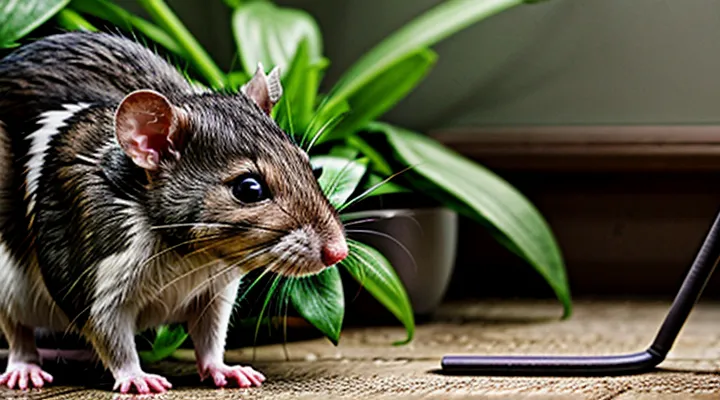
«Understanding Your Foe: Rat and Mouse Behavior»
«Why Chemical-Free is Preferred»
Chemical‑free rodent control offers distinct advantages over toxic methods.
- Human health remains protected; no residues enter food, water, or air.
- Pets and children avoid accidental poisoning, eliminating a major safety concern.
- Ecosystems stay balanced; beneficial insects and wildlife are not harmed by broad‑spectrum poisons.
- Rodents cannot develop resistance to physical or sensory deterrents, ensuring lasting efficacy.
- Regulatory compliance is simpler; many jurisdictions restrict or ban certain pesticides in residential settings.
- Maintenance costs decrease over time because traps, sealing, and habitat modification require minimal replacement compared with recurring purchases of chemicals.
Overall, opting for non‑chemical strategies aligns with safety, sustainability, and reliability goals while effectively discouraging rats and mice from inhabiting the home.
«Common Entry Points and Habitats»
Rats and mice exploit structural weaknesses and attractive environments to gain access to residential spaces. Identifying these points and habitats is essential for effective, non‑toxic deterrence.
Typical entry points include gaps around doors and windows, cracks in foundation walls, openings around utility penetrations, and unsealed vent covers. Gaps as small as a quarter‑inch permit mouse ingress; larger openings accommodate rats. Roof eaves, soffits, and attic vents often lack proper screening, providing direct routes to interior spaces. Chimney flues without caps and unprotected crawl‑space vents also serve as common pathways.
Habitat preferences guide where rodents establish nests. Warm, dry areas with abundant food sources attract mice; they favor wall voids, behind cabinets, and insulated pipe chases. Rats favor moist environments near water lines, sewer pipes, and basements, creating burrows in soil adjacent to foundations. Both species seek cluttered zones—clothing piles, stored boxes, and overgrown landscaping—that offer concealment and shelter.
Addressing these vulnerabilities involves systematic sealing and environmental management:
- Install stainless‑steel mesh or hardware cloth over vents, gaps, and openings larger than ¼ in.
- Apply expanding foam or cement mortar to seal cracks in walls and foundations.
- Fit door sweeps and weatherstripping to eliminate gaps beneath entry doors.
- Replace missing or damaged chimney caps and ensure attic vents are screened.
- Remove debris, trim vegetation away from the building envelope, and store items off the floor.
By eliminating access routes and reducing suitable nesting conditions, homeowners create an environment that discourages rodent colonization without reliance on chemical controls.
«Prevention: Sealing Your Home»
«Identifying and Plugging Gaps»
«Exterior Walls»
Exterior walls form the first barrier against rodents seeking shelter. Proper construction and maintenance eliminate gaps that rats and mice exploit. Identify and seal openings larger than a quarter inch; steel wool, copper mesh, or cement-based sealants provide durable closure. Replace deteriorated siding, cracked mortar, and damaged flashing promptly, as these defects create concealed pathways.
Inspect the perimeter regularly. Look for:
- Gaps around utility penetrations, vents, and pipe sleeves
- Cracks at foundation‑to‑wall joints
- Loose or missing weather‑stripping on doors and windows
Apply physical deterrents to vulnerable sections. Install metal flashing or hardware cloth (¼‑inch mesh) over vent openings, and fit tight-fitting door sweeps. For brick or stone walls, inject expanding foam formulated for pest exclusion, then cover with a thin layer of mortar to match the façade.
Landscaping influences wall integrity. Keep vegetation trimmed at least 12 inches from the wall surface; vines and shrubs can bridge gaps and provide climbing routes. Grade soil away from the foundation to prevent water accumulation that weakens mortar and creates burrowing opportunities.
Routine maintenance includes:
- Sealing new construction joints with rodent‑proof caulk
- Re‑checking previously sealed points after severe weather
- Replacing damaged hardware cloth or flashing before it rusts
By treating exterior walls as a continuous, sealed envelope, homeowners create an environment where rats and mice cannot gain entry without resorting to toxic methods.
«Foundation»
A solid foundation is the first line of defense against rodent intrusion. Structural gaps, uneven grading, and exposed soil create pathways that rats and mice exploit. Eliminating these weaknesses stops pests before they reach interior spaces.
- Seal all cracks and joints in concrete walls and footings with polyurethane or cement‑based sealant.
- Install metal flashing around utility penetrations and pipe entries to block gnawing.
- Grade the terrain so that soil slopes away from the building at a minimum of 6 inches per foot.
- Apply a continuous concrete or stone barrier around the perimeter to prevent burrowing.
- Keep vegetation, mulch, and debris at least two feet from the foundation to remove cover and food sources.
Rodents prefer sheltered routes that connect outdoor hiding places with indoor shelter. A sealed, sloped, and unobstructed base removes the conditions that encourage tunneling and climbing. By establishing these physical barriers, homeowners achieve effective, chemical‑free rodent control.
«Roof and Vents»
Rods often enter homes through gaps in the roof and ventilation openings; sealing these points cuts off the most common pathways.
- Inspect all roof seams, flashing, and eaves for cracks or missing shingles.
- Apply steel wool or copper mesh to small openings before sealing with silicone caulk.
- Install a metal flashing strip over roof joints and ridge caps to block gnawing.
- Trim overhanging branches and vines that touch the roof, eliminating bridges for climbing rodents.
Ventilation systems provide direct access to interior spaces. Protect them with the following measures:
- Fit vent covers made of heavy‑gauge metal that lock in place.
- Place a solid screen or hardware cloth (¼‑inch mesh) over intake vents, securing it with stainless‑steel screws.
- Seal gaps around vent ductwork using rod‑resistant filler, such as expanding polyurethane foam reinforced with metal mesh.
Regular upkeep sustains the barrier:
- Conduct quarterly visual checks for new cracks, displaced screens, or weather‑induced damage.
- Replace corroded or worn metal components promptly.
- Keep gutters clear to prevent water damage that can create openings.
By reinforcing the roof and vent structures with durable, non‑chemical materials and maintaining them consistently, a home can remain inaccessible to rats and mice without resorting to toxic repellents.
«Securing Food and Water Sources»
«Food Storage Best Practices»
Effective food storage is essential for preventing rodents from entering a residence. Secure containers eliminate easy access points. Use airtight, heavy‑wall plastic or glass jars with sealed lids for dry goods such as grains, cereals, and pet food. Metal cans with pull‑tab closures are acceptable if the interior is fully emptied after each use.
Maintain a clean pantry environment. Remove crumbs, spills, and expired items daily. Sweep shelves and vacuum corners to eradicate hidden food particles. Store bulk items on low shelves; rodents prefer elevated locations where they can hide among boxes.
Implement a rotation system. Place newer products behind older ones and label each package with the purchase date. Consistent turnover reduces the chance of stale food attracting pests.
Seal all entryways to storage areas. Install door sweeps, weather stripping, and tightly fitting lids on cabinets. Inspect gaps around pipes, vents, and wiring conduits; fill openings with steel wool or copper mesh, materials rodents cannot gnaw through.
Separate pet food from human supplies. Keep pet kibble in a dedicated, sealed container and avoid leaving bowls out overnight. Clean feeding areas after each meal to remove residual crumbs.
Adopt regular inspection routines. Check for signs of gnaw marks, droppings, or nesting material weekly. Early detection allows prompt corrective measures before infestations develop.
By adhering to these practices, a household minimizes food sources that draw rats and mice, supporting a chemical‑free approach to rodent deterrence.
«Eliminating Water Leaks»
Water accumulation creates a reliable food and nesting source for rats and mice, so sealing all leaks is essential for a non‑chemical rodent deterrence strategy. Even minor drips in kitchens, bathrooms, or basements supply the moisture rodents need to thrive, encouraging them to enter the home.
Identify and eliminate leaks by inspecting exposed plumbing, appliance connections, and foundation walls. Look for signs such as rust stains, damp spots, or mold growth. Test suspect areas with a dry‑paper towel; moisture will darken the paper within minutes.
- Turn off water supply before repairing pipe joints or fittings.
- Replace cracked or corroded sections with appropriate materials (copper, PVC, or PEX).
- Tighten loose connections using pipe tape or sealant.
- Apply waterproof sealant to gaps around sinks, tubs, and utility lines.
- Install drip‑catch trays under appliances and direct runoff to a drain.
After repairs, monitor the previously wet locations for at least 48 hours to confirm dryness. Maintaining a leak‑free environment removes a critical attractant, reducing the likelihood that rats and mice will seek shelter inside the residence.
«Yard Maintenance as a Deterrent»
«Trimming Vegetation»
Keeping shrubs, vines, and ground cover low reduces shelter and travel routes for rodents. Overgrown plants create concealed pathways from the yard to the foundation, allowing rats and mice to approach unnoticed.
Regular maintenance blocks these access points. Trim vegetation to a distance of at least 12 inches from the building envelope. Remove any vines that climb walls or wrap around utility lines, as they provide ladders for climbing rodents.
Key actions:
- Cut back hedges to a height of 3 feet or lower; maintain a clear gap between foliage and the house.
- Prune tree branches that overhang roofs or windows, preventing rodents from dropping onto the roof.
- Clear leaf litter, grass clippings, and debris from the perimeter; these materials serve as nesting material.
- Thin ground‑cover plants to expose soil, making the area less attractive for burrowing.
- Inspect and trim any garden mulch within two feet of the foundation; replace with a thin layer of coarse stone if necessary.
Consistent pruning eliminates hiding spots, forces rodents to seek shelter elsewhere, and enhances the effectiveness of other non‑chemical deterrents. Regular inspection after each trimming session ensures no new growth creates fresh entry routes.
«Removing Debris»
Removing debris eliminates shelter and food sources that attract rats and mice, directly reducing the likelihood of infestation. A clean environment forces rodents to seek habitats elsewhere, supporting a chemical‑free approach to rodent control.
- Collect and discard all cardboard boxes, paper piles, and fabric scraps that could serve as nesting material. Store any necessary items in sealed plastic containers.
- Sweep floors, vacuum corners, and vacuum behind appliances regularly to eliminate crumbs and droppings.
- Trim tree branches, shrubs, and vines that touch the building’s exterior; overhanging foliage provides easy access to roofs and eaves.
- Keep firewood stacked off the ground, elevated on a pallet, and covered with a waterproof tarp to prevent moisture buildup and rodent habitation.
- Remove pet food dishes after each feeding, store dry food in airtight containers, and clean bowls immediately after use.
- Dispose of garden waste, fallen leaves, and compost promptly; compost bins should have tight‑fitting lids and be positioned away from the house.
- Inspect gutters and downspouts for clogs; standing water attracts insects that in turn draw rodents seeking protein.
Consistently applying these steps creates an environment where rats and mice find no refuge, reinforcing a non‑chemical strategy for long‑term rodent exclusion.
«Non-Toxic Repellents and Deterrents»
«Natural Scents and Essential Oils»
«Peppermint Oil»
Peppermint oil is a widely recognized natural repellent for rats and mice. Its strong menthol scent overwhelms the rodents’ sensitive olfactory receptors, prompting them to avoid treated areas.
To employ peppermint oil effectively:
- Dilute 10‑15 drops of pure peppermint essential oil in 250 ml of water. Add a teaspoon of liquid dish soap to act as an emulsifier.
- Soak cotton balls in the solution and place them in locations where rodents are likely to travel: behind appliances, under sinks, in cupboards, and along baseboards.
- Refresh the cotton balls every 3‑4 days, or sooner if the scent fades.
- For larger spaces, fill a spray bottle with the same mixture and mist corners, entry points, and cracks. Reapply weekly.
Safety considerations:
- Keep oil away from pets, especially cats, as concentrated menthol can cause irritation.
- Test the solution on a hidden surface before applying to painted walls or wood to avoid discoloration.
- Store unused oil in a sealed container, out of direct sunlight.
Limitations:
- Peppermint oil deters but does not eliminate established infestations; combine with sealing entry gaps and removing food sources for lasting control.
- Environmental factors such as ventilation can reduce potency; ensure treated areas remain relatively closed for at least an hour after application.
Integrating peppermint oil with other non‑chemical tactics—such as steel‑wool barriers, snap traps, and regular sanitation—creates a comprehensive strategy that minimizes reliance on toxic substances while keeping rodents at bay.
«Eucalyptus Oil»
Eucalyptus oil contains phenolic compounds that emit a strong, menthol‑like scent rodents find intolerable. When the odor reaches a rat or mouse’s olfactory receptors, it triggers avoidance behavior, leading the animal to abandon the treated area.
Application methods include:
- Soaking cotton balls in pure eucalyptus oil and placing them in corners, under appliances, and near entry points.
- Adding 10–15 drops to a spray bottle filled with water, shaking well, and misting along baseboards, shelves, and the exterior of trash cans.
- Mixing 5 drops with 1 cup of carrier oil (such as mineral oil) and wiping the solution onto door frames and window sills.
Effectiveness depends on regular renewal; the scent dissipates within 24–48 hours, so replace treated items every two days during an infestation. Combine eucalyptus oil with other non‑chemical repellents—peppermint, cedar, or ultrasonic devices—to broaden sensory disruption and increase success rates.
Safety considerations:
- Keep oil out of reach of children and pets; ingestion can cause gastrointestinal irritation.
- Test a small area before widespread use to ensure no damage to furniture or flooring.
- Ventilate rooms after spraying to prevent respiratory irritation in sensitive individuals.
Eucalyptus oil offers a natural, readily available option for deterring rodents without resorting to toxic chemicals, making it suitable for households seeking environmentally friendly pest management.
«Cayenne Pepper»
Cayenne pepper, a dried Capsicum annuum fruit, contains capsaicin, a compound that irritates the sensory receptors of rodents. When contact occurs, rats and mice experience a burning sensation that discourages them from entering treated zones.
Application methods:
- Sprinkle a thin layer of cayenne pepper along baseboards, entry points, and behind appliances where rodent activity is observed.
- Mix equal parts cayenne pepper and powdered garlic; apply the blend to the same locations for a synergistic effect.
- Create a spray by dissolving one tablespoon of cayenne powder in a cup of water, allowing the mixture to steep for 30 minutes, then strain and spray onto cracks, vents, and shelving edges.
Effectiveness depends on regular reapplication. Capsaicin degrades under moisture and sunlight; re‑treat every 7‑10 days, or after cleaning.
Safety considerations:
- Keep the powder away from children and pets; ingestion can cause gastrointestinal irritation.
- Wear gloves and a mask during handling to prevent skin and respiratory irritation.
- Avoid direct contact with food preparation surfaces; label treated areas clearly.
Advantages:
- No synthetic chemicals or toxic residues.
- Inexpensive and readily available.
- Immediate sensory deterrent for rodents.
Limitations:
- Does not eliminate existing infestations; only deters further entry.
- Effectiveness diminishes in damp environments.
- Requires consistent maintenance to remain active.
«Ultrasonic Devices: Do They Work?»
Ultrasonic rodent repellents emit high‑frequency sound waves that are inaudible to humans but purportedly distress rodents. Laboratory tests show that frequencies above 20 kHz can cause temporary discomfort in rats and mice, leading to avoidance of the immediate emission zone. Field studies, however, reveal inconsistent results: some households report reduced activity, while others see no change after several weeks.
Effectiveness depends on several factors. The sound intensity diminishes sharply with distance; devices typically cover only a few square meters. Obstacles such as furniture, walls, and insulation block or reflect waves, creating dead zones where rodents are unaffected. Continuous exposure can lead to habituation; rodents may initially flee but later ignore the noise after repeated exposure.
Manufacturers often claim 100 % eradication, but independent reviews indicate a success rate of 30–45 % when devices are placed according to the manufacturer’s guidelines. Proper placement includes positioning units on elevated surfaces, away from large objects, and ensuring each unit’s coverage area overlaps slightly with neighboring units.
When considering ultrasonic devices as part of a non‑chemical rodent management plan, weigh the following points:
- Limited coverage area; multiple units required for larger spaces.
- Potential for rapid habituation, reducing long‑term efficacy.
- Lack of peer‑reviewed evidence supporting complete elimination.
- Compatibility with other control methods, such as sealing entry points and removing food sources.
In practice, ultrasonic repellents may deter occasional foraging rodents but are unlikely to replace comprehensive exclusion and sanitation measures. Use them as supplemental tools, not as sole solutions, and monitor rodent activity regularly to assess any measurable impact.
«Predator Urines and Other Organic Methods»
Predator urine exploits the innate avoidance behavior of rodents. The scent of fox, coyote, or bobcat urine signals the presence of a top‑level predator, prompting rats and mice to vacate the area to reduce the risk of predation. Studies show that exposure to these odors reduces rodent activity by up to 70 % within 48 hours.
To apply urine safely, obtain commercial-grade extracts or collect urine from licensed wildlife farms. Dilute the concentrate according to the manufacturer’s guidelines—typically one part urine to ten parts water—and spray the solution along baseboards, entry points, and near food storage zones. Reapply every 5–7 days, or after heavy rain, to maintain potency. Store the mixture in a sealed container away from direct sunlight to preserve volatile compounds.
Other organic deterrents complement urine treatment:
- Natural predators: Encourage barn owls, hawks, or domestic cats by installing nesting boxes or providing perches; their visual presence reinforces the threat cue.
- Habitat alteration: Remove clutter, trim vegetation, and seal cracks to eliminate shelter and travel routes.
- Physical barriers: Install steel wool or copper mesh in openings; rodents cannot gnaw through these materials.
- Aromatic repellents: Deploy sachets of peppermint oil, cloves, or dried lavender near known pathways; strong aromas disrupt scent tracking.
- Ultrasonic devices: Use units that emit frequencies above 20 kHz; continuous operation deters nocturnal activity without chemical exposure.
Monitor rodent signs weekly—droppings, gnaw marks, and tracks—to assess effectiveness. Adjust placement of urine sprays and supplementary methods if activity persists. Consistent implementation of predator scent combined with habitat management creates a robust, chemical‑free barrier against infestations.
«Humane Trapping and Removal»
«Live Traps: Setup and Release»
«Baiting Strategies»
Effective baiting relies on precise placement, appropriate attractants, and regular monitoring.
Select food items that rodents find irresistible yet do not constitute a permanent kitchen supply. Common choices include small portions of peanut butter, dried fruit, or grain mixtures. Present bait in shallow containers or on disposable trays to prevent spillage and reduce secondary attraction for other pests.
Position bait stations along established travel routes: behind appliances, within wall voids, and near entry points. Maintain a minimum distance of 12 inches between stations to discourage competition and ensure coverage of the entire infestation zone.
Implement a rotation schedule. Replace bait every three to five days, alternating the type of attractant to prevent habituation. Record observations of activity levels and adjust station locations based on evidence of recent gnaw marks or droppings.
Key components of a non‑chemical baiting program:
- Use sealed, tamper‑resistant containers to limit access by children and pets.
- Employ mechanical traps (snap or live‑capture) in conjunction with bait to increase capture rates.
- Integrate exclusion measures—repair gaps, install door sweeps, and seal utility openings—to complement baiting efforts.
- Conduct periodic inspections; remove any dead rodents promptly to avoid secondary health risks.
Consistent execution of these tactics reduces rodent presence without reliance on toxic substances, supporting a safe and sustainable indoor environment.
«Safe Release Locations»
When rodents are captured without using poisons, releasing them in a location that limits the chance of re‑entry into the residence is essential. Choose sites that are at least several miles from the house, preferably beyond the typical foraging range of the species (often 100–200 feet). The area should offer abundant shelter and food sources, such as dense brush, woodpiles, or abandoned structures, to encourage the animal to remain away from human habitation.
Safe release sites include:
- Undisturbed woodland or forest edge where natural predators are present.
- Large, vacant lots with tall grasses and debris that provide cover.
- Rural farms or barns that maintain regular cleaning and pest‑control practices, reducing the likelihood of the animal being attracted back to a residential setting.
- Municipal waste‑management areas that are fenced off and not accessible to the public, ensuring the rodent cannot wander back into neighborhoods.
Avoid locations near:
- Residential streets, parks, or playgrounds.
- Water sources that feed directly into household supply.
- Areas with high human traffic, which increase the risk of the animal being recaptured or causing a new infestation.
Before release, verify local regulations regarding the relocation of wildlife. Some jurisdictions require permits or prohibit the transport of certain rodent species. Compliance with these rules prevents legal complications and supports responsible pest‑management practices.
«Exclusion Funnels and One-Way Doors»
Exclusion funnels and one‑way doors provide a mechanical barrier that prevents rodents from entering while allowing them to exit. The devices consist of a tapered tube or a hinged flap positioned over a known entry point. Rats and mice enter the narrow opening, then must move forward into a larger chamber where a one‑way latch or gravity‑biased door closes behind them, blocking re‑entry.
Installation steps:
- Identify all gaps, cracks, or holes larger than ¼ inch in walls, foundations, and utility penetrations.
- Fit a funnel or one‑way door over each opening, securing it with screws, caulk, or metal mesh to eliminate gaps.
- Ensure the funnel’s narrow end faces outward, directing rodents into the interior chamber.
- Verify that the one‑way mechanism swings inward only; test by pushing the door outward to confirm it returns to the closed position automatically.
Effective placement targets:
- Basement foundation walls where soil contact occurs.
- Crawl‑space vents and utility entries.
- Exterior doors and windows with visible rodent activity.
- Kitchen or pantry gaps around pipes and wiring.
Maintenance considerations:
- Inspect devices weekly for debris, chew damage, or blockage.
- Replace worn hinges or seals promptly to preserve a tight seal.
- Clean interior chambers to remove droppings and discourage disease vectors.
Benefits include:
- No reliance on poisons or repellents, eliminating health risks to residents and pets.
- Continuous protection that does not require repeated application.
- Compatibility with integrated pest‑management programs that emphasize physical exclusion.
Limitations:
- Effectiveness depends on accurate identification of every entry point; missed gaps allow reinfestation.
- Large infestations may overwhelm the capacity of a single funnel, requiring multiple units or supplemental traps.
When correctly installed and regularly maintained, exclusion funnels and one‑way doors form a reliable, chemical‑free strategy for keeping rats and mice out of residential spaces.
«Maintaining a Rodent-Free Environment»
«Regular Inspections and Monitoring»
Regular inspections provide the first line of defense against rodent intrusion. By examining potential entry points, food sources, and nesting areas, you can identify weaknesses before rats or mice establish a presence. Conduct a visual sweep of the building’s exterior, focusing on gaps around doors, windows, utility penetrations, and foundation cracks. Inside, check cabinets, pantry shelves, and behind appliances for droppings, gnaw marks, or shredded material.
A systematic monitoring routine enhances early detection. Follow these steps each month:
- Seal identified openings with steel wool, copper mesh, or hardware cloth.
- Install snap‑type traps or live‑capture devices in high‑traffic zones; record any captures.
- Place motion‑activated cameras or infrared sensors near suspected pathways to document activity patterns.
- Log findings in a simple spreadsheet, noting location, date, and type of evidence.
Seasonal adjustments improve effectiveness. During colder months, rodents seek shelter, so increase inspection frequency to bi‑weekly. In warmer periods, focus on outdoor vegetation and compost piles that attract foraging. Adjust trap placement accordingly, moving devices nearer to new activity hotspots.
Consistent documentation creates a feedback loop for long‑term control. Review records quarterly to assess trends, evaluate the success of sealing measures, and modify the inspection schedule if infestations recur. This data‑driven approach reduces reliance on chemical solutions while maintaining a rodent‑free environment.
«Educating Household Members»
Educating everyone who lives in the house creates a unified defense against rodent intrusion. When each resident knows how their actions affect pest attraction, the collective effort reduces food sources, shelter, and entry points.
Key topics to cover with household members:
- Identify and seal gaps around doors, windows, and utility penetrations.
- Store food in airtight containers; avoid leaving crumbs or pet food overnight.
- Maintain regular cleaning of countertops, floors, and waste bins.
- Dispose of garbage promptly and use bins with tight‑fitting lids.
- Report sightings or signs (droppings, gnaw marks, nesting material) immediately.
Assign responsibilities to ensure consistency. For example, designate one person to inspect potential entry points weekly, another to manage waste disposal, and a third to oversee kitchen hygiene. Document tasks on a visible schedule to reinforce accountability.
Provide visual aids such as labeled diagrams of common entry locations and a checklist of daily habits. Conduct a brief review after any incident to adjust practices and prevent recurrence. Continuous reinforcement of these guidelines sustains a rodent‑free environment without resorting to chemical measures.
«When to Seek Professional Help»
Signs that a homeowner should call a licensed pest‑control specialist include:
- Observation of more than a handful of active rodents, especially if they appear in multiple rooms or on different levels of the house.
- Evidence of gnawed wiring, insulation, or structural components that could create fire hazards or compromise the building’s integrity.
- Presence of droppings, urine stains, or strong odors in areas where cleaning does not eliminate the scent, indicating a persistent population.
- Recurring failures of DIY traps or exclusion measures after several weeks of consistent effort.
- Health concerns such as allergies, asthma triggers, or risk of disease transmission that require professional sanitisation and remediation.
- Legal or insurance requirements that mandate professional assessment before repairs or tenancy agreements can be finalized.
When any of these conditions are met, a qualified exterminator can conduct a thorough inspection, identify entry points, and implement targeted, non‑chemical control methods that comply with local regulations. Professional intervention also provides documentation for insurance claims and ensures that remediation follows industry‑accepted safety standards.