
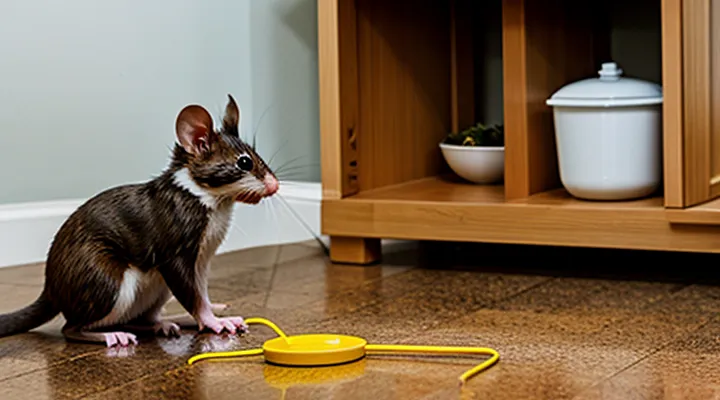
Understanding the Mouse Problem
Signs of Mouse Infestation
Droppings and Urine Stains
Droppings and urine stains indicate active mouse presence and pose health hazards. Fresh feces appear as small, dark pellets; older droppings turn gray and may crumble. Urine leaves yellowish, often invisible stains that become detectable by a faint ammonia odor. Both can contaminate surfaces, food, and fabrics, transmitting diseases such as hantavirus and salmonella.
Effective, chemical‑free removal follows a strict protocol:
- Wear disposable gloves and a mask to prevent inhalation of particles.
- Collect solid droppings with a damp paper towel; discard in a sealed bag.
- Soak urine‑stained areas with a solution of equal parts white vinegar and water; let sit for five minutes.
- Scrub with a stiff brush or steam cleaner; steam reaches temperatures that denature pathogens without chemicals.
- Rinse with hot water; dry thoroughly to discourage further infestation.
- For porous materials (carpets, upholstery), steam‑clean or replace if stains persist, as absorption can harbor bacteria.
Eliminating droppings and urine also reduces attractants, supporting non‑chemical mouse deterrence. Seal cracks, install door sweeps, and store food in airtight containers. Remove clutter that offers nesting sites. Regular inspection of suspected areas allows prompt cleaning, disrupting the rodents’ habitat and reinforcing a chemical‑free approach to mouse control.
Gnaw Marks and Damage
Mice leave distinctive gnaw marks on wood, plastic, wiring, and food packaging. The teeth create clean, crescent‑shaped bite surfaces that often appear on the edges of furniture legs, baseboards, and cable insulation. Repeated chewing weakens structural components, exposing live wires and increasing fire risk. Damage to food containers compromises sanitation and encourages further infestation.
Identifying gnaw damage early prevents costly repairs:
- Examine exposed wood and plastic for smooth, shallow cuts at a 45‑degree angle.
- Check electrical cords for frayed insulation or exposed conductors.
- Look for chewed packaging on pantry shelves and in cabinets.
- Note fresh droppings near gnawed areas, indicating active foraging.
Non‑chemical strategies that stop gnawing focus on exclusion and habitat modification:
- Seal entry points with steel wool, copper mesh, or cement; rodents cannot gnaw through metal.
- Install door sweeps and weather‑stripping to block gaps under doors and windows.
- Relocate food sources by storing dry goods in glass or heavy‑sided containers with tight lids.
- Keep the interior dry; fix leaks and use dehumidifiers to reduce moisture that attracts mice.
- Remove clutter and trim vegetation away from the building’s foundation, eliminating shelter and travel routes.
- Place sturdy metal or solid‑wood barriers around vulnerable wiring and structural members; mice avoid hard surfaces they cannot gnaw through.
By monitoring gnaw marks, repairing compromised items promptly, and reinforcing the home’s physical defenses, mouse activity can be suppressed without resorting to chemical repellents.
Strange Noises
Mice generate distinctive sounds that often signal a developing problem. Scratching in walls, high‑pitched squeaks, and light tapping on ceilings occur when rodents move, gnaw, or communicate. Recognizing these noises early helps prevent population growth and the damage that follows.
To address audible signs without resorting to poisons or sprays, follow a practical, non‑chemical approach:
- Seal entry points: Install steel wool or copper mesh in cracks, gaps around pipes, and vent openings; these materials block rodents while allowing airflow.
- Reduce shelter: Remove clutter, store food in airtight containers, and keep countertops clear to eliminate attractive hiding spots.
- Install physical barriers: Place snap traps or humane catch‑and‑release devices along walls where noises are heard; position them perpendicular to the suspected travel path.
- Employ ultrasonic emitters: Use devices that emit frequencies above 20 kHz; rodents find the sound uncomfortable, while humans cannot hear it.
- Maintain a dry environment: Fix leaks and use dehumidifiers, because moisture encourages mouse activity and amplifies rustling sounds.
By listening for irregular noises, confirming their source, and applying these preventative measures, homeowners can deter rodents effectively while keeping the household free of chemical agents.
Why Avoid Chemicals?
Safety for Pets and Children
Effective mouse deterrence without chemicals must protect both pets and children. Physical barriers, environmental management, and humane traps provide reliable solutions while eliminating toxic exposure.
- Seal entry points with steel wool, copper mesh, or silicone caulk. Rodents cannot squeeze through tightly fitted materials, and these substances pose no risk to animals or toddlers.
- Maintain a clean interior: store food in airtight containers, promptly clean crumbs, and keep garbage bins tightly covered. Reducing attractants removes the incentive for mice without introducing hazards.
- Use snap traps or electronic devices that kill instantly. Place them in concealed locations inaccessible to pets and children, such as behind appliances or inside wall voids. Check traps regularly and dispose of captured rodents promptly.
- Deploy ultrasonic emitters approved for residential use. Position units high on walls, away from pet bedding, and verify that the frequency range does not affect small mammals or infants. Manufacturers’ safety data confirm minimal impact on non‑target species.
- Install live‑catch traps with a smooth interior. Release captured mice outdoors, at least 100 meters from the home, to prevent re‑entry. Ensure traps are secured with a latch that children cannot open.
Regular inspection of the home’s exterior and interior prevents new infestations. Replace worn sealing materials, relocate traps after each capture, and monitor ultrasonic devices for proper operation. By adhering to these practices, households achieve mouse control without compromising the health of children or beloved animals.
Environmental Concerns
Chemical‑free mouse deterrence aligns with ecological stewardship. Traditional poisons introduce toxins into soil and water, persist in the food chain, and threaten non‑target wildlife. Eliminating these substances reduces contaminant load and protects biodiversity.
Physical exclusion prevents entry without harming the environment. Sealing gaps, installing door sweeps, and using steel wool or copper mesh stop rodents while preserving building integrity. These measures generate minimal waste and require only durable, recyclable materials.
Sanitation removes attractants. Regularly storing food in airtight containers, disposing of waste in sealed bins, and maintaining dry floors eliminate the resources mice need to survive. This practice lowers the amount of organic waste that might otherwise decompose and release methane.
Humane trapping offers a reversible solution. Snap traps or live‑capture cages operate without chemicals, produce no residue, and can be reused indefinitely. Proper disposal of captured rodents prevents disease spread and avoids landfill accumulation.
Encouraging natural predators supports ecosystem balance. Installing bat boxes, owl nesting platforms, or cat access zones introduces biological control agents that regulate rodent populations without synthetic inputs. These predators contribute to pest management while enhancing urban wildlife habitats.
Implementing these strategies reduces the carbon footprint associated with manufacturing and transporting chemical products. Fewer pesticide shipments mean lower fuel consumption and emissions. Moreover, the longevity of physical barriers and reusable traps diminishes material turnover, conserving resources over time.
Ineffectiveness Against Future Infestations
Non‑chemical deterrents can lose their impact after repeated exposure. Mice quickly become accustomed to static scents, ultrasonic emitters, or visual scare devices, reducing the likelihood that the same measure will stop a new wave of intruders.
Adaptation occurs through habit formation and sensory desensitization. Repeated contact with peppermint oil, for example, leads mice to ignore the odor. Ultrasonic units emit a constant frequency that rodents learn to filter out, and physical barriers such as door sweeps may develop gaps as materials wear down.
Maintaining long‑term effectiveness requires systematic variation and upkeep:
- Alternate scent sources (e.g., rotate peppermint, clove, and citrus oils) and refresh them weekly.
- Replace or reposition ultrasonic devices every few months to prevent auditory habituation.
- Inspect and repair gaps in walls, floors, and entry points monthly; install multiple layers of metal mesh where feasible.
- Combine methods—use scent barriers together with trapping and exclusion techniques—to create overlapping deterrence.
- Keep a log of sightings and interventions to identify patterns and adjust the strategy promptly.
Regular assessment and method rotation prevent mice from exploiting predictable defenses, ensuring that non‑chemical measures remain a reliable component of household pest management.
Prevention: The First Line of Defense
Sealing Entry Points
Inspecting Exterior Walls
Inspecting the exterior walls is a fundamental step in preventing mice from entering a home without resorting to chemicals. Identify any openings larger than a quarter‑inch, as rodents can squeeze through gaps of this size. Focus on areas where utilities, vents, and drainage systems intersect with the building envelope.
- Examine siding, brick, and stucco for cracks, loose panels, or deteriorated mortar.
- Check the foundation for gaps around pipe penetrations, conduit entries, and foundation vents.
- Inspect the roofline and eaves for damaged flashing or missing tiles that could allow access from above.
- Look for signs of previous rodent activity, such as gnaw marks, droppings, or shredded insulation near wall seams.
Repair methods should prioritize durable, non‑toxic materials. Use steel wool or copper mesh to fill small holes, then cover with caulk, expanding foam, or cement, depending on the surface. For larger gaps, install hardware cloth or metal flashing secured with screws. Seal all utility entry points with metal sleeves or reinforced sealants.
Regularly repeat the inspection, especially after severe weather, to catch new damage before rodents exploit it. Maintaining a tight exterior envelope reduces the need for chemical deterrents and creates a long‑term barrier against mouse infestation.
Repairing Cracks and Holes
Repairing cracks and holes eliminates the most common pathways mice use to enter a residence, providing a non‑chemical barrier that directly reduces infestations. Unsealed openings around foundations, windows, doors, utility penetrations, and vent pipes allow rodents to slip inside, especially during colder months. By closing these gaps, the home becomes inhospitable, forcing mice to seek alternative shelters.
Begin by inspecting the building envelope inside and out. Look for visible gaps larger than a quarter‑inch, deteriorated caulking, broken siding, damaged drywall, and gaps around pipes and cables. Use a flashlight to examine baseboards, under appliances, and behind cabinets. Mark each opening with tape or a pencil for systematic repair.
Select appropriate sealing materials: expandable polyurethane foam for gaps up to two inches, cement‑based mortar for concrete cracks, steel wool or copper mesh for larger holes, and silicone or acrylic caulk for joints around windows and doors. Apply each material according to manufacturer instructions, ensuring the surface is clean and dry before use. For structural cracks, embed a mesh reinforcement before applying mortar to prevent future movement.
- Clean the area; remove debris and loose material.
- Insert steel wool or mesh into larger openings, then cover with caulk or foam.
- Fill smaller gaps with foam, allowing expansion, then trim excess.
- Apply mortar or concrete patch to cracked walls, smoothing the surface.
- Seal joints and seams with a continuous bead of caulk, smoothing with a fingertip or tool.
After repairs, perform a visual check to confirm no remaining voids. Schedule periodic inspections, especially after seasonal temperature changes, to detect new damage early. Maintaining a sealed envelope sustains the chemical‑free deterrent and minimizes the likelihood of mouse re‑entry.
Protecting Vents and Drains
Mice gain entry through gaps around ventilation openings and drainage systems, making these points critical in a non‑chemical mouse‑deterrence plan.
Seal all vent covers with fine‑mesh hardware cloth (1/4‑inch opening) secured by screws or zip ties. Inspect the mesh for tears weekly and replace damaged sections immediately. Install a removable screen on each vent to allow airflow while blocking rodents.
Protect drains by fitting drain covers made of stainless steel or heavy‑gauge plastic. Choose models with a snug fit and a locking mechanism to prevent mice from pushing them aside. Regularly clean the covers to avoid debris that could create footholds.
Implement the following checklist for each vent and drain:
- Measure the opening and cut mesh or cover material to size with a margin of 0.5 in.
- Secure the material with rust‑resistant fasteners.
- Apply a thin layer of silicone caulk around the perimeter to eliminate micro‑gaps.
- Verify that airflow is not obstructed by conducting a brief airflow test after installation.
- Record the installation date and schedule a monthly inspection.
By maintaining tight, screened barriers on vents and drains, the home eliminates two of the most common pathways mice use to infiltrate indoor spaces without resorting to chemical repellents.
Eliminating Food Sources
Proper Food Storage
Proper food storage is a critical factor in preventing mouse activity inside a home. Mice are attracted to accessible food sources; eliminating those sources reduces the incentive to enter living spaces.
- Store dry goods in airtight containers made of glass, metal, or heavy‑wall plastic. Ensure lids seal completely and inspect for damage regularly.
- Keep pantry shelves clean; wipe spills immediately and sweep crumbs from the floor.
- Place pet food in sealed containers and remove leftovers after each feeding.
- Refrigerate or freeze perishable items promptly; avoid leaving fruit, bread, or cooked leftovers on countertops.
- Use a dedicated trash bin with a tight‑fitting lid, emptying it daily to prevent odor buildup.
Additional measures reinforce these practices:
- Position storage containers away from walls and corners where mice can gnaw hidden seams.
- Rotate stock regularly; consume older items first to avoid long‑term exposure.
- Conduct routine inspections for signs of infestation, such as droppings near food storage areas, and address any breach immediately.
By maintaining strict control over food availability, homeowners create an environment that is unattractive to rodents without relying on chemical deterrents.
Regular Cleaning Practices
Maintaining a clean environment eliminates the food sources and shelter that draw mice into residential spaces, providing an effective non‑chemical deterrent.
All edible items must be sealed in airtight containers. Crumbs, spills, and food particles should be wiped from countertops, tables, and floors immediately after meals. Sweeping or vacuuming must reach under cabinets, behind appliances, and along baseboards where debris accumulates.
Trash bins require lids and should be emptied daily. Compost containers must be kept outdoors and sealed tightly to prevent odor leakage. Pet food should be served in bowls that are removed and rinsed after each feeding.
Appliances such as refrigerators, ovens, and microwaves need interior cleaning weekly. Grease buildup on stovetops and behind vent hoods creates a scent trail that attracts rodents; regular degreasing removes this cue. Floors and carpets benefit from periodic deep‑cleaning to extract hidden food particles.
A schedule that incorporates daily surface cleaning, weekly deep cleaning of appliances and floors, and monthly inspection of storage areas ensures that attractants remain absent. Consistent execution of these practices sustains an environment that mice find inhospitable without resorting to chemical measures.
Managing Pet Food
Proper storage of pet food is a critical element of non‑chemical mouse deterrence at home. Mice are attracted to the scent of grain, kibble, and canned products left exposed; eliminating that attraction reduces the likelihood of infestation.
Seal dry kibble in airtight containers made of metal or heavy‑wall plastic. Containers should feature a lock‑tight lid that prevents rodents from gnawing through the seal. For wet food, keep cans in a refrigerator or freezer and discard any uneaten portions within two hours.
Maintain a clean feeding area. Wipe bowls after each meal, sweep crumbs from the floor, and vacuum beneath cabinets. Replace feeding mats regularly to avoid food buildup.
Implement a schedule for inventory control:
- Inspect containers weekly for signs of damage or pest activity.
- Rotate stock so older packages are used first, minimizing the time food remains stored.
- Dispose of expired or compromised food in sealed trash bags before removal from the premises.
Limit pet food accessibility outside designated storage. Place bowls on elevated platforms that are difficult for rodents to reach, and avoid leaving food out overnight. By managing pet food with these measures, homeowners create an environment that discourages mice without resorting to chemical repellents.
Removing Shelter and Breeding Grounds
Decluttering Basements and Attics
Removing unnecessary items from basements and attics eliminates the shelter and food sources that attract mice, providing an effective non‑chemical barrier. Tight spaces created by stacked boxes, old furniture, and debris serve as nesting sites; clearing these areas reduces the likelihood of infestation.
Key actions for a thorough declutter:
- Sort stored goods, discarding broken or expired items.
- Keep only items needed for seasonal use; store them in sealed, rodent‑proof containers.
- Install shelving that raises belongings off the floor, allowing airflow and easier inspection.
- Seal gaps around utility lines, vents, and access doors with steel wool or metal mesh.
- Maintain a regular cleaning schedule to remove dust and crumbs that could draw pests.
A disciplined approach to organization also simplifies future inspections, making it easier to spot signs of rodent activity early and address them before a full‑scale problem develops.
Trimming Vegetation Near the House
Keeping shrubs, trees, and groundcover trimmed away from the foundation reduces the pathways mice use to reach a home. Dense vegetation offers shelter, food sources, and a protected route to entry points such as cracks, vents, and utility openings. Removing this cover forces rodents to travel in exposed areas where they are more vulnerable to predators and less likely to locate hidden entrances.
Effective trimming practices:
- Cut back shrubs to at least 12 inches (30 cm) from the exterior walls.
- Prune tree branches so they clear the roofline by a minimum of 6 feet (1.8 m).
- Maintain a 3‑foot (90 cm) clearance between groundcover and the foundation; remove weeds, bamboo, and tall grasses.
- Trim back vines and climbing plants that could bridge gaps between the house and nearby structures.
- Dispose of trimmed material away from the building; do not pile debris against walls.
Regular maintenance—seasonal pruning and removal of fallen leaves—prevents new growth from providing shelter. By limiting vegetation near the structure, the likelihood of mice finding a concealed route into the interior drops significantly, supporting a chemical‑free approach to rodent control.
Storing Firewood Away from the Foundation
Storing firewood at a safe distance from the house foundation is an effective, chemical‑free method for discouraging mice from entering the home. Wood piles placed directly against the foundation create a warm, dry shelter that attracts rodents and provides a convenient pathway into the building.
Mice are drawn to firewood that contacts the foundation because it offers:
- protection from predators and weather,
- easy access to cracks and gaps at the base of walls,
- a source of food if the wood is seasoned or contaminated.
To maximize the deterrent effect, follow these practices:
- Keep the stack at least three feet (90 cm) away from the foundation.
- Elevate the bottom layer on pallets or bricks to prevent moisture buildup.
- Stack wood in a uniform, tight formation to eliminate voids where mice could nest.
- Cover the top with a breathable tarp; avoid plastic that traps humidity.
- Position the pile on a sunny side of the house to reduce dampness.
Maintaining this separation reduces the likelihood that mice will use the firewood as a bridge into the structure, supporting a broader strategy of non‑chemical rodent control.
Natural Repellents and Methods
Scent-Based Deterrents
Peppermint Oil and Cotton Balls
Peppermint oil is a natural rodent deterrent because its strong menthol scent overwhelms mice’s olfactory receptors. When applied to cotton balls, the oil releases a steady vapor that discourages entry and nesting.
To use this method effectively:
- Soak several cotton balls in 10‑15 ml of pure peppermint essential oil.
- Place each saturated ball in areas where mice activity is observed: behind appliances, under sinks, in wall voids, and along baseboards.
- Replace the cotton balls every 3–4 days, or sooner if the scent fades.
- Rotate balls to maintain a continuous odor barrier, especially during colder months when mice seek warmth.
Safety considerations:
- Keep oil‑treated cotton out of reach of children and pets; ingestion can cause irritation.
- Test a small amount on nearby surfaces to ensure the oil does not damage finishes.
- Use only 100 % peppermint oil; blends with synthetic additives may reduce efficacy.
Cost and maintenance are minimal. A 15‑ml bottle of peppermint oil typically lasts several weeks, and cotton balls are inexpensive disposable items. The approach eliminates chemical residues while providing a reusable, non‑toxic solution for mouse control.
Clove Oil and Spices
Clove oil and aromatic spices serve as natural deterrents against house mice, exploiting the rodents’ aversion to strong scents. The oil’s eugenol component overwhelms the olfactory receptors that mice rely on for navigation and foraging, prompting them to vacate treated zones. Ground spices such as cinnamon, pepper, and cayenne produce similar effects; their volatile compounds create an environment that mice find hostile.
Application guidelines:
- Dilute clove oil with water (1 ml oil per 250 ml water) and spray the mixture along baseboards, entry points, and behind appliances. Reapply weekly or after cleaning.
- Distribute a thin layer of ground cinnamon, black pepper, or cayenne on the floor near suspected pathways. Replace the spice layer every few days to maintain potency.
- Combine oil spray with sprinkled spices in high‑traffic areas for a synergistic barrier.
Safety considerations:
- Test a small surface area for discoloration before widespread use.
- Keep oil and spices away from pets and children; ingestion of concentrated clove oil can be harmful.
- Avoid direct contact with eyes; wear gloves when handling undiluted oil.
Effectiveness improves when the treatment is part of an integrated strategy that includes sealing cracks, removing food sources, and eliminating clutter. Regular monitoring of mouse activity confirms whether the aromatic barrier remains sufficient or requires reinforcement.
Vinegar Solutions
Vinegar creates an environment that mice find unpleasant because of its strong odor and acidity. When applied correctly, it deters rodents without introducing toxic chemicals into the home.
A basic solution consists of one part white distilled vinegar to one part water. Mix in a spray bottle, shake well, and use immediately. For stronger deterrence, increase the vinegar proportion to three parts vinegar and one part water; this higher acidity intensifies the scent without harming surfaces.
Application guidelines:
- Spray along baseboards, behind appliances, and near entry points such as gaps around pipes.
- Reapply every 48 hours, or after cleaning, to maintain scent potency.
- Wipe excess liquid from countertops and food preparation areas to prevent corrosion of metal fixtures.
Vinegar does not harm pets, children, or household materials when used in the recommended dilution. Its rapid evaporation leaves no residue, allowing continuous use in occupied spaces. Regular monitoring of sprayed zones ensures the solution remains effective and that mice do not establish new routes.
Commercial Natural Repellents
Commercial natural repellents provide a non‑chemical option for deterring mice in residential settings. These products rely on odors, textures, or biological agents that mice find unpleasant, allowing homeowners to protect food storage areas, walls, and crawl spaces without introducing toxic substances.
Typical categories include:
- Essential‑oil based sprays – formulations containing peppermint, eucalyptus, or citronella oil. Application to baseboards, entry points, and interior surfaces creates a volatile scent that overwhelms the rodent’s olfactory receptors.
- Ultrasonic devices with natural sound profiles – emit frequencies that mimic predator calls or distress noises. The acoustic pattern is derived from natural sources rather than synthetic tones, reducing habituation.
- Plant‑derived granules – powdered cloves, dried lavender, or powdered cayenne pepper placed in gaps and corners. The particulate texture irritates the mouse’s whiskers and respiratory system, prompting avoidance.
- Biological deterrents – commercial preparations of predatory‑bird feather extracts or ferret‑derived scent markers. These mimic the presence of natural enemies and trigger instinctive flight responses.
Effective deployment follows a systematic approach:
- Identify all potential ingress routes, including gaps around pipes, vents, and foundation cracks.
- Apply the chosen repellent directly to each opening and to adjacent surfaces, maintaining a continuous barrier.
- Re‑treat every two to four weeks, or sooner if the scent diminishes, to preserve deterrent potency.
- Combine multiple natural methods when infestation signs persist, as synergistic effects increase overall efficacy.
Safety considerations are straightforward: essential‑oil sprays should be kept out of reach of children and pets, and ventilation is recommended during initial application. Plant‑derived powders may cause irritation to human skin; gloves are advisable during handling. Ultrasonic units require placement away from moisture sources to prevent electrical hazards.
Commercial natural repellents offer a practical, environmentally responsible alternative to conventional rodenticides, delivering consistent mouse avoidance while preserving indoor air quality and household safety.
Physical Barriers and Traps
Live-Catch Traps
Live‑catch traps provide a humane, chemical‑free method for removing mice from residential spaces. The devices consist of a cage or box with a trigger mechanism that closes once a mouse enters, keeping the animal alive for later release.
Effective use begins with selecting an appropriate model. Common options include:
- Snap‑free cages with a spring‑loaded door.
- Bucket traps that guide mice onto a platform that tips into a holding container.
- Multi‑catch traps that allow several rodents to be captured before emptying.
Placement determines success. Position traps along walls, behind appliances, and near known gnaw marks, because mice travel close to surfaces. Secure each trap with a stable base to prevent accidental displacement.
Bait enhances attraction. Preferred choices are high‑protein foods such as peanut butter, cheese, or cooked meat. Apply a pea‑sized amount to the trigger area; excess bait may discourage entry by allowing the mouse to feed without activating the mechanism.
Check traps at least twice daily. Prompt removal reduces stress on the animal and prevents escape. When releasing, choose a location at least 100 meters from the home, preferably in a wooded or field area with natural cover and access to water.
Maintenance includes cleaning the cage with mild soap and water after each use, inspecting the trigger for wear, and replacing damaged components. Regular inspection of the surrounding environment—sealing entry points, removing clutter, and storing food in airtight containers—supports long‑term mouse control without resorting to toxic substances.
Ultrasonic Devices
Ultrasonic devices emit high‑frequency sound waves that rodents cannot tolerate. The sound is inaudible to humans but creates a hostile environment for mice, prompting them to vacate the area.
Effective deployment requires strategic placement. Install units near entry points, such as gaps under doors, foundation cracks, and utility openings. Cover larger rooms with at least two devices to prevent dead zones where the signal weakens. Elevate units 6–12 inches above the floor; mice tend to travel close to the ground, and this height maximizes exposure.
Performance varies with environmental factors. Solid walls, thick insulation, and metal furniture can block ultrasonic waves, reducing coverage. Open‑plan spaces and lightweight construction allow broader propagation. Regularly test devices by listening for a faint hum; absence may indicate a malfunction or depleted power source.
Maintenance is straightforward. Replace batteries or recharge units according to manufacturer instructions, typically every 3–6 months. Clean exterior surfaces with a dry cloth to avoid dust buildup that can attenuate the signal.
Limitations must be acknowledged. Ultrasonic deterrents do not eliminate established infestations; they are most effective as a preventive measure. Continuous exposure may lead to habituation, diminishing efficacy over time. Complementary actions—sealing entry points, removing food sources, and maintaining cleanliness—enhance overall success.
Key considerations for non‑chemical rodent control using ultrasonic devices
- Position units at all known access points.
- Ensure overlapping coverage to eliminate signal gaps.
- Verify that surrounding materials do not obstruct wave transmission.
- Schedule periodic battery replacement or recharging.
- Combine with exclusion techniques for lasting results.
Steel Wool and Caulk Barriers
Steel wool and caulk create a physical blockade that mice cannot penetrate. The material’s dense fibers compress when squeezed, preventing rodents from gnawing through openings such as gaps around pipes, vents, and foundation cracks. When combined with a high‑quality silicone or acrylic caulk, the seal becomes airtight and durable, eliminating the small passageways mice exploit.
Application steps:
- Identify entry points by inspecting the exterior and interior of the home for holes larger than a quarter inch.
- Insert a generous amount of steel wool into each opening, ensuring the fibers fill the space completely.
- Apply caulk over the steel wool, smoothing it to create a seamless surface that adheres to surrounding material.
- Allow the caulk to cure according to the manufacturer’s instructions before exposing the area to moisture or temperature fluctuations.
Key considerations:
- Use stainless‑steel wool to resist rust, which could degrade the barrier over time.
- Select a caulk rated for exterior use and flexible enough to accommodate minor building movement.
- Re‑inspect sealed areas quarterly; replace steel wool that shows signs of compression or displacement.
- For large gaps, combine steel wool with metal flashing or mesh before caulking to maintain structural integrity.
By integrating steel wool and caulk, homeowners establish a non‑chemical deterrent that blocks mouse ingress while preserving the building envelope. The method requires minimal equipment, delivers long‑term protection, and aligns with chemical‑free pest‑management strategies.
Encouraging Natural Predators
Outdoor Cats
Outdoor cats can serve as a natural deterrent against house‑bound rodents when chemical methods are undesirable. A cat’s presence and hunting instincts create an environment that discourages mice from entering structures, reducing the need for traps or poisons.
- Choose a cat accustomed to outdoor life; feral‑type or semi‑domestic individuals adapt quickly to hunting tasks.
- Provide a shelter near the house, such as a weather‑proof cat house, to encourage the animal to patrol the perimeter.
- Ensure regular feeding to maintain health and prevent the cat from seeking food inside the home, which could lead to unwanted indoor activity.
- Schedule veterinary care, including vaccinations and parasite control, to protect both the cat and the household from disease transmission.
- Install a secure fence or cat‑proof barrier if the property contains vulnerable wildlife; outdoor cats can impact bird and small‑mammal populations if left unchecked.
Benefits include continuous rodent pressure, low ongoing cost, and elimination of toxic substances. Limitations involve potential conflicts with neighbors, legal restrictions on free‑roaming cats, and the need for responsible ownership to avoid overpopulation. Proper management maximizes the effectiveness of outdoor cats as a non‑chemical solution for mouse control.
Owl Boxes
Installing owl boxes provides a proven, chemical‑free method for reducing mouse activity in residential settings. Owls are nocturnal predators that naturally hunt rodents; encouraging their presence creates continuous pressure on mouse populations.
A well‑designed owl box should meet the following criteria:
- Exterior dimensions of 12–14 inches wide, 18–24 inches deep, and 24 inches high, allowing enough space for a breeding pair.
- Entrance hole diameter of 4–5 inches, sized for species such as the Eastern Screech Owl or Barn Owl.
- Construction from untreated, weather‑resistant wood; avoid pressure‑treated lumber that may deter occupancy.
- Interior mounting of a removable perch and a shallow water‑resistant liner to facilitate cleaning.
- Installation height of 10–20 feet above ground, positioned on a pole or sturdy tree branch with a clear flight path.
Placement considerations are essential for effectiveness:
- Locate the box away from bright artificial lighting; owls prefer low‑light approaches.
- Ensure the site is free of predators such as domestic cats; a predator guard or baffle can reduce risk.
- Position the entrance facing a prevailing wind direction to shield the interior from rain and drafts.
- Maintain a distance of at least 30 feet from neighboring houses to avoid territorial conflicts with existing owl populations.
Maintenance routine:
- Inspect the box annually in early spring for damage or debris.
- Remove old nesting material after the breeding season to prevent parasite buildup.
- Re‑seal any cracks with non‑toxic wood filler to preserve structural integrity.
Benefits of this approach include continuous, self‑sustaining rodent control, reduced reliance on traps or poisons, and added wildlife value to the property. By providing suitable nesting sites, homeowners create an environment where owls naturally patrol and diminish mouse numbers.
Maintaining a Wildlife-Friendly Yard
A wildlife‑friendly yard reduces indoor mouse activity by limiting attractive habitats and encouraging natural predators.
Keep vegetation trimmed low to eliminate cover where mice can nest. Replace dense ground cover with gravel or mulch that is difficult for rodents to burrow.
Remove potential food sources. Store compost in sealed containers, clean bird feeders regularly, and harvest fallen fruit promptly.
Create habitats for predatory species. Install raptor nesting boxes, provide brush piles for owls, and maintain a water source for hawks and snakes.
Install physical barriers. Seal gaps under siding, foundation, and utility lines. Use metal flashing or hardware cloth around garden beds and foundation vents.
Maintain clean waste management. Keep trash cans with tight‑fitting lids, and dispose of garden debris promptly.
Adopt native plantings that deter rodents. Plants such as mint, lavender, and rosemary emit scents that mice avoid, while also supporting beneficial insects.
By integrating these practices, a yard becomes less inviting to mice, supporting chemical‑free control of indoor rodent incursions.
Post-Repellent Maintenance
Ongoing Monitoring
Regular Inspections
Regular inspections are a cornerstone of chemical‑free rodent deterrence. Conduct a systematic sweep of the interior and exterior at least once a month, increasing to weekly during peak activity periods. Record any signs of mouse presence—droppings, gnaw marks, grease trails, or nesting material—to identify hotspots promptly.
During each inspection focus on the following areas:
- Entry points: gaps around pipes, vents, doors, and windows; seal with steel wool, copper mesh, or silicone caulk.
- Food storage: pantry shelves, cabinets, and countertops; verify that all items are in airtight containers.
- Clutter zones: basements, attics, and storage closets; eliminate cardboard boxes and fabric piles that provide shelter.
- Moisture sources: leaky faucets, condensation, and standing water; repair leaks and improve ventilation.
Document findings in a log, noting the location, type of evidence, and corrective actions taken. Review the log weekly to detect patterns and adjust preventive measures accordingly. Consistent documentation reinforces accountability and ensures that minor issues are resolved before they attract a larger infestation.
Addressing New Signs Promptly
When fresh mouse evidence appears, swift response prevents an isolated sighting from becoming a full‑scale infestation. Immediate identification of the sign—droppings, gnaw marks, rustling sounds, or new pathways—guides the next steps.
First, locate the exact area of activity. Follow trails to pinpoint entry points, such as gaps around pipes, vents, or door frames. Seal openings with steel wool, copper mesh, or caulk; this eliminates the most common access routes without resorting to poisons.
Second, deploy non‑chemical deterrents directly at the identified site. Options include:
- Ultrasonic emitters positioned near suspected routes
- Peppermint oil‑soaked cotton balls placed in corners and behind appliances
- Snap traps or humane catch‑and‑release devices set along established pathways
Third, remove attractants that may have drawn the rodents. Store food in airtight containers, keep countertops clear, and empty trash bins daily. Reduce clutter that offers shelter, especially in basements, attics, and storage closets.
Finally, monitor the area for at least two weeks. Check traps, replace deterrent materials, and re‑inspect sealed gaps. Any recurrence of signs warrants a repeat of the inspection and sealing process. Prompt, systematic action confines mouse activity to a manageable level and sustains a chemical‑free environment.
Maintaining a Clean Environment
Consistent Housekeeping
Consistent housekeeping forms the backbone of any chemical‑free rodent deterrence strategy. Maintaining a clean environment removes the food, water, and shelter that attract mice, thereby reducing the likelihood of infestation.
- Store all dry goods in airtight containers; glass or heavy‑wall plastic prevents gnawing.
- Sweep floors and vacuum crumbs daily; focus on kitchen edges, under appliances, and pantry shelves.
- Dispose of garbage in sealed bins and empty them regularly; keep lids tightly closed.
- Clean up spills immediately; damp surfaces provide both hydration and a scent trail for rodents.
- Rotate pantry stock and discard expired items; older food becomes more appealing to mice.
Beyond daily tasks, periodic deep cleaning reinforces these measures. Inspect hidden areas such as behind cabinets, under the refrigerator, and inside closets for accumulated debris. Remove any nesting material, including shredded paper, fabric scraps, or insulation fragments.
Combine routine cleaning with structural vigilance: seal gaps around pipes, vents, and doorframes using steel wool or caulk. Even the smallest opening can serve as an entry point, rendering housekeeping efforts ineffective if left unattended.
By adhering to a disciplined cleaning schedule and eliminating potential food sources, homeowners create an environment that is inhospitable to mice without resorting to chemical solutions.
Secure Waste Disposal
Secure waste disposal is a fundamental component of chemical‑free rodent deterrence. Mice locate food sources by scent; improperly stored garbage provides a persistent attractant that can override other preventive measures.
Food remnants, grease, and organic debris emit volatile compounds detectable by a mouse’s acute olfactory system. When waste accumulates in open bins or bags, it creates a reliable feeding station, encouraging mice to enter the home and establish nests.
- Use containers with tight‑fitting lids made of metal or heavy‑wall plastic.
- Empty trash daily, especially in kitchens and dining areas.
- Keep outdoor bins at least three feet from the building’s foundation and elevate them on a platform to prevent easy access.
- Line indoor bins with sturdy, puncture‑resistant liners; replace liners before they become torn or saturated.
- Dispose of compostable material in sealed, odor‑controlled units rather than loose piles.
Regular cleaning of waste containers removes residue that could linger after removal. Rinsing bins with hot water and a mild detergent eliminates crumbs and grease, reducing the scent profile that draws rodents. In multi‑unit dwellings, coordinate collection schedules to prevent overflow and ensure that all residents adhere to the same disposal standards.
By eliminating readily available food waste, the environment becomes inhospitable to mice, allowing other non‑chemical strategies—such as sealing entry points and maintaining a clutter‑free interior—to operate more effectively.
Educating Household Members
Shared Responsibility
Effective non‑chemical mouse deterrence depends on coordinated actions among all parties who occupy or manage the dwelling.
Homeowners must eliminate access and attractants.
- Inspect walls, floors, and foundations for gaps; seal openings with steel wool, caulk, or metal flashing.
- Store food in airtight containers; keep countertops and floors free of crumbs.
- Remove clutter that offers nesting sites; maintain a regular schedule for cleaning behind appliances and under furniture.
- Conduct monthly visual checks for droppings, gnaw marks, or chew damage.
Family members share the duty of immediate housekeeping.
- Promptly sweep and vacuum after meals; dispose of waste in sealed bins.
- Report any signs of activity to the primary caretaker without delay.
- Avoid leaving pet food out overnight; cover water dishes when not in use.
Property managers or landlords bear responsibility for structural integrity and guidance.
- Perform routine inspections of exterior walls, roof eaves, and utility penetrations; repair defects promptly.
- Provide residents with approved trap options and clear instructions for placement.
- Offer periodic workshops or written materials on best practices for mouse exclusion.
Professional pest advisors contribute expertise without chemicals.
- Conduct site assessments to identify high‑risk zones.
- Recommend strategic trap locations based on observed pathways.
- Train occupants on proper trap handling and disposal of captured rodents.
Community networks reinforce collective vigilance.
- Share successful exclusion techniques through local forums or newsletters.
- Coordinate neighborhood monitoring to detect early infestations that could spread between adjoining homes.
When each stakeholder fulfills its defined tasks, the residence remains inhospitable to mice, achieving long‑term, chemical‑free control.
Long-Term Prevention Strategies
Effective, non‑chemical mouse deterrence in residential settings depends on sustained actions that eliminate access, food, and shelter. Implementing systematic measures reduces the likelihood of re‑infestation and minimizes reliance on temporary fixes.
- Inspect and seal all potential entry points: gaps around pipes, vents, doors, and windows; cracks in foundation; openings beneath utilities. Use steel wool, copper mesh, or caulk rated for pest exclusion, followed by durable materials such as metal flashing or cement‑based sealants.
- Maintain strict sanitation: store dry goods in airtight containers, promptly clean crumbs and spills, and dispose of garbage in sealed bins. Eliminate outdoor attractants by keeping compost piles covered and removing fallen fruit or debris near the building.
- Modify the surrounding habitat: trim vegetation away from the foundation, keep firewood stacked off the ground, and install gravel or stone barriers to discourage burrowing. Ensure gutters and downspouts direct water away from the structure to prevent moisture‑rich environments that attract rodents.
- Deploy physical barriers and monitoring tools: install door sweeps, use mesh screens on vents, and place snap traps or electronic devices in strategic locations. Check traps regularly, record activity, and adjust placement based on observed patterns.
- Conduct periodic reviews: schedule quarterly inspections of the building envelope, re‑seal any new gaps, and reassess sanitation practices. Document findings to track progress and identify recurring problem areas.
Consistent application of these strategies creates an environment where mice cannot establish a foothold, providing long‑term protection without resorting to chemical agents.