
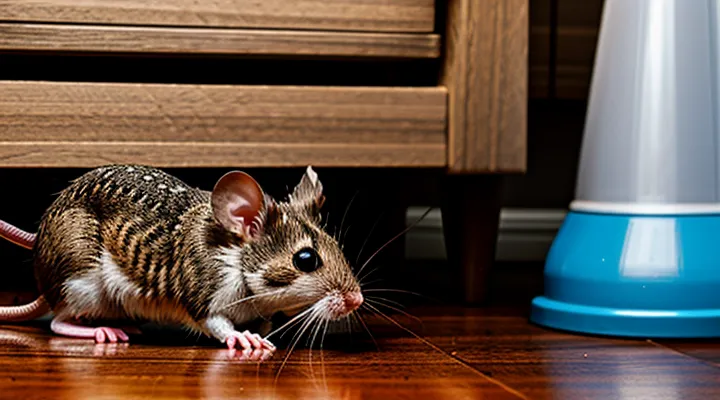
Identifying the Source of the Odor
Locating the Deceased Mouse
Signs of a Deceased Mouse
A dead mouse inside a residence leaves unmistakable indicators that point to its presence and the source of foul odor.
- Small, irregular droppings near baseboards, cabinets, or behind appliances; fresh droppings are dark, while older ones become lighter and crumbly.
- Tiny, wet stains on walls, flooring, or ceiling tiles that turn reddish‑brown as blood or bodily fluids seep from the carcass.
- A faint, musky odor that intensifies after the house is sealed for several hours; the smell is strongest in confined spaces such as attics, crawl spaces, or wall voids.
- Presence of gnaw marks on insulation, wiring, or wooden structures, suggesting a mouse attempted to escape or was preyed upon.
- Accumulated hair, fur, or skin fragments caught in vents, ducts, or on the floor near suspected entry points.
These signs confirm that a rodent has died within the home and that immediate remediation is required to eliminate the odor and prevent health hazards.
Common Hiding Spots
Dead rodents often choose concealed areas that retain moisture and provide easy access to food sources. Identifying these locations speeds up odor elimination and prevents secondary infestations.
Typical concealment points include:
- Wall cavities and behind baseboards where insulation traps scent.
- Underneath kitchen appliances such as refrigerators, stoves, and dishwashers, especially if a gap exists between the floor and the unit.
- Inside ceiling joists or attic insulation, where warmth and darkness attract rodents.
- Behind or inside furniture that sits close to walls, including sofas, bookcases, and cabinets.
- In crawl spaces and under floorboards, particularly in homes with unfinished basements.
- Within ductwork and HVAC vents, which can distribute odor throughout the house.
- Inside storage boxes, pet crates, and laundry hampers that are rarely moved.
- In garage or shed corners, especially near stored food, feed, or trash containers.
Inspect each area methodically, looking for signs such as droppings, shredded material, or a faint ammonia-like odor. Once a carcass is located, remove it with gloves, clean the surface with an enzymatic cleaner, and ventilate the space to disperse residual smell. Repeating the inspection after cleaning ensures no additional remains remain.
Tools for Detection
Detecting the source of a rodent carcass requires equipment that can locate hidden decay and identify lingering odor compounds. Professional-grade tools increase accuracy and reduce the time needed to pinpoint the problem area.
- Infrared thermography camera – visualizes temperature differences; a decomposing body emits heat that contrasts with surrounding structures, revealing concealed locations behind walls or under flooring.
- Moisture meter – measures elevated humidity levels caused by fluid release from the carcass; readings above normal ambient levels indicate a potential hotspot.
- Portable gas detector – equipped with sensors for ammonia, sulfides, and cadaveric odor markers; real‑time readings highlight zones with abnormal concentrations.
- UV (black) light – exposes biological stains and urine residues that fluoresce under ultraviolet wavelengths, helping trace the path of the dead animal.
- Endoscopic inspection camera – thin, flexible probe with built‑in LED; inserts through small holes to visually inspect cavities, ducts, and crawl spaces.
- Electronic nose (e‑nose) – array of chemical sensors calibrated to recognize specific volatile organic compounds produced by decay; provides a quantitative odor map of the interior.
Supplementary methods enhance detection reliability. Removing baseboard trim or cutting small inspection ports creates access for cameras and meters. Monitoring ambient temperature and humidity trends over several hours can confirm the presence of a hidden source when readings remain consistently abnormal. Combining thermal imaging with chemical sensing yields the most precise location data, enabling targeted removal and subsequent odor remediation.
Eliminating the Source
Safe Removal Techniques
Personal Protective Equipment
When addressing the odor left by a deceased rodent, proper personal protective equipment (PPE) safeguards health and improves effectiveness. Direct contact with decomposing tissue releases bacteria, fungi, and volatile compounds that can irritate skin, eyes, and respiratory passages. Wearing the correct gear prevents exposure and reduces the risk of secondary contamination.
- Heavy‑duty disposable gloves, preferably nitrile, protect hands from pathogens and cleaning chemicals.
- A fitted N95 or higher‑rated respirator filters airborne particles and unpleasant fumes.
- Safety goggles or a full face shield shield eyes from splashes and aerosolized debris.
- Disposable coveralls or a long‑sleeved work shirt with pants prevent skin contact and limit the spread of contaminants.
- Slip‑resistant shoes or boot covers maintain footing on potentially wet surfaces and avoid tracking residues.
Before commencing removal, inspect each item for damage, ensure a proper seal on the respirator, and verify that gloves fit snugly. After the task, dispose of single‑use PPE in sealed bags, wash reusable components according to manufacturer instructions, and perform thorough hand hygiene. This systematic approach minimizes health hazards while facilitating the elimination of the unpleasant smell.
Disposal Methods
Eliminating the source of decay stops the odor from spreading through the interior. The carcass must be removed promptly and securely to prevent further contamination.
- Place the mouse in a sturdy plastic bag, seal tightly, and discard in an outdoor trash container that is emptied regularly.
- Use a double‑bag system: first bag the animal, then seal a second bag inside a rigid box before disposal.
- Contact a licensed pest‑control service; professionals can transport the remains to a sanitary landfill following local regulations.
- For rural settings, bury the carcass at least 2 feet deep, away from water sources and garden beds, and cover with soil and mulch.
- If a fire pit or outdoor grill is available, wrap the mouse in foil and incinerate, ensuring complete combustion and compliance with fire codes.
- In emergency situations, freeze the mouse in a sealed container for 24 hours, then follow one of the above methods to avoid decomposition.
After removal, clean the area with a disinfectant solution, then ventilate the room. Proper disposal eliminates the primary odor source and reduces the risk of lingering smells.
Cleaning and Sanitizing the Area
Disinfecting Surfaces
Disinfecting surfaces after discovering a dead rodent is critical for odor elimination and health safety. Begin by removing any visible debris with disposable gloves and a sealed bag. Wash the area with hot, soapy water to loosen organic material. Rinse thoroughly and dry completely before applying a disinfectant.
- Choose a product containing at least 0.1% bleach, hydrogen peroxide, or an EPA‑approved virucidal agent.
- Dilute bleach to a ratio of 1 part bleach to 9 parts water if using undiluted concentrate.
- Apply the solution generously, ensuring it contacts all affected surfaces, including floors, walls, baseboards, and any nearby furniture.
- Allow the disinfectant to remain for the manufacturer‑specified dwell time, typically 5–10 minutes, to achieve full antimicrobial action.
- After the dwell period, wipe the area with clean cloths, dispose of them in a sealed container, and ventilate the room for at least 30 minutes.
For porous materials such as carpets or upholstery, use a spray‑on disinfectant designed for fabrics, followed by thorough drying. If the odor persists, repeat the application or consider a specialized enzymatic cleaner that breaks down protein residues responsible for the smell.
Safety precautions: wear protective gloves, goggles, and a mask; keep children and pets away from treated spaces; store chemicals out of reach. Proper disposal of contaminated materials prevents recontamination and further odor issues.
Neutralizing Residual Odors
Decomposing rodent remains release volatile compounds that cling to fabrics, carpets, and wall cavities. Even after the carcass is removed, these compounds persist as a faint, unpleasant odor that can reappear when humidity rises. Effective neutralization requires targeting both the source and the surrounding materials.
- Identify all affected zones: check under appliances, behind baseboards, and inside insulation.
- Apply an enzymatic cleaner directly to contaminated surfaces; enzymes break down organic particles that emit odor.
- For porous items (carpets, upholstery), sprinkle baking soda, let sit for 30 minutes, then vacuum thoroughly.
- Use a solution of white vinegar and water (1:1) to wipe hard surfaces; vinegar neutralizes acidic odor molecules.
- Introduce activated charcoal bags in rooms; charcoal adsorbs lingering volatile compounds.
- Run a HEPA‑rated air purifier with a carbon filter for at least 24 hours to capture airborne remnants.
- If odor persists after these steps, consider a professional ozone treatment, ensuring the space is vacated and sealed during the process.
After neutralization, dry the area completely to prevent mold growth, which can compound the smell. Maintain low humidity and regular ventilation to discourage future odor buildup.
Addressing Lingering Smells
Airing Out the Space
Ventilation Strategies
Open all exterior windows and doors to create a direct path for fresh air. Position a box or floor fan near a window to draw indoor air outward, then place a second fan on the opposite side to pull fresh air in. This cross‑ventilation accelerates the removal of odor‑laden air.
Use a high‑efficiency particulate air (HEPA) filter or an activated‑carbon purifier in the affected room. Run the device continuously for several hours, replacing the filter according to the manufacturer’s schedule to maintain absorption capacity.
If a mechanical ventilation system is installed, increase the intake fan speed and set the exhaust fan to operate on a continuous basis. Verify that ductwork is clean; clogged ducts reduce airflow and can recirculate the smell.
For sealed spaces, employ a portable air‑exchange unit that introduces a measured volume of outdoor air while expelling an equal amount of indoor air. Adjust the unit’s rate to achieve at least 5 air changes per hour, a level proven to dilute persistent odors quickly.
Maintain low humidity by running a dehumidifier at 40‑50 % relative humidity. Moist environments slow the breakdown of odor molecules and can trap them in walls and upholstery.
Finally, keep the ventilation system running for a minimum of 24 hours after the source is removed. Continuous airflow ensures that residual odor particles are flushed out of the building envelope.
Using Fans and Open Windows
Ventilation through fans and open windows accelerates the removal of a dead‑mouse odor by replacing contaminated air with fresh outdoor air.
To implement effective airflow:
- Open all windows in the affected area and in adjacent rooms to create a path for air exchange.
- Place a high‑speed floor or box fan facing outward in the room where the smell originates; this pushes stale air outside.
- Position a second fan on the opposite side of the house, facing inward, to draw fresh air through the opened windows.
- Align fans so that air moves in a straight line across the space, avoiding dead zones where odor can linger.
- Keep fans running continuously for at least 24 hours, extending the period if the smell persists.
Additional considerations:
- Use fans with adjustable speed settings; start at the highest setting and reduce once the odor diminishes.
- Ensure windows remain unobstructed; remove curtains or blinds that could hinder airflow.
- Close and reseal windows after the ventilation period to prevent re‑entry of outdoor pollutants.
- Combine ventilation with a neutralizing agent (e.g., baking soda or enzymatic cleaner) applied to the source area for optimal results.
Odor Absorbers and Neutralizers
Natural Odor Eliminators
Dead rodent odor permeates fabrics, walls and ventilation ducts; swift removal prevents lingering contamination. Natural substances neutralize volatile compounds without synthetic chemicals.
- Baking soda – Sprinkle on carpets, upholstery and floor gaps; leave for several hours, then vacuum. Its alkaline nature absorbs ammonia and sulfur compounds.
- White vinegar – Mix equal parts water and vinegar in a spray bottle; mist affected areas and allow to air‑dry. Acidity breaks down odor molecules.
- Activated charcoal – Place bags or loose granules in corners, closets and near the source; replace weekly. Porous surface adsorbs airborne particles.
- Coffee grounds – Spread a thin layer in open containers within the room; coffee’s strong aroma masks and absorbs foul smells.
- Citrus peels – Distribute orange or lemon peels on countertops and in trash cans; citric oils neutralize bacterial waste.
- Essential oils (eucalyptus, tea tree, lavender) – Add 10‑15 drops to a diffuser or dilute in water for a spray; antimicrobial properties inhibit odor‑producing microbes.
Procedure: locate the carcass, remove it with gloves, seal in a plastic bag, and dispose according to local regulations. Clean the area with warm, soapy water; rinse thoroughly. Apply one or more of the natural agents listed above, ensuring full coverage of surfaces that absorbed the smell. Maintain ventilation by opening windows or using fans for at least 30 minutes after treatment. Repeat applications until the odor dissipates completely.
Commercial Products and Their Application
Commercial products designed to neutralize the odor of a deceased rodent provide rapid results when applied correctly.
Enzyme‑based cleaners break down organic matter, eliminating the source of the smell rather than merely masking it. Apply the solution directly to contaminated surfaces, allow a minimum of 10 minutes for enzymatic activity, then rinse with clean water. Repeat if the odor persists.
Activated‑charcoal air purifiers absorb volatile compounds responsible for the foul scent. Position units in rooms where the odor is strongest, ensuring a clearance of at least 2 feet around each device. Replace cartridges according to manufacturer specifications, typically every 30 days in residential use.
Odor‑neutralizing sprays containing cyclodextrin complexes trap odor molecules. Mist the affected area lightly, avoiding oversaturation of fabrics. Allow the spray to dry for 5–10 minutes before re‑entering the space.
Ozone generators oxidize odor‑causing particles. Operate the unit in a sealed environment for 30–45 minutes, then ventilate the area for at least 15 minutes before re‑occupying. Follow safety guidelines to prevent exposure to high ozone concentrations.
Laundry additives formulated for odor removal can be added to washing cycles for contaminated linens and clothing. Use the recommended dosage (usually ¼ cup per load) and select a hot‑water setting when fabric care permits.
Product selection checklist
- Verify that the product is labeled for animal corpse odor.
- Confirm compatibility with the affected materials (carpet, wood, fabric).
- Review safety data sheets for ventilation and protective equipment requirements.
- Choose a product with a documented clearance time appropriate for the severity of the odor.
Proper application of these commercial solutions, combined with thorough cleaning of the source area, restores indoor air quality efficiently.
Deep Cleaning for Stubborn Odors
Fabric and Carpet Treatment
Eliminate mouse corpse odor from textiles and carpets by following a systematic approach.
First, isolate contaminated items. Remove cushions, drapes, and rugs from the affected area to prevent cross‑contamination. Shake out loose debris outdoors, then vacuum each piece with a HEPA‑rated attachment to capture residual particles.
Second, apply an enzymatic cleaner specifically formulated for protein‑based stains. Spray the product evenly, allow the recommended dwell time, then blot with a clean cloth. Enzyme action breaks down odor‑causing compounds at the molecular level, ensuring deeper removal than surface detergents.
Third, treat persistent smells with a mild acid solution. Mix one part white vinegar with three parts water, lightly mist the fabric, and let it air dry. Vinegar neutralizes alkaline odor molecules without damaging fibers.
Fourth, neutralize residual moisture and odor using baking soda. Sprinkle a generous layer over carpets and upholstery, leave for at least four hours, then vacuum thoroughly. Baking soda absorbs lingering scents and moisture.
Fifth, if the odor persists after the above steps, consider professional steam cleaning. High‑temperature steam penetrates deep into pile and weave, dislodging trapped particles. Follow the cleaner’s guidelines for temperature and exposure time to avoid shrinkage.
Finally, improve overall air quality. Place activated charcoal bags near treated fabrics, and run a dehumidifier to maintain humidity below 50 %. Lower humidity slows bacterial growth that can re‑introduce odor.
By executing each stage promptly and thoroughly, fabrics and carpets will be restored to a neutral scent, eliminating the lingering presence of a dead rodent.
Wall and Ceiling Cleaning
Dead rodents leave protein‑rich residue that penetrates porous wall and ceiling surfaces. The odor persists until those residues are broken down and removed. Effective decontamination follows a systematic approach.
First, isolate the area. Open windows, use fans to increase airflow, and wear gloves, a mask, and eye protection. Remove any visible debris with a disposable cloth; discard it in a sealed bag.
Next, treat the surfaces. Prepare a solution of one part white vinegar to four parts warm water, or use a commercial enzymatic cleaner designed for organic stains. Apply the liquid generously to walls and ceilings using a spray bottle or sponge. Allow it to soak for 10–15 minutes; the acidity or enzymatic action will denature the proteins that cause the smell.
Scrub the treated zones with a stiff‑bristled brush or non‑abrasive pad. Focus on seams, corners, and any textured areas where residue can hide. Rinse with clean water and a clean sponge, then blot dry with disposable towels.
If odor remains, repeat the application and scrubbing cycle. For stubborn cases, mix a mild bleach solution (one tablespoon chlorine bleach per quart of water) and apply only to non‑fabric surfaces, testing a small patch first to avoid discoloration.
Finally, ensure complete drying. Use dehumidifiers or continue ventilation until walls and ceilings are moisture‑free. Consider applying a sealant or primer that blocks residual odor molecules if the smell persists after multiple cleanings.
Key steps summarized
- Isolate and ventilate the area; wear protective gear.
- Remove surface debris and dispose of it securely.
- Apply vinegar or enzymatic cleaner; let it act for 10–15 minutes.
- Scrub thoroughly; rinse and dry.
- Repeat treatment or use a diluted bleach solution if needed.
- Dry completely; optionally seal with odor‑blocking primer.
Preventing Future Infestations
Sealing Entry Points
Inspecting for Gaps and Cracks
Inspecting for gaps and cracks is essential when eliminating the odor of a deceased rodent from a residence. Openings in walls, floors, ceilings, and around utility penetrations allow foul air to circulate and can trap odor‑causing particles. A systematic examination identifies pathways that must be sealed to prevent the smell from spreading or re‑emerging.
Begin the inspection by turning off ventilation systems to avoid dispersing fumes. Use a bright flashlight and a mirror to view hidden corners. Check the following areas:
- Baseboards and trim joints for separations.
- Window and door frames for loose weatherstripping.
- Electrical outlet and switch boxes for gaps around conduit entries.
- Plumbing fixtures, especially under sinks, for cracks in the surrounding tile or caulking.
- HVAC ducts and vents for visible fissures or poorly fitted covers.
- Exterior siding, roof eaves, and crawl‑space entries for openings that connect indoor air to the outside.
When a gap is found, clean the surrounding surface to remove dust and debris, then apply an appropriate sealant—silicone caulk for small cracks, expanding foam for larger voids, or steel wool combined with caulk for rodent‑sized passages. Ensure the sealant cures fully before restoring airflow.
A final walkthrough should verify that all identified openings are sealed and that no residual odor is detectable when the HVAC system is restarted. This thorough sealing process removes the primary route for the smell to linger, supporting complete odor eradication.
Repairing Damage
The odor of a deceased rodent often leaves visible damage that must be repaired after the source is eliminated. Addressing structural and cosmetic harm prevents the scent from returning and restores a healthy environment.
First, inspect all affected areas. Look for stained walls, warped flooring, chewed insulation, and contaminated upholstery. Mark each location for treatment.
Next, remove compromised materials. Cut out drywall sections that show discoloration or moisture. Pull up carpet sections that have absorbed fluids. Discard insulation that appears soiled or shredded. Seal removed debris in plastic bags before disposal.
After removal, clean surrounding surfaces. Apply an enzymatic cleaner to exposed studs and joists, allowing sufficient dwell time to break down residual proteins. Rinse with clean water and dry thoroughly with a dehumidifier.
Replace damaged components. Install new drywall, using a moisture‑resistant board where appropriate. Tape, mud, and sand joints to a smooth finish. Lay fresh flooring or carpet, ensuring a proper underlay to inhibit future absorption. Re‑insulate walls with clean, untreated material.
Finally, seal the repaired zones. Coat walls and ceilings with a low‑odor primer followed by a quality paint. Use a sealant on wood trim and baseboards to create a protective barrier. Verify that all surfaces are dry and odor‑free before returning furniture.
By following these steps, the house regains structural integrity and eliminates lingering traces of the incident.
Maintaining a Clean Environment
Proper Food Storage
Proper food storage reduces the likelihood that rodents will enter a residence and die in concealed areas, which is the primary source of persistent odor. Food left exposed or stored in permeable containers provides a scent trail that attracts mice, increasing the chance of a carcass forming behind walls, under appliances, or in insulation. Preventing this attraction eliminates the need for later odor‑removal procedures.
- Store dry goods in airtight, rodent‑proof containers made of metal or heavy‑wall plastic.
- Keep pantry shelves clear of crumbs and spills; wipe surfaces after each use.
- Place bulk items in sealed bags or bins, and label containers with purchase dates.
- Use refrigeration or freezing for perishable items that cannot be consumed quickly.
- Dispose of expired or unused food promptly, sealing it in trash bags before removal.
Sealed containers block scent diffusion, while regular cleaning removes residual food particles that could lure pests. Maintaining a clean, organized storage area also simplifies inspection for signs of intrusion, allowing early detection before a mouse dies and releases foul odors.
Additional practices support odor prevention: install trash cans with tight‑fitting lids, empty them daily, and keep compost bins outside the home. Inspect entry points such as gaps around doors, windows, and utility lines, sealing any openings to deny rodents access to stored food sources. Consistent application of these measures minimizes the risk of rodent deaths and the associated smell, preserving a sanitary indoor environment.
Regular Waste Disposal
Regular waste disposal is a critical component in eliminating the odor of a deceased rodent from a residence. Prompt removal of contaminated items prevents the smell from spreading and reduces the risk of secondary infestations.
- Identify all materials that have contacted the carcass, including droppings, bedding, and food remnants.
- Place each item in a heavy‑duty, sealable plastic bag.
- Tie the bag securely to avoid leakage.
- Transport the sealed bag to an outdoor trash container immediately after sealing.
Frequent emptying of indoor trash bins curtails odor buildup. Clean the interior of each bin with a disinfectant solution after disposal. Use a bin liner that is rated for organic waste and replace it regularly.
When municipal collection is scheduled, position the sealed bag at the designated pickup point. If local regulations classify rodent carcasses as hazardous waste, arrange for specialized disposal through the appropriate agency. Adhering to these procedures ensures the odor dissipates quickly and the indoor environment remains sanitary.
Pest Control Measures
Trapping and Baiting
Trapping and baiting are essential components of eliminating the odor caused by a dead rodent in a residence. Effective capture prevents additional incidents and stops the source of decay from spreading through walls, insulation, and ventilation.
- Identify likely travel routes: follow droppings, gnaw marks, and any visible damage to locate entry points and hidden pathways.
- Choose appropriate traps: snap traps or humane live‑catch devices placed perpendicular to walls increase success rates.
- Select bait that attracts mice: peanut butter, sunflower seeds, or small pieces of cheese work reliably; apply a pea‑sized amount to the trigger mechanism.
- Position traps near suspected activity zones: align traps against baseboards, behind appliances, and within concealed cavities.
- Check traps daily: remove captured mice promptly, sanitize the area with a diluted bleach solution, and reset traps if necessary.
- Seal entry points after capture: use steel wool, caulk, or metal mesh to block holes and cracks, denying future access.
By systematically deploying traps and bait, the household eliminates ongoing sources of decay, facilitating subsequent odor‑removal treatments such as ventilation, enzymatic cleaners, and odor absorbers. The result is a faster reduction of the unpleasant smell and a lower risk of recurrence.
Professional Extermination Services
Professional extermination teams address rodent carcass odors with specialized equipment and proven protocols. Technicians first locate the source, often hidden within walls, insulation, or crawl spaces, then remove the remains using protective gear to prevent contamination. After extraction, they apply enzymatic cleaners that break down decomposing tissue, neutralizing the source of the smell.
Key actions performed by certified providers include:
- Inspection with thermal imaging or moisture meters to identify concealed bodies.
- Safe removal of the carcass and any contaminated debris.
- Application of bio‑degradable odor‑neutralizing agents.
- Installation of air filtration units to capture lingering volatile compounds.
- Post‑treatment verification through scent assessments and client walkthroughs.
Choosing a reputable service requires verification of licensing, insurance, and adherence to local health regulations. Request a detailed work plan and a guarantee of odor elimination before signing a contract. The investment typically ranges from $150 to $500, depending on the severity of the infestation and the accessibility of the affected area. Prompt professional intervention prevents secondary issues such as mold growth, pest attraction, and prolonged indoor air quality degradation.