
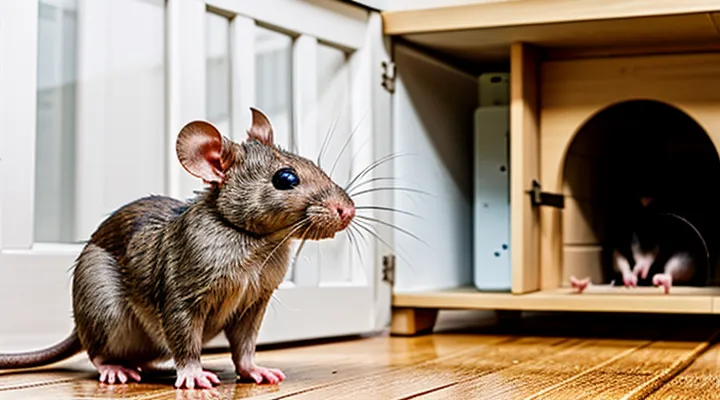
Understanding the Rat Problem
Identifying Signs of a Rat Infestation
Droppings and Urine Trails
Droppings and urine trails are the most reliable indicators of an active rat infestation. Fresh droppings are dark, cylindrical, and about ¼ inch long; older deposits turn gray and crumble easily. Urine trails appear as darkened surfaces or a faint, ammonia‑like odor, especially near food storage, cabinets, and concealed spaces.
Health risks stem from pathogens such as Hantavirus, Leptospira, and Salmonella, which survive in both feces and urine. Direct contact or inhalation of dried particles can cause severe respiratory and kidney problems. Prompt removal of these contaminants is essential to protect occupants and prevent secondary infestations.
Effective decontamination follows a strict protocol:
- Secure the area – Close doors, seal vents, and turn off HVAC to contain particles.
- Wear protective gear – Disposable gloves, N‑95 respirator, goggles, and an impermeable suit.
- Collect solid waste – Use a damp paper towel or disposable scoop; place material in a sealed, double‑layered bag.
- Disinfect surfaces – Apply a 1:10 bleach solution (5 % sodium hypochlorite) or an EPA‑registered rodent disinfectant. Saturate the area, let it stand for at least 10 minutes, then wipe clean.
- Ventilate and dry – Open windows and use fans to dry surfaces, reducing lingering spores.
- Dispose of contaminated materials – Follow local hazardous waste regulations; do not place bags in regular trash.
After cleaning, inspect all entry points for damage caused by gnawing. Seal gaps with steel wool, metal flashing, or cement to stop further contamination. Regular monitoring of droppings and urine trails will confirm the success of the removal effort and indicate any resurgence before it escalates.
Gnaw Marks and Damage
Rats leave unmistakable evidence through gnaw marks that indicate both the presence of an infestation and the extent of structural compromise. Identifying these signs early accelerates the removal process and prevents costly repairs.
Typical gnaw damage includes:
- Wooden components – chewed beams, joists, and framing members develop crescent‑shaped holes, weakening load‑bearing capacity.
- Electrical wiring – exposed conductors are stripped, creating fire hazards and potential short circuits.
- Plumbing – plastic pipes and rubber seals are pierced, leading to leaks, water damage, and mold growth.
- Insulation and drywall – gnawed insulation fibers and torn drywall expose interior spaces to temperature loss and pest re‑entry.
Each affected area requires immediate remediation before eradication efforts begin. Replace compromised wood, reroute or sheath damaged wiring, repair or substitute breached pipes, and restore insulation to re‑establish a secure envelope. Documenting the locations of gnaw marks guides trap placement and bait distribution, ensuring that control measures target the most active pathways.
By addressing gnaw‑related damage promptly, homeowners eliminate secondary risks and create an environment where rats cannot easily return, supporting a swift and safe resolution to the infestation.
Unusual Noises
Unusual noises are often the first indication that rodents have entered a residence. Scratching sounds behind walls, scurrying in ceiling voids, and faint squeaks in attics occur primarily during night hours when rats are most active. These sounds differ from normal house settling by their rhythmic pattern and concentration near concealed entry points such as gaps around pipes, vents, or foundation cracks.
Identifying the source of the noise streamlines the removal process. Follow these steps:
- Record the time and location of each audible event.
- Inspect walls, floors, and ceilings for fresh gnaw marks, droppings, or grease stains near the noise origin.
- Use a flashlight or a small inspection camera to locate burrows or nests behind insulation or in crawl spaces.
- Seal identified entryways with steel wool, caulk, or metal flashing before deploying traps or bait stations.
Once the infestation zone is confirmed, implement a rapid, safe eradication plan. Deploy snap traps or electronic devices directly in the identified pathways, positioning them perpendicular to travel routes for maximum contact. Place bait—peanut butter, dried fruit, or raw nuts—inside traps, securing them to prevent accidental human contact. Maintain a minimum distance of two meters between traps and children or pets; consider using tamper‑resistant bait stations when necessary.
After trapping, monitor for residual sounds. Persistent scratching or squeaking suggests surviving individuals or new entrants. Conduct a secondary inspection, reinforce all sealed openings, and repeat trapping if activity continues. Finally, clean affected areas with a disinfectant solution to eliminate urine and droppings, reducing health risks and deterring re‑infestation.
Sightings of Live or Dead Rats
Observing a live rat or finding a dead one provides immediate evidence of an active infestation and signals the urgency of intervention. A live sighting confirms that rodents are navigating the interior, while a carcass indicates that the population may be larger than visible, as deaths often occur in hidden areas after traps or poisons have been deployed.
Immediate actions after a sighting include:
- Securing food sources by storing perishables in airtight containers and cleaning spills promptly.
- Blocking entry points with steel wool, metal flashing, or concrete sealant to prevent further ingress.
- Deploying snap traps or electronic devices in high‑traffic zones identified by the sighting.
- Wearing disposable gloves and a mask when handling dead rodents to avoid disease transmission.
Documentation of each sighting—date, location, condition of the animal, and any observable damage—creates a timeline that helps evaluate the effectiveness of control measures. Consistent records allow adjustment of trap placement, bait type, or exclusion techniques without delay.
If multiple dead rats appear, inspect for secondary hazards such as urine stains, fecal droppings, or gnaw marks on wiring. Clean contaminated surfaces with a diluted bleach solution (1 part bleach to 10 parts water) and dispose of carcasses in sealed bags placed in an outdoor trash container.
Rapid response to both live and dead rat observations reduces the risk of disease spread, property damage, and the need for extensive remediation later. Maintaining vigilance after each removal action ensures the infestation is eliminated safely and efficiently.
Why Rats are Dangerous
Health Risks from Rats
Rats carry a range of pathogens that can affect humans through direct contact, contaminated food, or aerosolized particles. Their saliva, urine, and feces contain bacteria such as Salmonella and Leptospira, which cause gastroenteritis and leptospirosis, respectively. Inhalation of dried droppings releases hantavirus particles that may lead to severe respiratory illness. Bite wounds risk infection with Streptobacillus moniliformis, producing rat‑bite fever. These agents can spread quickly in residential settings where food storage and waste management are compromised.
- Salmonella – diarrhea, fever, abdominal cramps
- Leptospira – fever, muscle pain, jaundice, potential kidney damage
- Hantavirus – fever, muscle aches, pulmonary edema, possible death
- Streptobacillus moniliformis – fever, rash, joint pain
Allergens from rat hair and dander trigger asthma attacks and allergic rhinitis, especially in children and individuals with pre‑existing respiratory conditions. Chronic exposure may exacerbate hypertension and cardiovascular disease through stress‑induced inflammation. Prompt eradication of the infestation reduces these hazards and protects occupants’ health.
Property Damage Caused by Rats
Rats gnaw on wood, plastic, and wiring, compromising structural integrity and increasing fire risk. Their incisors can weaken joists, door frames, and support beams, leading to sagging floors or compromised load‑bearing elements. When rodents chew electrical cables, exposed conductors may short, cause power outages, or spark fires. Insulation material, especially fiberglass and foam, is frequently shredded, reducing thermal efficiency and raising heating‑cooling costs. Stored food and pantry items become contaminated by urine, droppings, and saliva, creating health hazards and financial loss. Water pipes are vulnerable to bite damage, resulting in leaks that can cause mold growth and further deterioration of building materials.
Key damage categories:
- Structural components – wood framing, drywall, and fixtures.
- Electrical systems – insulated wiring, outlets, and circuit boards.
- Insulation and HVAC – foam panels, ductwork, and sealing materials.
- Plumbing – copper, PVC, and flexible hoses.
- Stored goods – food, textiles, and paper products.
Identifying these issues early allows targeted intervention, reduces repair expenses, and prevents the infestation from expanding while removal measures are applied. Prompt assessment and remediation of rat‑induced damage are integral to any rapid and safe eradication strategy.
Immediate Actions for Rat Removal
Trapping Methods
Snap Traps
Snap traps provide immediate mechanical action against rats, delivering a lethal blow without chemicals. Their simplicity allows rapid deployment in residential settings where speed and safety are paramount.
Select traps sized for the target species; larger models accommodate adult rats, while smaller versions suit juveniles. Choose devices with a spring mechanism rated for high tension and a trigger sensitive enough to activate with minimal pressure. Models featuring a protective shield reduce accidental activation during handling.
Place traps along established runways: walls, behind appliances, beneath furniture, and near entry points. Position them perpendicular to the wall, with the trigger end facing the expected direction of travel. Ensure the surrounding area is clear of clutter that could impede the spring’s motion.
Use attractive bait to increase capture rates. Preferred options include peanut butter, dried fruit, or small pieces of meat. Apply a thin layer directly to the trigger plate; excess bait may attract non‑target animals.
Observe safety protocols at all times. Wear disposable gloves when loading and retrieving traps. Check traps daily to remove captured rodents and reset the device. Keep traps out of reach of children and pets; consider installing a protective cover if necessary.
Dispose of captured rats promptly. Place the deceased animal in a sealed bag, seal it, and discard it according to local regulations. Clean the trap with a mild disinfectant before reuse to prevent disease transmission.
Live Traps
Live traps provide a humane, rapid solution for eliminating rats from a home while avoiding toxic chemicals. These devices capture rodents alive, allowing owners to remove the pests without harming the environment or risking secondary poisoning.
When choosing a trap, prioritize models with a sturdy metal frame, a smooth interior surface, and a spring‑loaded door that closes securely. Size matters: select a trap large enough to accommodate adult rats, typically 12‑14 inches long, to prevent escape or injury. Transparent or ventilated designs facilitate quick inspection without opening the mechanism.
Effective placement follows three principles. First, locate traps along walls, behind appliances, or near known gnaw marks, as rats travel close to surfaces. Second, position traps perpendicular to the wall, with the entry side facing the baseboard. Third, set multiple traps at intervals of 5‑10 feet in high‑traffic zones to increase capture probability.
Bait selection influences success. Peanut butter, dried fruit, or small pieces of cooked meat attract rats reliably. Apply a pea‑sized amount to the trigger plate, ensuring the scent remains strong but does not obstruct the trigger mechanism. Replace bait daily to maintain freshness.
Check traps at least twice daily. When a rat is captured, wear thick gloves, transport the trap to an outdoor release site at least one mile from the residence, and open the door gently to allow the animal to exit. Clean the trap with hot, soapy water before resetting it to prevent scent buildup that could deter future captures.
Electronic Traps
Electronic traps provide a rapid, non‑chemical solution for eliminating rat infestations in residential settings. The device detects a rodent’s presence through a motion‑sensitive trigger or a pressure plate, then delivers an instantaneous high‑voltage shock that kills the animal within seconds. No bait is required, eliminating the risk of accidental poisoning.
- Immediate lethal action reduces the chance of disease transmission.
- Reusable components lower long‑term expenses compared with disposable traps.
- Silent operation prevents disturbance to occupants.
- Built‑in safety interlocks prevent activation when the cover is open.
Effective placement follows a few principles. Position traps along established runways, near walls, or at entry points such as gaps under doors. Ensure the unit rests on a stable, flat surface to maintain contact with the floor. Keep the area free of clutter to avoid interference with the sensor.
After each activation, remove the carcass using gloves and a sealed container. Clean the interior with a mild disinfectant, then replace the battery or recharge the unit according to the manufacturer’s specifications. Regular inspection of the sensor and power source extends the trap’s service life.
Safety measures protect humans and non‑target animals. Install traps out of reach of children and pets; many models include a lockable cover that disables the shock mechanism when opened. Verify that the electrical outlet complies with local codes and that the device is grounded if required.
Initial purchase price exceeds that of traditional snap or glue traps, but the ability to reuse the unit for multiple captures offsets the cost. Laboratory tests and field reports consistently show higher kill rates and faster reduction of rodent activity than passive methods, making electronic traps a reliable choice for swift, safe removal of rats from a home.
Proper Placement of Traps
Strategic trap placement determines the speed and safety of rat eradication. Position devices where rodents travel, hide, and feed, while keeping them out of reach of children and pets.
- Along walls, within 2 inches of the baseboard, because rats prefer tight, dark corridors.
- Near known entry points such as gaps around pipes, vents, and foundation cracks.
- Behind appliances, under sinks, and inside cabinets where food residues accumulate.
- In attic joist spaces and crawl‑space openings, targeting vertical travel routes.
- Adjacent to garbage bins, pet food stations, and compost containers, the primary attractants.
When setting each trap, align the trigger mechanism perpendicular to the wall, ensuring the rat must push against it to reach the bait. Use a stable surface; avoid loose insulation or movable objects that could dislodge the device. Place bait at the far end of the trap to compel full entry before activation.
Inspect traps at least once daily. Remove captured rats promptly, disinfect the area, and reset or replace the trap as needed. Rotate trap locations every few days to prevent rats from learning avoidance patterns. Maintain a clean environment by sealing food sources and eliminating clutter, which enhances trap effectiveness and reduces the risk of secondary infestations.
Baits for Traps
Effective Bait Choices
Choosing the right bait is essential for fast, safe rat control inside a residence. Effective baits combine attractant potency with reliable delivery mechanisms, minimizing exposure to non‑target occupants.
-
Tamper‑Resistant Snap Traps with Peanut Butter – Peanut butter delivers a strong olfactory cue; the sealed housing prevents children and pets from accessing the poison or the trapped animal. Place traps along walls, behind appliances, and in concealed corners.
-
Rodenticide Blocks Containing Brodifacoum – Formulated for single‑dose lethality, these blocks resist gnawing and dissolve slowly, reducing the chance of accidental ingestion. Position them in tamper‑proof bait stations, preferably in attic crawl spaces or basement corners.
-
Pre‑Baited Electronic Traps with Grain Mix – Grain attracts rats, while the electronic shock delivers instant kill. The enclosed chamber eliminates contact hazards. Install near known runways; the device’s audible alarm confirms capture.
-
Liquid Bait Stations with Bromadiolone – A concentrated liquid attractant mixed with a low‑dose anticoagulant. The sealed station’s flip‑top mechanism allows only small rodents to enter. Use in utility rooms where moisture is present, and inspect stations daily.
-
Natural Bait Options: Soybean Meal with Vitamin B – For households preferring non‑chemical solutions, soybean meal combined with vitamin B creates a palatable lure. Pair with snap traps or humane catch‑and‑release devices to avoid poisoning risks.
When deploying any bait, follow these safety practices:
- Locate stations away from food preparation surfaces and children's play areas.
- Label each station with a warning sign.
- Rotate bait types every two weeks to prevent habituation.
- Record placement dates and monitor activity to assess effectiveness.
By selecting baits that match the infestation level and ensuring proper containment, homeowners can achieve rapid rat elimination while protecting occupants and pets.
Baits to Avoid
When choosing attractants for rapid and safe rat control, eliminate products that pose health hazards, create resistance, or attract non‑target animals.
- Rodenticides containing anticoagulants – risk of secondary poisoning for pets, children, and wildlife; prolonged exposure can lead to resistant rodent populations.
- Poison baits with high concentrations of bromadiolone or difenacoum – similar secondary toxicity concerns and legal restrictions in many jurisdictions.
- Food‑based baits using expired or moldy grains – emit odors that deter rats and encourage fungal growth, compromising effectiveness.
- Highly scented chemical baits – strong fragrances may repel rats or attract insects, reducing the likelihood of consumption.
- Baits packaged in brightly colored or attractively scented containers – entice children and domestic animals, increasing accidental ingestion risk.
Avoiding these bait types minimizes collateral damage, complies with safety regulations, and maintains the efficacy of rat eradication efforts. Selecting approved, low‑toxicity, rat‑specific attractants ensures prompt removal while protecting occupants and the environment.
Exclusion Techniques
Sealing Entry Points
Sealing entry points eliminates the pathways rats use to invade a home, preventing new infestations and supporting rapid eradication.
Begin by conducting a thorough inspection of the building’s exterior and interior. Focus on walls, foundations, roof eaves, vents, utility penetrations, and gaps around doors and windows. Use a flashlight and a mirror to reveal hidden openings.
Identify each opening larger than a quarter‑inch. Record location, size, and material of the surrounding structure to select an appropriate sealant.
Apply the following materials based on the opening type:
- Steel wool or copper mesh for irregular gaps; compress tightly before covering with caulk.
- Expanding polyurethane foam for cracks up to one inch; trim excess after curing.
- Cement‑based mortar for larger fissures in concrete foundations.
- Weather‑strip or door sweeps for gaps beneath doors.
- Metal flashing for vents and utility lines; secure with screws and sealant.
After sealing, verify integrity by checking for drafts or visible gaps. Re‑inspect after heavy rain or seasonal temperature changes, as building movement can reopen seams.
Maintain a schedule of quarterly inspections to detect new entry points promptly. Prompt repair sustains a rat‑free environment and reduces reliance on traps or poison.
Repairing Damaged Areas
After eliminating rodents from a residence, address the damage they leave behind to prevent reinfestation and restore safety. Inspect walls, ceilings, and floors for gnaw marks, droppings, and shredded material. Remove all contaminated debris, then sanitize the area with an EPA‑approved disinfectant.
Repair structural compromises promptly. Replace any chewed wood framing, patch holes in drywall, and reinforce compromised joists. Seal entry points using steel wool and caulk to block future access.
Electrical and plumbing systems require special attention. Cut power to affected circuits, discard exposed wiring, and install new insulated cables. Repair or replace damaged pipe sections, and verify that water lines are free of leaks that could attract pests.
Finalize the restoration with a thorough cleaning. Vacuum all surfaces, mop floors with a detergent solution, and apply a rodent‑resistant coating to exposed wood. Conduct a post‑repair inspection to confirm that all repairs meet building codes and that no signs of rodent activity remain.
Key repair actions
- Remove contaminated material and disinfect.
- Replace gnawed structural components.
- Seal all potential entry points.
- Repair or replace compromised electrical wiring.
- Fix damaged plumbing and eliminate leaks.
- Apply protective coatings and verify compliance.
Professional Pest Control
When to Call an Expert
When signs indicate that a rat problem exceeds the capacity of DIY measures, contacting a professional becomes necessary. Indicators include multiple active burrows, sightings in several rooms, damage to structural components, or evidence of disease risk.
- Infestation spread across more than one area of the dwelling
- Continuous gnawing of wiring, insulation, or plumbing
- Presence of droppings, urine stains, or nests in concealed spaces
- Unsuccessful attempts with traps or baits after several days
- Health concerns for vulnerable occupants (children, elderly, immunocompromised)
Professional exterminators bring certified traps, rodenticides, and containment strategies that comply with safety regulations. They conduct thorough inspections, identify entry points, and implement exclusion methods that prevent re‑entry. Their expertise reduces the likelihood of accidental poisoning, fire hazards, and property damage.
Engaging an expert promptly limits infestation growth, safeguards occupants, and restores structural integrity more efficiently than prolonged self‑treatment.
What to Expect from Professionals
Professional pest‑control services begin with a thorough on‑site inspection. Inspectors identify entry points, nesting locations, and the extent of infestation. They document findings with photographs and a written report.
A written action plan follows the inspection. The plan outlines chosen control methods, safety precautions for occupants and pets, and a schedule for each treatment stage. Recommended techniques may include sealed traps, bait stations, or targeted exclusion work, all applied in compliance with local health regulations.
During treatment, technicians wear protective equipment, use low‑toxicity products, and label all applied substances. They place traps or baits strategically to maximize capture rates while minimizing exposure to non‑target species.
Clients receive clear communication about progress. Daily or weekly updates include:
- Number of rodents captured or evidence of activity
- Areas treated and products used
- Any adjustments to the plan based on observed results
Cost transparency is standard. Estimates list labor, materials, and any additional fees for emergency or after‑hours service. Payment terms and warranty details appear in the contract.
After the initial eradication phase, professionals schedule a follow‑up visit. The follow‑up verifies that no new activity has emerged, reinforces excluded entry points, and advises on preventative measures such as sanitation practices and structural repairs.
Overall, hiring experts provides a systematic, regulated approach that reduces risk, shortens resolution time, and offers documented assurance of a rat‑free environment.
Long-Term Rat Prevention Strategies
Sanitation and Food Storage
Proper Waste Management
Proper waste management is a critical component of effective rat control. Unsecured garbage provides a reliable food source, encouraging rodents to enter living spaces. By eliminating this attraction, homeowners reduce the likelihood of infestation and support rapid, safe removal efforts.
- Store all trash in containers with tight-fitting lids. Check seals regularly for damage.
- Empty indoor waste bins daily. Transfer contents to outdoor bins only after sealing the inner container.
- Place outdoor dumpsters at least 10 feet from the house foundation and elevate them on a platform to deter climbing.
- Avoid leaving food remnants on countertops, floors, or pet dishes. Clean spills immediately and rinse dishes before storage.
- Dispose of compost material in rat‑proof composters or keep it in a separate, locked enclosure away from the house.
- Remove discarded packaging, cardboard, and paper stacks that can serve as nesting material. Recycle or discard them promptly in sealed bags.
Maintaining these practices minimizes food availability and nesting opportunities, thereby accelerating the removal process and safeguarding occupants from health risks associated with rodent activity.
Securing Food Sources
Securing food sources is essential for preventing rodent infestations and accelerating removal efforts. Eliminate all accessible food to deny rats the energy they need to survive and reproduce.
Store pantry items in airtight containers made of metal or heavy‑duty plastic. Verify that lids seal completely before placing food inside. Transfer bulk goods such as grains, cereals, and pet food to these containers immediately.
Maintain a strict cleaning routine. Sweep floors and wipe countertops after each meal. Dispose of food waste in bins equipped with tight‑fitting lids and empty them daily. Keep garbage areas away from walls and doors to reduce hiding spots.
Control outdoor attractants that can draw rodents indoors. Secure compost piles with wire mesh, remove fallen fruit from trees, and keep bird feeders out of reach of rats. Trim vegetation that contacts the building, eliminating pathways for rodents to reach the roof or eaves.
Implement the following checklist:
- Inspect all storage areas for cracks or gaps; seal with steel wool or caulk.
- Replace paper bags and cardboard boxes with rigid containers.
- Clean under appliances, inside cabinets, and behind furniture weekly.
- Use sealed trash cans with foot pedals or motion‑activated lids.
- Remove pet food bowls after feeding and store leftovers in sealed containers.
By denying rats access to nourishment, the population declines rapidly, making traps and exclusion measures far more effective. This approach reduces the time required for eradication while minimizing the need for chemical controls.
Eliminating Water Sources
Fixing Leaks
Fixing water leaks eliminates entry points and food sources that attract rodents, thereby accelerating the removal of rats from a residence while maintaining safety for occupants.
Identify all sources of moisture. Inspect kitchens, bathrooms, basements, and crawl spaces for drips, condensation, and standing water. Pay special attention to pipe joints, faucet aerators, and roof flashings where water can seep into structural voids.
Seal detected leaks promptly. Use appropriate materials—pipe thread sealant for threaded connections, epoxy putty for small cracks, and waterproof tape for temporary fixes. Replace damaged sections of pipe or gutter when repair is insufficient.
Implement preventative measures after repairs. Install splash guards under sinks, ensure proper drainage away from the foundation, and verify that vent fans exhaust moisture outdoors. Regularly test repaired areas for recurrence by running water for several minutes and observing for new droplets.
Maintain a dry environment continuously. Schedule periodic inspections of plumbing fixtures, roof membranes, and foundation walls. Document findings and corrective actions to track progress and ensure long‑term rodent deterrence.
Draining Standing Water
Standing water creates a source of hydration for rats and encourages the growth of insects that serve as additional food. Eliminating these water reservoirs removes a critical attraction, reducing the likelihood of rats taking up residence and facilitating faster, safer eradication efforts.
To eliminate standing water effectively:
- Identify all low‑lying areas, leaky pipes, and containers where water accumulates.
- Repair or replace damaged plumbing, gutters, and drainage systems.
- Install proper grading around the foundation to direct runoff away from the building.
- Use a wet‑dry vacuum or pump to remove water from basements, crawl spaces, and patios.
- Empty, clean, and store outdoor items such as buckets, plant trays, and pet dishes when not in use.
- Apply a moisture‑absorbing substrate (e.g., sand or gravel) in areas prone to pooling to improve drainage.
Regularly inspect the property after drainage actions to ensure no new water collection points develop, maintaining an environment that discourages rat habitation.
Landscaping and Yard Maintenance
Trimming Vegetation
Trimming vegetation around a home reduces shelter and travel routes that attract rats. Dense shrubs, tall grass, and climbing vines create hidden pathways from the exterior to the roof, gutters, and eaves where rodents can enter. Cutting back these plants eliminates cover, forces rats to move in open areas, and makes detection easier.
Key actions:
- Cut back shrubs to a minimum of 12 inches from the house wall.
- Mow lawns weekly during peak activity seasons; keep grass no higher than 3 inches.
- Remove all climbing vines from the building’s exterior.
- Clear debris, mulch, and leaf piles within 3 feet of the foundation.
- Prune trees so branches do not touch the roof or walls.
After vegetation is reduced, inspect the perimeter for gaps, cracks, or openings. Seal identified entry points with steel wool, caulk, or hardware cloth before rats can exploit the newly exposed access. Maintaining a trimmed landscape creates a hostile environment for rodents and supports rapid, safe rat removal efforts.
Removing Debris
Removing debris is a critical step in any rapid and safe rodent eradication effort. Clutter provides shelter, nesting sites, and pathways for rats, allowing them to evade traps and poison baits. Eliminating these hiding places forces the pests into open areas where control measures work most effectively.
First, identify all sources of debris. Typical items include cardboard boxes, paper piles, fabric scraps, firewood stacks, and unused appliances. Conduct a room‑by‑room sweep, noting any material that could serve as a nest or travel route.
Next, clear the identified items:
- Dispose of cardboard and paper in sealed containers before placing them in an outdoor trash bin.
- Relocate firewood away from the house foundation, storing it on a raised platform with a gap of at least six inches between the wood and the ground.
- Stack fabric scraps in sealed bags or recycle them promptly.
- Remove unused appliances and furniture to an external storage facility or discard them according to local waste regulations.
After removal, clean the freed space thoroughly. Use a vacuum with a HEPA filter to capture droppings, urine, and hair. Follow with a disinfectant solution (e.g., a 1:10 dilution of bleach) applied to floors, walls, and any remaining surfaces. Allow the area to dry completely before reinstating traps or bait stations.
Finally, maintain a debris‑free environment. Implement a routine inspection schedule—weekly for high‑risk rooms such as kitchens, basements, and attics. Store new items in sealed containers, and keep storage areas organized to prevent future accumulation.
By systematically removing clutter and sanitizing the space, you eliminate the conditions that enable rats to thrive, thereby increasing the speed and safety of the overall eradication process.
Regular Inspections
Routine Checks for Rat Activity
Routine inspections are essential for early detection of rodent presence and for preventing infestations from spreading. Conduct visual sweeps of storage areas, kitchens, and basements at least once a week. Look for fresh droppings, gnaw marks on wood or plastic, and shredded insulation. Pay special attention to hidden corners, under appliances, and behind wall panels.
Use the following checklist during each inspection:
- Droppings: Small, dark pellets; fresh samples appear glossy.
- Gnaw evidence: Fresh bite marks with clean edges; older damage shows splintered wood.
- Tracks: Footprints in dust, flour, or pet food; confirm with a non‑toxic tracking powder if needed.
- Noise: Scratching or scurrying sounds, especially at night; listen near walls and ceilings.
- Nesting material: Shredded paper, fabric, or insulation gathered in concealed spots.
- Trap activity: Examine snap traps, live‑catch cages, and electronic devices for recent captures.
Document findings on a simple log: date, location, type of evidence, and severity rating. Update the log after each follow‑up action to track trends and adjust control measures promptly.
Wear disposable gloves and a mask when handling droppings or nesting material to avoid disease transmission. Dispose of collected waste in sealed bags and clean the inspection area with a disinfectant approved for rodent control.
Schedule deeper inspections monthly, including removal of wall panels where feasible, to uncover hidden activity. Combine routine checks with immediate remediation—seal entry points, replace damaged wiring, and set appropriate traps—to maintain a rat‑free environment while minimizing risk to occupants.
Maintenance of Exclusion Barriers
Effective exclusion barriers prevent rats from entering a dwelling and reduce reliance on traps or chemicals. Regular inspection, repair, and reinforcement of these barriers maintain their integrity and ensure rapid, safe rat control.
- Inspect all exterior openings weekly; focus on gaps around pipes, vents, and utility lines.
- Seal cracks larger than ¼ inch with steel wool followed by caulk or concrete patch.
- Install stainless‑steel mesh (¼‑inch or smaller) over ventilation openings, chimney flues, and crawl‑space vents.
- Replace weather‑stripping on doors and windows when wear is evident; choose tight‑fitting, low‑profile profiles.
- Check the foundation for burrow entrances; backfill with compacted soil and overlay with hardware cloth.
Document each inspection, noting repaired locations and materials used. Schedule a comprehensive review of all barriers quarterly; during seasonal changes, increase frequency to address expansion gaps caused by temperature‑driven building movement. Consistent maintenance eliminates new entry points, supporting swift and safe rat removal.