
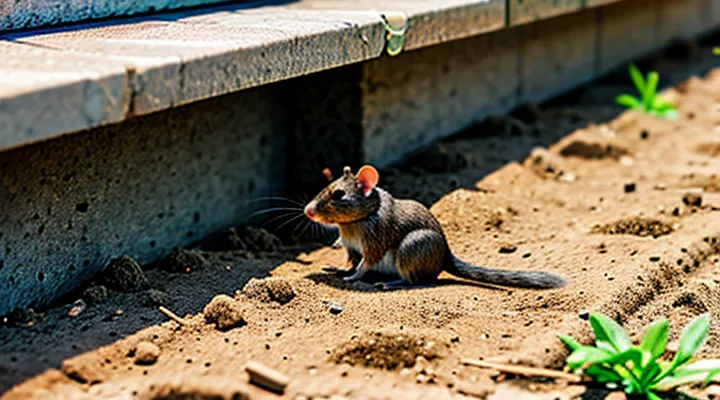
Understanding Ground Rats
Identifying Ground Rats: «Appearance and Behavior»
Ground rats, typically brown or Norway rats (Rattus norvegicus), are medium‑sized rodents measuring 20–30 cm in body length with a proportionally shorter, scaly tail. Their fur ranges from dusky brown to gray, often with a darker dorsal stripe. Eyes are small, ears are rounded and lie close to the head, and hind feet are robust with long toes adapted for digging. The skull is heavy‑set, featuring strong incisors that protrude continuously.
Behaviorally, ground rats are primarily nocturnal, emerging after dusk to forage. They construct extensive burrow systems up to several meters deep, with multiple entrances and chambers for nesting, food storage, and waste. Social groups consist of a dominant male, several females, and their offspring, maintaining hierarchy through scent marking and aggressive displays. Diet is omnivorous, including grains, fruits, insects, carrion, and human waste. Activity signs include fresh droppings (approximately 1 cm long, dark, spindle‑shaped), gnaw marks on wood or plastic, grease trails, and visible burrow openings along walls or foundations.
Signs of Infestation: «Damage and Droppings»
Ground rats leave unmistakable evidence that signals an active infestation. Recognizing these signs enables swift corrective action and prevents further property degradation.
Physical damage appears in several forms. Chewed wood, plastic, and insulation indicate gnawing behavior. Tunnels or burrows in soil, landscaping, or building foundations reveal movement pathways. Severed wiring or exposed cables suggest rodents have chewed electrical components, creating fire hazards. Crushed or displaced stored goods point to foraging activity.
Droppings provide a reliable diagnostic tool. Fresh feces are dark, rod-shaped, and approximately one centimeter long; older specimens become lighter and more crumbly. Accumulations concentrate near feeding stations, nesting sites, and concealed corners. A strong, musky odor often accompanies large concentrations, especially in confined spaces.
Key indicators to monitor include:
- Visible gnaw marks on structural elements.
- Soil or substrate disturbances forming shallow tunnels.
- Concentrated clusters of droppings, especially near food sources.
- Unusual odors consistent with rodent waste.
- Damaged electrical wiring or insulation.
Documenting these observations supports targeted control measures and facilitates communication with pest‑management professionals. Prompt identification of damage and droppings reduces the risk of escalation and safeguards the site’s integrity.
Why Ground Rats are a Problem: «Health Risks and Property Damage»
Ground rats pose significant threats to human health and to structures on a property. Their presence creates direct pathways for pathogens, while their gnawing habits compromise the integrity of buildings and utilities.
-
Health hazards
• Transmission of leptospirosis, hantavirus, and salmonella through urine, feces, and saliva.
• Allergic reactions and asthma exacerbation caused by rodent dander and droppings.
• Contamination of food supplies, leading to food‑borne illnesses. -
Property damage
• Chewed electrical wiring increases fire risk.
• Burrowing undermines foundations, sidewalks, and drainage systems.
• Damage to insulation, plumbing, and stored materials reduces asset value and raises repair costs.
Prevention Strategies
Site Inspection and Cleanup: «Eliminating Food Sources»
«Securing Garbage Cans»
Securing garbage containers is a critical element in reducing ground‑rat activity on a property. Open or loosely covered bins provide easy access to food, encouraging foraging and nesting. Properly sealed containers deny rats a reliable food source, thereby decreasing their attraction to the site.
- Choose cans with tight‑fitting lids equipped with locking mechanisms or snap‑tight closures.
- Inspect lids regularly for cracks, warping, or wear; replace damaged units promptly.
- Position cans away from walls, fences, or vegetation that could serve as a bridge for rats.
- Elevate containers on platforms or raised pallets to prevent ground‑level entry.
- Use metal or heavy‑duty plastic bins that resist gnawing; avoid thin plastic that rats can bite through.
- Implement a routine cleaning schedule: remove residue, rinse interiors, and keep surrounding areas free of spilled waste.
Additional measures reinforce container security. Install motion‑activated lights or ultrasonic deterrents near waste stations to discourage nocturnal activity. Maintain a clear perimeter by trimming grass and removing debris that could conceal food or provide shelter.
By integrating these practices, the site limits the primary food supply for ground rats, supporting broader pest‑control efforts and fostering a less hospitable environment for infestation.
«Clearing Debris and Vegetation»
Removing accumulated waste and overgrown plants eliminates shelter and food sources that ground rats exploit, thereby enhancing the effectiveness of any eradication program.
- Conduct a site walk‑through to locate piles of wood, trash, compost, and dense vegetation.
- Clear all non‑essential debris; transport waste to a sealed container or off‑site disposal area.
- Cut back grasses, shrubs, and weeds to a height of no more than 6 inches. Use a brush cutter or manual shears for tight spaces.
- Remove roots and stumps that could serve as burrow entrances; fill excavated holes with compacted soil or gravel.
- Apply a thin layer of mulch or gravel on cleared ground to discourage re‑vegetation and to create a less hospitable surface for rodents.
Wear gloves, eye protection, and appropriate footwear while handling debris to prevent injuries and exposure to pathogens. Ensure that disposal methods comply with local regulations to avoid attracting other pests.
Integrate debris removal with trapping, baiting, and habitat modification for a comprehensive approach; a clean environment reduces the need for repeated chemical interventions and supports long‑term population control.
Exclusion Techniques: «Sealing Entry Points»
«Repairing Foundations and Walls»
Removing burrowing rodents often reveals structural damage that compromises safety and functionality. Addressing this damage requires a systematic approach to restore integrity and prevent re‑infestation.
First, assess the extent of deterioration. Conduct visual inspections and, where necessary, employ non‑destructive testing such as ultrasonic pulse velocity or ground‑penetrating radar. Document cracks, voids, and displaced masonry.
Second, eliminate all active rodent activity before repairs begin. Seal entry points, install traps, and apply appropriate baiting measures. Verify that no rodents remain in the work area.
Third, prepare the affected sections. Remove compromised mortar, loose bricks, and any rotted timber. Clean debris to expose sound material.
Fourth, execute repairs using materials resistant to gnawing and moisture. Apply a high‑strength, low‑shrinkage mortar for brickwork, and reinforce foundations with steel rebar or fiber‑reinforced polymer wraps. Consider installing a waterproof membrane beneath the repaired slab.
Fifth, implement preventative barriers. Place metal flashing or concrete lintels over potential entry gaps, and apply rodent‑proof sealants to joints and cracks. Install a perimeter drainage system to reduce soil moisture that attracts burrowing species.
Finally, schedule post‑repair monitoring. Inspect the site quarterly for signs of new activity or emerging cracks. Maintain vegetation clearance and ensure drainage remains effective.
By following this sequence, the structural integrity of foundations and walls is restored, and the likelihood of future rodent damage is minimized.
«Installing Mesh Barriers»
Mesh barriers provide a reliable physical obstacle that prevents ground rats from entering a defined area. By creating a continuous, impenetrable wall underground, the animals are forced to seek alternative routes, reducing population density at the site.
Effective barriers require appropriate material, mesh aperture, and structural integrity. Stainless‑steel or galvanized steel offers corrosion resistance and long‑term strength. Aperture size should not exceed 6 mm to block juvenile and adult rodents. The mesh must be welded or tightly fastened to eliminate gaps.
Installation procedure:
- Excavate a trench 30–45 cm deep along the perimeter of the protected zone.
- Lay a 5‑mm‑thick base of sand or fine gravel to level the trench bottom.
- Position the mesh panel inside the trench, ensuring the lower edge extends at least 10 cm below ground level.
- Overlap adjacent panels by a minimum of 15 cm and secure overlaps with stainless‑steel clamps.
- Backfill the trench with the excavated soil, compacting in layers to prevent settlement.
- Install a protective covering of concrete or compacted soil over the mesh to shield it from surface damage.
Regular maintenance sustains barrier performance. Conduct biannual inspections to locate displaced sections, corrosion, or vegetation intrusion. Repair damaged areas promptly by resealing seams or replacing compromised panels. Clean debris and restore soil grading to maintain a smooth surface.
By adhering to these specifications, mesh barriers become a durable, low‑maintenance solution for excluding ground rats from sensitive locations.
Habitat Modification: «Making Your Site Less Appealing»
«Maintaining Lawns and Gardens»
Ground rats undermine lawn health by gnawing roots, contaminating soil, and creating extensive burrow networks. Their activity reduces turf density, invites weeds, and compromises irrigation systems.
Effective prevention relies on habitat alteration and exclusion.
- Remove debris, fallen fruit, and excess mulch that provide shelter.
- Maintain a short, regularly mowed grass height to discourage nesting.
- Install low‑profile fencing or underground barriers around garden perimeters.
When prevention is insufficient, apply direct control measures.
- Deploy snap or live‑catch traps at active tunnel entrances; check traps daily.
- Use rodent‑specific bait stations positioned away from non‑target wildlife; follow label instructions for dosage.
- Engage licensed pest‑control professionals for large infestations or when chemical methods are required.
After removal, restore soil structure and plant vigor.
- Aerate compacted areas to improve root penetration.
- Apply a balanced fertilizer to replenish nutrients depleted by burrowing activity.
- Reseed or overseed with drought‑tolerant grass varieties to reestablish a uniform turf cover.
Consistent monitoring, combined with the above practices, sustains a rat‑free lawn and garden environment.
«Removing Water Sources»
Eliminating accessible water is a fundamental component of effective ground‑rat control. Rats require moisture for survival; any source that remains untreated will sustain the population despite other measures.
Typical water sources include:
- Stagnant pools in depressions or low‑lying areas
- Leaking faucets, pipes, and irrigation lines
- Clogged gutters and downspouts
- Open containers such as buckets, pet dishes, and flower pots
- Moist mulch or compost piles
To remove these sources, follow a systematic approach:
- Inspect the entire site for leaks; repair or replace faulty fixtures and pipe sections.
- Regrade surfaces to promote runoff; install proper drainage where water accumulates.
- Clean and clear gutters, ensuring water flows away from structures.
- Store containers with lids; remove or empty items that can hold water.
- Reduce moisture in mulch and compost by turning material regularly and limiting irrigation to early morning.
After corrective actions, conduct regular checks to verify that no new water accumulates. Promptly address any re‑emergence of moisture to maintain an environment unsuitable for ground rats.
Humane Removal Methods
Trapping Techniques: «Live Traps and Relocation»
«Baiting Strategies»
Effective baiting requires a clear understanding of rat behavior, precise product selection, and disciplined deployment. Rats are nocturnal foragers attracted to high‑energy foods; exploiting this preference creates a reliable control mechanism when combined with appropriate toxicants or non‑chemical attractants.
- Choose baits that match the target species’ diet: grain‑based pellets for omnivorous rats, protein‑rich blocks for populations accustomed to meat waste, and sweetened paste for urban environments with abundant sugary refuse.
- Verify active ingredient potency: anticoagulants (e.g., bromadiolone) for long‑acting control, neurotoxicants (e.g., bromethalin) for rapid reduction, and low‑risk alternatives (e.g., zinc phosphide) where non‑target exposure is a concern.
- Use bait stations constructed of sturdy material, equipped with lockable lids, and positioned at least 30 cm above ground to prevent scavenger access.
Placement strategy determines success. Install stations along established runways, near burrow entrances, and adjacent to food sources, spacing them 10–15 m apart to ensure overlapping coverage. Secure stations against weather and tampering, and rotate bait types every 4–6 weeks to prevent habituation. Record consumption rates daily; replace depleted stations promptly and adjust density if catch rates decline.
Monitoring and documentation complete the process. Maintain a log of station locations, bait formulations, and observed mortality. Conduct follow‑up inspections of burrow systems to confirm population decline, and remove all remaining bait once activity ceases to eliminate residual risk.
«Trap Placement and Monitoring»
Effective trap placement and systematic monitoring are critical components of a ground‑rat control program. Identify active runways, burrow entrances, and feeding stations by observing fresh tracks, droppings, and gnaw marks. Position snap or live‑catch traps perpendicular to runways, with trigger mechanisms facing the direction of travel. Place traps at least 12–18 inches apart along primary pathways to maximize encounter rates. In areas where rats travel between food sources and shelter, install baited stations 6–8 ft from each other to create a coverage grid.
Monitor traps daily. Record capture counts, location, and trap condition in a simple log. Replace exhausted bait, repair malfunctioning devices, and relocate underperforming traps based on capture data. Rotate trap positions weekly to prevent trap shyness and to explore adjacent activity zones. After a two‑week observation period, analyze trends: high capture zones indicate core activity, low‑capture zones may require additional scouting or alternative control measures.
Maintain a schedule:
1. Morning inspection – count and remove captured rats, refresh bait.
2. Mid‑day check – verify trap functionality, adjust placement if needed.
3. Evening review – document data, assess patterns, plan next day’s adjustments.
Consistent documentation and adaptive repositioning ensure that traps remain effective, reduce rat populations efficiently, and provide measurable progress toward site clearance.
Repellents: «Natural and Commercial Solutions»
«Peppermint Oil and Other Scents»
Peppermint oil functions as a natural repellent because the strong menthol scent overwhelms the olfactory receptors of ground rats, causing them to avoid treated areas. Apply the oil on cotton balls, cloth strips, or absorbent pads and place them near burrow entrances, feeding stations, and pathways. Replace the material every two to three days to maintain potency, as the volatile compounds dissipate quickly.
Other aromatic deterrents can complement peppermint oil:
- Eucalyptus oil – high phenolic content, disrupts scent trails.
- Citronella oil – strong citrus aroma, discourages nocturnal activity.
- Clove oil – contains eugenol, toxic in high concentrations, effective for short‑term exclusion.
When using scented repellents, consider the following practical points:
- Concentration – dilute essential oils with a carrier (e.g., mineral oil) at a ratio of 1 % to 5 % to prevent surface staining and reduce fire risk.
- Coverage – ensure continuous placement along the perimeter; gaps allow rats to navigate around the barrier.
- Integration – combine scents with physical controls such as traps, exclusion fencing, and habitat modification for a comprehensive approach.
- Safety – keep products away from children, pets, and food preparation zones; wear gloves during application.
Scent‑based methods alone rarely achieve complete eradication; they are most effective as part of an integrated pest‑management plan that addresses food sources, shelter, and population monitoring. Regular inspection and adjustment of placement improve long‑term results.
«Ultrasonic Devices»
Ultrasonic devices provide a non‑chemical option for reducing ground rat activity on a property. These emit high‑frequency sound waves that lie beyond human hearing but are perceptible to rodents, causing discomfort and prompting avoidance of the treated area.
The technology operates by generating a continuous or intermittent tone in the 20–50 kHz range. Rodents detect the signal through their acute auditory system, which interprets the noise as a hostile environment. When the sound level exceeds the species‑specific threshold, the animals typically relocate to quieter zones.
Performance depends on several variables:
- Frequency selection aligned with the target species’ hearing range.
- Power output sufficient to maintain the required sound pressure level at the edge of the coverage zone.
- Placement that minimizes obstacles such as walls, metal structures, or dense vegetation, which can attenuate the signal.
- Environmental conditions; temperature and humidity influence sound propagation.
When choosing a unit, prioritize models that specify:
- Adjustable frequency settings to target multiple rodent species.
- Measured coverage area expressed in square meters, verified by independent testing.
- Built‑in timers or motion sensors to conserve energy and reduce habituation.
- Weather‑proof housing for outdoor deployment.
Typical installation procedure:
- Identify high‑traffic corridors, burrow entrances, and feeding sites.
- Mount the device at a height of 0.5–1 m, oriented toward open space, and secure it to a stable surface.
- Activate the unit, set the timer or sensor mode, and record the start time.
- Conduct a visual inspection after 48 hours to confirm reduced rodent signs; adjust placement if activity persists.
Ultrasonic emitters do not eliminate populations outright. Their effectiveness declines if rodents become habituated or if physical barriers block the sound field. Integrating devices with exclusion methods—such as sealing entry points, trapping, and habitat modification—produces a more reliable reduction in ground rat presence.
Lethal Removal Methods
Snap Traps: «Effective and Inexpensive»
«Proper Trap Setting and Placement»
Effective trap deployment is essential for successful ground‑rat control. Selecting the appropriate device and positioning it correctly maximizes capture rates while minimizing non‑target interference.
Mechanical snap traps, live‑capture cages, and multi‑catch kill traps each serve specific scenarios. Snap traps provide rapid mortality for low‑density infestations; live cages allow relocation when humane removal is required; multi‑catch models reduce labor by holding several rodents before emptying.
Placement guidelines:
- Locate traps along established runways, identified by shallow gnaw marks, fresh droppings, or disturbed soil.
- Position devices within 12–18 inches of a wall or fence, where rats prefer to travel under cover.
- Set traps perpendicular to the runway, with the trigger end facing the direction of movement.
- Space multiple traps 3–5 ft apart in high‑activity zones; increase density to 1‑ft intervals in severe hotspots.
- Avoid areas with heavy foot traffic or where pets may encounter traps.
Bait selection influences success. Use high‑fat protein sources such as peanut butter, bacon bits, or canned fish. Secure bait firmly to the trigger mechanism to prevent removal without activation. Rotate bait types every few days to counter bait aversion.
Regular maintenance sustains efficacy. Inspect traps daily, remove captured rodents, reset mechanisms, and replace spoiled bait. Record capture locations and frequencies to identify shifting activity patterns and adjust placement accordingly. Continuous monitoring ensures prompt response to reinfestation and supports long‑term rat population suppression.
«Safety Precautions»
When dealing with ground‑rat eradication, protect personnel, bystanders, and the environment. Wear disposable gloves, goggles, and a certified respirator rated for particulate and chemical exposure. Use cut‑resistant clothing if handling traps or live animals.
Select control methods that match site conditions. For chemical baits, apply only the recommended dose, keep containers sealed, and store them away from food, water sources, and non‑target wildlife. Follow label instructions precisely; record batch numbers and expiration dates.
When setting mechanical devices, inspect traps for damage before deployment. Position them away from high‑traffic areas to prevent accidental contact. Secure all traps with clear signage indicating hazard and contact information for the responsible party.
Maintain a written safety plan that includes emergency procedures for spills, bites, or allergic reactions. Ensure all workers receive training on proper use of equipment, identification of signs of rodent‑borne disease, and decontamination protocols after handling rodents or contaminated materials.
Dispose of dead rodents, carcasses, and used bait according to local regulations. Bag waste in leak‑proof containers, label them as biohazard, and arrange for licensed disposal services. Clean and disinfect all tools and surfaces with an EPA‑approved disinfectant after each operation.
Regularly review and update safety measures based on site assessments, changes in regulations, or incident reports. Document compliance checks and retain records for inspection by health and safety authorities.
Rodenticides: «Chemical Control Options»
«Types of Baits»
Ground rat control relies on selecting baits that match the species’ feeding habits, resistance patterns, and site conditions. Effective bait programs combine appropriate active ingredients, delivery forms, and placement strategies.
Common bait categories include:
-
Anticoagulant rodenticides – inhibit blood clotting, leading to internal hemorrhage. First‑generation compounds (warfarin, diphacinone) require multiple feedings; second‑generation agents (brodifacoum, bromadiolone) act after a single dose and are effective against resistant populations. Formulations range from compact pellets to wax blocks.
-
Metal phosphides – zinc phosphide releases phosphine gas in the stomach, causing rapid fatality. Typically offered as coated grains or pellets, suitable for outdoor sites where bait theft is a concern.
-
Vitamin D3 derivatives – cholecalciferol disrupts calcium metabolism, resulting in cardiac failure. Available as soft baits or granules, they present low secondary‑poisoning risk for non‑target wildlife.
-
Bromethalin – a neurotoxic agent that interferes with mitochondrial function. Presented in block or crumble form, it provides an alternative when anticoagulant resistance is documented.
-
Natural attractants – high‑protein or grain‑based baits infused with essential oils (e.g., peppermint, cinnamon) enhance acceptance in environments where rats exhibit wariness toward synthetic products. These are often used as pre‑bait to increase initial uptake before introducing lethal agents.
Selection criteria:
- Resistance profile – confirm local rat populations lack documented resistance to the chosen active ingredient.
- Environmental exposure – choose formulations resistant to moisture for damp sites; avoid liquid baits in areas prone to runoff.
- Target specificity – prioritize baits with low secondary toxicity when non‑target species are present.
- Regulatory compliance – verify that the product complies with regional pest‑control regulations and label instructions.
Integrating multiple bait types in a rotation schedule reduces the likelihood of resistance development and improves overall control efficacy. Continuous monitoring of bait consumption and rat activity informs adjustments to the bait matrix, ensuring sustained reduction of the ground rat infestation.
«Risks to Pets and Wildlife»
Ground‑rat control can endanger domestic animals and native species if hazards are not recognized and mitigated. Poison baits, traps, and habitat‑disruption methods each present specific threats.
- Anticoagulant rodenticides may cause internal bleeding in dogs, cats, and wildlife that ingest bait directly or consume poisoned rats. Secondary poisoning occurs when predators or scavengers eat affected rodents.
- Snap or live traps can trap non‑target animals, leading to injury or death. Small mammals, birds, and reptiles often become accidental captures.
- Habitat modification, such as clearing vegetation or using fumigants, can remove shelter for beneficial species, forcing them into adjacent areas where they face increased predation or exposure to chemicals.
- Chemical repellents and fumigants may irritate respiratory systems of pets and wildlife, especially in enclosed spaces or during windy conditions that spread aerosols.
Mitigation measures include selecting bait stations inaccessible to pets, using low‑toxicity anticoagulants, monitoring trap catches regularly, and applying habitat changes only where non‑target species are absent. Veterinary consultation and wildlife‑expert guidance are essential to balance rat eradication with the safety of other animals.
«Safe Handling and Application»
Effective rodent eradication requires strict adherence to safety protocols during handling and application of control agents. Personnel must wear appropriate personal protective equipment (PPE) to prevent exposure to hazardous substances and to reduce the risk of injury.
- Gloves resistant to chemicals and punctures
- Eye protection such as goggles or face shields
- Respiratory protection rated for the specific toxin
- Protective clothing with sealed seams and disposable outer layers
- Footwear with non‑slip soles and chemical resistance
Before any product is applied, verify the material safety data sheet (MSDS) for dosage limits, toxicity, and first‑aid measures. Store all chemicals in locked, ventilated cabinets away from food, water sources, and unauthorized personnel. Ensure the work area is clearly marked with warning signs and that ventilation meets local occupational health standards.
Application steps:
- Conduct a site assessment to identify active burrows, nesting sites, and food sources.
- Select a rodenticide formulation compatible with the identified species and environmental conditions.
- Measure the exact amount required according to label instructions; avoid excess to limit environmental impact.
- Apply the product using calibrated dispensers or bait stations, placing them at least 1 meter from non‑target habitats.
- Seal bait stations after placement to prevent accidental contact by wildlife or children.
Post‑application actions include:
- Monitoring bait stations daily for activity and replenishing only when depletion is confirmed.
- Recording observations of rodent behavior, mortality, and any signs of non‑target exposure.
- Collecting and disposing of dead rodents in sealed containers, following local hazardous waste regulations.
- Conducting a final sweep of the area to confirm the absence of active burrows before removing PPE and decontaminating equipment.
All personnel must undergo training on the specific rodent control product, emergency response procedures, and proper waste handling. Documentation of each step ensures accountability and facilitates regulatory compliance.
Professional Pest Control
When to Call an Expert: «Large Infestations and Persistent Problems»
Large colonies of ground rats demand professional intervention when the population exceeds a few dozen individuals. At this scale, rats establish multiple burrow networks, generate extensive food contamination, and cause structural damage that exceeds the capacity of DIY measures.
Persistent activity after several weeks of trapping, baiting, or habitat modification also signals the need for expert assistance. Continued sightings, fresh droppings, gnaw marks, or audible scurrying indicate that the infestation has adapted to conventional controls and will likely spread without specialized treatment.
Professional pest managers provide:
- Comprehensive site assessment to locate hidden burrows and entry points.
- Integrated control plans that combine licensed rodenticides, mechanical traps, and exclusion techniques.
- Ongoing monitoring to verify eradication and prevent re‑infestation.
If any of the following conditions are present, contact a certified rodent control service immediately:
- More than 30 active rats observed within a confined area.
- Evidence of damage to foundations, irrigation systems, or electrical wiring.
- Repeated failure of traps or bait stations after a minimum of two weeks.
- Presence of rats in sensitive zones such as food storage, medical facilities, or schools.
Prompt professional action limits health risks, property loss, and the time required to restore a safe environment.
What to Expect from a Professional: «Inspection and Treatment Plans»
A qualified pest‑control specialist begins with a thorough on‑site inspection. The technician records signs of activity—droppings, gnaw marks, burrows—and identifies entry points, food sources, and environmental conditions that favor ground rats. Measurements of infestation density and species confirmation guide the subsequent strategy.
The inspection report includes:
- Precise location of nests and pathways
- Assessment of structural damage risk
- Evaluation of sanitation practices contributing to attraction
Based on this data, the professional develops a treatment plan tailored to the site. The plan outlines:
- Immediate actions: sealing gaps, removing attractants, and deploying traps or bait stations in strategic positions.
- Chemical interventions: selection of rodenticides approved for the environment, dosage calculations, and application methods that minimize non‑target exposure.
- Monitoring schedule: frequency of inspections, trap checks, and bait replenishment to verify efficacy.
- Documentation: written records of each visit, findings, and adjustments made to the approach.
Clients receive a clear timeline, cost estimate, and safety guidelines for personnel and occupants. The specialist also advises on preventative measures—landscape trimming, waste management, and structural repairs—to reduce the likelihood of recurrence. Continuous communication ensures that any unexpected activity prompts rapid modification of the treatment protocol.
Post-Extermination Measures: «Preventing Reinfestation»
After the last rat has been eliminated, the site remains vulnerable to new incursions. Effective prevention relies on eliminating shelter, food, and access points that attract rodents.
- Seal all gaps larger than ¼ inch in walls, floors, and foundations with steel wool, caulk, or metal flashing.
- Install covers on drains, vent pipes, and utility openings; use hardware cloth with a ½‑inch mesh.
- Remove debris, vegetation, and stored materials that provide hiding places within 10 feet of the building.
- Store waste in tightly sealed containers; empty dumpsters daily and keep lids closed.
- Maintain a strict cleaning schedule for kitchens, workshops, and storage areas; eliminate crumbs, spills, and standing water.
- Conduct regular inspections, at least quarterly, to detect signs of activity such as droppings, gnaw marks, or burrows.
Implementing a monitoring program with bait stations or motion‑activated cameras can alert staff to early signs of re‑entry. Document all observations and corrective actions to create a traceable record of site integrity. Consistent adherence to these measures reduces the likelihood of rat re‑infestation and protects the site’s long‑term hygiene and safety.