
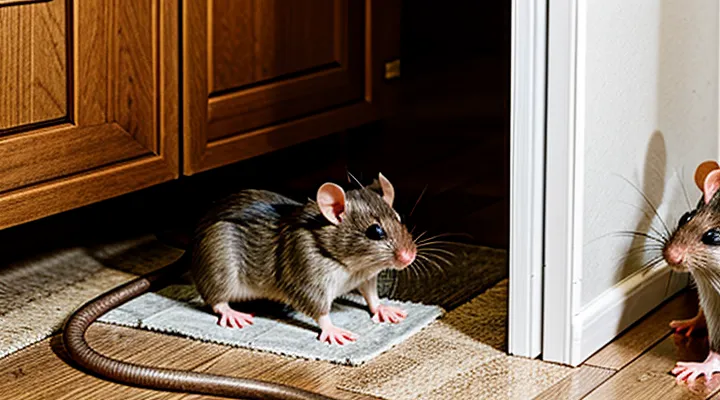
Understanding the Rat Problem in Your Home
Why Rats Are a Threat to Your Private House
Rats compromise a private residence through multiple direct mechanisms.
- They carry pathogens such as Salmonella, Leptospira and Hantavirus, contaminating food, surfaces and water supplies.
- Their incisors continuously grow, allowing them to gnaw wiring, insulation and structural timber, which can trigger fires, short circuits and weakened foundations.
- Excreta—urine and droppings—contain allergens and toxins that degrade indoor air quality and provoke respiratory problems.
- High reproductive rates produce large colonies quickly; a single pair can generate hundreds of offspring in a few months, escalating damage exponentially.
- They infiltrate storage areas, contaminating pantry goods, clothing and personal items, leading to economic loss and the need for disposal of spoiled products.
Each of these factors erodes safety, health and property value, making prompt eradication essential for preserving a secure household environment.
Signs of a Rat Infestation
Rat Droppings and Urine Smells
Rat droppings appear as small, dark, cylindrical pellets about half an inch long. Their presence confirms active infestation and indicates zones of frequent activity. Urine produces a sharp, ammonia‑like odor that intensifies in confined spaces such as attics, basements, and wall cavities. Both waste products carry pathogens, including hantavirus, leptospirosis, and salmonella, posing serious health risks to occupants.
Immediate removal of droppings and neutralization of urine odors are essential components of any rapid rat‑control plan. Follow these steps:
- Wear disposable gloves, N‑95 respirator, and protective eyewear before entering contaminated areas.
- Vacuum dry droppings using a HEPA‑rated vacuum equipped with a sealed bag; avoid sweeping, which can aerosolize particles.
- Transfer the vacuum bag to a sealed, puncture‑proof container and dispose of it according to local hazardous‑waste regulations.
- Apply a commercial enzymatic cleaner to all surfaces stained with urine; allow the product to sit for the manufacturer‑specified dwell time to break down odor‑causing compounds.
- Rinse the treated area with warm water, then dry thoroughly to prevent moisture buildup that could attract further rodents.
After cleaning, seal entry points identified during the inspection. Use steel wool, copper mesh, or concrete caulk to block gaps larger than ¼ inch. Install snap‑tight door sweeps and repair damaged weather stripping. Regularly inspect previously contaminated zones for fresh droppings or odor resurgence; early detection prevents re‑infestation.
Proper disposal, thorough decontamination, and exclusion of access routes together eliminate the immediate health hazards of rat waste and create conditions unfavorable to further rodent presence.
Gnaw Marks and Damage
Rats leave distinctive bite marks on wood, plastic, and metal surfaces. The incisions are usually clean‑cut, about ¼‑inch wide, with a smooth interior and rough exterior. Presence of such marks near walls, cabinets, or appliances signals active foraging and indicates where the animals travel.
Common damage includes:
- Chewed electrical wiring, creating fire hazards and power outages.
- Compromised structural timber, weakening beams, joists, and floorboards.
- Punctured insulation, reducing thermal efficiency and allowing drafts.
- Ruined food containers, leading to contamination and loss of supplies.
Inspecting a property involves systematic visual checks and tactile confirmation. Begin at ground level, follow walls upward, and examine concealed spaces such as attics, basements, and crawl spaces. Use a flashlight to highlight fresh gnawing, and trace each mark back to potential entry points. Record locations with photographs or notes to prioritize repairs.
After identification, seal all openings larger than a quarter of an inch with steel wool, cement, or metal mesh. Replace damaged wiring and structural elements before they fail. Remove and discard contaminated insulation and food items in sealed bags. Disinfect surfaces with a rodent‑safe sanitizer to prevent disease transmission. Prompt remediation of gnaw marks and associated damage reduces the likelihood of reinfestation and accelerates the overall removal process.
Sounds and Sightings
Rats announce their presence through distinct noises and visual clues that signal an infestation. Typical sounds include continuous scratching on walls, ceilings, or floor joists, especially during night hours; high‑pitched squeaks emitted from hidden burrows; and the occasional thump of a heavy body moving through insulation or stored items. A sudden increase in these noises after renovations, new food sources, or seasonal changes often indicates a growing population.
Visible evidence corroborates auditory cues and helps pinpoint activity zones. Common sightings involve droppings the size of rice grains, dark streaks of urine along baseboards, gnawed wood or plastic, and shredded materials in corners or pantry shelves. Additional indicators are fresh nests composed of shredded paper, fabric, or insulation, and tracks left in dusty areas or near food containers.
Key detection points:
- Persistent scratching or scurrying sounds after dark.
- Squeaking or chattering noises from concealed spaces.
- Droppings clustered near food storage or waste bins.
- Chewed wires, furniture, or structural components.
- Accumulated gnaw marks and shredded debris.
Recognizing these auditory and visual signs enables swift intervention, preventing further damage and facilitating targeted control measures.
Immediate Actions to Control Rat Infestation
Sealing Entry Points
Identifying Common Entry Points
Identifying the routes rats use to enter a home is the first step in any rapid eradication plan. Thorough inspection of the building envelope reveals the weak spots that allow rodents to infiltrate and establish colonies.
- Cracks in foundation walls or slab edges
- Gaps around plumbing, electrical, and cable penetrations
- Unscreened vent openings, including dryer, attic, and soffit vents
- Openings at roof eaves, ridge vents, and chimney flues
- Door gaps larger than ¼ inch, especially under exterior doors lacking sweeps
- Window frames with deteriorated weatherstripping or broken screens
- Crawl‑space vents without mesh covers
- Sewer and drain pipe connections without proper seals
- Garage door seals that are torn or missing
- Attic access doors or hatch openings without tight-fitting covers
Each identified opening should be measured, sealed with appropriate materials (steel wool, metal flashing, cement, or heavy‑duty caulk), and inspected regularly for new breaches. Prompt closure of these pathways removes the primary incentive for rats to remain, accelerating removal efforts throughout the residence.
Materials for Sealing Gaps and Holes
Sealing openings eliminates the most common access routes for rodents, making it a primary step in rapid house pest control.
- Steel wool (grade 0 or finer) – compresses into irregular gaps, resists chewing, and conforms to irregular shapes.
- Expanding polyurethane foam – fills larger cavities, hardens within minutes, and creates a smooth barrier.
- Cement‑based mortar – suitable for cracks in foundations, brickwork, or concrete walls; cures to a rigid, chew‑proof surface.
- Metal flashing or steel mesh – covers vent openings, pipe penetrations, and larger holes; requires screws or rivets for attachment.
- Silicone or acrylic caulk – seals small seams around windows, doors, and trim; remains flexible to accommodate slight movement.
Choose a material based on gap size, location, and exposure to moisture. For openings under ¼ inch, steel wool combined with caulk offers an immediate, durable seal. Gaps between ¼ inch and 2 inches respond best to polyurethane foam, followed by a layer of metal mesh for reinforcement. Structural cracks demand mortar or concrete patching to restore integrity.
Apply each sealant after cleaning debris and removing any existing rodent signs. Insert steel wool tightly, then overfill with caulk to prevent displacement. Spray foam into voids, allow it to expand fully, then trim excess. Secure metal flashing with corrosion‑resistant fasteners, ensuring overlap of at least 2 inches. Allow all products to cure according to manufacturer instructions before reinstating household traffic.
Regular inspection of sealed points, especially after seasonal temperature shifts, maintains effectiveness and prevents new infestations.
Sanitation and Food Storage
Eliminating Food Sources
Eliminating food sources deprives rats of the primary incentive to enter a residence. Secure storage, prompt cleanup, and waste management remove the attractants that sustain an infestation.
- Store all dry goods in airtight containers made of metal or thick plastic. Verify that lids seal completely before placing items on shelves.
- Dispose of kitchen scraps immediately. Use a trash can with a tight‑fitting lid and empty it daily or when it becomes full.
- Clean countertops, floors, and appliance exteriors after each meal preparation. Remove crumbs, spills, and residue before they dry.
- Keep pet food in sealed containers and feed animals only at designated times. Remove uneaten portions within 30 minutes.
- Seal gaps around pipes, vents, and cabinetry where food particles might accumulate. Apply steel wool or caulk to block entry points.
Consistent application of these measures eliminates the nutritional support rats require, forcing them to leave the property in search of more viable habitats.
Proper Waste Management
Effective waste handling eliminates food sources that attract rodents. Secure containers with tight-fitting lids prevent rats from accessing discarded material. Place bins away from the house foundation and elevate them on platforms or pallets to discourage climbing.
- Use metal or heavy‑duty plastic containers; avoid flimsy bags that rats can tear.
- Empty trash daily; store full bins in a locked garage or shed until collection.
- Seal food scraps in biodegradable bags before disposal; do not leave leftovers on countertops or floors.
- Keep compost piles contained with wire mesh and locate them at least 10 meters from the residence.
- Clean pet feeding areas after each meal; store dry feed in airtight containers.
Regularly inspect the perimeter for spilled debris, fallen fruit, or broken containers. Remove any source within 24 hours to deny rats a continuous food supply. Consistent application of these practices reduces the likelihood of infestation and supports rapid eradication efforts.
Effective Rat Removal Methods
Trapping Solutions
Snap Traps: Pros and Cons
Snap traps provide a mechanical solution for eliminating rats from a private residence with minimal delay. They function by delivering a rapid, lethal strike when a rodent bites the trigger mechanism, making them a common choice for homeowners seeking immediate results.
Advantages
- Instant kill reduces the chance of prolonged suffering and secondary infestations.
- No chemical residues remain, preserving indoor air quality.
- Low purchase price and simple operation require no specialized training.
- Reusable components allow multiple deployments from a single unit.
- Discreet design fits under furniture, behind appliances, or in concealed corners.
Disadvantages
- Requires precise placement to align with rat pathways; mispositioning lowers effectiveness.
- Single‑use bait may attract non‑target species, posing a risk to pets or wildlife.
- Disposal of dead rodents must follow local health regulations, adding a handling step.
- Mechanical failure can occur if the spring mechanism degrades over time.
- Lack of monitoring features means owners may not know when a trap has been triggered.
When selecting snap traps, assess the severity of the infestation, the layout of the property, and the homeowner’s willingness to manage bait and carcass disposal. Combine traps with exclusion techniques—such as sealing entry points and maintaining cleanliness—to prevent reinfestation and enhance overall control efficiency.
Live Traps: Humane Options
Live traps provide a humane method for removing rats from a private residence. The device captures rodents without causing injury, allowing owners to relocate the animal away from the property.
The trap consists of a sturdy cage with a trigger mechanism that closes a door when a rat enters. Bait—peanut butter, dried fruit, or nuts—attracts the pest. Placement near walls, behind appliances, and in dark corners maximizes capture rates because rats travel along concealed routes.
Effective use follows a simple protocol:
- Choose a trap size appropriate for Norway or roof rats.
- Attach a secure latch that releases only when sufficient pressure is applied.
- Position the trap with the entry side facing the wall.
- Apply a small amount of bait to the far end of the cage.
- Check the trap at least twice daily; remove captured rats promptly.
When releasing a captured rat, transport the animal in a ventilated container to a location at least one mile from the home, preferably in a wooded or agricultural area. Wear gloves to prevent disease transmission, and disinfect the trap with a diluted bleach solution before reuse.
Live traps eliminate the need for poison, reducing secondary poisoning risks for pets and children. They also avoid property damage caused by dead rodents decomposing in hidden spaces. For rapid rat control in a house, live traps combine ethical treatment with reliable results.
Electronic Traps: Modern Approaches
Electronic traps provide rapid, humane control of house‑bound rodents. They operate without poison, reducing secondary hazards for pets and children.
Typical designs include high‑voltage plates that deliver an instantaneous shock upon contact, and smart units equipped with motion sensors and wireless alerts. The latter transmit capture data to a smartphone, allowing owners to monitor activity and replace batteries without entering the infested area.
Key considerations when selecting a device:
- Power source – mains‑connected models guarantee continuous operation; battery‑powered units offer placement flexibility but require regular checks.
- Voltage level – effective shock ranges from 3,000 V to 5,000 V; higher values ensure quick incapacitation.
- Sensor type – infrared or ultrasonic detectors reduce false triggers from non‑target species.
- Disposal method – traps with sealed chambers simplify waste handling and prevent odor buildup.
Installation guidelines: position traps along established runways, near walls, and close to food sources. Elevate units 2–4 inches above the floor to align with rat movement patterns. Ensure a clear line of sight for sensors; avoid clutter that could block detection fields.
Maintenance routine: inspect electrodes for corrosion weekly, verify battery voltage monthly, and empty capture chambers after each kill. Resetting the device after disposal restores full voltage output.
Performance data from independent studies show mortality rates above 95 % within 24 hours of deployment when traps are correctly placed and maintained. Combining electronic traps with exclusion measures—such as sealing entry points and removing attractants—accelerates eradication of the infestation.
Baits and Poisons: Considerations and Risks
Types of Rat Poisons
Effective rodent control in a private residence relies on selecting the appropriate poison formulation. Understanding the main categories helps target infestations while minimizing risk to occupants and pets.
- Anticoagulant baits – contain warfarin‑derived compounds (e.g., bromadiolone, difenacoum). Rats ingest the bait, develop internal bleeding over several days, and die. Suitable for indoor and outdoor placement; require secondary‑kill protection because predators may consume poisoned rodents.
- Bromethalin blocks – use a neurotoxic agent that disrupts cellular energy production. Rats die within 24‑48 hours after consumption. Effective against anticoagulant‑resistant populations; avoid use where children or non‑target wildlife can access the bait.
- Cholecalciferol pellets – deliver high doses of vitamin D₃, causing lethal hypercalcemia. Onset of symptoms appears after 2‑3 days. Low risk of secondary poisoning; appropriate for sealed indoor stations.
- Zinc phosphide sachets – release phosphine gas when the rodent chews the material. Rapid mortality occurs within hours. Primarily used in outdoor settings; requires airtight containment to prevent gas exposure to humans.
- Strychnine‑based formulations – act as a potent neurotoxin causing convulsions and death within minutes. Highly hazardous to non‑target species; many jurisdictions restrict or prohibit its residential use.
Choosing a poison demands consideration of resistance patterns, placement feasibility, and safety protocols. Deploy baits in tamper‑proof stations, label each station with hazard warnings, and keep them out of reach of children and pets. Monitor bait consumption daily, replace depleted units, and follow local regulations regarding disposal of dead rodents and unused poison. Combining chemical control with exclusion measures—sealing entry points and eliminating food sources—optimizes rapid eradication of rat populations in a household environment.
Safe Placement and Handling
When dealing with rodent infestations, the safety of occupants and pets hinges on correct positioning of control devices and proper handling procedures.
Place snap traps or electronic devices along walls, behind appliances, and near known activity sites. Position bait stations at least 2 feet off the ground, away from children’s reach, and on solid surfaces that prevent tipping. Avoid locations near food preparation areas, open windows, or ventilation ducts to reduce accidental contact.
Handle all equipment with disposable gloves. Wear eye protection when loading snap traps or applying rodenticides. After setting a device, seal the surrounding area with a temporary barrier to restrict access until the trap is removed. Dispose of captured rodents in sealed bags and place them in an outdoor trash container.
Maintain a log of trap locations, dates set, and results. Replace or relocate devices promptly if they become inoperative or if non‑target animals are captured. Regularly inspect bait stations for leakage or spillage; clean any residue with a mild detergent and rinse thoroughly before resealing.
Follow local regulations regarding rodent control products. Ensure that any chemical agents are stored in locked cabinets, labeled clearly, and kept out of reach of children and animals. Use the lowest effective concentration and apply only as directed by the product label.
Risks to Pets and Children
Pets and children are vulnerable during rapid rodent eradication in a private residence. Chemical baits, such as anticoagulant rodenticides, can cause accidental ingestion, leading to internal bleeding, neurological impairment, or death. Live traps may pinch paws or cause stress‑induced injuries if a child mishandles them. Insecticidal foggers disperse fine particles that settle on surfaces; inhalation or dermal contact can trigger respiratory irritation, allergic reactions, or toxic effects, especially in young children with developing immune systems.
Key hazards include:
- Poison bait exposure: accidental consumption, secondary poisoning through scavenging, long‑term organ damage.
- Mechanical trap injury: cuts, bruises, entanglement, and potential for children to release captured rodents.
- Aerosol pesticide residue: respiratory distress, skin irritation, eye inflammation, and heightened risk for pets with sensitive respiratory tracts.
- Environmental contamination: rodent droppings and urine spread pathogens such as leptospirosis and hantavirus, which can infect children and pets through direct contact or inhalation of dried particles.
Mitigation requires securing bait in tamper‑proof stations, placing traps out of reach, using targeted low‑toxicity products, and thoroughly cleaning contaminated areas before allowing access to vulnerable family members.
Natural Deterrents and Repellents
Peppermint Oil and Other Scents
Peppermint oil is a widely recognized rodent repellent because rats find its strong menthol scent overwhelming. Apply a few drops to cotton balls and place them in areas where activity is observed, such as near entry points, behind appliances, and in attic corners. Replace the cotton balls every three to five days to maintain potency.
Other aromatic deterrents include:
- Eucalyptus oil: Similar to peppermint, its sharp, camphoraceous odor irritates rat sensory receptors. Use the same application method as peppermint.
- Cinnamon oil: High concentration creates an unpleasant environment for rodents; a few teaspoons mixed with water can be sprayed on surfaces.
- Clove oil: Contains eugenol, which is toxic to rats in high doses. Dilute 1 % in water and mist around suspected pathways.
- Citronella oil: Strong citrus notes mask food odors and discourage foraging; apply to cloth strips and hang near food storage.
When using essential oils, follow safety guidelines:
- Test a small area for material compatibility; some oils may degrade plastics or sealants.
- Keep oil‑treated cotton away from children and pets, as ingestion can cause irritation.
- Combine scent deterrents with physical exclusion measures—seal cracks, install door sweeps, and eliminate food sources—to increase effectiveness.
Scent-based repellents do not eradicate an established infestation. They are most successful as a preventive layer or when used alongside trapping and sanitation strategies. Continuous monitoring is essential; if rat signs persist despite regular oil application, upgrade to mechanical control methods.
Ultrasonic Repellents: Do They Work?
Ultrasonic devices emit high‑frequency sound waves that rodents cannot hear. The principle relies on the assumption that continuous exposure causes discomfort, prompting the animals to vacate the area.
Scientific assessments reveal mixed outcomes. Laboratory tests often show temporary avoidance, but field studies in occupied homes report limited success. Key factors influencing effectiveness include:
- Placement: devices must cover the entire structure; gaps allow rats to bypass the sound field.
- Frequency range: rats respond to specific bands (20–50 kHz); many commercial units operate outside this range.
- Power supply: continuous operation is necessary; intermittent use reduces impact.
- Species behavior: rats quickly habituate to non‑lethal stimuli, diminishing long‑term repellence.
Advantages:
- No chemicals, safe for humans and pets.
- Easy installation, low maintenance.
Disadvantages:
- Inconsistent performance across different housing layouts.
- Lack of regulatory standards, leading to variable product quality.
- Ineffectiveness against established infestations; rats may already be nesting within walls.
For rapid eradication, ultrasonic repellents should be combined with proven measures: sealing entry points, setting snap traps or live‑catch devices, and, when necessary, engaging professional pest control. Relying solely on sound emitters rarely achieves complete removal.
Preventing Future Rat Infestations
Exterior Home Maintenance
Trimming Vegetation and Overhanging Branches
Trimming vegetation and cutting back overhanging branches removes the pathways rats use to access a residence. Dense shrubs, tall grass, and tree limbs that touch the roof create sheltered routes for climbing and entry. Eliminating these features forces rodents to travel in open areas where they are more vulnerable to predators and less likely to approach the building.
Key actions:
- Cut back all trees so that no branches extend within two feet of the roofline.
- Remove vines, ivy, and other climbers from the exterior walls and eaves.
- Trim shrubs to a height of no more than three feet and keep a clear gap of at least three feet between foliage and the house.
- Mow lawns regularly, maintaining grass at a maximum height of two inches.
- Dispose of trimmed material away from the property; do not pile debris near foundations.
Maintaining a clear perimeter reduces the likelihood of rats finding shelter, nesting sites, or food sources close to the structure. Combined with other exclusion measures, vegetation management accelerates the removal of rodent activity from a private dwelling.
Maintaining Outdoor Structures
Maintaining the exterior of a house reduces shelter and food sources that attract rodents. Sealing gaps, repairing damage, and removing debris create an environment where rats cannot establish nests.
Inspect all structures—sheds, decks, and fences—for holes larger than a quarter inch. Use steel wool or hardware cloth to fill openings, then apply caulk or weather‑resistant sealant. Replace rotted wood and trim overgrown vegetation that contacts the building, as these provide pathways for entry.
Control clutter around the property. Store firewood at least two feet off the ground on a raised platform, and keep it covered with a waterproof tarp. Remove piles of leaves, compost, and garbage regularly; place waste containers on a solid base and secure lids with tight-fitting locks.
Implement a routine schedule:
- Quarterly visual inspection of all exterior walls, foundations, and outbuildings.
- Immediate repair of any identified cracks, gaps, or damaged screens.
- Annual cleaning of gutters and downspouts to prevent water accumulation that attracts insects and, subsequently, rats.
- Biannual trimming of shrubs and trees to maintain a minimum clearance of three feet from the house.
By keeping outdoor structures sound and free of potential hideouts, the likelihood of rat infestation drops markedly, supporting faster resolution of any existing rodent problem.
Regular Inspections and Monitoring
Routine Checks for New Activity
Routine inspections form the backbone of any swift rat‑removal program in a private residence. Regularly scheduled surveys detect fresh activity before populations expand, allowing immediate corrective action.
During each check, focus on the following indicators:
- Fresh droppings, especially near food storage, cabinets, and concealed corners.
- Gnaw marks on wiring, woodwork, or insulation.
- New burrows or runways along walls, baseboards, and foundation cracks.
- Unusual sounds, such as scratching or scurrying, occurring after dark.
- Increased presence of urine stains or a strong musky odor.
Conduct inspections at least twice weekly during the first month of treatment, then reduce to once weekly as activity declines. Record findings in a log, noting location, type of evidence, and date. Cross‑reference entries with trap counts and bait station reports to verify that observed signs correspond to actual rodent presence. Promptly seal identified entry points, replace compromised materials, and adjust control devices based on the documented evidence. This systematic approach maintains pressure on the infestation and prevents reestablishment.
Early Detection Strategies
Early detection prevents infestations from reaching levels that require extensive eradication measures. Identifying rat activity within the first 24–48 hours after entry allows homeowners to intervene before populations expand.
Typical indicators include fresh droppings (3–5 mm, dark‑brown), gnaw marks on wood, plastic or wiring, greasy trails along walls, and audible scurrying in attic or crawl spaces. Inspect these zones weekly: kitchen cabinets, pantry shelves, under appliances, basement corners, garage storage, and exterior entry points such as vents, utility openings, and foundation cracks.
Effective monitoring tools consist of:
- Snap‑type or electronic traps placed along established runways, checked daily.
- Non‑toxic bait stations equipped with motion‑activated sensors that log visits.
- Infrared motion cameras positioned near suspected pathways for nocturnal activity.
- Sticky boards or chew‑resistant pads laid in concealed areas to capture footprints.
Document each finding with date, location, and evidence type. Correlate data to identify patterns, then seal entry points and apply targeted control methods before the infestation escalates.
Professional Pest Control Services
When to Call an Expert
Rats can cause structural damage, contaminate food, and spread disease. Homeowners often try DIY traps and repellents, but certain conditions demand professional intervention.
- Infestation spreads beyond a few sightings, with evidence of gnaw marks, droppings, or nests in multiple rooms.
- Damage to wiring, insulation, or plumbing is visible, indicating that rats have compromised critical systems.
- Attempts to control the problem using over‑the‑counter products have failed after several days.
- The presence of children, elderly, or immunocompromised individuals increases health risks, making rapid, reliable eradication essential.
- Local regulations require licensed pest control for certain methods, such as fumigation or bait placement, which homeowners cannot legally perform.
When any of these criteria are met, contacting a certified pest‑management professional ensures thorough inspection, safe removal, and preventive measures that reduce the likelihood of recurrence.
What to Expect from Professional Treatment
Professional pest control services begin with a thorough inspection of the property. Technicians locate entry points, assess the extent of infestation, and identify signs such as droppings, gnaw marks, and nesting material. The inspection report forms the basis for a customized eradication plan.
The treatment plan outlines the methods that will be employed. Common approaches include:
- Placement of bait stations with rodenticide, calibrated to target rats while minimizing risk to non‑target animals.
- Installation of snap traps or electronic devices in high‑activity zones.
- Application of rodent‑proofing measures, such as sealing gaps around doors, vents, and utility penetrations.
- Use of low‑toxicity, environmentally safe repellents where appropriate.
Implementation follows a defined schedule. Initial deployment occurs within 24–48 hours after the inspection, and active control measures remain in place for a period ranging from one to three weeks, depending on the severity of the problem. Technicians record trap catches and bait consumption daily to gauge progress.
After the active phase, a follow‑up visit verifies that the rat population has been eliminated and that preventive barriers remain intact. The service provider typically offers a warranty period, during which additional visits are free of charge if new activity is detected. Written documentation of the work performed, safety data sheets for any chemicals used, and recommendations for homeowner maintenance are included in the final report.