
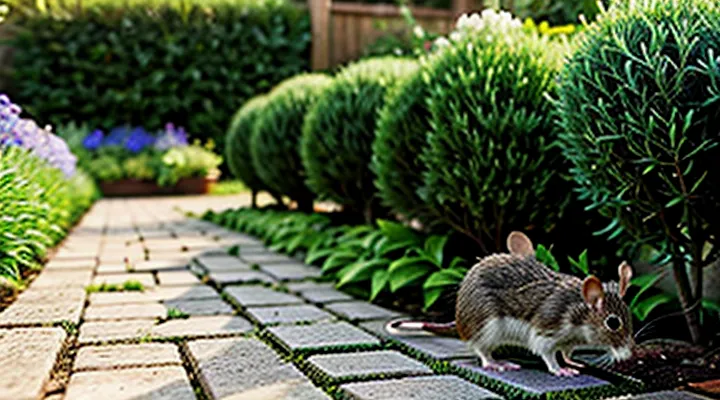
Understanding the Mouse Threat in Your Garden
Identifying Mouse Activity
Signs of Presence
Identifying mouse activity is the first step in any garden‑protection strategy. Early detection allows timely intervention before damage escalates.
- Fresh gnaw marks on stems, roots, or garden tools indicate active chewing.
- Small, dark dropples (about 3‑5 mm) found near planting rows, under mulch, or beside compost bins signal recent feeding.
- Shallow, criss‑cross tunnels in loose soil or under leaf litter reveal burrowing sites.
- Visible tracks in damp soil or on smooth surfaces, often with a distinct “U” shape, confirm movement pathways.
- Missing seeds, seedlings, or bulging fruit suggest consumption or theft.
- Nests constructed from shredded plant material, shredded paper, or insulation tucked into concealed corners point to established colonies.
- Scratched or squeaking noises heard at night, especially near dense vegetation, accompany foraging activity.
Regularly scanning for these indicators provides the factual basis needed to select and apply effective control measures.
Common Damage to Plants
Mice cause several predictable injuries to garden vegetation, each reducing plant vigor and yield.
- Gnawed stems: rodents chew through tender shoots, preventing nutrient flow and causing wilting.
- Stripped bark: repeated biting removes protective layers, exposing vascular tissue to disease.
- Seed consumption: mice eat exposed seeds and pods, eliminating future growth before germination.
- Root damage: underground foraging leads to bitten or broken roots, limiting water uptake.
- Seedling trampling: small plants are crushed under the weight of nesting mice or their movements.
- Soil contamination: droppings introduce pathogens and attract insects that further stress plants.
Types of Mice Affecting Gardens
Field Mice
Field mice are small, nocturnal rodents that thrive in open habitats and readily invade garden beds in search of seeds, seedlings, and insects. Their strong incisors can gnaw plant stems, roots, and protective coverings, leading to reduced yields and weakened plant health.
Typical signs of field‑mouse activity include fresh droppings, gnaw marks on stems, burrow entrances near cover, and disturbed soil. Early detection allows prompt intervention before populations expand.
Effective garden mouse control relies on proven tactics:
- Physical barriers: Install fine‑mesh hardware cloth (¼‑inch openings) around raised beds, tree trunks, and garden structures. Seal gaps under decking and fence lines.
- Habitat modification: Remove tall weeds, dense grass, and debris that provide shelter. Keep mulch layers thin and store firewood away from garden edges.
- Trapping: Use snap traps or multi‑catch live traps positioned along established runways. Bait with high‑protein items such as peanut butter or sunflower seeds. Check traps daily and dispose of captured mice promptly.
- Repellents: Apply granular predator‑urine products or botanical repellents (e.g., crushed garlic, peppermint oil) around perimeter fences. Reapply after rain or irrigation.
- Biological control: Encourage natural predators—owls, hawks, and feral cats—by installing perches or nesting boxes. Introduce barn owl nest boxes where local regulations permit.
Ongoing maintenance includes regular inspection of barrier integrity, periodic cleaning of debris, and rotation of trap locations to prevent habituation. Recording activity levels each season helps refine the control program and sustain a mouse‑free garden.
House Mice
House mice (Mus musculus) are small, adaptable rodents that readily invade garden spaces in search of food, shelter, and nesting material. Their presence compromises plant health by gnawing seedlings, contaminating produce with urine and droppings, and facilitating the spread of plant pathogens. Understanding their habits is essential for effective garden protection.
Mice are nocturnal, prefer concealed routes, and exploit gaps as small as ¼ inch. They enter through cracks in foundation walls, gaps around utility lines, and openings beneath garden structures. Once inside, they establish burrows near abundant food sources such as seeds, fruit, and compost.
Effective control measures include:
- Physical barriers – Install fine‑mesh hardware cloth (1 mm aperture) around garden beds, raised planters, and the base of trees. Seal all exterior cracks with steel wool and caulk.
- Habitat reduction – Remove debris, excess mulch, and dense vegetation that provide cover. Store firewood off the ground and elevate compost bins with tight‑fitting lids.
- Trapping – Deploy snap traps or multi‑catch live traps along mouse runways, identified by shallow runways in soil or gnaw marks on stems. Position traps perpendicular to walls, with bait such as peanut butter or oats.
- Rodent‑resistant planting – Choose low‑seed‑producing varieties and incorporate groundcovers that discourage burrowing, such as thyme or rosemary.
- Predator encouragement – Install owl boxes, provide perches for hawks, and maintain habitats for domestic cats to increase natural predation pressure.
Monitoring is critical. Check traps daily, inspect barriers for damage, and record any fresh gnaw marks. Prompt removal of captured mice prevents re‑infestation. Consistent application of these strategies reduces house mouse activity, safeguards garden productivity, and minimizes health risks associated with rodent contamination.
Preventative Measures Against Mice
Garden Hygiene and Maintenance
Eliminating Food Sources
Mice are drawn to readily available nutrition; removing edible attractants deprives them of the incentive to invade garden beds.
Key actions to eliminate food sources:
- Harvest ripe fruit promptly, store or process it, and discard fallen produce daily.
- Store seeds, grains, and pet feed in sealed, rodent‑proof containers; avoid leaving bags on the ground.
- Clean up vegetable debris after each harvest, compost only in secure bins with tight lids.
- Remove bird feeders or position them well away from garden plots; use feeders designed to block small mammals.
- Sweep up spilled grain, cornmeal, or fertilizer granules; rinse equipment before storage to prevent residue buildup.
Maintain a routine of inspection and disposal to keep potential meals out of reach, thereby reducing the likelihood of mouse activity in the garden.
Removing Hiding Spots
Eliminating places where mice can conceal themselves reduces the likelihood of infestation and limits damage to plants and structures. Identify all potential shelters before taking action.
- Clear dense ground cover, such as tall grasses, weeds, and leaf litter, within a two‑meter radius of beds and pathways.
- Remove debris piles, including wood, compost, and garden tools left on the ground.
- Trim low‑hanging branches and vines that create continuous canopy over the soil.
- Seal cracks, gaps, and openings in fences, sheds, and greenhouse frames with metal mesh or silicone caulk.
- Store firewood off the ground on pallets, keeping a minimum clearance of 30 cm from walls.
Maintain a clean environment by regularly mowing, raking, and disposing of fallen fruit or vegetables. Replace mulch with coarse, non‑organic material that discourages nesting. Inspect irrigation lines for leaks; damp soil attracts rodents and provides shelter.
Periodic surveys of the garden perimeter help detect new hiding spots early. Record observations, adjust preventive measures, and repeat the removal process each growing season to sustain a mouse‑free area.
Physical Barriers
Fences and Netting
Fences and netting constitute a practical barrier system that prevents mice from entering garden beds and root zones. Solid, low‑profile fences made of metal, hard‑plastic, or tightly woven wood protect perimeter rows, while fine mesh netting shields individual plants and raised beds.
- Choose a fence height of at least 12 inches; mice can climb higher when the surface provides footholds. Smooth, vertical panels reduce climbing opportunities.
- Select mesh size no larger than ¼ inch; this blocks mouse paws while allowing water, air, and sunlight to reach the soil.
- Install a buried skirt of hardware cloth extending 6‑12 inches underground to stop burrowing beneath the fence.
- Secure netting with tensioned wire or zip ties, ensuring no gaps at the base or around support stakes.
- Inspect seams weekly; repair tears promptly to maintain continuity of the barrier.
Durable materials resist weathering and retain structural integrity, limiting the need for frequent replacement. When properly anchored and maintained, fences and netting reduce mouse activity by up to 90 percent, providing reliable protection for vegetables, herbs, and ornamental plants.
Raised Garden Beds
Raised garden beds create a physical barrier that limits mice access to soil and plant roots, reducing the likelihood of burrowing damage.
The bed’s height forces rodents to climb from ground level, a behavior many species avoid when alternative shelter is unavailable.
Key design features that enhance mouse resistance include:
- Smooth, non‑porous sides such as metal or thick plastic; these materials prevent mice from gaining purchase.
- Depth of at least 12 inches; shallow beds discourage nesting while still providing sufficient root space.
- Secure base with a fine mesh (e.g., hardware cloth) placed beneath the soil to block tunnels.
- Covering using row covers or fine netting during vulnerable growth stages; the material should be tightly fitted to the frame.
Regular maintenance further limits infestations:
- Remove fallen fruit, seeds, and debris promptly to eliminate food sources.
- Inspect the perimeter weekly for gaps or chew marks; repair any breaches immediately.
- Rotate crops annually to disrupt mouse foraging patterns and reduce attractants.
By integrating these structural and management practices, raised garden beds become an effective component of an overall strategy to keep mice out of the garden.
Repellent Plants
Mint
Mint is a well‑documented deterrent for garden rodents. Its strong aroma interferes with the olfactory cues mice rely on to locate food and shelter, reducing their activity around planted areas.
Plant mint in containers or bordered beds to contain its spread. Choose a sunny location with well‑drained soil, water regularly until established, then maintain moderate moisture. Trim runners weekly to prevent invasive growth and to keep the scent potent.
Effective use of mint includes:
- Positioning pots at entry points where mice are observed.
- Intermixing mint with vulnerable vegetables such as lettuce or carrots.
- Refreshing foliage every two weeks by cutting back 2‑3 inches, which revitalizes the scent.
- Replacing dead plants promptly to avoid gaps in coverage.
When applied consistently, mint creates an aromatic barrier that discourages mice without chemicals, supporting a healthier, more sustainable garden ecosystem.
Alliums
Alliums such as garlic, onions, shallots, leeks, and chives emit sulfur‑rich volatiles that mice find unappealing. Planting these crops around garden borders creates a chemical barrier that discourages rodent intrusion.
- Select mature, disease‑free bulbs or sets.
- Space plants 12–18 inches apart to allow full foliage development.
- Establish a continuous line at least 2 ft from vegetable rows or fruiting plants.
- Replant annually to maintain strong odor emission.
Allium foliage can be harvested and macerated to produce a spray. Mix crushed leaves with water, let steep for 24 hours, strain, and apply to soil surfaces and plant stems. The solution retains repellent properties for several days; reapply after rain.
Integrating alliums with other deterrents—such as physical traps, habitat reduction, and predator encouragement—enhances overall protection. Allium planting does not interfere with most vegetables; however, avoid proximity to beans or peas, which may experience reduced growth due to allelopathic effects.
Regular monitoring confirms effectiveness: a decline in mouse foraging signs within two weeks indicates a functional barrier. Adjust planting density or supplement with additional allium species if activity persists.
Castor Beans
Castor beans (Ricinus communis seeds) contain ricin, a potent natural toxin that deters rodents through both scent and ingestion risk. When deployed correctly, they form an effective component of an integrated mouse‑control strategy for vegetable and ornamental beds.
- Grind dried beans into a coarse powder; distribute a thin layer along garden perimeters, pathways, and near vulnerable plant bases. The strong odor discourages mice from entering treated zones.
- Combine the powder with inert carrier material such as sand or wood ash to reduce dust and limit direct contact with non‑target wildlife.
- Reapply after heavy rain or irrigation, as moisture diminishes the volatile compounds responsible for repellency.
- Wear gloves and protective clothing during handling; avoid inhalation and skin contact, as ricin exposure can be hazardous to humans and beneficial insects.
- Store unused beans in sealed containers away from children and pets; label clearly to prevent accidental ingestion.
Castor beans should not replace mechanical barriers, traps, or habitat‑management practices. Instead, they augment these measures by creating an unfriendly chemical environment that lowers mouse activity and protects seedlings from gnawing damage. Regular monitoring of mouse presence and adjustment of application rates ensure sustained efficacy while minimizing ecological risk.
Effective Control Methods
Natural Predators
Encouraging Owls and Hawks
Raptors such as owls and hawks naturally hunt rodents, making them valuable allies for gardeners seeking to reduce mouse activity. Their presence creates a predation pressure that discourages mice from establishing foraging routes and nesting sites.
- Install nesting boxes designed for barn owls or screech owls; place them 10–15 feet above ground, near the garden perimeter, and face the entrance away from prevailing winds.
- Preserve mature trees and deadwood structures that offer roosting platforms for hawks; avoid excessive pruning that removes potential perches.
- Provide open perches, like fence posts or pole-mounted platforms, spaced 30–50 feet apart to allow hawks clear sightlines for spotting prey.
- Minimize artificial lighting at night; low‑light conditions favor owl hunting activity and reduce mouse exposure to alternative food sources.
Maintain the habitat to sustain raptor populations. Keep the surrounding area free of pesticides that could harm birds of prey or their prey base. Monitor nesting boxes regularly for occupancy and clean them only after the breeding season to avoid disturbance. Replace worn boxes promptly to ensure continued suitability.
Integrating raptor attraction with other proven mouse‑control measures—such as removing dense ground cover, securing compost, and employing physical barriers—creates a comprehensive defense that leverages natural predation while limiting food and shelter for mice. This combined approach enhances garden resilience without reliance on chemical interventions.
Attracting Snakes
Snakes naturally reduce mouse populations by preying on rodents, offering a biologically based component of garden protection.
To make a garden attractive to non‑venomous snakes, provide the following elements:
- Rock or log piles that serve as shelter and basking sites.
- Dense native groundcover that creates cover and maintains humidity.
- A shallow water source, such as a birdbath with a sloping edge, refreshed regularly.
- Absence of chemical pest control that could harm reptiles.
Select snake‑friendly habitats while minimizing risk to humans and pets. Identify local non‑venomous species, install fencing or barriers where necessary, and keep small animals away from snake refuges.
Integrate snake attraction with complementary tactics—such as snap traps, proper waste management, and seed‑spike barriers—to enhance overall mouse control and maintain a balanced garden ecosystem.
Trapping Strategies
Live Traps
Live traps provide a humane solution for removing mice from garden beds and surrounding areas. The devices capture rodents without killing them, allowing gardeners to relocate the pests safely.
Effective use of live traps involves several steps. First, select a trap that matches the target size; typical options include cage traps with spring‑loaded doors and multi‑compartment traps that hold several mice at once. Second, position the trap along established mouse pathways—near plant roots, along fence lines, or close to sheltering debris. Third, use appropriate bait such as peanut butter, sunflower seeds, or bits of fruit. Apply a small amount to the trigger plate to ensure quick activation.
Regular monitoring is essential. Check traps at least twice daily; unattended captures can cause stress or injury to the animal. When a mouse is caught, release it at least one mile away from the garden, preferably in a wooded area with ample cover. Wear gloves to avoid direct contact and to prevent scent transfer that could deter future captures.
Maintenance prolongs trap performance. Clean the interior with mild soap and water after each use, dry thoroughly, and inspect hinges and springs for wear. Replace worn components promptly to maintain sensitivity.
Advantages of live traps include compliance with animal‑welfare regulations, reduced risk of poisoning non‑target species, and the ability to control mouse populations without chemical intervention. However, they require consistent effort, proper placement, and responsible disposal of captured rodents. Combining live traps with habitat modification—removing excess mulch, sealing entry points, and keeping vegetation trimmed—enhances overall garden protection.
Snap Traps
Snap traps provide immediate, lethal control of mice that invade garden beds, pathways, and storage areas. Their simple spring‑loaded bar delivers a quick kill, reducing the risk of disease transmission and crop damage.
The device consists of a sturdy plastic or wooden base, a spring mechanism, and a trigger plate. When a mouse contacts the bait and applies pressure to the trigger, the spring releases, snapping the bar shut on the animal’s neck or spine.
Effective placement follows these principles:
- Position traps along walls, under mulch, and near known runways; mice prefer concealed routes.
- Set traps perpendicular to the wall, with the trigger end facing the travel path.
- Space traps 1–2 feet apart in high‑activity zones; adjust density based on infestation level.
Bait selection influences capture rates. Preferred attractants include:
- Small pieces of peanut butter mixed with oats.
- Bits of dried fruit or seed.
- Commercial mouse lure formulated for rapid uptake.
Safety measures protect non‑target species and handlers. Wear thick gloves when loading traps, secure them out of reach of children and pets, and inspect daily. Dispose of captured mice according to local regulations, then reset the trap with fresh bait.
Regular monitoring and trap rotation prevent mouse habituation. Replace worn springs or damaged bases promptly to maintain consistent performance throughout the growing season.
Bait Stations
Bait stations concentrate rodent attractants in sealed containers, protecting non‑target organisms while delivering lethal doses to mice.
Effective deployment requires strategic placement, proper product selection, and regular inspection.
- Position stations along established runways, near burrow entrances, and at garden perimeter; maintain a minimum distance of 2 feet from edible plants.
- Choose tamper‑resistant models that lock the interior, preventing pets and children from accessing the bait.
- Use anticoagulant or non‑anticoagulant formulations according to local regulations; follow label instructions for dosage per station.
- Install stations at ground level or slightly elevated, ensuring stability on uneven soil.
- Inspect weekly for signs of depletion, damage, or non‑target interference; replace or rebait as needed.
Safety considerations include wearing disposable gloves during handling, washing hands after each visit, and storing unused bait in a locked container.
Compliance with regional pest‑control guidelines protects both the garden ecosystem and legal liability.
When integrated with habitat modification and exclusion techniques, bait stations provide a reliable component of an overall mouse‑management program.
Chemical Deterrents and Baits
Rodenticides: Types and Safe Use
Rodenticides are chemical agents specifically formulated to control rodent populations that threaten garden productivity. They fall into several categories, each with distinct mechanisms and safety considerations.
- Anticoagulants – First‑generation (warfarin, chlorophacinone) and second‑generation (bromadiolone, difenacoum). They disrupt blood clotting, leading to internal bleeding after ingestion.
- Neurotoxins – Bromethalin interferes with mitochondrial function, causing paralysis and death.
- Metal phosphides – Zinc phosphide releases phosphine gas in the acidic environment of the stomach, producing rapid lethal effects.
- Vitamin D analogs – Cholecalciferol induces hypercalcemia, resulting in cardiac failure.
Effective and responsible use requires strict adherence to dosage guidelines supplied by manufacturers. Apply bait only in tamper‑resistant stations placed along established rodent pathways, away from edible plants, pollinators, and domestic animals. Stations should be secured with lockable covers and positioned at a height or location inaccessible to children and wildlife. Personal protective equipment—gloves, mask, and eye protection—must be worn during handling and placement. Regularly inspect stations for depletion, damage, or non‑target exposure, and replace baits promptly.
Integrating rodenticides with non‑chemical measures enhances overall control. Maintain clean garden beds, eliminate debris, and use physical barriers such as mesh or hardware cloth to prevent entry. Monitoring rodent activity through visual signs or motion‑activated cameras informs timely bait deployment and reduces unnecessary chemical use.
Compliance with local regulations is mandatory; many jurisdictions restrict certain active ingredients or require licensing for commercial application. Document all usage, including product name, concentration, location, and dates, to ensure traceability and facilitate future assessments of efficacy and environmental impact.
Natural Repellents: Essential Oils and Spices
Natural deterrents based on essential oils and culinary spices offer a reliable, chemical‑free strategy for reducing mouse activity in garden beds and surrounding structures. Their strong aromas interfere with rodent olfactory cues, prompting avoidance of treated areas.
-
Peppermint oil: dilute 1 ml in 250 ml water, spray around plant stems, mulch edges, and entry points. Reapply every 5–7 days or after heavy rain.
-
Clove oil: mix 0.5 ml with 200 ml water, apply to soil surface and near compost piles.
-
Eucalyptus oil: combine 1 ml with 300 ml water, mist ground cover and low‑lying foliage.
-
Citronella oil: prepare a 1 % solution, soak cotton balls and place them in tunnels, burrows, and under garden furniture.
-
Ground cinnamon: sprinkle a thin layer along garden borders and around seedlings. Refresh after watering.
-
Ground cayenne pepper: dust a light coating on the perimeter of vegetable plots and near storage sheds.
-
Dried rosemary: create sachets of dried sprigs, tuck them into planting holes and compost bins.
-
Garlic powder: scatter a modest amount around irrigation lines and fence bases.
Apply repellents before the onset of the active season and maintain consistent coverage throughout. Combine oil sprays with spice barriers for synergistic effect; oils deter entry while spices discourage lingering. Avoid direct contact with edible crops by limiting application to non‑harvest zones or allowing a 24‑hour drying period before planting. Monitor mouse signs weekly and adjust concentrations if activity persists. Regular renewal of treated areas preserves potency and ensures long‑term protection without resorting to toxic chemicals.
Integrated Pest Management for Long-Term Protection
Combining Strategies
Layering Prevention and Control
Implement a multi‑layered approach to keep mice out of the garden. Begin with habitat modification: remove debris, trim low vegetation, and store compost in sealed containers. This reduces shelter and food sources that attract rodents.
Strengthen physical barriers. Install fine‑mesh hardware cloth (¼‑inch openings) around garden beds, under raised beds, and over irrigation lines. Seal gaps in fences, shed walls, and drainage pipes with steel wool or expanding foam.
Deploy trapping as a direct control measure. Position snap traps or electronic traps along established runways, near burrow entrances, and close to vegetable rows. Check traps daily, dispose of captured mice promptly, and reset traps as needed.
Apply repellents to deter activity. Use predator urine granules or plant-based essential oil sprays (peppermint, clove) on perimeter fences and near vulnerable plants. Reapply after rain or irrigation.
Introduce biological agents where appropriate. Encourage owls, hawks, and snakes by installing perches and nesting boxes. Plant catnip or marigold to increase insect predators that also reduce mouse populations.
Maintain regular monitoring. Walk the garden weekly to identify fresh gnaw marks, droppings, or burrows. Adjust each layer—environment, barriers, traps, repellents, and predators—based on observed activity to sustain long‑term protection.
Regular Monitoring and Adaptation
Seasonal Adjustments
Seasonal changes affect mouse activity and garden vulnerability, requiring specific adjustments throughout the year. In spring, when mice emerge from burrows, increase the height of garden borders and mulch layers to limit easy entry points. Replace damaged sections of fencing promptly, and scatter steel wool or copper mesh around the base of vulnerable plants to deter gnawing.
During summer, high temperatures encourage mice to seek shelter in cool, moist soil. Apply a thin layer of coarse sand over planting beds to create an uncomfortable surface for nesting. Maintain regular removal of fallen fruit and vegetable debris; residual food sources attract foraging rodents. Install motion‑activated sprinklers near dense vegetation to interrupt nocturnal movement.
Autumn brings a natural decline in food availability, prompting mice to raid stored harvests. Store seeds, grains, and harvested produce in sealed, metal containers rather than cardboard boxes. Reduce leaf litter accumulation by raking frequently, eliminating concealment zones. Before winter, inspect and seal any gaps in garden structures, using weather‑resistant sealant to prevent mice from entering insulated areas for warmth.
Continuous Vigilance
Continuous vigilance is essential for maintaining a mouse‑free garden. Regular inspection of planting beds, mulched areas, and storage zones reveals early signs of activity such as gnaw marks, droppings, or burrow entrances. Detecting these indicators promptly allows immediate corrective action before populations expand.
A systematic monitoring routine should include:
- Weekly visual scans of vulnerable spots, focusing on the base of stems, compost piles, and garden structures.
- Daily verification of trap placement and functionality; replace or reposition devices the moment they are triggered.
- Bi‑monthly assessment of protective barriers (wire mesh, hardware cloth) for gaps or corrosion, repairing any compromise immediately.
- Seasonal adjustments: increase inspection frequency during cooler months when mice seek shelter, and reinforce entry points before planting cycles commence.
Documenting observations creates a data trail that informs strategic decisions. Record dates, locations, and types of evidence detected; correlate this information with weather patterns and garden activities to predict peak intrusion periods. An organized log supports targeted interventions, reducing reliance on broad‑spectrum measures.
Integrating continuous vigilance with other control tactics—such as habitat modification and exclusion devices—forms a comprehensive defense. Persistent observation ensures that each method remains effective, minimizing the risk of re‑infestation and preserving garden productivity.