
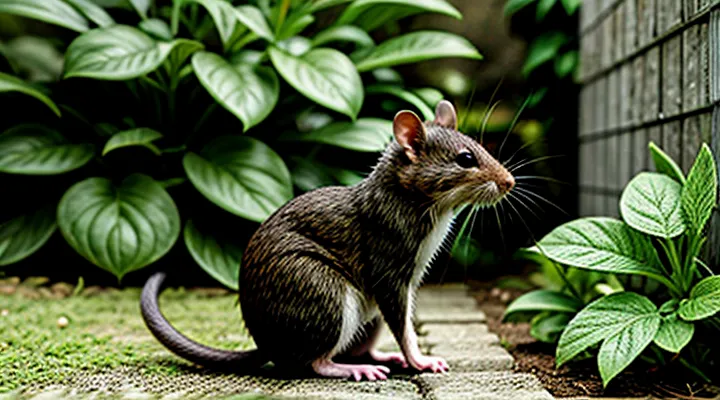
Understanding the Rodent Problem in Gardens
Common Garden Rodents and Their Damage
Mice
Mice are small rodents (typically Mus musculus and related species) that thrive in moist, sheltered environments. Their nocturnal foraging habit brings them into contact with garden beds, where they seek seeds, seedlings, and tender foliage.
Damage includes consumption of seedlings, gnawing of stems, and contamination of harvested produce with urine and droppings. Repeated feeding can stunt plant growth, reduce yields, and spread pathogens.
Plants that repel mice rely on strong scents, bitter compounds, or coarse textures that discourage chewing. Species proven to deter rodents include:
- Mint (Mentha spp.) – volatile oils irritate rodent olfactory receptors.
- Garlic (Allium sativum) – sulfur compounds act as a natural repellent.
- Lavender (Lavandula angustifolia) – aromatic compounds create an unfriendly environment.
- Rosemary (Rosmarinus officinalis) – resinous foliage repels feeding.
- Marigold (Tagetes spp.) – bitter terpenes discourage nibbling.
- Thyme (Thymus vulgaris) – strong aroma interferes with mouse scent trails.
Effective deployment involves planting repellent species around the perimeter of vulnerable beds, interspersing them among vulnerable crops, and maintaining a dense, healthy stand to maximize volatile emission. Regular pruning prevents flowering of repellent plants from waning, ensuring continuous deterrent pressure.
Combining plant-based deterrents with physical barriers—such as fine mesh edging and removal of debris—creates a multi‑layered defense that reduces mouse activity without chemical intervention.
Voles
Voles are small, burrowing rodents that damage garden plants by feeding on roots, stems, and seedlings. Their tunnel networks weaken soil structure, increase erosion, and create pathways for other pests. Effective control relies on plant selection that discourages vole activity and disrupts their habitat.
- Plants with strong, aromatic foliage such as mint (Mentha spp.), lavender (Lavandula angustifolia), and rosemary (Salvia rosmarinus) emit scents that voles avoid.
- Dense, prickly groundcovers like thyme (Thymus vulgaris) and low-growing sage (Salvia officinalis) create a physical barrier that hinders movement through the garden.
- Bulbous species such as daffodil (Narcissus spp.) and allium (Allium spp.) contain sulfur compounds toxic to many rodents, reducing vole foraging in adjacent areas.
- Tall, fibrous grasses like switchgrass (Panicum virgatum) and feather reed grass (Calamagrostis x acutiflora) produce a thick canopy that limits access to soil surface.
Integrating these plants around vulnerable crops and along garden borders forms a multi‑layered defense. Regular monitoring of vole activity, combined with prompt removal of weeds and debris that provide cover, enhances the efficacy of botanical deterrents. This approach minimizes reliance on chemical controls while maintaining a healthy, productive garden ecosystem.
Gophers
Gophers are subterranean rodents that create extensive tunnel networks, weakening plant roots and disrupting soil structure. Their presence is identified by mounded soil, fresh plug holes, and visible damage to foliage near burrow entrances.
Plant selection can reduce gopher activity by introducing species whose scent, taste, or root characteristics are unappealing to the animal. Effective choices include:
- Marigold (Tagetes spp.) – strong aromatic oils deter feeding.
- Garlic (Allium sativum) – sulfur compounds repel burrowing.
- Daffodil (Narcissus spp.) – toxic alkaloids discourage consumption.
- Lavender (Lavandula angustifolia) – fragrant foliage repels mammals.
- Mint (Mentha spp.) – volatile oils create an unfavorable environment.
Cultural practices complement botanical deterrents. Maintaining a mulch layer of coarse material prevents easy excavation, while regular irrigation limits the dry soil conditions gophers prefer. Periodic inspection of tunnel systems allows early removal of active burrows before they expand.
Physical barriers provide a final safeguard. Installing a 0.5‑inch galvanized hardware cloth around the garden perimeter, buried 12 inches deep and extending 6 inches above ground, blocks entry. Combining resistant plant species, diligent soil management, and robust fencing creates a comprehensive strategy that limits gopher damage while preserving garden productivity.
Why Repelling Rodents is Important
Protecting Crops and Plants
Rodent damage reduces yield, contaminates produce, and can spread disease. Effective protection combines botanical deterrents with cultural practices that make the garden hostile to mice while supporting crop health.
Planting species that emit strong scents or produce unpalatable foliage creates a chemical barrier. Commonly recommended deterrents include:
- Mint (Mentha spp.) – releases menthol, repels rodents and deters insects.
- Garlic (Allium sativum) – sulfur compounds irritate rodent olfactory receptors.
- Marigold (Tagetes erecta) – volatile oils discourage gnawing.
- Lavender (Lavandula angustifolia) – aromatic oils act as a natural repellent.
- Rosemary (Rosmarinus officinalis) – pine-like fragrance deters mice.
These plants should be interspersed around the perimeter of vegetable beds and near vulnerable crops such as lettuce, carrots, and beans. Their root systems also improve soil structure, enhancing overall plant vigor.
Physical measures reinforce botanical defenses. Install fine‑mesh hardware cloth (¼‑inch openings) around the base of perennial beds, and seal all gaps in raised beds, compost piles, and storage sheds. Mulch with coarse pine needles rather than soft straw to reduce hiding places.
Cultural tactics limit food sources and shelter. Remove fallen fruit, clean up weeds, and keep grass trimmed to at least six inches. Rotate crops annually to disrupt rodent foraging patterns, and avoid planting large monocultures that attract mass feeding.
Integrating repellent plants, barrier materials, and disciplined garden hygiene provides a comprehensive strategy that safeguards crops while maintaining ecological balance. Regular monitoring—checking for gnaw marks, droppings, and burrow entrances—allows prompt intervention before damage escalates.
Preventing Structural Damage
Rodents infiltrate garden structures—fences, trellises, raised beds, and storage sheds—by gnawing wood, burrowing through soil, and exploiting gaps. Damage compromises plant support, reduces irrigation efficiency, and creates entry points for further infestation. Implementing repellent vegetation directly addresses these vulnerabilities, limiting the need for costly repairs.
Plants that emit strong scents, such as mint, rosemary, and lavender, deter mice from chewing wooden components. Their volatile oils irritate rodent olfactory receptors, encouraging the animals to seek alternative routes. Positioning these herbs along the base of fences and around the perimeter of raised beds creates a chemical barrier that discourages gnawing activity.
Rooted groundcovers, including clover and thyme, form dense mats that obstruct burrowing. Their root systems reinforce soil structure, reducing the likelihood of tunnels forming beneath structural foundations. When these species are established in the immediate vicinity of garden walls, they decrease the pressure exerted by rodents attempting to undermine support.
Bulbous plants, such as garlic and onions, release sulfur compounds toxic to rodents when damaged. Planting them in rows adjacent to wooden trellises provides a secondary defense: any mouse that attempts to feed on the foliage encounters an unpleasant chemical environment, decreasing the probability of gnawing on the trellis itself.
Key actions for preventing structural damage:
- Install repellent herbs at ground level around all wooden elements.
- Use dense, low‑growth groundcovers to fill gaps beneath structures.
- Intermix sulfur‑rich bulbs near vulnerable supports.
- Maintain plant health through regular watering and pruning to preserve strong aromatic output.
- Inspect wood for early signs of gnawing and replace compromised sections promptly.
By integrating these plant strategies, gardeners create a multilayered defense that protects structural components without reliance on synthetic chemicals or extensive physical barriers. The result is a resilient garden infrastructure that endures rodent pressure while maintaining aesthetic and functional integrity.
Maintaining Garden Hygiene
Maintaining garden hygiene directly reduces the likelihood of rodent infestation by eliminating food sources and shelter. Clean beds, regular debris removal, and disciplined waste handling create an environment that deters mice from establishing colonies.
Effective hygiene practices include:
- Collect fallen fruit, seeds, and vegetable scraps daily; store them in sealed containers.
- Dispose of garden waste in compost bins equipped with tight-fitting lids; turn compost regularly to accelerate decomposition and discourage nesting.
- Keep mulch layers thin and uniform; replace with coarse, aromatic materials such as cedar or lavender mulch that also possess repellent properties.
- Trim dense ground cover, low‑lying branches, and overgrown perennials to remove hiding spots.
- Inspect and seal gaps around garden structures, raised beds, and storage sheds; use metal flashing or hardware cloth to block entry points.
- Remove standing water promptly; replace puddles with proper drainage or absorbent ground cover.
Consistent implementation of these measures limits the resources rodents need to survive, reinforcing the overall strategy of using repellent plants to protect the garden.
Natural Rodent Repellents: The Power of Plants
How Repellent Plants Work
Scent-Based Deterrents
Scent-based deterrents rely on volatile compounds that rodents find unpleasant, discouraging them from entering planting areas. Aromatic herbs such as mint, rosemary, and lavender release strong essential oils that interfere with mice’s olfactory receptors. When these plants are established around garden borders or interspersed among vegetable rows, they create a chemical barrier that reduces foraging activity.
Effective implementation requires strategic placement and maintenance. Plant mint in containers to prevent aggressive spreading, positioning them near entry points like fence gaps. Rosemary thrives in well‑drained soil; situate it in sunny corners where mice often shelter. Lavender prefers slightly acidic conditions; use it as a border plant around fruiting beds. Regular pruning sustains vigorous growth and maximizes scent emission.
Complementary tactics enhance efficacy. Scatter dried peppermint leaves or crushed rosemary sprigs around vulnerable crops and refresh them every two weeks to maintain potency. Combine living plants with commercial essential‑oil sprays applied to mulch or garden structures, following label directions for concentration and reapplication intervals. Monitoring rodent activity weekly allows adjustment of plant density and supplemental scent sources.
Benefits extend beyond deterrence. The selected herbs contribute to pollinator attraction, soil health, and culinary use, providing multifunctional value for the garden ecosystem. By integrating these aromatic species and maintaining consistent scent levels, gardeners create a hostile environment for mice while supporting overall garden productivity.
Taste-Based Deterrents
Plants that produce bitter, pungent, or acrid flavors can discourage mice from feeding on garden vegetation. Rodents rely on taste receptors to assess food safety; strong, unpleasant tastes trigger avoidance behavior, reducing damage to crops.
- Garlic (Allium sativum) – contains allicin, a sulfur compound that imparts a sharp, irritating flavor. Mice typically reject seedlings surrounded by garlic cloves or interplanted rows.
- Onion (Allium cepa) – shares allicin and additional thiosulfinates, creating a comparable deterrent effect. Planting onion sets near vulnerable vegetables limits rodent access.
- Hot peppers (Capsicum spp.) – capsaicin produces a burning sensation that rodents find intolerable. Seedlings planted beside pepper plants experience lower nibbling rates.
- Mint (Mentha spp.) – menthol and related terpenes generate a cooling, strong taste. Mint borders or groundcover deter mice from crossing into adjacent beds.
- Rue (Ruta graveolens) – bitter alkaloids create an off‑putting flavor profile. Sparse planting around fruit trees reduces rodent foraging.
Effective deployment requires consistent coverage. Position deterrent plants at the perimeter of beds and intersperse them among susceptible crops. Maintain a minimum spacing of 30 cm between deterrent and target plants to ensure root overlap and volatile release. Replace harvested foliage promptly; loss of active compounds diminishes protection.
Taste-based deterrents alone do not guarantee complete rodent exclusion. Combine them with physical barriers, such as fine mesh, and habitat‑reduction practices, like removing debris and managing compost. Integrated use maximizes garden resilience against mouse infestation.
Physical Barriers
Physical barriers provide a reliable line of defense against mice that forage in garden beds. By creating a solid, impenetrable boundary, rodents are denied direct access to soil, roots, and plant crowns, reducing damage without reliance on chemical deterrents.
Commonly used materials include:
- Galvanized hardware cloth with mesh size no larger than ¼ inch; resistant to gnawing and corrosion.
- Metal flashing or stainless‑steel sheet, suitable for edging around raised beds and perimeters.
- Heavy‑duty plastic or polypropylene netting, effective for covering mulch or low‑lying vegetation.
- Concrete or stone curbing, offering permanent, non‑degradable protection for larger plot edges.
Installation steps:
- Measure the perimeter of each planting area and cut the barrier material to length, allowing a 2‑inch overlap at joints.
- Dig a trench 6–8 inches deep along the outer edge of the bed; place the barrier in the trench and backfill soil, ensuring the lower edge extends at least 2 inches below ground to prevent burrowing.
- Secure the top edge with staples, U‑shaped nails, or concrete anchors, maintaining a tight seal against the soil surface.
- Overlap sections by at least 2 inches and fasten with wire ties or metal clips to eliminate gaps.
Routine maintenance is essential. Inspect barriers after heavy rain, wind, or animal activity; repair torn mesh, replace corroded metal, and reseal any displaced sections. Periodic cleaning removes debris that could create footholds for rodents.
When combined with plant species known to deter mice, physical barriers amplify overall protection. The barrier blocks entry, while repellent plants discourage lingering, producing a comprehensive strategy that safeguards garden productivity.
Key Characteristics of Effective Repellent Plants
Strong Aromas
Strong‑smelling plants create an environment that mice find hostile. Their acute sense of smell detects volatile compounds at low concentrations, and intense aromas interfere with foraging behavior, prompting avoidance of the area.
Compounds such as menthol, eucalyptol, and pungent essential oils trigger sensory overload in rodents. When these substances are released continuously from living foliage, mice are less likely to establish burrows or feed among the crops.
- Mentha spp. (mint) – releases menthol and other terpenes; effective when planted along garden borders.
- Allium cepa and Allium sativum (onion and garlic) – emit sulfur‑rich volatiles; best interspersed among vegetables.
- Rosmarinus officinalis (rosemary) – produces cineole and camphor; thrives in sunny spots and can be trimmed regularly.
- Thymus vulgaris (thyme) – contains thymol; suitable for rock gardens and herb beds.
- Origanum vulgare (oregano) – rich in carvacrol; spreads as a low‑lying ground cover.
- Eucalyptus spp. – exudes eucalyptol; plant as a small shrub or use potted specimens near vulnerable plants.
For optimal deterrence, position aromatic plants at the perimeter of vegetable plots, around fruiting bushes, and in gaps where mice might seek shelter. Maintain healthy growth through regular pruning and adequate watering; stressed plants produce weaker scent emissions. Combine strong‑aroma species with other non‑chemical strategies, such as physical barriers and habitat modification, to reinforce protection across the garden.
Unpleasant Flavors
Plants that emit bitter, acrid, or metallic flavors discourage mice from foraging in garden beds. The compounds responsible for these tastes are often alkaloids, terpenes, or phenolics that irritate rodent taste receptors.
Incorporating such flora creates a chemical barrier without chemicals. Species with documented unpalatable profiles include:
- Garlic (Allium sativum) – sulfurous compounds produce a harsh, pungent flavor that rodents avoid.
- Horseradish (Armoracia rusticana) – glucosinolates release a sharp, peppery taste.
- Peppermint (Mentha × piperita) – menthol creates a cooling, bitter sensation.
- Rue (Ruta graveolens) – bitter alkaloids generate a strong, unpleasant aftertaste.
- Fennel (Foeniculum vulgare) – anise‑like bitterness deters mice when foliage is dense.
- Marigold (Tagetes spp.) – thiophenes impart a metallic, bitter flavor to leaves.
Planting these species along perimeter rows or interspersed among vegetables reduces mouse activity. Dense planting limits access points, while the continuous release of unpleasant flavors maintains deterrence throughout the growing season.
Regular monitoring confirms effectiveness; a decline in gnawed seedlings indicates successful flavor‑based repulsion. Adjusting plant density or introducing additional bitter varieties sustains protection as rodent pressure fluctuates.
Toxic Properties
Plants that deter mice often contain toxic compounds that affect the rodents’ nervous system, metabolism, or digestive tract. These substances can cause irritation, loss of appetite, or mortality, thereby reducing the likelihood of infestation.
Common toxic agents in repellent foliage include:
- Alkaloids (e.g., nicotine, solanine) – interfere with neurotransmission, producing paralysis or death in small mammals.
- Essential oils (e.g., menthol, eucalyptol) – act as respiratory irritants and deterrents, causing mice to avoid treated areas.
- Saponins (found in soapwort) – disrupt cell membranes in the gut, leading to vomiting and diarrhea.
- Phenolic compounds (e.g., eugenol in clove) – produce a strong odor and mild toxicity that repels rodents.
When selecting toxic plants for garden protection, observe the following safety measures:
- Verify that the species is unsuitable for consumption by children, pets, or beneficial wildlife.
- Plant in locations inaccessible to non‑target animals, such as raised beds or fenced sections.
- Wear gloves and protective clothing during handling to prevent skin absorption of irritants.
- Monitor soil and water runoff to avoid contaminating edible crops.
Understanding the specific toxic properties of each repellent plant enables effective rodent control while minimizing risk to humans and domestic animals.
Considerations for Planting Repellent Flora
Local Climate and Soil Conditions
Local climate determines which rodent‑deterring species will thrive. In temperate zones, hardy herbs such as mint, rosemary, and lavender survive frost and maintain strong aromatic oils that discourage mice. In hot, arid regions, drought‑tolerant plants like sage, thyme, and oregano retain potency under intense sunlight and limited water. Tropical climates favor peppery varieties such as kaffir lime and lemongrass, which release volatile compounds even after heavy rainfall.
Soil texture influences root development and oil production. Sandy soils provide excellent drainage for Mediterranean herbs, preventing root rot and preserving leaf scent. Clay‑rich soils retain moisture, supporting moisture‑loving plants like catnip but may require amendments—sand or compost—to improve aeration for herbs that prefer looser media. Acidic soils favor plants such as lavender and rosemary, while alkaline conditions suit oregano and marjoram.
Matching plant selection to microclimate reduces maintenance and maximizes rodent repellent effect. Adjust planting depth, mulching, and irrigation to align with local soil structure, ensuring consistent growth and sustained release of deterrent compounds.
- Choose frost‑hardy herbs for cooler climates.
- Opt for drought‑resistant varieties in dry, sunny areas.
- Amend heavy soils to improve drainage for Mediterranean species.
- Test pH and select plants compatible with the measured acidity or alkalinity.
Plant Toxicity to Pets and Children
When choosing vegetation to deter mice, verify that the species does not pose a hazard to dogs, cats, or children who may contact the plants. Toxicity can arise from ingestion of leaves, stems, berries, or roots; even low‑level exposure may cause vomiting, neurological signs, or organ damage.
- Coleus (Plectranthus scutellarioides) – contains pyrrolizidine alkaloids; ingestion leads to liver toxicity in pets and children.
- Lily of the Valley (Convallaria majalis) – cardiac glycosides cause arrhythmias and severe gastrointestinal distress if eaten.
- Foxglove (Digitalis purpurea) – cardiac glycosides produce potentially fatal heart rhythm disturbances.
- Oleander (Nerium oleander) – contains oleandrin; ingestion results in cardiac arrest and respiratory failure.
- Rhododendron (Rhododendron spp.) – grayanotoxins trigger dizziness, hypotension, and cardiac irregularities.
Plants that repel rodents but lack known toxic compounds include lavender, mint, rosemary, and garlic. Position these safe species near garden borders or in containers to maximize rodent deterrence while minimizing risk.
Implement physical barriers such as fencing or raised beds for toxic plants. Keep them out of reach of children and domestic animals, and educate household members about identification and symptoms of poisoning. Regularly inspect the garden for fallen foliage or berries that could be accessed inadvertently.
Strategic Placement
Strategic placement of mouse‑repelling vegetation maximizes protection for garden beds, borders, and storage areas. Planting aromatic herbs such as mint, rosemary, and lavender along garden perimeters creates a scent barrier that discourages rodents from entering. Position these herbs in raised planters or shallow trenches at the outer edge of vegetable plots to intercept movement before it reaches crops.
Locate ground‑cover species like thyme or oregano in dense mats between rows of tender plants. Their low growth habit limits hiding spaces and the strong aroma interferes with rodent foraging. Intermix these covers with ornamental grasses that produce stiff stems, providing physical obstruction that complements the chemical deterrent.
Use potting containers for strong‑smelling plants near compost piles, tool sheds, and irrigation equipment. Elevated pots prevent rodents from accessing roots while releasing volatile oils upward, covering the immediate micro‑environment with a repellent vapor.
Key placement guidelines:
- Plant repellent herbs at the garden’s outermost boundary.
- Fill gaps between rows with low‑lying, aromatic ground covers.
- Install potting units around high‑risk structures (sheds, compost).
- Maintain a continuous line of scent‑producing plants; avoid isolated patches.
Regularly prune and replace spent foliage to sustain aromatic potency. Consistent arrangement of these plants forms a layered defense that reduces mouse activity without reliance on chemical pesticides.
Top Plants for Repelling Mice
Aromatic Herbs and Spices
Mint Varieties («Peppermint», «Spearmint»)
Mint varieties, especially peppermint and spearmint, provide effective deterrence against garden rodents. Their strong aromatic oils mask the scent of vegetables and create an environment that mice find unpleasant.
Peppermint (Mentha × piperita) releases menthol‑rich essential oil. The volatile compounds irritate rodent olfactory receptors, reducing foraging activity near the plant. Peppermint thrives in moist, partially shaded soil and can be cultivated in containers to prevent spreading.
Spearmint (Mentha spicata) emits carvone‑dominated oil. While less pungent than peppermint, it still produces a scent that discourages mice. Spearmin tolerates a wider temperature range and tolerates occasional drought, making it suitable for border planting.
Key considerations for using these mints in rodent management:
- Plant in clusters around vegetable beds to create a continuous scent barrier.
- Harvest leaves regularly; fresh cuttings maintain higher oil concentrations.
- Trim aggressively to limit invasive growth; mints spread via rhizomes.
- Combine with physical barriers (e.g., mesh) for maximum protection.
Integrating peppermint and spearmint into garden design reduces mouse activity without chemical interventions, supporting a healthier, more sustainable cultivation system.
Rosemary
Rosemary (Salvia rosmarinus) emits a strong, aromatic oil that rodents find unpleasant. The essential oils, especially cineole and camphor, act as natural deterrents, reducing mouse activity around planting beds and borders.
- Plant rosemary in sunny spots with well‑drained soil; mature shrubs create a scented barrier.
- Prune regularly to maintain airflow and release fresh volatile compounds.
- Use fresh or dried rosemary sprigs around vegetable rows, compost piles, or garden fences for added protection.
- Combine rosemary with other aromatic herbs such as mint, thyme, or lavender to enhance the repellent effect.
When established, rosemary requires minimal watering and tolerates occasional neglect, making it a low‑maintenance component of an integrated rodent‑control strategy. Its dual role as a culinary herb and a pest‑repellent plant adds practical value to any garden ecosystem.
Lavender
Lavender (Lavandula spp.) emits a strong, aromatic oil that mice find unpleasant. The volatile compounds, primarily linalool and camphor, interfere with the rodents’ scent‑tracking ability, reducing the likelihood of garden intrusion.
Planting lavender strategically creates a natural barrier. Position plants along garden edges, near vegetable beds, and around storage sheds where mice typically seek shelter. Dense foliage also provides a visual deterrent, limiting access points.
Key considerations for effective use:
- Soil: Well‑drained, slightly alkaline soil (pH 6.5–7.5). Amend heavy clay with sand or grit to prevent root rot.
- Sunlight: Full sun, at least six hours of direct exposure daily.
- Spacing: 18–24 inches between plants to allow airflow and prevent fungal issues.
- Watering: Minimal; water only when soil is dry to a depth of two inches.
- Pruning: Trim spent flower spikes after blooming to maintain vigor and encourage fresh growth.
Companion planting enhances repellent effect. Pair lavender with rosemary, sage, or mint; the combined scents broaden the olfactory barrier and support pollinator activity.
Maintenance tips:
- Mulch with coarse gravel to improve drainage and discourage burrowing.
- Harvest leaves and stems periodically; crushing fresh material releases additional aromatic oils.
- Replace any plants showing signs of disease promptly, as weakened specimens lose repellent potency.
Research indicates that lavender reduces mouse activity by up to 40 % when deployed in a continuous perimeter. For maximum protection, integrate lavender with other rodent‑averse herbs and physical controls such as traps or fencing.
Marigold
Marigold (Tagetes spp.) emits a strong, sulfurous scent that deters mice and other rodent pests. The volatile compounds, primarily thiophenes, interfere with the rodents’ olfactory receptors, reducing their willingness to forage in treated areas.
- Plant marigolds along garden borders, near vegetable beds, and around compost piles to create a chemical barrier.
- Space plants 12–18 inches apart; dense foliage maximizes scent concentration.
- Choose varieties such as French Marigold (Tagetes patula) or African Marigold (Tagetes erecta) for higher thiophene production.
- Maintain soil pH between 6.0 and 7.0 and water moderately; over‑watering diminishes aromatic potency.
- Replant annually, as scent intensity wanes after the first frost.
Integrating marigolds with other rodent‑repellent species—e.g., mint, lavender, or rosemary—enhances overall protection and supports biodiversity without relying on chemical rodenticides.
Allium Family («Garlic», «Onions», «Chives»)
Allium species deter mice through strong sulfur compounds that irritate rodent sensory organs. Incorporating garlic, onions, and chives into garden beds creates an environment that rodents avoid, reducing damage to vegetables and ornamental plants.
-
Garlic (Allium sativum) – Plant cloves 6–8 inches deep, spacing 8–12 inches apart. Mature bulbs emit a pungent aroma detectable by mice, discouraging them from entering the surrounding area. Harvest bulbs before flowering to maintain maximum repellent effect.
-
Onions (Allium cepa) – Sow seeds or set sets 2–3 inches deep, spacing 4–6 inches. Green tops release volatile oils that repel rodents. Rotate onion rows with non‑Allium crops each season to prevent soil-borne diseases.
-
Chives (Allium schoenoprasum) – Plant rhizomes 1 inch deep, spacing 6–8 inches. Dense clumps produce a continuous scent barrier. Trim foliage regularly to preserve vigor and sustain the repellent properties.
Placement strategies: intersperse Allium rows along garden borders, create perimeter hedges, or plant mixed strips between vegetable plots. Combine with physical barriers such as wire mesh for added protection. Soil amendments that favor Allium growth—well‑drained, slightly acidic to neutral pH, and organic matter enrichment—enhance plant health and repellent potency.
Maintenance considerations: monitor for fungal issues, especially in damp conditions; apply crop‑rotation and proper spacing to minimize risk. Harvesting should occur before seed set to prevent self‑seeding, which could attract other wildlife. Regularly replace or rejuvenate Allium sections every 2–3 years to sustain effective rodent deterrence.
Other Effective Repellent Plants
Castor Bean («Caution: Highly Toxic»)
Castor bean (Ricinus communis) produces a strong, bitter odor that deters mice from foraging in garden beds. The plant’s foliage contains ricin, a potent toxin; accidental ingestion can be fatal for humans, pets, and livestock. Consequently, the species is suitable only for controlled, fenced areas where children and animals are excluded.
Key characteristics relevant to rodent deterrence:
- Aromatic leaves emit a scent mice find unpleasant, reducing feeding activity nearby.
- Dense, upright growth creates a physical barrier that limits rodent movement across garden rows.
- The plant thrives in full sun, tolerates poor soils, and requires minimal watering once established.
Safety precautions:
- Plant castor bean in isolated plots surrounded by a barrier (e.g., lattice or raised bed) to prevent accidental contact.
- Label the area with warning signs indicating high toxicity.
- Wear gloves when handling seeds or cutting foliage; wash hands thoroughly afterward.
- Dispose of fallen seed pods in sealed containers; do not compost them.
Implementation tips:
- Space plants 3–4 feet apart to allow adequate airflow and prevent mold, which could attract insects that feed rodents.
- Combine castor bean with non‑toxic deterrents such as mint or garlic to enhance overall effectiveness while providing visual diversity.
- Monitor the perimeter regularly for signs of mouse activity; adjust plant density if mice appear to circumvent the barrier.
When used responsibly, castor bean contributes to a garden strategy that discourages mouse intrusion while delivering ornamental value. The toxicity risk mandates strict containment and clear signage to protect people and animals.
Euphorbia Lathyris («Mole Plant»)
Euphorbia lathyris, commonly called the mole plant, produces a milky latex that is toxic to many mammals, including rodents. When mice chew the foliage or stems, the latex irritates their digestive tract, causing aversion after a single encounter. This natural deterrent makes the species a practical addition to gardens seeking rodent resistance.
Plant the mole plant in a sunny location with well‑drained soil. Space each specimen at least 30 cm apart to allow airflow and reduce fungal risk. Water sparingly; excessive moisture encourages rot and diminishes latex production. Prune any flowering stalks before seed heads mature to limit self‑seeding, as the plant can spread aggressively.
Key considerations for safe use:
- Wear gloves when handling, because latex can cause skin irritation.
- Keep the plant away from edible crops and pet feeding areas.
- Monitor for seedlings in neighboring beds; remove unwanted sprouts promptly.
- Combine with other rodent‑repelling species (e.g., mint, lavender) for broader coverage.
When integrated correctly, Euphorbia lathyris provides a reliable, chemical‑free barrier that discourages mice without harming beneficial insects. Its durability and low maintenance requirements support long‑term garden protection.
Daffodils
Daffodils (Narcissus spp.) emit a potent fragrance and contain alkaloids that are unpalatable to mice. When planted around vegetable beds, the scent deters rodents from approaching, reducing the likelihood of crop damage.
Planting daffodils strategically enhances their protective effect. Place bulbs 6–12 inches deep, spaced 4–6 inches apart, in a perimeter ring or interspersed among susceptible plants such as lettuce, strawberries, or carrots. The bulbs should be set before the first frost to allow root development before winter.
Maintenance requirements are minimal. After blooming, allow foliage to die back naturally; the leaves photosynthesize and store energy for the next season. Avoid cutting foliage prematurely, as this weakens the bulb’s defensive chemistry.
A concise set of practices maximizes rodent deterrence:
- Select early‑blooming varieties (e.g., ‘Jack Horner’) to provide protection sooner in the growing season.
- Combine with other aromatic deterrents (e.g., mint, garlic) for a multi‑layered barrier.
- Refresh planting every 3–4 years by dividing clumps to maintain vigor and alkaloid concentration.
- Monitor soil moisture; daffodils prefer well‑drained conditions, reducing fungal risk that could attract pests.
By integrating daffodils into garden design, growers create a natural, low‑maintenance obstacle that discourages mouse activity without chemical intervention.
Foxglove («Caution: Highly Toxic»)
Foxglove (Digitalis purpurea) is a biennial or short‑lived perennial producing tall spikes of tubular flowers. All plant parts contain cardiac glycosides; ingestion can cause vomiting, cardiac arrhythmia, and death. The toxicity level is classified as high.
Mice avoid foxglove because the bitter alkaloids and strong scent interfere with their olfactory cues. Field observations report reduced mouse activity in beds where foxglove is established alongside other deterrent species.
For effective use, plant foxglove in the outer perimeter of the garden, spacing stems 30–45 cm apart to allow air circulation. Soil should be well‑drained, neutral to slightly alkaline, with full sun exposure. Mulch around the base to suppress weeds and maintain moisture. Pair foxglove with non‑toxic ornamental plants to balance aesthetics and safety.
Safety precautions
- Wear gloves when handling foliage or roots.
- Keep plants out of reach of children, pets, and livestock.
- Label planting areas with “Highly toxic – do not ingest.”
- Remove spent flowers promptly to limit accidental contact.
- Dispose of pruned material in sealed bags, not in compost.
When managed correctly, foxglove contributes to a rodent‑resistant garden while demanding strict adherence to safety protocols due to its potent toxicity.
Integrating Repellent Plants into Your Garden Design
Companion Planting Strategies
Pairing Repellent Plants with Vulnerable Crops
In garden planning, placing aromatic or bitter-tasting plants next to those most attractive to mice reduces damage without chemicals. The repellent species release volatile compounds that mice avoid, while the vulnerable crops benefit from physical proximity and shared soil conditions.
- Marigold (Tagetes spp.) beside lettuce, spinach, and radish. The strong scent deters rodents, and the shallow‑rooted greens tolerate the partial shade provided by the taller marigolds.
- Lavender (Lavandula angustifolia) interplanted with strawberries and blueberries. Lavender’s essential oils repel mice, while the berries thrive under its low, spreading habit.
- Mint (Mentha spp.) bordering carrots and parsnips. Mint spreads quickly, creating a fragrant barrier; root vegetables remain untouched when mint crowns the garden edge.
- Garlic (Allium sativum) surrounding tomatoes, peppers, and eggplant. Sulfur compounds act as a natural mouse deterrent, and the heavy‑fruiting vegetables benefit from the mulch created by garlic clippings.
- Rosemary (Rosmarinus officinalis) paired with beans and peas. The woody, evergreen plant emits a resinous aroma that mice avoid, while legumes climb the sturdy rosemary stems.
When arranging these pairings, maintain a minimum spacing of 12–18 inches to prevent competition for nutrients and to allow each plant’s defensive chemicals to disperse effectively. Rotate the combinations each season to avoid soil fatigue and to keep the rodent deterrent effect robust.
Creating Perimeter Barriers
Establishing a continuous, physical barrier around a garden limits mouse intrusion and enhances the effectiveness of repellent vegetation. The barrier must be buried, sealed, and resistant to gnawing.
- Select a material with proven rodent resistance, such as galvanized hardware cloth (¼‑inch mesh) or stainless‑steel mesh.
- Cut panels to the required length, allowing overlap of at least 6 inches at each joint.
- Dig a trench 6–12 inches deep along the garden’s perimeter.
- Place the mesh at the bottom of the trench, ensuring the bottom edge extends 2–3 inches below ground level.
- Backfill soil, compressing firmly to eliminate gaps.
- Overlap and fasten adjacent panels with heavy‑duty staples or wire ties.
- Cover the outer surface with a layer of mulch or stone to deter climbing.
Additional measures reinforce the barrier:
- Install a low, outward‑facing lip of mesh at the top edge to prevent mice from climbing over.
- Regularly inspect seams and corners for signs of wear or displacement.
- Replace any damaged sections promptly to maintain integrity.
When combined with strategically planted mouse‑repellent species—such as mint, lavender, and rosemary—the perimeter barrier creates a two‑fold defense, reducing the likelihood of rodent damage while preserving the garden’s health.
Garden Layout for Maximum Effectiveness
Border Plantings
Border plantings create a physical and chemical barrier that discourages mice from entering garden beds. Dense, low‑growth species limit ground cover, making it difficult for rodents to move unnoticed, while aromatic foliage releases scents that mice avoid.
Effective border plants include:
- Lavender (Lavandula spp.) – strong fragrance repels rodents and attracts pollinators.
- Rosemary (Rosmarinus officinalis) – woody stems and pungent oils deter foraging.
- Thyme (Thymus vulgaris) – ground‑cover habit and strong aroma create an inhospitable perimeter.
- Mint (Mentha spp.) – aggressive spread and menthol scent repel small mammals.
- Sage (Salvia officinalis) – aromatic leaves and sturdy growth form a deterrent fence.
- Catnip (Nepeta cataria) – contains nepetalactone, which mice find unpleasant.
Planting guidelines:
- Position border rows 12–18 inches from the outer edge of vegetable beds or fruit trees.
- Space plants 8–12 inches apart to ensure continuous coverage without gaps.
- Trim foliage regularly to maintain low, dense growth that blocks mouse pathways.
- Combine aromatic borders with physical obstacles such as hardware cloth or copper tape for added protection.
- Rotate species annually to prevent soil‑borne diseases and maintain repellent potency.
Integrating border plantings with other control measures—such as habitat reduction, sanitation, and trapping—strengthens overall garden defense against rodent damage. Consistent maintenance and strategic placement maximize the repellent effect while enhancing garden aesthetics.
Interspersing Repellents
Interspersing repellents means planting or placing deterrent elements among desirable crops to create a hostile environment for rodents. This approach reduces the need for chemical controls and limits damage without compromising garden aesthetics.
Effective interspersed elements include:
- Strong‑scented herbs such as mint, rosemary, and thyme. Their volatile oils irritate mouse olfactory receptors, discouraging foraging.
- Culinary onions and garlic planted in rows beside lettuce or carrots. The sulfur compounds act as natural repellents.
- Marigold or catnip borders. Both emit compounds that mice find unappealing; catnip also attracts beneficial insects.
- Physical barriers like copper mesh or hardware cloth placed around the base of plants. The metal sensation deters gnawing.
- Granular or liquid repellents applied to soil surfaces between planting beds. Products containing peppermint oil or predator urine create an additional sensory obstacle.
When arranging these components, follow a staggered pattern: alternate a repellent plant with two rows of the target crop. This layout interrupts rodent pathways and forces constant navigation through deterrent zones. Maintain a minimum spacing of 12 inches for herbs to prevent overcrowding, which can diminish volatile emission.
Regular monitoring is essential. Replace wilted repellent foliage promptly, refresh liquid treatments according to label instructions, and inspect barriers for gaps after heavy rain. Consistent maintenance ensures the interspersed system remains effective throughout the growing season.
Maintenance of Repellent Plants
Regular Pruning
Regular pruning removes excess foliage that creates dense cover, reducing hiding places for mice and limiting their access to the soil. By keeping stems and leaves trimmed, you expose the garden’s ground surface to sunlight, which discourages rodent activity and makes it easier to monitor for signs of intrusion.
Effective pruning routine:
- Trim back tall grasses and ornamental grasses to a height of 6‑8 inches, preventing rodents from nesting within the foliage.
- Cut back perennials after flowering, removing seed heads that attract mice seeking food.
- Prune shrubs to maintain an open canopy, allowing predators such as birds and cats to spot and deter rodents.
- Dispose of all cut material away from the garden, preferably by burning or composting in a sealed system, to eliminate potential shelter.
- Schedule pruning sessions every 4‑6 weeks during the growing season to sustain a clear, less inviting environment for rodents.
Replenishing Annually
Annual renewal of rodent‑deterring vegetation is essential for sustained garden protection. Many aromatic and bitter plants lose potency after a single growing season; their essential oils diminish as foliage ages, reducing the olfactory barrier that discourages mice. Replanting each spring restores the concentration of volatile compounds that rodents avoid.
Effective annual replenishment follows a simple schedule:
- Early spring: sow seeds of mint, catnip, and lavender in well‑drained soil; these species establish quickly and produce strong scents by early summer.
- Mid‑summer: transplant established seedlings of rosemary and thyme into perimeter rows; these hardy perennials retain aromatic leaves through the hottest months.
- Late summer: add fresh cuttings of garlic and onion bulbs to the garden border; their sulfur compounds remain active into the fall, providing a final defensive layer.
Consistent replacement prevents gaps in coverage caused by plant die‑back, pest damage, or seasonal pruning. Moreover, rotating species each year reduces the risk of rodent habituation, ensuring that the garden remains an unattractive habitat throughout the entire growing period.
Additional Rodent Control Measures
Garden Cleanliness and Maintenance
Removing Food Sources
Eliminating attractants deprives rodents of the incentive to enter a garden. When edible material is unavailable, mice are less likely to establish foraging routes, reducing damage to plants and soil structure.
- Collect fallen fruit, seeds, and vegetable scraps daily; compost only after thorough heating or sealing.
- Store birdseed, pet feed, and harvested produce in airtight containers made of metal or heavy‑wall plastic.
- Clean garden tools and equipment after each use to remove residual plant matter.
- Inspect mulch, straw, and compost piles for exposed food; cover with a thin layer of soil or landscape fabric.
- Remove weeds and low‑lying vegetation that can harbor insects and seed heads, which serve as secondary food sources.
Consistent removal of these resources creates an environment where rodents find little nourishment, reinforcing the overall strategy of garden protection.
Eliminating Hiding Spots
Mice exploit dense foliage, piled leaves, and thick mulch to conceal themselves while foraging. Removing these shelters cuts off their primary advantage and forces them to search elsewhere.
Clear ground cover regularly. Trim back low‑lying shrubs, cut back overgrown vines, and keep the perimeter free of tall grasses. Replace heavy mulch with a thin layer (no more than two inches) of coarse bark or gravel, which discourages nesting and makes movement uncomfortable. Dispose of fallen fruit, nuts, and vegetable scraps promptly; these items attract mice and provide additional cover.
Plant species that emit strong aromas or possess prickly textures help maintain an open environment while repelling rodents. Examples include:
- Mint (Mentha spp.) – releases a scent mice avoid; spreads quickly, preventing dense ground cover.
- Lavender (Lavandula angustifolia) – aromatic foliage deters rodents and thrives in sunny, well‑drained soil.
- Thyme (Thymus vulgaris) – low‑growth herb creates a sparse mat, limiting hiding places.
- Rosemary (Rosmarinus officinalis) – woody, aromatic shrub that occupies space without forming thick, sheltering foliage.
- Catnip (Nepeta cataria) – emits a volatile oil unattractive to mice while providing a tidy, upright habit.
Combine regular pruning, debris removal, and the strategic placement of repellent plants to eliminate concealment zones. This systematic approach reduces mouse activity and supports a healthier, more sustainable garden ecosystem.
Physical Barriers and Traps
Fencing
Fencing creates a physical barrier that prevents mice from entering garden beds and accessing root zones. A well‑constructed fence blocks the narrow passages rodents use, reducing damage to both ornamental and edible plants that naturally deter mice.
Materials and design considerations:
- Mesh size: Use hardware cloth or welded wire with openings no larger than ¼ inch; smaller apertures stop juvenile mice as well as adults.
- Height: Install at least 12 inches above ground and extend the base 6–12 inches underground or secure with L‑shaped staples to thwart burrowing.
- Frame: Choose rigid wooden or metal posts set in concrete to maintain alignment and resist gnawing pressure.
- Gate seals: Fit self‑closing hinges and flexible weatherstripping on all access points to eliminate gaps.
Installation tips:
- Measure the perimeter of the garden area, adding a 2‑inch buffer to accommodate post placement.
- Dig a trench 6 inches deep along the line, lay the fence material, then backfill with compacted soil to lock it in place.
- Anchor corners with extra stakes and check for loose sections weekly during the first month.
Integrating fencing with repellent plants enhances effectiveness. Position aromatic species such as lavender, mint, or rosemary along the fence line; their strong scents complement the physical barrier and discourage mice that manage to approach the fence. By combining a tight‑meshed enclosure with strategically placed deterrent flora, gardeners achieve a reliable defense against rodent intrusion.
Trapping Methods (Humane vs. Lethal)
Effective rodent control in a vegetable plot often requires trapping in addition to plant-based deterrents. Selecting a trap type influences both target removal and non‑target safety.
- Live‑catch cages equipped with bait such as grain or peanut butter; release captured mice at least 500 m from the garden.
- Multi‑catch box traps that allow repeated capture without resetting; compatible with biodegradable liners for easy cleaning.
- Snap‑type devices with concealed spring mechanisms; positioned along wall edges to minimize accidental contact with other wildlife.
- Electric kill stations delivering a rapid, high‑voltage pulse; require insulated placement to prevent ground‑water contamination.
Humane options prioritize capture and release, reducing mortality and preserving ecological balance. Lethal choices provide immediate population reduction but demand careful disposal of carcasses to avoid disease spread. When integrating traps with repellent flora, place devices near aromatic herbs (e.g., mint, lavender) that discourage mouse activity, thereby increasing trap encounters. Evaluate local regulations, target density, and personal ethics before finalizing a trapping strategy.
When to Seek Professional Help
Persistent Infestations
Persistent rodent activity in a garden signals that simple deterrents have failed and that the pest population has established a stable foothold. Mice exploit shelter, food sources, and favorable microclimates, reproducing rapidly and expanding their reach. When infestations endure, the damage extends beyond seed loss to root disturbance, soil contamination, and increased disease risk for other wildlife and humans.
Effective response requires a layered approach that combines botanical repellents with habitat modification. The following plants emit scents or volatile compounds that mice find unattractive; integrating them into garden borders, raised beds, or container groups reduces rodent presence over time.
- Marigold (Tagetes spp.) – produces strong, sulfurous odor that deters foraging.
- Lavender (Lavandula angustifolia) – releases linalool, a compound mice avoid.
- Mint (Mentha spp.) – emits menthol; planting in confined pots prevents invasive spread.
- Garlic (Allium sativum) – releases allicin, a natural repellent when foliage is crushed.
- Horseradish (Armoracia rusticana) – exudes pungent mustard oils that discourage gnawing.
In addition to planting, implement these management actions:
- Eliminate debris, fallen fruit, and excess mulch that provide cover and food.
- Seal gaps in garden structures, fences, and raised‑bed frames to block entry points.
- Position traps or bait stations along established mouse pathways, monitoring activity weekly.
- Rotate crops and alternate planting locations to disrupt predictable food supplies.
- Maintain proper irrigation to avoid overly moist soil, which attracts nesting.
When infestations persist despite these measures, consider a short‑term, targeted rodenticide applied according to local regulations, followed by immediate re‑establishment of repellent plants to prevent recolonization. Continuous observation and prompt adjustment of the plant mix and habitat controls are essential to keep rodent populations below damaging thresholds.
Large-Scale Damage
Rodents can devastate garden ecosystems when populations reach high densities. Their feeding habits destroy root systems, consume seedlings, and gnaw woody stems, leading to reduced yields and costly replanting. Burrowing activity destabilizes soil structure, promotes erosion, and creates pathways for additional pests and diseases.
Typical large‑scale damage includes:
- Complete loss of vegetable crops due to seed and leaf consumption.
- Undermined plant stability from extensive tunnel networks.
- Increased susceptibility of plants to fungal infections through wound exposure.
- Contamination of stored produce with urine and droppings, rendering it unsafe for consumption.
Integrating plant species that emit natural rodent‑deterring odors—such as mint, lavender, and garlic—creates a chemical barrier that discourages entry and feeding. Strategic placement of these repellent plants around perimeter beds and within crop rows reduces rodent activity, limiting the extent of the damage described above. Regular monitoring and rotation of repellent varieties sustain their effectiveness across seasons.