
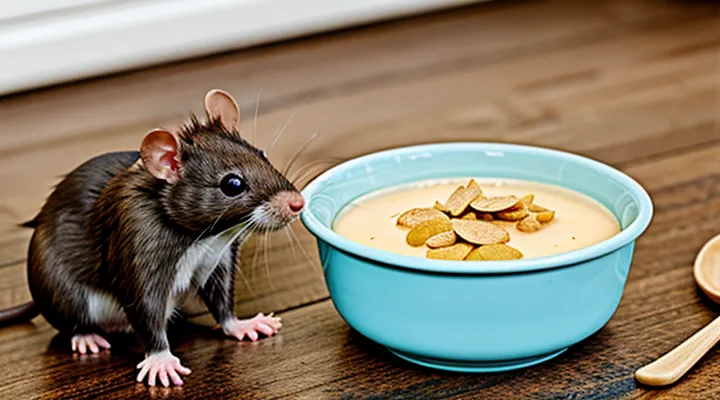
Why Baby Food for Rats?
Nutritional Benefits for Rats
Supplementing a Rat's Diet
Supplementing a rat’s diet when baby food forms the primary nutritional source requires careful selection of additional ingredients to meet the species’ specific needs. Commercial infant purees often lack sufficient protein, fiber, and essential micronutrients that support growth, dental health, and metabolic function. Adding targeted supplements restores balance and prevents deficiencies.
Key components for a balanced supplement regimen include:
- Protein enrichment: Small amounts of cooked, unseasoned chicken, turkey, or boiled egg whites provide high‑quality amino acids. Aim for 10‑15 % of the total daily intake.
- Fiber sources: Finely shredded carrots, steamed broccoli, or a pinch of psyllium husk increase gastrointestinal motility and aid pellet formation.
- Calcium and phosphorus: A calibrated blend of powdered calcium carbonate and phosphorus supplement, maintaining a 1.2 : 1 ratio, supports bone development and prevents metabolic bone disease.
- Vitamin mix: A rodent‑specific multivitamin containing vitamins A, D3, E, and B‑complex ensures adequate antioxidant protection and energy metabolism.
- Essential fatty acids: A few drops of fish oil or flaxseed oil supply omega‑3 fatty acids crucial for neural function and coat quality.
Implementation guidelines:
- Prepare a base of baby food without added sugars, salt, or artificial flavors. Verify that the product contains only fruit, vegetable, or grain purees.
- Measure the supplement quantities precisely using a digital scale; inaccuracies can lead to nutrient imbalances.
- Mix supplements thoroughly into the puree to create a homogeneous consistency, preventing selective feeding.
- Offer the fortified mixture in small, frequent portions throughout the day, mirroring natural foraging behavior.
- Monitor body condition, coat appearance, and fecal consistency weekly; adjust supplement levels if signs of over‑ or under‑nutrition emerge.
Regular veterinary check‑ups and periodic blood panels provide objective data on the effectiveness of the supplement plan, allowing timely modifications to maintain optimal health.
Easy Digestion for Specific Cases
Feeding rats infant‐type puree demands attention to digestibility, especially for individuals with gastrointestinal sensitivities, metabolic disorders, or advanced age.
Purees with minimal fiber and low fat content reduce transit time and lessen the risk of bloating. Opt for smooth, single‑ingredient blends such as mashed carrots, pumpkin, or plain oatmeal cooked to a soft consistency. Avoid added sugars, salt, and artificial thickeners, which can irritate the intestinal lining.
Key considerations for specific cases:
- Reduced fiber: Select vegetables with low cellulose, e.g., peeled zucchini, to prevent excessive bulk.
- Low fat: Use lean protein sources like pureed chicken breast or low‑fat cottage cheese; limit oil or butter additives.
- Temperature control: Serve at room temperature; extreme cold or heat can impair enzymatic activity.
- Portion size: Offer 1–2 ml per 30 g of body weight per feeding; excessive volume may overwhelm the digestive system.
- Frequency: Provide multiple small meals (3–4 times daily) rather than a single large portion to maintain steady nutrient absorption.
When a rat exhibits signs of indigestion—soft stools, reduced appetite, or lethargy—adjust the formula by diluting with warm water or low‑sodium broth. Monitor weight and stool consistency for at least 48 hours after changes.
For rats recovering from illness or surgery, incorporate probiotic‑enhanced baby food formulations. These contain live cultures that support microbial balance and facilitate nutrient breakdown. Ensure probiotic strains are rat‑compatible and free from dairy allergens.
Overall, prioritize simplicity, consistency, and gradual adjustments. Properly tailored infant‑style meals promote efficient digestion while meeting the nutritional demands of vulnerable rats.
When is Baby Food Appropriate?
Young or Sick Rats
Feeding juvenile or ill rats with infant nutrition requires a diet that is soft, highly digestible, and nutritionally balanced. Plain, unflavored «baby food» provides these qualities while eliminating the need for complex preparation.
- Choose products without added sugars, salts, or preservatives.
- Prefer single‑ingredient varieties such as pureed carrots, peas, or sweet potatoes.
- Verify that the protein source aligns with rodent requirements; meat‑based purees may be supplemented with a small amount of rodent‑specific protein powder.
Preparation involves warming the puree to room temperature, then thinning with water or low‑salt broth until a smooth, spoon‑feedable consistency is achieved. Avoid clumps that could obstruct a small animal’s palate.
Feeding schedule should consist of multiple small portions throughout the day, typically 5–10 ml per 50 g of body weight. Observe each intake session; incomplete consumption signals possible gastrointestinal distress or insufficient palatability.
Regular health monitoring includes daily weight checks, stool examination, and activity assessment. Rapid weight loss or abnormal feces warrants immediate adjustment of the diet, potentially increasing caloric density or consulting a veterinarian.
Aging or Convalescing Rats
Feeding senior or recovering rats requires attention to nutrient density, texture, and palatability. Baby food offers a smooth consistency that eases chewing difficulties and provides concentrated calories, making it a practical supplement for animals with diminished dentition or limited mobility.
Suitable baby food varieties contain minimal added sugars and salts, focusing on pure vegetable, fruit, or protein purées. Options such as plain carrot, pumpkin, or unsweetened chicken purée deliver essential vitamins, minerals, and protein without excessive sodium. Avoid formulations with artificial flavorings, thickeners, or high-fructose corn syrup, as these can exacerbate metabolic stress.
Key guidelines for incorporating baby food into the diet of aging or convalescing rats:
- Offer a small portion (approximately ½ teaspoon) two to three times daily; adjust volume based on weight and activity level.
- Warm the purée slightly to body temperature to enhance aroma and encourage intake.
- Mix baby food with a small amount of regular pellets or hay to maintain dental wear and fiber intake.
- Observe for signs of gastrointestinal upset; discontinue any purée that triggers diarrhea or vomiting.
- Rotate flavors weekly to prevent nutrient deficiencies and maintain interest.
Regular monitoring of body condition, coat quality, and stool consistency guides necessary modifications. If weight loss persists despite supplementation, consult a veterinarian for potential underlying health issues and tailored nutritional plans.
Choosing the Right Baby Food
Types of Baby Food to Consider
Single-Ingredient Purees
Single‑ingredient purees offer a reliable way to introduce nutritionally balanced meals to pet rats when using infant‑style foods. Each puree contains only one type of fruit, vegetable, or protein, eliminating the risk of hidden allergens and simplifying the assessment of individual tolerances.
Purees should be prepared from fresh, organic produce free from pesticides. Wash the ingredient thoroughly, steam or boil until soft, then blend to a smooth consistency without adding water, salt, or sugar. Allow the puree to cool to room temperature before offering it to the rats.
Key considerations for single‑ingredient purees include:
- Nutrient density: select ingredients rich in vitamins and minerals appropriate for small mammals.
- Digestibility: choose foods that rats can break down easily, avoiding high‑fiber or overly starchy options.
- Shelf life: store purees in airtight containers in the refrigerator for up to three days; discard any that develop off‑odors or discoloration.
Examples of suitable single‑ingredient purees:
- «carrot» – high in beta‑carotene, supports eye health.
- «sweet potato» – provides complex carbohydrates and vitamin C.
- «pumpkin» – gentle on the digestive system, offers potassium.
- «apple» (peeled) – delivers natural sugars and fiber; avoid seeds.
- «chicken breast» – lean protein source; ensure thorough cooking.
Feeding protocol: place a small dollop (approximately one teaspoon) on a clean dish, monitor consumption within 30 minutes, and remove any leftovers to maintain hygiene. Gradually increase portion size as the rats’ body weight and activity level grow, adjusting based on observed appetite and stool quality.
Safety measures: never include raw eggs, dairy, or processed foods; avoid ingredients known to be toxic to rodents, such as avocado, citrus peel, and raw beans. Regular veterinary check‑ups can confirm that the chosen purees meet the rats’ nutritional requirements.
Organic Options
Feeding rats with infant‑stage nutrition benefits from selecting organic baby food, which eliminates synthetic pesticides and artificial additives.
Organic varieties provide a natural nutrient profile, supporting digestive health and reducing exposure to contaminants.
Suitable organic baby foods include:
- «Pureed carrots» – high in beta‑carotene, low in sugar.
- «Mashed peas» – source of plant protein and fiber.
- «Sweet potato puree» – rich in vitamins A and C.
- «Organic oatmeal» – gentle carbohydrate source, easy to blend.
- «Apple sauce, unsweetened» – occasional treat for variety.
Preparation guidelines: blend to a smooth consistency, avoid added salt or sweeteners, serve at room temperature, and store leftovers in a sealed container refrigerated for no more than 24 hours.
Safety measures: introduce new items gradually, observe for signs of intolerance, and maintain regular weight monitoring to ensure balanced intake.
Ingredients to Avoid
Sugars and Artificial Sweeteners
Sugars naturally occurring in infant formula provide quick energy, but concentrations exceeding 10 % of total calories can accelerate weight gain and disrupt glucose regulation in laboratory rats. Elevated sugar intake also predisposes rodents to dental decay and alters intestinal microbiota composition, increasing the prevalence of pathogenic bacterial strains.
Artificial sweeteners such as aspartame, sucralose, and saccharin are frequently added to commercial baby foods to reduce caloric content. Rodent studies indicate that these compounds are not metabolized identically to humans; some sweeteners interact with taste receptors without triggering insulin release, while others may affect gut hormone signaling. Long‑term exposure has been linked to altered reward pathways and potential changes in renal function.
Guidelines for incorporating baby food into rat diets emphasize minimal reliance on sweetened products:
- Select formulations labeled “unsweetened” or containing less than 5 % natural sugar.
- Exclude any product listing an «artificial sweetener» among the ingredients.
- Offer baby food as a supplemental treat, limiting portions to no more than 10 % of daily caloric intake.
- Monitor body weight and blood glucose levels weekly to detect early signs of metabolic imbalance.
Adhering to these practices reduces the risk of obesity, dental disease, and metabolic disturbances while preserving the nutritional benefits of infant formula for juvenile rodents.
Dairy Products
Dairy products can be incorporated into a rat’s diet when using baby food, provided they meet nutritional and safety standards.
Suitable dairy items include:
- Plain, unsweetened yogurt (full‑fat recommended) – source of protein, calcium, and beneficial bacteria.
- Soft cheese such as cottage cheese or ricotta – high in protein and moisture, easy to mash.
- Whole‑milk baby formula – balanced profile of protein, fat, and carbohydrates; useful for supplemental feeding.
When selecting dairy, consider the following criteria:
- Lactose tolerance: rats vary in ability to digest lactose; monitor for digestive upset and limit portions if symptoms appear.
- Salt and additives: choose products without added salt, sugar, or flavorings to prevent electrolyte imbalance and obesity.
- Freshness: use refrigerated items within a few days; discard any that show spoilage or off‑odors.
Feeding guidelines:
- Introduce dairy gradually, starting with a teaspoon mixed into the primary baby‑food base.
- Observe stool consistency and activity for at least 24 hours after each addition.
- Adjust quantity to maintain a balanced overall diet, ensuring that dairy does not exceed 10 % of total caloric intake.
Proper integration of dairy enhances protein and calcium intake, supporting bone health and growth in juvenile rats while maintaining the texture and palatability of baby‑food formulations.
Onion and Garlic
Feeding rats commercially prepared baby food can simplify nutrition management, yet ingredient selection demands careful evaluation. Onion and garlic belong to the Allium family, compounds known to cause hemolytic anemia in rodents. Even minimal exposure may damage red blood cells, leading to jaundice, weakness, or death.
Consequently, any baby‑food formulation intended for rats must exclude onion, garlic, and derivatives such as powders, extracts, or flavorings. The prohibition applies regardless of preparation method, including pureed or mixed varieties.
If a caregiver wishes to incorporate vegetables, the following options provide safe alternatives:
- Cooked carrots, finely diced
- Mashed sweet potato, without added salt
- Pureed peas, drained of excess liquid
- Steamed zucchini, chopped into bite‑size pieces
These items supply essential vitamins and fiber without the toxic risk associated with Allium species. Regular monitoring of rat health, including observation for pale mucous membranes or lethargy, remains essential when introducing any new food component.
Preservatives and Additives
Baby food products frequently contain chemical agents that extend shelf life and improve texture. When these items become a regular component of a rat’s diet, the presence of such substances demands careful scrutiny.
Preservatives inhibit microbial growth and oxidation. Common examples include sodium benzoate, potassium sorbate, and calcium propionate. Their primary function is to prevent spoilage, yet they may interfere with the delicate digestive system of small rodents.
Additives encompass a broad range of substances added for flavor, color, or consistency. Artificial sweeteners (e.g., aspartame), synthetic flavor enhancers (e.g., monosodium glutamate), and coloring agents (e.g., Red 40) fall into this category. While intended to make food more appealing to humans, these compounds can provoke adverse reactions in rats.
Potential hazards include gastrointestinal irritation, altered gut microbiota, and cumulative toxicity. Studies indicate that prolonged exposure to certain preservatives may exacerbate liver strain, while some colorants have been linked to behavioral changes. Sensitivity varies among individuals, making a cautious approach essential.
Practical guidelines for selecting appropriate baby food:
- Examine ingredient lists for recognizable, natural preservatives such as vitamin C (ascorbic acid) or rosemary extract.
- Exclude products containing sodium benzoate, potassium sorbate, calcium propionate, artificial sweeteners, MSG, or synthetic dyes.
- Prefer formulations labeled “no added sugars” and “free from artificial flavors.”
- Opt for single‑ingredient purees (e.g., plain pumpkin, carrot) where possible, as they typically lack added chemicals.
When suitable options are unavailable, prepare homemade purees from fresh vegetables and fruits, ensuring the absence of added salts, sugars, or spices. Storing these preparations in airtight containers for short periods maintains safety without reliance on chemical preservatives.
Preparing and Serving Baby Food
Proper Portion Sizes
Avoiding Overfeeding
Overfeeding baby‑food formulas can quickly disrupt a rat’s delicate metabolic balance, leading to excessive weight gain, digestive upset, and reduced longevity.
A typical serving for an adult rat consists of no more than one teaspoon of puree per day, divided into two equal portions. Juvenile rats may receive half this amount, adjusted upward only as growth demands increase.
Feeding should occur twice daily, at consistent intervals. Providing the entire daily allotment at once encourages binge‑eating and masks early signs of excess intake.
Signs that a rat is receiving too much baby food include rapid abdominal expansion, lethargy, and soft, unformed stools. Persistent weight gain beyond a 10 % increase over baseline warrants immediate reduction in portion size.
Preventive measures:
- Use a calibrated spoon to measure each serving.
- Record daily intake in a simple log.
- Combine baby food with a balanced rodent pellet diet to maintain fiber and nutrient diversity.
- Rotate feeding days, offering baby food only on alternate days to limit caloric spikes.
- Observe body condition weekly; adjust portions before visible obesity develops.
Frequency of Feeding
Feeding rats with baby food requires a consistent schedule to support digestive health and steady growth. Irregular intervals can lead to metabolic stress, reduced nutrient absorption, and behavioral changes that complicate care.
Typical feeding frequencies:
- Newborn to 2 weeks: Offer small portions every 4 hours, including nighttime intervals, to match the high metabolic rate of very young pups.
- 2 weeks to 1 month: Reduce to three feedings per day, spaced roughly 6‑8 hours apart, while maintaining a light evening offering.
- 1 month and older: Provide two to three meals daily, with a minimum of 8 hours between feedings; adjust upward for active or breeding individuals.
- Special cases (illness, recovery): Increase frequency to four small meals per day, monitoring weight and stool consistency.
Adjust portion size according to the rat’s weight and the specific baby‑food formulation; excessive amounts can cause diarrhea, while insufficient supply may impede development. Consistency in timing, combined with appropriate quantities, ensures optimal health outcomes.
Methods of Delivery
Spoon Feeding
Feeding rats with baby food using a spoon demands careful preparation, precise technique, and strict hygiene.
Select a plain, unsweetened baby puree—vegetable or fruit varieties without added salt, sugar, or preservatives. Blend to a smooth, thin consistency that flows easily from a small spoon; a watery texture reduces choking risk.
Prepare a dedicated feeding area. Clean a shallow dish with hot, soapy water, rinse thoroughly, and dry. Use a miniature stainless‑steel or plastic spoon no larger than 5 mm in bowl diameter; sterilize by boiling for two minutes before each session.
The feeding process follows a simple sequence:
- Place a few milliliters of puree on the spoon’s concave side.
- Gently approach the rat’s mouth from the side, allowing the animal to sniff the spoon.
- Tilt the spoon slightly, letting the puree slide onto the tongue; avoid forcing the spoon into the mouth.
- Observe the rat’s swallowing; pause after each bite to assess comfort.
- Offer additional portions only if the rat finishes the initial amount without signs of distress.
After feeding, discard any leftover puree to prevent bacterial growth. Clean the spoon and feeding surface immediately with hot, soapy water, then sanitize. Monitor the rat for changes in behavior, appetite, or stool consistency over the next 24 hours; contact a veterinarian if vomiting, diarrhea, or lethargy occurs.
Consistent application of these steps supports safe, nutritious supplementation of rats’ diets with baby food.
Mixing with Other Foods
When adding complementary ingredients to infant‑stage puree, maintain nutritional balance and texture suitability for rodents. Begin with a small portion of mixed feed, observe acceptance, and increase proportion gradually.
Key practices for successful blending:
- Choose protein‑rich additions such as cooked chicken, boiled egg, or low‑fat cottage cheese; limit each to no more than 10 % of the total mixture.
- Incorporate fiber sources like finely shredded carrots, steamed broccoli, or oat flakes to aid digestion; keep fiber content below 5 % to prevent gastrointestinal upset.
- Add healthy fats sparingly, for example a drop of olive oil or a teaspoon of unsalted nut butter, ensuring total fat does not exceed 3 % of the blend.
- Exclude toxic foods: chocolate, caffeine, onions, garlic, avocado, and raw beans.
Consistency matters. Blend solids until a smooth consistency matches the original baby food, preventing choking hazards. If the mixture becomes too thick, thin with a few drops of water or low‑sodium broth.
Storage guidelines: refrigerate mixed portions in sealed containers for no longer than 48 hours; discard any sign of spoilage.
Monitor rats after each new combination. Positive indicators include normal activity, steady weight, and regular fecal output. Adverse signs—lethargy, diarrhea, or loss of appetite—require immediate cessation of the offending ingredient and consultation with a veterinarian.
Syringe Feeding for Weakened Rats
Syringe feeding offers a reliable method to nourish rats that are too weak to eat independently. The technique supplies essential nutrients while minimizing stress and preventing aspiration.
Preparation begins with selecting an appropriate syringe. A 5‑ml or 10‑ml syringe equipped with a 22‑gauge feeding needle provides sufficient flow control. Sterilize the equipment before each use to avoid bacterial contamination. Warm the baby food to approximately body temperature (37 °C) to encourage acceptance and reduce shock.
The feeding process follows these steps:
- Position the rat on its back or side, supporting the head gently to keep the airway open.
- Insert the needle just behind the incisors, angling slightly upward to avoid the throat.
- Administer 0.5 ml of baby food per 100 g of body weight, pausing after each small amount to allow swallowing.
- Observe the animal for signs of distress, coughing, or regurgitation; discontinue if these occur.
- After feeding, clean the mouth with a damp cotton swab and monitor for normal respiration.
Frequency depends on the rat’s condition. Typically, feed every 4–6 hours, adjusting volume based on weight gain and overall health. Record each session, noting quantity delivered and the animal’s response, to guide future adjustments.
Potential complications include aspiration pneumonia and electrolyte imbalance. To mitigate risks, maintain a clean feeding environment, use only nutritionally balanced baby food without added sugars or salt, and consult a veterinarian if the rat shows prolonged weakness or fails to gain weight.
Consistent syringe feeding, combined with vigilant observation, supports recovery and sustains vital nutrition until the rat regains the ability to forage independently.
Temperature Considerations
When offering baby food to rats, temperature directly influences palatability and digestive safety. Food that is too hot can cause oral burns, while excessively cold portions may deter consumption and slow gastric motility.
Ideal serving temperature ranges between 35 °C and 40 °C (95 °F–104 °F). This range mimics the warmth of a mother’s milk, encouraging natural feeding behavior. To achieve this temperature:
- Warm refrigerated baby food in a microwave for 5‑10 seconds, then stir thoroughly to eliminate hot spots.
- Verify temperature with a food‑grade thermometer; target 37 °C (98.6 °F).
- If the mixture exceeds 40 °C, allow it to sit at room temperature for a few minutes before rechecking.
Cold or frozen baby food must be thawed completely before warming. Thawing in a refrigerator overnight prevents rapid temperature shifts that could compromise nutrient integrity. After thawing, follow the warming steps above.
When preparing multiple servings, keep the warmed portion in a thermally insulated container for no longer than 30 minutes. Prolonged exposure to ambient conditions can lower temperature below the optimal range and promote bacterial growth.
Monitoring temperature at each feeding session ensures that rats receive food that is both safe and appealing, supporting steady growth and health.
Potential Risks and Precautions
Allergic Reactions
Observing for Adverse Symptoms
When introducing commercially prepared infant puree to pet rodents, immediate vigilance for negative reactions is essential. Monitor the animal continuously for the first 24 hours after the initial serving, focusing on physiological and behavioral indicators that deviate from baseline.
Typical adverse signs include:
- Reduced appetite or refusal to eat
- Lethargy or prolonged inactivity
- Diarrhea, loose stools, or abnormal fecal odor
- Vomiting or regurgitation
- Respiratory distress, such as rapid breathing or wheezing
- Skin irritation, redness, or swelling around the mouth and paws
- Unexplained weight loss or failure to gain expected weight
If any of these symptoms appear, discontinue the baby‑food diet immediately and consult a veterinarian experienced with small mammals. Document the onset time, severity, and any concurrent changes in environment or diet to assist diagnostic evaluation. Regular observation ensures that nutritional experimentation does not compromise the animal’s health.
Choking Hazards
Ensuring Proper Consistency
Ensuring the correct consistency of baby food for rats is essential for safe ingestion and optimal nutrient absorption. A texture that is too thick can cause choking or impede chewing, while a fluid consistency may pass through the digestive tract too quickly, reducing the effectiveness of essential vitamins and minerals.
Key steps to achieve appropriate consistency include:
- Blend baby food until a smooth, homogenous paste forms; eliminate visible particles that could obstruct the mouth.
- Pass the mixture through a fine sieve or cheesecloth to remove lumps and achieve a uniform thickness.
- Adjust viscosity with a small amount of water or low‑sodium broth; aim for a consistency comparable to thick yogurt—able to hold its shape on a spoon but easily spreadable.
- Verify temperature by testing a small amount on the inner wrist; the mixture should be lukewarm, avoiding extremes that could harm delicate oral tissues.
After preparation, observe the rat’s response during feeding. Rapid gulping, coughing, or refusal may indicate excessive thickness or fluidity. Modify the blend accordingly, and store any unused portion in a sealed container within refrigeration limits of 2–4 °C for no longer than 24 hours to prevent bacterial growth. Continuous assessment ensures the consistency remains suitable for each feeding session.
Dental Health Concerns
Balancing Soft Foods with Harder Options
When offering baby food to pet rats, ensure the diet includes both easily‑chewed purées and items that require gnawing. Soft foods supply moisture and readily absorbable nutrients, while harder components promote dental health and natural chewing behavior.
Key considerations for achieving a balanced mix:
- Provide a thin layer of plain vegetable or fruit purée (e.g., carrot, apple) to guarantee hydration and vitamin intake.
- Introduce small, firm pieces such as cooked sweet potato cubes, rolled oats, or unsalted whole‑grain crackers to stimulate tooth wear.
- Alternate soft meals with a brief period of harder snacks, preventing overreliance on one texture.
- Observe each rat’s chewing activity; reduced gnawing may indicate excessive softness, while reluctance to eat could signal overly hard portions.
- Adjust portion sizes according to age and size: juveniles tolerate softer textures longer, whereas adults benefit from increased hardness.
Regular monitoring of stool consistency and weight helps confirm that the combination meets nutritional needs without causing digestive upset. By rotating soft purées with modestly firm foods, owners maintain oral health, encourage natural foraging instincts, and deliver a complete nutrient profile.
Monitoring Overall Health
Consulting a Veterinarian
Professional guidance is essential when introducing infant formula to pet rats. A veterinarian can evaluate individual health status, identify potential sensitivities, and confirm that baby food aligns with nutritional requirements.
Key reasons for seeking veterinary advice include:
- Assessment of weight, age, and existing diet
- Determination of appropriate portion size and frequency
- Identification of allergens or digestive issues
- Provision of a tailored feeding plan that integrates solid and liquid nutrients
Preparation for the appointment should involve collecting relevant data:
- Record of current food items and quantities
- Observation of any abnormal behavior, stool changes, or weight fluctuations
- List of supplements or medications already administered
- Description of the specific baby food product intended for use
During the consultation, the veterinarian will likely:
- Review the gathered information and conduct a brief physical examination
- Explain why certain ingredients may be unsuitable or beneficial
- Offer precise feeding instructions, for example «Administer two teaspoons of diluted formula twice daily»
- Suggest alternative nutrient sources if the infant formula does not meet the rat’s dietary profile
Following the professional recommendation ensures that the rat receives balanced nutrition while minimizing health risks.