
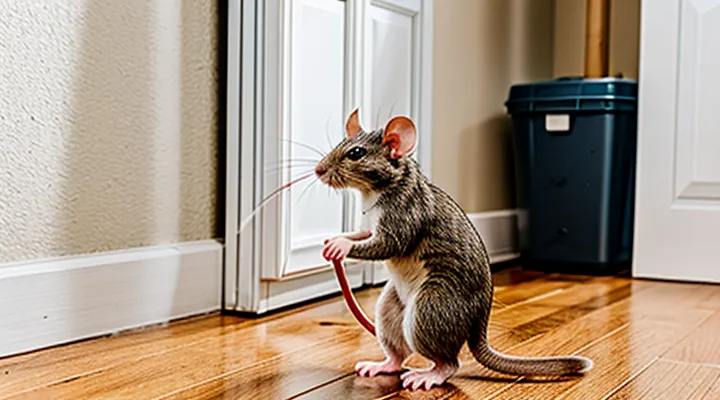
Understanding the Mouse Problem
Signs of a Mouse Infestation
Droppings and Urine Trails
Droppings and urine trails are primary indicators of mouse activity and must be addressed early in any eradication effort. Fresh droppings appear as small, dark, rice‑shaped pellets; older deposits may turn gray and crumble. Urine trails are invisible but leave a distinctive ammonia odor and can be detected with a blacklight, which makes the residue fluoresce.
- Identify all locations where droppings accumulate: kitchen counters, pantry shelves, behind appliances, and inside cabinets. Record each spot to map movement patterns.
- Wear disposable gloves and a N95 respirator before handling any waste. Place collected droppings in a sealed plastic bag, then dispose of them in an outdoor trash container.
- Clean surfaces with a detergent solution, then apply a disinfectant containing at least 0.5 % hydrogen peroxide or a commercial rodent‑specific sanitizer. Allow the product to remain on the surface for the manufacturer‑specified dwell time before wiping dry.
- Locate urine trails using a UV flashlight in a darkened room. Mark the path with a washable marker to guide trap placement and to verify that subsequent cleaning has removed the residue.
- After decontamination, ventilate the area for at least 30 minutes. Replace any absorbent materials (e.g., paper towels, cloths) that have come into contact with waste.
Accurate detection of droppings and urine trails enables targeted trapping, reduces the risk of disease transmission, and prevents re‑infestation by eliminating the scent cues that attract other rodents.
Gnaw Marks and Damage
Mice leave characteristic gnaw marks wherever they travel, creating shallow V‑shaped incisions on wood, plastic, and cables. The edges are smooth, and the damage often appears in concealed areas such as behind appliances, inside wall cavities, and beneath baseboards. Identifying these signs early distinguishes active infestation from incidental damage.
Typical damage includes:
- Severed or exposed electrical wiring, increasing fire risk.
- Compromised insulation, reducing energy efficiency.
- Punctured food containers, leading to contamination.
- Chewed furniture legs, frames, and door hinges, impairing structural integrity.
- Damaged plumbing seals, causing leaks and mold growth.
Unaddressed gnaw marks quickly evolve into extensive repairs, because mice repeatedly test repaired sections and expand their pathways. Prompt remediation curtails further destruction and prevents secondary hazards such as electrical shorts or water damage.
Effective response requires a systematic approach:
- Conduct a thorough visual sweep of all rooms, focusing on corners, gaps, and utility access points.
- Record each gnaw mark with location, size, and material affected.
- Seal entry points using steel wool, caulk, or metal mesh to block future access.
- Repair or replace compromised components: trim damaged wiring, re‑insulate exposed studs, and reinforce chewed furniture.
- Deploy snap traps or electronic traps at identified activity zones, positioning them perpendicular to gnaw marks for optimal contact.
- Monitor traps daily, removing captured mice and resetting devices as needed.
- Re‑inspect the apartment weekly for new gnaw marks, repeating the cycle until no fresh evidence appears.
By documenting gnaw evidence, eliminating access, and repairing damage concurrently, the infestation is contained and the apartment’s structural and safety standards are restored.
Strange Noises
Strange noises in a flat often indicate rodent activity and should be the first clue in a systematic eradication effort.
Listen for high‑pitched squeaks, rustling in walls, or soft footfalls behind baseboards, especially at night when mice are most active. Record the time and location of each sound; repeated patterns reveal travel routes and nesting sites.
Use the auditory data to prioritize treatment zones. Begin with the area where noises are most frequent, then expand outward in a logical sequence:
- Seal all entry points within a 10‑meter radius of the identified noise source.
- Place snap traps or electronic devices directly along the walls adjacent to the noisy sector.
- Deploy bait stations at least 0.5 m from the trap line, ensuring they are inaccessible to children and pets.
- Monitor traps nightly, noting any reduction in audible activity.
If noises persist after two weeks, reassess the sound map: new squeaks may signal secondary colonies. Extend sealing and trapping to the newly indicated zones, and consider professional fumigation only after exhaustive mechanical control.
Consistent documentation of strange sounds, combined with targeted trap placement, accelerates mouse elimination while minimizing chemical exposure.
Unpleasant Odors
Mice infestations frequently produce strong, lingering smells caused by urine, dropp‑droppings, and decomposing carcasses. These odors signal hidden activity and can quickly spread through carpets, insulation, and wall cavities.
Identify the source of the odor.
- Inspect corners, behind appliances, and inside closets for stains or droppings.
- Use a blacklight to reveal urine spots that are invisible to the naked eye.
- Follow any foul scent to concealed areas such as crawl spaces or under furniture.
Clean contaminated surfaces promptly.
- Wear disposable gloves and a mask.
- Remove droppings with a damp paper towel; avoid sweeping to prevent aerosolization.
- Apply an enzymatic cleaner to break down urine proteins; allow it to sit for the manufacturer‑recommended time before wiping dry.
Neutralize residual smells.
- Place activated charcoal bags in affected rooms for 48‑72 hours.
- Use a solution of equal parts white vinegar and water to wipe non‑porous surfaces.
- Apply a commercial odor‑absorbing gel to carpet edges and baseboards.
Prevent recurrence of unpleasant odors.
- Seal entry points with steel wool and caulk to stop new mice from entering.
- Store food in airtight containers and keep countertops free of crumbs.
- Schedule regular inspections and clean‑up of any new droppings or spills.
Why Mice Are Attracted to Your Apartment
Food Sources
Eliminating rodents from a residence requires depriving them of sustenance. Without accessible food, mice cannot establish a population, and any control measures become more effective.
Typical attractants include:
- Open cereal boxes, grain bags, and snack packages.
- Crumbs on countertops, floors, and behind appliances.
- Unsealed pet food left overnight.
- Overflowing trash cans and compost bins.
- Fruit or vegetable scraps stored without coverage.
To remove these attractants, follow a systematic approach:
- Transfer all dry goods into containers with snap‑tight lids; glass or heavy‑plastic options are preferable.
- Wipe surfaces after each meal using a damp cloth; avoid leaving residue.
- Store pet feed in sealed containers and dispense only the portion required for each feeding.
- Empty garbage daily, line bins with sturdy bags, and keep lids closed at all times.
- Place fruit and vegetables in the refrigerator or in sealed containers; discard overripe items promptly.
Maintain the environment by scheduling a weekly inspection of storage areas, checking for accidental openings or spills. Reinforce the habit of immediate cleanup after cooking or snacking. Consistent enforcement of these practices eliminates the food supply that sustains mouse activity, supporting the overall eradication plan.
Shelter and Warmth
Mice enter apartments seeking safe, insulated locations where food and heat are readily available. Reducing shelter and warmth deprives them of essential conditions for survival, forcing movement toward traps and baits.
- Seal cracks, gaps, and holes in walls, floors, and around pipes with steel wool and caulk; rodents can gnaw softer materials.
- Install weather‑stripping on doors and windows to block drafts that create warm micro‑climates near entry points.
- Remove clutter such as cardboard boxes, piles of laundry, and stored firewood; these items provide hidden nesting sites.
- Keep furniture away from walls, creating a clear zone that eliminates concealed spaces.
- Store food in airtight containers; uncovered food generates heat and attracts mice.
- Maintain indoor temperature at a moderate level; excessive heating encourages nesting, while cooler environments reduce comfort for rodents.
Eliminating these shelter and warmth sources weakens mouse populations, making subsequent trapping and baiting phases more effective. Continued monitoring of sealed openings and regular housekeeping sustain an environment hostile to rodent habitation.
Entry Points
Identify every opening through which rodents can access the living space. Conduct a visual sweep of walls, floors, ceilings, and fixtures; note gaps larger than ¼ inch, cracks around pipes, and openings around vents or electrical boxes. Document each location before proceeding to seal it.
Common entry points include:
- Gaps around baseboards and trim
- Openings behind appliances, especially refrigerators and stoves
- Spaces beneath doors and sliding panels
- Cracks in drywall, plaster, or masonry
- Holes surrounding plumbing, gas, and electrical penetrations
- Unscreened vents, dryer exhausts, and utility openings
- Small openings in window frames and sills
Select sealing materials based on the size and location of each gap. Use steel wool or copper mesh for larger voids, then cover with caulk, expanding foam, or concrete sealant. Apply silicone-based caulk to flexible joints such as door sweeps and window frames. Install metal flashing or hardware cloth (¼‑inch mesh) over vent openings and utility penetrations. Replace worn door sweeps and weather stripping with new, tightly fitting components.
After sealing, re‑inspect the area for missed openings. Conduct a final test by placing a light dusting of talc powder at each sealed point; absence of mouse tracks after 48 hours confirms successful closure. Maintaining sealed entry points prevents future infestations and supports the overall eradication plan.
Preparation Before Extermination
Identifying Entry Points
Cracks in Walls and Floors
Cracks in walls and floors provide direct access points for mice seeking shelter and food. Identifying and sealing these openings is a prerequisite for any effective rodent control strategy in a residential unit.
Begin with a systematic inspection. Walk the perimeter of each room, run a fingertip along baseboards, window frames, and any visible seams. Use a bright flashlight to reveal hairline fissures behind furniture and beneath appliances. Pay special attention to areas where pipes, cables, or vent ducts penetrate the structure, as these junctions often develop gaps over time.
Once all openings are documented, proceed with sealing:
- Clean each crack to remove dust and debris; a vacuum or brush ensures proper adhesion.
- Apply an appropriate filler: use expanding polyurethane foam for gaps larger than ¼ in., and a high‑traction silicone sealant for narrower seams.
- For structural cracks exceeding ½ in., insert a metal or copper mesh patch before applying the filler to reinforce the repair.
- Allow the material to cure fully according to the manufacturer’s instructions; typically 24 hours for foam, 4 hours for silicone.
After sealing, verify integrity by conducting a tactile test—press along repaired seams to ensure no residual openings remain. Follow up with a final sweep of the apartment to confirm that no new gaps have emerged during the repair process.
Completing these steps eliminates the most common entry routes, substantially reducing the likelihood of mouse infestation and supporting the overall success of the eradication plan.
Gaps Around Pipes
Gaps surrounding plumbing fixtures create direct pathways for mice to enter living spaces. Even openings as small as a quarter‑inch allow rodents to squeeze through, compromising sanitation and increasing the risk of damage to wiring and insulation.
First, conduct a visual inspection around all visible pipes—both supply and drainage lines. Look for cracks in caulk, missing sealant, or gaps where pipe sleeves meet the wall. Use a flashlight to reveal hidden seams behind cabinets and under sinks.
Next, measure each opening. A ruler or tape measure determines whether the space exceeds 0.3 cm, the maximum size a mouse can exploit. Record locations that require repair.
Seal identified gaps using the following materials:
- Silicone or acrylic caulk for flexible joints.
- Expanding polyurethane foam for larger voids.
- Steel wool combined with caulk for holes larger than 0.5 cm, preventing rodents from gnawing through.
- Pipe collars or split‑log sleeves for gaps around round pipes.
Apply sealant according to manufacturer instructions: clean the surface, apply a continuous bead of caulk, and smooth it to ensure full contact. For foam, insert the nozzle into the gap, allow expansion, then trim excess after curing. When using steel wool, pack it tightly before covering with caulk to create a durable barrier.
Finally, verify the repair. Run a fingertip test along sealed seams; any detectable softness indicates incomplete coverage. Reapply sealant where necessary. Repeat the inspection quarterly to maintain a rodent‑proof environment.
Openings Near Doors and Windows
Mice enter apartments through gaps around doors and windows; sealing these openings removes a primary access route.
- Inspect the perimeter of each exterior door. Look for cracks larger than ¼ inch, gaps around the frame, and spaces under the threshold.
- Use a steel wool or copper mesh to fill small cracks, then apply a silicone‑based sealant to create a durable barrier.
- For larger gaps, install weatherstripping or a door sweep that contacts the floor when the door closes.
- Examine window frames for deteriorated caulking, loose panes, or unsealed joints. Replace damaged caulk with a high‑elasticity product and press it firmly into the joint.
- Fit removable window screens with fine mesh; repair tears with fiberglass tape before reinstalling.
- Apply expanding foam insulation to voids around window casings, trimming excess once it hardens.
After sealing, verify effectiveness by conducting a visual check and, if possible, placing a non‑toxic tracking powder near the treated areas to confirm the absence of rodent activity. Regularly repeat inspections, especially after seasonal temperature changes, to maintain a secure barrier.
Cleaning and Decluttering
Removing Food Sources
Eliminating food availability is a prerequisite for any effective mouse‑control program in a residence. Mice survive on minimal crumbs; removing these resources forces the population to seek sustenance elsewhere, reducing their presence and limiting reproduction.
- Store all dry goods in airtight containers made of glass, metal, or heavy‑wall plastic. Verify seals regularly.
- Transfer pantry items to shelves that are not directly accessible from the floor.
- Clean countertops, tables, and floors after each meal; sweep or vacuum debris before it settles.
- Dispose of waste in bins with tight‑fitting lids; empty the containers daily and keep the exterior of the bins clean.
- Place pet food in sealed containers and feed only the amount animals can consume within a short period. Remove leftovers promptly.
- Seal any cracks, gaps, or openings around cabinets, baseboards, and utility lines that could allow food to drop behind walls.
After implementing these measures, conduct a weekly inspection of storage areas and waste zones. Record any signs of new food deposits and correct the source immediately. Consistent enforcement of these practices sustains a low‑food environment, supporting the broader objective of mouse eradication in the apartment.
Storing Food Properly
Proper food storage is a critical component of any effective rodent control strategy in an apartment. Food left unsecured provides a constant attractant, encouraging mice to remain and reproduce. By eliminating accessible nutrition sources, the likelihood of infestation drops dramatically.
Secure containers made of metal or heavy‑wall plastic prevent gnawing. Ensure lids seal tightly and inspect for cracks before each use. Store all dry goods—cereals, grains, nuts, and pet food—inside these containers. Keep perishables in the refrigerator or freezer, and discard any items that show signs of spoilage.
Maintain a clean environment to complement storage measures. Wipe counters and tables immediately after meals. Sweep floors daily to remove crumbs. Empty trash cans regularly and use lids that close securely.
Practical steps for food storage:
- Inventory pantry items; discard expired or infested products.
- Transfer remaining foods to airtight containers with snap‑tight lids.
- Label containers with purchase dates to monitor freshness.
- Position containers on shelves away from walls to reduce mouse access.
- Clean shelves with a mild detergent before restocking.
Implementing these practices removes a primary food source, forcing mice to seek shelter elsewhere and increasing the effectiveness of any trapping or exclusion measures deployed in the apartment.
Eliminating Hiding Spots
Eliminating hiding places deprives mice of safe refuge and forces them into exposed areas where control measures work effectively.
Identify and seal entry points. Inspect walls, baseboards, and floor joints for gaps larger than ¼ inch; fill them with steel wool, caulk, or expanding foam. Replace damaged weatherstripping around doors and windows.
Remove clutter that creates concealment. Store boxes, papers, and seasonal items in sealed containers rather than on the floor. Keep laundry baskets covered and avoid stacking items directly against walls.
Declutter storage areas. Pull back furniture from walls to expose gaps behind appliances and cabinets. Use airtight bins for pet food, grains, and dried goods; discard any spilled remnants immediately.
Maintain a clean environment. Sweep crumbs and vacuum regularly, especially in kitchens and dining zones. Wipe countertops and the undersides of appliances after each use to eliminate food residues.
Control vertical and horizontal pathways. Install mesh screens over vent openings and utility penetrations. Trim vegetation, vines, and overgrown shrubs that touch the building exterior, preventing mice from climbing onto the structure.
Implement these actions systematically, inspecting each room and documenting completed tasks. A thorough reduction of concealment sites limits mouse movement, enhances trap and bait efficacy, and accelerates the overall eradication process.
Safety Precautions
Protecting Pets and Children
When tackling a rodent infestation in a residence, the safety of pets and children must be integrated into every step of the eradication process.
Before introducing any control method, secure the environment: keep doors and windows closed, store food in sealed containers, and remove clutter that could hide traps or poison. Verify that all household members understand that certain areas will become off‑limits until the operation concludes.
- Choose non‑toxic baits such as wooden blocks soaked in peppermint oil or commercially available snap traps; avoid rodenticides that pose ingestion risks.
- Place snap traps or live‑catch devices along walls, behind appliances, and in concealed pathways, ensuring they are out of reach of children and animals. Use bait stations with lockable covers when possible.
- Install motion‑activated deterrents (ultrasonic emitters) at ceiling height to discourage mice without affecting pets.
After each capture, dispose of rodents promptly in sealed bags and clean the site with disinfectant. Inspect the apartment daily for new activity; relocate traps if signs appear in previously unused zones. Maintain a record of trap placements and outcomes to adjust the strategy quickly.
Finally, conduct a thorough inspection before reintroducing pets and allowing children unrestricted access. Confirm that no traps remain exposed, that bait stations are removed, and that all entry points have been sealed. This systematic approach eliminates the pest problem while preserving the health and safety of vulnerable household members.
Using Gloves and Masks
Personal protective equipment is essential when dealing with rodents, droppings, and toxic baits. Gloves and masks prevent direct contact with pathogens and reduce inhalation of dust or aerosolized particles.
Use disposable nitrile or thick latex gloves that resist puncture and chemical exposure. Select a size that fits snugly, allowing dexterity while handling traps, snap devices, or poison. Put gloves on before entering any area where mice have been sighted; replace them immediately after each task if contamination occurs. Dispose of used gloves in a sealed bag and wash hands thoroughly before removing the outer protective layer.
Wear a certified N95 respirator or a surgical mask to filter airborne contaminants. Ensure the mask covers both nose and mouth, fits tightly against the face, and is secured with straps. Replace the mask if it becomes damp, soiled, or after a maximum of eight hours of continuous use.
Key practices:
- Don gloves and mask before any inspection or removal activity.
- Keep gloves on while moving traps, handling carcasses, or applying bait.
- Remove gloves by turning them inside out, seal in a plastic bag, and discard.
- Replace the mask if breathability decreases or after prolonged exposure.
- Perform hand hygiene with soap and water after removing all protective gear.
Proper use of gloves and masks minimizes health risks and supports an effective rodent‑elimination program in an apartment setting.
Effective Extermination Methods
Trapping Solutions
Snap Traps
Snap traps provide a rapid, humane method for reducing mouse populations in a residential unit. Their effectiveness depends on proper selection, strategic placement, appropriate baiting, and safe disposal.
Choose traps made of sturdy plastic or metal with a spring tension of at least 20 lb. Models featuring a transparent base allow visual confirmation of captures, reducing the need for repeated inspections. Opt for traps with a safety shield to protect household members and pets during set‑up.
Place traps along walls, behind appliances, and near suspected travel routes. Mice cling to edges; positioning the trigger side against the wall maximizes contact. A typical deployment pattern includes:
- One trap per 10 ft of wall in high‑traffic zones.
- Additional traps near entry points such as gaps around pipes and vents.
- A minimum of three traps per room if evidence of activity is present.
Bait selection influences capture rates. Use a small amount (≈¼ tsp) of high‑fat food—peanut butter, chocolate, or dried fruit—applied to the trigger platform. Avoid overly large baits that may allow the mouse to nibble without activating the mechanism.
After a capture, wear disposable gloves, seal the trap in a plastic bag, and dispose of the contents in an outdoor trash container. Reset the trap with fresh bait before the next night’s check. Clean the trap surface with mild detergent to remove scent traces that could deter subsequent mice.
Maintain a schedule of daily inspections for at least two weeks. Replace traps that lose tension or become damaged. Combine snap traps with sealing of entry points and removal of food sources to achieve lasting control.
Live-Catch Traps
Live‑catch traps provide a humane method for removing mice from a residential unit while allowing for later release away from the building. The device consists of a sealed chamber with a trigger mechanism that closes the door when a mouse enters to reach bait.
To incorporate live‑catch traps into an overall mouse‑control strategy, follow these precise actions:
-
Select an appropriate trap – Choose a model with a sturdy plastic or metal cage, a sensitive trigger plate, and a secure latch. Ensure the trap size accommodates adult mice (approximately 3–4 inches long).
-
Position traps strategically – Place traps along walls, behind appliances, and near suspected entry points. Mice travel close to surfaces; spacing traps 10–15 feet apart maximizes coverage.
-
Prepare bait – Use high‑protein attractants such as peanut butter, sunflower seeds, or small pieces of cheese. Apply a pea‑sized amount to the trigger area to encourage entry.
-
Set the mechanism – Engage the latch according to the manufacturer’s instructions, confirming that the door remains open until the trigger is activated.
-
Monitor daily – Check each trap at least once every 24 hours. Replace bait if it becomes stale, and record capture locations to identify activity hotspots.
-
Release captured mice – Transport the sealed trap to a suitable outdoor area at least 0.5 miles from the residence. Open the latch gently, allowing the mouse to exit without injury.
-
Sanitize traps after each use – Wash the cage with hot, soapy water and disinfect with a mild bleach solution (1 tbsp per quart of water). Dry thoroughly before resetting.
-
Integrate with preventive measures – After removal, seal identified entry points using steel wool and caulk, eliminate food sources, and maintain regular cleaning to reduce attractants.
By adhering to this sequence, live‑catch traps become an effective component of a comprehensive plan for eradicating mice from an apartment while respecting animal welfare.
Glue Traps («Avoid if Possible»)
Glue traps represent a low‑cost, passive method for catching mice, but they carry significant drawbacks. The adhesive surface kills the animal by immobilization, causing prolonged suffering, and the traps lack selectivity, often capturing non‑target insects or small pets. Disposal requires sealed containers and thorough cleaning to prevent accidental contact with the sticky residue, which can spread contaminants throughout the dwelling.
If glue traps must be employed, follow a controlled procedure:
- Choose traps sized for the target rodent; larger plates increase capture probability.
- Position each trap perpendicular to wall edges, where mice travel, typically within 1–2 cm of baseboards.
- Keep traps at least 30 cm away from food preparation surfaces, open containers, and children's play areas.
- Wear disposable gloves during placement and inspection to avoid skin contact with the adhesive.
- Check traps daily; once a mouse is caught, seal the trap in a heavy‑duty plastic bag, label it, and discard according to local hazardous‑waste regulations.
- Replace the trap promptly to maintain continuous coverage.
For most residential settings, humane or more efficient alternatives outweigh glue traps. Snap traps provide rapid death with minimal suffering, while live‑catch traps allow relocation when paired with proper exclusion measures. Comprehensive pest management should prioritize sealing entry points, eliminating food sources, and maintaining cleanliness to reduce attractants.
Baits and Poisons
Types of Baits
Choosing the right bait determines the success of any rodent‑control effort in a dwelling. Different baits attract mice through taste, scent, or toxicity, allowing targeted action while minimizing exposure to non‑target organisms.
- Food‑based baits – grain, peanut butter, chocolate, or dried fruit; rely on strong palatability.
- Rodenticides – anticoagulant blocks (warfarin, bromadiolone) and acute toxins (bromethalin); deliver lethal dose after ingestion.
- Natural attractants – catnip, peppermint oil, or dried herbs; exploit innate aversion or curiosity without chemicals.
- Scented synthetic baits – proprietary pheromone blends; mimic mouse social cues to increase uptake.
- Combination baits – food matrix infused with low‑dose rodenticide; provide immediate appeal and delayed mortality.
Food‑based options work best when placed near known travel paths, such as behind appliances or along baseboards. Rodenticides require sealed stations to prevent accidental contact, and placement should follow label instructions, typically within 2 feet of activity zones. Natural attractants serve as preliminary lures, useful for monitoring before introducing lethal agents. Synthetic pheromone baits excel in dense infestations, drawing mice from concealed areas. Combination products simplify deployment by merging attractant and toxin in a single unit, reducing the number of stations needed.
Safety measures include securing bait stations out of reach of children and pets, wearing gloves during handling, and rotating bait types to prevent bait shyness. Regular inspection confirms consumption and guides repositioning. Proper selection and strategic placement of baits integrate seamlessly into a systematic plan for eliminating mice from an apartment.
Safe Placement Strategies
When positioning devices to control a mouse infestation, prioritize locations that limit exposure to children, pets, and food preparation areas. Identify high‑traffic routes—along walls, behind appliances, and near concealed openings—because rodents travel close to surfaces. Place traps and bait stations in these zones while maintaining a safe distance from living spaces.
- Position snap traps or electronic devices 1–2 feet from walls, with the trigger end facing the wall to align with natural travel paths.
- Locate bait stations inside cabinets, under sinks, or behind baseboards, ensuring they are at least 3 feet away from countertops and food storage.
- Secure traps on stable surfaces; use zip ties or adhesive pads to prevent movement caused by vibrations or accidental contact.
- Avoid placing devices on elevated furniture or in areas where they could be knocked over by pets.
Before deployment, remove all edible items from the surrounding area and seal waste containers. Mark each device with a discreet label indicating the date of placement and the type of lure used. After a 48‑hour observation period, inspect traps, replace ineffective bait, and relocate devices that have not captured activity to adjacent pathways. This systematic arrangement minimizes risk to non‑target occupants while maintaining continuous pressure on the rodent population.
Risks of Using Poisons
Using poison to eradicate mice in an apartment introduces several serious hazards.
- Human health: Ingested or inhaled toxins can cause nausea, vomiting, neurological symptoms, or organ damage, especially in children and pregnant individuals.
- Pets: Cats, dogs, and other household animals may consume bait or dead rodents, leading to secondary poisoning and potentially fatal outcomes.
- Non‑target wildlife: Rodent carcasses discarded in trash can be accessed by birds or insects, spreading toxins beyond the intended area.
- Resistance development: Repeated exposure to the same chemical can select for resistant mouse populations, reducing long‑term effectiveness.
- Legal constraints: Many jurisdictions restrict or prohibit certain rodenticides in residential settings; non‑compliance may result in fines or liability.
- Environmental contamination: Improper disposal of poison‑laden bait or carcasses can leach chemicals into soil and water sources, affecting broader ecosystems.
- Cleanup complexity: Removing poisoned rodents requires protective equipment and thorough disinfection, increasing labor and cost.
These risks demand careful assessment before choosing poison as part of an apartment mouse‑control strategy. Safer alternatives—such as sealing entry points, using traps, and maintaining sanitation—should be prioritized to protect occupants and the surrounding environment.
Natural Deterrents
Peppermint Oil
Peppermint oil serves as a non‑toxic deterrent for rodents when incorporated into a comprehensive mouse‑control strategy for an apartment. The oil’s high menthol concentration interferes with mice’s olfactory receptors, prompting avoidance of treated areas.
To integrate peppermint oil effectively, follow these precise actions:
- Prepare a diluted solution – Mix 10 ml of 100 % peppermint essential oil with 1 liter of water. Add a few drops of neutral‑pH dish soap to emulsify the mixture.
- Identify entry points and pathways – Locate gaps around doors, windows, baseboards, and plumbing penetrations. Target these zones first.
- Apply the solution – Soak cotton balls or reusable cloth pads in the mixture. Place them behind appliances, under sinks, inside cabinets, and along walls where mouse activity is observed. Ensure pads remain moist; replace every 48 hours.
- Combine with physical barriers – Install steel wool or silicone caulk in identified openings after oil application. The barrier prevents re‑entry while the scent discourages lingering rodents.
- Monitor and adjust – Inspect pads daily for dryness or displacement. Increase concentration to 15 ml per liter if activity persists, but never exceed 20 ml per liter to avoid odor saturation.
- Maintain sanitation – Eliminate food residues, store perishables in sealed containers, and regularly empty trash. Peppermint oil’s efficacy declines in the presence of abundant food sources.
Safety considerations: keep oil away from open flames, avoid direct skin contact by wearing gloves during preparation, and store the solution out of reach of children and pets. Proper ventilation mitigates any lingering scent after each application.
By adhering to this protocol, peppermint oil contributes a reliable, chemical‑free component to the overall elimination plan, reducing mouse presence without compromising indoor health standards.
Dryer Sheets
Dryer sheets can serve as a low‑cost, non‑chemical deterrent against rodents in a residential unit. The strong fragrance masks food odors, discourages mice from entering treated areas, and the residue creates an unpleasant surface for them to traverse.
Implementation steps
- Choose scented dryer sheets with a potent fragrance (e.g., lavender, citrus).
- Place one sheet behind each piece of furniture that mice commonly use for shelter (cabinets, under the refrigerator, inside closets).
- Insert a sheet into the corners of entry points such as door frames, window sills, and utility openings.
- Replace sheets every 48 hours or after any cleaning that removes the scent.
- Combine with standard control measures (snap traps, sealing gaps) to increase overall effectiveness.
The method relies on scent overload rather than toxic substances, making it safe for families and pets while contributing to a comprehensive mouse‑removal strategy.
Ultrasonic Repellents
Ultrasonic repellents emit high‑frequency sound waves that rodents cannot tolerate. The devices are battery‑ or mains‑powered and operate continuously, creating an invisible barrier that discourages mice from entering treated zones.
When selecting a unit, consider the following criteria:
- Frequency range: 20–65 kHz covers the hearing spectrum of most common house mice.
- Coverage area: manufacturers specify square footage; choose a model that exceeds the size of the target room.
- Power source: plug‑in units provide uninterrupted operation, while battery models allow placement in locations without outlets.
- Adjustable timers: enable scheduling to conserve energy and reduce habituation.
Proper placement maximizes effectiveness:
- Position the emitter at least 12 inches above the floor, away from walls and furniture that could block the sound.
- Install one device per 500 sq ft; larger spaces require additional units to avoid dead zones.
- Locate units near known entry points—gaps under doors, vents, and pipe penetrations.
- Avoid placing devices in bathrooms or kitchens where steam and moisture can dampen the ultrasonic waves.
Limitations must be acknowledged. Ultrasonic waves do not penetrate solid objects; walls, cabinets, and thick furniture create shadows where mice can hide. Continuous exposure may lead to habituation, reducing long‑term efficacy. Therefore, ultrasonic repellents should complement, not replace, other control measures such as sealing entry points, setting traps, and maintaining a clean environment.
Integrating ultrasonic devices into a systematic rodent‑elimination plan involves:
- Sealing cracks and gaps before deployment.
- Deploying traps or bait stations in conjunction with repellents to capture any mice that bypass the sound barrier.
- Monitoring activity weekly and adjusting device placement or adding units as needed.
When used correctly, ultrasonic repellents contribute to a multi‑layered strategy that reduces mouse presence without chemicals or physical harm.
Preventing Future Infestations
Sealing Entry Points
Using Steel Wool and Caulk
Steel wool and caulk form a reliable barrier against mouse entry when applied correctly.
Begin by inspecting the apartment for gaps larger than a quarter‑inch. Common locations include pipe penetrations, vent openings, baseboard seams, and cracks around windows or doors.
Insert a generous amount of steel wool into each opening. The sharp fibers deter rodents by causing discomfort if they attempt to gnaw through. Ensure the wool fills the gap completely, leaving no voids.
After the steel wool is in place, apply a bead of silicone or acrylic caulk over the material. The sealant locks the wool in position and prevents it from shifting or becoming dislodged by vibrations or cleaning. Smooth the caulk with a finger or tool to create a seamless surface.
Repeat the process for every identified entry point.
Steps in brief:
- Locate all potential mouse entry gaps.
- Pack steel wool tightly into each gap.
- Cover the wool with a continuous line of caulk.
- Smooth the caulk to seal the barrier.
- Allow the caulk to cure according to manufacturer instructions before exposing the area to moisture or cleaning.
Properly executed, this combination eliminates small openings, deprives mice of access routes, and contributes to a long‑term, rodent‑free living environment.
Repairing Damaged Screens
Mice exploit any breach in an apartment’s envelope; a torn or punctured screen provides a direct route to food and shelter. Restoring the integrity of screens eliminates this pathway and supports the overall pest‑control strategy.
First, inspect every window and door screen for tears, holes, or loose stitching. Mark compromised areas with a temporary label to ensure none are overlooked during repairs.
Gather the following tools and materials: replacement mesh or screen fabric, a fine‑toothed screwdriver, a utility knife, a staple gun or screen clips, a measuring tape, and adhesive suitable for the frame material. Using the correct supplies prevents re‑damage and maintains the screen’s durability.
Repair process:
- Measure the damaged section and cut a replacement piece of mesh that exceeds the opening by at least one inch on each side.
- Remove the old mesh by loosening the frame’s retaining clips or unscrewing the fasteners.
- Lay the new mesh over the frame, align it evenly, and secure it with the clips or staples, ensuring tension is uniform to avoid sagging.
- Trim excess mesh with the utility knife, then re‑tighten all fasteners to restore the frame’s original rigidity.
- Conduct a visual and tactile check for gaps; close the window and gently pull the screen to confirm stability.
Finally, schedule a quarterly review of all screens. Prompt detection of new damage allows immediate correction, keeping the apartment sealed against mouse ingress without additional chemical measures.
Maintaining Cleanliness
Regular Cleaning Practices
Regular cleaning reduces food availability, eliminates nesting material, and discourages mouse activity.
Maintain surfaces free of crumbs and spills. Wipe countertops, tables, and appliance exteriors after each use. Sweep or vacuum floors daily, focusing on edges where rodents travel.
Store food in sealed containers made of glass, metal, or heavy‑duty plastic. Dispose of waste in bins with tight‑fitting lids; empty them before they become full.
Control moisture by promptly repairing leaks, wiping up standing water, and drying sinks and dishwashers after use. Damp environments attract rodents and support their survival.
Remove clutter that offers concealment. Keep storage areas organized, using shelves that allow inspection of the back and sides. Discard cardboard boxes, paper piles, and fabric scraps that could serve as bedding.
Implement a routine inspection schedule. Each week, examine hidden spots—behind appliances, under cabinets, and inside closets—for droppings, gnaw marks, or shredded material. Immediate removal prevents population growth.
Key cleaning actions
- Wipe all eating surfaces after meals.
- Sweep/vacuum floors, especially along walls and under furniture.
- Seal all food containers; do not leave pet food out overnight.
- Empty trash regularly; use bins with secure lids.
- Fix leaks; dry wet areas promptly.
- Declutter storage spaces; keep items off the floor.
- Conduct weekly visual checks for signs of rodents.
Consistent application of these practices removes the resources mice need to thrive, supporting any broader pest‑control strategy in the apartment.
Proper Waste Management
Proper waste management directly reduces the attraction of rodents to an apartment. Food residues, exposed garbage, and improperly sealed containers provide a reliable food source for mice; eliminating these sources removes a primary incentive for infestation.
Maintain sealed trash receptacles. Use bins with tight‑fitting lids and place them away from walls and cabinets. Empty bins daily, especially in kitchens and bathrooms, to prevent accumulation of organic material.
Dispose of food waste promptly. Wrap leftovers in disposable bags or place them in airtight containers before discarding. Avoid leaving fruit skins, crumbs, or pet food on countertops or floors.
Implement a regular cleaning schedule. Sweep and mop floors weekly, wipe down surfaces after meals, and vacuum upholstery to remove hidden particles that could sustain rodents.
Separate recyclable and compostable materials. Store compost in a sealed container with a carbon filter, and keep it outside the living space or in a locked cupboard. Do not mix compost with regular trash inside the apartment.
Inspect and repair waste‑related infrastructure. Seal gaps around pipe penetrations, vent openings, and utility lines with steel wool or silicone caulk to block entry points for mice seeking food sources.
Adopt the following checklist:
- Use bins with snap‑tight lids.
- Empty trash each night.
- Wrap or containerize food scraps immediately.
- Clean surfaces after every meal.
- Vacuum upholstery weekly.
- Store compost in sealed, odor‑controlled containers.
- Seal all gaps around waste‑related fixtures.
Consistent application of these practices deprives mice of sustenance, supporting the overall plan to eradicate them from the living environment.
Routine Inspections
Checking for New Signs
After initial control measures, systematic monitoring is essential. Inspect all potential entry points and habitats daily for fresh evidence of activity. Record findings to adjust interventions promptly.
Key indicators to examine:
- Fresh droppings: small, dark pellets near food storage, cabinets, or behind appliances.
- Gnaw marks: fresh cuts on wires, furniture legs, or packaging.
- Odor: strong, musky scent emanating from concealed nests.
- Grease trails: dark smears along walls, baseboards, or under furniture.
- New burrows: loose soil or shredded material in wall cavities, closets, or storage boxes.
When any of these signs appear, increase trap density, seal discovered gaps, and consider professional bait placement. Continuous documentation of location and frequency guides effective escalation and prevents re‑infestation.
Addressing Potential Issues Early
Early identification of mouse activity prevents infestation from escalating. Begin with a systematic inspection of all rooms, focusing on corners, behind appliances, and storage areas. Look for droppings, gnaw marks, and grease trails; these signs confirm presence and indicate movement patterns.
Document findings on a simple chart, noting location, type of evidence, and estimated severity. This record guides targeted interventions and provides a baseline for measuring progress.
Next, eliminate entry points before deploying traps or baits. Use steel‑wool or copper mesh to fill gaps around pipes, vents, and baseboards. Apply expanding polyurethane foam to larger openings, ensuring a tight seal that rodents cannot breach.
Implement a monitoring system immediately after sealing. Place snap traps or humane catch‑and‑release devices at identified pathways, checking them daily. Record capture data to verify that sealed routes are effective and to detect any new activity.
Finally, maintain preventive measures. Keep food in airtight containers, remove clutter that offers shelter, and schedule monthly visual inspections. Early detection combined with prompt sealing and continuous monitoring sustains a mouse‑free environment.